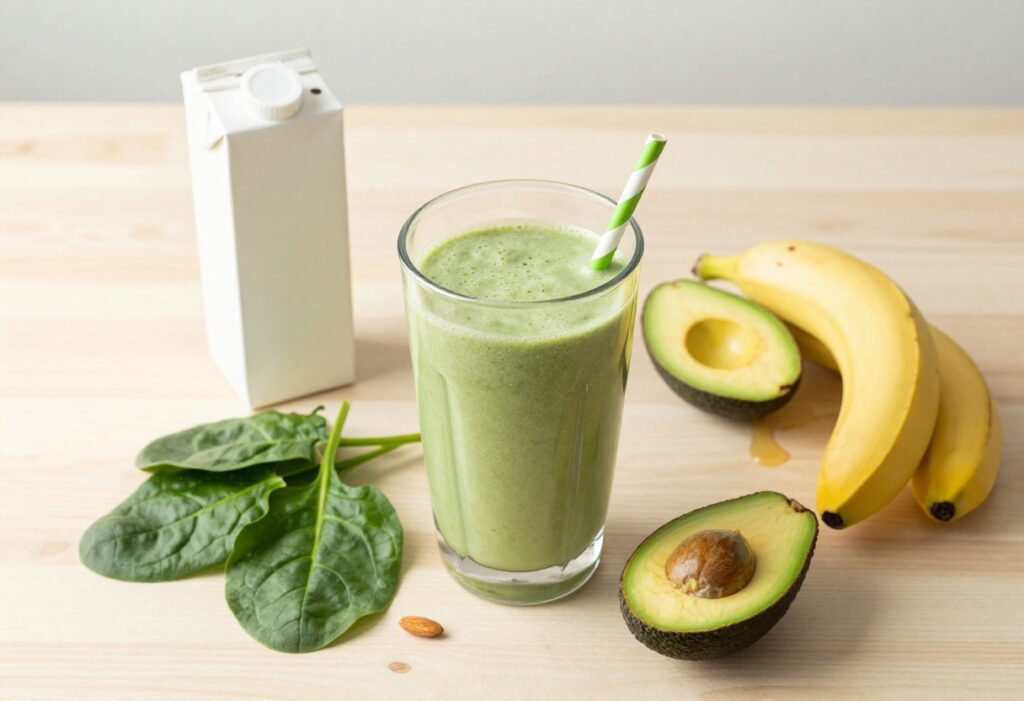
A 1600-calorie meal plan can be a helpful tool for many people looking to maintain their weight or lose a few pounds in a healthy, sustainable way. This calorie level is often recommended for moderately active women or less active men who want to create a slight calorie deficit without feeling deprived.
The key is to focus on nutrient-dense foods that keep you full and energized throughout the day. This guide provides a flexible framework for building your own 1600-calorie day.
You'll find sample meals for breakfast, lunch, dinner, and snacks, along with tips for customization. Remember, this is not a rigid prescription—it's a starting point to help you develop a routine that works for your lifestyle and preferences.
Why Choose a 1600 Calorie Meal Plan?
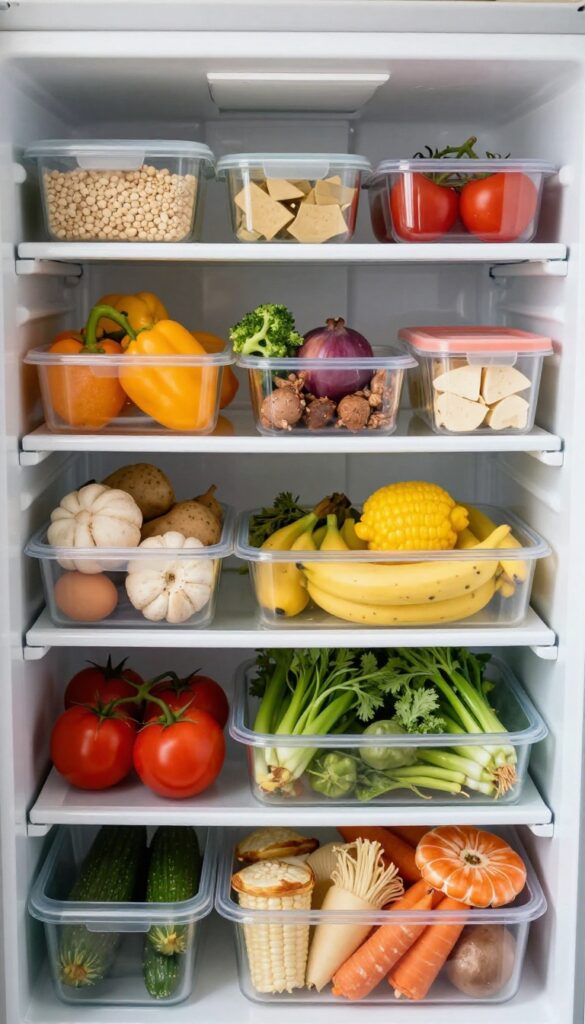
A 1600 calorie meal plan strikes a practical balance for many adults looking to maintain their weight or shed a few pounds without feeling deprived. This calorie level supports steady, sustainable progress when paired with nutrient-dense foods.
This plan works well for moderately active women, smaller-framed men, or anyone aiming for gradual weight loss. It provides enough energy for daily activities and light exercise while creating a modest calorie deficit for those seeking weight loss. For weight maintenance, it suits individuals with lower calorie needs due to age, body size, or activity level.
The key to success on a 1600 calorie plan is prioritizing nutrient density. Every meal should pack vitamins, minerals, fiber, and protein to keep you full and energized. Think colorful vegetables, lean proteins, whole grains, and healthy fats—not empty calories from processed snacks or sugary drinks.
- Ideal for many women and smaller men aiming for gradual weight loss
- Also suitable for weight maintenance in less active individuals
- Allows three satisfying meals plus one or two snacks
- Encourages whole, unprocessed foods for optimal nutrition
Breakfast: Starting Your Day Right
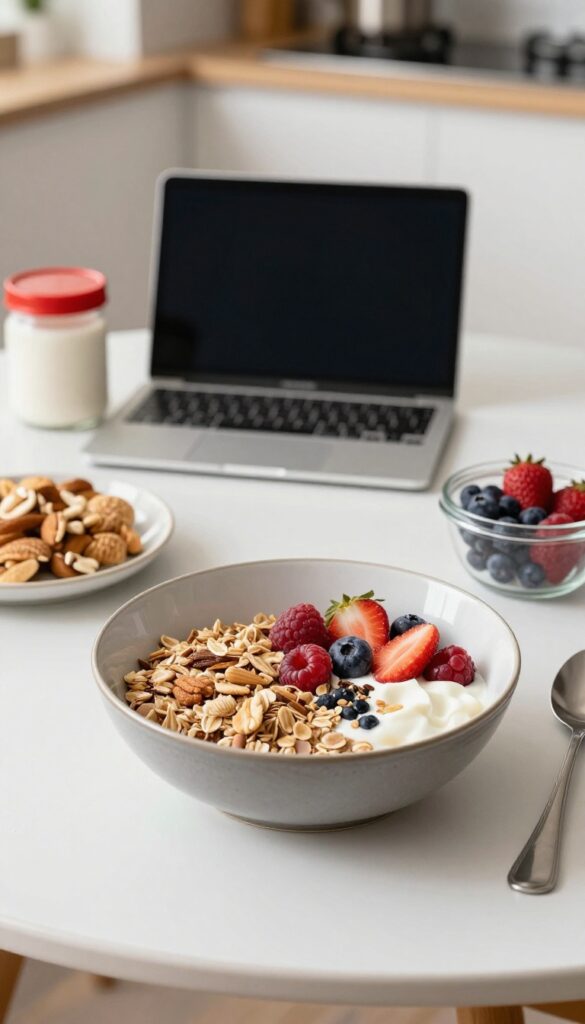
A well-balanced breakfast sets the tone for your entire day. Aim for 300–400 calories, with a good mix of protein, fiber, and healthy fats to keep you full and energized until lunch. Avoid sugary cereals or pastries that cause energy crashes.
Sample Breakfast Ideas
- Scrambled eggs with spinach and whole-wheat toast (approx. 350 cal)
- Greek yogurt parfait with berries and a tablespoon of almonds (approx. 320 cal)
- Oatmeal made with milk, topped with sliced banana and a sprinkle of cinnamon (approx. 380 cal)
- Smoothie with protein powder, spinach, frozen mango, and unsweetened almond milk (approx. 340 cal)
Tips for a Satisfying Breakfast
- Include at least 15–20 grams of protein to support muscle maintenance and satiety.
- Pair protein with fiber-rich carbs like oats, berries, or whole grains to slow digestion.
- Keep portions in check: measure your oats, nuts, or nut butter to avoid calorie creep.
- Prep ingredients the night before (like chopping fruit or portioning yogurt) to save time.
Portion control is key. A serving of oatmeal is about 1/2 cup dry, and a serving of nuts is a small handful. Balancing your macros—protein, carbs, and fats—ensures steady energy and prevents mid-morning cravings.
Lunch: Keeping Energy Up
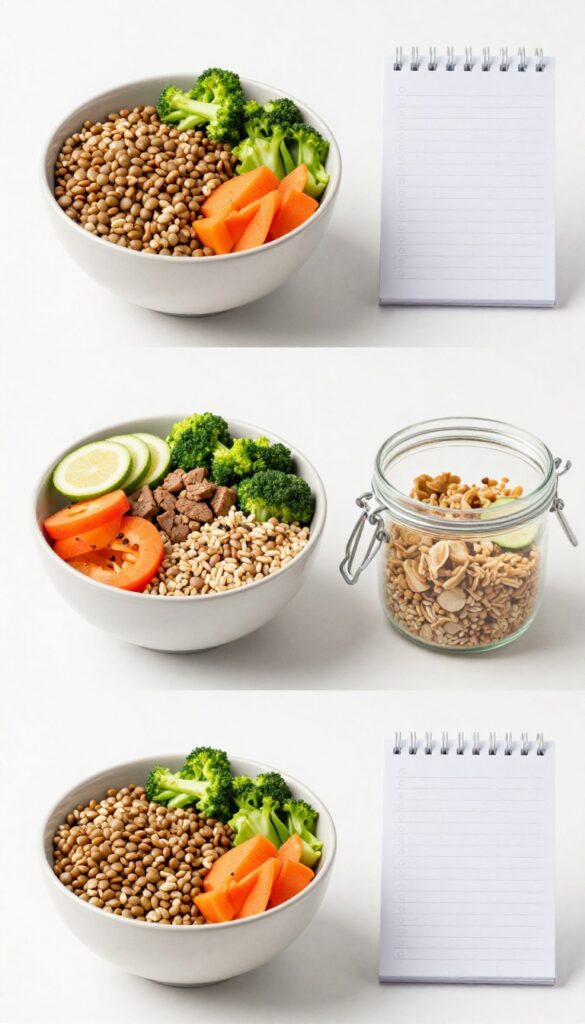
Lunch is the meal that powers you through the afternoon slump. Aim for 400–500 calories, with a focus on lean protein, colorful vegetables, and healthy fats to keep your energy steady and your hunger in check until dinner.
Sample Lunch Ideas
- Grilled chicken salad with mixed greens, cherry tomatoes, cucumber, avocado (1/4), and a light vinaigrette (approx. 450 cal)
- Turkey and hummus wrap in a whole-wheat tortilla with lettuce, tomato, and shredded carrots (approx. 420 cal)
- Quinoa bowl with black beans, roasted bell peppers, corn, a sprinkle of cheese, and lime-cilantro dressing (approx. 480 cal)
- Tuna salad (made with Greek yogurt instead of mayo) on a bed of spinach with sliced almonds and berries (approx. 400 cal)
Building a Balanced Lunch
- Protein: Aim for 20–30g from lean sources like chicken, turkey, fish, tofu, or legumes.
- Vegetables: Fill half your plate with non-starchy veggies (leafy greens, broccoli, peppers) for volume and nutrients.
- Healthy fats: Include a small serving like 1 tbsp olive oil, 1/4 avocado, or a handful of nuts to boost satiety.
- Portion sizes: Use your hand as a guide – a palm-sized protein, a fist-sized veggie portion, and a thumb-sized fat.
- Watch dressings and sauces: Opt for vinaigrettes or yogurt-based dressings, and ask for them on the side when eating out.
Dinner: Ending the Day Well
Dinner is your last opportunity to nourish your body before a long overnight fast. Aim for a balanced plate that includes lean protein, plenty of vegetables, and a small serving of whole grains or starchy veggies. Keep portions moderate—around 400–500 calories—and avoid heavy sauces or excessive fats that can make the meal too calorie-dense.
Sample Dinner Ideas
- Grilled salmon with roasted broccoli and quinoa (about 450 calories)
- Stir-fried chicken breast with bell peppers, snap peas, and brown rice (about 420 calories)
- Turkey meatballs in tomato sauce over zucchini noodles (about 400 calories)
- Baked cod with asparagus and a small sweet potato (about 480 calories)
- Vegetarian black bean tacos with corn salsa and avocado (about 430 calories)
Dinner Timing and Portions
- Try to eat dinner at least 2–3 hours before bedtime to support digestion and sleep quality.
- Use the plate method: fill half your plate with non-starchy vegetables, a quarter with lean protein, and a quarter with whole grains or starchy vegetables.
- Be mindful of portion sizes for grains and starchy veggies—about 1/2 cup cooked is a good starting point.
- Limit heavy sauces, creamy dressings, or added oils; use herbs, spices, citrus, or vinegar for flavor instead.
Smart Snacking Between Meals
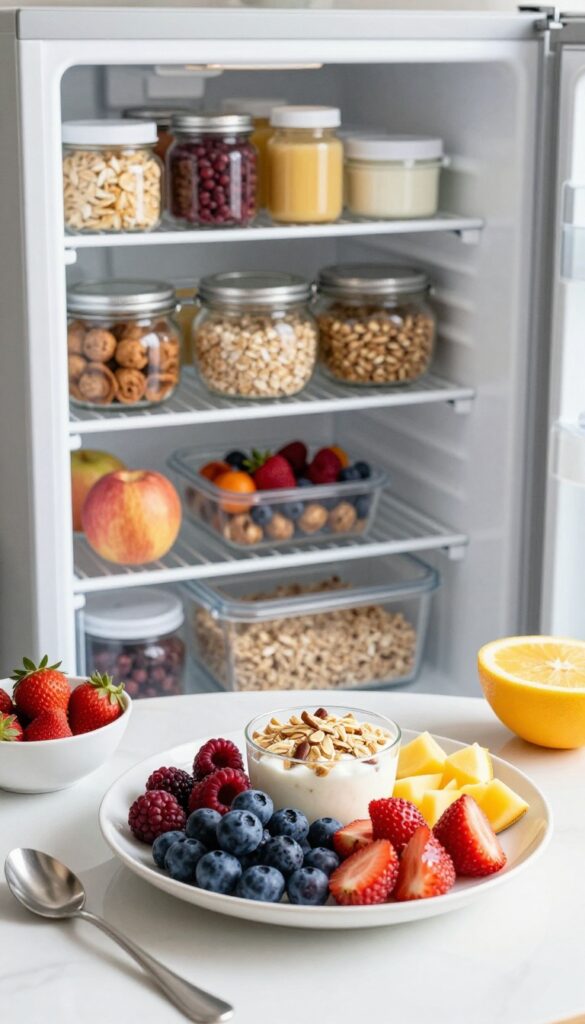
Snacking can be a helpful part of your 1600-calorie plan when done right. The key is to choose nutrient-dense options that keep hunger at bay and provide energy without derailing your calorie goals. Aim for snacks between 100 and 200 calories, and focus on whole foods like fruits, vegetables, nuts, and yogurt.
Healthy Snack Options
- Apple slices with 1 tablespoon of almond butter (about 150 calories)
- A small handful of almonds (about 160 calories for 1 ounce)
- Greek yogurt (plain, nonfat) with berries (about 120 calories)
- Carrot and cucumber sticks with 2 tablespoons of hummus (about 100 calories)
- A hard-boiled egg with a sprinkle of salt and pepper (about 70 calories)
Snack Portion Control
- Pre-portion snacks into small containers or bags to avoid overeating.
- Use measuring cups or a food scale until you get a feel for proper portions.
- Avoid eating directly from large packages; it's easy to lose track of how much you've had.
- Pair a carbohydrate with a protein or fat for better satiety (e.g., apple with cheese).
By choosing snacks that are rich in fiber, protein, or healthy fats, you'll manage hunger more effectively and stay on track with your calorie goals. Remember, snacks are meant to complement your meals, not replace them.
Sample 1600 Calorie Day
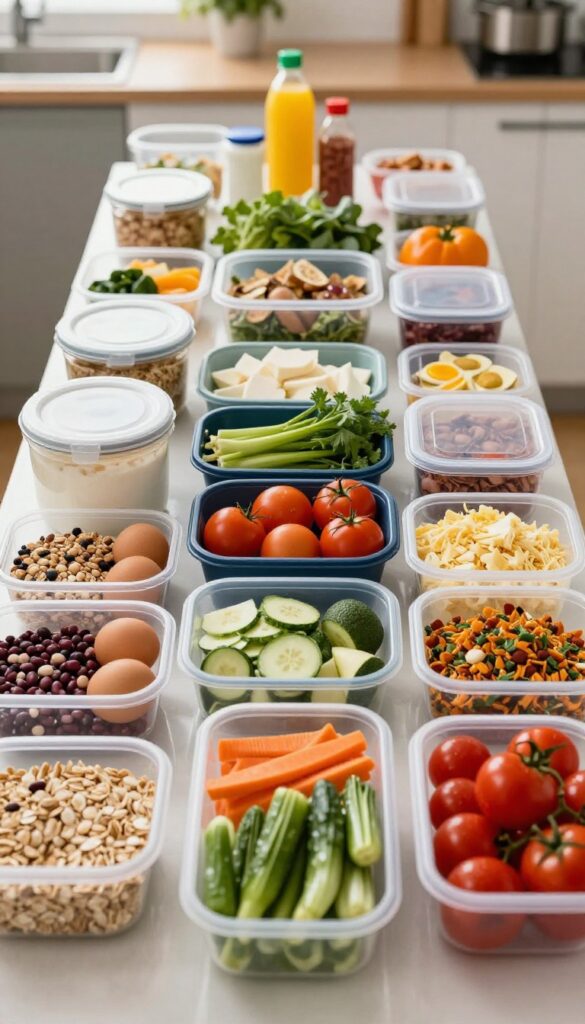
To help you visualize what a well-balanced 1600 calorie day looks like, here is a complete menu with all meals and snacks. This sample is designed to be flexible and can be adjusted based on your preferences.
Full Day Menu
Breakfast (~350 calories
- Scrambled eggs (2 large) with spinach and 1 slice whole wheat toast
- 1 medium apple
- Black coffee or unsweetened tea
Morning Snack (~150 calories
- 1 small Greek yogurt (plain, nonfat) with 1/2 cup mixed berries
Lunch (~450 calories
- Grilled chicken breast (4 oz) over mixed greens with cherry tomatoes, cucumber, and 2 tbsp vinaigrette
- 1 small whole wheat roll
Afternoon Snack (~150 calories
- 1/4 cup almonds (unsalted)
Dinner (~500 calories
- Baked salmon (5 oz) with lemon and dill
- 1 cup steamed broccoli
- 3/4 cup cooked quinoa
Customizing the Plan to Fit Your Needs
A 1600-calorie meal plan is a flexible framework, not a rigid prescription. Your body's needs vary based on activity level, dietary preferences, and personal health goals. The key is to listen to hunger cues and adjust portions or food choices accordingly.
Adjusting for Activity Level
- If you exercise regularly (e.g., 4–5 times per week), you may need 1800–2000 calories to maintain energy. Add an extra 100–200 calories on workout days, like a post-exercise snack such as a banana with peanut butter or a protein shake.
- For light activity (e.g., walking 30 minutes daily), 1600 calories is often sufficient. Focus on nutrient-dense foods to avoid feeling hungry.
- Listen to your body: if you feel fatigued, dizzy, or overly hungry, increase calories by 100–150 increments until you feel balanced.
Dietary Preferences and Restrictions
- Vegetarian: Replace meat with tofu, tempeh, legumes, or eggs. For example, swap chicken in lunch for chickpeas or grilled tofu. Ensure adequate protein (aim for 60–80g per day).
- Vegan: Use plant-based proteins like lentils, beans, quinoa, and edamame. Include fortified foods for B12, iron, and calcium. Nut butters and avocados add healthy fats and calories.
- Gluten-free: Choose gluten-free grains like rice, quinoa, oats (certified), and buckwheat. Check labels on sauces and dressings.
- Dairy-free: Use almond milk, coconut yogurt, or oat milk. Replace cheese with avocado or nutritional yeast for flavor.
- Food allergies: Substitute nuts with seeds (e.g., sunflower butter) or swap eggs with flax eggs in recipes. Always read labels.
Flexibility is Key
The plan is a guide, not a rulebook. If you're hungry, add a small snack. If you're full, skip a snack or reduce portion sizes.
The goal is sustainable healthy eating, not perfection.
Common Mistakes to Avoid
Even a well-planned 1600 calorie meal plan can go off track if you fall into common traps. Here are the biggest mistakes to watch for, along with practical tips to keep your eating routine sustainable and nutritionally balanced.
Skipping Meals
It might seem like a good way to cut calories, but skipping meals often backfires. You may get overly hungry and overeat later, or miss out on essential nutrients. Instead, spread your calories across three meals and one or two snacks to keep energy steady and hunger in check.
Not Eating Enough Protein
Protein helps preserve muscle, keeps you full, and supports metabolism. Many people on a 1600 calorie plan skimp on protein to save calories, but this can lead to muscle loss and cravings. Aim for about 20–30 grams of protein per meal, including lean meats, eggs, tofu, or legumes.
Relying on Diet Foods
Packaged diet foods—like low-fat crackers, sugar-free snacks, or meal replacement bars—often lack fiber and nutrients, and may contain artificial ingredients that don't satisfy you. Focus on whole, minimally processed foods for better satiety and health.
By avoiding these pitfalls, you'll find the 1600 calorie plan easier to stick with and more effective for long-term health.
FAQ
Can I follow this plan if I'm vegetarian?
Absolutely. You can swap animal proteins for plant-based options like tofu, tempeh, legumes, and lentils. Just ensure you're getting enough protein and iron.
The plan is flexible and can be adapted to vegetarian or vegan preferences.
How much weight can I expect to lose?
Weight loss varies by individual. A 1600-calorie plan may create a moderate calorie deficit for some, leading to about 1-2 pounds per week. However, factors like metabolism, activity level, and adherence affect results.
Focus on overall health rather than rapid loss.
Do I need to count calories forever?
Not necessarily. Many people use calorie counting as a short-term tool to learn portion sizes and food choices. Over time, you may develop intuitive eating habits that don't require strict counting.
The goal is to build a sustainable routine.
What if I feel hungry between meals?
Hunger is normal, especially when adjusting to a new plan. Make sure your meals include enough protein, fiber, and healthy fats to keep you satisfied. You can also add an extra snack or adjust portion sizes slightly.
Listen to your body.
Can I drink coffee or tea?
Yes, black coffee and unsweetened tea are very low in calories and can be part of your plan. Be mindful of added sugar, cream, or milk, which can add calories quickly. Stick to moderate amounts to avoid disrupting sleep.
Conclusion
A 1600-calorie meal plan can be a practical and effective way to support your health goals when built around whole, nutrient-rich foods. By focusing on balanced meals and listening to your body's hunger cues, you can create a routine that feels satisfying and sustainable. Remember, the best plan is one that fits your lifestyle and preferences.
As you embark on this journey, be patient with yourself and celebrate small victories. If you have specific health concerns or goals, consider working with a registered dietitian who can provide personalized guidance.

Dr. Pallab Kishore, MS in Orthodontics and owner of Orthodontic Braces Care, shares expert tips on braces, aligners, and oral health from 10+ years of experience.