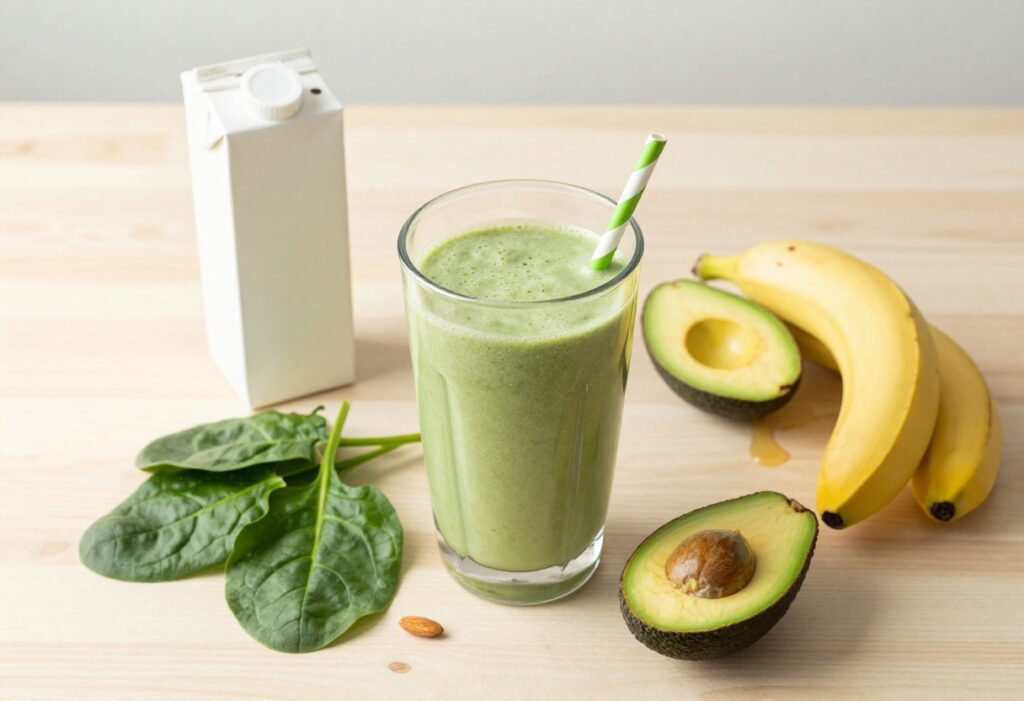
Eating well on a busy schedule can feel like a challenge, but a little planning goes a long way. An 1800-calorie meal plan is a popular choice for many adults looking to maintain their weight or lose weight gradually without feeling deprived.
It provides enough energy to get through the day while still allowing for flexibility and enjoyment. Meal prep is the secret weapon that makes this calorie level work in real life.
By setting aside a couple of hours on the weekend, you can have a week's worth of balanced, delicious meals ready to grab and go. No more last-minute takeout or skipping meals because you're too tired to cook.
Why Choose an 1800 Calorie Meal Plan?
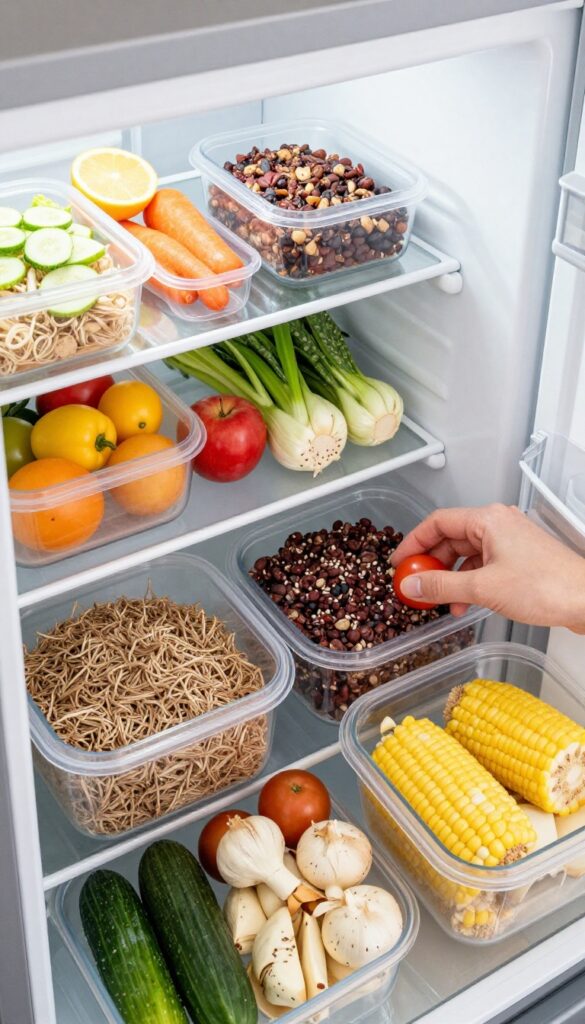
An 1800-calorie meal plan hits a sweet spot for many adults. It's not too restrictive, yet it provides a structured approach to eating that can support weight maintenance or gradual, sustainable weight loss. This calorie level is often recommended for moderately active women, older adults, and smaller men who want to maintain their current weight, as well as for those looking to lose weight at a slow, steady pace without feeling deprived.
One of the biggest advantages of an 1800-calorie plan is that it offers enough energy to fuel daily activities, including light exercise, while still creating a moderate calorie deficit for weight loss in many individuals. It also provides flexibility to include a variety of nutrient-dense foods, making it easier to stick with long-term.
Who is this calorie level suitable for?
- Moderately active women aiming to maintain weight
- Sedentary to lightly active men seeking gradual weight loss
- Older adults with lower energy needs
- Anyone transitioning from a higher-calorie diet to a more controlled plan
From a nutritional standpoint, an 1800-calorie plan should generally include a balance of macronutrients: around 45-55% carbohydrates, 20-30% protein, and 20-30% fat. This translates to roughly 200-250 grams of carbs, 90-135 grams of protein, and 40-60 grams of fat per day. Of course, individual needs vary, so these numbers can be adjusted based on activity level, age, and personal health goals.
General nutritional guidelines for 1800 calories
- Prioritize whole foods: vegetables, fruits, lean proteins, whole grains, and healthy fats
- Aim for at least 25-30 grams of fiber per day to support satiety and digestion
- Include protein at every meal to preserve muscle mass and keep you full
- Limit added sugars and refined grains to avoid energy crashes
Important
This plan is designed for generally healthy individuals. If you have specific medical conditions or dietary needs, consult a healthcare professional before starting any new meal plan.
Your 7-Day 1800 Calorie Meal Plan
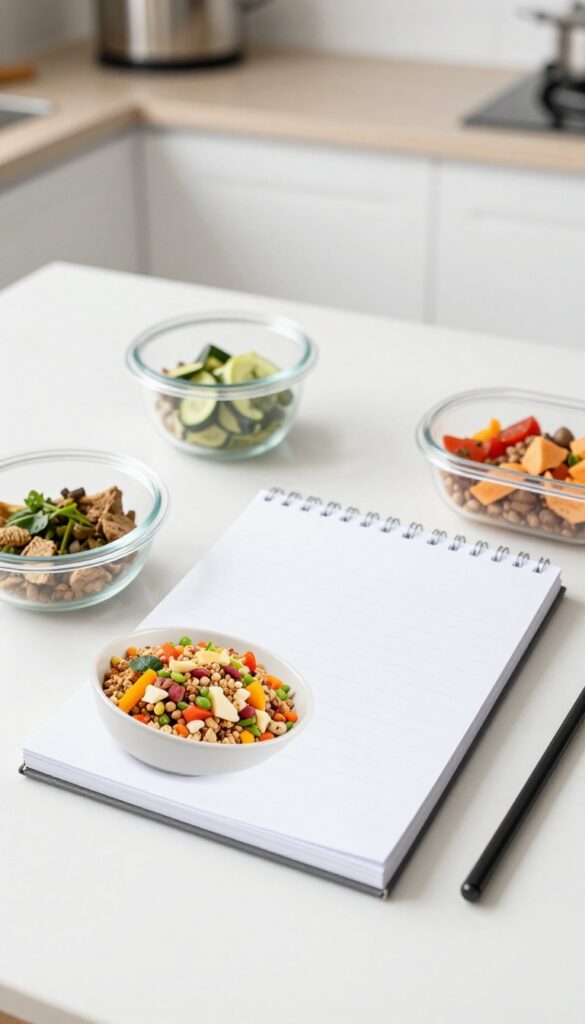
This 7-day meal plan provides a balanced mix of protein, healthy fats, and complex carbohydrates to keep you energized and satisfied. Each day includes three meals and two snacks, totaling approximately 1800 calories. Use this as a template and adjust portion sizes as needed.
Weekly Meal Plan Overview
| Day | Breakfast | Snack 1 | Lunch | Snack 2 | Dinner |
| Monday | Greek yogurt parfait (1 cup yogurt, 1/2 cup berries, 2 tbsp granola) ~300 cal | 1 apple + 1 tbsp peanut butter ~200 cal | Grilled chicken salad (3 oz chicken, 2 cups greens, 1/4 cup avocado, 2 tbsp vinaigrette) ~400 cal | 1/2 cup cottage cheese + 1/2 cup pineapple ~150 cal | Baked salmon (4 oz) + 1 cup roasted broccoli + 1/2 cup quinoa ~550 cal |
| Tuesday | Scrambled eggs (2 eggs, 1/2 cup spinach, 1 slice whole wheat toast) ~350 cal | 1/4 cup almonds ~200 cal | Turkey and avocado wrap (3 oz turkey, 1/4 avocado, whole wheat tortilla, veggies) ~450 cal | 1 small banana ~100 cal | Lean beef stir-fry (3 oz beef, 2 cups veggies, 1 tbsp oil, 1/2 cup brown rice) ~500 cal |
| Wednesday | Oatmeal (1/2 cup oats, 1 cup milk, 1 tbsp honey, 1/4 cup berries) ~350 cal | 1 hard-boiled egg + 1 small pear ~200 cal | Quinoa bowl (1/2 cup quinoa, 3 oz chickpeas, 1/2 cup cucumber, 1/4 cup feta, lemon dressing) ~450 cal | 1/2 cup edamame ~100 cal | Grilled shrimp (4 oz) + 1 cup zucchini noodles + 1/2 cup marinara ~500 cal |
| Thursday | Smoothie (1 cup spinach, 1/2 banana, 1/2 cup Greek yogurt, 1/2 cup almond milk) ~300 cal | 1 oz dark chocolate + 10 almonds ~200 cal | Tuna salad (3 oz tuna, 1 tbsp mayo, celery, on 2 slices rye bread) ~450 cal | 1 cup carrot sticks + 2 tbsp hummus ~150 cal | Baked chicken breast (4 oz) + 1 cup roasted sweet potato + 1 cup green beans ~550 cal |
| Friday | Whole grain cereal (1 cup) + 1 cup milk + 1/2 cup berries ~350 cal | 1/2 cup trail mix ~200 cal | Lentil soup (2 cups) + 1 small whole grain roll ~400 cal | 1 cup strawberries ~50 cal | Grilled turkey burger (4 oz patty, whole wheat bun, lettuce, tomato) + side salad ~500 cal |
| Saturday | Two-egg omelet with mushrooms, onions, 1/4 cup cheese + 1 slice toast ~400 cal | 1/2 cup cottage cheese + 1/2 cup peaches ~150 cal | Chicken and veggie skewers (4 oz chicken, 1 cup peppers, onions) + 1/2 cup couscous ~450 cal | 1/4 cup hummus + 1 cup cucumber slices ~150 cal | Baked cod (4 oz) + 1 cup asparagus + 1/2 cup wild rice ~500 cal |
| Sunday | Pancakes (2 small, whole wheat) + 1 tbsp maple syrup + 1/2 cup berries ~350 cal | 1 cup edamame ~200 cal | Black bean bowl (1/2 cup black beans, 1/2 cup rice, salsa, 1/4 avocado) ~450 cal | 1 apple ~100 cal | Roasted chicken (4 oz) + 1 cup Brussels sprouts + 1/2 cup sweet potato ~550 cal |
Calorie counts are approximate and may vary based on specific brands and portion sizes. Drink plenty of water throughout the day and adjust meals to fit your preferences and dietary needs.
Sample Day Breakdown: What 1800 Calories Looks Like
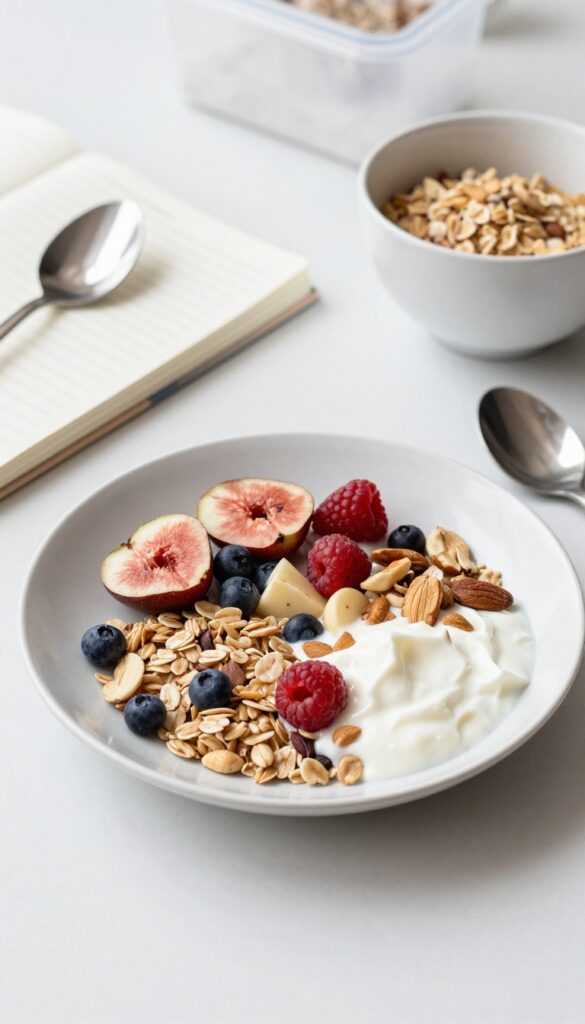
To make this 1800-calorie meal plan feel real and doable, here’s a full day of eating with exact foods and portions. This sample day provides around 1,800 calories with a balance of protein, healthy fats, and complex carbs. You can easily swap ingredients based on your preferences or what you have on hand.
Breakfast (350–400 calories
Scrambled Eggs with Veggies and Avocado Toast
- 2 large eggs, scrambled with 1 cup spinach and ¼ cup diced bell peppers
- 1 slice whole-grain toast (about 100 calories) topped with ¼ avocado (smashed)
- Optional: 1 tablespoon salsa or hot sauce for flavor
Lunch (450–500 calories
Grilled Chicken Salad with Quinoa
- 4 oz grilled chicken breast (about 120g), seasoned with salt, pepper, and lemon
- 2 cups mixed greens, ½ cup cherry tomatoes, ½ cucumber sliced, ¼ cup shredded carrots
- ½ cup cooked quinoa (about 90g)
- 2 tablespoons light vinaigrette (or 1 tbsp olive oil + 1 tbsp vinegar)
Dinner (500–550 calories
Baked Salmon with Roasted Vegetables and Brown Rice
- 5 oz salmon fillet (about 140g), baked with lemon and dill
- 1 cup roasted broccoli and 1 cup roasted asparagus (tossed in 1 tsp olive oil, salt, pepper)
- ¾ cup cooked brown rice (about 150g)
Snacks (200–300 calories total
Two snacks to keep energy steady
- Snack 1: 1 medium apple (about 95 calories) + 1 tablespoon almond butter (about 100 calories)
- Snack 2: 1 container (150g) nonfat Greek yogurt (about 100 calories) with ½ cup mixed berries (about 40 calories)
How to Adjust for Personal Preference
If you don’t eat salmon, swap it for 5 oz of chicken thigh or extra-firm tofu. Prefer different veggies? Use cauliflower instead of broccoli or zucchini instead of asparagus.
The key is keeping the calorie and protein amounts similar. For a vegetarian version, replace the chicken and salmon with legumes or plant-based proteins like tempeh or chickpeas, and adjust portions to hit the same calorie targets.
Your Meal Prep Shopping List
This shopping list covers everything you need for the full 7-day 1800-calorie meal plan. It's organized by grocery aisle to make your trip efficient. Quantities are based on one person for one week, but you can easily scale up for meal prep with a partner or family.
Feel free to swap items based on availability or preference—substitution notes are included.
Produce
- Leafy greens: 2 bags (5 oz each) spinach or mixed greens – use for salads and smoothies
- Broccoli: 1 large head – roast or steam for dinners
- Bell peppers: 3 (any colors) – slice for snacks or stir-fries
- Cherry tomatoes: 1 pint – toss in salads or eat raw
- Avocado: 2 – for toast, salads, or as a healthy fat source
- Lemons: 2 – juice for dressings or water
- Bananas: 3 – for breakfast or snacks
- Apples: 2 – easy grab-and-go fruit
- Berries: 1 cup fresh or frozen – for oatmeal or yogurt
- Garlic: 1 head – essential for cooking
- Onion: 1 medium – for savory dishes
Protein
- Chicken breast: 1.5 lbs boneless, skinless – bake in bulk for lunches and dinners
- Lean ground turkey: 1 lb (93/7) – use for taco bowls or pasta sauce
- Eggs: 1 dozen – for breakfast or hard-boiled snacks
- Canned tuna: 2 cans (5 oz each) – quick lunch option
- Greek yogurt: 1 large tub (32 oz) plain nonfat – versatile for breakfast, snacks, or dressings
Grains and Legumes
- Rolled oats: 1 cup – for oatmeal or overnight oats
- Quinoa: 1 cup dry – cook as a side or base for bowls
- Brown rice: 1 cup dry – pair with stir-fries or curries
- Whole wheat bread: 1 loaf (8 slices) – for toast or sandwiches
- Canned black beans: 1 can (15 oz) – rinse and use in salads or bowls
Dairy and Alternatives
- Milk: 1 quart (skim or unsweetened almond) – for cereal or coffee
- Cheese: 4 oz reduced-fat cheddar or feta – sprinkle on salads or eggs
- Butter or oil: 2 tbsp (for cooking) – use sparingly
Pantry Staples
- Olive oil: 2 tbsp – for dressings and light sautéing
- Vinegar: balsamic or apple cider – for salad dressings
- Spices: salt, pepper, garlic powder, paprika, cumin, cinnamon – keep it simple
- Salsa: 1 jar (8 oz) – low-calorie flavor booster
- Nut butter: 2 tbsp peanut or almond butter – for snacks or oatmeal
- Hummus: 1 small container (8 oz) – veggie dip
Cost-Saving Tips
Buy frozen vegetables like broccoli and berries when fresh is pricey. Opt for store-brand staples (oats, rice, spices) and buy chicken in bulk when on sale. Canned beans and tuna are budget-friendly and have a long shelf life.
Step-by-Step Meal Prep Guide
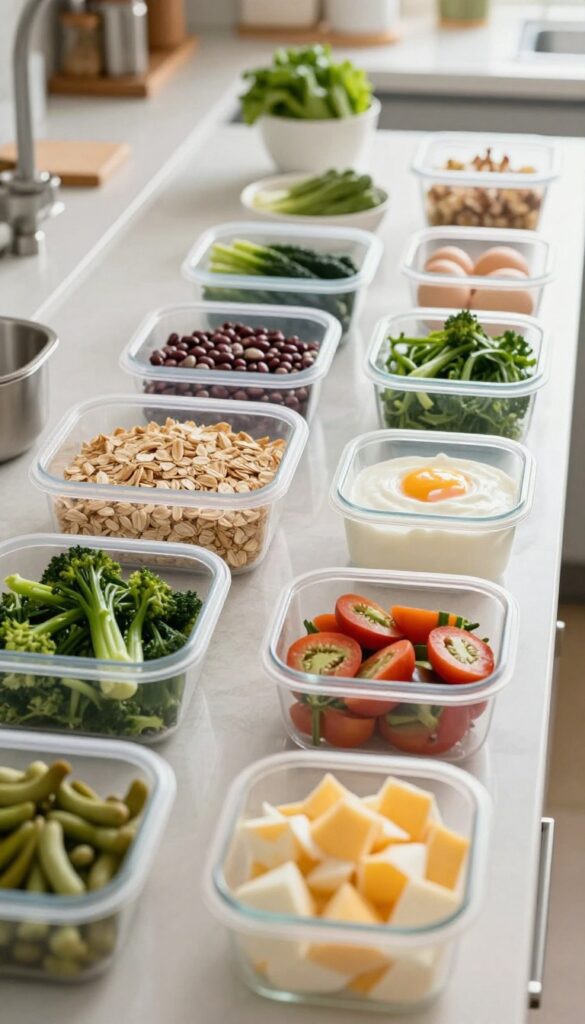
Follow these steps to prep your 1800-calorie meals efficiently and safely. This guide focuses on time-saving techniques and proper storage to keep your food fresh all week.
- Cook grains and proteins in bulk. Prepare quinoa, brown rice, or whole-wheat pasta along with chicken breast, lean ground turkey, or tofu. Use a rice cooker or instant pot to save time.
- Chop vegetables and store properly. Wash and chop bell peppers, broccoli, carrots, and leafy greens. Store in airtight containers with paper towels to absorb moisture.
- Portion meals into containers. Divide grains, proteins, and vegetables into individual containers using a food scale or measuring cups to stay close to 1800 calories per day.
- Label and store for the week. Use masking tape and a marker to label each container with the day and meal. Refrigerate meals for up to 4 days and freeze extras for later.
Food Safety Tip
Cool cooked food within 2 hours before refrigerating. Store leftovers in shallow containers to speed cooling. Reheat to 165°F before eating.
For maximum efficiency, choose one day (like Sunday) to complete all prep. Start with grains and proteins that take longest, then chop vegetables while they cook. Use sheet pans to roast multiple vegetables at once.
How to Customize Your 1800 Calorie Plan
The 7-day plan provided is a solid foundation, but your preferences, dietary needs, and activity levels are unique. Customizing the plan ensures it fits your lifestyle and keeps you motivated. Here are practical ways to adapt the meals without losing the calorie balance.
Swap Proteins to Suit Your Taste or Diet
Protein is the most flexible component. You can easily exchange chicken for tofu, fish, tempeh, or lean beef. For vegetarian or vegan adaptations, replace animal proteins with plant-based options like lentils, chickpeas, or seitan.
Keep portion sizes similar to maintain the calorie count—about 4–6 ounces of cooked protein per meal.
Adjust Portion Sizes for Your Activity Level
Your energy needs may be higher or lower than the standard 1800 calories. If you exercise intensely, increase portions of grains or healthy fats by 100–200 calories. For a more sedentary day, reduce carbs or fats slightly.
Use a food scale or measuring cups to stay consistent, and listen to your hunger cues.
Incorporate Your Favorite Vegetables and Grains
Don't force yourself to eat vegetables you dislike. Swap broccoli for spinach, bell peppers, or zucchini. For grains, choose quinoa, brown rice, or gluten-free oats if needed.
The key is to keep the total carbohydrate and fiber content similar to maintain the calorie target.
Vegetarian, Vegan, and Gluten-Free Options
For vegetarian or vegan diets, focus on legumes, tofu, and plant-based dairy. For gluten-free needs, use certified gluten-free oats, rice, quinoa, and corn tortillas. Check labels on sauces and condiments, as they can contain hidden gluten.
All swaps should keep the meal satisfying and within the calorie range.
How to Increase or Decrease Calories
To increase calories, add an extra serving of healthy fats like avocado, nuts, or olive oil. To decrease, reduce grains or fats by half and increase non-starchy vegetables. Avoid extreme restrictions—aim for a 100–200 calorie adjustment per meal to stay balanced.
Tips for Staying on Track with Meal Prep
Meal prep is a powerful habit, but even the best plans can hit a few bumps. Here are practical tips to keep you motivated and consistent, plus common pitfalls to avoid.
Starting with simple recipes is key. Choose meals with 5–10 ingredients and basic cooking techniques. This reduces overwhelm and builds confidence.
As you get comfortable, you can experiment with more complex dishes.
Use a variety of spices and herbs to keep your meals interesting. The same chicken and rice can taste completely different with cumin and lime versus rosemary and garlic. This prevents flavor fatigue and makes sticking to the plan easier.
Plan for leftovers intentionally. Cook extra portions of staples like grilled chicken, roasted vegetables, or quinoa. You can repurpose them into lunches or quick dinners later in the week, saving time and reducing waste.
Keep snacks handy. Pre-portion nuts, yogurt, fruit, or veggie sticks so you always have a healthy option. This helps avoid impulse eating when hunger strikes between meals.
Common Pitfalls and How to Avoid Them
- Overcomplicating the plan: Start with just 2–3 days of prep. As you get the hang of it, scale up.
- Not accounting for variety: Rotate your protein and vegetable choices weekly to keep meals exciting.
- Skipping the shopping list: A list prevents impulse buys and ensures you have everything you need.
- Forgetting to prep snacks: Without ready-to-eat snacks, you're more likely to reach for less healthy options.
- Setting unrealistic goals: Aim for progress, not perfection. A missed prep day isn't failure—just adjust and continue.
Motivation and Habit-Building
Link your meal prep to a specific time each week, like Sunday afternoon. Consistency turns it into a habit. Celebrate small wins—like prepping all week without ordering takeout.
Track your progress in a journal or app to stay motivated. Remember, meal prep is a tool to support your health, not a chore to dread.
FAQ
Is 1800 calories too low for men?
It depends on the individual's size, activity level, and goals. Many men can maintain weight on 1800 calories, but active men may need more. Listen to your body and adjust if you feel overly hungry or fatigued.
Can I follow this plan if I'm vegetarian?
Absolutely. Swap animal proteins for plant-based options like tofu, tempeh, legumes, and seitan. Adjust portions to meet protein needs, and consider adding a protein-rich snack if needed.
How much weight will I lose on 1800 calories?
Weight loss depends on your individual calorie needs. If 1800 calories is below your maintenance level, you may lose about 1-2 pounds per week. Results vary, so focus on how you feel rather than the scale.
Can I eat out and still stay within 1800 calories?
Yes, but it requires some planning. Look for grilled or baked options, ask for dressings on the side, and watch portion sizes. Many restaurants provide calorie information online.
Do I need to count calories forever?
Not necessarily. Many people use meal prep and calorie counting as a learning tool to understand portion sizes and food choices. Over time, you may develop intuitive eating habits that don't require strict tracking.
Conclusion
An 1800-calorie meal plan doesn't have to be boring or restrictive. With a bit of planning and prep, you can enjoy a variety of tasty, nutritious meals that keep you satisfied and on track with your health goals. The key is to find what works for you and make it a habit.
Remember, consistency matters more than perfection. Start with one week of meal prep, see how it fits into your routine, and adjust as needed.

Dr. Pallab Kishore, MS in Orthodontics and owner of Orthodontic Braces Care, shares expert tips on braces, aligners, and oral health from 10+ years of experience.