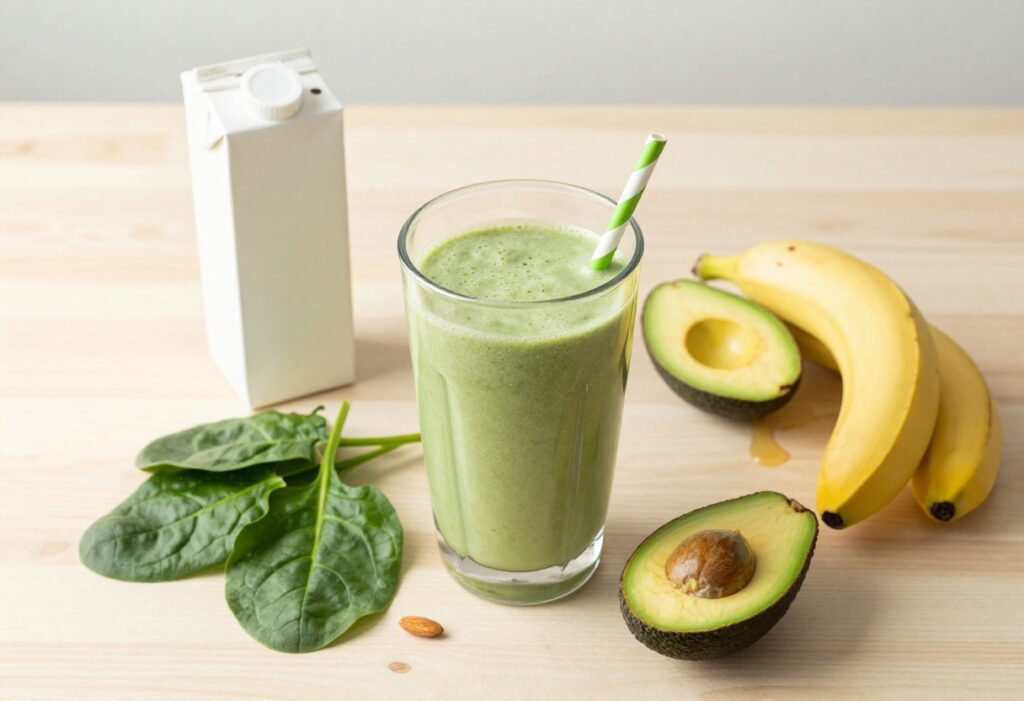
A 1400 calorie meal plan can be a helpful tool for those looking to manage their weight or eat more mindfully. This calorie level often works well for individuals aiming for a moderate deficit while still enjoying satisfying meals.
The key is to focus on nutrient-dense foods that keep you full and energized throughout the day. This guide provides a simple, flexible framework for building daily meals around 1400 calories.
You'll find a sample day with easy recipes, additional meal ideas, and practical tips to make the plan work for your lifestyle. Remember, this is a general reference—everyone's needs are different, so adjust portions and choices based on your own hunger and activity levels.
What Is a 1400 Calorie Meal Plan?
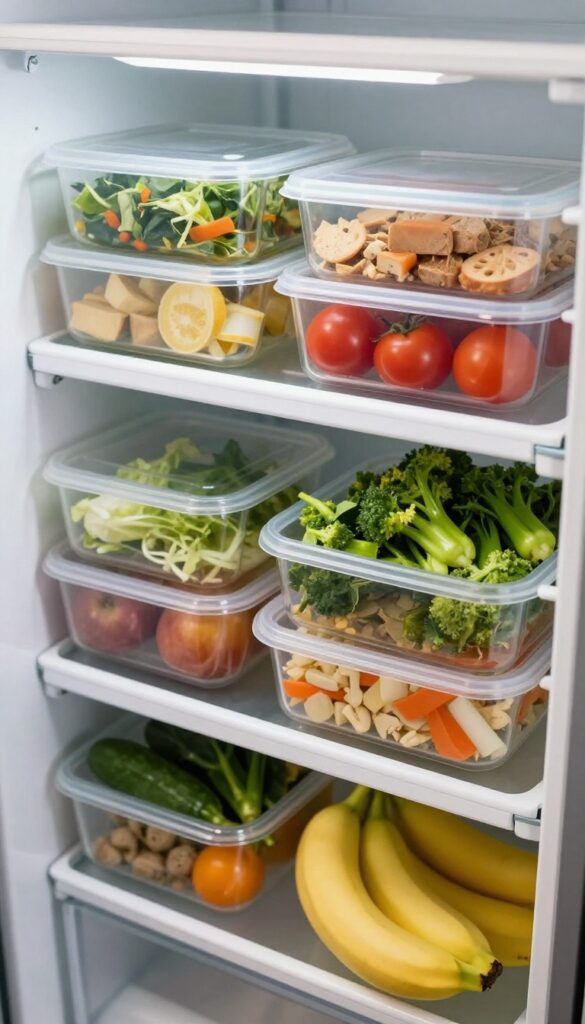
A 1400 calorie meal plan is a structured eating approach that provides approximately 1400 calories per day. This calorie level is often used for moderate weight loss or weight maintenance, depending on individual factors like age, gender, activity level, and metabolism. The plan focuses on nutrient-dense foods to ensure you get essential vitamins and minerals while staying within the calorie target.
For many people, 1400 calories represents a moderate deficit from their maintenance calories, which can lead to gradual weight loss of about 1 to 2 pounds per week. However, this is not a one-size-fits-all number. Athletes, very active individuals, or those with higher muscle mass may need more calories to function optimally.
Conversely, some smaller or less active individuals might find 1400 calories close to their maintenance level.
A 1400 calorie meal plan is not suitable for everyone. It is generally not recommended for pregnant or breastfeeding women, growing teenagers, or individuals with certain medical conditions without professional guidance. The plan is designed for adults who have a goal of weight management and are looking for a structured yet flexible eating pattern.
The key to success with a 1400 calorie plan is prioritizing nutrient density. This means choosing foods that are rich in nutrients relative to their calorie content—think vegetables, fruits, lean proteins, whole grains, and healthy fats. These foods help you feel full and satisfied while providing the energy your body needs.
Processed foods, sugary drinks, and empty calories should be minimized because they can quickly use up your calorie budget without offering much nutritional value.
It's important to note that a 1400 calorie meal plan is not a quick fix or a guaranteed weight loss solution. Sustainable weight management involves consistent healthy habits, physical activity, and listening to your body's hunger and fullness cues. This plan can be a helpful tool, but it should be part of a broader lifestyle approach.
Key Principles for a Successful 1400 Calorie Plan
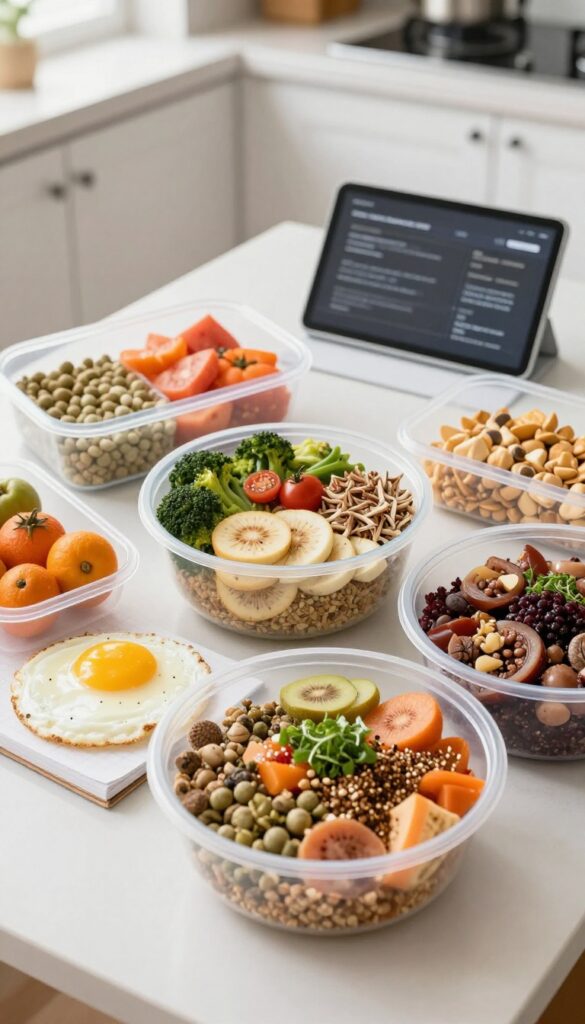
Building a 1400-calorie meal plan that's both satisfying and sustainable comes down to a few core principles. Rather than focusing on what you can't eat, shift your mindset to what your body needs to feel energized and full. These guidelines will help you create meals that support your goals without leaving you hungry or deprived.
Prioritize Protein and Fiber
Protein and fiber are your best friends on a lower-calorie plan. Protein helps preserve muscle mass and keeps you feeling full, while fiber adds bulk to meals and slows digestion. Aim to include a source of lean protein—like chicken, fish, tofu, or legumes—and fiber-rich vegetables, whole grains, or fruit at every meal.
This combination helps stabilize blood sugar and curbs cravings.
Easy ways to boost protein and fiber
- Start your day with Greek yogurt or eggs plus berries or oats.
- Add beans or lentils to salads, soups, or grain bowls.
- Choose whole grain bread, brown rice, or quinoa over refined grains.
- Snack on vegetables with hummus or an apple with nut butter.
Include Healthy Fats
Don't fear fat—it's essential for hormone function, vitamin absorption, and satiety. The key is choosing unsaturated fats and keeping portions moderate. A small amount of healthy fat can make a meal more satisfying and prevent you from feeling deprived.
Smart sources of healthy fats
- Avocado: a quarter of an avocado adds creaminess and healthy monounsaturated fats.
- Nuts and seeds: a small handful (about 1 ounce) of almonds, walnuts, or chia seeds.
- Olive oil: use 1 tablespoon for cooking or dressing salads.
- Fatty fish: salmon, mackerel, or sardines provide omega-3s.
Stay Hydrated
Thirst can easily be mistaken for hunger, leading to unnecessary snacking. Drinking enough water throughout the day helps your body function optimally and supports your meal plan. Aim for at least 8 cups (64 ounces) of water daily, and more if you're active or in a hot climate.
Hydration tips
- Keep a reusable water bottle on your desk or in your bag.
- Add a slice of lemon, cucumber, or mint for flavor without calories.
- Drink a glass of water before each meal to help with portion control.
- Include hydrating foods like cucumbers, watermelon, and leafy greens.
By focusing on these three principles—protein and fiber, healthy fats, and hydration—you'll create a 1400-calorie plan that feels abundant, not restrictive. Remember, the goal is to nourish your body and enjoy your food, not to follow a rigid set of rules.
Sample Day: 1400 Calorie Meal Plan
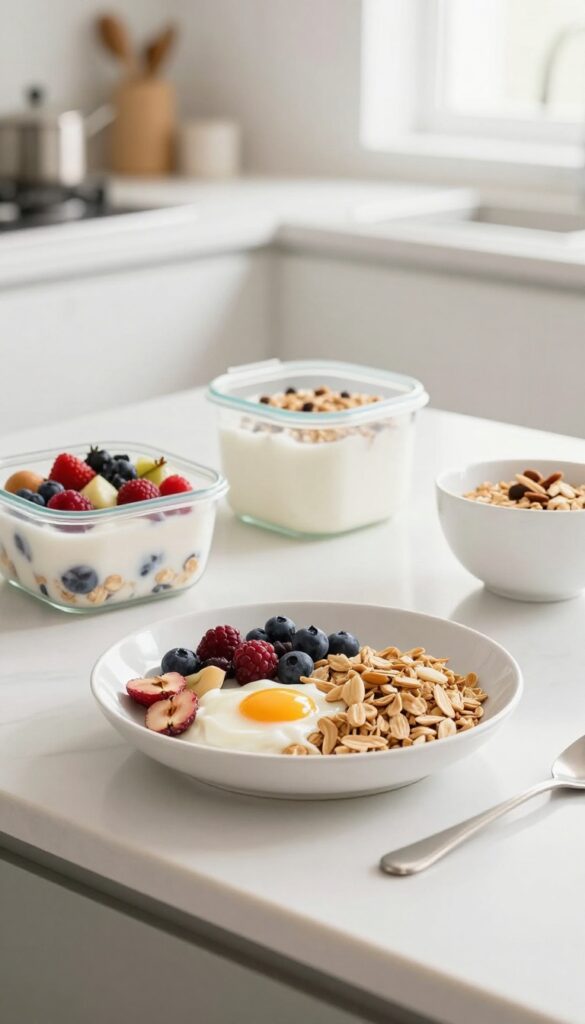
To give you a clear picture of what a 1400 calorie day looks like, here is a sample menu with simple, satisfying meals. Each meal includes approximate calorie counts and portion sizes to help you stay on track.
Full Day Meal Overview
| Meal | Food | Portion | Calories |
| Breakfast | Scrambled eggs with spinach and whole wheat toast | 2 eggs, 1 cup spinach, 1 slice toast | 350 |
| Lunch | Grilled chicken salad with mixed greens, cherry tomatoes, cucumber, and vinaigrette | 4 oz chicken, 2 cups greens, 1/2 cup veggies, 2 tbsp dressing | 400 |
| Dinner | Baked salmon with quinoa and roasted broccoli | 4 oz salmon, 1/2 cup quinoa, 1 cup broccoli | 450 |
| Snack 1 | Greek yogurt with berries | 3/4 cup yogurt, 1/2 cup berries | 150 |
| Snack 2 | Apple slices with almond butter | 1 medium apple, 1 tbsp almond butter | 100 |
Breakfast (approx. 350 calories
Start your day with protein and fiber to keep you full. Scramble two eggs with a handful of fresh spinach, and serve with one slice of whole wheat toast. This meal provides about 25g of protein and 5g of fiber.
Lunch (approx. 400 calories
For lunch, enjoy a hearty salad. Top 2 cups of mixed greens with 4 ounces of grilled chicken breast, halved cherry tomatoes, sliced cucumber, and 2 tablespoons of light vinaigrette. This keeps you energized without weighing you down.
Dinner (approx. 450 calories
Dinner features a 4-ounce baked salmon fillet seasoned with lemon and herbs, paired with 1/2 cup of cooked quinoa and 1 cup of roasted broccoli. Salmon provides healthy omega-3s, while quinoa adds complete protein and fiber.
Snacks (approx. 200 calories total
Two snacks keep your metabolism steady. Have 3/4 cup of plain Greek yogurt with 1/2 cup of mixed berries (150 calories) and later, one medium apple sliced with 1 tablespoon of almond butter (100 calories). These snacks add protein, healthy fats, and antioxidants.
Additional Meal Ideas for Variety
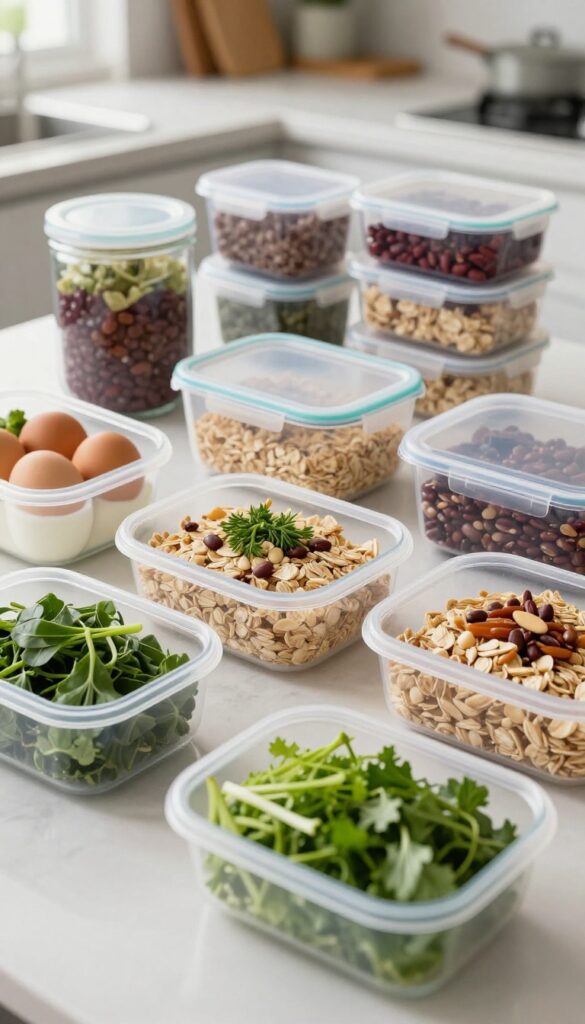
To keep your 1400-calorie meal plan interesting and sustainable, here are more simple meal ideas for each part of the day. Each suggestion includes a calorie range so you can mix and match without going over your daily target.
Breakfast Ideas
- Greek yogurt parfait: 1 cup plain Greek yogurt, ½ cup berries, 1 tbsp chopped nuts (approx. 250–300 cal)
- Oatmeal with apple and cinnamon: ½ cup rolled oats, 1 small apple, 1 tsp cinnamon, 1 tbsp maple syrup (approx. 280–320 cal)
- Scrambled eggs with veggies: 2 eggs, 1 cup spinach, ½ bell pepper, 1 slice whole-wheat toast (approx. 300–350 cal)
- Smoothie: 1 cup unsweetened almond milk, 1 scoop protein powder, ½ banana, 1 tbsp peanut butter (approx. 300–350 cal)
Lunch Ideas
- Chicken salad wrap: 3 oz grilled chicken, 2 cups mixed greens, 1 tbsp vinaigrette, 1 whole-wheat tortilla (approx. 350–400 cal)
- Quinoa bowl: ½ cup cooked quinoa, ½ cup black beans, ½ cup corn, ¼ avocado, salsa (approx. 350–400 cal)
- Turkey and cheese sandwich: 3 oz turkey, 1 slice Swiss cheese, mustard, lettuce, tomato, 2 slices whole-grain bread (approx. 350–400 cal)
- Vegetable soup with crackers: 2 cups minestrone, 6 whole-wheat crackers (approx. 300–350 cal)
Dinner Ideas
- Baked salmon with asparagus: 4 oz salmon, 1 cup asparagus, 1 tbsp olive oil, lemon (approx. 400–450 cal)
- Stir-fry with tofu and vegetables: ½ block firm tofu, 2 cups mixed veggies, 2 tbsp low-sodium soy sauce, 1 tsp sesame oil (approx. 350–400 cal)
- Spaghetti with marinara and turkey meatballs: 1 cup cooked whole-wheat spaghetti, 3 oz turkey meatballs, ½ cup marinara (approx. 400–450 cal)
- Chicken fajita bowl: 3 oz grilled chicken, ½ cup brown rice, ½ cup sautéed peppers and onions, ¼ avocado, salsa (approx. 400–450 cal)
Snack Ideas
- Apple slices with 1 tbsp almond butter (approx. 150–200 cal)
- Carrot and cucumber sticks with ¼ cup hummus (approx. 100–150 cal)
- 1 hard-boiled egg with a sprinkle of salt and pepper (approx. 70–80 cal)
- 1 cup air-popped popcorn with a dash of nutritional yeast (approx. 100–120 cal)
Tips for Sticking to Your 1400 Calorie Plan
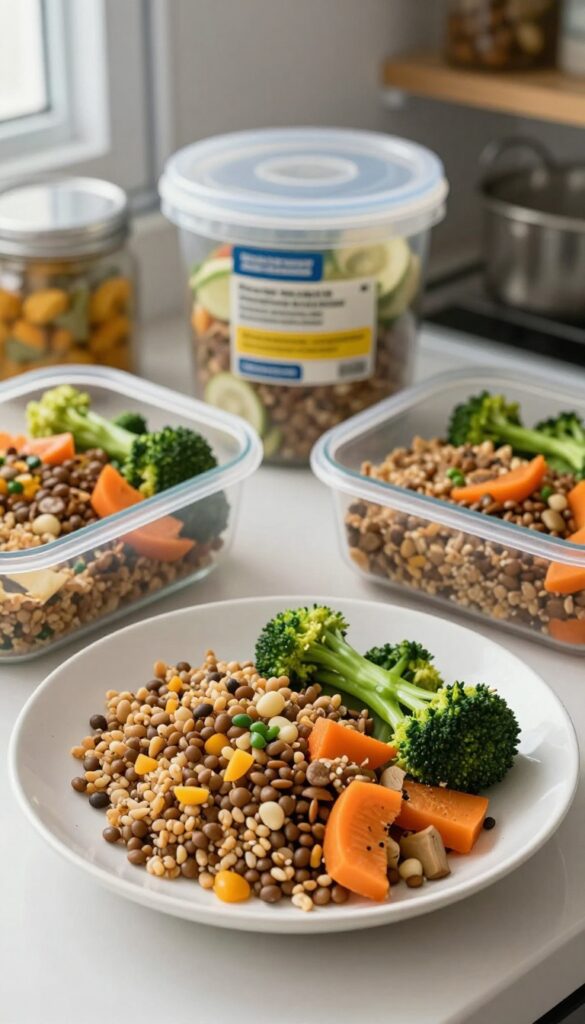
Sticking to a 1400-calorie meal plan can feel challenging at first, but with the right strategies, it becomes a sustainable habit. Here are practical tips to help you stay on track without feeling deprived.
Meal Prep for Success
Meal prepping is one of the most effective ways to stay within your calorie goals. By planning and preparing meals in advance, you reduce the temptation to grab high-calorie convenience foods.
Listen to Your Body
A 1400-calorie plan is a guideline, not a rigid rule. Pay attention to your hunger and fullness cues to avoid overeating or undereating.
Avoid Common Pitfalls
Being aware of common mistakes can help you navigate challenges without derailing your progress.
FAQ
Is a 1400 calorie meal plan safe for everyone?
A 1400 calorie plan may not be suitable for everyone, especially those with high activity levels, certain medical conditions, or specific nutritional needs. It's best to consult a healthcare provider or dietitian before starting any calorie-restricted plan.
Can I still exercise while following a 1400 calorie plan?
Yes, but you may need to adjust your intake on days with intense exercise to avoid fatigue. Focus on nutrient timing and consider adding a small pre- or post-workout snack if needed.
How much weight can I expect to lose on 1400 calories a day?
Weight loss varies based on factors like age, gender, activity level, and metabolism. A 1400 calorie plan may lead to a gradual loss of about 1-2 pounds per week for some, but results are individual.
What if I feel hungry between meals?
Hunger is normal, especially when adjusting to a new calorie level. Try drinking water, eating high-fiber snacks like vegetables or fruit, or ensuring your meals include enough protein and healthy fats to keep you satisfied.
Can I customize the plan for vegetarian or vegan diets?
Absolutely. Swap animal proteins for plant-based options like tofu, tempeh, legumes, and seitan. Adjust portions to meet your calorie needs while ensuring adequate protein and nutrients like iron and B12.
Conclusion
A 1400 calorie meal plan doesn't have to be restrictive or boring. By focusing on whole foods, balanced meals, and simple preparation, you can create a sustainable eating pattern that supports your health goals. The sample day and ideas provided are just a starting point—feel free to mix and match based on your preferences.
Remember, the best plan is one that fits your lifestyle and makes you feel good. Listen to your body, stay flexible, and don't hesitate to seek guidance from a professional if you have specific health concerns.

Dr. Pallab Kishore, MS in Orthodontics and owner of Orthodontic Braces Care, shares expert tips on braces, aligners, and oral health from 10+ years of experience.