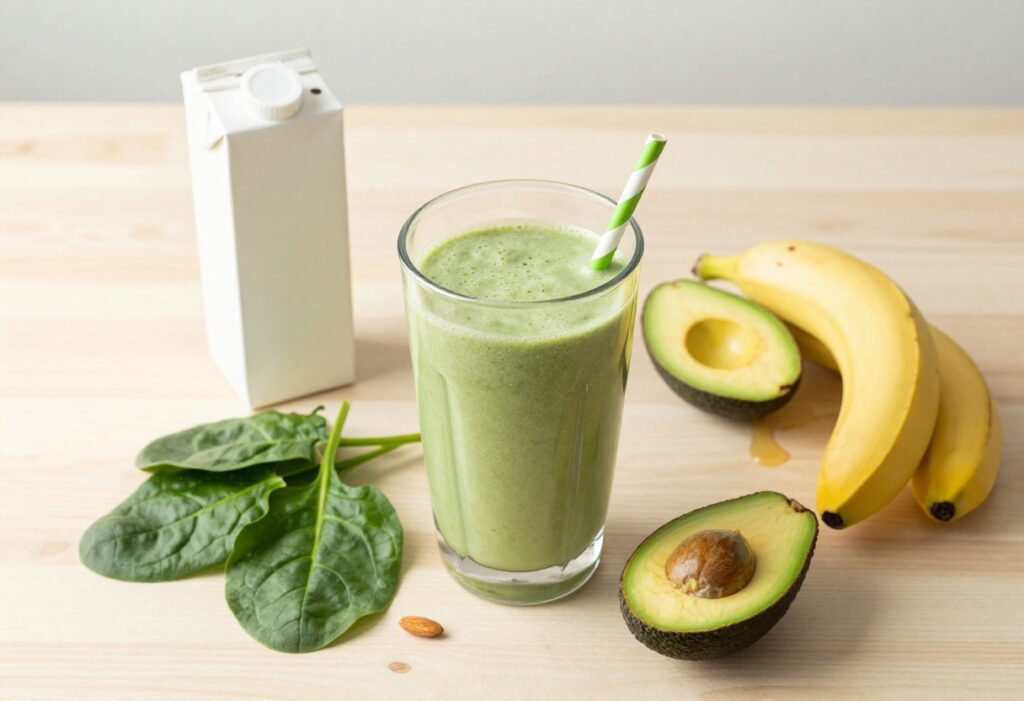
Staring at an open fridge at 6 p.m. wondering what to cook is a nightly struggle for many. The constant decision-making drains mental energy and often leads to takeout or unhealthy choices.
A weekly meal plan template can break this cycle by giving you a clear roadmap for the week ahead.
It saves time, reduces food waste, and helps you eat better without the daily stress.
Why a Weekly Meal Plan Template Works
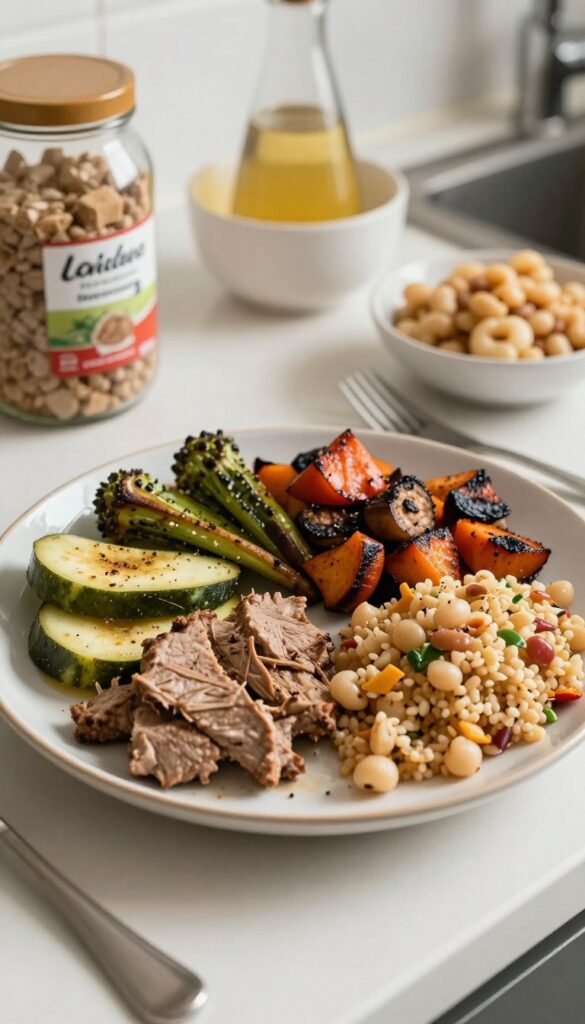
Meal planning might sound like a chore, but using a simple weekly template can transform how you approach food. Instead of scrambling for ideas each day, you gain a clear roadmap that saves time, money, and mental energy. Here’s why it’s worth the effort.
A weekly meal plan template gives you a repeatable structure to organize breakfasts, lunches, dinners, and snacks. By dedicating a short block of time once a week, you eliminate the daily “what’s for dinner?” stress and make healthier choices more automatic.
Key Benefits
- Saves decision fatigue – You make one set of choices for the week instead of seven.
- Reduces food waste – Buying only what you need means less spoiled produce and leftovers.
- Helps stick to budget – Planned shopping prevents impulse buys and takeout temptations.
- Encourages healthier choices – When meals are pre-planned, you’re less likely to reach for convenience foods.
Even a basic template can bring these benefits. You don’t need complex recipes or rigid schedules—just a simple grid that outlines your meals. Over time, you’ll find that planning ahead actually frees up mental space and makes your week feel more manageable.
The Complete Weekly Meal Plan Template
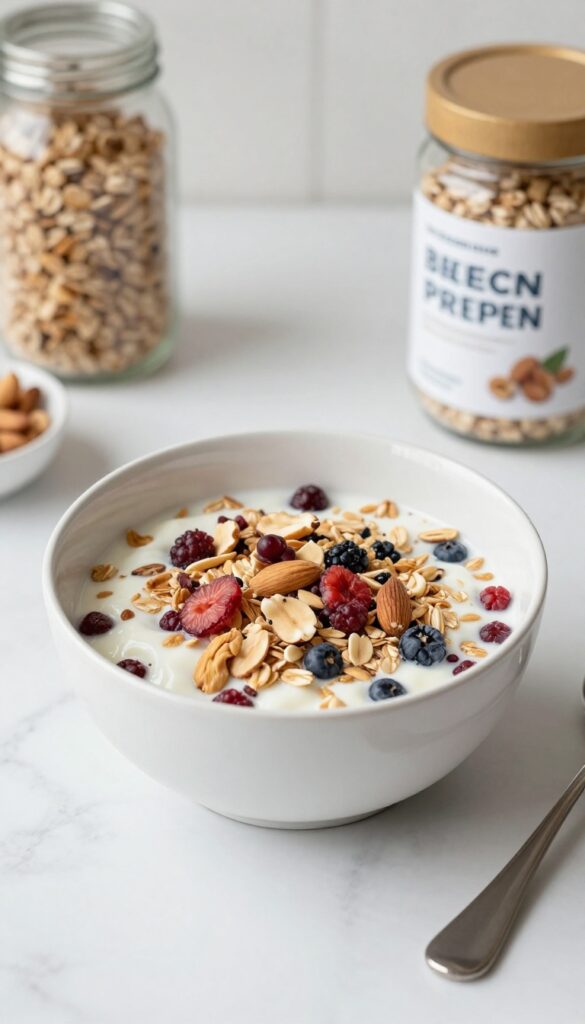
Below is a blank weekly meal plan template you can copy and use every week. It includes slots for breakfast, lunch, dinner, and snacks for each day. Leave the cells empty and fill them in with your own meals as you plan.
Weekly Meal Plan Template
| Day | Breakfast | Lunch | Dinner | Snacks |
| Monday | ||||
| Tuesday | ||||
| Wednesday | ||||
| Thursday | ||||
| Friday | ||||
| Saturday | ||||
| Sunday |
Copy this table into a notebook, spreadsheet, or printable PDF. For best results, print several copies or save as a template you reuse each week.
To help you visualize how the template looks when filled in, here is an example week with sample meals:
How to Fill In Your Template: A Step-by-Step Guide
Follow these five simple steps to turn your blank template into a complete, actionable weekly meal plan.
- Check your calendar: Look at the week ahead and note any dinners out, work events, or busy evenings. Mark days when you'll have less time to cook—those are perfect for leftovers or quick meals.
- Choose your meals: Pick 3–4 dinner recipes for the week (plus one leftover night). For breakfast and lunch, decide on 2–3 options you can rotate. Keep snacks simple: fruit, nuts, yogurt, or cut veggies.
- Assign meals to days: Match meals to your calendar. Put quick meals on busy days, and save more elaborate recipes for weekends or relaxed evenings. Write each meal in the corresponding day and meal slot on your template.
- Build your grocery list: Go through each recipe and add every ingredient you don't already have to your list. Organize by category (produce, dairy, meat, pantry) to make shopping faster.
- Plan your prep: Decide what you can do ahead—chop veggies, cook grains, marinate meat, or portion snacks. Block out 1–2 hours on a weekend or quiet evening for prep.
Grocery List Template to Match Your Meal Plan
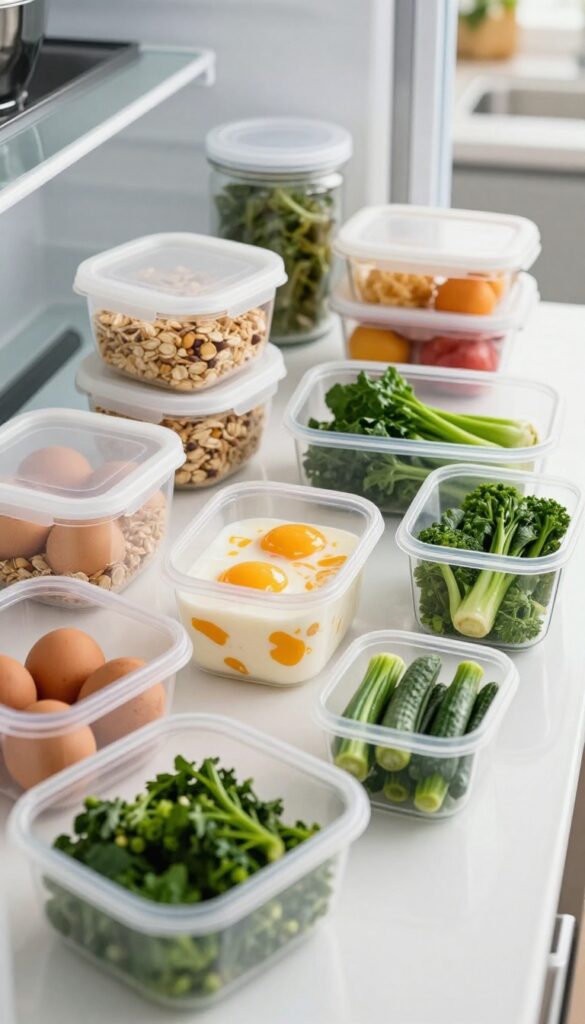
Once your weekly meal plan is set, the next step is building a grocery list that covers everything you need—without buying extras that go to waste. Use this blank template, organized by category, to streamline your shopping trip.
Blank Grocery List Template
- Produce: Fresh fruits and vegetables (e.g., spinach, bell peppers, apples)
- Proteins: Meat, poultry, fish, tofu, eggs, beans
- Dairy & Alternatives: Milk, yogurt, cheese, almond milk
- Grains & Bread: Rice, pasta, oats, whole-grain bread
- Pantry Staples: Oils, spices, sauces, canned goods
- Frozen Foods: Vegetables, fruits, pre-cooked proteins
- Snacks & Extras: Nuts, seeds, granola bars, dark chocolate
- Beverages: Coffee, tea, juice, sparkling water
How to Use the Template
Start by reviewing your meal plan for the week. List each ingredient under the correct category, checking your pantry first to avoid duplicates. Stick to the list while shopping to stay on budget and reduce food waste.
Filled Example (for reference
Here’s what a filled list might look like for a simple week:
- Produce: 1 bunch kale, 3 bell peppers, 2 lemons, 1 bag apples
- Proteins: 1 lb chicken breasts, 1 lb ground turkey, 1 block firm tofu
- Dairy: 1 quart milk, 1 tub Greek yogurt, 1 block cheddar
- Grains: 1 bag brown rice, 1 box whole-wheat pasta, 1 loaf bread
- Pantry: Olive oil, balsamic vinegar, garlic powder, salt, pepper, 1 can diced tomatoes
- Frozen: 1 bag mixed berries, 1 bag broccoli florets
- Snacks: 1 bag almonds, 1 box granola bars
Smart Prep Strategies to Save Time During the Week
A little upfront prep can transform your week from chaotic to calm. By dedicating a short block of time—say, Sunday afternoon—to a few key tasks, you'll make weekday meals almost effortless. Here are the most effective strategies to incorporate into your routine.
Start with batch cooking. Choose one or two versatile staples—like quinoa, brown rice, or roasted chicken—and make enough for several days. These can be the foundation for lunches and dinners, saving you from cooking from scratch each night.
Pre-Chopping Veggies
- Hardy veggies like carrots, bell peppers, and onions keep well for 4–5 days.
- Leafy greens should be washed, dried, and stored with a paper towel to absorb moisture.
Portioning Snacks
- Nuts, trail mix, yogurt, cheese sticks, and cut fruit are great candidates.
- Use small containers or reusable snack bags to reduce waste.
Using Leftovers Creatively
Plan to repurpose leftovers into new meals. For example, roast extra vegetables on Sunday to toss into grain bowls or wraps later in the week. Cooked chicken can become tacos, salads, or soups.
This not only saves time but also reduces food waste.
Quick Tips
Keep a list of your go-to prep tasks on your phone or a whiteboard. Even 30 minutes of prep can make a noticeable difference. Start small and build up as you find what works for you.
Customizing the Template for Your Diet and Lifestyle
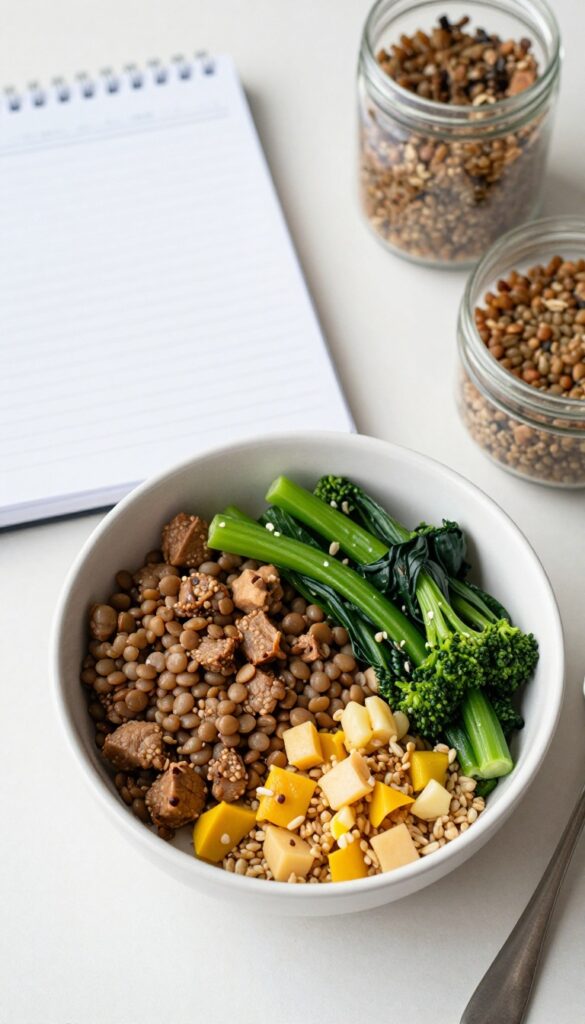
A good meal plan template works for you, not the other way around. Whether you follow a specific diet or cook for a family with different needs, these simple adjustments will help you tailor the weekly plan to your lifestyle without losing the time-saving benefits.
Start by identifying your non-negotiables: the foods you always want to include and those you avoid. Then use the following diet-specific modifications to adapt the template.
Vegetarian and Vegan
- Replace meat proteins with beans, lentils, tofu, tempeh, or seitan in the protein slot of each meal.
- Add a source of vitamin C (like bell peppers or citrus) alongside plant-based iron sources (spinach, beans) to boost absorption.
- Include a fortified plant milk or yogurt for calcium and vitamin D.
- Plan for at least one iron-rich ingredient per dinner, such as lentils or dark leafy greens.
Keto or Low-Carb
- Swap grains and starchy vegetables for non-starchy options like zucchini, cauliflower, broccoli, and leafy greens.
- Increase healthy fats: avocado, olive oil, nuts, seeds, and full-fat dairy (if tolerated).
- Choose protein sources with higher fat content, such as chicken thighs, fatty fish, or beef.
- Use the snack slots for low-carb options like cheese, nuts, or celery with almond butter.
Gluten-Free
- Replace wheat-based grains with gluten-free alternatives: rice, quinoa, oats (certified GF), buckwheat, or corn tortillas.
- Check labels on sauces, dressings, and condiments for hidden gluten.
- Use gluten-free pasta or spiralized vegetables in place of regular pasta.
- Plan for naturally gluten-free meals several times a week to simplify shopping.
Family-Friendly
- Build meals around a "deconstructable" component: serve taco bar, grain bowls, or pasta with separate toppings so everyone can customize.
- Include at least one universally liked side (like roasted potatoes or steamed broccoli) with each dinner.
- Double recipes for lunches or leftovers to save time on busy weeknights.
- Let each family member pick one meal per week to keep everyone engaged.
Single Servings
- Scale down recipes by dividing ingredient quantities (use 1/2 egg or 1 egg whisked with a tablespoon of water).
- Cook once, eat twice: prepare ingredients like grilled chicken or roasted vegetables in bulk and use them in different meals.
- Use the freezer for single portions: freeze soups, chili, or casseroles in individual containers.
- Focus on recipes that reheat well, such as stir-fries, stews, and grain salads.
No matter your diet, the key is to keep the template structure—breakfast, lunch, dinner, snacks—and swap ingredients to fit your needs. This way you still get the planning benefits without feeling restricted.
Common Meal Planning Mistakes and How to Avoid Them
Even with a solid template, a few common pitfalls can derail your meal planning efforts. Recognizing these mistakes early helps you build a routine that sticks.
Overplanning
Trying to plan every single meal and snack for an entire week can feel overwhelming. You end up with a long shopping list and unrealistic expectations.
How to avoid it
- Start with just 3–4 dinners per week and fill in leftovers or simple meals for the rest.
- Keep breakfast and lunch simple—repeat favorites or use a rotation of 2–3 options.
Ignoring Leftovers
Many people plan fresh meals every night, forgetting that leftovers can save time and reduce waste.
How to avoid it
- Cook extra portions intentionally—double your dinner recipe to have lunch ready the next day.
- Schedule a “leftover night” once or twice a week to clear out the fridge.
Not Checking Your Pantry
Planning meals without first seeing what you already have leads to buying duplicates and wasting food.
How to avoid it
- Before you write your meal plan, do a quick inventory of your pantry, fridge, and freezer.
- Build meals around what you already have—use up that half-used jar of sauce or those wilting vegetables.
Being Too Rigid
A meal plan that doesn’t allow for spontaneity or schedule changes can feel like a chore, making you less likely to stick with it.
How to avoid it
- Leave one or two dinner slots open for takeout, leftovers, or a new recipe you discover midweek.
- Swap days as needed—your plan is a guide, not a rulebook.
FAQ
How long does it take to create a weekly meal plan?
Once you have a template, it typically takes 15 to 30 minutes to plan a week's meals. As you get used to the process, you can do it even faster.
What if I don't like eating leftovers?
Plan meals that use the same ingredients in different ways. For example, roast a chicken one night and use the leftovers in tacos or salads later. You can also freeze portions for future weeks.
How do I stay motivated to meal plan every week?
Start small. Plan just three dinners a week and build from there. Involve family members in choosing meals, and reward yourself with a treat after a successful week.
Can I use the template for a special diet like keto?
Absolutely. The template is diet-agnostic. Simply fill in meals that fit your dietary needs.
The structure remains the same.
How do I handle unexpected events like dining out?
Leave one or two days blank in your template for flexibility. If you know you'll eat out, plan lighter meals for other days to balance your week.
Conclusion
A weekly meal plan template is a simple but powerful tool to take control of your food planning. It eliminates guesswork, saves money, and helps you eat more intentionally. Start with the blank template provided, customize it to your taste, and adjust as you go.
The goal is progress, not perfection. Give it a try this week and see how much easier mealtime becomes.

Dr. Pallab Kishore, MS in Orthodontics and owner of Orthodontic Braces Care, shares expert tips on braces, aligners, and oral health from 10+ years of experience.