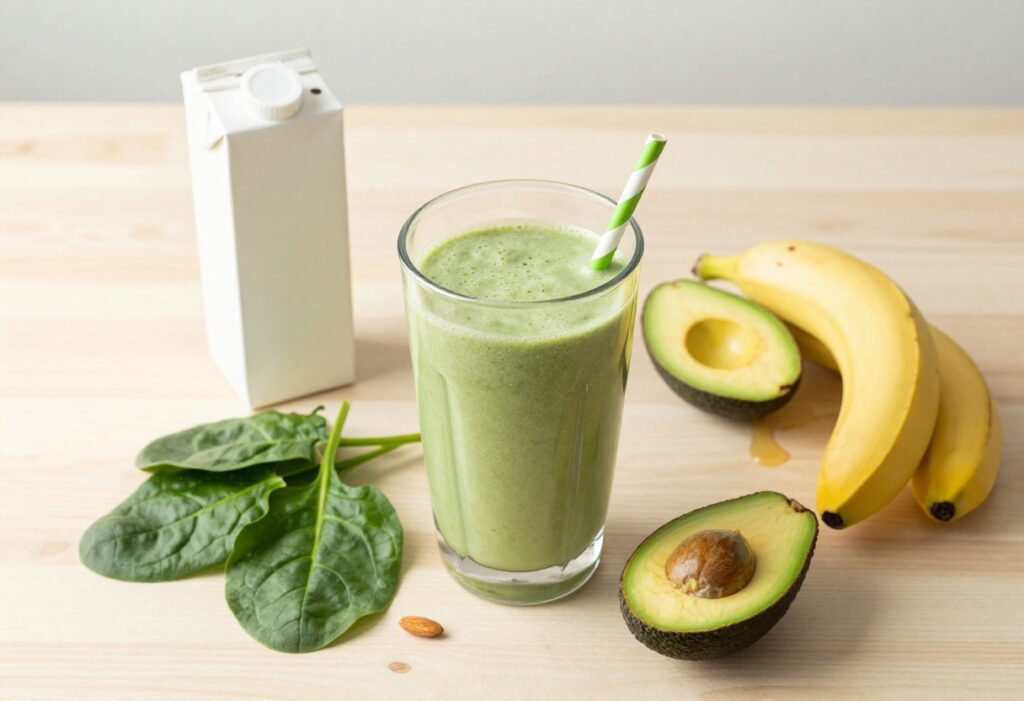
A 1300 calorie meal plan can be a helpful tool for anyone looking to manage their weight or simply eat more mindfully. The key is to focus on nutrient-dense foods that keep you satisfied while staying within a moderate calorie range.
This isn't about deprivation—it's about making smart, simple choices that fit your lifestyle. In this guide, you'll find a full 7-day meal plan with easy, delicious ideas for breakfast, lunch, dinner, and snacks.
Each meal is designed to be straightforward, using common ingredients and minimal prep time. Whether you're new to calorie counting or just need fresh inspiration, these ideas will help you stay on track without feeling overwhelmed.
What Is a 1300 Calorie Meal Plan?
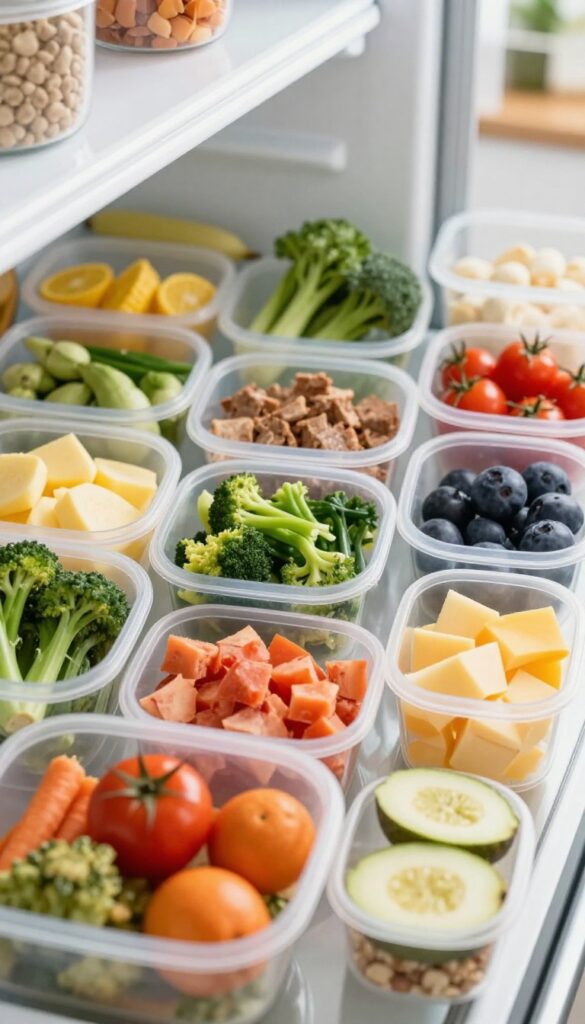
A 1300 calorie meal plan involves consuming approximately 1300 calories per day from nutrient-dense foods. This calorie level is often used as a moderate reduction for weight management, but it's not a one-size-fits-all approach. The focus is on getting the most nutrition out of every bite while staying within a calorie budget that supports gradual, sustainable progress.
For many adults, 1300 calories represents a moderate reduction from maintenance levels, which can support gradual weight loss or weight maintenance for smaller individuals. However, this plan is not suitable for everyone. Active individuals, those with higher muscle mass, or people with certain medical conditions may need more calories to function optimally.
Key Points to Understand
- 1300 calories is a moderate reduction for many adults, but individual needs vary based on age, sex, activity level, and metabolism.
- The plan emphasizes nutrient-dense foods like vegetables, lean proteins, whole grains, and healthy fats to ensure you get essential vitamins and minerals.
- Consulting a healthcare professional or registered dietitian is recommended before starting any calorie-restricted plan, especially if you have underlying health conditions.
A 1300 calorie meal plan is not about deprivation—it's about making smart choices that keep you satisfied and energized. By prioritizing protein, fiber, and healthy fats, you can create meals that are both filling and low in calories. This approach helps you avoid the hunger and fatigue that often come with overly restrictive diets.
Remember, this plan is a tool for general wellness and weight management, not a clinical diet. It's important to listen to your body and adjust as needed. If you feel weak, dizzy, or overly hungry, you may need to increase your calorie intake or reassess your food choices.
Sample 7-Day 1300 Calorie Meal Plan
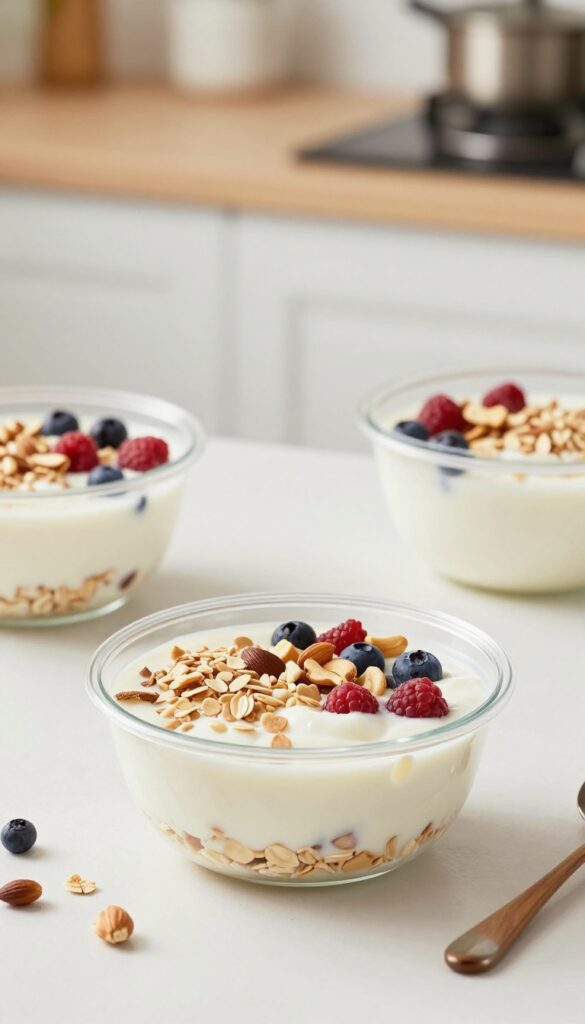
This 7-day meal plan provides simple, whole-food meals that add up to about 1300 calories per day. Each day includes breakfast, lunch, dinner, and a snack. Portion sizes and calorie counts are approximate, so adjust based on your needs.
Day Meal Plan Overview
| Day | Breakfast | Lunch | Dinner | Snack |
| Monday | Greek yogurt with berries (150 cal) | Turkey & avocado wrap (350 cal) | Grilled chicken with roasted veggies (400 cal) | Apple with almond butter (100 cal) |
| Tuesday | Oatmeal with banana (200 cal) | Lentil soup with whole-grain bread (350 cal) | Baked salmon with quinoa & spinach (400 cal) | Carrot sticks with hummus (100 cal) |
| Wednesday | Scrambled eggs with spinach (180 cal) | Chicken salad lettuce wraps (320 cal) | Stir-fried tofu with broccoli & brown rice (420 cal) | Orange (80 cal) |
| Thursday | Smoothie with spinach, banana, protein powder (220 cal) | Black bean & corn salad (330 cal) | Lean beef stir-fry with bell peppers (400 cal) | Greek yogurt (100 cal) |
| Friday | Whole-grain toast with avocado & egg (250 cal) | Tuna salad on cucumber slices (300 cal) | Baked cod with sweet potato & green beans (380 cal) | Handful of almonds (160 cal) |
| Saturday | Cottage cheese with pineapple (160 cal) | Quinoa bowl with chickpeas & veggies (360 cal) | Turkey meatballs with zucchini noodles (400 cal) | Celery with peanut butter (120 cal) |
| Sunday | Egg muffin cups with veggies (180 cal) | Grilled chicken Caesar salad (light dressing) (350 cal) | Shrimp & vegetable kebabs with couscous (420 cal) | Mixed berries (80 cal) |
Tips for Sticking to a 1300 Calorie Plan
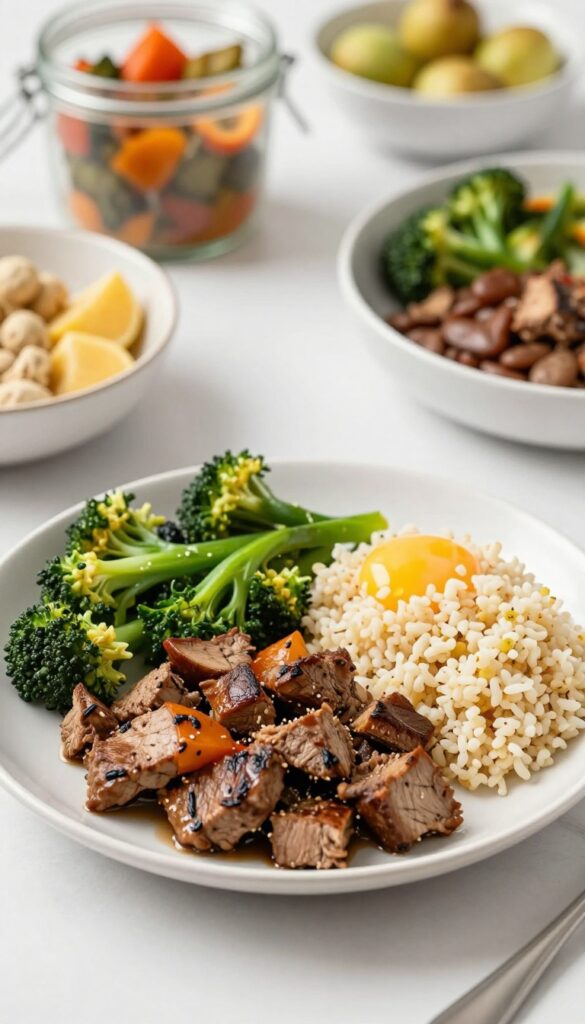
Sticking to a 1300-calorie meal plan can feel challenging at first, but with the right strategies, it becomes a sustainable habit. Here are practical tips to help you stay on track without feeling deprived.
Plan Ahead for Success
- Meal prep on weekends: Chop veggies, cook grains, and portion snacks to save time during busy weekdays.
- Use a food diary or app to log meals in advance. This helps you see your calorie distribution and avoid last-minute high-calorie choices.
- Keep healthy staples on hand: pre-washed greens, canned beans, frozen vegetables, and lean proteins make quick meals.
Use Smaller Plates and Bowls
- Downsize your dinner plate from 12 inches to 9 inches. This naturally reduces portion sizes without making you feel shortchanged.
- Use taller, narrower glasses for drinks to consume fewer liquid calories.
- Fill half your plate with vegetables, a quarter with protein, and a quarter with carbs.
Stay Hydrated
- Drink a glass of water before each meal to help you feel fuller and prevent overeating.
- Replace sugary drinks with sparkling water, herbal tea, or infused water with lemon or cucumber.
- Aim for 8–10 cups of water daily. Sometimes thirst is mistaken for hunger.
Include Protein and Fiber at Every Meal
- Protein (eggs, Greek yogurt, chicken, tofu) and fiber (vegetables, fruits, whole grains) increase satiety and keep blood sugar stable.
- Aim for at least 20–30 grams of protein per meal and 25–30 grams of fiber per day.
- Snack smart: apple slices with almond butter, carrot sticks with hummus, or a small handful of nuts.
Manage Hunger with Flexible Eating
- Don't skip meals. Eat every 3–4 hours to maintain energy and prevent extreme hunger.
- If you're hungry between meals, choose a low-calorie, nutrient-dense snack (e.g., celery with peanut butter, a hard-boiled egg).
- Allow occasional flexibility: if you have a higher-calorie day, adjust the next day by eating lighter, but avoid guilt or severe restriction.
Avoid Extreme Measures and Perfectionism
- Do not cut calories below 1200 without medical supervision. 1300 is already low for some individuals.
- Don't aim for perfection. If you go over your calorie target one day, simply get back on track the next.
- Listen to your body: if you feel weak, dizzy, or overly fatigued, increase your calorie intake or consult a professional.
How to Customize This Meal Plan
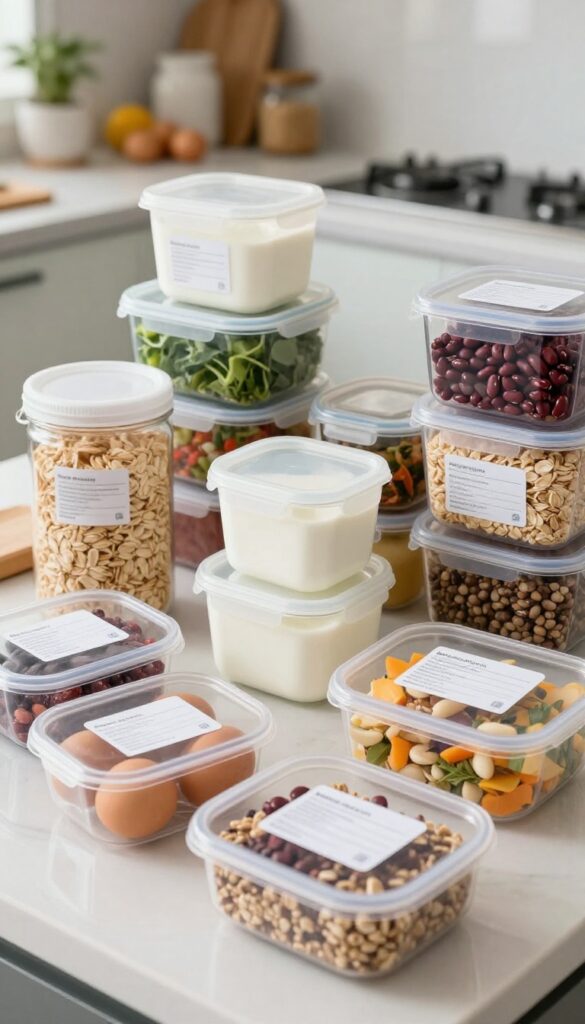
No two people are exactly alike, so this 1300-calorie meal plan is designed to be flexible. Whether you have dietary restrictions, food allergies, or simply want to swap in your favorite foods, you can adjust the plan without losing its structure. The goal is to keep you satisfied and nourished while staying within your calorie target.
The easiest way to customize is to swap foods from the same food group. For example, if the plan calls for grilled chicken breast, you can replace it with tofu, tempeh, or fish. If it lists oatmeal, try quinoa flakes or a low-sugar cereal.
The key is to keep the portion size similar and the calorie count close to the original.
Vegetarian and Vegan Options
To make this plan vegetarian or vegan, focus on plant-based proteins. Replace animal proteins with legumes (lentils, chickpeas, black beans), tofu, tempeh, edamame, or seitan. For dairy, use unsweetened almond milk, coconut yogurt, or vegan cheese.
Eggs can be swapped with tofu scramble or chickpea flour omelets. Keep an eye on calorie density—nuts and seeds are healthy but calorie-dense, so measure portions carefully.
Accommodating Allergies and Intolerances
If you have food allergies or intolerances, simply substitute the trigger food with a safe alternative. For gluten-free needs, choose certified gluten-free oats, quinoa, rice, and corn tortillas instead of wheat-based items. For dairy-free, use plant-based milks, yogurts, and cheeses.
Nut allergies can be managed by using seed butters (sunflower, tahini) or pumpkin seeds. Always check labels for hidden allergens.
Adjusting Calorie Levels
If 1300 calories feels too low or too high, you can adjust the plan by 100–200 calories. To increase calories, add an extra serving of healthy fats (avocado, nuts, olive oil) or a larger portion of protein. To decrease, reduce high-calorie add-ons like dressings, oils, or nut butters.
The meal structure remains the same—just tweak portions slightly. Listen to your body: if you feel overly hungry or fatigued, you may need more calories.
Quick Customization Tips
- Swap similar foods: replace chicken with tofu, rice with quinoa, or cow's milk with almond milk.
- Adjust for dietary preferences: use plant-based proteins for vegetarian/vegan, gluten-free grains for celiac.
- Listen to hunger cues: if you're still hungry, add more low-calorie vegetables or a small protein snack.
- Portion control: use measuring cups or a food scale until you're comfortable eyeballing portions.
- Plan ahead: prep ingredients on weekends to make daily customization easier.
Important Note
This meal plan is a general guide. If you have specific medical conditions or dietary needs, consult a registered dietitian or healthcare provider before making significant changes.
Common Mistakes to Avoid on a 1300 Calorie Diet
A 1300-calorie diet can be effective for weight management, but certain pitfalls can derail your progress or make the plan unsustainable. Here are common mistakes and how to avoid them.
Skipping Meals
- Eat breakfast within an hour of waking to jumpstart metabolism.
- Plan small, balanced snacks between meals to prevent extreme hunger.
Not Eating Enough Protein
- Include lean meats, eggs, tofu, Greek yogurt, or legumes in each meal.
- Add a protein source to snacks, like a handful of nuts or a hard-boiled egg.
Ignoring Portion Sizes
- Use measuring cups, a food scale, or visual cues (e.g., a fist-sized portion of carbs).
- Read nutrition labels and note serving sizes—packages often contain multiple servings.
Relying on Processed Low-Calorie Foods
- Focus on whole foods: fruits, vegetables, whole grains, lean proteins, and healthy fats.
- If you use processed foods, choose ones with short ingredient lists and at least 3–5 grams of fiber per serving.
Ignoring Sustainability
- Include a small daily treat (like a square of dark chocolate) to prevent feelings of deprivation.
- Listen to your body: if you’re consistently hungry, consider increasing calories slightly or adjusting food choices.
FAQ
Is 1300 calories safe for everyone?
No, 1300 calories is a relatively low intake and may not be suitable for everyone, especially active individuals, pregnant or breastfeeding women, or those with certain medical conditions. It's best to consult a doctor or dietitian before starting.
Can I exercise on a 1300 calorie plan?
Yes, but you may need to adjust your calorie intake if you exercise intensely. Light to moderate activity is usually fine, but listen to your body and fuel accordingly.
What if I feel hungry?
Hunger is common when reducing calories. Focus on high-volume, low-calorie foods like vegetables, lean protein, and fiber-rich carbs. Drinking water and eating regularly can also help manage hunger.
How much weight can I lose?
Weight loss varies based on individual factors. A 1300 calorie plan may lead to gradual weight loss for some, but results depend on your starting point, activity level, and adherence. Sustainable loss is typically 1-2 pounds per week.
Conclusion
A 1300 calorie meal plan can be a practical way to simplify your eating and support your wellness goals. By focusing on whole foods and simple meals, you can create a routine that feels sustainable rather than restrictive. The sample plan and tips in this guide are meant to inspire you, not to be followed rigidly.
Ultimately, the best plan is one that fits your life and makes you feel good. Pay attention to how your body responds, and don't hesitate to adjust portions or swap meals as needed.

Dr. Pallab Kishore, MS in Orthodontics and owner of Orthodontic Braces Care, shares expert tips on braces, aligners, and oral health from 10+ years of experience.