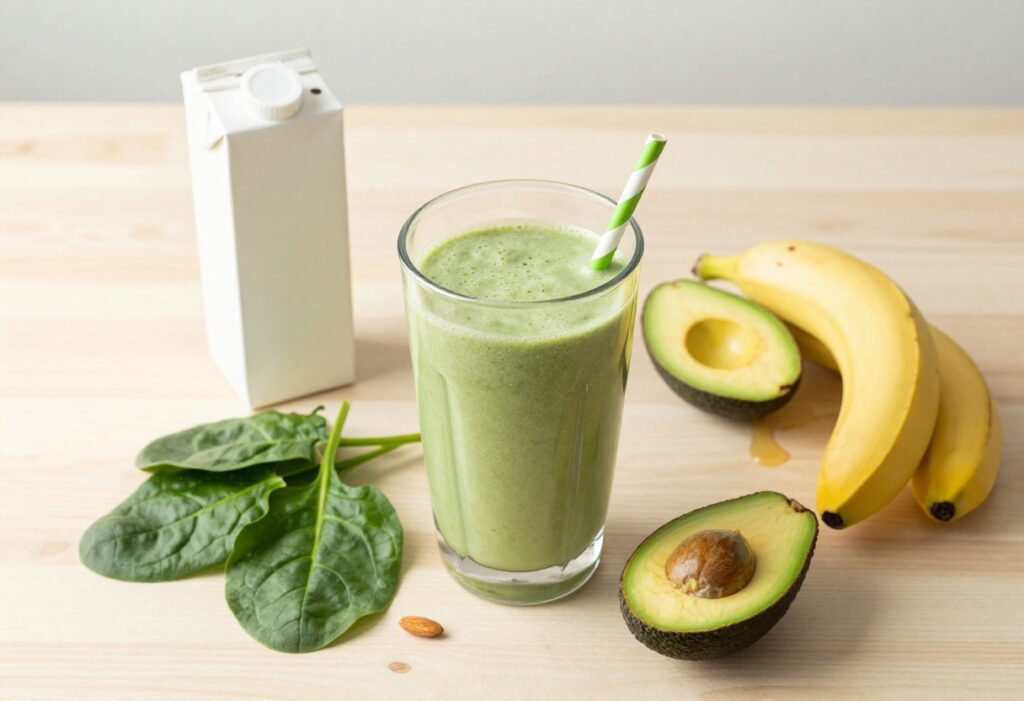
Bulking requires a consistent calorie surplus, but eating enough can feel like a chore. Meal prep solves this by ensuring you always have high-calorie, nutrient-dense meals ready.
This guide walks you through creating a bulking meal prep plan tailored to your needs, from calculating calories to batch cooking and storage.
Whether you’re aiming for a lean bulk or aggressive gains, these strategies will help you hit your targets without the daily hassle.
Understanding Your Calorie and Macro Needs for Bulking

Before you start prepping meals, you need to know how many calories and macros your body requires to build muscle effectively. Bulking is all about being in a calorie surplus, but the size of that surplus and the balance of protein, carbs, and fats will determine whether you gain mostly muscle or mostly fat. This section walks you through calculating your baseline and setting your targets so you can tailor your meal prep to your specific goals.
How to Calculate Your Bulking Calories
The foundation of any bulking plan is your Total Daily Energy Expenditure (TDEE). This is the total number of calories your body burns in a day, including your basal metabolic rate (BMR), physical activity, and the thermic effect of food. Once you know your TDEE, you add a calorie surplus to support muscle growth.
To estimate your TDEE, start with your BMR. A common formula is the Mifflin-St Jeor equation: For men, BMR = 10 × weight (kg) + 6.25 × height (cm) – 5 × age (years) + 5. For women, BMR = 10 × weight (kg) + 6.25 × height (cm) – 5 × age (years) – 161.
Multiply your BMR by an activity factor (1.2 for sedentary, 1.375 for light activity, 1.55 for moderate, 1.725 for very active, 1.9 for extra active) to get your TDEE.
Example Calculation
Take a 25-year-old male weighing 80 kg (176 lbs) and 180 cm (5’11”) who exercises 4 times per week. His BMR = 10×80 + 6.25×180 – 5×25 + 5 = 800 + 1125 – 125 + 5 = 1805 calories. With moderate activity (1.55), his TDEE = 1805 × 1.55 ≈ 2798 calories.
For a moderate surplus, add 300–500 calories, giving a target of 3098–3298 calories per day.
For most people, a surplus of 300–500 calories above TDEE is ideal. This allows for steady muscle gain without excessive fat accumulation. Beginners may lean toward the higher end, while experienced lifters might stick to the lower end to minimize fat gain.
Setting Your Protein, Carbs, and Fats
Once your calorie target is set, the next step is to divide those calories into macronutrients. A common bulking macro split is 30–35% protein, 40–50% carbohydrates, and 20–30% fats. Here’s how to apply it:
Macro Guidelines
- Protein: Aim for 1.6–2.2 grams per kilogram of body weight (0.7–1.0 g/lb). For our 80 kg example, that’s 128–176 grams of protein per day. Protein supports muscle repair and growth.
- Carbohydrates: Fill the remainder of your calories after protein and fat. Carbs provide energy for workouts and help replenish glycogen stores. A good starting point is 4–6 g/kg (320–480 g for 80 kg).
- Fats: Essential for hormone production and overall health. Keep fats at 0.5–1.5 g/kg (40–120 g for 80 kg). Don’t go below 20% of total calories to maintain hormonal balance.
Using the 3,200-calorie target from our example, a split of 30% protein, 45% carbs, and 25% fats would give: 240 g protein (960 cal), 360 g carbs (1,440 cal), and 89 g fats (800 cal). Adjust these numbers based on your personal preference and how your body responds. Some people do better with higher carbs, others with higher fats.
Important Note
These calculations are estimates. Your actual needs may vary based on genetics, training intensity, and daily activity. Track your weight and adjust your calorie intake up or down by 100–200 calories every two weeks if you’re not gaining at the desired rate (0.25–0.5% of body weight per week).
Choosing High-Calorie, Nutrient-Dense Foods for Meal Prep

When bulking, every calorie counts—but not all calories are created equal. The goal is to pack your meals with nutrient-dense foods that deliver a high calorie load along with the vitamins, minerals, and macronutrients your body needs for muscle growth and recovery. Prioritizing whole foods over processed options ensures you get the most bang for your buck in terms of both energy and nutrition.
Protein Sources That Pack a Calorie Punch
Protein is essential for muscle repair and growth, but during a bulk you also want sources that bring extra calories from fat. Opt for cuts with higher fat content and include whole eggs and dairy.
Carbohydrate Sources for Sustained Energy
Carbohydrates fuel your workouts and replenish glycogen stores. Choose complex carbs that provide sustained energy and additional nutrients.
Healthy Fats to Boost Calorie Density
Fats are the most calorie-dense macronutrient (9 cal/g), making them ideal for increasing calorie intake without adding too much volume. Incorporate these into your meals and snacks.
Sample 7-Day Bulking Meal Prep Plan (3,000 Calories
Here is a practical, day-by-day meal prep plan designed to hit 3,000 calories consistently. Each day includes breakfast, lunch, dinner, and two snacks. All meals are high in protein, healthy fats, and complex carbs to support muscle growth.
Adjust portion sizes as needed to match your exact calorie target.
Day Bulking Meal Prep Plan
| Day | Breakfast | Lunch | Dinner | Snacks |
| Monday | 3 scrambled eggs + 2 slices whole wheat toast + 1 tbsp butter + 1 banana | Chicken breast (8 oz) + 1 cup brown rice + 1 cup steamed broccoli + 2 tbsp olive oil | Salmon (8 oz) + 1 large sweet potato + 1 cup green beans + 1 tbsp coconut oil | 1 cup Greek yogurt + 1/2 cup granola + 1 oz almonds |
| Tuesday | Oatmeal (1 cup dry) + 1 scoop whey protein + 2 tbsp peanut butter + 1/2 cup berries | Ground beef (8 oz 80/20) + 2 whole wheat tortillas + 1/2 cup black beans + 1/2 avocado | Pork loin (8 oz) + 1 cup quinoa + 1 cup roasted carrots + 1 tbsp butter | 2 hard-boiled eggs + 1 apple + 1 tbsp almond butter |
| Wednesday | Smoothie: 1 cup milk, 1 scoop protein, 1 banana, 2 tbsp peanut butter, 1/2 cup oats | Turkey breast (8 oz) + 1 cup whole wheat pasta + 1/2 cup marinara + 1 tbsp olive oil | Beef steak (8 oz) + 1 large baked potato + 1 cup asparagus + 1 tbsp sour cream | 1/2 cup cottage cheese + 1/2 cup pineapple + 1 oz walnuts |
| Thursday | 4-egg omelet with cheese, spinach, mushrooms + 2 slices whole wheat toast + 1 tbsp butter | Canned tuna (2 cans) + 1/2 cup mayonnaise + 2 slices whole wheat bread + 1 cup mixed greens | Chicken thighs (8 oz) + 1 cup jasmine rice + 1 cup stir-fry veggies + 1 tbsp sesame oil | 1 protein bar + 1 orange + 1 oz cashews |
| Friday | Greek yogurt parfait: 1 cup yogurt, 1/2 cup granola, 1/4 cup mixed berries, 1 tbsp honey | Lean ground turkey (8 oz) + 1 cup quinoa + 1/2 cup black beans + 1/2 avocado | Shrimp (8 oz) + 1 cup brown rice + 1 cup bell peppers + 2 tbsp butter | 1 cup chocolate milk + 1 banana + 1 tbsp peanut butter |
| Saturday | Pancakes (3 medium) + 2 tbsp maple syrup + 2 scrambled eggs + 1 banana | Roast beef (8 oz) + 2 slices rye bread + 1 tbsp mustard + 1 cup coleslaw | Lamb chops (8 oz) + 1 cup couscous + 1 cup roasted zucchini + 1 tbsp olive oil | 1/2 cup mixed nuts + 1 apple + 1 string cheese |
| Sunday | French toast (3 slices) + 2 tbsp syrup + 2 sausage links + 1/2 cup berries | Chicken breast (8 oz) + 1 cup wild rice + 1 cup Brussels sprouts + 1 tbsp balsamic vinaigrette | Tilapia (8 oz) + 1 large sweet potato + 1 cup spinach sautéed in 1 tbsp butter | 1 scoop casein protein + 1 cup milk + 1 oz dark chocolate |
This plan is a template. You can swap any meal for a similar calorie and macronutrient alternative. The key is to prepare these meals in bulk on Sunday or your chosen prep day, portion them into containers, and refrigerate or freeze for the week.
Adjust portion sizes up or down if your calorie needs differ from 3,000.
Meal Prep Strategies for High-Calorie Efficiency
To hit your calorie surplus consistently without spending hours in the kitchen daily, you need a smart meal prep system. The goal is to cook once, eat multiple times, while maximizing calorie density in every container. Here’s how to streamline your prep for bulking success.
Batch Cooking Staples
Start by preparing your foundation foods in bulk. This saves time and ensures you always have the building blocks for a high-calorie meal.
Using Calorie-Dense Add-Ons
Boost the calorie content of any meal without increasing volume much by incorporating these ingredients:
Portioning and Storage Tips
Proper storage keeps your prepped meals fresh and easy to grab. Follow these guidelines:
Adjusting Your Meal Prep for Different Calorie Targets
Not everyone bulks at the same rate. Your calorie target depends on your metabolism, activity level, and how quickly you want to gain weight. The good news is that you can use the same meal prep foundation and simply adjust portions or swap ingredients to hit a different number.
Here’s how to tailor your prep for a lean bulk or an aggressive bulk.
For 2,500 Calories (Lean Bulk
A lean bulk aims for slow, steady weight gain—about 0.5–1 pound per week. At 2,500 calories, you’re in a modest surplus. Focus on nutrient-dense foods that keep you full without excessive fat gain.
For 3,500+ Calories (Aggressive Bulk
An aggressive bulk is for those who want faster gains or have a very high metabolism. At 3,500+ calories, you’ll need to add calorie-dense foods and increase meal frequency or portion sizes.
General Adjustment Tips
Regardless of your target, monitor your weight weekly and adjust as needed. If you’re gaining too fast (more than 2 pounds per week), reduce calories by 200–300. If you’re not gaining, add 200–300 calories.
Always prioritize micronutrients—even at higher calories, include vegetables and fruits to support overall health.
Common Mistakes in Bulking Meal Prep and How to Avoid Them
Even with a solid plan, it’s easy to fall into traps that undermine your bulking efforts. Here are the most common mistakes and how to steer clear of them.
Mistake 1: Not Eating Enough Variety
Eating the same meals day after day can lead to nutrient deficiencies and taste fatigue. When you get bored, you’re more likely to skip meals or reach for junk food, which can sabotage your calorie surplus and micronutrient intake.
- Rotate your protein sources: chicken, beef, fish, eggs, tofu, and dairy.
- Switch up your carbs: rice, potatoes, oats, quinoa, pasta, and whole grains.
- Include different vegetables and fruits each week to cover vitamins and minerals.
Mistake 2: Ignoring Micronutrients
Focusing only on calories and macros can leave you short on essential vitamins and minerals. This can affect energy levels, recovery, and overall health.
- Add a serving of vegetables to at least two meals per day.
- Include fruits like berries, bananas, or oranges for antioxidants and potassium.
- Consider a daily multivitamin if you struggle to meet micronutrient needs through food alone.
Mistake 3: Poor Food Timing
Spreading your meals unevenly throughout the day can cause energy crashes and make it harder to hit your calorie target. Some people skip breakfast or go too long without eating, leading to excessive hunger and poor food choices later.
- Aim for 4-6 meals or snacks evenly spaced every 3-4 hours.
- Pre-portion your meals so you always have something ready when hunger strikes.
- Include a protein-rich meal or snack before bed to support overnight muscle repair.
FAQ
How long can I store meal prep meals?
Most cooked meals last 3-4 days in the refrigerator. For longer storage, freeze portions and consume within 2-3 months. Always reheat to safe internal temperature.
Can I meal prep if I don’t have a full kitchen?
Yes. Use a microwave, mini-fridge, and no-cook ingredients like canned tuna, Greek yogurt, nuts, and pre-cooked grains. Focus on assembly rather than cooking.
What if I get bored of eating the same meals?
Rotate proteins, sauces, and spices. Prep 2-3 different meals per batch. Use different cuisines (e.g., Mexican, Asian, Italian) to keep variety.
Do I need to count macros exactly?
Exact counting helps, but you can start with portion sizes and adjust based on progress. Use a food scale for accuracy initially.
Can I use protein powders in meal prep?
Yes. Add protein powder to overnight oats, smoothies, or baked goods. Avoid adding to hot meals as it may clump.
Conclusion
Bulking meal prep is a game-changer for anyone serious about gaining muscle. By calculating your needs, choosing calorie-dense foods, and prepping efficiently, you can stay on track without stress. Remember to adjust portions based on your progress and listen to your body.
Start with a simple plan, and refine as you go. Consistency is key, and meal prep makes it achievable.

Dr. Pallab Kishore, MS in Orthodontics and owner of Orthodontic Braces Care, shares expert tips on braces, aligners, and oral health from 10+ years of experience.