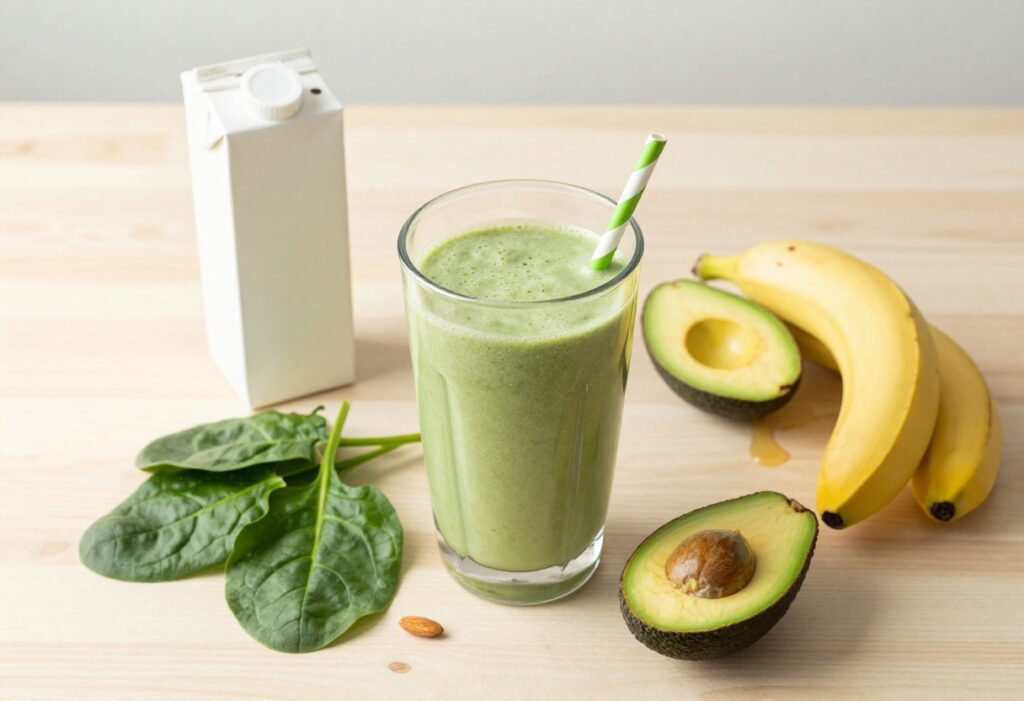
Prediabetes affects millions of people, but the right diet can make a world of difference. A balanced meal plan helps stabilize blood sugar, improve insulin sensitivity, and even reverse the condition. The good news is that you don't need to follow a fad diet or give up all your favorite foods.
Instead, it's about making smarter choices and building healthy habits that last. This guide provides a practical 7-day meal plan designed for balanced daily eating.
Each day includes breakfast, lunch, dinner, and snacks that are delicious, satisfying, and blood sugar friendly. You'll also learn the key principles of a prediabetes diet, how to snack smart, and what to avoid.
What Is Prediabetes and Why Diet Matters
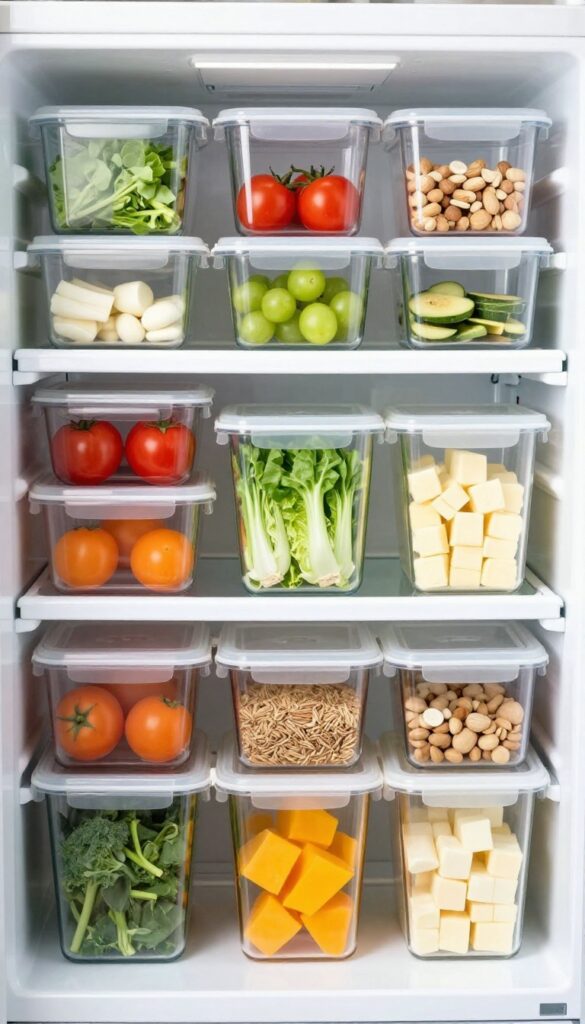
Prediabetes is a health condition where blood sugar levels are higher than normal but not yet high enough to be classified as type 2 diabetes. It's a warning sign that your body is struggling to process glucose effectively. The good news?
With the right dietary changes, you can improve insulin sensitivity and lower your blood sugar, often preventing or delaying the progression to diabetes.
Understanding Blood Sugar and Insulin
When you eat, carbohydrates are broken down into glucose, which enters your bloodstream. Your pancreas releases insulin, a hormone that helps glucose move into your cells for energy. In prediabetes, your cells become less responsive to insulin—a state called insulin resistance.
As a result, glucose lingers in the blood, causing higher than normal blood sugar levels. Over time, this can strain the pancreas and lead to type 2 diabetes.
How Food Affects Your Glucose Levels
Different foods affect blood sugar in distinct ways. Understanding these effects is key to building a prediabetes-friendly diet.
- Carbohydrates: They have the biggest impact on blood sugar. Choose low glycemic index (GI) carbs like whole grains, legumes, and non-starchy vegetables, which release glucose slowly.
- Protein: Helps slow digestion and promotes fullness, which can prevent blood sugar spikes. Include lean meats, fish, eggs, tofu, or beans at meals.
- Fat: Healthy fats (avocado, nuts, olive oil) also slow digestion and improve insulin sensitivity. Just watch portions, as fats are calorie-dense.
- Fiber: Soluble fiber (oats, apples, carrots) helps stabilize blood sugar by slowing carbohydrate absorption. Aim for 25–30 grams daily.
By focusing on low GI foods, balancing your plate with protein and healthy fats, and increasing fiber intake, you can keep blood sugar levels steady throughout the day. This approach not only helps manage prediabetes but also supports overall health and energy.
Key Principles of a Prediabetes Diet
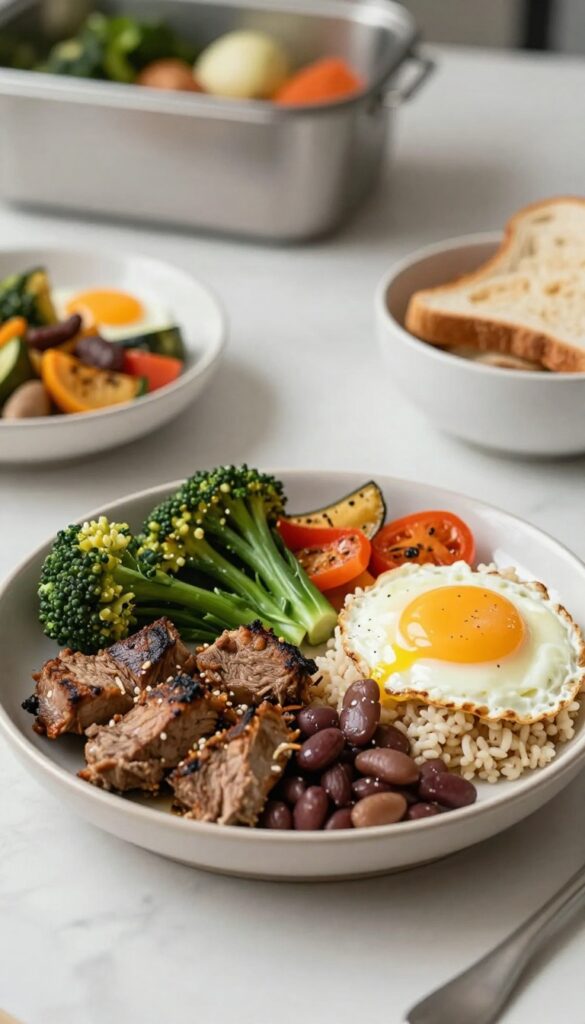
Building a prediabetes-friendly diet doesn't mean cutting out all your favorite foods. Instead, it's about making smart swaps and learning how to balance your plate. Here are the core principles to keep in mind.
Balance Your Plate
A simple way to ensure balanced meals is to visualize your plate: fill half with non-starchy vegetables, a quarter with lean protein, and the remaining quarter with complex carbohydrates. This method naturally controls portions and helps stabilize blood sugar.
For example, a dinner plate might include grilled chicken (protein), a large side of roasted broccoli and bell peppers (non-starchy veggies), and a serving of quinoa (complex carb). This combination provides fiber, protein, and slow-digesting carbs to keep you full and your glucose steady.
Choose Smart Carbs
Not all carbs are created equal. Focus on carbohydrates that have a low glycemic index (GI) and are rich in fiber. These carbs are digested more slowly, preventing rapid spikes in blood sugar.
Smart carb choices include
- Whole grains: oats, quinoa, brown rice, whole-wheat bread
- Legumes: lentils, chickpeas, black beans
- Non-starchy vegetables: leafy greens, broccoli, peppers, cauliflower
- Fruits: berries, apples, pears (in moderation)
Limit refined carbs like white bread, white rice, sugary cereals, and pastries. These foods quickly raise blood sugar and offer little nutritional value.
Don't Fear Healthy Fats
Healthy fats are essential for hormone function and help you feel satisfied after meals. They also slow digestion, which can blunt blood sugar spikes. Include sources like avocados, nuts, seeds, and olive oil in your daily diet.
For instance, add a tablespoon of chia seeds to your morning yogurt, snack on a handful of almonds, or drizzle olive oil over your salad. Just be mindful of portions, as fats are calorie-dense.
Your 7-Day Prediabetes Meal Plan
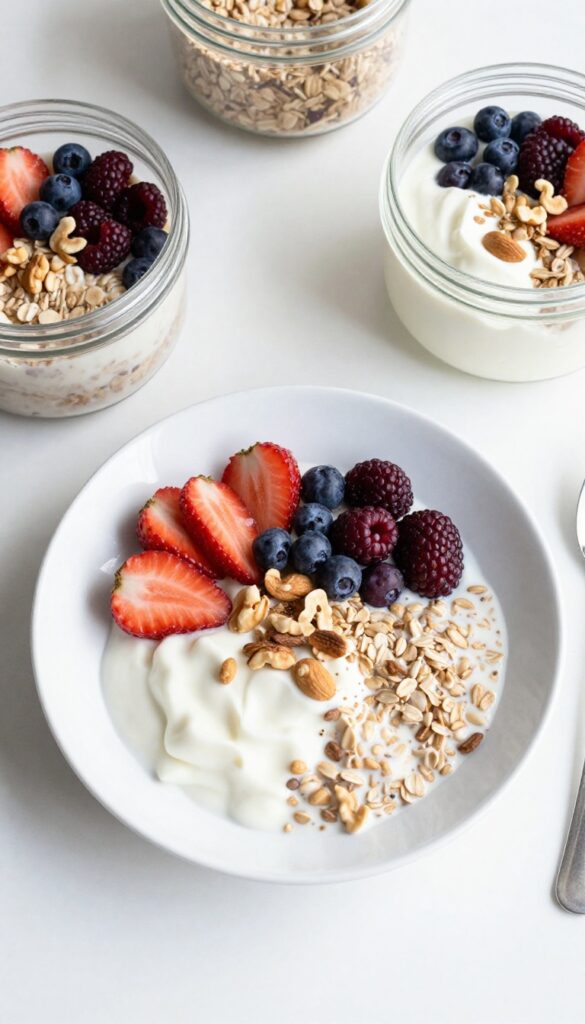
This 7-day meal plan is designed to keep your blood sugar steady while providing balanced nutrition. Each day includes three meals and two snacks, totaling around 1,500–1,800 calories. Portions are adjustable based on your needs.
All recipes are simple and use common ingredients.
Day 1: Monday
Breakfast: Greek yogurt parfait – 1 cup plain Greek yogurt, 1/2 cup berries, 1 tbsp chopped almonds. Lunch: Grilled chicken salad – 4 oz grilled chicken over 2 cups mixed greens, cherry tomatoes, cucumber, 2 tbsp vinaigrette. Dinner: Baked salmon (5 oz) with 1 cup roasted broccoli and 1/2 cup quinoa.
Snack 1: 1 small apple with 1 tbsp peanut butter. Snack 2: 1/4 cup hummus with 1 cup raw veggie sticks.
Day 2: Tuesday
Breakfast: Veggie omelet – 2 eggs, spinach, bell peppers, mushrooms, cooked in 1 tsp olive oil. Lunch: Turkey and avocado wrap – 4 oz turkey, 1/4 avocado, lettuce, tomato in a whole-wheat tortilla. Dinner: Stir-fry – 4 oz tofu or chicken with 2 cups mixed vegetables (broccoli, snap peas, carrots) in 1 tbsp low-sodium soy sauce, served with 1/2 cup brown rice.
Snack 1: 1/2 cup cottage cheese with 1/2 cup pineapple. Snack 2: 1 small pear.
Day 3: Wednesday
Breakfast: Oatmeal – 1/2 cup rolled oats cooked with 1 cup unsweetened almond milk, topped with 1 tbsp chia seeds and 1/2 cup blueberries. Lunch: Lentil soup – 1.5 cups lentil soup (canned or homemade) with a side salad (1 cup greens, 1 tbsp vinaigrette). Dinner: Chicken breast (5 oz) with 1 cup roasted sweet potatoes and 1 cup steamed green beans.
Snack 1: 1/4 cup trail mix (unsalted nuts and seeds). Snack 2: 1 small orange.
Day 4: Thursday
Breakfast: Smoothie – 1 cup unsweetened almond milk, 1 scoop protein powder, 1/2 cup spinach, 1/2 cup frozen berries, 1 tbsp flaxseed. Lunch: Tuna salad – 1 can tuna (in water) mixed with 1 tbsp Greek yogurt, celery, and onion, served on 2 large lettuce leaves. Dinner: Turkey chili – 4 oz ground turkey, 1 cup canned tomatoes, 1/2 cup kidney beans, chili spices, served with 1/2 avocado.
Snack 1: 1/2 cup edamame. Snack 2: 1 small apple.
Day 5: Friday
Breakfast: Whole-grain toast (2 slices) with 1 tbsp almond butter and 1/2 sliced banana. Lunch: Quinoa bowl – 1/2 cup quinoa, 4 oz grilled shrimp, 1 cup roasted vegetables (zucchini, bell peppers), 2 tbsp lemon-tahini dressing. Dinner: Baked cod (5 oz) with 1 cup sautéed spinach and 1/2 cup wild rice.
Snack 1: 1/4 cup walnuts. Snack 2: 1 cup cucumber slices with 1/4 cup tzatziki.
Day 6: Saturday
Breakfast: Scrambled eggs (2) with 1/2 cup black beans, 1/4 avocado, and salsa. Lunch: Chicken Caesar salad – 4 oz grilled chicken, 2 cups romaine, 1 tbsp Parmesan, 2 tbsp light Caesar dressing. Dinner: Beef stir-fry – 4 oz lean beef strips, 2 cups mixed vegetables, 1 tbsp low-sodium soy sauce, served with 1/2 cup quinoa.
Snack 1: 1 cup mixed berries. Snack 2: 1/4 cup pumpkin seeds.
Day 7: Sunday
Breakfast: Chia pudding – 3 tbsp chia seeds soaked in 1 cup unsweetened almond milk overnight, topped with 1/2 cup raspberries. Lunch: Leftover beef stir-fry or a large salad with 4 oz canned salmon, mixed greens, tomatoes, and vinaigrette. Dinner: Roasted chicken (5 oz) with 1 cup roasted Brussels sprouts and 1/2 cup mashed cauliflower.
Snack 1: 1/2 cup Greek yogurt with 1 tbsp chopped nuts. Snack 2: 1 small apple.
Smart Snacking for Stable Blood Sugar
Snacking can be a helpful tool for managing blood sugar, but only if you choose the right foods and portions. The goal is to prevent sharp spikes and crashes by pairing carbohydrates with protein or healthy fat. Here’s how to snack smartly.
When you have prediabetes, snacking isn’t about eating less — it’s about eating strategically. A well-timed snack can keep your energy steady and prevent overeating at meals. Aim to eat every 3 to 4 hours, and keep snacks to about 150–200 calories.
This helps your body manage glucose without overwhelming your system.
Best Snack Combinations
Snacks to Avoid
Timing and Portion Control
The best time to snack is between meals when you feel hunger starting, not when you’re starving. Portion control is key — even healthy snacks can raise blood sugar if eaten in large amounts. Pre-portion snacks into small containers or bags to avoid mindless eating.
For example, a serving of almonds is about 1 ounce (23 almonds), and hummus should be limited to 2 tablespoons.
Eating Out and Traveling with Prediabetes
Managing prediabetes doesn't mean you have to skip social meals or avoid travel. With a few smart strategies, you can enjoy restaurant dining and on-the-go eating without derailing your blood sugar goals. The key is to plan ahead, make mindful choices, and keep balanced options within reach.
Tips for Restaurant Meals
When dining out, focus on how food is prepared and what you can customize. Look for grilled, steamed, or baked options instead of fried or breaded. Ask for dressings, sauces, and gravies on the side so you control how much you add.
Choose vegetable-based sides over starchy ones like fries or white rice. Don't be afraid to request substitutions—most restaurants are happy to swap in a side salad or steamed veggies. Watch portion sizes; restaurant servings are often larger than what you'd eat at home.
Consider splitting an entrée or boxing half your meal before you start eating.
Quick restaurant wins
- Opt for grilled, steamed, or baked proteins (chicken, fish, tofu).
- Ask for dressings and sauces on the side.
- Choose water, unsweetened tea, or sparkling water instead of sugary drinks.
- Fill half your plate with non-starchy vegetables.
- Skip the bread basket or limit to one small piece.
Healthy Choices on the Go
Traveling can disrupt your routine, but a little preparation goes a long way. Pack portable, non-perishable snacks like nuts, seeds, fresh fruit, whole-grain crackers, or individual nut butter packets. These can tide you over between meals and prevent impulsive buys from vending machines or airport kiosks.
When buying food on the road, look for grocery stores or delis that offer pre-made salads, yogurt cups, or veggie packs. If you're eating at a fast-food restaurant, choose grilled items, skip the fries, and opt for a side salad or apple slices. Staying hydrated helps manage hunger and energy levels, so carry a reusable water bottle.
Travel-friendly snack ideas
- Almonds or walnuts (portion-controlled bags).
- Fresh apple, pear, or banana.
- Whole-grain crackers with individual cheese or nut butter.
- Roasted chickpeas or edamame.
- No-sugar-added dried fruit (like apricots or mango).
Sample Grocery List for Prediabetes
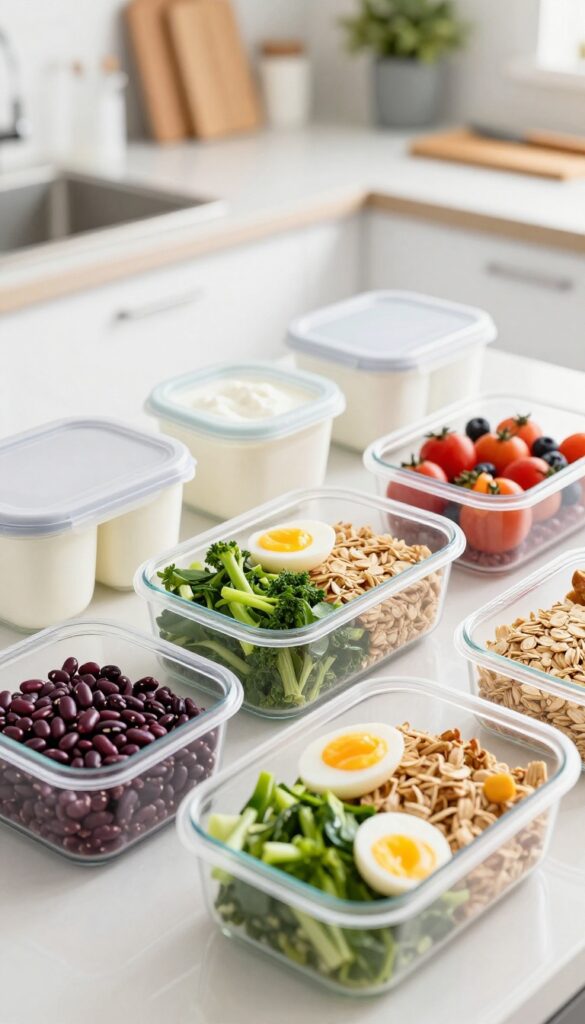
Stocking your kitchen with the right foods makes following a prediabetes meal plan much easier. This grocery list is organized by food group to help you shop efficiently and avoid impulse buys that can spike blood sugar.
Non-Starchy Vegetables
Fill half your plate with these low-carb, nutrient-dense veggies.
- Leafy greens: spinach, kale, arugula, romaine
- Cruciferous: broccoli, cauliflower, Brussels sprouts, cabbage
- Other: bell peppers, zucchini, cucumber, tomatoes, asparagus, green beans, mushrooms, onions
Fruits (Low Glycemic
Choose whole fruits over juices to get fiber and avoid sugar spikes.
- Berries: blueberries, strawberries, raspberries, blackberries
- Citrus: oranges, grapefruit, lemons, limes
- Other: apples, pears, cherries, peaches, plums
Lean Proteins
Protein helps stabilize blood sugar and keeps you full.
- Poultry: chicken breast, turkey breast (skinless)
- Fish: salmon, tuna, mackerel, sardines, trout
- Eggs: whole eggs or egg whites
- Plant-based: tofu, tempeh, edamame, lentils, chickpeas, black beans
Whole Grains and Starchy Vegetables
Choose fiber-rich options and watch portion sizes.
- Grains: quinoa, brown rice, oats, barley, whole-wheat bread, whole-wheat pasta
- Starchy veggies: sweet potatoes, butternut squash, peas, corn (in moderation)
Dairy and Dairy Alternatives
Opt for unsweetened, low-fat or plant-based options.
- Greek yogurt (plain, unsweetened)
- Cottage cheese (low-fat)
- Unsweetened almond milk, soy milk, or oat milk
- Cheese: mozzarella, feta, cheddar (in small amounts)
Healthy Fats
Fats slow digestion and help absorb vitamins.
- Oils: olive oil, avocado oil, coconut oil
- Nuts: almonds, walnuts, pecans, pistachios
- Seeds: chia seeds, flaxseeds, pumpkin seeds, sunflower seeds
- Avocados
- Nut butters: almond butter, peanut butter (no added sugar)
Herbs, Spices, and Condiments
Flavor without added sugar or unhealthy fats.
- Herbs: basil, cilantro, parsley, rosemary, thyme
- Spices: cinnamon, turmeric, cumin, paprika, garlic powder, onion powder
- Condiments: mustard, vinegar (balsamic, apple cider), salsa, hot sauce, hummus
Beverages
Stay hydrated with zero-sugar drinks.
- Water (still or sparkling)
- Unsweetened tea (green, black, herbal)
- Black coffee (in moderation)
Common Mistakes to Avoid on a Prediabetes Diet
Even with the best intentions, certain habits can undermine your progress. Here are the most common pitfalls and how to steer clear of them.
Skipping Meals
Skipping meals might seem like an easy way to cut calories, but it often backfires. When you go too long without eating, your blood sugar can drop, leading to fatigue, irritability, and intense hunger. This often results in overeating later, especially high-carb or sugary foods.
Instead, aim for three balanced meals and one to two snacks spread evenly throughout the day to keep your blood sugar stable.
Overdoing 'Healthy' Foods
Just because a food is labeled “healthy” doesn’t mean you can eat unlimited amounts. Foods like quinoa, brown rice, fruit, and nuts are nutritious but still contain carbohydrates and calories. For example, a cup of cooked quinoa has about 40 grams of carbs.
Even healthy carbs need portion control to avoid blood sugar spikes. Stick to recommended serving sizes and balance carbs with protein and healthy fats.
Ignoring Portion Sizes
Without portion awareness, it’s easy to consume more calories and carbs than intended. Use measuring cups, a food scale, or simple hand guides: a serving of protein is about the size of your palm, a serving of carbs fits in a cupped hand, and fats are about the size of your thumb. This visual guide helps you stay on track without obsessing over numbers.
FAQ
Can I eat fruit on a prediabetes diet?
Yes, but choose fruits with a lower glycemic index like berries, cherries, apples, and pears. Limit high-sugar fruits like bananas, grapes, and mangoes to small portions. Pair fruit with protein or fat (e.g., apple with peanut butter) to slow sugar absorption.
How many carbohydrates should I eat per meal?
A general guideline is 30-45 grams of carbs per meal for women and 45-60 grams for men. Adjust based on your activity level and blood sugar response. Focus on complex carbs like whole grains, legumes, and vegetables.
Is it okay to drink alcohol?
Moderate alcohol consumption may be acceptable, but be cautious. Alcohol can cause blood sugar to drop, especially on an empty stomach. Stick to one drink per day for women, two for men, and always eat food with alcohol.
Avoid sugary mixers.
Can I follow a vegetarian or vegan meal plan?
Absolutely. Plant-based diets can be very effective for prediabetes. Focus on legumes, tofu, tempeh, nuts, seeds, and whole grains.
Ensure adequate protein and vitamin B12. The meal plan above includes vegetarian options like lentil soup and veggie stir-fry.
How soon can I expect to see improvements in my blood sugar?
Many people see improvements in blood sugar levels within a few weeks of consistent healthy eating. However, individual results vary. Combine diet with exercise and weight management for best results.
Monitor your blood sugar as advised by your doctor.
Conclusion
A prediabetes meal plan doesn't have to be complicated or boring. By focusing on whole foods, balancing your plate, and making mindful choices, you can enjoy delicious meals while keeping your blood sugar in check. The 7-day plan outlined here is a flexible template you can adapt to your tastes and lifestyle.
Start with small changes, like adding more vegetables to your plate or swapping refined grains for whole grains. Consistency is key, and every healthy meal is a step in the right direction.

Dr. Pallab Kishore, MS in Orthodontics and owner of Orthodontic Braces Care, shares expert tips on braces, aligners, and oral health from 10+ years of experience.