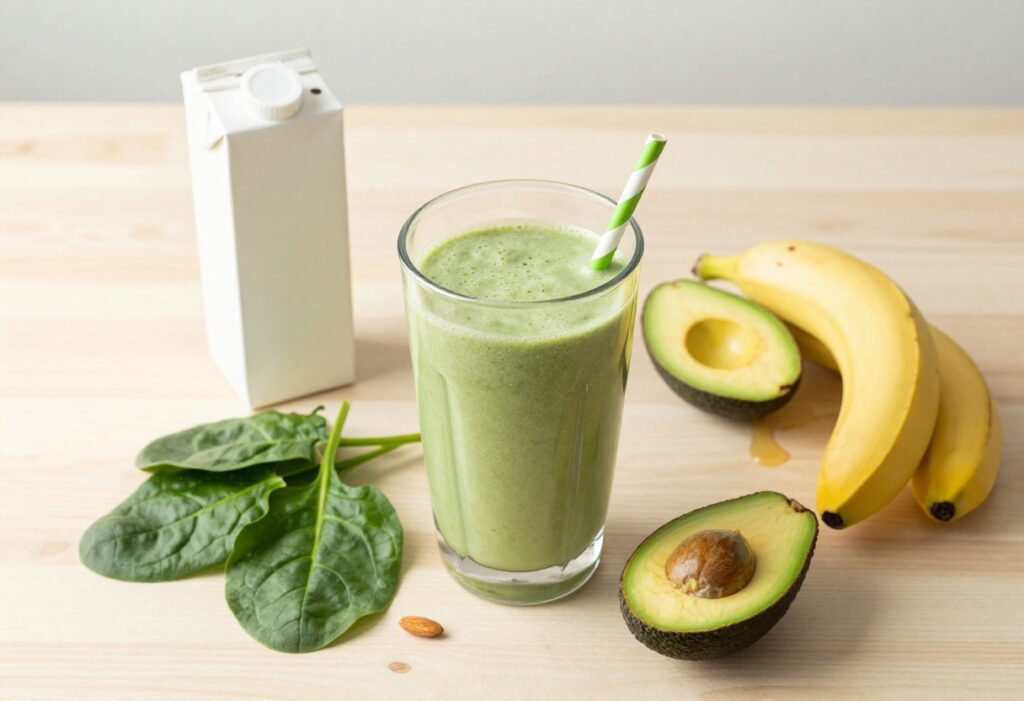
Gaining weight can be just as challenging as losing it, especially when you want to do it in a healthy, sustainable way. Many people turn to calorie-dense junk food, but that often leads to fat gain and poor nutrition.
A nourishing weight gain meal plan focuses on whole foods that provide the calories and nutrients your body needs to build muscle and improve overall health. This guide offers a practical, 7-day meal plan designed to help you gain weight steadily without sacrificing nutrition.
You'll learn the key principles of healthy weight gain, see a sample daily breakdown, and get tips for customizing the plan to fit your lifestyle.
Why a Nourishing Weight Gain Meal Plan Matters
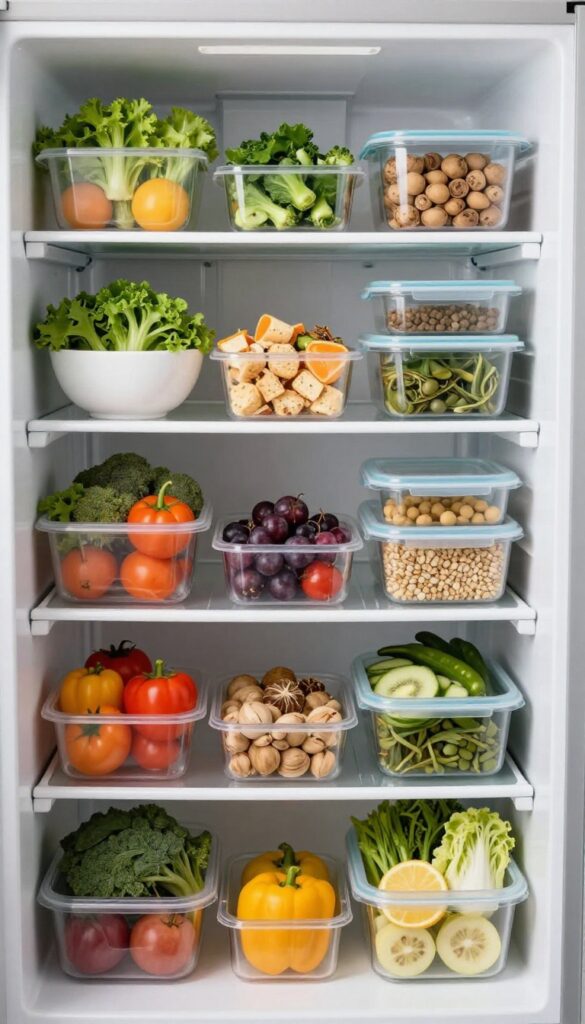
Gaining weight in a healthy way is about more than just eating more calories. Without a thoughtful approach, you might end up adding body fat instead of lean mass, or worse, compromising your long-term health. A nourishing weight gain meal plan focuses on three key pillars: calorie surplus, nutrient density, and sustainability.
A calorie surplus is essential—you need to consume more energy than you burn. But the source of those calories matters. Whole foods like nuts, seeds, avocados, lean meats, whole grains, and dairy provide the vitamins, minerals, and macronutrients your body needs to build tissue and support overall health.
Processed, high-sugar foods may help you hit a calorie target but lack the nutritional value to support muscle growth and can lead to energy crashes and inflammation.
- Build lean muscle mass rather than excess fat
- Support metabolic health and energy levels
- Develop eating habits that are maintainable long-term
- Avoid the pitfalls of ‘dirty bulking’ like poor digestion or blood sugar spikes
Sustainability is the third pillar. Many people start a weight gain diet with enthusiasm but quickly fall off because the plan is too restrictive or relies on foods they don’t enjoy. A nourishing approach emphasizes variety, flexibility, and gradual progress.
By choosing foods that are both calorie-dense and nutrient-rich, you can steadily increase your intake without feeling overly full or deprived.
Ultimately, a well-designed weight gain meal plan is not just about the scale—it’s about building a healthier, stronger body through consistent, mindful eating. The following sections will guide you through the principles, a sample plan, and tips to make healthy weight gain a lasting part of your lifestyle.
Key Principles of a Healthy Weight Gain Diet
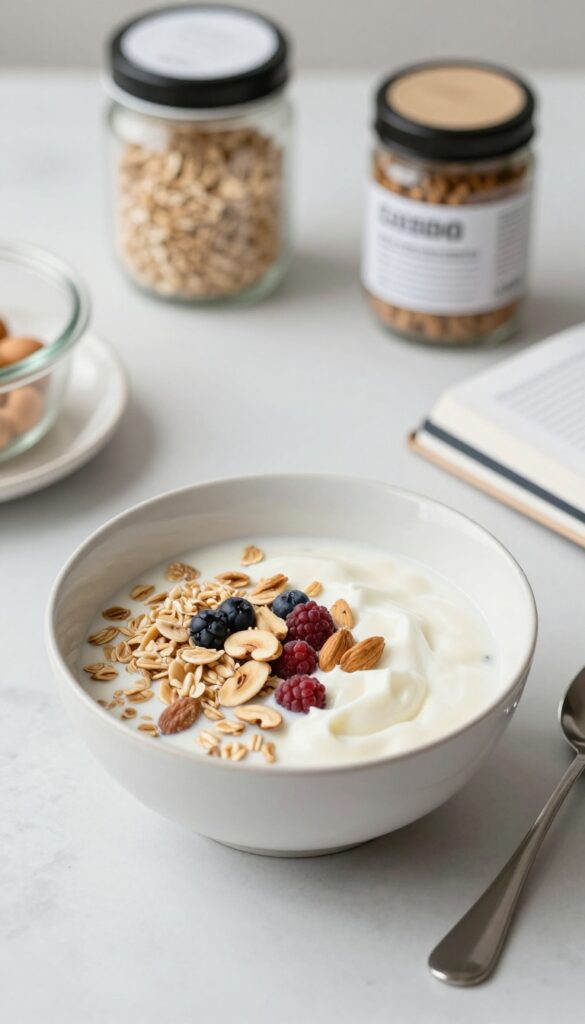
Gaining weight in a healthy way isn't about eating everything in sight. It's about strategic, nutrient-dense choices that support muscle growth and overall well-being. Here are the core principles to guide your approach.
Calorie Surplus Without Junk
To gain weight, you need to consume more calories than you burn. Start by calculating your maintenance calories—the number you need to stay at your current weight—using an online calculator. Then add 300–500 calories per day.
This modest surplus promotes steady weight gain (about 0.5–1 pound per week) without excessive fat gain. Focus on adding calories from whole foods like nuts, seeds, avocados, whole grains, and lean proteins, rather than processed junk foods.
Prioritizing Protein, Carbs, and Fats
Each macronutrient plays a vital role. Protein (aim for 1.6–2.2 grams per kilogram of body weight) supports muscle repair and growth. Include a source with every meal—eggs, chicken, fish, tofu, or legumes.
Carbohydrates provide energy for workouts and daily activities; choose complex carbs like oats, brown rice, sweet potatoes, and quinoa. Healthy fats (from olive oil, nuts, seeds, and fatty fish) are calorie-dense and support hormone function. A balanced plate might look like: a palm-sized portion of protein, a fist-sized portion of carbs, and a thumb-sized portion of fats.
Meal Timing and Frequency
Eating every 3–4 hours helps you reach your calorie goals without feeling overly full. Aim for 3 main meals and 2–3 snacks each day. This schedule also keeps your energy levels stable.
Don't skip breakfast—starting the day with a protein-rich meal sets a positive tone. If you struggle to eat large volumes, try liquid calories like smoothies or milk between meals.
Sample 7-Day Weight Gain Meal Plan
This sample meal plan provides a full week of nourishing meals designed to support healthy weight gain. Each day includes breakfast, lunch, dinner, and snacks, emphasizing variety and whole foods. Adjust portion sizes based on your individual calorie needs.
Day Meal Plan
| Day | Breakfast | Lunch | Dinner | Snacks |
| Monday | Scrambled eggs with avocado and whole-grain toast | Grilled chicken quinoa bowl with roasted veggies | Salmon with sweet potato and steamed broccoli | Greek yogurt with berries, handful of almonds |
| Tuesday | Oatmeal with peanut butter, banana, and chia seeds | Turkey and cheese wrap with spinach and hummus | Beef stir-fry with brown rice and mixed vegetables | Cottage cheese with pineapple, trail mix |
| Wednesday | Smoothie with milk, banana, oats, and almond butter | Lentil soup with a side of whole-grain bread | Baked chicken thighs with quinoa and roasted carrots | Apple slices with peanut butter, hard-boiled egg |
| Thursday | Whole-grain pancakes with Greek yogurt and maple syrup | Tuna salad on whole-grain crackers with cucumber slices | Pasta with ground beef and tomato sauce, side salad | Mixed nuts, cheese stick |
| Friday | Omelette with cheese, mushrooms, and whole-grain toast | Chickpea and avocado salad with pita bread | Grilled steak with mashed potatoes and green beans | Hummus with veggie sticks, protein bar |
| Saturday | French toast with eggs, milk, and cinnamon, topped with berries | Black bean and rice bowl with salsa and sour cream | Baked cod with couscous and roasted asparagus | Full-fat yogurt with granola, banana |
| Sunday | Bagel with cream cheese, smoked salmon, and capers | Quinoa and roasted vegetable salad with feta | Roasted chicken with wild rice and sautéed spinach | Avocado toast, handful of walnuts |
Stay hydrated with water throughout the day. Aim for at least 8 cups (2 liters) daily, and consider adding a glass of milk or a smoothie for extra calories.
Daily Meal Breakdown: What to Eat and Why
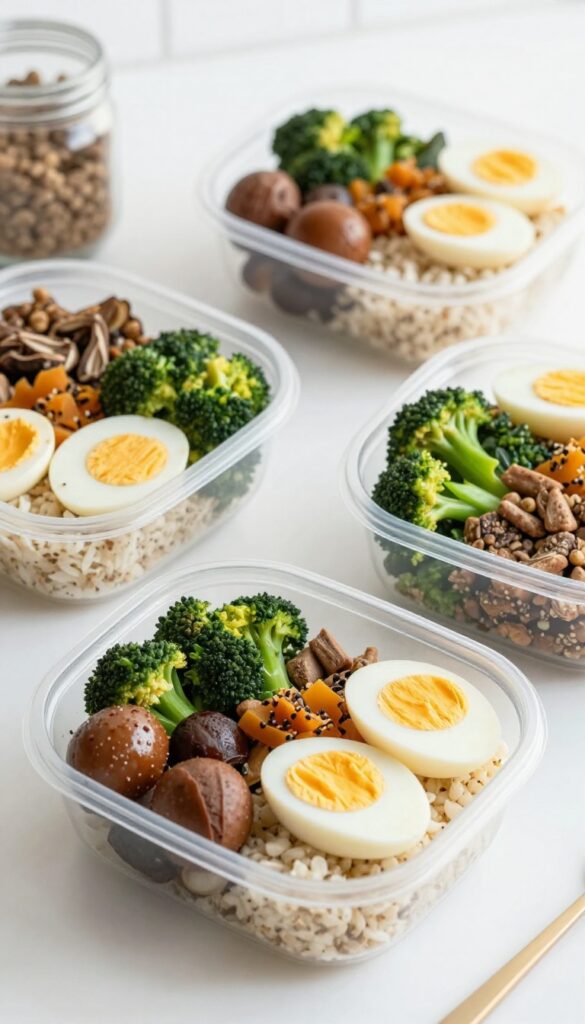
A well-structured day of eating for weight gain focuses on calorie density, nutrient balance, and consistency. Here’s how to build each meal to support steady, healthy gains.
Breakfast: Start Strong
Breakfast sets the tone for your metabolism and energy levels. Aim for 500–600 calories with a mix of protein, healthy fats, and complex carbs. A classic option is a smoothie made with whole milk, peanut butter, banana, oats, and a scoop of protein powder.
This delivers protein for muscle repair, carbs for energy, and fats for calorie density. Another choice: scrambled eggs (3–4) with avocado and whole-grain toast. Add spinach or tomatoes for micronutrients.
The key is to avoid skipping breakfast or relying on sugary cereals that spike blood sugar and lead to mid-morning crashes.
Lunch: Balanced and Filling
Lunch should provide sustained energy for the afternoon. Target 600–700 calories with a balance of protein, whole grains, and vegetables. For example: a quinoa bowl with grilled chicken, chickpeas, roasted sweet potatoes, and a tahini dressing.
This combination offers complete protein, fiber, and healthy fats. Alternatively, a whole-wheat wrap with turkey, hummus, mixed greens, and shredded carrots is portable and nutrient-dense. Include a side of Greek yogurt or a piece of fruit to round out the meal.
Avoid low-calorie salads or plain sandwiches that leave you hungry soon after.
Dinner: Nutrient-Dense and Satisfying
Dinner should be hearty but not overly heavy, focusing on nutrient density to support overnight recovery. Aim for 700–800 calories. A salmon fillet with roasted potatoes and steamed broccoli provides omega-3s, complex carbs, and fiber.
For a vegetarian option, lentil curry with brown rice and a dollop of full-fat yogurt delivers protein, iron, and healthy fats. Include a source of healthy fat like olive oil or avocado to boost calorie content. Avoid processed meats or fried foods that can cause digestive discomfort.
A small dessert like a handful of nuts or dark chocolate can help meet calorie goals without overdoing sugar.
Smart Snacking for Extra Calories
Snacking is a powerful way to add extra calories and nutrients between meals. The key is to choose snacks that are both calorie-dense and nutritious, rather than empty calories from processed foods. Here are some smart snack ideas with suggested portion sizes.
Calorie-Dense Snack Ideas
- Trail mix: Combine nuts (almonds, walnuts), seeds (pumpkin, sunflower), dried fruit (raisins, apricots), and dark chocolate chips. A 1/4-cup serving provides about 200 calories.
- Nut butter on whole-grain toast or apple slices: 2 tablespoons of peanut or almond butter add around 190 calories.
- Greek yogurt with granola and honey: 1 cup of full-fat Greek yogurt (200 calories) plus 1/4 cup granola (120 calories) and 1 tablespoon honey (60 calories) totals 380 calories.
- Smoothie: Blend 1 cup whole milk (150 calories), 1 banana (100 calories), 2 tablespoons peanut butter (190 calories), and 1 scoop protein powder (120 calories) for a 560-calorie drink.
- Cheese and crackers: 1 ounce of cheddar cheese (110 calories) with 5 whole-wheat crackers (100 calories) provides 210 calories.
- Avocado on rice cakes: 1/2 avocado (120 calories) on 2 rice cakes (70 calories) with a pinch of salt – a quick 190-calorie snack.
- Hard-boiled eggs: 2 large eggs provide 140 calories and 12 grams of protein.
- Hummus with vegetable sticks or pita: 1/4 cup hummus (100 calories) with 1 small pita (150 calories) or carrot/celery sticks.
Portion Size Tips
To avoid overeating in a way that causes discomfort, start with smaller portions and increase gradually. Use measuring cups or a food scale initially to get a sense of proper portions. For example, a handful of nuts is about 1/4 cup, and a serving of nut butter is about the size of a ping-pong ball.
Customizing the Plan for Your Needs
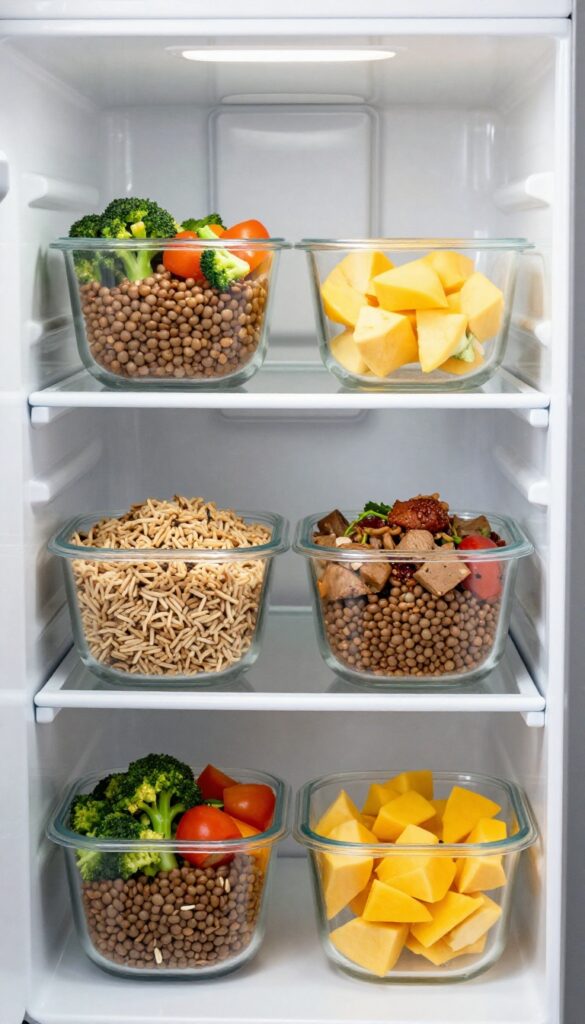
No single meal plan works perfectly for everyone. Your body, preferences, and lifestyle are unique, so tailoring this weight gain plan to fit your needs is essential for long-term success. Here's how to adjust it for dietary restrictions, taste preferences, and calorie goals.
Adjusting for Dietary Preferences
If you follow a vegetarian or vegan diet, swap animal proteins with plant-based alternatives. For example, replace chicken with tofu, tempeh, or seitan, and use legumes like lentils and chickpeas in place of ground meat. Eggs can be substituted with flax or chia eggs in baking, and dairy milk can be replaced with fortified soy or oat milk for similar calorie and protein content.
For gluten-free needs, choose certified gluten-free oats, quinoa, and rice instead of wheat-based grains. Use gluten-free bread and pasta, and check labels on sauces and condiments to avoid hidden gluten.
Increasing or Decreasing Calories
To increase calorie intake without adding volume, incorporate calorie-dense foods like nuts, seeds, avocados, nut butters, olive oil, and full-fat dairy. Add a tablespoon of peanut butter to smoothies, drizzle olive oil over roasted vegetables, or snack on trail mix. If you need to reduce calories, focus on lean proteins, reduce added fats, and choose lower-calorie dairy options.
Monitor your weight weekly and adjust portions by 100–200 calories as needed to maintain a steady gain of 0.5–1 pound per week.
Quick Customization Tips
- Vegetarian: Substitute beans, lentils, tofu, or tempeh for meat.
- Vegan: Use plant-based milks, vegan protein powders, and nutritional yeast for cheesy flavor.
- Gluten-free: Swap wheat bread for gluten-free bread, and use rice or quinoa pasta.
- Boosting calories: Add avocado, nuts, seeds, or a drizzle of olive oil to meals.
- Cutting calories: Use smaller portions of high-fat foods and choose leaner proteins.
Common Mistakes to Avoid When Gaining Weight
Even with the best intentions, certain missteps can slow your progress or lead to unhealthy weight gain. Here are the most common mistakes and how to avoid them.
Relying on Processed Foods
- It’s tempting to reach for calorie-dense junk food, but these lack nutrients and can harm your health. Instead, choose whole foods like nuts, avocados, and whole grains for clean calories.
Skipping Meals
- Missing meals creates a calorie deficit, making weight gain harder. Eat at regular intervals, even if you’re not hungry, to maintain a steady calorie surplus.
Not Eating Enough Protein
- Protein is essential for muscle repair and growth. Without enough, you may gain fat instead of muscle. Aim for at least 1.6 g/kg of body weight daily.
Ignoring Strength Training
- Without resistance training, extra calories are more likely to be stored as fat. Incorporate compound lifts like squats and deadlifts to build muscle mass.
FAQ
How many calories should I eat to gain weight?
Start by calculating your maintenance calories (the number you need to stay at your current weight) and add 300–500 calories per day. This surplus supports gradual weight gain of about 0.5–1 pound per week. Adjust based on your progress.
Can I gain weight without eating junk food?
Absolutely. Focus on nutrient-dense whole foods like nuts, seeds, avocados, whole grains, lean proteins, and healthy fats. These provide the calories you need along with vitamins, minerals, and fiber.
Do I need to use weight gain supplements?
Supplements are optional. Whole foods should be your primary source of nutrition. If you struggle to meet calorie goals, a quality protein powder or mass gainer can help, but they are not necessary.
How long does it take to see results?
Results vary, but with a consistent calorie surplus and strength training, you may notice changes in 2–4 weeks. Patience is key; healthy weight gain is a gradual process.
Should I exercise while on a weight gain meal plan?
Yes, especially strength training. Exercise helps ensure the extra calories go toward muscle rather than fat. Combine your meal plan with resistance training for best results.
Conclusion
A nourishing weight gain meal plan is about more than just eating more—it's about eating smarter. By focusing on whole, nutrient-dense foods and maintaining a consistent calorie surplus, you can achieve your weight gain goals while supporting your overall health.
Remember to pair your diet with regular exercise, especially strength training, to build muscle and improve body composition. Start with the sample plan provided, but feel free to adjust it to your tastes and needs.

Dr. Pallab Kishore, MS in Orthodontics and owner of Orthodontic Braces Care, shares expert tips on braces, aligners, and oral health from 10+ years of experience.