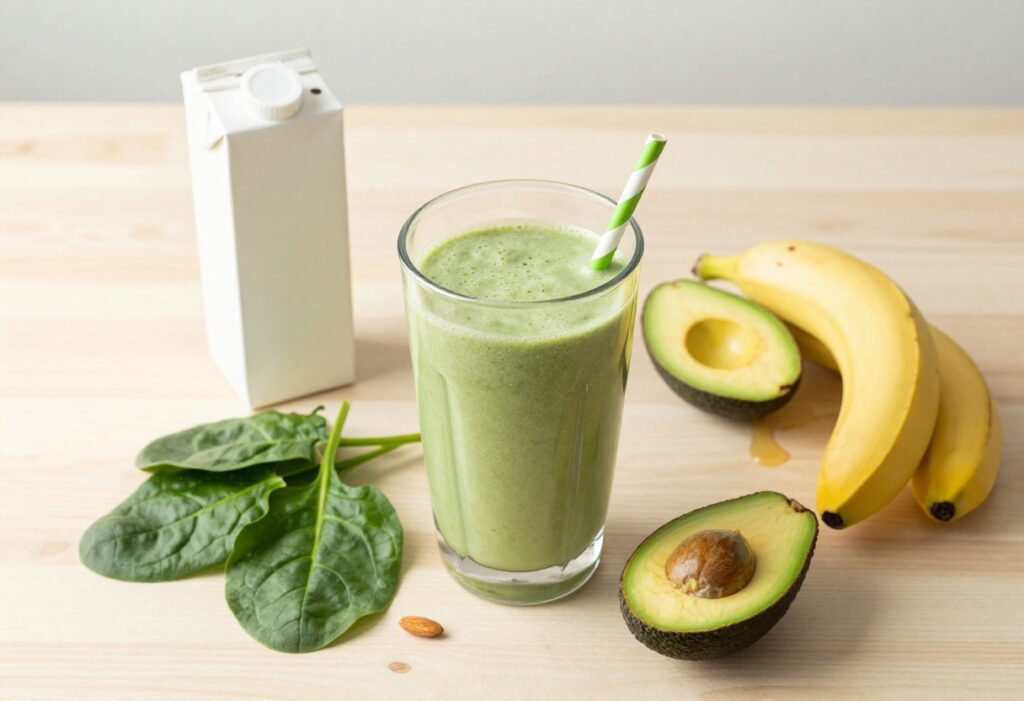
Intermittent fasting has become a popular approach for those looking to simplify their eating habits and support their health goals. Instead of focusing on what you eat, time-restricted eating emphasizes when you eat.
By narrowing your daily eating window, you give your body a longer fasting period each day, which may help with weight management and metabolic health. The beauty of a fasting diet plan with simple eating windows is its flexibility.
You don't need to count calories or follow a strict meal plan. Common windows like 16:8 (fast for 16 hours, eat for 8) or 14:10 (fast for 14 hours, eat for 10) can fit into most lifestyles.
What Are Eating Windows in a Fasting Diet?
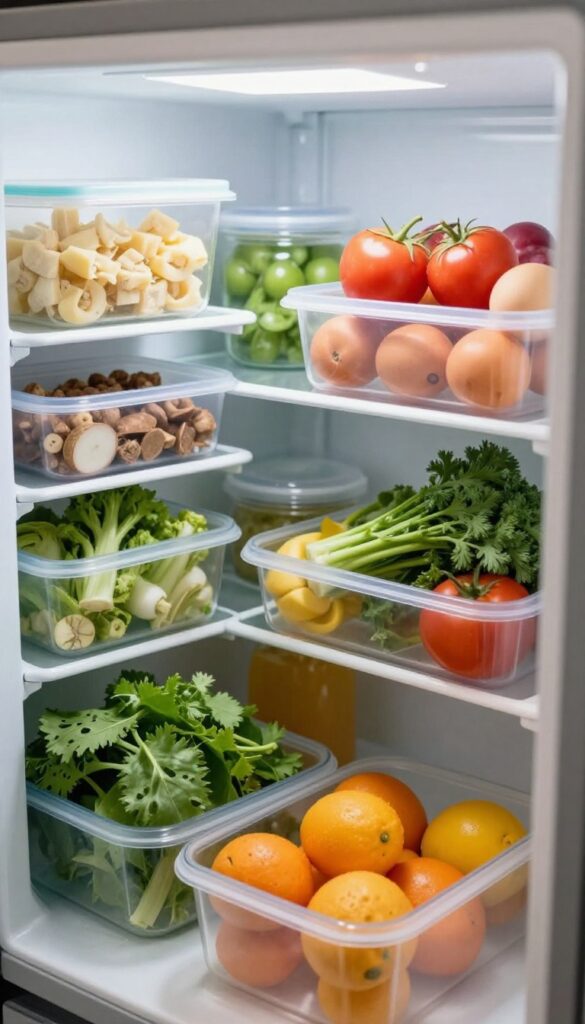
An eating window is the specific period during the day when you consume all your meals and calories. The rest of the day is your fasting period, during which you only drink water, black coffee, or other non-caloric beverages. This pattern is the foundation of time-restricted eating, a popular form of intermittent fasting that focuses on when you eat rather than what you eat.
The key idea is simple: by limiting the hours you eat, you naturally reduce calorie intake and give your body a longer break from digestion. This can help improve metabolic health, support weight management, and simplify your daily routine. The eating window and fasting period work together to create a consistent daily rhythm.
Common Fasting Windows
- 16:8 – Fast for 16 hours, eat within an 8-hour window (e.g., 12 p.m. to 8 p.m.). This is one of the most popular and sustainable schedules.
- 14:10 – Fast for 14 hours, eat within a 10-hour window. A gentler option that still provides benefits.
- 12:12 – Fast for 12 hours, eat within a 12-hour window. A good starting point for beginners or those who prefer a less restrictive approach.
How Eating Windows Work
During the eating window, you eat normally—no special foods required. The goal is to consume balanced meals that keep you satisfied. During the fasting period, you avoid all calories, allowing your body to tap into stored energy and promote cellular repair processes.
Consistency is more important than perfection; even sticking to your window most days can yield positive results.
Benefits of a Simple Fasting Diet Plan
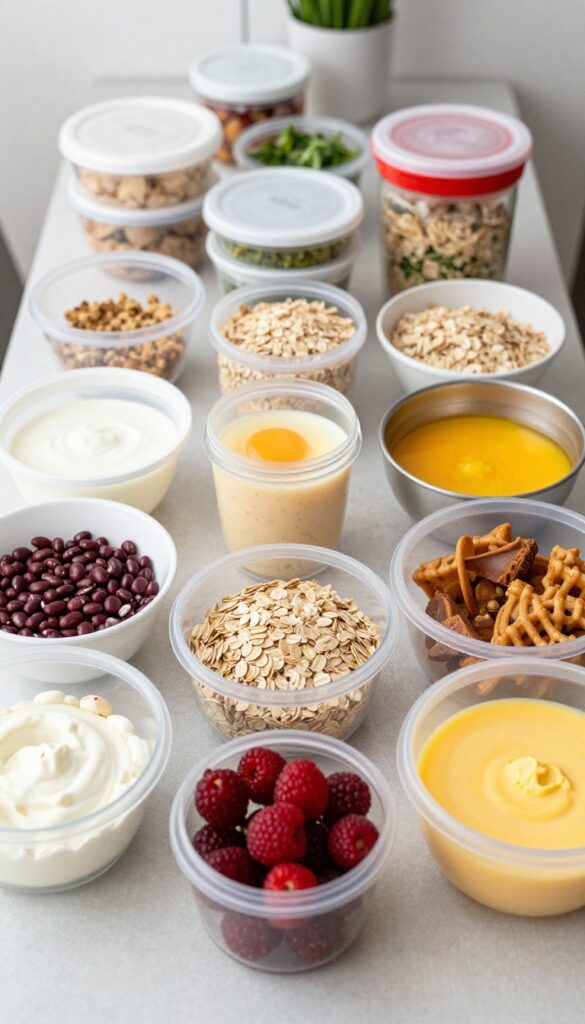
A simple fasting diet plan with flexible eating windows offers several compelling benefits that go beyond just weight loss. By focusing on when you eat rather than what you eat, you can improve your metabolic health, simplify your daily routine, and build a sustainable habit that fits your lifestyle.
One of the most well-documented advantages of time-restricted eating is its positive impact on weight management. By confining your calorie intake to a shorter window, you naturally reduce overall consumption without the need for complex calorie counting or restrictive diets. Studies have shown that intermittent fasting can lead to significant reductions in body weight and body fat, particularly when combined with a balanced diet.
Another key benefit is improved insulin sensitivity. When you give your body a prolonged break from food, your insulin levels drop, which helps your cells become more responsive to insulin over time. This can lower blood sugar levels and reduce the risk of type 2 diabetes.
Even modest improvements in insulin sensitivity can have a meaningful impact on long-term metabolic health.
Why Simplicity Helps Adherence
- Eliminates the need for frequent meal planning and preparation.
- Reduces decision fatigue around food choices.
- Easier to maintain than complex diet protocols.
- Allows flexibility in food selection within the eating window.
- Can be adapted to social schedules and personal preferences.
The simplicity of a fasting diet plan is one of its greatest strengths. Instead of obsessing over every calorie or macronutrient, you only need to focus on the timing of your meals. This straightforward approach makes it easier to stick with the plan long term, which is crucial for achieving lasting results.
Many people find that once they adapt to their chosen eating window, they feel more energetic, experience fewer cravings, and enjoy a greater sense of control over their eating habits.
Beyond weight and metabolic benefits, intermittent fasting may also support cellular repair processes and reduce inflammation. While research is ongoing, early evidence suggests that periodic fasting can trigger autophagy, a process where cells remove damaged components and regenerate. This could contribute to better overall health and longevity.
Ultimately, the benefits of a simple fasting diet plan are most pronounced when the approach is sustainable. By choosing a flexible eating window that aligns with your daily routine, you can enjoy these health advantages without feeling deprived or overwhelmed. Remember, consistency matters more than perfection.
How to Choose the Right Eating Window for You
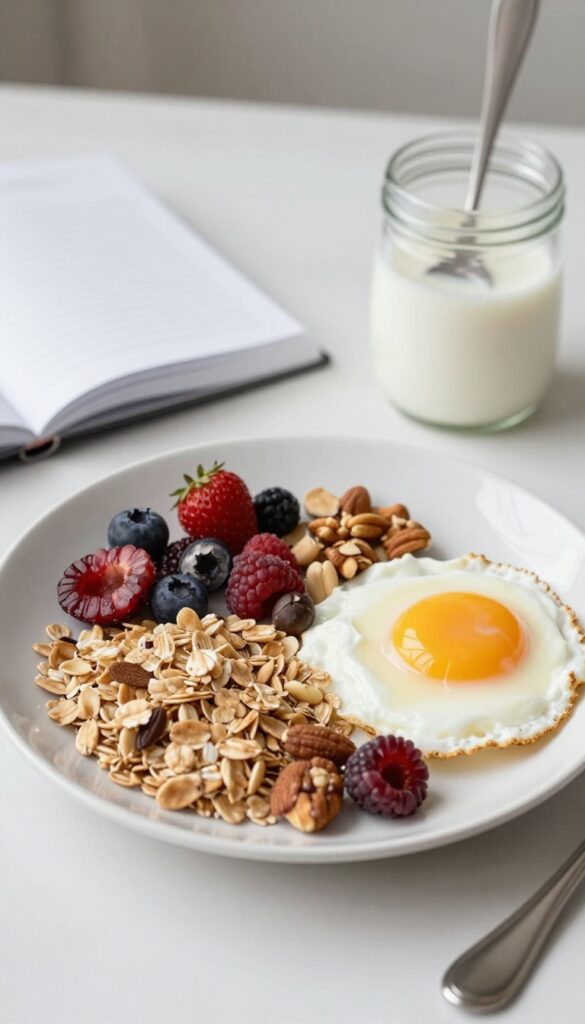
Choosing the right eating window is a personal decision that should fit your lifestyle, not the other way around. The goal is to find a schedule that feels natural and sustainable, so you can stick with it long term. Here’s how to match your window to your daily routine and start with a gentle approach.
Consider Your Daily Schedule
Your ideal eating window depends on your work hours, social commitments, and when you naturally feel hungry. Think about when you typically have your first meal and your last meal. If you’re not a breakfast person, a later window (like 12:00 PM to 8:00 PM) might work well.
If you enjoy family dinners, an earlier window (10:00 AM to 6:00 PM) could be better. The key is to align your fasting period with your sleep and avoid long stretches of hunger during your busiest times.
Factors to consider
- Work schedule: Do you have a fixed lunch break? Can you eat during meetings?
- Social life: Are there regular dinners, brunches, or happy hours you don’t want to skip?
- Hunger patterns: Do you wake up hungry, or can you easily wait a few hours?
- Exercise timing: If you work out in the morning, you may prefer an earlier eating window to refuel.
Start with a Gentle Window
If you’re new to time-restricted eating, jumping straight into a 16:8 fast (16 hours fasting, 8 hours eating) can be challenging. It’s often more sustainable to start with a 12:12 window (12 hours fasting, 12 hours eating) or a 14:10 window (14 hours fasting, 10 hours eating). These gentle approaches allow your body to adapt gradually without extreme hunger.
Once you feel comfortable, you can slowly shorten your eating window by 30 minutes to an hour every few days until you reach your desired schedule. Remember, consistency matters more than speed.
For example, if you currently eat from 8:00 AM to 9:00 PM (a 13-hour window), try shifting to 8:00 AM to 8:00 PM (12:12) for a week. Then move to 9:00 AM to 7:00 PM (10-hour window) and so on. Listen to your body—if you feel dizzy, irritable, or overly hungry, widen your window or pause and try again later.
Sample Meal Plan for a 16:8 Eating Window

To help you visualize what a 16:8 eating window looks like in practice, here is a sample day with meals and snacks that are nutrient-dense, satisfying, and easy to prepare. This plan is designed for a 12pm to 8pm eating window, but you can adjust the timing to fit your schedule.
Breaking the Fast (First Meal
Your first meal around noon should be balanced and nourishing to break the fast gently. Aim for a combination of protein, healthy fats, and fiber to keep you full and energized for the afternoon.
A great option is a quinoa bowl with grilled chicken, avocado, cherry tomatoes, cucumber, and a lemon-tahini dressing. This meal provides about 450–500 calories, with 30g protein, 20g fat, and 45g carbs. Alternatively, a three-egg omelet with spinach, mushrooms, and feta cheese, served with a slice of whole-grain toast and a side of berries, works well and takes under 15 minutes to prepare.
Main Meal and Snacks
Your main meal can be dinner or a larger lunch, depending on your preference. Here are some ideas for the main meal and snacks within your eating window.
- Dinner: Grilled salmon with roasted sweet potatoes and steamed broccoli. Drizzle with olive oil and lemon juice. Calories: ~550, Protein: 35g, Fat: 25g, Carbs: 40g.
- Snack option 1: Greek yogurt (plain) with a handful of almonds and sliced strawberries. Calories: ~200, Protein: 15g.
- Snack option 2: Apple slices with 2 tablespoons of peanut butter. Calories: ~250, Protein: 8g.
- Hydration: Drink water, herbal tea, or black coffee throughout the fast. During the eating window, include water with meals and consider a glass of sparkling water with lemon.
Feel free to swap ingredients based on what you have on hand. The key is to include protein and fiber in each meal to support satiety and stable energy levels. Avoid sugary drinks and ultra-processed snacks, as they can lead to energy crashes and hunger later.
Tips for Staying on Track with Your Fasting Schedule
Sticking to a fasting schedule can be challenging at first, but with a few practical strategies, you can make it feel natural and sustainable. These tips focus on managing hunger, handling social situations, and listening to your body without rigid rules.
Stay Hydrated Throughout the Day
Water, herbal tea, and black coffee are your best friends during fasting hours. They help curb hunger pangs and keep your energy stable. Aim for at least 8 cups of fluid spread across the day.
If you feel hungry, drink a glass of water first—sometimes thirst masquerades as hunger.
Practical Strategies to Avoid Hunger
- Keep busy with activities that occupy your hands and mind, like walking, reading, or a hobby.
- Distract yourself during typical meal times by scheduling a phone call or a short task.
- If hunger strikes, sip a warm beverage like herbal tea or broth (if allowed).
- Ensure your eating window meals are balanced with protein, fiber, and healthy fats to keep you full longer.
How to Handle Social Situations
Social events often revolve around food, but you can still participate without breaking your fast. If the event falls during your fasting window, consider adjusting your schedule slightly for that day—flexibility is key. You can also bring your own fasting-friendly drink or eat a small snack if needed.
Remember, one off-plan event won't derail your progress.
Tips for Social Gatherings
- If possible, shift your eating window to align with the event.
- Politely decline food by saying you're not hungry or are following a specific eating schedule.
- Focus on conversation and activities rather than food.
- If you choose to eat outside your window, do so mindfully and get back on track the next day.
Listen to Your Body
Fasting is not about ignoring your body's signals. If you feel dizzy, weak, or excessively hungry, it's okay to break your fast early. Pay attention to how you feel during and after fasting periods.
Adjust your window length or meal composition as needed. The goal is a sustainable routine that supports your health, not a strict test of willpower.
Common Mistakes to Avoid on a Fasting Diet
Even a well-planned fasting schedule can be undermined by a few common errors. Recognizing these pitfalls early helps you stay on track and get the most out of your eating windows.
The most frequent mistake people make is overeating during their eating window. After a fast, it's tempting to eat large quantities, but this can lead to discomfort and may negate the calorie deficit you're aiming for. Stick to your usual portion sizes and eat mindfully.
Another common issue is not drinking enough water. During fasting periods, thirst can be mistaken for hunger. Staying hydrated helps manage cravings and supports overall health.
Aim for at least 8 cups of water daily, and consider herbal teas as well.
Key Mistakes and How to Fix Them
- Overeating during eating window: Use smaller plates, eat slowly, and stop when you're 80% full.
- Not drinking enough water: Keep a water bottle nearby and set reminders to sip throughout the day.
- Choosing poor food quality: Focus on whole foods like vegetables, lean proteins, healthy fats, and complex carbs. Avoid processed snacks.
Quality matters as much as quantity. If you fill your eating window with junk food, you'll miss out on essential nutrients and may feel sluggish. Prioritize nutrient-dense meals that keep you satisfied and energized.
FAQ
Can I drink coffee during the fasting period?
Yes, black coffee is generally allowed during fasting as it contains minimal calories. Avoid adding sugar, milk, or cream, as those can break your fast. Herbal teas and water are also fine.
What should I do if I feel very hungry?
Feeling hungry is normal, especially when starting. Drink water, herbal tea, or sparkling water. Distract yourself with a walk or activity.
If hunger persists, consider a shorter fasting window or adjust your meal composition to include more protein and fiber.
Is it okay to exercise while fasting?
Yes, many people exercise during their fasting period. Low to moderate intensity workouts like walking, yoga, or light cardio are fine. For intense workouts, you may prefer to exercise during your eating window or have a small pre-workout snack if needed.
Can I change my eating window daily?
While consistency helps your body adapt, occasional changes are fine. If you have a social event, you can adjust your window. Just try to maintain a regular pattern most days for best results.
Will I lose weight with a 16:8 fasting plan?
Many people find that time-restricted eating helps with weight management by naturally reducing calorie intake. However, results vary. It's important to eat nutritious foods during your window and not overcompensate.
Weight loss is not guaranteed and depends on overall diet and lifestyle.
Conclusion
A fasting diet plan with simple eating windows offers a flexible and sustainable approach to improving your eating habits. By focusing on when you eat rather than what you eat, you can create a routine that fits your lifestyle and supports your health goals. Remember, the best plan is one you can stick with consistently.
Start with a gentle window like 12:12 or 14:10, and gradually adjust as you feel comfortable. Listen to your body, stay hydrated, and choose nutrient-dense foods during your eating period.

Dr. Pallab Kishore, MS in Orthodontics and owner of Orthodontic Braces Care, shares expert tips on braces, aligners, and oral health from 10+ years of experience.