Your thyroid is a small butterfly-shaped gland in your neck, but it has a big job. It produces hormones that regulate your metabolism, energy levels, and even your mood. When your thyroid isn't working optimally, it can affect nearly every system in your body.
While medication is often necessary, what you eat plays a powerful supporting role. A thyroid-friendly diet doesn't have to be complicated or restrictive.
In fact, the best approach is simple: focus on whole, nutrient-dense foods that provide the vitamins and minerals your thyroid needs to function. This guide will walk you through the key nutrients, foods to embrace and limit, and a sample meal plan to get you started.
Why Diet Matters for Thyroid Health
The thyroid is a small, butterfly-shaped gland in your neck that plays an outsized role in your body's daily operations. It produces hormones that regulate metabolism, energy production, body temperature, and even heart rate. When your thyroid isn't functioning optimally, every system can feel the effects.
While medication is often necessary for thyroid conditions, diet is a powerful tool that can support thyroid function, help manage symptoms, and improve overall well-being.
Thyroid hormones—primarily T3 (triiodothyronine) and T4 (thyroxine)—act like a master control for your metabolism. They tell your cells how much energy to use, influencing everything from how many calories you burn to how quickly you think. When hormone levels are too low (hypothyroidism), metabolism slows down, leading to fatigue, weight gain, brain fog, and feeling cold.
When they're too high (hyperthyroidism), metabolism speeds up, causing weight loss, anxiety, rapid heartbeat, and heat intolerance. Diet can't cure these conditions, but it can provide the raw materials your thyroid needs to produce hormones effectively.
Nutrient deficiencies are a common roadblock to thyroid health. Iodine, selenium, zinc, and iron are essential for thyroid hormone synthesis and conversion. For example, selenium helps convert T4 to the more active T3 and protects the thyroid from oxidative damage.
Zinc supports hormone production and regulation. Without adequate levels of these nutrients, even the right medication may not work as well. A balanced diet rich in whole foods naturally provides these nutrients, making it a foundational part of thyroid management.
Beyond nutrient support, diet also influences inflammation, gut health, and blood sugar regulation—all of which can impact thyroid function. Chronic inflammation can interfere with hormone production and conversion. A healthy gut ensures proper absorption of nutrients and helps regulate the immune system, which is especially important for autoimmune thyroid conditions like Hashimoto's thyroiditis.
Stable blood sugar prevents energy crashes and supports adrenal health, which works closely with the thyroid.
It's important to remember that diet is a complement to, not a replacement for, medical treatment. Always work with your healthcare provider to manage thyroid conditions and adjust your diet safely.
Key Nutrients for Thyroid Support
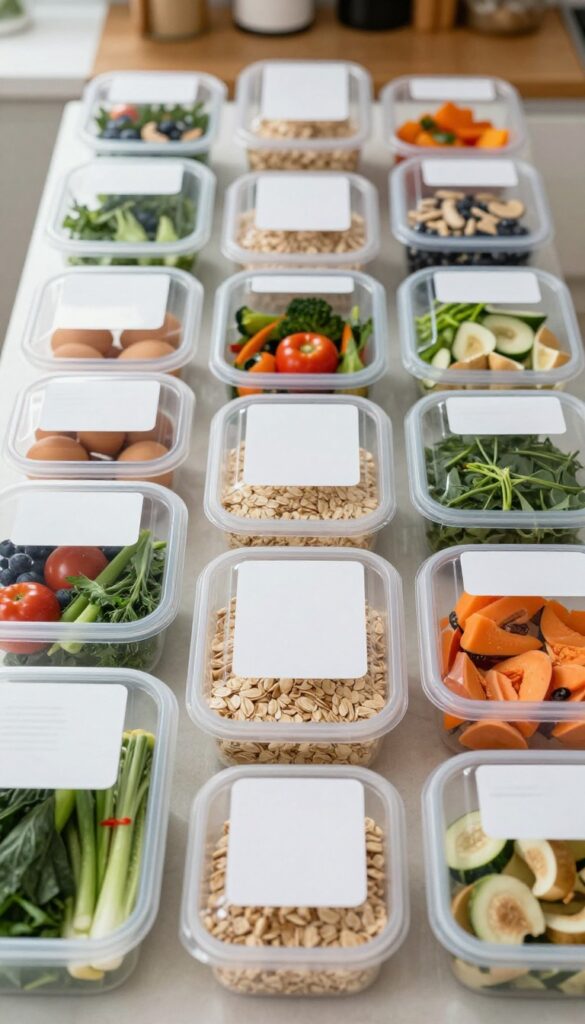
Your thyroid relies on a steady supply of specific nutrients to produce and regulate hormones. While a balanced diet can usually provide what you need, understanding which nutrients matter most helps you make intentional food choices. Here are the key players and where to find them.
Iodine
Iodine is a critical building block for thyroid hormones. Without enough, your thyroid can't function properly. Good food sources include iodized salt, seaweed (like nori or kelp), fish, dairy, and eggs.
Note that too much iodine can also be problematic, so stick to food sources rather than supplements unless directed by a healthcare provider.
Selenium
Selenium helps protect the thyroid from oxidative stress and supports hormone metabolism. Just one or two Brazil nuts a day can meet your needs. Other sources include tuna, sardines, eggs, and sunflower seeds.
Selenium is powerful in small amounts, so avoid overdoing supplements.
Zinc
Zinc is essential for thyroid hormone synthesis and helps regulate TSH levels. Oysters are the richest source, but you can also get zinc from beef, pumpkin seeds, chickpeas, and cashews. Vegetarians may need to pay extra attention to zinc-rich plant foods.
Vitamin D and B12
Vitamin D supports immune function and may help with autoimmune thyroid conditions. Sunlight is the best source, but fatty fish, egg yolks, and fortified foods also contribute. Vitamin B12 is important for energy and nerve health; it's found in meat, fish, eggs, and dairy.
Those on a plant-based diet should consider fortified foods or a supplement.
Foods to Include in a Thyroid-Friendly Diet

Building a thyroid-supportive diet doesn't mean eating bland or restrictive meals. The key is to focus on nutrient-dense whole foods that provide the vitamins, minerals, and antioxidants your thyroid needs to function optimally. Here are the top food groups to include regularly.
Lean Proteins
Protein provides the amino acids your body needs to produce thyroid hormones and transport them through the bloodstream. Good choices include chicken, turkey, fish, eggs, legumes, and tofu. Aim for a serving of protein at each meal to support stable energy and hormone balance.
Colorful Vegetables
Vegetables are packed with antioxidants that help reduce inflammation and protect the thyroid gland. Cruciferous vegetables like broccoli, cauliflower, and kale are often restricted in raw form but are perfectly safe when cooked, as heat deactivates goitrogenic compounds. Include a rainbow of veggies—leafy greens, bell peppers, carrots, and zucchini.
Healthy Fats
Healthy fats support hormone production and help your body absorb fat-soluble vitamins like A, D, E, and K. Incorporate sources such as avocados, olive oil, nuts, seeds, and fatty fish like salmon or mackerel. Omega-3s from fish are especially beneficial for reducing inflammation.
Whole Grains
Whole grains provide fiber, B vitamins, and steady energy. Choose oats, quinoa, brown rice, barley, and whole-wheat bread. Fiber helps with digestion and can prevent constipation, a common issue in hypothyroidism.
Stick to gluten-free grains if you have Hashimoto's or gluten sensitivity.
Seaweed in Moderation
Seaweed is a natural source of iodine, which is essential for thyroid hormone production. However, too much iodine can worsen thyroid conditions, especially autoimmune ones. Enjoy seaweed as an occasional snack or in soups, but avoid overdoing it.
A few sheets of nori or a tablespoon of kelp flakes per week is plenty.
Why These Foods Help
- Lean proteins supply tyrosine, an amino acid required for thyroid hormone synthesis.
- Colorful vegetables deliver antioxidants that combat oxidative stress on the thyroid.
- Healthy fats support hormone production and reduce inflammation.
- Whole grains provide steady energy and fiber for digestive health.
- Seaweed offers a natural iodine source, but only in small amounts.
Foods to Limit or Avoid
While a thyroid-friendly diet focuses on nutrient-rich whole foods, some items can interfere with thyroid function or nutrient absorption. The goal is balance, not elimination—most foods are fine in moderation, but being aware of potential triggers helps you make informed choices.
Goitrogenic Foods: Cooked vs. Raw
Goitrogens are compounds that can interfere with iodine uptake by the thyroid gland. However, for most people with adequate iodine intake, the concern is minimal. The key is preparation: cooking significantly reduces goitrogenic activity.
Raw cruciferous vegetables like kale, broccoli, cauliflower, and Brussels sprouts contain higher levels, but steaming, boiling, or roasting them for at least 10–15 minutes neutralizes most of the effect. Unless you have a diagnosed iodine deficiency or an underactive thyroid that is not well-managed, there is no need to avoid these vegetables—they are nutrient powerhouses. Simply enjoy them cooked rather than raw, and vary your sources.
Other Foods to Moderate
- Processed foods: High in sodium, unhealthy fats, and additives that can contribute to inflammation and weight gain. Opt for whole, minimally processed options.
- Excessive sugar: Added sugars spike blood sugar and can worsen fatigue and weight issues common in thyroid conditions. Limit sugary drinks, sweets, and refined carbs.
- Soy in large amounts: Soy contains isoflavones that may affect thyroid hormone production, especially in those with low iodine. Moderate amounts (e.g., 1–2 servings per day) of fermented soy like tempeh or tofu are generally fine, but avoid excessive soy protein isolates or supplements.
Balance, Not Fear
The takeaway is not to fear these foods but to enjoy them in sensible portions and, when possible, in forms that reduce potential interference. A varied diet with plenty of vegetables, lean protein, and healthy fats will naturally limit the impact of any single food group.
Sample One-Day Thyroid Diet Meal Plan

To help you put the principles into practice, here is a full day of thyroid-friendly meals. This plan is not about strict rules—it’s a flexible template you can adjust to your preferences and schedule.
Breakfast
Start your day with a nutrient-packed meal that includes protein, healthy fats, and complex carbs. A great option is a veggie and spinach omelet with a side of sliced avocado and a slice of whole-grain toast. The eggs provide selenium and iodine, while spinach offers iron and magnesium.
Add a handful of berries for extra antioxidants.
Lunch
For lunch, try a quinoa bowl with grilled chicken, roasted sweet potatoes, steamed broccoli, and a drizzle of tahini dressing. Quinoa is a complete protein and rich in B vitamins, while sweet potatoes provide vitamin A and fiber. Broccoli adds vitamin C and fiber, and tahini supplies healthy fats and calcium.
Dinner
Dinner could be baked salmon with a side of sautéed kale and brown rice. Salmon is an excellent source of omega-3 fatty acids and vitamin D, both important for thyroid function. Kale is loaded with vitamins A, C, and K, plus calcium.
Brown rice offers B vitamins and magnesium.
Snacks
Keep snacks simple and balanced. A small handful of Brazil nuts (just 1-2 for selenium), an apple with almond butter, or carrot sticks with hummus are all good choices. These provide steady energy without spiking blood sugar.
Tips for Building Balanced Thyroid Meals

Building a thyroid-friendly meal doesn’t have to be complicated. Focus on a few simple principles to keep your meals balanced, satisfying, and supportive of your thyroid health.
Combine Protein, Fat, and Carbs
- Protein: chicken, turkey, fish, eggs, tofu, legumes
- Healthy fats: avocado, olive oil, nuts, seeds, fatty fish
- Complex carbs: quinoa, brown rice, sweet potatoes, oats, vegetables
Include Veggies at Every Meal
- Breakfast: spinach in eggs or a smoothie
- Lunch: mixed greens with grilled chicken
- Dinner: roasted broccoli or stir-fried bell peppers
Stay Hydrated
- Carry a water bottle and sip throughout the day
- Set reminders if you often forget to drink
- Limit sugary drinks and excessive caffeine
Mind Medication Timing
- Take medication first thing in the morning
- Wait 30–60 minutes before breakfast
- Avoid calcium supplements, iron, and high-fiber foods within 4 hours
Lifestyle Habits That Support Thyroid Health
What you eat is only part of the picture. Your daily habits—how you handle stress, sleep, move, and structure your meals—also play a major role in how well your thyroid functions. These lifestyle factors can either support or undermine your diet efforts.
Stress Management
Chronic stress raises cortisol, which can interfere with thyroid hormone production and conversion. High cortisol levels may also reduce T4 to T3 conversion, leaving you with symptoms like fatigue and brain fog even if your labs look normal. Simple stress-reduction practices—such as deep breathing, gentle yoga, or a short walk—can help keep cortisol in check.
Sleep Quality
Sleep is when your body repairs and regulates hormones, including thyroid hormones. Poor sleep can increase inflammation and disrupt the delicate feedback loop between your hypothalamus, pituitary, and thyroid. Aim for 7–9 hours of quality sleep per night.
A consistent bedtime routine, limiting screen time before bed, and keeping your room cool and dark can improve sleep quality.
Regular Exercise
Moderate exercise can boost metabolism, reduce inflammation, and improve energy levels—all beneficial for thyroid health. However, overdoing it with intense workouts can stress the body and raise cortisol. Aim for a mix of aerobic activity (like brisk walking or cycling) and strength training, but listen to your body and rest when needed.
Consistent Meal Timing
Eating at roughly the same times each day helps regulate blood sugar and cortisol rhythms, which in turn supports thyroid function. Skipping meals or erratic eating patterns can cause blood sugar dips and spikes that stress the body. Try to eat three balanced meals at regular intervals, and consider adding a small snack if you go more than 4–5 hours between meals.
FAQ
Can diet cure thyroid disease?
No, diet cannot cure thyroid disease. However, a balanced diet can support thyroid function, help manage symptoms, and improve overall health. Always follow your healthcare provider's treatment plan.
Should I avoid all goitrogenic foods?
No. Goitrogenic foods like broccoli, kale, and soy can interfere with thyroid function when eaten raw in large amounts. But cooking them reduces the goitrogenic effect.
Eating a variety of cooked vegetables is generally safe and healthy.
Is it safe to take iodine supplements?
Iodine supplements can be harmful if taken without a deficiency. Too much iodine can worsen thyroid conditions. It's best to get iodine from food sources like seaweed, fish, and iodized salt, and consult your doctor before supplementing.
How does timing of medication affect meals?
Thyroid medication (like levothyroxine) is best taken on an empty stomach, at least 30-60 minutes before eating. Certain foods and supplements (calcium, iron, fiber) can interfere with absorption. Follow your doctor's instructions.
Can I follow this plan if I have Hashimoto's?
Yes, this plan is suitable for Hashimoto's as it emphasizes anti-inflammatory, nutrient-rich foods. However, individual needs vary. Some people with Hashimoto's may need to avoid gluten or dairy.
Work with a dietitian to tailor the plan.
Conclusion
Building a thyroid-friendly diet is about consistency, not perfection. By focusing on nutrient-rich whole foods, balancing your meals, and adopting supportive lifestyle habits, you can help your thyroid work more efficiently. Remember, small changes add up over time.
Always work with your healthcare team to create a plan that fits your specific needs. Your thyroid diet doesn't have to be boring or restrictive—it can be a delicious way to feel your best every day.

Dr. Pallab Kishore, MS in Orthodontics and owner of Orthodontic Braces Care, shares expert tips on braces, aligners, and oral health from 10+ years of experience.