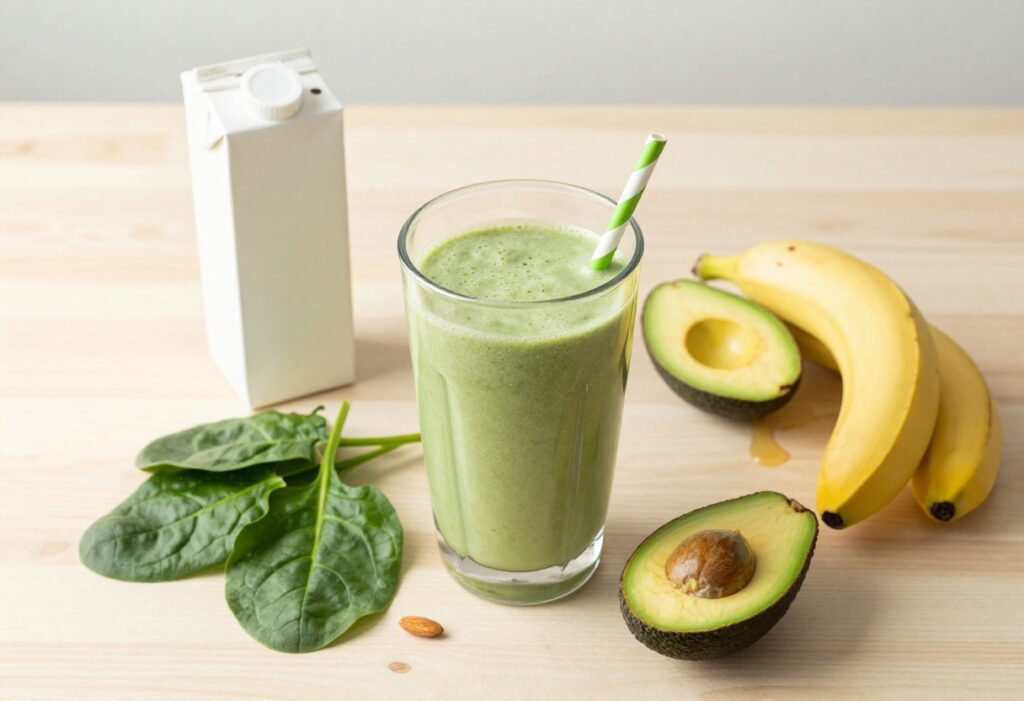
Managing your cholesterol doesn't mean giving up flavor or feeling hungry. A heart-smart diet focuses on delicious whole foods that naturally help lower LDL (bad) cholesterol while supporting overall health. The key is knowing which foods to embrace and which to limit.
Cholesterol is a waxy substance your body needs, but too much LDL can clog arteries and increase heart disease risk. Diet plays a powerful role: certain foods actively reduce LDL, while others raise it. This guide gives you a practical, flexible plan to eat for better cholesterol without feeling deprived.
You'll find a list of heart-friendly foods, a sample weekly meal plan, cooking tips, and advice for dining out. Remember, small changes add up.
Why Diet Matters for Cholesterol
Your diet plays a central role in managing cholesterol levels. The foods you eat can directly influence both LDL (bad) cholesterol and HDL (good) cholesterol, making dietary choices one of the most powerful tools for heart health.
Cholesterol is a waxy substance found in your blood. While your body needs some cholesterol to build cells and produce hormones, too much LDL cholesterol can build up in artery walls, increasing the risk of heart disease. HDL cholesterol, on the other hand, helps remove excess LDL from the bloodstream.
The main dietary culprits that raise LDL cholesterol are saturated fats and trans fats. Saturated fats are found in red meat, butter, full-fat dairy, and tropical oils like coconut and palm oil. Trans fats, often listed as partially hydrogenated oils on ingredient labels, are found in many fried foods, baked goods, and processed snacks.
Limiting these fats is a key step in lowering LDL.
On the flip side, certain foods actively improve your cholesterol profile. Soluble fiber, found in oats, barley, beans, apples, and carrots, binds to cholesterol in the digestive system and helps remove it from the body before it enters the bloodstream. Unsaturated fats—both polyunsaturated and monounsaturated—help raise HDL and lower LDL when they replace saturated fats.
Good sources include olive oil, avocados, nuts, and fatty fish like salmon.
Key Takeaways
- Saturated and trans fats raise LDL cholesterol; limit red meat, butter, and processed foods.
- Soluble fiber (oats, beans, apples) helps lower LDL by binding to cholesterol and excreting it.
- Unsaturated fats (olive oil, nuts, fish) improve cholesterol when they replace saturated fats.
Heart-Smart Foods to Eat
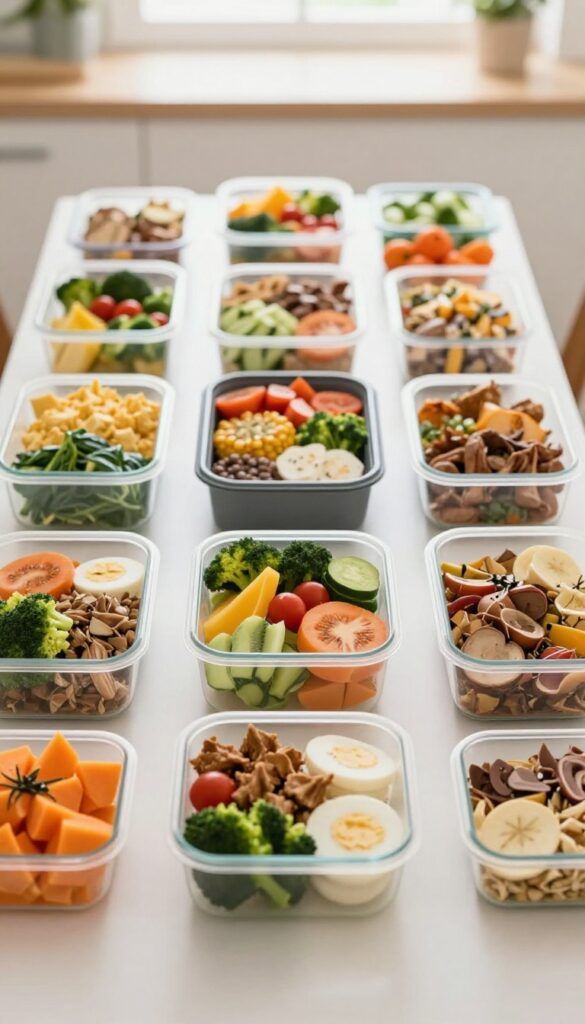
Building a low cholesterol diet starts with filling your plate with foods that actively support heart health. These foods work in different ways—some provide soluble fiber to help remove cholesterol, others offer healthy fats that improve your lipid profile, and many deliver antioxidants that protect your blood vessels. The key is to focus on whole, minimally processed options and make them the foundation of your meals.
Fruits and Vegetables
Fruits and vegetables are naturally low in fat and high in fiber, vitamins, and antioxidants. Aim for a variety of colors to get a broad range of nutrients. Especially beneficial are those rich in soluble fiber, which helps reduce LDL cholesterol.
Top choices include
- Apples, citrus fruits, berries, and pears (high in pectin, a type of soluble fiber)
- Leafy greens like spinach, kale, and Swiss chard
- Cruciferous vegetables such as broccoli, Brussels sprouts, and cauliflower
- Carrots, sweet potatoes, and bell peppers
Whole Grains
Whole grains are packed with fiber, especially beta-glucan, which has been shown to lower LDL cholesterol. Replace refined grains with whole grain versions at every meal.
Incorporate these whole grains
- Oats and oatmeal (choose steel-cut or rolled oats for the most fiber)
- Barley and quinoa
- Brown rice, wild rice, and whole wheat pasta
- Whole grain bread and cereals with at least 3 grams of fiber per serving
Healthy Fats
Not all fats are bad. Unsaturated fats, particularly monounsaturated and polyunsaturated fats, can improve cholesterol levels when they replace saturated and trans fats. Omega-3 fatty acids are especially beneficial for heart health.
Healthy fat sources to include
- Avocados and avocado oil
- Nuts like almonds, walnuts, and pistachios
- Seeds such as flaxseeds, chia seeds, and sunflower seeds
- Olive oil (extra virgin is best) and canola oil
- Fatty fish: salmon, mackerel, sardines, trout, and tuna (aim for at least two servings per week)
Lean Proteins
Protein is essential, but choosing lean sources helps keep saturated fat intake low. Plant-based proteins also provide fiber and other heart-healthy nutrients.
Best lean protein options
- Skinless poultry (chicken and turkey breast)
- Fish and seafood
- Legumes: beans, lentils, chickpeas, and peas
- Tofu, tempeh, and edamame
- Low-fat or fat-free dairy products like Greek yogurt and milk
A Note on Plant Sterols
Some foods are fortified with plant sterols or stanols, which can help block cholesterol absorption. Look for fortified margarines, orange juice, or yogurt drinks. However, these should complement—not replace—a diet rich in whole foods.
Foods to Limit or Avoid
While no food is completely off-limits, some foods can raise your LDL cholesterol more than others. The key is to limit these rather than eliminate them entirely, making room for heart-healthy swaps that still satisfy your taste buds.
Saturated Fats
- Red meat: Beef, lamb, pork, especially fatty cuts like ribeye or T-bone
- Butter and lard: Use sparingly or swap for olive oil
- Full-fat dairy: Whole milk, cream, cheese, and ice cream
- Tropical oils: Coconut oil, palm oil, and palm kernel oil
- Poultry skin: Chicken and turkey skin are high in saturated fat
Trans Fats
- Fried foods: Doughnuts, french fries, fried chicken
- Baked goods: Cookies, crackers, cakes, and pastries made with shortening
- Microwave popcorn: Some brands still use trans fats
- Non-dairy creamers and margarine: Stick varieties often contain trans fats
- Frozen pizza: The crust may contain trans fats
High-Cholesterol Foods
- Organ meats: Liver, kidney, and brain are very high in cholesterol
- Egg yolks: Limit to 1-2 per day if you have high cholesterol; egg whites are fine
- Shellfish: Shrimp, lobster, and crab are moderate in cholesterol but low in saturated fat—enjoy in moderation
- Full-fat dairy: Cheese and whole milk contain both saturated fat and cholesterol
Reading Nutrition Labels
Make label reading a habit. Check the % Daily Value for saturated fat: aim for less than 10% per serving. Avoid any product with 'partially hydrogenated oil' in the ingredients, even if the label says 0 grams trans fat (products can list 0 if they have less than 0.5 grams per serving).
Also, look at serving sizes—sometimes a small package contains two servings.
A Note on Balance
You don't have to give up your favorite foods forever. Think of limiting these foods as a way to make room for heart-healthy options. Small changes, like using olive oil instead of butter or choosing lean cuts of meat, add up over time.
Sample 7-Day Low Cholesterol Meal Plan
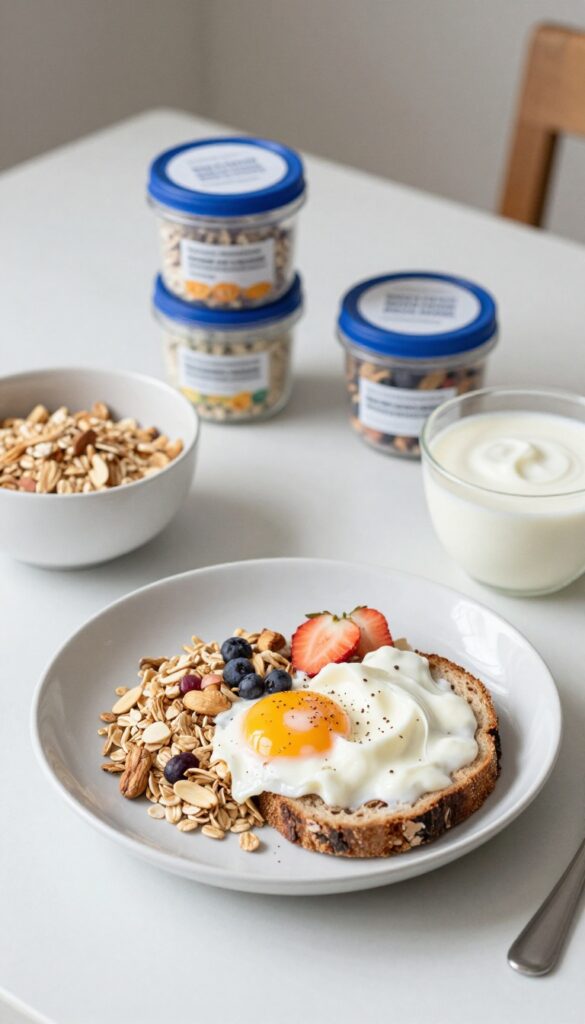
This 7-day meal plan gives you a practical, heart-smart framework. Each day includes fiber-rich carbs, lean protein, and healthy fats to help lower cholesterol. Portion control is built in, but you can adjust based on your needs.
Snacks like fruit, nuts, or yogurt keep you satisfied.
Day 1
- Breakfast: Oatmeal topped with sliced banana and a tablespoon of chopped walnuts.
- Lunch: Grilled chicken salad with mixed greens, cherry tomatoes, cucumber, and a vinaigrette made with olive oil.
- Snack: An apple.
- Dinner: Baked salmon with steamed broccoli and quinoa.
Day 2
- Breakfast: Greek yogurt with berries and a sprinkle of flaxseeds.
- Lunch: Turkey and avocado wrap on a whole-wheat tortilla with lettuce and tomato.
- Snack: A small handful of almonds.
- Dinner: Lentil soup with a side of whole-grain bread.
Day 3
- Breakfast: Smoothie made with spinach, frozen mango, low-fat milk, and a scoop of chia seeds.
- Lunch: Chickpea and vegetable stir-fry with brown rice.
- Snack: Baby carrots with hummus.
- Dinner: Grilled chicken breast with roasted sweet potatoes and green beans.
Day 4
- Breakfast: Whole-grain toast with mashed avocado and a poached egg.
- Lunch: Tuna salad (made with light mayo) on a bed of mixed greens with whole-wheat crackers.
- Snack: A pear.
- Dinner: Baked cod with a side of asparagus and wild rice.
Day 5
- Breakfast: Overnight oats with almond milk, chia seeds, and sliced strawberries.
- Lunch: Black bean and corn salad with diced bell peppers, cilantro, and lime vinaigrette.
- Snack: Low-fat cottage cheese with pineapple chunks.
- Dinner: Grilled shrimp skewers with zucchini and yellow squash, served with quinoa.
Day 6
- Breakfast: Scrambled eggs with spinach and mushrooms, plus a slice of whole-grain toast.
- Lunch: Quinoa bowl with roasted vegetables, chickpeas, and a tahini dressing.
- Snack: An orange.
- Dinner: Turkey meatballs in marinara sauce over whole-wheat pasta with a side salad.
Day 7
- Breakfast: Whole-grain pancakes topped with fresh blueberries and a drizzle of maple syrup.
- Lunch: Grilled vegetable and hummus wrap in a whole-wheat tortilla.
- Snack: A handful of walnuts.
- Dinner: Baked chicken thighs (skin removed) with roasted Brussels sprouts and barley.
Portion Control Tips
Use your hand as a guide: a serving of protein is about the size of your palm, carbs about the size of your fist, and fats about the size of your thumb. Fill half your plate with non-starchy vegetables.
Cooking Tips for Heart-Healthy Meals
How you prepare your meals can be just as important as what you eat. The right cooking methods and ingredient swaps can help you reduce saturated fat, sodium, and added sugars without sacrificing flavor.
Start by choosing cooking methods that require little or no added fat. Baking, grilling, steaming, and roasting bring out natural flavors and textures without the need for heavy oils or butter. When you do use oil, opt for heart-healthy options like olive, avocado, or canola oil instead of butter, lard, or coconut oil.
Flavor Without Salt or Fat
- Herbs and spices: basil, oregano, rosemary, cumin, paprika, garlic powder, onion powder, and black pepper.
- Acidic ingredients: lemon juice, lime juice, vinegar (balsamic, red wine, apple cider).
- Aromatics: fresh garlic, ginger, shallots, and onions.
- Unsalted seasonings: chili flakes, mustard powder, or a salt-free seasoning blend.
Smart Ingredient Swaps
Small swaps can make a big difference. Use plain Greek yogurt instead of sour cream or mayonnaise. Replace heavy cream with evaporated skim milk or unsweetened plant-based milk.
In baking, try unsweetened applesauce or mashed banana for some of the oil or butter. Choose lean cuts of meat and trim visible fat before cooking.
Healthy Cooking Methods at a Glance
- Baking: Use a rack to let fat drip away.
- Grilling: Adds smoky flavor with no added fat.
- Steaming: Preserves nutrients and moisture.
- Sautéing: Use a small amount of broth, wine, or water instead of oil.
- Roasting: Brings out natural sweetness in vegetables.
A Quick Tip
When a recipe calls for butter or oil, try reducing the amount by half first. Often you won't notice the difference, and you'll save on saturated fat and calories.
Dining Out on a Low Cholesterol Diet
Eating out doesn't have to derail your heart-healthy eating habits. With a few smart strategies, you can enjoy restaurant meals while keeping your cholesterol in check. The key is to focus on how food is prepared, what you add to it, and being aware of hidden sources of saturated and trans fats.
General Tips for Any Restaurant
No matter the cuisine, these guidelines will help you make heart-smart choices:
- Choose grilled, baked, steamed, or broiled dishes instead of fried or sautéed.
- Ask for dressings, sauces, and gravies on the side so you control how much you use.
- Request that your meal be prepared with little or no added butter, oil, or salt.
- Watch out for hidden fats in creamy sauces, cheese-laden dishes, and rich desserts.
- Opt for water, unsweetened tea, or other low-calorie beverages instead of sugary drinks or alcohol.
Cuisine-Specific Tips
Italian
Italian restaurants often rely on olive oil, which is heart-healthy in moderation. But many dishes are heavy on cheese, cream, and refined carbs.
- Start with a minestrone or vegetable-based soup instead of fried appetizers.
- Choose tomato-based sauces (marinara, puttanesca) over cream-based ones (alfredo, carbonara).
- Order pasta with whole wheat or legume-based noodles if available, and ask for a half portion.
- Opt for grilled fish or chicken with vegetables instead of veal parmesan or lasagna.
Mexican
Mexican food can be healthy, but beware of dishes loaded with cheese, sour cream, and fried shells.
- Choose soft corn tortillas over fried taco shells or flour tortillas.
- Ask for dishes without cheese or sour cream, or get them on the side.
- Opt for fajitas (skip the sour cream and cheese) or grilled fish tacos with cabbage slaw.
- Avoid refried beans (often cooked with lard); ask for black beans instead.
Chinese
Chinese takeout can be high in sodium and unhealthy fats, but wise choices exist.
- Choose steamed dishes like steamed fish or vegetables with brown rice.
- Avoid anything described as 'crispy,' 'battered,' or 'deep-fried.'
- Request light sauce or sauce on the side, and skip the fried rice and noodles.
- Opt for stir-fried dishes with lots of vegetables and lean protein, but ask for minimal oil.
American / Steakhouse
Steakhouses are known for large portions of red meat, but you can still eat heart-smart.
- Choose a lean cut like sirloin or filet mignon, and ask for it grilled without butter.
- Order a side of steamed vegetables or a baked potato (with salsa or a little olive oil) instead of fries or onion rings.
- Skip the creamy dressings and opt for vinaigrette or lemon juice on your salad.
- Consider a grilled fish or chicken breast as a lighter alternative.
How to Read Menu Descriptions
Menu language can clue you into which dishes are heart-friendly and which are not. Look for these keywords:
- Heart-healthy choices: grilled, baked, steamed, roasted, poached, broiled, seared (without butter), fresh, garden, vegetable, broth-based.
- Red flags: fried, crispy, battered, breaded, creamy, scalloped, au gratin, Alfredo, buttery, rich, stuffed (often with cheese), loaded, smothered.
If you're unsure about a dish, don't hesitate to ask your server how it's prepared. Most restaurants are happy to accommodate special requests, especially if you're polite and clear about your needs.
Lifestyle Habits That Support Healthy Cholesterol
While diet plays a starring role in managing cholesterol, lifestyle habits are the supporting cast that can make or break your heart health. Small, consistent changes in physical activity, weight management, stress, and sleep can significantly enhance the benefits of a low cholesterol diet.
Exercise: Aim for 150 Minutes a Week
Regular physical activity helps raise HDL (good) cholesterol and lower LDL (bad) cholesterol and triglycerides. You don’t need to run marathons—moderate aerobic exercise like brisk walking, cycling, or swimming for 30 minutes a day, five days a week, is enough. Strength training twice a week adds extra benefits.
Start where you are and gradually increase duration and intensity.
Simple ways to get moving
- Take a 15-minute walk during lunch and another after dinner.
- Use stairs instead of elevators.
- Park farther from store entrances.
- Try a fitness app or class for structure and motivation.
Weight Management: Every Pound Counts
Excess weight, especially around the abdomen, is linked to higher LDL and lower HDL. Losing even 5–10% of your body weight can improve cholesterol numbers. Focus on gradual, sustainable changes—not crash diets—by pairing your heart-smart eating plan with consistent activity.
Tracking portions and reducing added sugars and refined carbs can help.
Stress Reduction: Calm Your Heart
Chronic stress may raise cortisol levels, which can increase LDL and triglycerides. While you can’t eliminate stress, you can manage it. Techniques like deep breathing, meditation, yoga, or even a short daily walk can lower stress.
Prioritize activities that help you unwind and set boundaries to protect your mental health.
Quick stress relievers
- Practice 5 minutes of deep breathing (inhale 4 counts, hold 4, exhale 4).
- Listen to calming music or a podcast.
- Spend time in nature, even if just a few minutes.
- Talk to a friend or family member.
Adequate Sleep: The Overlooked Factor
Poor sleep—less than 7 hours per night or irregular sleep patterns—can disrupt hormones that regulate appetite and metabolism, leading to weight gain and higher cholesterol. Aim for 7–9 hours of quality sleep each night. Establish a consistent bedtime routine, limit screen time before bed, and keep your bedroom cool and dark.
Important Disclaimer
Always consult your healthcare provider before making significant changes to your exercise or diet, especially if you have existing health conditions or take medications.
FAQ
Can I eat eggs on a low cholesterol diet?
Yes, in moderation. Egg yolks are high in dietary cholesterol, but for most people, saturated fat affects blood cholesterol more than dietary cholesterol. The American Heart Association suggests up to one whole egg per day as part of a healthy diet.
If you have heart disease or diabetes, consult your doctor.
Is all saturated fat bad?
Not necessarily. Some sources like coconut oil and dark chocolate contain saturated fat but also offer other benefits. However, it's wise to limit saturated fat from red meat, butter, and full-fat dairy.
Focus on replacing them with unsaturated fats from plants and fish.
How quickly can diet lower cholesterol?
Some people see improvements in as little as 4-6 weeks after adopting a heart-healthy diet. However, results vary based on genetics, starting levels, and consistency. Combining diet with exercise and weight management often yields faster and more significant changes.
Do I need to take supplements?
Supplements like plant sterols, omega-3s, or red yeast rice may help, but they are not a substitute for a healthy diet. It's best to get nutrients from food. Always talk to your doctor before starting any supplement, as some can interact with medications.
Conclusion
Adopting a low cholesterol diet is about making smarter choices, not perfect ones. Fill your plate with colorful vegetables, whole grains, lean proteins, and healthy fats. Limit processed foods, red meat, and trans fats.
Pair your diet with regular physical activity, stress management, and good sleep for the best results. Remember, you don't have to overhaul everything overnight. Start with one or two changes, like swapping butter for olive oil or adding oatmeal to your breakfast.

Dr. Pallab Kishore, MS in Orthodontics and owner of Orthodontic Braces Care, shares expert tips on braces, aligners, and oral health from 10+ years of experience.