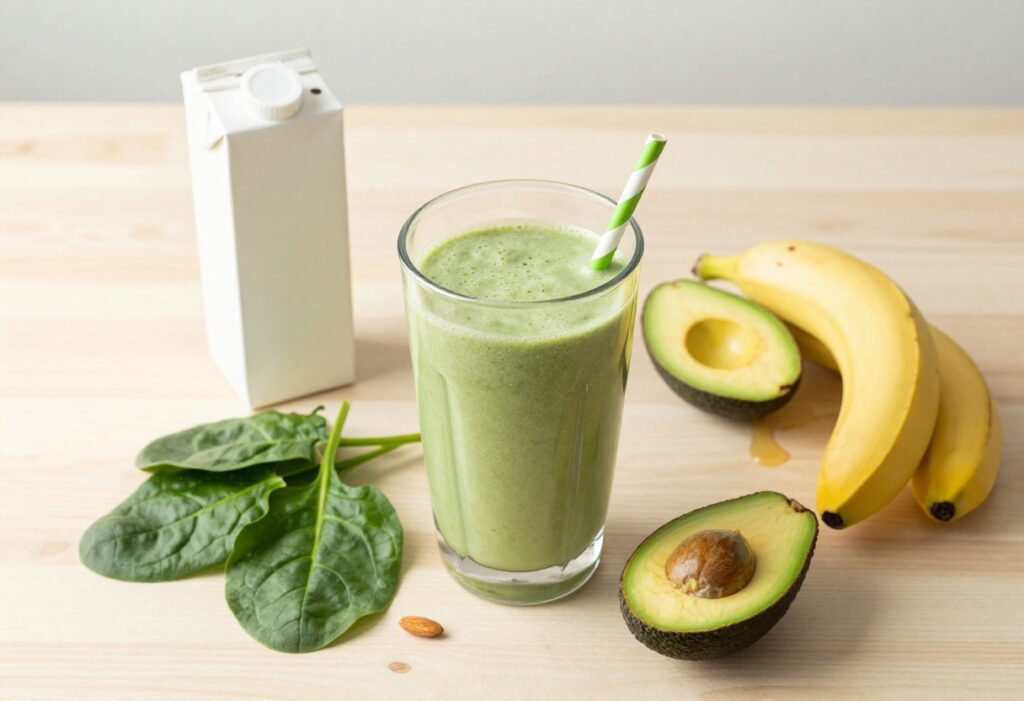
Eating a balanced meal is a goal many of us strive for, but it can feel confusing with all the conflicting advice out there. For Filipinos, the Pinggang Pinoy meal plan offers a simple, visual guide that makes healthy eating straightforward and culturally relevant.
Developed by the Food and Nutrition Research Institute (FNRI), this plate method divides your meal into three clear sections: vegetables, protein, and carbohydrates. It’s designed to help you get the right nutrients without complicated counting or expensive ingredients.
What makes Pinggang Pinoy special is its focus on everyday Filipino foods. Instead of recommending imported superfoods, it highlights local staples like rice, fish, and leafy greens.
What Is Pinggang Pinoy?
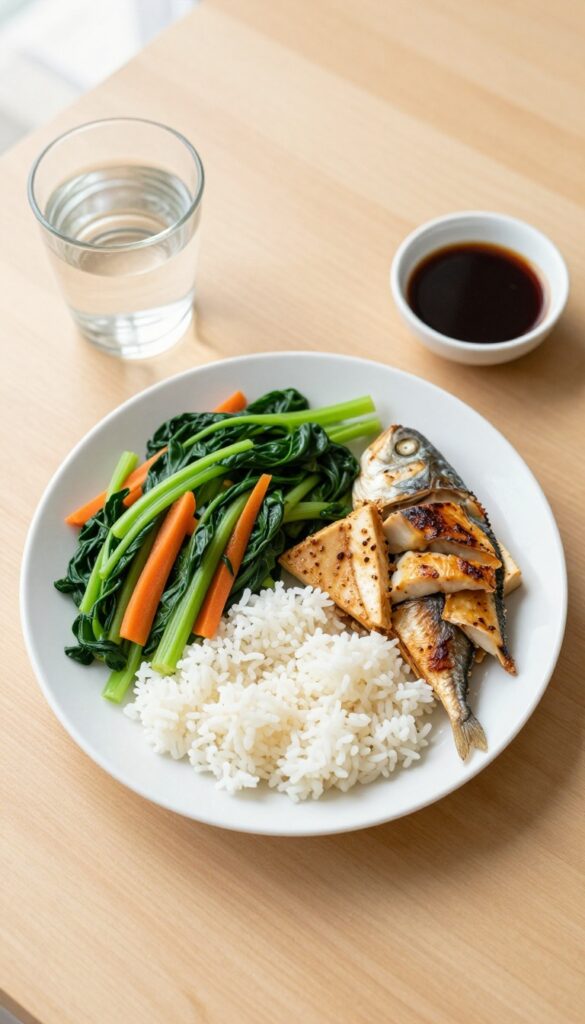
Pinggang Pinoy is a visual food guide developed by the Food and Nutrition Research Institute (FNRI) of the Philippines. It shows how to build a balanced meal using a simple plate model that works for everyday Filipino dishes.
Think of Pinggang Pinoy as a practical guide to portioning your meals without complicated counting. It divides a standard dinner plate into three parts: half for vegetables, one-quarter for rice or other carbohydrates, and one-quarter for protein sources. This visual approach makes it easy to see if your meal is balanced.
Why It Matters for Filipinos
Many traditional Filipino meals tend to be heavy on rice and protein, with vegetables often taking a back seat. Pinggang Pinoy encourages a shift toward more vegetables and appropriate portions of rice and protein, using affordable and locally available foods like malunggay, kangkong, fish, and tofu.
Key Points
- Developed by the FNRI to address nutritional gaps in the Filipino diet.
- Divides the plate into three clear sections: vegetables (½), rice/carbohydrates (¼), and protein (¼).
- Promotes the use of local, budget-friendly ingredients to make healthy eating accessible.
The Three Food Groups on Your Plate
Pinggang Pinoy divides your plate into three distinct sections, each dedicated to a specific food group. This visual guide makes it easy to build a balanced meal without counting calories or measuring every gram. Here's what goes where.
Go Foods: Energy-Giving Carbohydrates
- Examples: Rice (white or brown), bread, pasta, noodles, root crops like kamote (sweet potato) and gabi (taro).
- Portion size: About 1/4 of your plate. For rice, that's roughly 1/2 to 3/4 cup cooked.
Grow Foods: Protein-Rich Choices
- Examples: Meat (chicken, pork, beef), fish (bangus, tilapia, galunggong), eggs, beans (monggo, chickpeas), tofu, and other legumes.
- Portion size: Also 1/4 of your plate. A serving is about the size of your palm or a deck of cards.
Glow Foods: Vitamins and Minerals from Vegetables and Fruits
- Examples: Vegetables like kangkong, malunggay, ampalaya, and carrots; fruits like papaya, banana, and mango.
- Portion size: Fill the remaining half of your plate with a variety of vegetables. Add fruit as a snack or dessert.
A Simple Reminder
The Pinggang Pinoy model is flexible. You can swap foods within each group based on what's available or your personal preference. The key is to keep the proportions in mind: half vegetables, one-quarter carbs, one-quarter protein.
How to Portion Your Plate Correctly
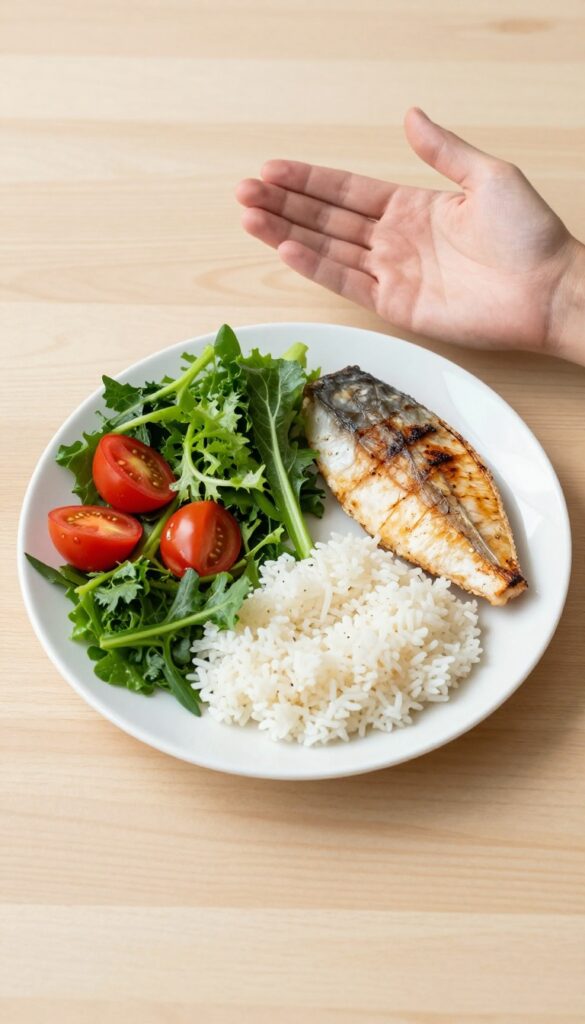
The Pinggang Pinoy guide is all about visual balance—no scales or calorie counting needed. By using your plate as a template, you can serve yourself the right proportions of vegetables, protein, and carbohydrates every time. Here’s how to do it without overthinking.
Using the Plate as a Guide
Imagine your plate divided into three sections. Fill half with vegetables, a quarter with protein, and the remaining quarter with carbohydrates. This simple split ensures you get plenty of fiber and micronutrients from veggies, enough protein for muscle maintenance, and just the right amount of carbs for energy.
For Filipino meals, that means a generous heap of ginisang gulay or fresh salad on one side, a serving of grilled fish or chicken adobo in the protein quarter, and a scoop of steamed rice or boiled root crops in the carb quarter.
A common mistake is piling rice until it covers half the plate. Remember, rice is a carbohydrate—it should only take up a quarter. If you're used to large rice servings, start by reducing the portion gradually.
Your plate should look colorful, with greens, reds, and oranges from vegetables taking center stage.
Handy Portion Hacks
If you don't have a Pinggang Pinoy plate, use your hands as a guide. These estimates work for most adults:
- Vegetables: Two cupped hands (raw or cooked leafy greens).
- Protein: One palm (about the size and thickness of your palm, without fingers).
- Carbohydrates: One cupped hand (rice, pasta, or root crops).
- Fats: One thumb (cooking oil, butter, or nuts).
These hand hacks are especially handy when eating out or at a party where you don't have a plate guide. Just look at your hand and portion accordingly. Another tip: use smaller plates to naturally reduce portion sizes.
A dinner plate that's 9 to 10 inches wide helps you stick to the right amounts without feeling deprived.
Visual Cue
To make it stick, imagine your plate as a clock: vegetables from 9 to 3, protein from 3 to 6, and carbs from 6 to 9. This mental image helps you portion correctly even when you're in a hurry.
Building a Pinggang Pinoy Meal: Step by Step
Let's put the Pinggang Pinoy guide into action. Follow these simple steps to build a balanced plate every time.
- Start with vegetables. Fill half your plate with a variety of colorful vegetables. Think of dishes like pinakbet, chop suey, or a simple ensalada with kamatis and sibuyas. Vegetables add fiber, vitamins, and volume without too many calories.
- Add protein. Use about one-fourth of your plate for protein-rich foods. Choose lean options like grilled fish, chicken breast, tofu, or beans. For example, a piece of daing na bangus, adobong manok (without skin), or tokwa't gulay.
- Add carbohydrates. The remaining quarter is for carbohydrates. Go for whole grains or root crops like brown rice, quinoa, kamote, or saba. If you prefer white rice, keep your portion to about half a cup.
- Include healthy fat. Add a small amount of healthy fat to complete your meal. This could be a drizzle of olive oil on your vegetables, a few slices of avocado, or a serving of ginisang gulay cooked with a little oil.
Example combos
Try these combinations: grilled tilapia with steamed ampalaya and brown rice; chicken adobo (remove skin) with pinakbet and half a cup of white rice; or tofu sisig with ensaladang talong and quinoa.
Tip
Remember, Pinggang Pinoy is a guide, not a strict rule. Adjust portions based on your hunger and activity level.
Sample Pinggang Pinoy Meal Plans for a Week
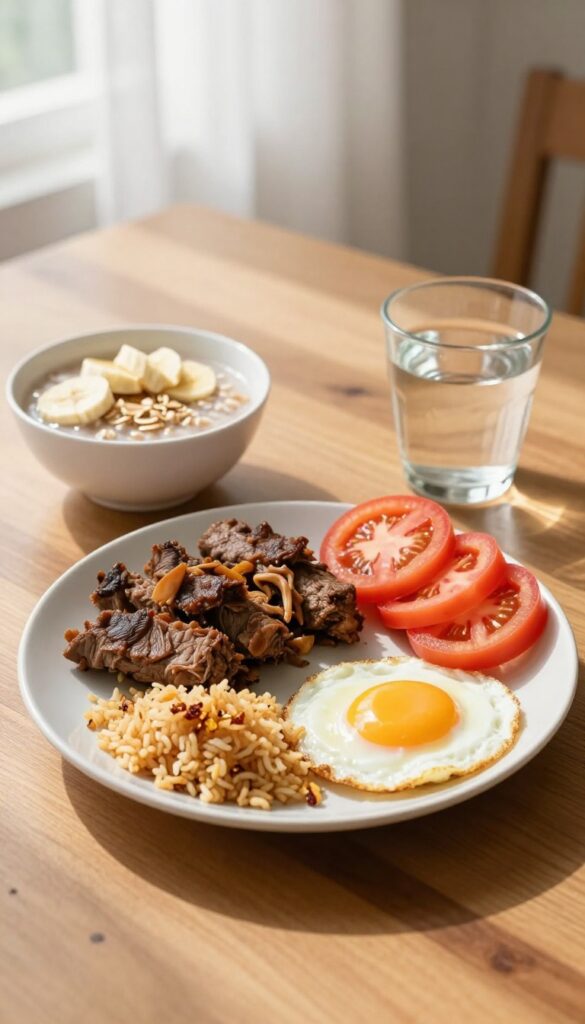
To help you get started, here are sample meal plans for one week that follow the Pinggang Pinoy guide. Each plan includes breakfast, lunch, dinner, and a snack suggestion, using affordable and familiar ingredients. Adjust portions based on your personal needs.
Weekly Meal Plan
| Day | Breakfast | Lunch | Dinner | Snack |
| Monday | Tapsilog (beef tapa, sinangag, itlog) with extra tomato | Grilled chicken breast, steamed rice, and ginisang monggo | Paksiw na bangus with ampalaya, rice | Saging na saba (boiled) |
| Tuesday | Oatmeal with evaporated milk and saging na saba | Adobong sitaw with pork belly, rice | Sinigang na hipon with kangkong, rice | Kamote (steamed) |
| Wednesday | Pandesal with kesong puti and fresh papaya | Daing na bangus, rice, and ensaladang talong | Chicken afritada with sayote and carrots, rice | Cup of mango slices |
| Thursday | Champorado with tuyo (dried fish) | Ginisang ampalaya with egg and shrimp, rice | Pork steak (bistek) with onions and green beans, rice | Boiled peanuts |
| Friday | Fried rice with leftover meat and scrambled egg | Sinampalukang manok (without cream), rice | Grilled tilapia with talbos ng kamote, rice | Fresh buko juice with pulp |
| Saturday | Tocilog (tocino, sinangag, itlog) with cucumber slices | Beef nilaga with cabbage and saba, rice | Pritong galunggong with ensaladang mangga, rice | Lumpiang sariwa (fresh spring roll) |
| Sunday | Arroz caldo with hard-boiled egg and calamansi | Lechon kawali (moderate portion), rice, and atchara | Creamy chicken sopas with shredded chicken and vegetables | Buko salad (light on cream and sugar) |
These meals use common, budget-friendly ingredients and show how to include vegetables, protein, and rice in each plate. Feel free to swap similar items—like replacing bangus with tilapia or sitaw with repolyo—to match what’s available in your market.
Portion sizes should follow the Pinggang Pinoy visual guide: half the plate for vegetables, one quarter for protein, and one quarter for rice or alternatives. Adjust rice portions if you have diabetes or are watching your carbohydrate intake.
Tips for Eating Out While Following Pinggang Pinoy
Eating out doesn't have to derail your balanced eating habits. With a few smart choices, you can enjoy restaurant meals while still following the Pinggang Pinoy guide. Here are practical tips for common Filipino dishes.
Choose Viands with Vegetables
- Pinakbet or chopsuey are great choices.
- Request extra vegetables in adobo or sinigang.
- Order a side of ensalada (fresh salad) instead of fries.
Ask for Less Rice
- Say "konting kanin lang" or "half rice, please."
- If available, choose brown rice for more fiber.
- Skip the rice altogether if the viand is heavy, and add more vegetables instead.
Avoid Fried Options
- Choose grilled pork chop or inihaw na liempo over fried.
- Pick steamed fish (sinigang or steamed lapu-lapu) over fried fish.
- Request your dish to be prepared without frying, like chicken inasal (grilled) instead of fried chicken.
Common Filipino Dishes and How to Modify Them
- Adobo: Request less sauce to reduce sodium, and add extra vegetables like green beans or bell peppers.
- Sinigang: Ask for less rice and load up on the vegetables from the soup.
- Kare-kare: Use the bagoong sparingly, and pair with a smaller portion of rice.
- Sisig: Share with a friend and eat with a side of fresh vegetables instead of rice.
- Lumpia: Choose fresh lumpia (not fried) and dip in vinegar instead of sweet sauce.
Remember
Most restaurants are happy to accommodate simple requests. Don't hesitate to ask for modifications—it's your health on the line, and you're still a valued customer.
Adapting Pinggang Pinoy for Different Needs
The Pinggang Pinoy guide is flexible—you can adjust the portions and food choices to match your lifestyle, age, and health goals. Here’s how to tailor it for specific needs.
For Weight Loss
- Reduce the GO (rice) portion to about 1/4 of the plate or switch to brown rice, quinoa, or root crops like kamote.
- Fill half the plate with non-starchy vegetables (e.g., kangkong, broccoli, sayote) to increase volume without many calories.
- Choose lean GROW proteins: skinless chicken breast, fish, tofu, or beans. Limit fatty cuts and frying.
- Use minimal oil and avoid sugary sauces. Flavor with calamansi, garlic, ginger, and herbs.
- Keep your plate visually balanced—this helps control portions without strict measuring.
For Active Individuals
- Increase the GO portion to 1/3 or more of the plate to fuel workouts. Include complex carbs like brown rice, whole wheat bread, or saba bananas.
- Add an extra GROW serving (e.g., another egg, extra fish, or a glass of milk) to support muscle repair.
- Include healthy GLOW fats: a drizzle of olive oil, avocado slices, or a handful of nuts.
- Hydrate well—water is essential, but after intense exercise, consider a small glass of buko juice or a piece of fruit.
- Time meals: eat a balanced plate 2–3 hours before exercise and a protein-rich snack within 30 minutes after.
For Children and Elderly
- Children: Use smaller plates (e.g., lunch plate size) and adjust portions to their appetite. Include familiar foods like nilagang baboy with lots of vegetables or fried rice with scrambled egg and chopped veggies.
- Children: Make meals fun—cut fruits and veggies into shapes, and let them help assemble their plate.
- Elderly: Ensure foods are easy to chew and digest. Soft-cooked vegetables, steamed fish, and well-cooked rice or lugaw work well.
- Elderly: Focus on nutrient density: add malunggay leaves, liver (in moderation), or fortified milk to boost iron, calcium, and vitamins.
- Both groups: Serve smaller, more frequent meals if appetite is low. Keep the plate colorful to encourage eating.
Common Mistakes When Using Pinggang Pinoy
Even with a clear visual guide, it's easy to slip into old habits. Here are three frequent mistakes people make when trying to follow Pinggang Pinoy—and simple fixes to get back on track.
Overloading on Rice
Rice is a staple in Filipino meals, but piling it high can push other food groups off your plate. A Pinggang Pinoy plate should have rice filling only one-fourth of the plate—about half a cup cooked. If you're used to eating more, gradually reduce your portion by a few spoonfuls each week.
Fill the extra space with more vegetables or a larger serving of protein.
Skipping Vegetables
Vegetables are meant to take up half your plate, but many people either skip them entirely or treat them as a small side. This is a missed opportunity for fiber, vitamins, and volume that helps you feel full. Start by adding at least one vegetable dish to every lunch and dinner.
If fresh veggies are pricey or unavailable, frozen or canned options (rinsed to reduce sodium) work just as well.
Ignoring Fats
Healthy fats are part of the GO (Grow) food group, but some people avoid them thinking they'll lead to weight gain. In reality, fats help your body absorb vitamins and keep meals satisfying. Include small amounts of unsaturated fats like cooking oil, nuts, seeds, or fatty fish regularly.
Just watch your portions—a thumb-sized amount of oil or a small handful of nuts is enough.
FAQ
What is Pinggang Pinoy?
Pinggang Pinoy is a visual food guide developed by the Food and Nutrition Research Institute (FNRI) of the Philippines. It shows the ideal proportion of food groups on a dinner plate: half for vegetables (glow foods), one quarter for protein (grow foods), and one quarter for carbohydrates (go foods). It promotes balanced eating using affordable, locally available ingredients.
How do I measure portions without a plate?
You can use your hand as a guide. A fist-sized portion is about one cup of carbohydrates like rice. A palm-sized portion (without fingers) is about the right amount of protein like chicken or fish.
Two cupped hands full of vegetables is a good serving. For fats, use your thumb tip as a measure for oils or spreads.
Can I use Pinggang Pinoy for weight loss?
Yes, Pinggang Pinoy can support weight loss by naturally controlling portion sizes and encouraging more vegetables. To lose weight, you may reduce the carbohydrate portion slightly and increase vegetables, while still keeping protein adequate. Combine with regular physical activity for best results.
Is Pinggang Pinoy suitable for vegetarians?
Absolutely. For the protein quarter, choose plant-based options like tofu, tempeh, beans, lentils, or eggs if you eat them. The vegetable and carbohydrate portions remain the same.
It’s easy to adapt to a vegetarian or vegan diet using local ingredients.
How does Pinggang Pinoy differ from MyPlate?
Both are plate-based guides, but Pinggang Pinoy is tailored to Filipino eating habits and local foods. MyPlate (USDA) uses a slightly different proportion: half fruits and vegetables, quarter grains, quarter protein, with dairy on the side. Pinggang Pinoy emphasizes vegetables more than fruits and includes rice as the main carbohydrate, reflecting typical Filipino meals.
Conclusion
Pinggang Pinoy takes the guesswork out of balanced eating by giving you a clear, visual template you can use at every meal. It’s practical, affordable, and deeply rooted in Filipino food culture. Whether you’re cooking adobo with extra vegetables or ordering sinigang at a restaurant, you can apply the plate method to make healthier choices without feeling deprived.
Start small: try filling half your plate with vegetables at your next meal. Gradually adjust your portions until the Pinggang Pinoy proportions become second nature.

Dr. Pallab Kishore, MS in Orthodontics and owner of Orthodontic Braces Care, shares expert tips on braces, aligners, and oral health from 10+ years of experience.