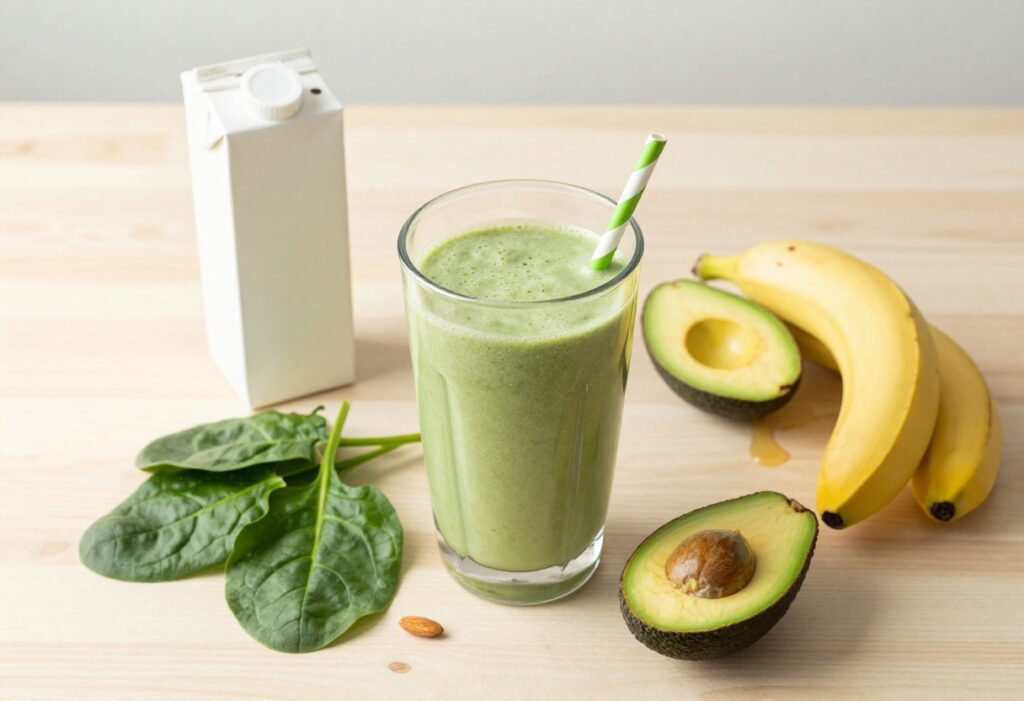
The coffee diet has gained popularity as a way to boost metabolism and curb appetite, but success hinges on what you put in your cart.
This guide helps you make smarter grocery choices that complement your coffee routine, ensuring you get the nutrients you need without derailing your goals.
From pantry staples to fresh produce, we'll cover the best foods to buy and which to avoid.
Understanding the Coffee Diet: What to Eat and Why

The coffee diet isn't about replacing meals with coffee—it's about using coffee strategically to support a balanced, nutrient-dense eating plan. When you make better grocery choices, coffee becomes a helpful tool for appetite control and metabolism, not a crutch.
A typical coffee diet involves drinking 3–4 cups of black coffee throughout the day. The caffeine can suppress appetite and slightly boost metabolism, but these effects are modest. The real success comes from pairing coffee with whole foods that provide lasting energy and satiety.
Key Principles for Better Grocery Choices
- Prioritize protein at every meal to maintain muscle and feel full longer. Good choices include eggs, Greek yogurt, chicken, fish, tofu, and legumes.
- Include fiber-rich vegetables and fruits to support digestion and steady blood sugar. Leafy greens, berries, broccoli, and avocados are excellent options.
- Incorporate healthy fats from sources like nuts, seeds, olive oil, and fatty fish to keep meals satisfying and support nutrient absorption.
- Avoid empty calories from sugary drinks, refined grains, and processed snacks that can spike insulin and undermine coffee's benefits.
Important Note
Coffee is not a meal replacement—it's a complement to a nutrient-rich diet. Skipping meals in favor of extra coffee can lead to energy crashes and nutrient deficiencies. Always pair coffee with a balanced plate.
Stocking Your Pantry: Coffee-Friendly Staples

A well-stocked pantry is the foundation of a successful coffee diet. By keeping the right non-perishable items on hand, you can quickly assemble balanced meals that complement your coffee routine and support steady energy throughout the day.
Pantry Staples That Pair Perfectly with Coffee
- Whole grains: Rolled oats, quinoa, and brown rice offer sustained energy and a neutral base for coffee-accented breakfasts or snacks.
- Legumes: Lentils, chickpeas, and black beans deliver protein and fiber, helping to keep blood sugar stable and cravings at bay.
- Nuts and seeds: Almonds, walnuts, chia seeds, and flaxseeds add healthy fats and a satisfying crunch to yogurt, oatmeal, or smoothies.
- Spices: Cinnamon, nutmeg, and vanilla extract enhance the natural sweetness of coffee without added sugar, making your cup more flavorful.
These staples are easy to store and versatile. For example, overnight oats with chia seeds and a dash of cinnamon make a quick breakfast that pairs beautifully with your morning coffee. Similarly, a lentil soup with brown rice can be prepped in advance and enjoyed as a filling lunch that won't weigh you down.
Fresh Produce: Best Fruits and Vegetables for Energy

When you're on a coffee diet, the right produce can keep your energy steady and your appetite in check. Focus on low-sugar, high-fiber options that complement your coffee routine without causing crashes.
- Leafy greens: spinach, kale, arugula for low-calorie nutrients. Toss a handful into a morning omelet or blend into a green smoothie with your coffee.
- Berries: blueberries, strawberries for antioxidants and low sugar. Enjoy them fresh as a snack or add to oatmeal for a fiber boost.
- Cruciferous veggies: broccoli, cauliflower for fiber and volume. Roast them for a satisfying side dish or chop into salads for crunch.
- Avocado: healthy fats to keep you full longer. Mash on whole-grain toast or slice into salads to balance your coffee's acidity.
These choices support your energy levels and satiety, making it easier to stick with your coffee diet. Pair them with your favorite coffee for a balanced, nourishing meal.
Protein Sources: Lean Meats, Fish, and Plant Options
Protein is essential for satiety and muscle maintenance, especially when coffee may suppress appetite. Choosing lean sources without added fats keeps your grocery list aligned with your coffee diet goals.
- Skinless chicken breast, turkey, and fish like salmon or tuna provide high-quality lean protein. Bake, grill, or poach instead of frying to avoid extra oils.
- Eggs are versatile and filling, perfect for pairing with morning coffee. Boil or scramble them with minimal butter or oil.
- Greek yogurt is high in protein and low in sugar. Choose plain, unsweetened varieties and top with berries for a balanced snack.
- Tofu and tempeh are excellent plant-based options. Marinate and bake or stir-fry with non-stick spray for a satisfying meat alternative.
Healthy Fats and Oils: What to Use and Avoid

Healthy fats are essential on a coffee diet—they support hormone function, keep you satiated, and help absorb fat-soluble vitamins. But not all fats are created equal. Here’s how to choose wisely at the grocery store.
Fats to Include
- Olive oil: Rich in monounsaturated fats and antioxidants. Use for salad dressings or low-heat cooking. Stick to 1 tablespoon per serving.
- Avocado oil: High smoke point, great for sautéing or roasting. Same portion: 1 tablespoon.
- Coconut oil: Use in moderation—about 1 tablespoon daily. Adds flavor to coffee or cooking, but is high in saturated fat.
- Nuts and nut butters: Almonds, walnuts, or natural peanut butter. Portion: 1 ounce (about a small handful) or 2 tablespoons of nut butter.
- Seeds: Chia, flax, pumpkin seeds. Sprinkle on oatmeal or yogurt. Portion: 1–2 tablespoons.
Fats to Avoid
- Trans fats and hydrogenated oils: Found in margarine, shortening, and many processed snacks. Check ingredient lists.
- Highly refined vegetable oils: Soybean, corn, cottonseed, and canola oils are often heavily processed and can promote inflammation.
- Fatty processed meats: Bacon, sausage, and deli meats are high in unhealthy fats and sodium.
Practical Tip
When shopping, look for cold-pressed or extra-virgin oils and unsalted nuts. Measure portions to avoid excess calories. Healthy fats support your coffee diet by keeping energy stable and cravings in check.
Coffee Add-Ins: Smart Choices for Flavor Without Calories
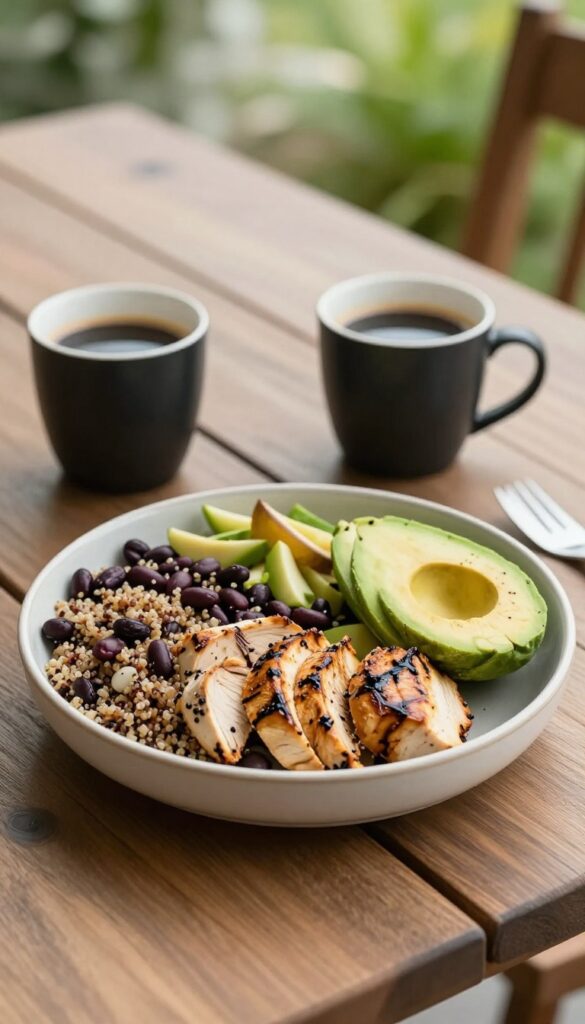
Your morning coffee doesn't have to be a calorie bomb. With the right add-ins, you can enjoy rich flavor and creamy texture while keeping your coffee diet on track. Here are smart, low-calorie options to enhance your cup.
- Cinnamon, nutmeg, or cocoa powder: Sprinkle these spices directly into your coffee grounds before brewing or stir into the finished cup. They add natural sweetness and depth without any calories.
- Unsweetened almond milk or oat milk: These plant-based milks provide creaminess with minimal calories. Look for versions with no added sugars and just a few ingredients.
- Stevia or monk fruit sweetener: Both are zero-calorie natural sweeteners that dissolve well in hot coffee. Start with a small amount and adjust to taste.
- Vanilla extract or almond extract: A few drops can transform your coffee with aromatic flavor, no sugar needed.
- Collagen peptides or MCT oil: For those wanting a functional boost, these add protein or healthy fats without affecting blood sugar. They blend smoothly into hot coffee.
How to Transition from Sugary Coffee
If you're used to flavored syrups or sugary creamers, switching to healthier add-ins can take time. Start by reducing the amount of sugar or syrup you use by half each week, while adding a sprinkle of cinnamon or a dash of vanilla. Over a few weeks, your taste buds will adjust, and you'll begin to appreciate the natural flavors of coffee.
Another trick is to try cold brew, which is naturally less bitter and may require less sweetening. Remember, every small step toward a cleaner cup supports your coffee diet goals.
Meal Prep Ideas: Combining Coffee with Balanced Meals
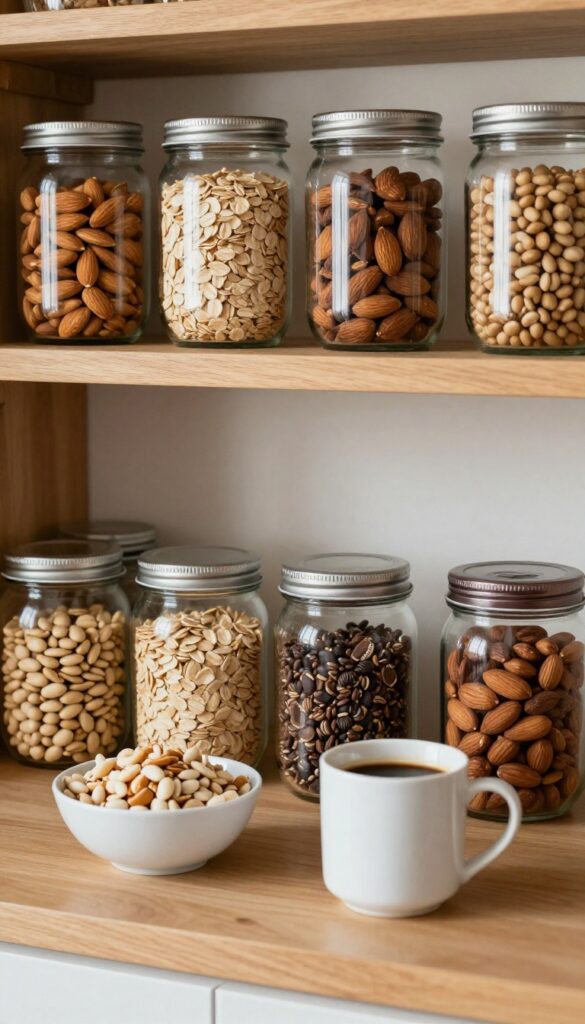
Planning meals that pair well with your coffee routine can help you stay energized and satisfied throughout the day. The key is to balance your plate with protein, healthy fats, and fiber-rich carbs while timing your coffee to avoid disrupting sleep or digestion. Here are sample meals that work beautifully with the coffee diet.
Start your morning with a cup of black coffee alongside scrambled eggs and sautéed spinach. The protein and iron from the eggs and spinach complement the caffeine boost, helping you feel full and focused without a sugar crash.
For lunch, enjoy a grilled chicken salad topped with avocado, mixed berries, and a light vinaigrette. The healthy fats and antioxidants support steady energy, and you can have a small coffee afterward if you tolerate caffeine in the afternoon.
Dinner could be baked salmon with quinoa and roasted broccoli. The omega-3s and complex carbs promote satiety, and since it's later in the day, you might skip coffee or opt for decaf to protect sleep quality.
Smart Snacks Between Meals
- Greek yogurt with a handful of almonds
- Apple slices with a tablespoon of peanut butter
- A small coffee with a splash of unsweetened almond milk
Portion Control Reminder
Keep portions moderate: aim for a palm-sized protein, a fist of vegetables, a cupped hand of carbs, and a thumb-sized serving of fat. This helps maintain balanced macronutrients without overeating.
Foods to Limit or Avoid on the Coffee Diet
While the coffee diet emphasizes nutrient-dense whole foods, certain items can sabotage your efforts by spiking blood sugar, adding empty calories, or interfering with coffee's benefits. Here's what to watch for and smarter swaps.
Sugary Drinks and Snacks
- Swap soda for sparkling water with a splash of citrus or unsweetened iced coffee.
- Replace candy with a small handful of nuts or a piece of fruit.
- Choose dark chocolate (70% or higher) for a lower-sugar treat.
Refined Carbohydrates
- Opt for whole grain bread, quinoa, or brown rice instead.
- Try cauliflower rice or zucchini noodles as low-carb alternatives.
- Look for pasta made from legumes or whole grains for more protein and fiber.
High-Calorie Coffee Creamers and Flavored Syrups
- Use unsweetened almond milk, oat milk, or a splash of heavy cream in moderation.
- Flavor coffee with cinnamon, vanilla extract, or cocoa powder.
- Avoid syrups with high fructose corn syrup or artificial sweeteners.
Processed Foods with Added Sugars and Unhealthy Fats
- Choose whole foods like fresh vegetables, lean proteins, and healthy fats.
- Read labels and avoid items with added sugars or partially hydrogenated oils.
- Prepare simple homemade snacks like veggie sticks with hummus or hard-boiled eggs.
FAQ
Can I drink coffee on an empty stomach?
Yes, but it may cause acidity or jitters in some people. Pairing coffee with a small snack like a handful of almonds can help.
How much coffee is safe on the coffee diet?
Most guidelines suggest 3-4 cups of black coffee per day. Exceeding that can lead to side effects like anxiety or insomnia.
Can I use creamer in my coffee?
Opt for unsweetened plant-based milk or a splash of regular milk. Avoid sugary creamers that add empty calories.
Is the coffee diet safe for everyone?
Consult your doctor before starting, especially if you have heart conditions, anxiety, or are pregnant.
What if I feel hungry between meals?
Choose high-protein or high-fiber snacks like Greek yogurt, nuts, or veggies to stay full without breaking your diet.
Conclusion
Making better grocery choices is the foundation of a successful coffee diet. By stocking up on whole foods, lean proteins, healthy fats, and plenty of produce, you can enjoy the benefits of coffee while maintaining balanced nutrition.
Remember to listen to your body, stay hydrated, and consult a healthcare professional before making significant dietary changes. With these tips, your grocery cart will be coffee-diet ready!

Dr. Pallab Kishore, MS in Orthodontics and owner of Orthodontic Braces Care, shares expert tips on braces, aligners, and oral health from 10+ years of experience.