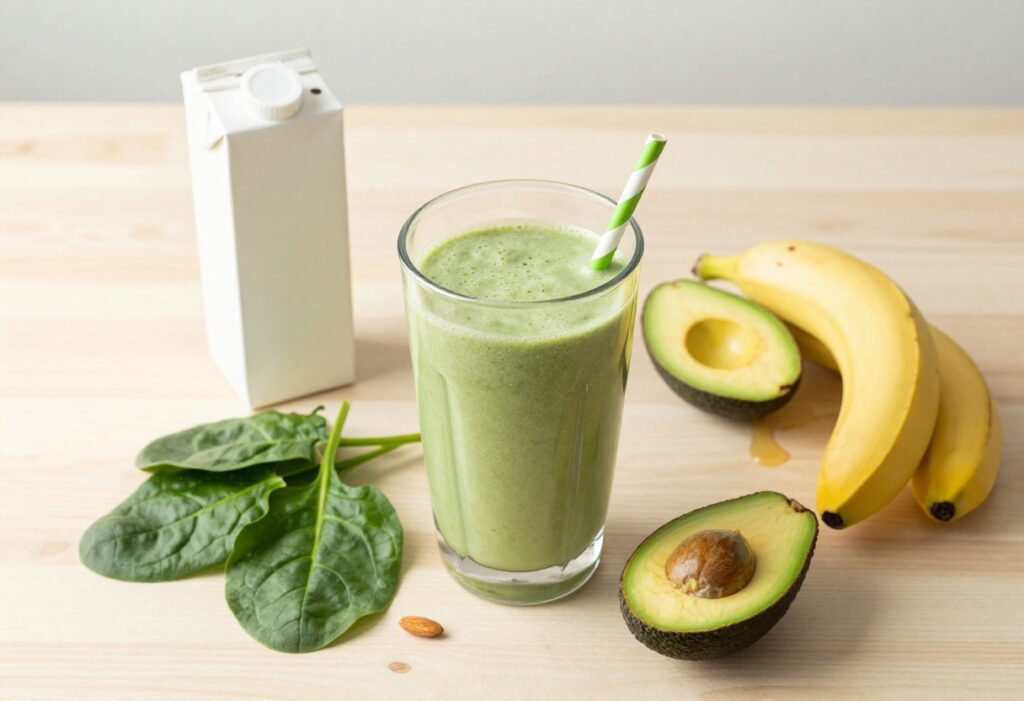
A gut reset diet focuses on whole, anti-inflammatory foods to support digestive health and reduce symptoms like bloating and discomfort.
This guide provides a practical framework for building meals that align with gut reset principles, including breakfast, lunch, dinner, snacks, and hydration tips.
Whether you're new to gut healing or looking for fresh ideas, these steps will help you create balanced, nourishing meals.
Understanding the Gut Reset Diet Principles
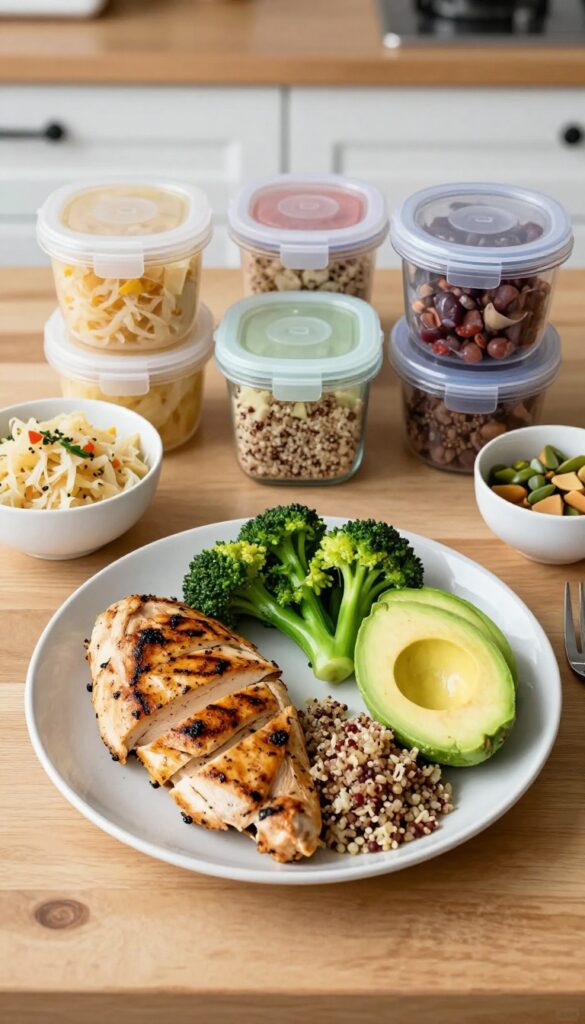
Before you start building meals, it helps to know what the gut reset diet is all about. This approach focuses on whole, unprocessed foods that reduce inflammation and support the gut lining, while eliminating common irritants that can trigger bloating, discomfort, or digestive upset.
The core idea is simple: give your gut a break from foods that may be causing trouble, and nourish it with ingredients that promote healing and balance. This isn't about deprivation—it's about choosing foods that work with your body, not against it.
Core Foods Allowed and Avoided
- Allowed: Fiber-rich vegetables (leafy greens, broccoli, carrots), lean proteins (chicken, fish, eggs), healthy fats (avocado, olive oil, nuts), fermented foods (sauerkraut, kimchi, yogurt), and gluten-free grains (quinoa, rice, oats).
- Avoided: Gluten (wheat, barley, rye), dairy (especially milk and cheese), refined sugar, alcohol, processed foods, and artificial additives.
Why These Choices Support Gut Healing
Whole foods provide prebiotic fiber that feeds beneficial gut bacteria, while fermented foods introduce probiotics. Eliminating irritants reduces inflammation and gives the gut lining a chance to repair. This combination helps improve digestion, reduce bloating, and support overall gut health.
Start with a Gut-Healing Breakfast
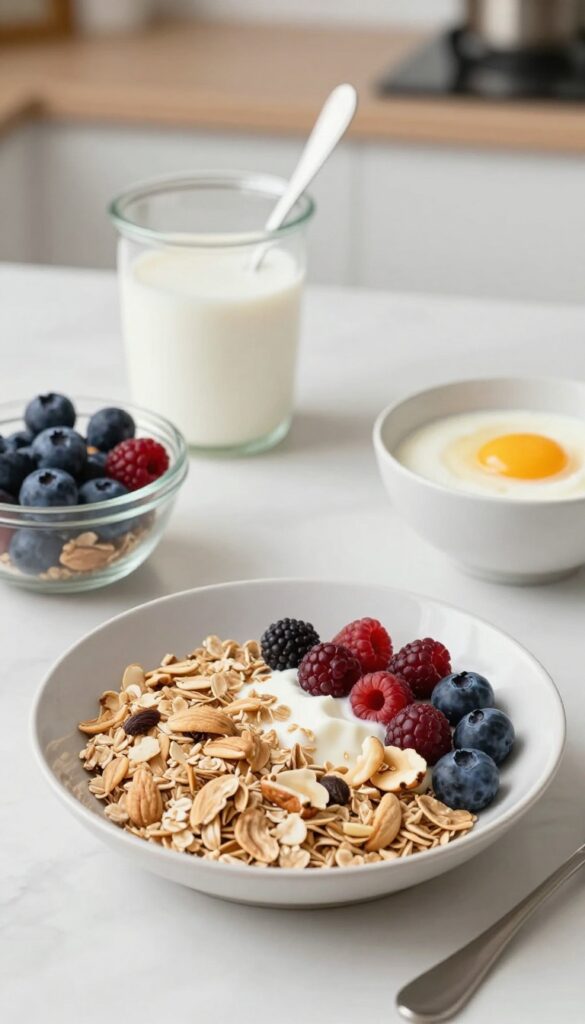
Breakfast sets the tone for your gut health all day. A gut-healing morning meal should combine prebiotic fiber to feed beneficial bacteria with probiotic foods to introduce live cultures. Avoid sugary cereals and processed meats that can disrupt the gut microbiome.
A simple yet powerful option is oatmeal topped with berries and flaxseed. Oats are rich in beta-glucan, a prebiotic fiber that supports the growth of good bacteria. Berries add antioxidants and additional fiber, while flaxseed provides omega-3s and lignans that help reduce inflammation.
Key breakfast principles
- Include prebiotic foods like oats, bananas, or cooked apples.
- Add probiotic foods like yogurt (if tolerated) or coconut yogurt.
- Avoid sugary cereals and processed breakfast meats.
The importance of fiber and probiotics in the morning cannot be overstated. After an overnight fast, your gut is ready to receive nutrients that promote a healthy microbiome. Starting with a fiber-rich meal helps regulate digestion and keeps you full longer, reducing the temptation to snack on less gut-friendly options later.
Build a Balanced Lunch Bowl
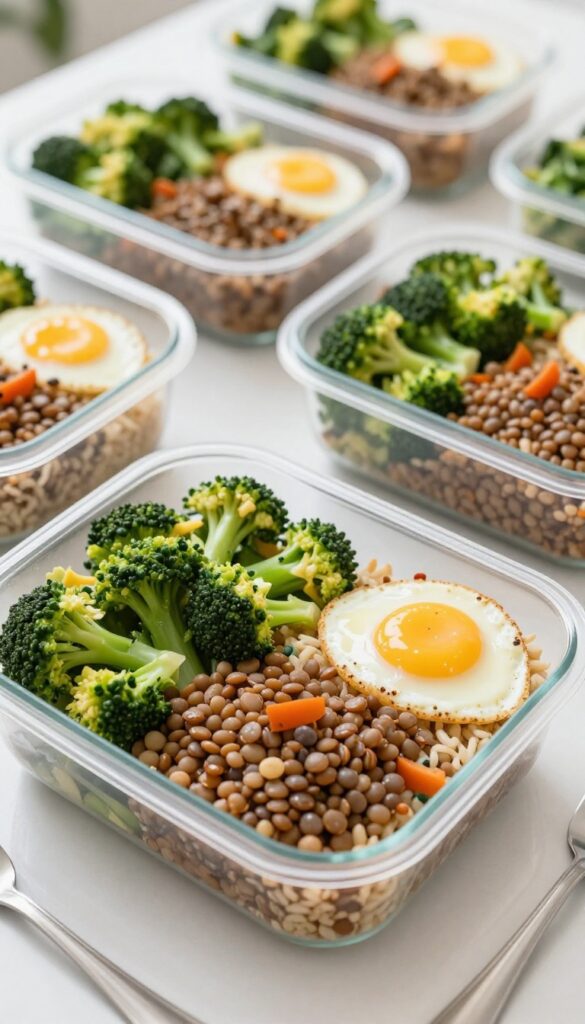
Lunch is the perfect opportunity to pack in a variety of gut-supporting ingredients in one satisfying bowl. By layering the right components, you create a meal that is rich in fiber, healthy fats, and fermented foods—all key for a thriving gut microbiome.
Start with a base of leafy greens like spinach or arugula, or use cooked vegetables such as roasted zucchini or bell peppers if raw greens are hard to digest. These provide prebiotic fiber that feeds beneficial gut bacteria.
Key Components of a Gut-Healthy Lunch Bowl
- Base: leafy greens or cooked vegetables
- Protein: grilled chicken, fish, tofu, or legumes
- Healthy fats: avocado, olive oil, nuts or seeds
- Fermented vegetables: sauerkraut, kimchi, or pickled beets
Example Lunch Bowl
A colorful bowl with spinach, quinoa, grilled salmon, sliced avocado, and a generous spoonful of sauerkraut. Drizzle with olive oil and lemon juice.
Each component plays a role: spinach offers fiber and vitamins; quinoa adds more fiber and plant-based protein; salmon provides omega-3 fatty acids that reduce inflammation; avocado supplies monounsaturated fats and additional fiber; sauerkraut delivers live probiotics to support gut flora diversity. Together, they create a balanced, gut-friendly meal that keeps you full and energized.
Create a Soothing Dinner Plate
Dinner is an opportunity to wind down and nourish your body with easily digestible foods. A gut reset dinner focuses on gentle proteins, cooked vegetables, and mild anti-inflammatory herbs.
Choose proteins that are light on digestion, such as baked or grilled fish (salmon, cod, trout) or chicken. Avoid heavy marinades or breading; instead, season simply with salt, pepper, and a squeeze of lemon.
Cooked Vegetables for Easier Digestion
Steaming or roasting vegetables breaks down fiber and makes nutrients more accessible. Good options include sweet potatoes, carrots, zucchini, asparagus, and broccoli. Avoid raw vegetables at dinner, as they can be harder to digest.
Gentle Herbs and Spices
Incorporate gut-soothing herbs like ginger, turmeric, fennel, and oregano. These add flavor without irritating the digestive tract. A sprinkle of fresh dill or parsley can also brighten the plate.
Example Dinner Plate
Baked salmon with lemon and dill, roasted sweet potato wedges, and steamed broccoli tossed with a pinch of turmeric and black pepper.
Avoid heavy sauces, fried foods, and large portions of beans or legumes at dinner. Keep portions moderate to support overnight digestion.
Incorporate Gut-Friendly Snacks
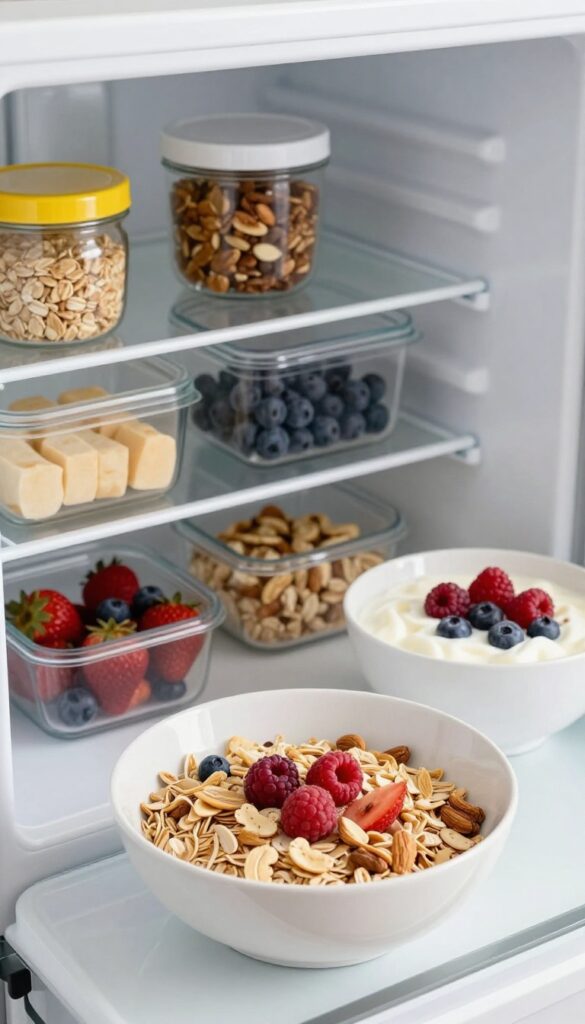
Smart snacking keeps your energy stable and supports your gut between meals. Focus on whole, minimally processed options that are low in added sugars and easy to digest.
Gut-Healthy Snack Ideas
- Fresh fruit like berries or sliced apple – rich in fiber and antioxidants, gentle on the gut.
- Vegetable sticks with hummus – if legumes are tolerated, hummus adds protein and healthy fats.
- Handful of nuts or seeds – almonds, walnuts, or pumpkin seeds provide healthy fats and fiber.
- Coconut yogurt or bone broth – probiotic-rich yogurt or collagen-packed broth soothes and supports digestion.
Keep portions moderate to avoid overwhelming your digestive system. A small snack (about 150–200 calories) is usually enough to tide you over until your next meal.
What to Avoid
Steer clear of processed snack bars, chips, and anything with added sugars or artificial ingredients. These can disrupt your gut microbiome and cause inflammation.
Hydrate with Gut-Supporting Beverages
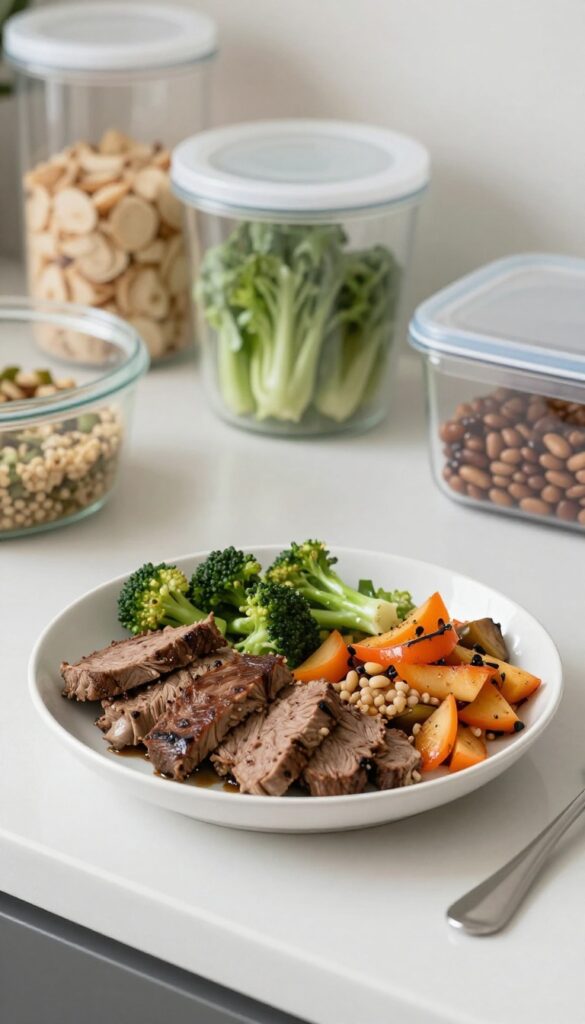
Hydration is a cornerstone of the gut reset diet. Proper fluid intake supports the gut lining, aids digestion, and keeps things moving smoothly. Choosing the right beverages can soothe inflammation and enhance nutrient absorption.
Water is your best friend during a gut reset. It helps maintain the mucosal lining of the intestines and supports regular bowel movements. For extra flavor and gut benefits, add a squeeze of lemon, a few slices of cucumber, or a sprig of mint.
Start your morning with a warm cup of lemon water—it gently stimulates digestion and hydrates after sleep.
Herbal Teas to Soothe Digestion
- Ginger tea: Reduces nausea and inflammation.
- Peppermint tea: Relaxes digestive muscles and eases bloating.
- Chamomile tea: Calms the gut and promotes relaxation.
Sip these teas between meals rather than with food to avoid diluting digestive juices. Avoid coffee, alcohol, and sugary drinks—they can irritate the gut lining, disrupt the microbiome, and cause inflammation. Stick to water and herbal teas as your primary beverages.
Sample One-Day Gut Reset Meal Plan
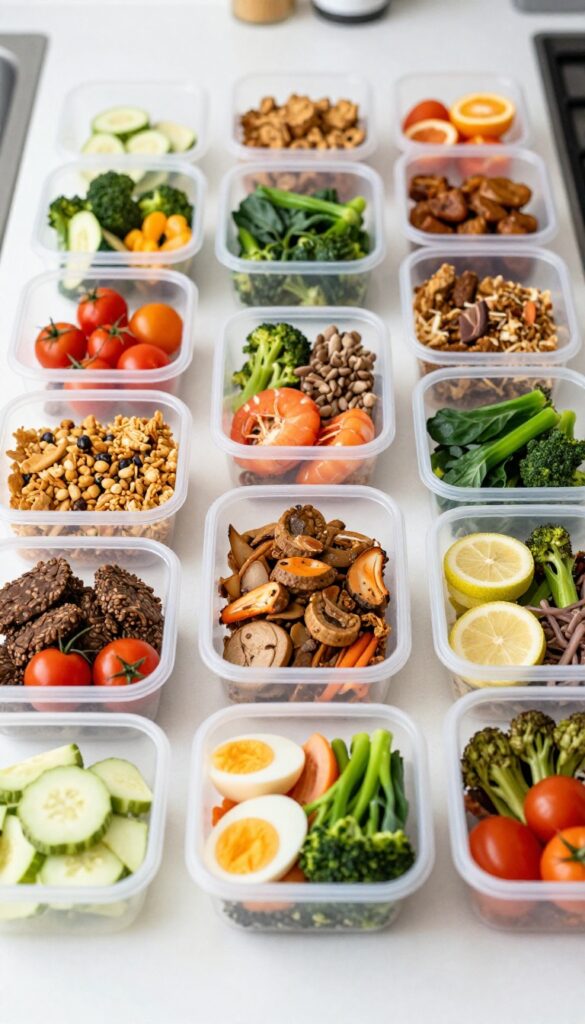
Here is a full day of eating that follows the gut reset principles. All meals are free from common irritants like gluten, dairy, refined sugar, and processed ingredients. Adjust portion sizes to your appetite and needs.
Breakfast: Oatmeal with Blueberries and Flaxseed
- Cook 1/2 cup of gluten-free rolled oats in water or unsweetened almond milk.
- Top with 1/2 cup fresh or frozen blueberries and 1 tablespoon ground flaxseed.
- Optional: Add a drizzle of raw honey or a sprinkle of cinnamon.
Lunch: Quinoa Salad with Mixed Greens, Grilled Chicken, Avocado, and Sauerkraut
- Base: 2 cups mixed greens and 1/2 cup cooked quinoa.
- Protein: 4–5 ounces grilled chicken breast, sliced.
- Healthy fats: 1/2 avocado, diced.
- Fermented: 2 tablespoons sauerkraut (unpasteurized).
- Dressing: Olive oil, lemon juice, salt, and pepper.
Snack: Apple Slices with Almond Butter
- 1 medium apple, sliced.
- 2 tablespoons unsweetened almond butter.
Dinner: Baked Cod with Roasted Asparagus and Sweet Potato
- Cod: 5–6 ounce fillet, seasoned with salt, pepper, and olive oil, baked at 400°F for 12–15 minutes.
- Asparagus: 1 cup trimmed spears, tossed in olive oil and roasted alongside the fish.
- Sweet potato: 1 medium, cubed and roasted until tender (about 25 minutes at 400°F).
- Optional: Squeeze of lemon over the fish and vegetables before serving.
Tips for Meal Prep and Substitutions
Meal prep is a game-changer for staying on track with a gut reset diet. With a little planning, you can have nourishing meals ready in minutes and easily adapt recipes to your needs.
Start by batch cooking staples that form the base of many gut-friendly meals. Cook a large batch of quinoa, brown rice, or millet to use throughout the week. Roast a sheet pan of vegetables like zucchini, bell peppers, and sweet potatoes.
Grill or bake chicken, salmon, or tofu for quick protein. Store these in separate containers in the fridge so you can mix and match.
Stock Your Gut-Healthy Pantry
- Canned coconut milk (for creamy soups and curries)
- Bone broth or vegetable broth (for sipping or cooking grains)
- Frozen vegetables (broccoli, spinach, cauliflower rice)
- Gluten-free grains (quinoa, rice, oats)
- Nuts and seeds (almonds, chia, flax)
- Fermented foods (sauerkraut, kimchi, pickles without sugar)
Smart Substitutions for Food Sensitivities
Many gut reset diets eliminate dairy, gluten, and processed foods. Here are easy swaps that keep meals delicious:
- Replace cow’s milk with unsweetened almond, coconut, or oat milk.
- Swap wheat-based pasta for zucchini noodles, spaghetti squash, or rice noodles.
- Use coconut yogurt or cashew cheese instead of dairy yogurt or cheese.
- Substitute soy sauce with coconut aminos (lower sodium, gut-friendly).
- Instead of bread crumbs, use ground almonds or crushed gluten-free crackers.
Storage Tips to Maintain Freshness
- Store fresh herbs in a jar with water, covered loosely with a bag, in the fridge.
- Keep cut vegetables in airtight containers with a paper towel to absorb moisture.
- Cooked grains stay fresh for 4–5 days; portion them into single servings.
- Freeze extra portions of soups, stews, and cooked proteins for busy days.
- Label containers with dates to use older items first.
Prepping just two to three times a week can keep your fridge stocked without overwhelming you. Focus on variety and color to ensure a range of nutrients.
FAQ
Can I eat dairy on a gut reset diet?
Most gut reset diets eliminate dairy because it can be inflammatory for some people. However, if you tolerate dairy well, you may include fermented options like yogurt or kefir. Listen to your body and consider a temporary elimination to test your tolerance.
How long should I follow a gut reset diet?
A typical gut reset diet lasts 2 to 4 weeks, but it can vary based on individual needs. It's best to consult with a healthcare professional to determine the appropriate duration for your specific health goals.
Can I eat grains on a gut reset diet?
Yes, but choose gluten-free grains like quinoa, rice, oats (certified gluten-free), and buckwheat. These are easier to digest and less likely to cause inflammation.
What are the best fermented foods for gut health?
Sauerkraut, kimchi, miso, tempeh, and coconut yogurt are excellent choices. They provide probiotics that support a healthy gut microbiome. Start with small amounts to see how your body responds.
Is coffee allowed on a gut reset diet?
Coffee is often restricted because it can irritate the gut lining and increase acid production. Herbal teas like ginger or peppermint are better alternatives. If you must have coffee, limit to one cup and avoid adding dairy or sugar.
Conclusion
Building meals around a gut reset diet doesn't have to be complicated. By focusing on whole, anti-inflammatory foods and avoiding common irritants, you can support your digestive health and overall well-being.
Start with small changes, listen to your body, and enjoy the process of nourishing your gut. Remember to consult a healthcare provider before making significant dietary changes, especially if you have underlying health conditions.

Dr. Pallab Kishore, MS in Orthodontics and owner of Orthodontic Braces Care, shares expert tips on braces, aligners, and oral health from 10+ years of experience.