
Starting a fitness routine at home can feel overwhelming. With so many workouts online, it's easy to get lost in complicated programs that demand hours of your time and expensive equipment. But staying fit doesn't have to be that hard.
A simple, consistent home workout plan can deliver real results without the stress. This guide is built for real life. It focuses on basic movements that work your whole body, requires little to no equipment, and fits into a busy schedule.
Whether you're a complete beginner or getting back into exercise, this plan will help you build strength, improve endurance, and create a healthy habit that sticks. Forget the hype.
Why a Simple Home Workout Plan Works
Many people believe that an effective workout requires a gym membership, expensive equipment, or hours of free time. But the truth is, the most sustainable fitness routines are often the simplest. A home workout plan that focuses on consistency over intensity can yield lasting results without the typical barriers that derail good intentions.
When you strip away the complexity, exercise becomes a natural part of your day rather than a chore you have to schedule around. A simple plan removes common obstacles like commute time, crowded gyms, and the pressure to perform perfectly. Instead, it meets you where you are—in your living room, with your own body weight and a bit of floor space.
The real power of simplicity lies in habit formation. Research shows that people who start with manageable routines are more likely to stick with them long term. By committing to just 20 minutes of movement most days, you build momentum.
That small win each day reinforces the behavior, making it easier to show up tomorrow.
Key benefits of a simple home workout plan
- Consistency over intensity: Doing something regularly beats occasional bursts of extreme effort.
- Removes barriers: No travel, no waiting for equipment, no special clothing needed.
- Builds habit: A short daily routine is easier to repeat until it becomes automatic.
- Fits into daily life: You can exercise before work, during lunch, or while dinner cooks.
This approach also respects your schedule. Life is unpredictable, and a rigid gym timetable often clashes with reality. A home workout can happen in 15 minutes between meetings or in the morning before the household wakes.
The flexibility reduces the mental load of "finding time" to exercise.
Finally, a simple plan helps you focus on movement quality rather than quantity. Without the distraction of complicated routines or heavy weights, you can pay attention to your form, breathing, and how your body feels. This mindfulness reduces injury risk and increases the effectiveness of each exercise.
What You Need to Get Started
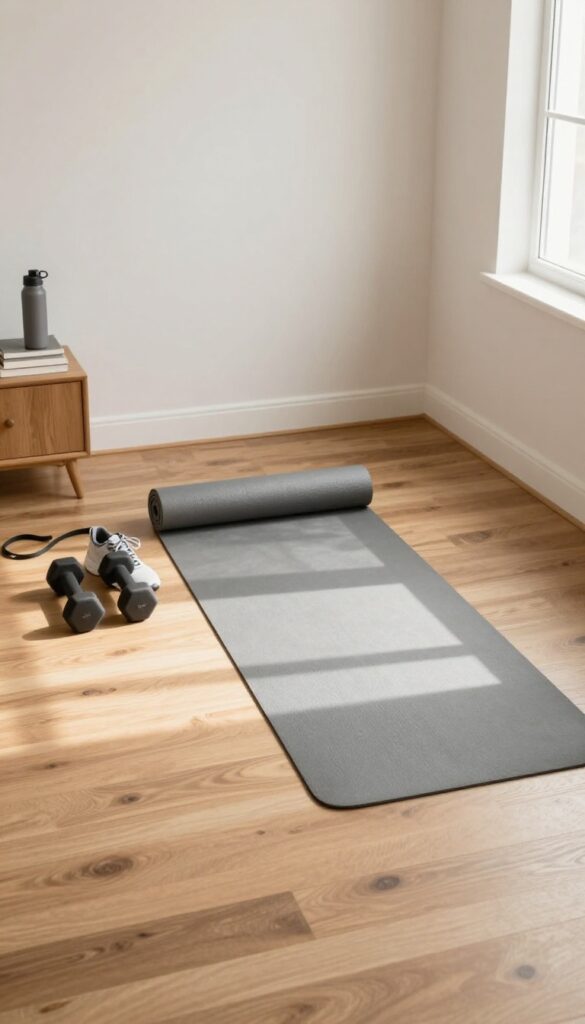
The beauty of a home workout is that you don't need a garage full of gear. In fact, you can start with items you already have. Here's what to gather and how to set yourself up for success.
First, find a small clear space—about the size of a yoga mat. A living room corner, bedroom floor, or even a balcony works. You just need enough room to stretch your arms and legs without hitting furniture.
Minimal Equipment
- A yoga or exercise mat for comfort on hard floors.
- A pair of comfortable athletic shoes if you'll be doing jumping or standing moves.
- Optional: one or two sets of dumbbells (light and medium). If you don't have dumbbells, use water bottles, canned goods, or a backpack filled with books.
- Optional: resistance bands—they're inexpensive, portable, and add variety.
Wear clothes that let you move freely. You don't need expensive activewear; old shorts and a t-shirt are fine. The key is to feel comfortable and not restricted.
Set a Schedule That Sticks
Consistency matters more than intensity. Decide how many days per week you can realistically commit to—three is a great start—and pick a time of day that works for you. Morning before work?
Lunch break? Right after dinner? Put it on your calendar like any other appointment.
Finally, shift your mindset. You're not training for a competition; you're building a habit. Some days will feel easy, others a struggle.
Both count. Show up, do your best, and adjust as needed.
Your Weekly Workout Schedule
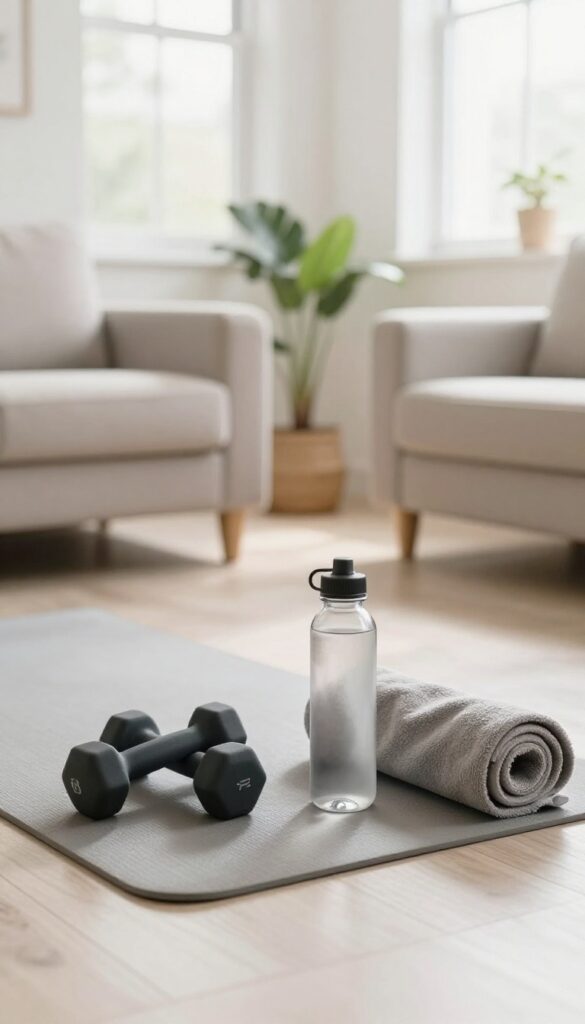
Consistency matters more than intensity when starting out. This three-day-a-week plan gives your body time to recover while building strength and endurance. Each session is designed to be done in 20–30 minutes with no gym equipment required.
The Weekly Overview
You'll work out on Monday, Wednesday, and Friday, with an active recovery session on Saturday. This schedule ensures you have rest days between strength sessions to allow muscles to repair and grow.
Key Points
- 3 workout days + 1 active recovery day
- Rest days in between for recovery
- Each session lasts 20–30 minutes
Monday: Full Body Strength
Start your week with a full-body strength workout. Focus on compound movements that work multiple muscle groups at once. Aim for 3 sets of 10–12 reps for each exercise, resting 45–60 seconds between sets.
Example exercises: bodyweight squats, push-ups (or knee push-ups), inverted rows using a sturdy table, and glute bridges.
Wednesday: Cardio and Core
Midweek is all about getting your heart rate up and strengthening your core. Perform each exercise for 45 seconds, followed by 15 seconds of rest. Complete 3 rounds.
Choose from: high knees, mountain climbers, jumping jacks, plank holds, and bicycle crunches.
Friday: Full Body Strength (Variation
Repeat a full-body strength workout but swap a few exercises to keep things fresh and challenge your muscles differently. For example, replace squats with lunges, push-ups with diamond push-ups (or incline push-ups), and add a core finisher like leg raises or Russian twists.
Saturday: Active Recovery
Active recovery helps reduce soreness and improves blood flow. Choose one low-intensity activity for 20–30 minutes: a brisk walk, gentle yoga or stretching, a leisurely bike ride, or foam rolling. The goal is to move without straining.
Exercise Breakdown: Form and Tips
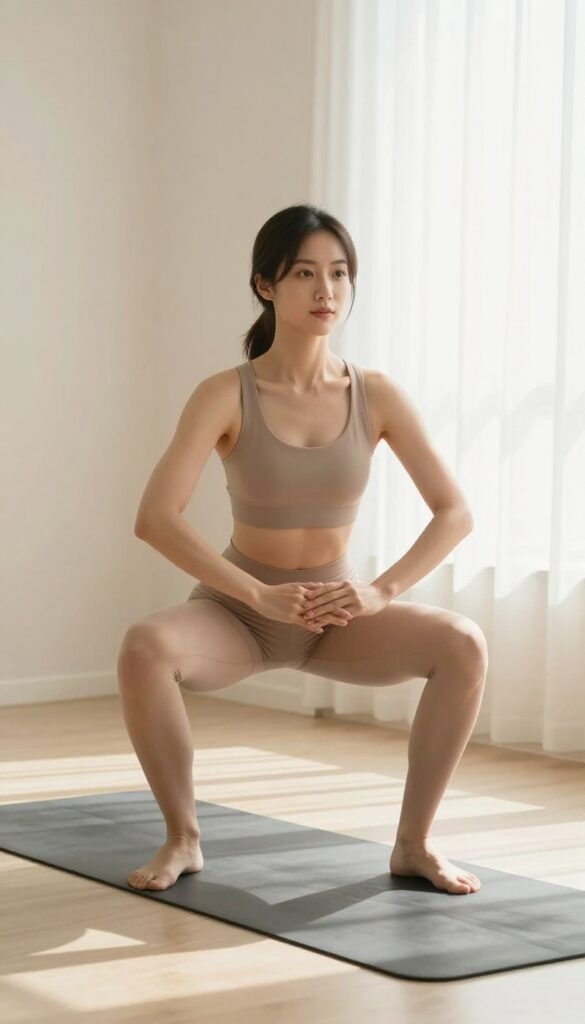
Let's break down each exercise in your weekly plan. Proper form is key to getting the most out of your workout and avoiding injury. Below you'll find step-by-step instructions, common mistakes to watch for, and modifications to suit your fitness level.
Squats
Stand with feet shoulder-width apart, toes slightly turned out. Lower your hips back and down as if sitting in a chair, keeping your chest up and knees tracking over your toes. Go as low as comfortable, then push through your heels to stand back up.
Common mistakes: letting knees cave inward or rounding your back. Modification: start with a chair behind you for support.
Push-Ups
Start in a high plank with hands slightly wider than shoulder-width, body in a straight line from head to heels. Lower your chest toward the floor by bending your elbows at a 45-degree angle, then push back up. Common mistakes: sagging hips or flaring elbows too wide.
Modification: do push-ups on your knees or against a wall.
Plank
Lie face down, then lift your body onto your forearms and toes, keeping your body in a straight line. Engage your core and hold the position without letting your hips drop or pike up. Common mistakes: holding your breath or looking up, which strains the neck.
Modification: drop to your knees to reduce intensity.
Lunges
Stand tall, step one foot forward and lower your hips until both knees are bent at about 90 degrees. Your front knee should be directly above your ankle, and your back knee should hover just above the ground. Push through your front heel to return to start.
Common mistakes: leaning forward or letting the front knee drift past the toes. Modification: perform reverse lunges or hold onto a wall for balance.
Glute Bridges
Lie on your back with knees bent, feet flat on the floor hip-width apart. Press through your heels to lift your hips toward the ceiling, squeezing your glutes at the top. Lower back down with control.
Common mistakes: pushing through your toes or arching your lower back too much. Modification: perform single-leg bridges for more challenge.
How to Progress Over Time
The key to getting stronger and fitter is to gradually increase the challenge. This concept is called progressive overload. Without it, your body adapts and you hit a plateau.
But progression doesn't mean you have to do more every single workout. Listen to your body and increase difficulty only when you can complete all reps with good form.
Increase Reps or Sets
The simplest way to progress is to add one more rep to each set. Once you can comfortably complete all reps with good form, add a second set. For example, if you're doing 3 sets of 10 squats, try 3 sets of 12 or 4 sets of 10.
Reduce Rest Time
Shortening your rest between exercises increases the intensity without changing the reps. If you rest 60 seconds, try 45. This keeps your heart rate up and builds endurance.
Add Resistance
When bodyweight becomes too easy, add resistance. Use resistance bands, a backpack filled with books, or dumbbells if you have them. Even small increases make a difference.
Key Points to Remember
- Progress only when you can maintain perfect form.
- Increase one variable at a time (reps, sets, rest, or weight).
- Listen to your body—pain is a sign to back off, not push through.
- Expect gradual changes; noticeable strength gains take weeks.
Listen to Your Body
Progressive overload doesn't mean every workout must be harder. Some days you'll feel tired or sore. On those days, stick to maintenance or even reduce intensity.
Consistency over the long term matters more than pushing hard every session.
Nutrition and Recovery Tips
Your workout is only half the equation. What you do outside the gym—especially around food, hydration, sleep, and stretching—determines how quickly you recover and how well you perform in your next session. Here are simple, actionable tips that support your home fitness routine without overcomplicating things.
Fuel Your Workouts with Protein
Protein helps repair muscle tissue broken down during exercise. Aim to include a source of protein at each meal—like eggs, Greek yogurt, chicken, fish, beans, or tofu. You don't need fancy powders; whole foods work perfectly.
A good target is about 20-30 grams of protein per meal for most active adults.
Stay Hydrated
Water is essential for muscle function and recovery. Drink water throughout the day, not just during workouts. A simple rule: drink enough so your urine is light yellow.
If you're sweating heavily, consider adding electrolytes from food (like a banana or a pinch of salt) rather than sports drinks.
Prioritize Sleep
Sleep is when your body repairs and grows stronger. Aim for 7-9 hours per night. Consistent sleep schedules help regulate hormones that control appetite and stress.
If you're short on sleep, your workouts will suffer and recovery will slow.
Incorporate Stretching and Mobility
After each workout, take 5-10 minutes to stretch the muscles you worked. Focus on major areas like hamstrings, quads, chest, and back. Gentle stretching improves flexibility, reduces soreness, and lowers injury risk.
You can also do a quick mobility routine on rest days.
Quick Recovery Tips
- Eat a balanced meal with protein and carbs within 2 hours after exercise.
- Take rest days seriously—your body adapts during rest, not during workouts.
- Listen to your body: if you feel unusually sore or tired, take an extra rest day or do light activity like walking.
- Avoid alcohol close to bedtime—it disrupts sleep quality and recovery.
Common Mistakes to Avoid
Even a simple home workout plan can backfire if you fall into these common traps. Here's what to watch out for and how to fix each one.
- Skipping the warm-up. Jumping straight into exercises increases injury risk and reduces performance. Fix: Spend 5 minutes doing dynamic stretches like arm circles, leg swings, and torso twists before each workout.
- Using poor form. Bad technique can lead to strains and make exercises less effective. Fix: Watch a quick tutorial video for each move, and practice in front of a mirror. Start with lighter intensity to master the movement.
- Overtraining. More is not always better. Doing too much too soon can cause burnout and injury. Fix: Stick to your schedule, include rest days, and listen to your body. If you feel extreme soreness or fatigue, take an extra rest day.
- Not tracking progress. Without a log, it's hard to see improvements or know when to increase difficulty. Fix: Keep a simple workout journal or use a free app to record exercises, sets, reps, and how you felt. Review weekly to adjust.
FAQ
How long until I see results?
Most people notice improved energy and mood within two weeks. Visible changes in strength and muscle tone typically appear after 4 to 6 weeks of consistent training, especially if you pair your workouts with good nutrition.
Can I build muscle with just bodyweight?
Absolutely. Bodyweight exercises like squats, push-ups, and lunges are effective for building muscle, especially for beginners. As you progress, you can make them harder by increasing reps, slowing down the movement, or adding resistance bands.
What if I miss a workout?
Don't stress. Just pick up where you left off. Missing one day won't derail your progress.
The key is consistency over the long term, not perfection. If you miss a session, simply do your next workout as scheduled.
Do I need to warm up?
Yes, a 5-minute warm-up is essential. It prepares your muscles and joints, reduces injury risk, and improves performance. Try light jogging in place, arm circles, leg swings, or dynamic stretches.
Can I do this every day?
No, rest days are important for recovery and muscle growth. This plan includes three workout days and one active recovery day per week, with rest days in between. Listen to your body and take extra rest if needed.
Conclusion
A simple home workout plan is all you need to transform your fitness. By focusing on a few key exercises, staying consistent, and listening to your body, you can build strength, improve your health, and feel great without a gym membership. The best part?
You can start today, right where you are.
Remember, progress takes time. Celebrate small wins, be patient with yourself, and keep showing up. Your future self will thank you.
Now go ahead and start your first workout – you've got this.

Dr. Pallab Kishore, MS in Orthodontics and owner of Orthodontic Braces Care, shares expert tips on braces, aligners, and oral health from 10+ years of experience.