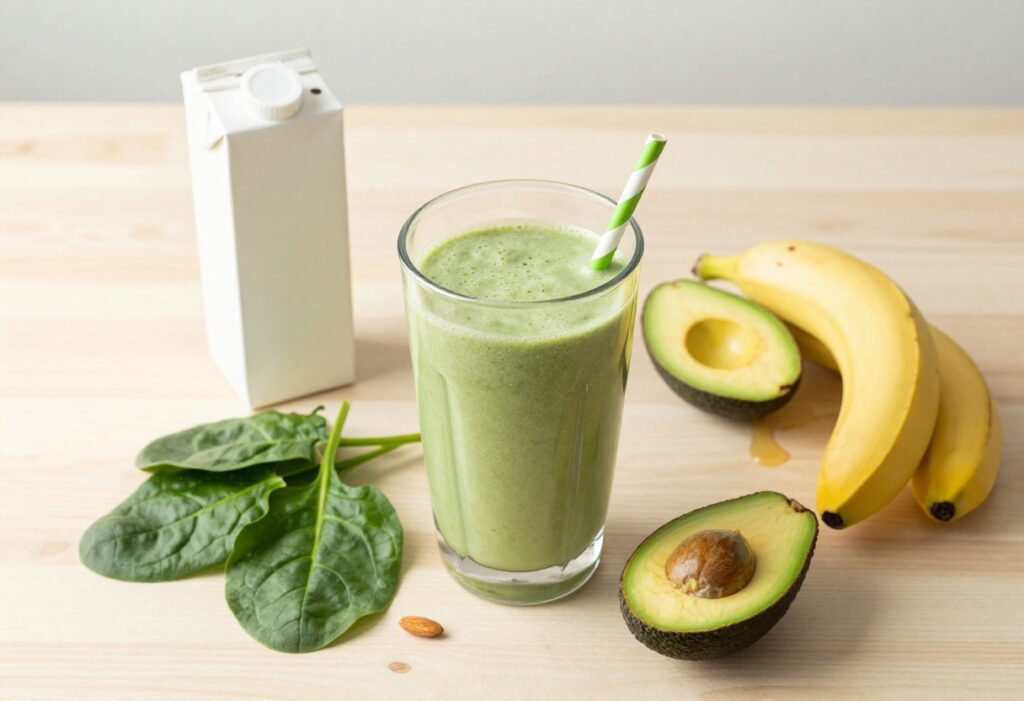
The slow carb diet, popularized by Tim Ferriss, focuses on eliminating white carbohydrates, sugars, and dairy while emphasizing protein, legumes, and vegetables.
Creating a consistent daily routine can help you stick to the diet, manage hunger, and maintain energy levels.
This guide offers practical, flexible ideas for structuring your day around slow carb principles, from morning to night.
Start Your Day with Protein and Legumes
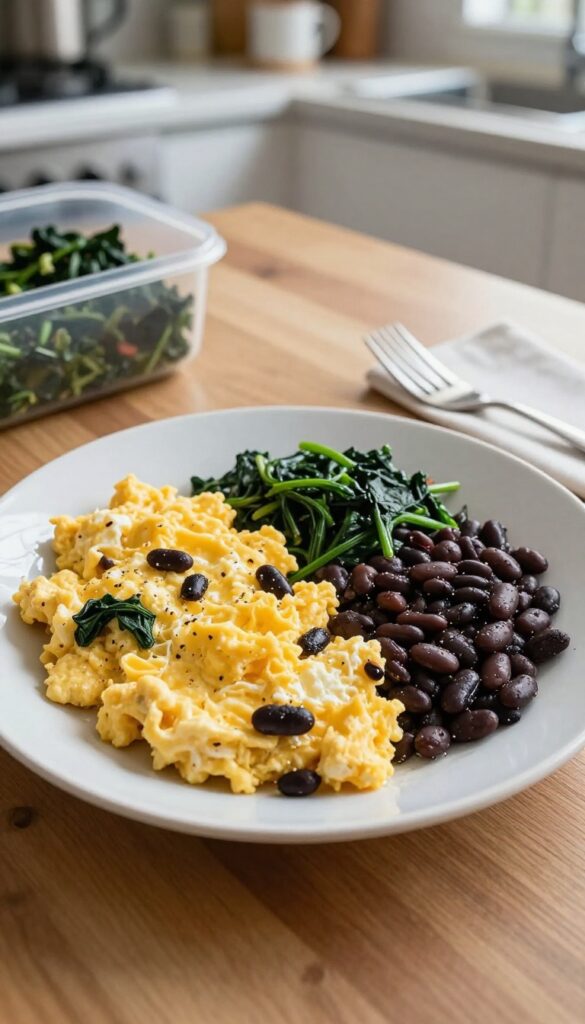
A slow carb breakfast sets the tone for stable energy and appetite control throughout the day. By combining protein with legumes, you provide your body with sustained fuel while adhering to the diet's core principles.
Eating breakfast within 30 minutes of waking helps stabilize blood sugar and prevents mid-morning cravings. Aim for 20–30 grams of protein from sources like eggs, turkey, or tofu, paired with about half a cup of legumes such as black beans, lentils, or pinto beans. This combination delivers a slow release of energy and keeps you satisfied until lunch.
Slow Carb Breakfast Examples
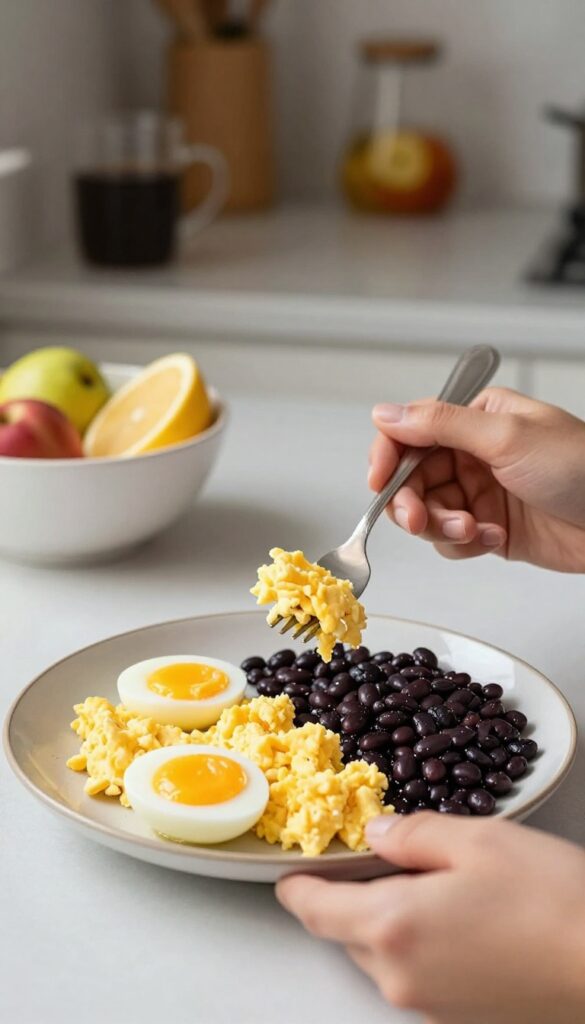
- Scrambled eggs with black beans and sautéed spinach
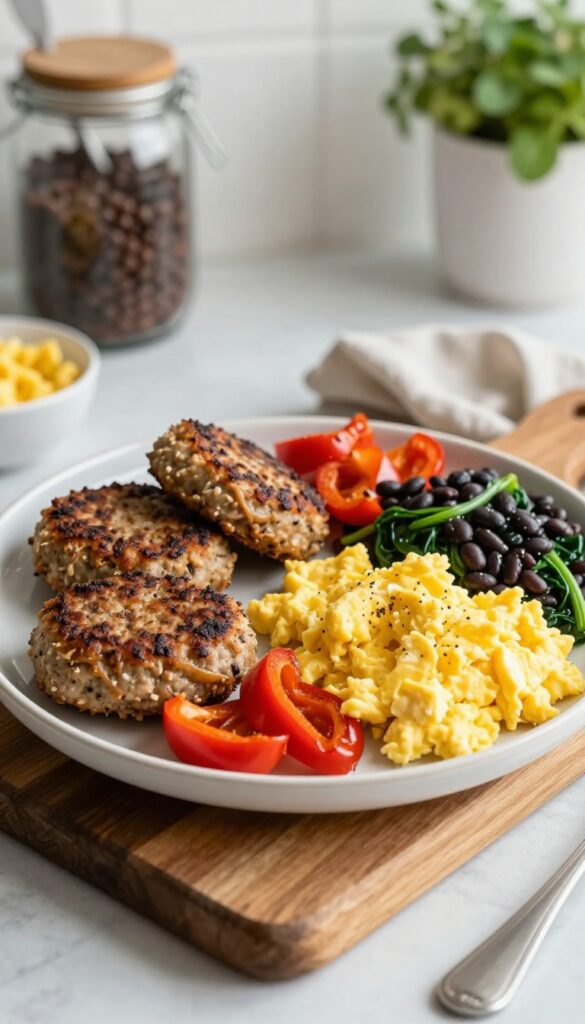
- Turkey sausage patties with lentils and roasted bell peppers
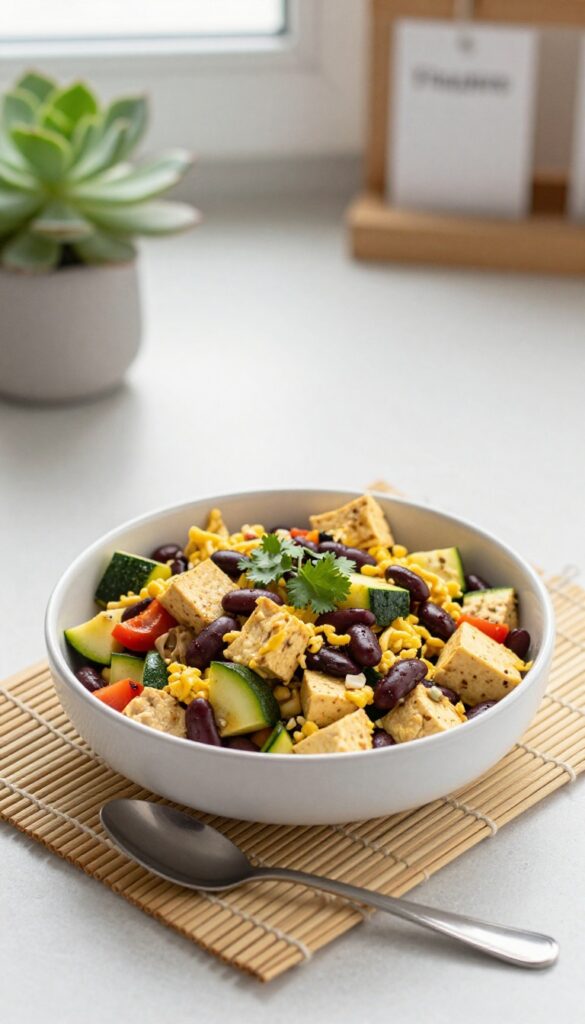
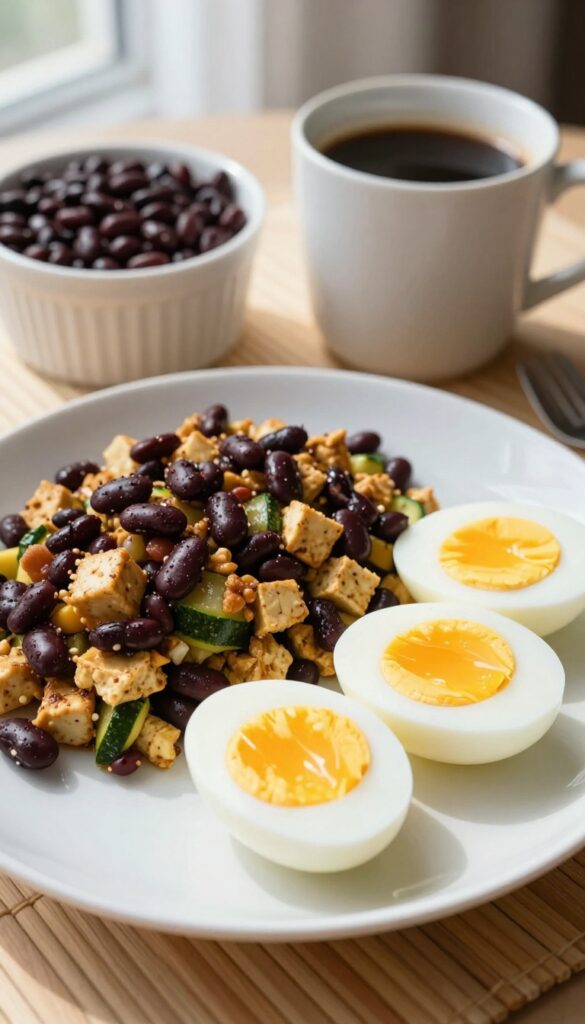
- Tofu scramble with pinto beans and zucchini
- Hard-boiled eggs with a side of seasoned black beans
Why Protein and Legumes Together
Protein promotes satiety and muscle maintenance, while legumes provide fiber and resistant starch that feed gut bacteria and blunt blood sugar spikes. Together, they create a thermic effect that supports metabolism without relying on high-carb or dairy foods.
Avoid fruit, oatmeal, or dairy at breakfast — these are not slow carb approved. Stick to whole foods from the allowed list to stay on track.
Plan Your Lunch Around Vegetables and Lean Protein
Lunch is a key opportunity to refuel with slow carb–friendly ingredients that keep your energy steady through the afternoon. By building your plate around non-starchy vegetables and lean protein, you get a nutrient-dense meal that supports your routine without breaking the diet rules.
Build Your Plate the Slow Carb Way
A simple guideline is to fill half your plate with colorful non-starchy vegetables, a quarter with lean protein, and the remaining quarter with legumes. This balance provides fiber, protein, and complex carbohydrates to sustain you until your next meal.
Approved vegetables include broccoli, bell peppers, spinach, kale, zucchini, cauliflower, asparagus, and leafy greens. Stick to fresh or frozen options without added sauces. For protein, choose grilled chicken, turkey, fish (salmon, cod, tuna), tofu, or lentils.
Legumes like chickpeas, pinto beans, black beans, or lentils serve as your carbohydrate source—avoid grains, potatoes, and dairy.
Portion Size Guidelines
- Vegetables: Fill half your plate (about 2 cups raw or 1 cup cooked).
- Lean protein: A palm-sized portion (3–4 oz cooked).
- Legumes: About ½ cup cooked (size of a tennis ball).
A sample lunch could be a large salad with mixed greens, grilled chicken, bell peppers, cucumber, and a handful of chickpeas, dressed with olive oil and vinegar. Or try a stir-fry with broccoli, bell peppers, tofu, and black beans. Keep it simple and satisfying.
Practical Tip
Prep vegetables and cook a batch of protein on Sunday to make weekday lunches effortless. Store components separately and assemble each day.
Smart Snacking on Slow Carb Diet
Snacking on the slow carb diet isn't about constant grazing—it's about eating only when you're genuinely hungry and choosing options that keep your blood sugar stable and your progress on track.
Many people fall into the trap of mindless snacking, but on the slow carb diet, snacks are a tool, not a habit. Before reaching for a snack, ask yourself if you're truly hungry or just bored, stressed, or thirsty. If you're not hungry, skip the snack and have a glass of water instead.
Approved Snack Options
- Celery sticks with 1–2 tablespoons of almond butter (no added sugar)
- One or two hard-boiled eggs
- Cucumber slices with 2 tablespoons of hummus (check label for no added sugar or oil)
- A small can of tuna or sardines in water
- A handful of olives (watch portion size due to sodium)
- Roasted chickpeas (homemade, no sugar or unhealthy oils)
When to Snack
Snack only if your next meal is more than 4–5 hours away and you feel true physical hunger. Avoid snacking after dinner or late at night. If you're following a structured routine, you may find you don't need snacks at all once your meals are balanced with enough protein, legumes, and vegetables.
Portion and Quality Control
Keep each snack under 200 calories. Avoid fruit (except tomatoes and avocados in moderation), nuts in large quantities, and any dairy-based snacks like cheese or yogurt. Also steer clear of packaged snacks with added sugars, refined oils, or artificial ingredients.
The goal is to support your healthy routine, not derail it.
Hydrate Strategically Throughout the Day
Staying well-hydrated is a cornerstone of any healthy routine, and on the slow carb diet, what you drink matters just as much as what you eat. Proper hydration supports digestion, energy levels, and appetite control, while avoiding the wrong beverages keeps you on track with your goals.
Aim to drink at least 8 cups (64 ounces) of water daily, and increase that amount if you are active or live in a hot climate. Water helps your body process the higher protein and fiber intake typical of the slow carb diet, reducing bloating and keeping your metabolism running smoothly.
Approved Beverages
- Plain water (still or sparkling) is your best choice.
- Unsweetened tea and black coffee are allowed and can count toward your fluid intake.
- Herbal teas without added sugar or milk are also fine.
- If you exercise heavily, consider adding an electrolyte supplement without sugar or artificial sweeteners.
What to Avoid
Steer clear of sugary drinks, fruit juice, dairy milk, and sports drinks. Even natural fruit juices are high in sugar and can spike your insulin. Stick to water and unsweetened beverages to keep your slow carb routine effective.
Incorporate Light to Moderate Exercise
Exercise is a key part of a healthy routine on the slow carb diet, but it doesn't have to be extreme. The goal is to support fat loss, preserve muscle, and boost energy without triggering intense cravings or burnout. Light to moderate activity fits perfectly with the diet's principles.
Aim for 30–45 minutes of activity most days. This could be a brisk walk, a leisurely bike ride, or bodyweight exercises like squats and push-ups. Walking in particular is underrated—it's low stress, easy to recover from, and helps regulate appetite.
The slow carb diet pairs especially well with resistance training. Include 2–3 strength sessions per week, focusing on compound movements like squats, lunges, rows, and presses. These exercises build muscle, which boosts metabolism and improves body composition over time.
During the first few weeks of adapting to the diet, you might feel lower energy. Listen to your body and reduce intensity if needed. Light movement is still beneficial—it aids digestion and keeps you consistent without overwhelming your system.
Key exercise types compatible with slow carb
- Walking or hiking (low intensity, easy to do daily)
- Cycling (moderate pace, joint-friendly)
- Bodyweight exercises (squats, lunges, push-ups, planks)
- Resistance training with dumbbells or bands (2–3 times per week)
- Yoga or stretching (improves flexibility and reduces stress)
Tip
Avoid overly intense cardio sessions, like long runs or HIIT, especially early on. They can spike cortisol and increase cravings for carbs, making it harder to stick with the diet. Save high-intensity work for after you're fully adapted, if at all.
Prioritize Sleep and Stress Management
Sleep and stress management are often overlooked but are critical components of a healthy slow carb diet routine. Poor sleep and chronic stress can derail your progress by increasing cravings and disrupting hormone balance.
Aim for 7-9 hours of quality sleep each night. Consistent sleep helps regulate ghrelin and leptin, the hormones that control hunger and fullness. When you're sleep-deprived, your body produces more ghrelin (which makes you hungry) and less leptin (which signals fullness), leading to increased cravings for carbs and sugar.
Sleep Hygiene Tips
- Set a consistent bedtime and wake-up time, even on weekends.
- Create a relaxing pre-sleep routine: dim lights, avoid screens 30 minutes before bed, and try reading or gentle stretching.
- Keep your bedroom cool, dark, and quiet. Consider blackout curtains or a white noise machine.
- Avoid caffeine after 2 PM and limit alcohol, as both can disrupt sleep quality.
Stress management is equally important. High stress raises cortisol levels, which can increase appetite and encourage fat storage, especially around the midsection. Incorporate daily stress reduction techniques to support your diet.
Stress Management Techniques
- Practice deep breathing for 5 minutes: inhale for 4 counts, hold for 4, exhale for 4.
- Try a 10-minute meditation using an app or guided video.
- Gentle yoga or a short walk can lower cortisol and improve mood.
- Schedule regular breaks during the day to step away from work and reset.
Remember, a healthy routine for slow carb diet isn't just about food—sleep and stress management are foundational to your success. By prioritizing rest and relaxation, you'll find it easier to stick to your diet and feel better overall.
Handle Cravings and Social Situations
Cravings and social events are common hurdles on any diet. The key is to have a plan that keeps your healthy routine on track without feeling deprived.
First, identify what triggers your cravings. Is it boredom, stress, or a habit like reaching for a snack while watching TV? Once you know the trigger, find a non-food alternative.
For boredom, go for a short walk or call a friend. For stress, try deep breathing or a quick stretch. Breaking the automatic link between the trigger and eating is essential.
Strategies for Eating Out
- Choose grilled or baked proteins like chicken, fish, or lean beef.
- Opt for steamed vegetables or a salad with vinaigrette on the side.
- Ask for sauces and dressings on the side to control added sugars and fats.
- Stick to beans or lentils as your carb source; skip rice, bread, pasta, and potatoes.
- Drink water or unsweetened tea instead of sugary drinks or alcohol.
The Role of the Cheat Day
The slow carb diet includes one cheat day per week, as popularized by Tim Ferriss. This isn't a license to binge all day, but a planned break that can satisfy cravings and help reset hormones like leptin. Use it wisely: enjoy foods you miss, but don't let it derail your entire week.
After cheat day, return to your healthy routine immediately.
Remember, your healthy routine for slow carb diet includes these strategies. By preparing for cravings and social situations, you can stay consistent and reach your goals without feeling restricted.
Sample Daily Routine Overview
To help you visualize how a slow carb diet day can look, here is a sample routine that balances meals, snacks, hydration, and rest. Adjust the timing to fit your schedule—the key is consistency with the core food rules.
A Typical Day on the Slow Carb Diet
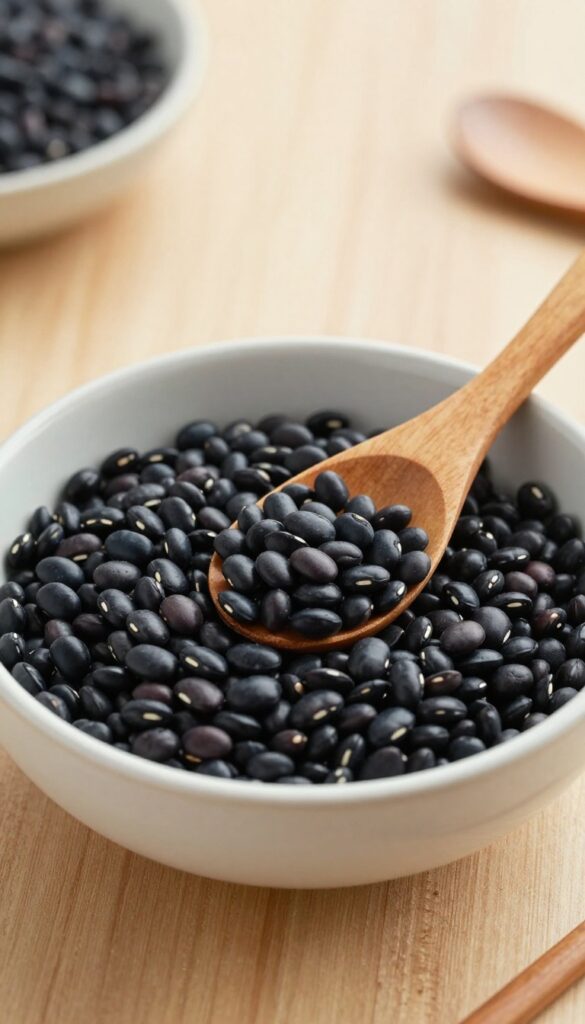
- 7:00 AM – Wake up, drink a glass of water, then breakfast: scrambled eggs with black beans and spinach.
- 12:30 PM – Lunch: grilled chicken salad with chickpeas, cucumber, and olive oil vinaigrette.
- 3:00 PM – Optional snack: celery sticks with almond butter (if hungry between meals).
- 7:00 PM – Dinner: baked salmon with steamed broccoli and lentils.
- 10:00 PM – Wind down: no screens, light stretching or reading, prepare for sleep.
Flexibility Within the Framework
This schedule is a template, not a rigid prescription. You can shift meal times earlier or later, swap proteins (chicken for tofu) or vegetables (broccoli for asparagus), and skip the snack if you're not hungry. The goal is to build a sustainable routine that keeps you energized and aligned with slow carb principles.
Important Note
Listen to your body. If you feel hungry between meals, add more vegetables or a small serving of legumes. If you feel full, adjust portion sizes.
The slow carb diet is about nourishment, not deprivation.
FAQ
Can I eat fruit on the slow carb diet?
Fruit is generally avoided on the slow carb diet due to its sugar content, except for small amounts of berries or tomatoes. The diet emphasizes vegetables and legumes instead.
Is dairy allowed on slow carb?
No, dairy is not allowed on the standard slow carb diet. This includes milk, cheese, yogurt, and butter. Use alternatives like almond milk or coconut milk in moderation.
How much protein should I eat per meal?
Aim for 20-30 grams of protein per meal, which is roughly the size of your palm. Good sources include eggs, chicken, turkey, fish, tofu, and legumes.
What is the cheat day on slow carb?
The slow carb diet includes one cheat day per week where you can eat anything you want. This helps with adherence and may boost metabolism. However, it's optional and should be used mindfully.
Can I drink coffee on the slow carb diet?
Yes, black coffee is allowed. Avoid adding sugar, milk, or cream. Unsweetened tea is also fine.
Conclusion
Adopting a healthy routine on the slow carb diet doesn't have to be complicated. Focus on whole foods, consistent meal timing, hydration, exercise, and sleep. Listen to your body and adjust as needed.
Remember, the goal is sustainable habits, not perfection. Consult a healthcare professional before starting any new diet.

Dr. Pallab Kishore, MS in Orthodontics and owner of Orthodontic Braces Care, shares expert tips on braces, aligners, and oral health from 10+ years of experience.