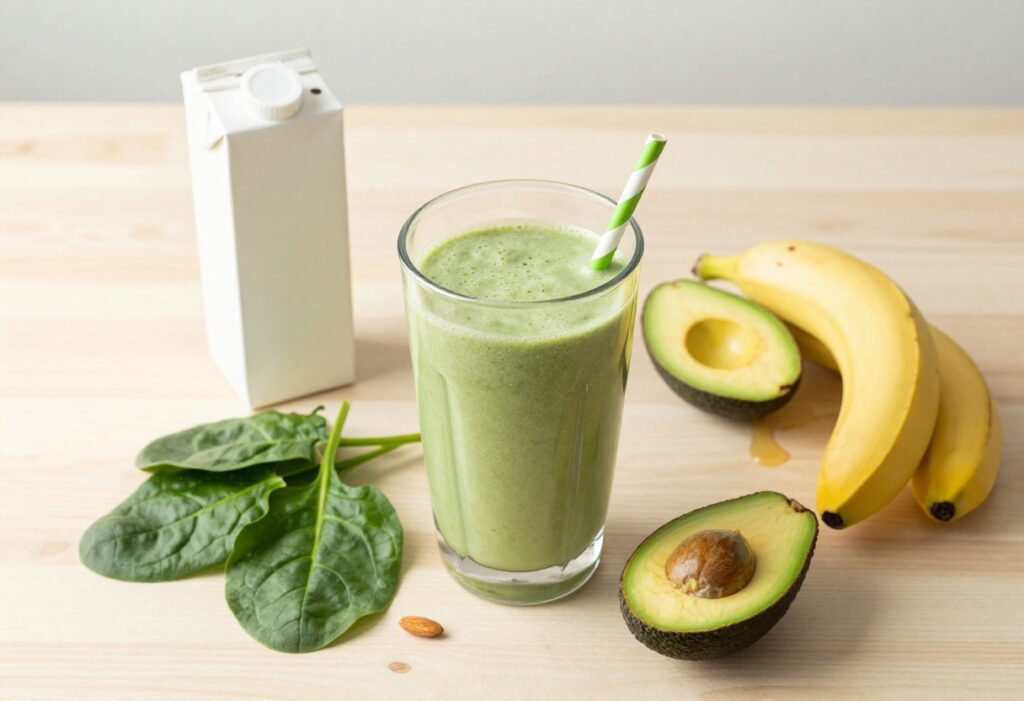
The Mediterranean diet consistently ranks as one of the healthiest eating patterns in the world. It’s not a strict diet but a flexible, delicious way of eating that emphasizes whole foods, healthy fats, and plenty of vegetables.
If you’re new to this lifestyle, you might wonder where to start. This guide provides a simple meal plan using easy-to-find foods, so you can begin enjoying the benefits without stress.
Unlike fad diets, the Mediterranean diet doesn’t require you to cut out entire food groups or buy expensive specialty items. Instead, it focuses on everyday staples like olive oil, beans, whole grains, and fresh produce.
What Is the Mediterranean Diet?
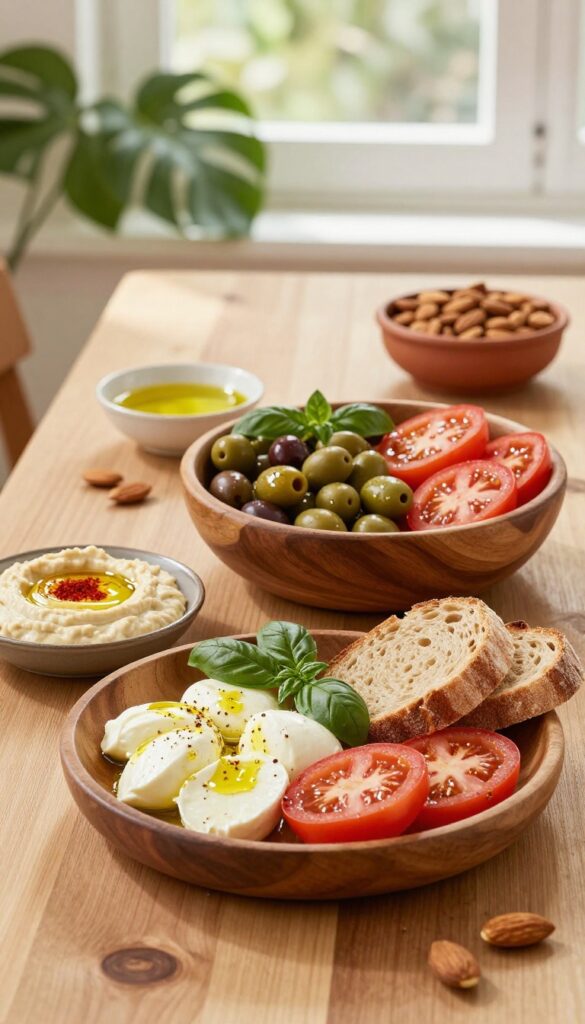
The Mediterranean diet is not a strict set of rules or a fad diet—it’s a way of eating inspired by the traditional cuisines of countries like Greece, Italy, and Spain. Instead of counting calories or cutting out entire food groups, it focuses on enjoying a variety of whole, minimally processed foods. Think of it as a lifestyle shift toward fresh ingredients, healthy fats, and balanced meals that are both satisfying and nourishing.
At its core, the Mediterranean diet emphasizes plant-based foods: vegetables, fruits, whole grains, legumes, nuts, and seeds. Healthy fats, especially extra virgin olive oil, take center stage, while dairy, fish, and poultry are enjoyed in moderate portions. Red meat and sweets are reserved for occasional treats.
This approach is backed by decades of research linking it to better heart health, reduced inflammation, and overall longevity.
Key Principles
- Focus on whole, minimally processed foods
- Healthy fats like olive oil, nuts, and avocados
- Moderate portions of fish, poultry, eggs, and dairy
- Limited red meat and sweets
One of the most appealing aspects is its flexibility. There’s no need to track every gram or follow a rigid meal plan. Instead, you learn to build meals around vegetables, add a source of protein (often from beans or fish), and use herbs and spices for flavor.
Over time, these habits become second nature, making healthy eating feel effortless.
Mediterranean Diet Food List: Easy-to-Find Staples
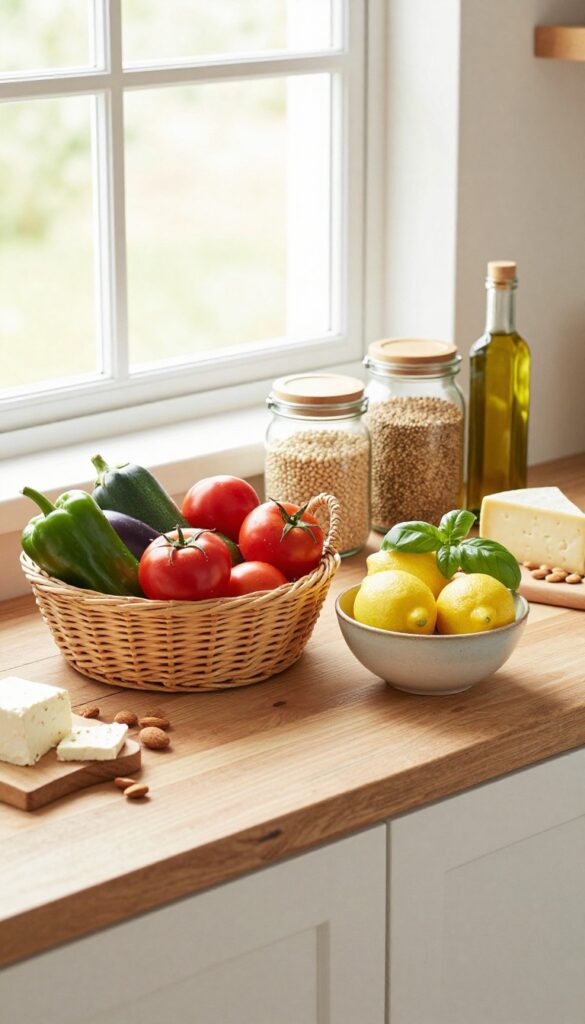
One of the best things about the Mediterranean diet is that it doesn’t require a trip to a specialty store. Most of the foods on this list are likely already in your kitchen or easy to find at any grocery store. Here are the staples you’ll want to keep on hand.
- Vegetables and Fruits
- Whole Grains and Legumes
- Healthy Fats and Proteins
Keep your pantry stocked with these basics, and you’ll be ready to whip up Mediterranean-inspired meals any night of the week. Herbs and spices like oregano, basil, rosemary, garlic powder, and cumin add flavor without extra salt or fat.
Your 7-Day Mediterranean Diet Meal Plan for Beginners

This simple 7-day meal plan uses the foods from your shopping list to show you how easy Mediterranean eating can be. Each day includes breakfast, lunch, dinner, and a snack—no complicated recipes required.
Day Meal Plan
| Day | Breakfast | Lunch | Dinner | Snack |
| Monday | Greek yogurt with berries and a drizzle of honey | Whole-grain wrap with hummus, cucumber, tomato, and feta | Grilled salmon with roasted broccoli and quinoa | Handful of almonds |
| Tuesday | Oatmeal topped with sliced banana and walnuts | Lentil soup with a side of whole-grain bread | Chicken breast with sautéed spinach and sweet potato | Apple slices with peanut butter |
| Wednesday | Scrambled eggs with tomatoes and spinach | Mediterranean salad: mixed greens, olives, chickpeas, olive oil dressing | Whole-wheat pasta with tomato sauce, veggies, and a sprinkle of Parmesan | Greek yogurt with a few dark chocolate chips |
| Thursday | Smoothie with spinach, banana, almond milk, and chia seeds | Tuna salad (with olive oil and lemon) on whole-grain crackers | Baked cod with roasted asparagus and brown rice | Carrot sticks with hummus |
| Friday | Whole-grain toast with avocado and a poached egg | Quinoa bowl with black beans, corn, avocado, and lime | Grilled shrimp with zucchini noodles and pesto | Orange slices |
| Saturday | Pancakes made with whole-wheat flour, topped with fresh fruit | Caprese salad: tomatoes, mozzarella, basil, balsamic glaze | Lean beef stir-fry with bell peppers, onions, and brown rice | Handful of mixed nuts |
| Sunday | Frittata with mushrooms, onions, and feta | Leftover stir-fry or grilled chicken with a side salad | Roasted vegetables with chickpeas and tahini dressing | Pear with a small piece of cheese |
Feel free to swap similar foods based on what you have. The key is variety and balance—aim for colorful veggies, lean protein, whole grains, and healthy fats at each meal.
Sample Day on the Mediterranean Diet
Here’s what a full day of Mediterranean eating looks like. Portions are generous, flavors are fresh, and there’s no calorie counting involved.
Breakfast
Start your morning with a bowl of Greek yogurt topped with a handful of fresh berries and a tablespoon of chopped walnuts. Pair it with a slice of whole-grain toast drizzled with olive oil. This meal provides protein, healthy fats, and fiber to keep you full until lunch.
Morning Snack
A small apple or a handful of almonds makes a perfect mid-morning snack. It’s simple, portable, and satisfies hunger without processed ingredients.
Lunch
Enjoy a large salad made with mixed greens, cherry tomatoes, cucumber, red onion, olives, and chickpeas. Top it with grilled chicken or salmon, and dress it with extra-virgin olive oil and lemon juice. Serve with a slice of whole-grain bread on the side.
Afternoon Snack
Hummus with raw veggie sticks (carrots, bell peppers, celery) is a satisfying and nutrient-dense choice. It provides healthy fats and fiber to bridge the gap until dinner.
Dinner
For dinner, try a piece of baked cod or trout seasoned with herbs (oregano, thyme) and served with a side of roasted vegetables (zucchini, bell peppers, eggplant) and a small portion of quinoa or farro. Drizzle everything with a little olive oil before serving.
Evening Treat
If you want something sweet after dinner, have a piece of fresh fruit (like an orange or a handful of grapes) or a small square of dark chocolate (70% cocoa or higher).
Tips for Sticking with the Mediterranean Diet
Starting a new way of eating can feel overwhelming, but a few simple strategies can help you make the Mediterranean diet a lasting habit. Here are practical tips to keep you on track without feeling restricted.
Start Gradually
You don’t have to overhaul your entire diet overnight. Begin by making small swaps: use olive oil instead of butter, add a serving of vegetables to lunch and dinner, or choose whole grains over refined ones. Gradually increase these changes each week.
Cook in Batches
Meal prep can save time and reduce decision fatigue. Dedicate a couple of hours on the weekend to cook a big batch of grains (like quinoa or farro), roast vegetables, grill chicken or fish, and make a simple tomato sauce. Store them in containers so you can assemble meals quickly during the week.
Use Herbs and Spices
Flavor is key to enjoying Mediterranean food. Stock your pantry with oregano, basil, rosemary, thyme, cumin, paprika, and garlic. These add depth without extra salt or fat, making vegetables and lean proteins more appealing.
Meal Prep for Success
Plan your weekly menu, create a shopping list, and prep ingredients ahead. Wash and chop vegetables, portion out nuts and seeds, and marinate proteins. Having ready-to-use components makes it easier to choose healthy options when you’re tired or busy.
Eating Out on the Diet
You can still enjoy restaurants. Look for grilled fish or chicken, salads with vinaigrette, vegetable-based appetizers, and whole-grain options. Ask for dressings and sauces on the side, and don’t hesitate to request substitutions like extra veggies instead of fries.
Budget-Friendly Tips
The Mediterranean diet can be affordable. Buy seasonal produce, choose canned tomatoes and beans, opt for frozen vegetables, and use eggs and legumes as protein sources. Lentils, chickpeas, and canned fish like sardines are inexpensive and nutritious.
Also, buy whole grains in bulk.
Avoid Perfectionism
Don’t aim for perfection. If you have a meal that’s not strictly Mediterranean, it’s okay. The goal is overall pattern, not rigid rules.
Enjoy treats in moderation and get back on track with your next meal.
Common Mistakes Beginners Make
Starting a new way of eating can feel exciting, but it’s easy to fall into a few common traps. Here’s what to watch out for—and how to stay on track without the stress.
Many beginners overcomplicate the Mediterranean diet by trying to cook elaborate meals every night. The truth is, this diet is built on simple, fresh ingredients. A plate of whole-grain crackers with hummus, a handful of olives, and a piece of fruit is a perfectly valid meal.
Keep it simple and focus on the basics: vegetables, whole grains, healthy fats, and lean proteins.
Another mistake is ignoring portion sizes. Even healthy foods like olive oil, nuts, and cheese are calorie-dense. A drizzle of olive oil is about a tablespoon, not a quarter cup.
A serving of nuts is a small handful, not a whole bowl. Being mindful of portions helps you enjoy these foods without overdoing it.
Relying on processed ‘Mediterranean’ foods is a third common pitfall. Products labeled ‘Mediterranean’—like pre-made hummus, frozen falafel, or flavored rice mixes—often contain added sugars, unhealthy oils, and preservatives. Instead, choose whole foods: cook your own chickpeas, make simple vinaigrettes, and buy plain yogurt.
You’ll get more nutrients and avoid hidden additives.
Quick Tips to Avoid These Mistakes
- Start with 3–5 go-to simple meals, like Greek salad with grilled chicken or lentil soup.
- Use measuring spoons for oil and nuts until you get a feel for proper portions.
- Read ingredient labels and choose products with fewer than 5 ingredients.
- Plan a few batch-cooking sessions each week to have staples on hand.
FAQ
Can I eat pasta on the Mediterranean diet?
Yes, but choose whole grain or legume-based pasta and enjoy it in moderation. Pair it with plenty of vegetables and a light sauce rather than heavy cream or meat.
Is red wine allowed?
Moderate red wine consumption (one glass per day for women, up to two for men) is part of the traditional Mediterranean diet. If you don’t drink, it’s not necessary to start.
How much olive oil should I use?
Use olive oil as your primary fat for cooking and dressings. About 2-4 tablespoons per day is typical, but adjust based on your calorie needs.
Can I eat dairy?
Yes, in moderation. Choose Greek yogurt, cheese (like feta or Parmesan), and milk. Focus on small portions of high-quality dairy rather than large amounts.
Is the Mediterranean diet expensive?
It can be budget-friendly. Buy seasonal produce, use canned beans and tomatoes, and buy whole grains in bulk. Olive oil and nuts are pricier but used in small amounts.
Conclusion
Starting the Mediterranean diet doesn’t have to be complicated. With a focus on whole, flavorful foods and a flexible approach, you can create meals that are both healthy and satisfying. Use the meal plan and tips in this guide as a starting point, and adjust them to fit your tastes and schedule.
Remember, the goal is progress, not perfection. Small changes—like swapping butter for olive oil or adding an extra serving of vegetables—can make a big difference over time.

Dr. Pallab Kishore, MS in Orthodontics and owner of Orthodontic Braces Care, shares expert tips on braces, aligners, and oral health from 10+ years of experience.