This guide walks through the topic in a practical, easy-to-follow way so readers can understand the main points and use them with confidence.
Use Fresh Herbs Liberally
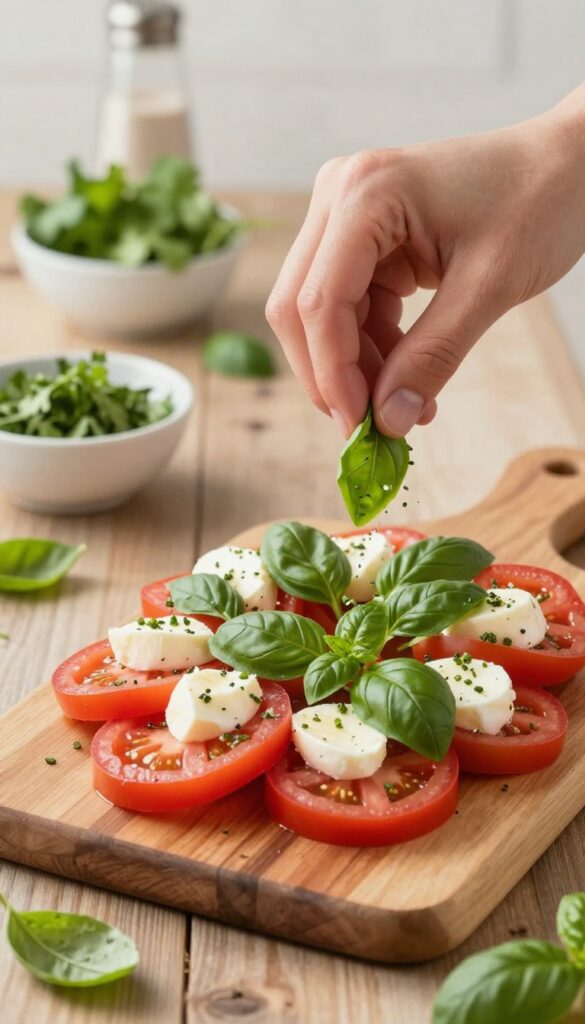
Fresh herbs are one of the easiest ways to add a burst of flavor without a single grain of salt. They bring brightness, color, and complexity to any dish, making them a cornerstone of a low sodium diet for flavorful heart meals.
Herbs like basil, cilantro, parsley, mint, and dill can transform a simple meal into something special. Use them in salads, marinades, sauces, and as garnishes to elevate flavor naturally.
- Add fresh basil to tomato-based dishes or caprese salads for a sweet, peppery kick.
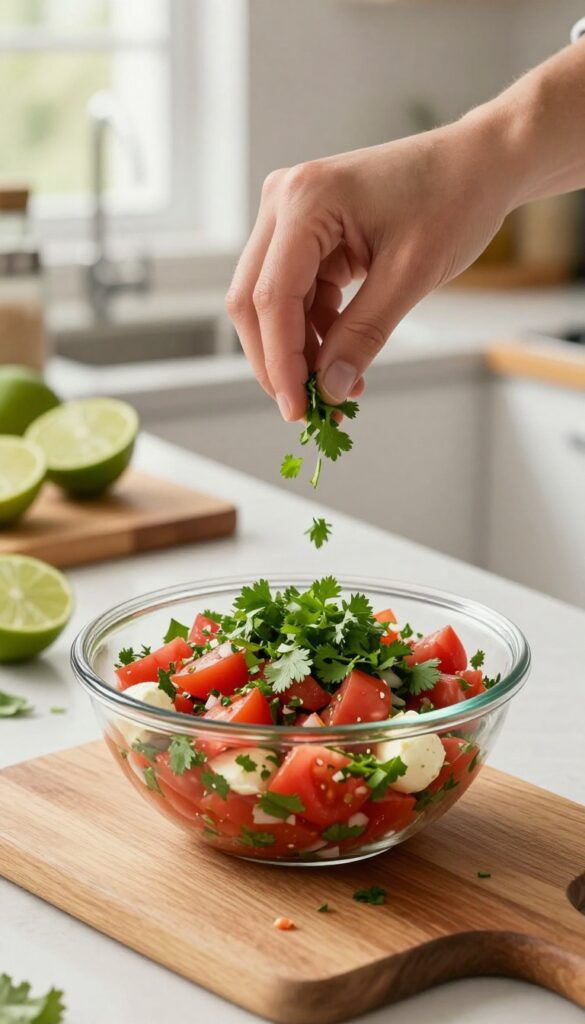
- Mix chopped cilantro into salsas, grain bowls, or atop tacos for a fresh, citrusy note.
- Use parsley in tabbouleh, chimichurri, or as a finishing herb on roasted vegetables.
- Grow your own herbs on a windowsill or in a small garden for a constant, cost-effective supply.
Dried herbs can also work, but fresh herbs provide a more vibrant flavor that helps you rely less on salt. Start with a handful of your favorites and experiment.
Spice It Up with No-Salt Seasonings
One of the easiest ways to add flavor without sodium is to use no-salt seasoning blends. These mixes are packed with herbs and spices that make any dish taste vibrant.
Look for blends like Mrs. Dash or make your own with garlic powder, onion powder, paprika, and cumin. Avoid any blends that list salt or MSG as an ingredient.
Experiment with different cuisines—Indian spices like turmeric and coriander or Moroccan blends with cinnamon and cumin can transform simple meals into exciting dishes.
- Use blends like Mrs. Dash or make your own with garlic powder, onion powder, paprika, and cumin.
- Avoid blends with salt or MSG.
- Experiment with different cuisines like Indian or Moroccan spices.
Cook with Citrus and Vinegars
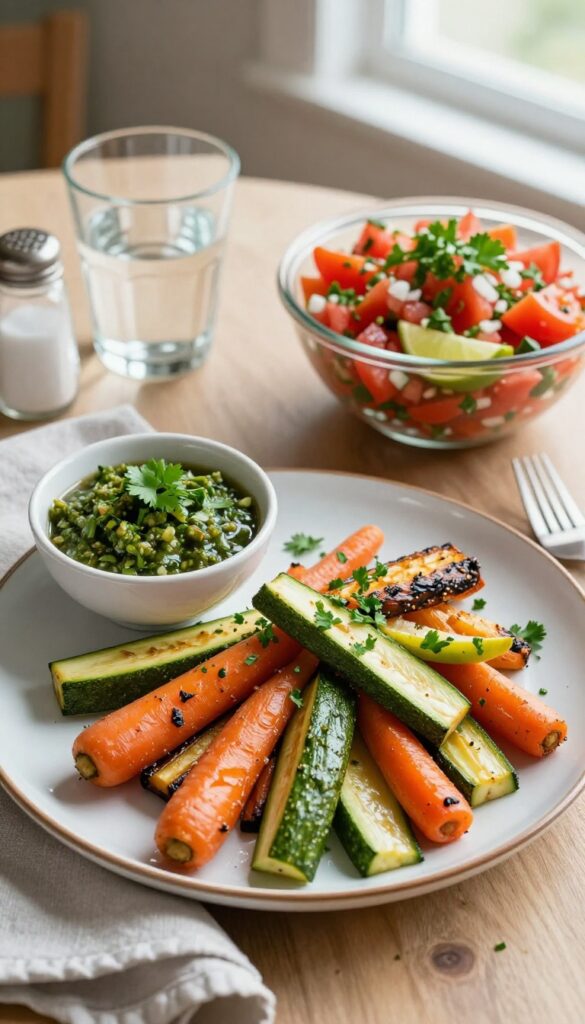
Acidic ingredients like citrus juices and vinegars can brighten flavors and reduce the need for salt, making them essential for low-sodium heart-healthy cooking.
A squeeze of lemon, lime, or orange juice adds a burst of acidity that enhances the natural flavors of vegetables, fish, and grains. The zest also packs concentrated citrus oil for extra aroma without sodium.
- Use lemon or lime juice on steamed vegetables, grilled chicken, or fish.
- Add orange juice and zest to marinades or glazes for pork or salmon.
- Drizzle balsamic, red wine, or apple cider vinegar over salads, roasted vegetables, or whole grains.
- Mix vinegar with herbs and a little olive oil for a quick, salt-free vinaigrette.
Acidity not only replaces salt but also balances richness, making meals more satisfying. Start with a small amount and adjust to taste—too much acid can overwhelm, but a little goes a long way toward flavorful, heart-friendly dishes.
Roast Vegetables to Bring Out Natural Sweetness
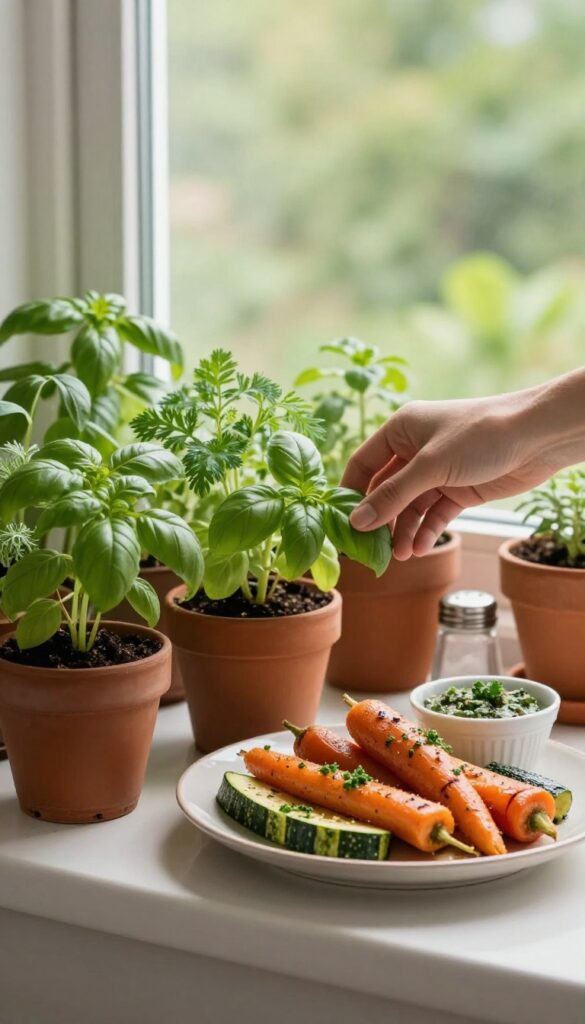
Roasting is a simple, no-salt way to unlock the natural sweetness in vegetables. The high heat caramelizes their sugars, creating deep, savory flavors that satisfy without added sodium.
To get started, toss chopped vegetables like broccoli, carrots, bell peppers, or sweet potatoes with a small amount of olive oil and your favorite herbs—rosemary, thyme, or garlic powder work well. Spread them in a single layer on a baking sheet and roast at 400°F (200°C) until tender and lightly browned, usually 20–30 minutes depending on the vegetable.
Key tips for low-sodium roasting
- Avoid adding salt before or after roasting; the caramelized flavor is enough.
- Use a light coating of oil to help browning and prevent sticking.
- Experiment with different herb and spice blends to keep meals interesting.
- Roast a large batch to use throughout the week in salads, grain bowls, or as a side.
Choose Low-Sodium or No-Salt-Added Canned Goods
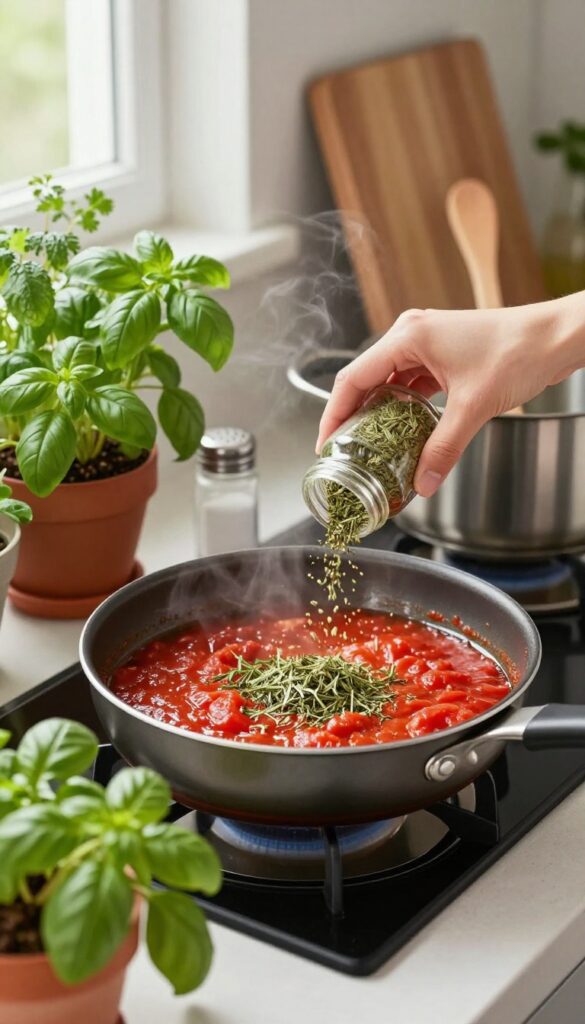
Canned goods are convenient, but they can be a hidden source of sodium. By choosing low-sodium or no-salt-added versions, you can enjoy the convenience without compromising your heart-healthy diet.
When shopping for canned beans, tomatoes, broths, or vegetables, always look for labels that say "low-sodium" or "no salt added." These products typically contain 50% less sodium than their regular counterparts, making them a smart choice for flavorful heart meals.
- Opt for low-sodium beans, tomatoes, and broths to reduce sodium without sacrificing texture or taste.
- Rinse canned beans under cold water for 30 seconds to remove up to 40% of the remaining sodium.
- Read labels carefully: compare brands and choose the one with the lowest sodium per serving.
Remember: even "reduced sodium" products may still be high in salt. Always check the nutrition facts panel for the exact sodium content per serving.
Make Your Own Salad Dressings
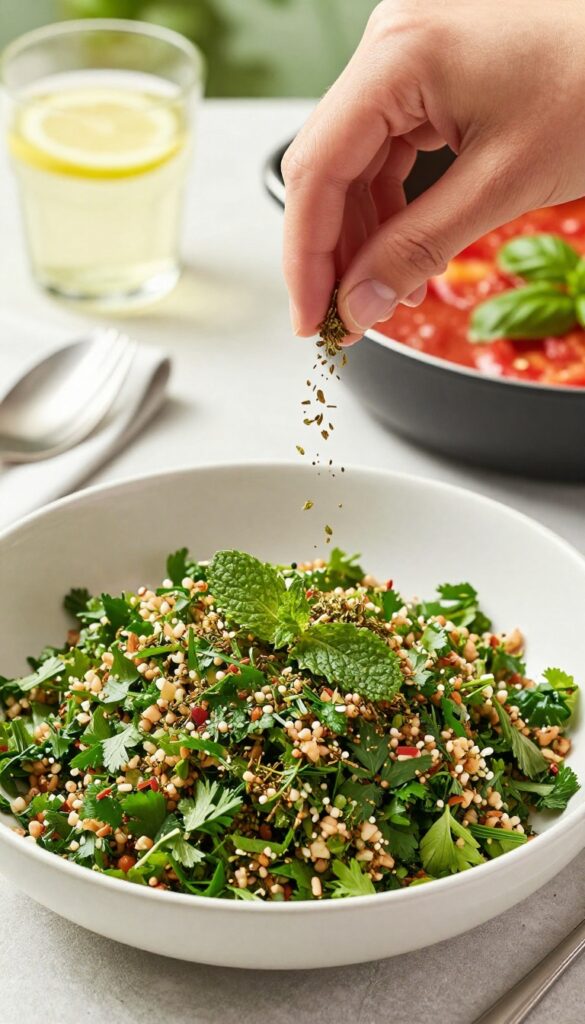
Store-bought salad dressings are often loaded with sodium, sometimes packing over 300 mg per serving. By making your own, you control every ingredient and can create delicious, heart-healthy dressings that enhance your low sodium meals.
A simple vinaigrette is the easiest place to start. Whisk together 3 parts olive oil, 1 part vinegar (balsamic, red wine, or apple cider), a squeeze of lemon juice, and your choice of herbs like oregano, basil, or dill. Add a small dab of Dijon mustard (check label for sodium) for emulsification and tang.
- Control sodium: Use salt-free seasonings like garlic powder, onion powder, or black pepper.
- Boost flavor: Add minced garlic, shallots, or a touch of honey for sweetness.
- Creamy option: Blend plain Greek yogurt with lemon juice, herbs, and a pinch of pepper for a low-sodium ranch-style dressing.
Use Aromatics Like Garlic, Onion, and Ginger
Aromatics are the foundation of countless low-sodium dishes. Sautéing garlic, onion, and ginger in a little oil creates a deeply savory base that adds complexity without any salt.
These three ingredients are kitchen staples for a reason. When you cook them together, they release natural compounds that mimic the savory depth you might otherwise get from salt. Use them as the first step in soups, stews, stir-fries, and sauces.
- Sauté garlic, onion, and ginger in olive oil or broth until fragrant.
- Fresh aromatics provide the most vibrant flavor, but powdered versions are convenient and still salt-free.
- Avoid garlic salt or onion salt, which add sodium. Stick with pure garlic powder or onion powder.
Incorporate Umami-Rich Foods Naturally Low in Sodium
Umami, the savory fifth taste, can add depth and satisfaction to your meals without relying on salt. Many umami-rich foods are naturally low in sodium, making them perfect for a heart-healthy diet.
Mushrooms, tomatoes, and nutritional yeast are excellent sources of natural umami. Try adding sliced mushrooms to soups and stews, using sun-dried tomatoes in sauces, or sprinkling nutritional yeast on popcorn and pasta for a cheesy flavor. Roasting mushrooms and tomatoes concentrates their umami taste even more.
Easy ways to use natural umami
- Sauté mushrooms with garlic and herbs as a savory side dish.
- Add tomato paste or crushed tomatoes to soups, chili, and braises.
- Use nutritional yeast in place of Parmesan cheese on vegetables or grains.
- Incorporate roasted eggplant or seaweed (like nori) for additional umami.
Watch out for high-sodium umami sources
Soy sauce, miso, and fish sauce are high in sodium. If you use them, opt for low-sodium versions and use sparingly. Stick to whole foods like mushrooms and tomatoes for a sodium-free umami boost.
Cook Grains and Pasta Without Salt
Cooking grains and pasta in salted water adds unnecessary sodium to your meal. You can easily skip the salt and still enjoy delicious, fluffy grains and perfectly cooked pasta.
Start by cooking rice, quinoa, pasta, or other grains in unsalted water. The natural flavor of the grains will come through, and you can add plenty of taste after cooking.
Flavorful additions to try
- Stir in fresh or dried herbs like parsley, basil, or oregano.
- Use low-sodium vegetable or chicken broth instead of water.
- Add a splash of lemon juice or vinegar for brightness.
- Toss with roasted garlic, sautéed onions, or a drizzle of olive oil.
- Mix in no-salt-added spice blends or a pinch of red pepper flakes.
Once you get used to salt-free grains, you'll find you don't miss the salt at all. The key is to season after cooking, when flavors are more pronounced.
Use Yogurt or Buttermilk for Creamy Dressings and Marinades
Plain yogurt and buttermilk are excellent low-sodium bases for creamy dressings and marinades. They add tang and richness without the salt found in many store-bought condiments.
For a heart-healthy option, choose plain, low-fat or nonfat yogurt and reduced-fat buttermilk. These dairy products provide calcium and probiotics while keeping saturated fat in check. Use them as a base for ranch-style dressings, creamy herb marinades for chicken or fish, or as a tangy sauce for roasted vegetables.
Key Tips
- Replace mayonnaise or sour cream with plain yogurt in dips and dressings.
- Combine yogurt with fresh herbs like dill, parsley, or chives for a flavorful no-salt dressing.
- Use buttermilk in marinades with garlic, lemon juice, and black pepper to tenderize meats without added sodium.
Limit Processed and Packaged Foods
Processed and packaged foods are the biggest source of sodium in the average diet, often containing hidden salt to enhance flavor and preserve shelf life. Reducing these foods is one of the most effective ways to lower your sodium intake while embracing a heart-healthy eating pattern.
Many convenience items like deli meats, frozen dinners, canned soups, and snack foods pack excessive sodium. For example, a single serving of canned soup can contain over 800 mg of sodium—more than half the daily limit for many heart patients. Even seemingly healthy options like veggie burgers or pre-made sauces can be surprisingly high in salt.
- Choose whole foods such as fresh fruits, vegetables, lean meats, and fish. These naturally contain very little sodium.
- Cook from scratch whenever possible. Preparing meals at home gives you full control over the amount of salt added.
- When you do buy packaged items, look for labels that say "low sodium," "no salt added," or "sodium-free." Rinse canned beans and vegetables to remove some of the added salt.
By focusing on whole foods and home cooking, you'll not only cut sodium but also boost the overall flavor and nutritional quality of your meals—keeping your heart happy and your taste buds satisfied.
Read Nutrition Labels for Sodium Content
One of the most powerful habits you can adopt is checking the Nutrition Facts label for sodium. It helps you make informed choices and stay within heart-healthy limits.
Start by looking at the % Daily Value (%DV) for sodium. This tells you how much a serving contributes to your daily limit. Aim for foods with 5% DV or less per serving—those are considered low in sodium.
For items with 20% DV or more, consider them high and use sparingly.
Key Tips for Label Reading
- Check the serving size first; all numbers are based on that amount.
- Compare different brands of the same product—sodium can vary widely.
- Look for labels that say "low sodium" (140 mg or less per serving) or "no salt added."
- Don't rely solely on front-of-package claims; always verify on the back.
By making label reading a routine, you'll naturally choose lower-sodium options without sacrificing flavor. Over time, it becomes second nature and supports your heart-healthy eating goals.
Flavor Meals with Roasted Vegetables
Roasting vegetables is a game-changer for low-sodium cooking. The dry heat caramelizes natural sugars, creating deep, savory flavors that reduce the need for added salt.
Roasting brings out the natural sweetness and umami in vegetables like carrots, bell peppers, broccoli, cauliflower, and Brussels sprouts. Toss them with a little olive oil, garlic powder, black pepper, and your favorite no-salt seasoning blend, then roast at 400°F until tender and caramelized.
- Use high heat (400-425°F) to promote browning and flavor development.
- Spread vegetables in a single layer on a baking sheet to ensure even roasting.
- Add fresh herbs like rosemary or thyme during the last 10 minutes for extra aroma.
- Roast a large batch to use in salads, grain bowls, wraps, or as a side dish throughout the week.
Use Low-Sodium Beans Wisely
Beans are a heart-healthy staple, packed with fiber and protein, but canned varieties often hide a lot of sodium. By choosing and preparing them wisely, you can enjoy their benefits without the salt.
Opt for no-salt-added or low-sodium canned beans. If those aren't available, drain and rinse regular canned beans thoroughly—this can remove up to 40% of the sodium. For even more control, cook dried beans from scratch.
A pressure cooker or slow cooker makes it easy to prepare a batch without any added salt.
Quick tips
- Look for labels that say "no salt added" or "low sodium."
- Rinse canned beans in a colander under cold water for at least 30 seconds.
- Cook dried beans with aromatics like garlic, bay leaves, or cumin for flavor without salt.
- Store cooked beans in the fridge or freezer for quick meals.
Read Sodium Levels Before Buying
Before tossing any packaged item into your cart, flip it over and scan the nutrition label. Sodium content can vary wildly between brands, even for the same type of food.
A “reduced sodium” label doesn’t always mean low sodium—it just means less than the original version. For heart-healthy meals, aim for products with 140 mg or less per serving. Check the % Daily Value (%DV): 5% or less is low, 20% or more is high.
- Compare similar items: plain frozen vegetables vs. seasoned ones can differ by hundreds of mg.
- Watch for hidden sodium in breads, sauces, and even dairy products like cottage cheese.
- Use the ingredient list too—if salt or sodium compounds appear early, it’s a high-sodium choice.
Balance Flavor with Healthy Fats
Healthy fats can carry and intensify flavors, making them a secret weapon for low-sodium cooking. They add richness and mouthfeel that compensate for the absence of salt.
When you reduce sodium, you might miss that savory satisfaction. Healthy fats like olive oil, avocado, nuts, and seeds step in to provide depth and a pleasant mouthfeel. They also help your body absorb fat-soluble vitamins from vegetables and herbs.
- Drizzle extra-virgin olive oil over roasted vegetables or salads to enhance flavor without salt.
- Use avocado as a creamy base for dressings or spreads instead of salty condiments.
- Toast nuts and seeds in a dry pan to release their natural oils and add crunch to dishes.
- Stir a tablespoon of nut butter into sauces or soups for richness and body.
By incorporating these healthy fats, you create a more satisfying eating experience that doesn't rely on sodium for taste.
Choose Plain Grains Instead of Seasoned Mixes
Rice, quinoa, and other grains are a staple in many meals, but seasoned grain mixes are often loaded with sodium. Opting for plain grains lets you control the salt and still enjoy delicious flavor.
Pre-packaged rice pilaf, couscous mixes, and flavored quinoa packets can contain 300–600 mg of sodium per serving. By choosing plain grains, you start with a blank canvas and add your own low-sodium seasonings.
- Cook grains in low-sodium broth or water with herbs like bay leaves, thyme, or rosemary.
- Stir in no-salt seasonings, such as garlic powder, onion powder, or a pinch of cumin.
- Add a splash of lemon juice or a drizzle of olive oil after cooking for extra flavor without salt.
Making your own seasoned grains is quick and easy. For example, cook brown rice with a cinnamon stick and a few cloves for a subtly sweet and aromatic side that pairs well with savory dishes.
Use Fresh Aromatics for Depth
Fresh aromatics like garlic, onion, ginger, and shallots add layers of flavor without a speck of salt. They form the savory backbone of countless dishes, from stir-fries to soups.
Sauté minced garlic and ginger in a little olive oil before adding vegetables or protein. The heat releases their essential oils, creating a fragrant base that makes low-sodium meals taste anything but bland.
- Use fresh garlic and onion instead of garlic salt or onion salt.
- Add ginger to stir-fries, marinades, and even fruit compotes for a zesty kick.
- Roast shallots or leeks to bring out their natural sweetness and depth.
Pre-minced or powdered aromatics often contain added sodium. Stick with fresh or frozen purees for the lowest sodium count.
Make Simple Marinades Without Salt
Marinades are a fantastic way to infuse meat, fish, or tofu with flavor without relying on salt. By combining acidic ingredients like citrus juice or vinegar with herbs, spices, and a touch of oil, you can create a tenderizing and tasty coating.
For a basic low-sodium marinade, mix equal parts acid (lemon juice, lime juice, or balsamic vinegar) and oil (olive or avocado), then add your favorite no-salt seasonings. Let your protein sit for at least 30 minutes before cooking.
Flavorful combinations to try
- Lemon juice + garlic + rosemary for chicken
- Lime juice + cumin + chili powder for fish
- Orange juice + ginger + soy sauce alternative (coconut aminos) for stir-fry
Limit Pickled and Cured Foods
Pickles, olives, cured meats, and fermented vegetables are often packed with salt to preserve and flavor them. While they add a tangy punch, they can quickly blow your sodium budget for the day.
A single pickle spear can contain 300–400 mg of sodium, and just a few slices of salami or prosciutto can push you past 500 mg. For a heart-healthy low sodium diet, it's best to treat these foods as occasional garnishes rather than staples.
Tips to reduce sodium from pickled and cured foods
- Choose fresh or frozen vegetables instead of pickled versions.
- If you crave the tang, try quick-pickling veggies at home with vinegar, herbs, and no salt.
- Use cured meats sparingly as a flavor accent, not the main protein.
- Rinse pickled items under cold water to remove some surface salt.
Keep Portions of Salty Foods Small
Even the healthiest low-sodium diet can include occasional salty favorites—the key is controlling how much you eat. By keeping portions small, you can enjoy the flavors you love without derailing your heart-healthy goals.
When you do indulge in higher-sodium foods like cheese, olives, or cured meats, treat them as a garnish rather than the main event. A sprinkle of feta on a salad or a few olives in a pasta dish adds big flavor with minimal sodium.
Tips for keeping portions in check
- Use a small plate or ramekin for salty condiments like soy sauce or ketchup.
- Measure out one serving (check the label) instead of eating from the package.
- Pair a small amount of salty food with plenty of low-sodium vegetables or whole grains.
- Savor each bite mindfully to make a little go a long way.
Use Fruit for Bright Meal Contrast
Adding fresh fruit to your savory dishes is a simple way to create a burst of flavor without any sodium. The natural sweetness and acidity of fruit can brighten up low-sodium meals, making them more satisfying and delicious.
Quick Ways to Add Fruit
- Top grilled chicken or fish with a fresh mango or pineapple salsa.
- Add orange segments or pomegranate arils to salads for a juicy crunch.
- Serve roasted pork or chicken with a side of unsweetened applesauce or sliced pears.
- Use lemon or lime juice as a finishing touch on vegetables and grains.
- Mix berries into quinoa or brown rice salads for a sweet-tart contrast.
Build Bowls Around Naturally Low-Sodium Foods
Bowl meals are a fantastic way to pack in flavor and nutrition without relying on salt. By choosing naturally low-sodium ingredients as your base, you can create a satisfying, heart-healthy meal in minutes.
Start with a grain like quinoa, brown rice, or farro—cook them without salt to keep sodium in check. Then add a lean protein such as grilled chicken, tofu, or fish, seasoned with herbs and spices instead of salt.
- Load up on fresh or roasted vegetables like bell peppers, zucchini, cherry tomatoes, and leafy greens.
- Include a healthy fat source like avocado slices, a drizzle of olive oil, or a handful of nuts.
- Finish with a low-sodium dressing or a squeeze of lemon juice for brightness.
This approach lets you control every ingredient, ensuring your bowl is both flavorful and heart-friendly. Experiment with different combinations to keep meals exciting.
Taste Before Adding Salt
It's a habit to reach for the salt shaker without thinking, but this simple step can save you from unnecessary sodium.
Before you add salt to a dish, take a moment to taste it first. Often, the food already has enough flavor from herbs, spices, or natural ingredients. This is especially true for dishes that have been simmering or roasting, as flavors concentrate during cooking.
- Taste first, then decide if salt is truly needed.
- Use a small spoon to sample from different parts of the dish.
- Remember that some ingredients like canned tomatoes or broth may already contain hidden sodium.
Plan Flavorful Meals Ahead
Taking a few minutes each week to plan your meals can make low-sodium eating effortless and delicious. When you map out your menu, you control the ingredients and avoid last-minute high-sodium takeout or processed options.
Start by choosing recipes that rely on herbs, spices, citrus, and aromatics for flavor. Batch-cook low-sodium staples like quinoa, roasted vegetables, and grilled chicken so you can quickly assemble heart-healthy bowls, salads, or wraps. Pre-portion snacks like unsalted nuts, fresh fruit, and low-sodium yogurt to keep you on track.
Tips for effective meal planning
- Set aside 30 minutes each weekend to plan 3–4 dinners and a few lunches.
- Make a grocery list based on your planned meals and stick to it to avoid impulse buys.
- Prep ingredients in advance—wash greens, chop veggies, and cook grains—so assembling meals is quick.
- Double recipes and freeze half for busy days when you're tempted to order in.
Conclusion
Use these ideas as a flexible starting point, then adjust the details to fit your needs, space, schedule, or goals.

Dr. Pallab Kishore, MS in Orthodontics and owner of Orthodontic Braces Care, shares expert tips on braces, aligners, and oral health from 10+ years of experience.