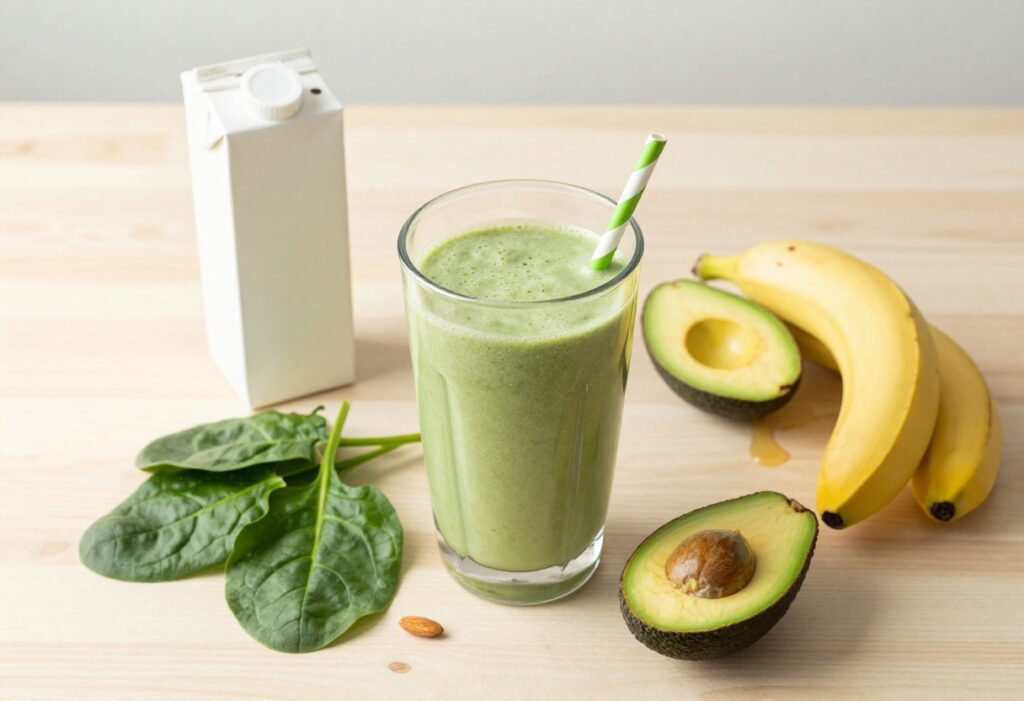
If you've ever tried to cut back on sugar, you know it's not always easy. Sugar is hidden in so many foods, and cravings can be intense. But a low sugar diet doesn't have to mean deprivation or bland meals.
In fact, it can be a delicious and sustainable way to eat that leaves you feeling more energetic and in control. This guide is designed to help you reduce added sugars without overhauling your entire life.
We'll cover what a low sugar diet really means, how to spot hidden sugars, and provide a simple meal plan to get you started. The goal is progress, not perfection.
What Does a Low Sugar Diet Really Mean?
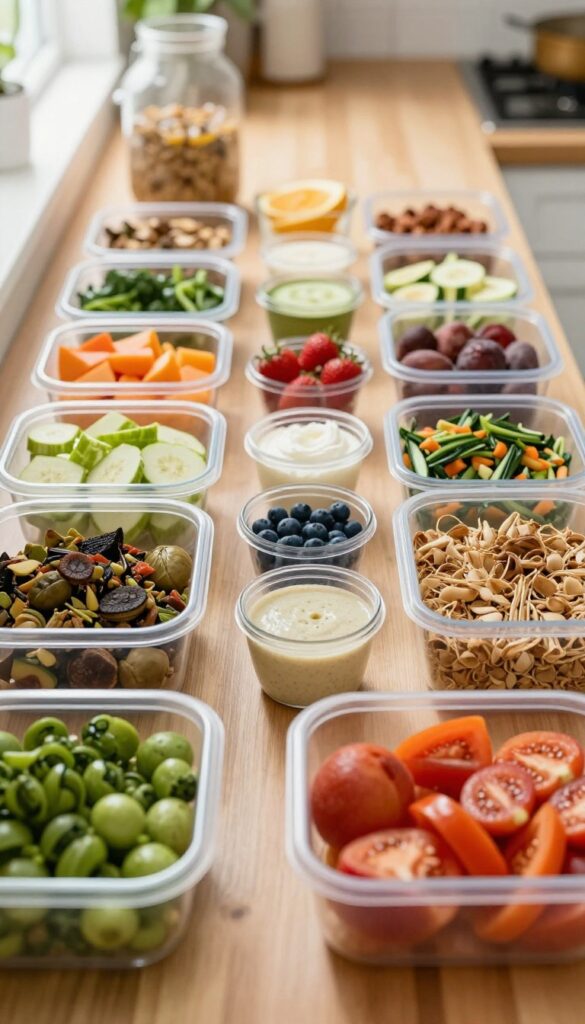
A low sugar diet isn’t about cutting out all sweetness or swearing off fruit forever. It’s a practical approach to reducing the added sugars that sneak into our daily meals, while still enjoying naturally sweet foods like berries, apples, and even the occasional treat. Understanding this distinction is the first step toward building a healthier, more balanced way of eating.
The key is to focus on added sugars—the syrups, honey, and refined sweeteners that manufacturers (and sometimes we) add to foods. These are different from the natural sugars found in whole fruits, vegetables, and unsweetened dairy. Your body processes natural sugars differently because they come packaged with fiber, water, and nutrients that slow digestion and provide lasting energy.
What counts as added sugar?
- White sugar, brown sugar, and raw sugar
- High-fructose corn syrup and other syrups
- Honey, agave, and maple syrup (even though they're natural)
- Concentrated fruit juices used as sweeteners
- Any sweetener added during processing or cooking
General guidelines suggest limiting added sugar to no more than 10% of your daily calories—about 50 grams (12 teaspoons) for most adults. But a low sugar diet often aims lower, around 25–30 grams per day, depending on your needs. The goal isn't perfection; it's awareness and gradual reduction.
What about fruit?
Fruit is absolutely fine on a low sugar diet. Whole fruits provide fiber, vitamins, and antioxidants that your body needs. The natural sugars in fruit are not the problem—it's the concentrated, isolated sugars in sodas, candies, and processed snacks that cause blood sugar spikes and offer little nutritional value.
So go ahead and enjoy an apple or a handful of berries without worry.
Why cut back on added sugar?
Excess added sugar has been linked to weight gain, inflammation, and increased risk of chronic conditions like type 2 diabetes and heart disease. By reducing added sugar, you can stabilize your energy levels, improve dental health, and support overall well-being. But this isn't about fear—it's about making smarter choices that feel good and sustainable.
How to Spot Hidden Sugars in Your Food

Sugar hides under many names, even in foods that seem healthy. Learning to identify these aliases is the first step to cutting back without feeling tricked by labels.
Manufacturers add sugar to everything from salad dressings to granola bars. The ingredient list is your best tool—but only if you know what to look for. Added sugars go by dozens of names, many of which sound harmless or even healthy.
Common sugar aliases to watch for
- High fructose corn syrup (HFCS)
- Agave nectar, honey, maple syrup
- Cane sugar, cane juice, evaporated cane juice
- Brown rice syrup, barley malt, maltodextrin
- Fruit juice concentrate, dextrose, sucrose, glucose
How to read a nutrition label
Check the "Added Sugars" line on the Nutrition Facts panel. The FDA now requires this, making it easier to see how much sugar is added beyond what occurs naturally. Aim for foods with 5% or less of the Daily Value for added sugars per serving.
Be especially wary of foods marketed as "low-fat," "healthy," or "natural." These often compensate for reduced fat with extra sugar. For example, flavored yogurts, protein bars, and bottled smoothies can pack as much sugar as a candy bar.
Foods that often hide added sugar
- Granola and granola bars
- Pasta sauces and ketchup
- Salad dressings (especially "fat-free")
- Flavored oatmeal and breakfast cereals
- Plant-based milks and yogurt alternatives
A simple rule: if sugar appears in the first three ingredients, or if there are multiple types of sugar listed, it's best to put it back. Over time, you'll develop an eye for these tricks and make smarter choices without much effort.
Building Your Low Sugar Pantry
A well-stocked pantry makes low sugar eating effortless. Focus on whole, minimally processed foods and keep a few smart swaps on hand to satisfy cravings without derailing your efforts.
Pantry Staples to Keep
Stock up on these go-to ingredients for quick, balanced meals.
Whole Grains
- Oats (rolled or steel-cut)
- Quinoa
- Brown rice
- Whole wheat pasta
- Popcorn (air-popped)
Lean Proteins
- Canned tuna or salmon (in water)
- Chicken breast (fresh or frozen)
- Eggs
- Greek yogurt (plain)
- Tofu or tempeh
Healthy Fats
- Avocado oil and olive oil
- Nuts and seeds (almonds, walnuts, chia, flax)
- Nut butters (unsweetened)
- Coconut milk (unsweetened)
Low Sugar Condiments & Flavor Boosters
- Mustard (Dijon, yellow)
- Vinegars (balsamic, apple cider, red wine)
- Soy sauce or tamari
- Herbs and spices (cinnamon, cumin, paprika)
- Hot sauce (check for added sugar)
- Unsweetened ketchup or tomato sauce
Smart Snacks & Sweeteners
Keep these on hand for when a craving strikes or you need a quick bite.
Low Sugar Snacks
- Fresh fruit (berries, apples, citrus)
- Vegetable sticks with hummus
- Hard-boiled eggs
- Cheese sticks or cubes
- Unsweetened dried coconut flakes
Sweeteners to Use Sparingly
- Stevia or monk fruit (natural, no-calorie options)
- Small amounts of honey or maple syrup (treat as sugar)
- Coconut sugar (use minimally)
- Avoid: agave nectar, high-fructose corn syrup, artificial sweeteners like aspartame
Foods to Limit or Avoid
These common items are often loaded with added sugars. Check labels and opt for unsweetened versions whenever possible.
Limit These
- Sugary drinks (soda, sweetened teas, fruit juice)
- Packaged snacks (cookies, granola bars, flavored crackers)
- Sweetened yogurts and milk alternatives
- Canned fruit in syrup
- Most breakfast cereals
- Condiments like barbecue sauce, teriyaki sauce, and salad dressings
Sample Low Sugar Meal Plan for a Week
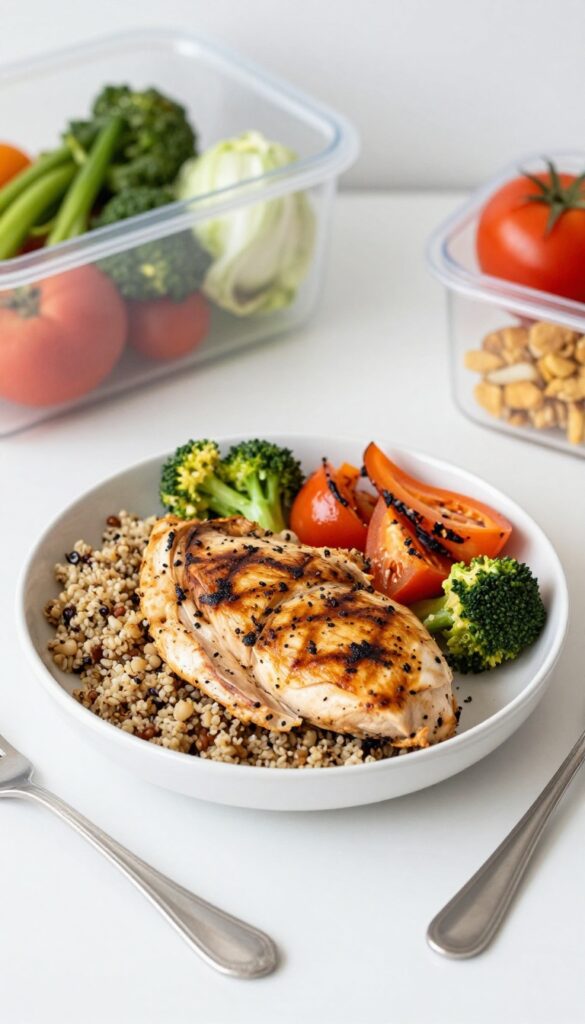
This simple 7-day meal plan keeps added sugar low while focusing on whole foods. Each day includes breakfast, lunch, dinner, and a snack—no complicated recipes or expensive ingredients needed.
Day Low Sugar Meal Plan
| Day | Breakfast | Lunch | Dinner | Snack |
| Monday | Scrambled eggs with spinach and avocado | Grilled chicken salad with olive oil dressing | Baked salmon with steamed broccoli and quinoa | Handful of almonds |
| Tuesday | Greek yogurt (plain) with berries and a sprinkle of nuts | Turkey lettuce wraps with bell peppers and hummus | Stir-fried tofu with mixed vegetables and brown rice | Celery sticks with almond butter |
| Wednesday | Oatmeal (unsweetened) with cinnamon and sliced banana | Tuna salad (with mayo) on cucumber slices | Lean beef stir-fry with bell peppers and cauliflower rice | Hard-boiled egg |
| Thursday | Smoothie: unsweetened almond milk, spinach, protein powder, and a few frozen berries | Leftover beef stir-fry | Baked chicken thighs with roasted Brussels sprouts and sweet potato | Small apple with a tablespoon of peanut butter |
| Friday | Two poached eggs on whole-grain toast with avocado | Shrimp and avocado salad with lemon vinaigrette | Grilled pork chop with sautéed green beans and a side salad | Handful of walnuts |
| Saturday | Cottage cheese with sliced peaches (canned in juice, drained) and a sprinkle of flaxseed | Black bean and vegetable soup | Zucchini noodles with turkey meatballs and marinara (no added sugar) | Bell pepper strips with guacamole |
| Sunday | Veggie omelet with mushrooms, onions, and cheese | Grilled chicken wrap in a lettuce leaf with tomato and mustard | Roasted cod with asparagus and a small baked potato | A few dark chocolate squares (70%+ cocoa) |
Portion Awareness Tips
Pay attention to portion sizes, especially for higher-carb foods like quinoa, brown rice, and sweet potatoes. Aim for half your plate to be non-starchy vegetables, a quarter protein, and a quarter complex carbs. Use your hand as a guide: a palm-sized portion of protein, a fist-sized portion of veggies, and a cupped hand for grains or starchy vegetables.
Smart Swaps to Cut Sugar Without Feeling Deprived
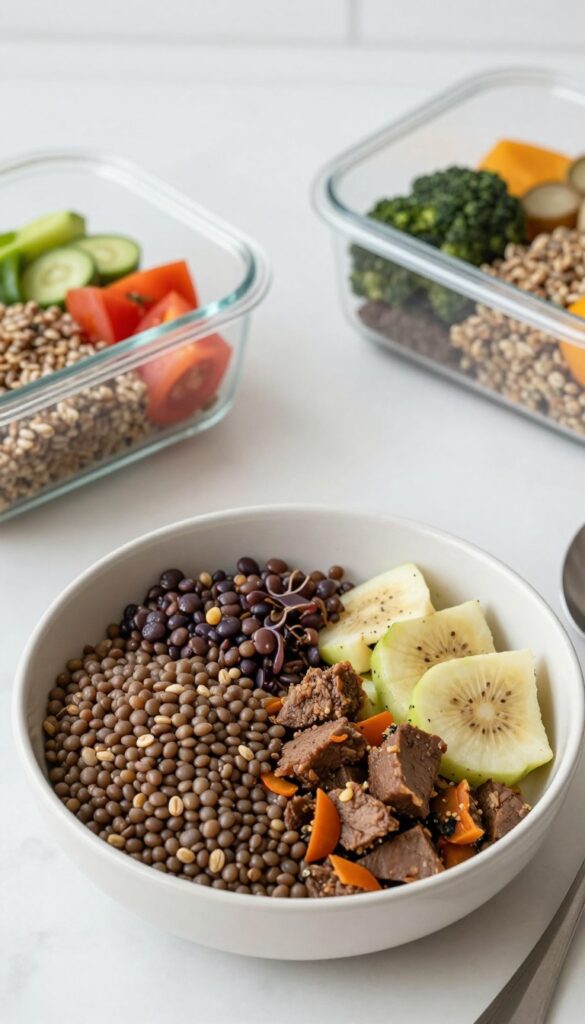
Reducing added sugar doesn't mean giving up taste or satisfaction. The key is to make simple, strategic swaps that keep your meals enjoyable while cutting excess sugar. Here are practical, easy changes you can start today.
Swap Sugary Drinks for Infused Water
Sugary sodas, sweetened teas, and fruit juices are among the biggest sources of added sugar. Replacing them with water infused with fresh fruit, herbs, or cucumber adds flavor without sugar. Try combinations like strawberry-basil, lemon-mint, or orange-rosemary.
If you crave fizz, opt for sparkling water with a splash of citrus.
Use Fruit to Sweeten Naturally
Instead of adding sugar, honey, or maple syrup to oatmeal, yogurt, or baked goods, use mashed banana, unsweetened applesauce, or dates. These whole fruits provide fiber and nutrients that help slow sugar absorption. For example, sweeten your morning oatmeal with a mashed ripe banana and a sprinkle of cinnamon instead of brown sugar.
Choose Plain Yogurt and Add Your Own Fruit
Flavored yogurts often pack 10–20 grams of added sugar per serving. Switch to plain Greek or regular yogurt and sweeten it yourself with fresh berries, sliced peaches, or a drizzle of pureed fruit. You'll control the sweetness and get more protein and probiotics.
More Simple Swaps to Try
- Replace sugary cereal with unsweetened oatmeal topped with nuts and berries.
- Use nut butter on whole-grain toast instead of jam or jelly.
- Choose dark chocolate (70% cocoa or higher) over milk chocolate for a lower-sugar treat.
- Make your own salad dressing with olive oil, vinegar, and herbs instead of store-bought dressings that often contain added sugar.
- Snack on raw veggies with hummus or guacamole instead of sweetened granola bars.
Note on Artificial Sweeteners
While artificial sweeteners can help reduce sugar intake, they may not address the underlying taste preference for sweetness. Focus on retraining your palate by gradually reducing sweetness overall. Use whole foods and natural flavors like vanilla, cinnamon, or citrus to enhance taste without added sugar.
Dealing with Sugar Cravings and Slip-Ups
Even with the best intentions, sugar cravings and occasional slip-ups are a normal part of changing your diet. The key is to have strategies in place to manage cravings and a plan to get back on track without guilt.
Identify Your Triggers
Cravings often have specific triggers. Common ones include stress, boredom, lack of sleep, or simply seeing or smelling sugary foods. Keep a simple log for a few days: note what you were feeling and doing when a craving hit.
Once you recognize patterns, you can address the root cause rather than just the craving.
Healthy Alternatives for Cravings
- Drink a glass of water with lemon or a cup of herbal tea – thirst can masquerade as hunger.
- Eat a piece of fruit, like an apple or a handful of berries, to satisfy the sweet tooth naturally.
- Chew sugar-free gum or have a small piece of dark chocolate (70% cocoa or higher).
- Go for a short walk or do a few minutes of deep breathing to shift your focus.
Get Back on Track After a Slip-Up
If you indulge in a sugary treat, don't let it derail your entire plan. One cookie or a slice of cake doesn't undo all your progress. The best move is to simply return to your usual low sugar routine at the next meal.
Avoid the all-or-nothing mindset that leads to giving up entirely.
Don't Be Too Hard on Yourself
Guilt and shame are counterproductive. Instead of thinking 'I messed up,' try 'I enjoyed that, and now I'm back on track.' Sustainable change comes from kindness and consistency, not perfection.
FAQ
Can I eat fruit on a low sugar diet?
Yes, absolutely. Fruit contains natural sugars along with fiber, vitamins, and antioxidants. The fiber helps slow down sugar absorption, making fruit a healthy choice.
Focus on whole fruits rather than juices, and enjoy them in moderation as part of a balanced diet.
Are artificial sweeteners a good alternative?
Artificial sweeteners can help reduce calorie intake, but they may not help with sugar cravings long-term. Some people find they trigger a sweet tooth. Natural alternatives like stevia or monk fruit are options, but it's best to gradually reduce overall sweetness preference.
How quickly will I notice changes?
Many people notice improved energy and fewer cravings within a week or two. Weight changes may take longer and depend on overall diet and activity. Be patient and focus on how you feel rather than quick results.
Conclusion
Adopting a low sugar diet is a journey, not a destination. The key is to make small, sustainable changes that add up over time. Start by identifying one or two sources of added sugar you can reduce this week, and build from there.
Remember, it's okay to have treats occasionally. The goal is to create a healthy relationship with food where you're in control, not your cravings. With the tips and plan in this guide, you have everything you need to start eating simpler and feeling better.

Dr. Pallab Kishore, MS in Orthodontics and owner of Orthodontic Braces Care, shares expert tips on braces, aligners, and oral health from 10+ years of experience.