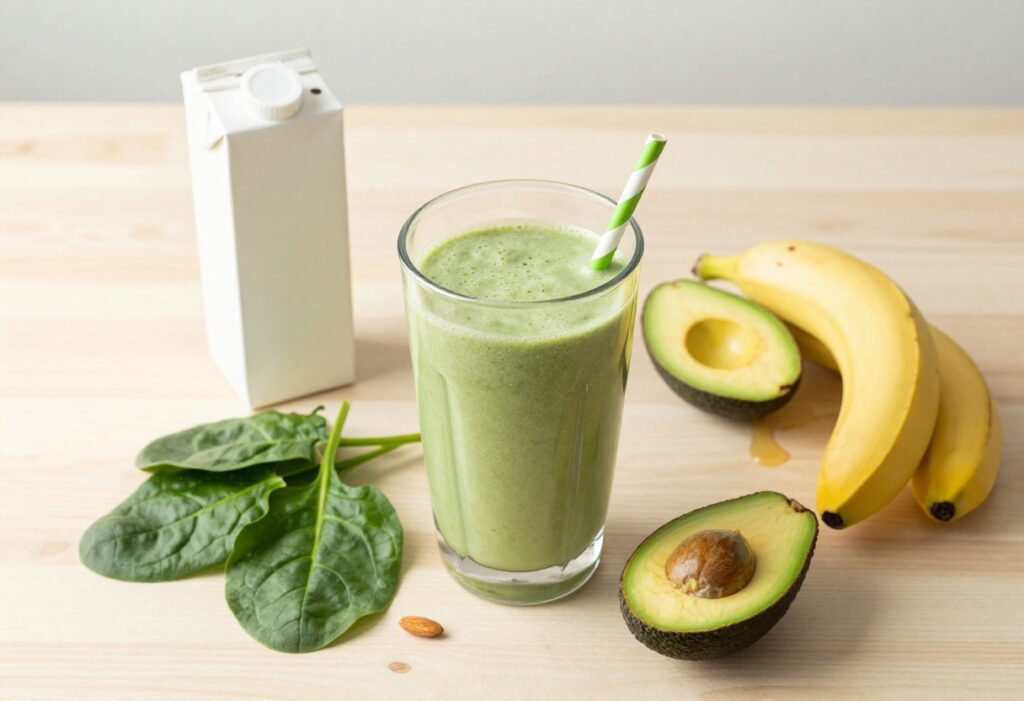
Embarking on a diet challenge can feel overwhelming, but it doesn't have to be. The key is to focus on small, sustainable changes to your everyday eating habits.
This article provides 51 practical tips that you can easily incorporate into your daily routine. Remember, consistency matters more than perfection.
Let's dive in.
Start Your Day with Protein
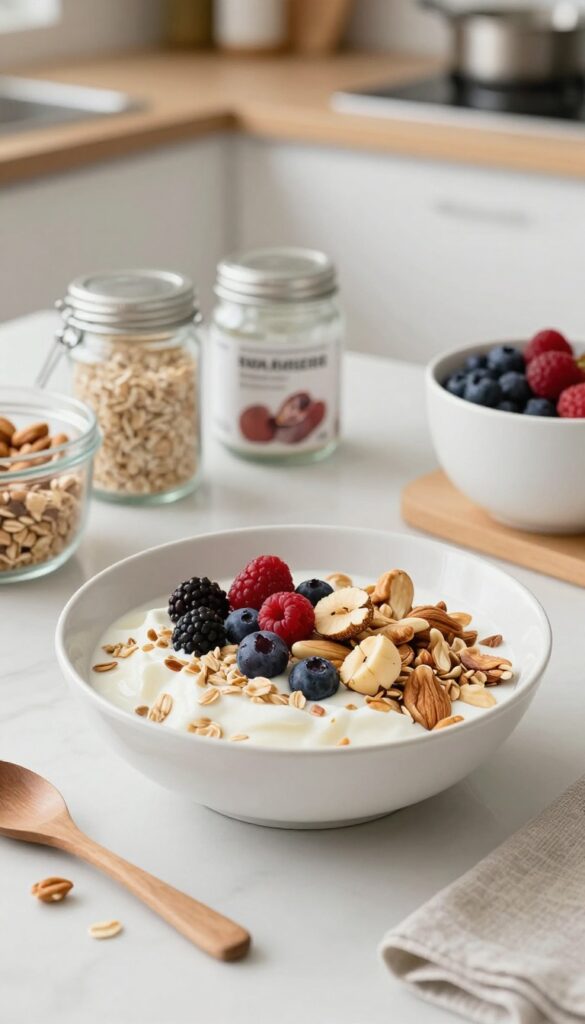
Kicking off your morning with protein is a simple yet powerful strategy for staying on track during a diet challenge. It helps keep you full, stabilizes energy levels, and reduces cravings later in the day.
When you prioritize protein at breakfast, you set a positive tone for your eating habits. Here are a few easy ways to incorporate it:
- Eggs: Scrambled, boiled, or in an omelet with veggies.
- Greek yogurt: Plain, unsweetened, topped with berries or nuts.
- Protein shake: A quick option with whey or plant-based powder.
- Cottage cheese: Pair with fruit or spread on whole-grain toast.
- Lean meats: Turkey or chicken sausage for a savory start.
Drink a Glass of Water Before Meals
Starting your meal with a glass of water is a simple habit that can make a big difference in your diet challenge. It helps you feel fuller, so you're less likely to overeat, and it also supports digestion.
When you drink water before eating, you give your stomach a head start on feeling satisfied. This can lead to eating fewer calories without feeling deprived. Plus, staying hydrated is essential for overall health, especially when you're adjusting your eating habits.
- Promotes fullness – water takes up space in your stomach, helping you feel satisfied sooner.
- Prevents overeating – with a fuller stomach, you're less tempted to go for seconds.
- Aids digestion – water helps break down food and keeps your digestive system running smoothly.
Make it a routine: pour a glass of water about 20–30 minutes before each meal. If plain water feels boring, add a slice of lemon or cucumber for flavor. This small step can help you stick to your diet challenge goals without extra effort.
Eat Vegetables at Every Meal
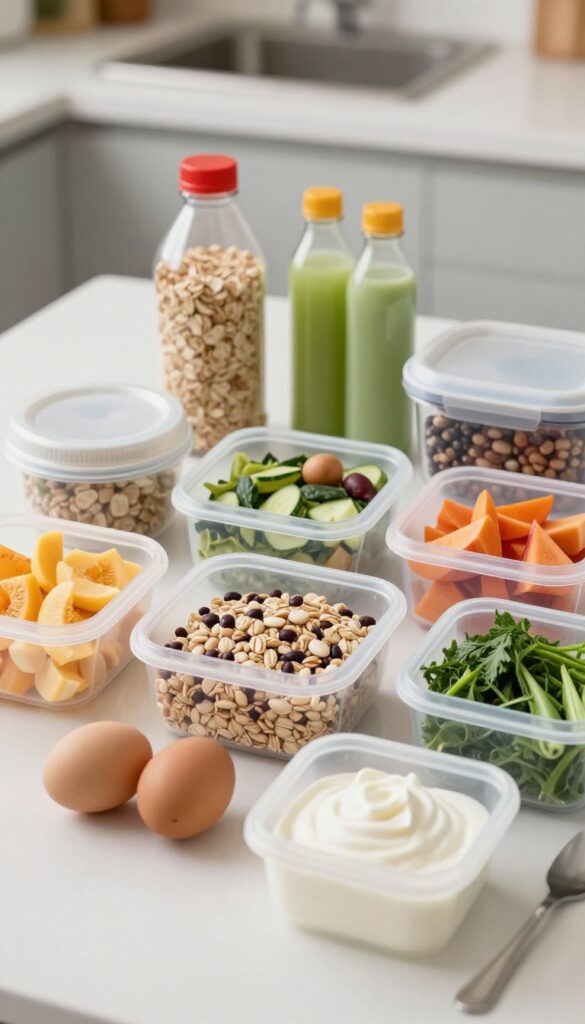
Vegetables are your secret weapon during a diet challenge. They add volume to your meals without piling on calories, making you feel full and satisfied.
By including vegetables at every meal, you naturally increase your intake of essential vitamins, minerals, and fiber. This simple habit helps crowd out less nutritious options and keeps your energy steady throughout the day.
How to make it work in everyday eating for diet challenge
- Add spinach or kale to your morning smoothie for an easy nutrient boost.
- Fill half your plate with non-starchy veggies at lunch and dinner.
- Use vegetables as snacks, like carrot sticks with hummus or cucumber slices with a dash of salt.
Remember, the goal is not to overhaul your entire diet overnight, but to make small, sustainable changes. Start by adding one extra serving of vegetables to your day and build from there.
Plan Your Meals Ahead
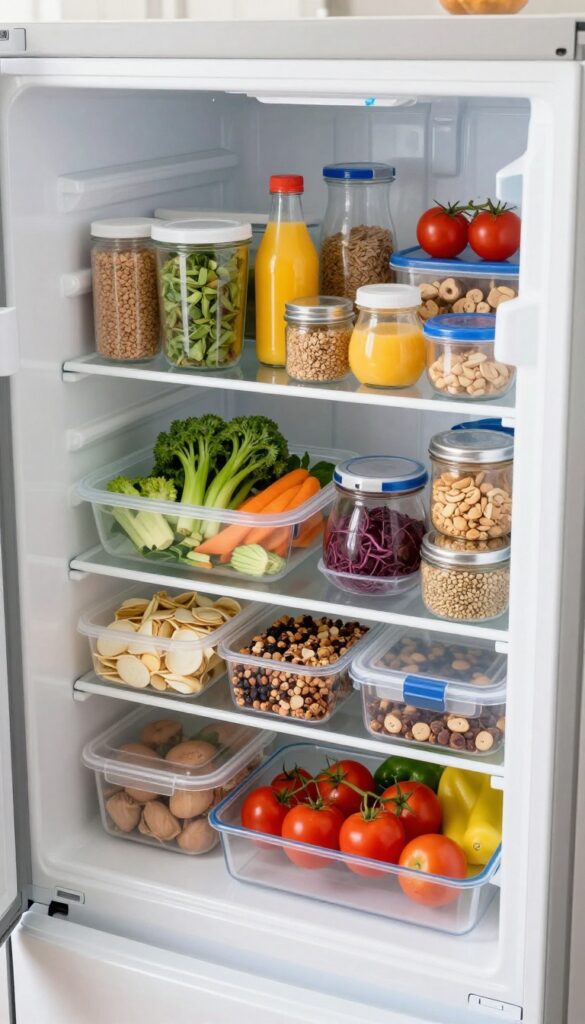
When you're in the middle of a diet challenge, deciding what to eat on the fly often leads to impulsive choices that derail your progress. Planning your meals in advance removes that guesswork and keeps you on track.
Set aside 30 minutes each week to map out your breakfasts, lunches, dinners, and snacks. This simple habit reduces impulsive eating, saves time and stress during busy days, and helps you stick to your diet goals.
Key benefits of meal planning for your diet challenge
- Reduces impulsive eating by having a clear plan
- Saves time and stress during the week
- Helps you stick to your diet goals by pre-portioning meals
Use Smaller Plates and Bowls
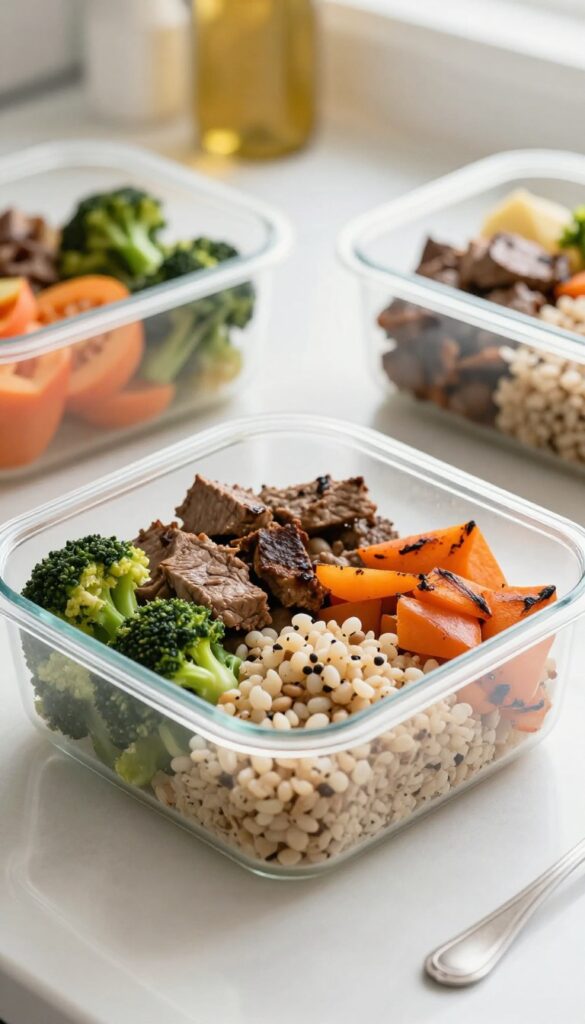
One of the simplest ways to control portions without feeling deprived is to change the size of your dinnerware. A smaller plate makes a normal portion look larger, which can help your brain feel satisfied with less food.
This visual trick works because your brain compares the portion to the plate. When the plate is full, you perceive a generous serving, even if the actual amount is smaller than what you'd normally eat. Over time, this can train your eyes and appetite to expect less.
- Switch from a 12-inch dinner plate to a 9-inch one to automatically reduce calories by about 20-30% per meal.
- Use smaller bowls for cereal, soup, and snacks to avoid overpouring.
- Try using salad plates for main courses and reserve larger plates for vegetable-heavy meals.
This is an easy, low-effort change that doesn't require willpower or complicated meal prep. Just swap your dishes and let the visual cue work for you.
Eat Mindfully Without Distractions
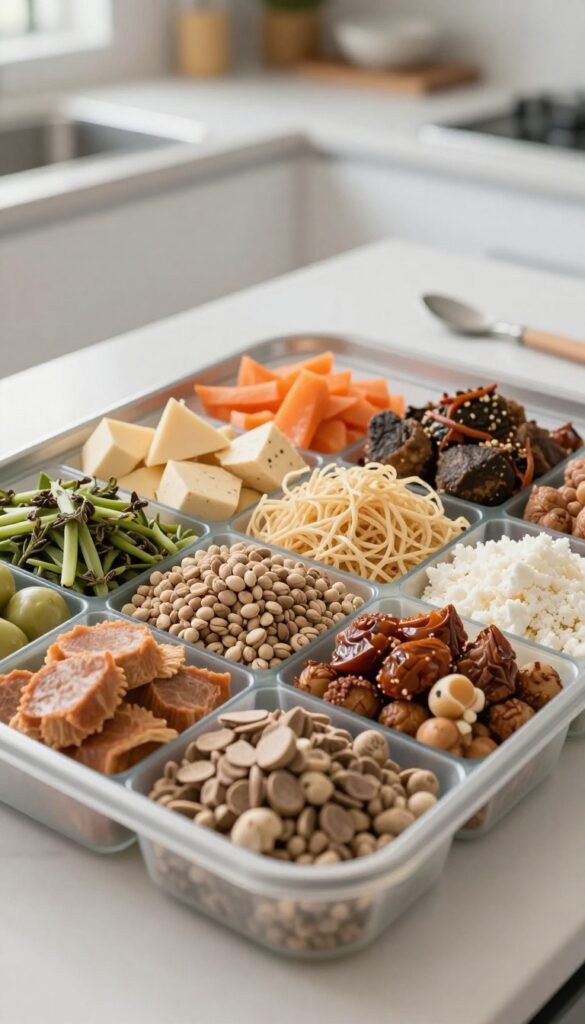
When you eat while watching TV or scrolling through your phone, you're less aware of how much you're consuming. This tip helps you tune into your body's hunger and fullness cues, making it easier to stick to your diet challenge.
Eating without distractions allows you to focus on the taste, texture, and aroma of your food. This mindful approach improves satiety signals, so you feel full with less food. It also prevents overeating by giving your brain time to register when you've had enough.
How to practice mindful eating during your diet challenge
- Sit at a table and remove any screens or books.
- Take small bites and chew slowly.
- Put your fork down between bites.
- Check in with your hunger level halfway through the meal.
Keep Healthy Snacks Accessible
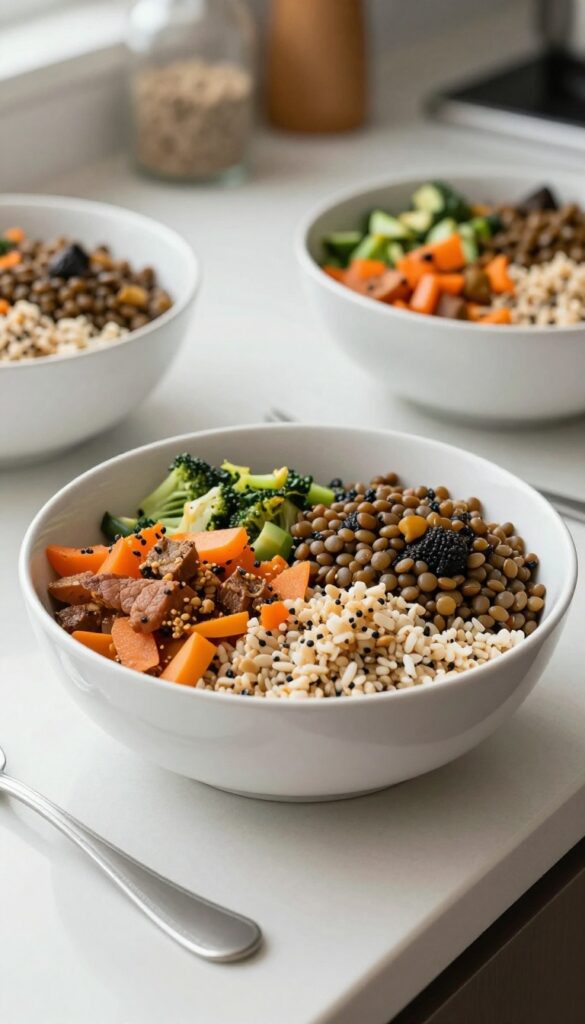
When hunger strikes between meals, having nutritious options within arm's reach can prevent you from grabbing whatever is easiest—often something processed or sugary.
Stock your pantry, fridge, and desk drawer with snacks like nuts, fresh fruit, veggie sticks, yogurt, or whole-grain crackers. Pre-portion them into small containers or bags so you can grab a single serving without thinking. Spend a few minutes each week washing, cutting, and storing produce so it's ready to eat.
When healthy snacks are visible and convenient, you're far more likely to choose them over junk food.
- Prevents reaching for junk food when hunger hits unexpectedly.
- Examples: nuts, fruit, veggie sticks, yogurt, hard-boiled eggs.
- Prep ahead by washing, cutting, and portioning snacks for the week.
Include Fiber-Rich Foods
Fiber is a secret weapon for staying full and supporting digestion during your diet challenge. Adding fiber-rich foods to your everyday eating helps you feel satisfied longer and keeps your energy steady.
Fiber slows digestion, which means you stay fuller for hours after a meal. It also helps regulate blood sugar and keeps your digestive system running smoothly. For a diet challenge, fiber is a simple way to reduce cravings without feeling deprived.
Easy fiber-rich foods to include
- Oats: Start your day with a bowl of oatmeal or add oats to smoothies.
- Beans: Toss chickpeas, black beans, or lentils into salads, soups, or wraps.
- Berries: Snack on raspberries, blueberries, or strawberries, or add them to yogurt.
- Other great options: apples, broccoli, chia seeds, and whole grains like quinoa.
Aim to include at least one fiber-rich food at every meal. This small shift makes a big difference in how full you feel and how well you stick to your eating plan.
Limit Liquid Calories
Liquid calories are easy to overlook but can quickly add up and sabotage your diet challenge. Sodas, fruit juices, sweetened coffees, and energy drinks often contain as many calories as a small meal, without making you feel full.
By choosing water or unsweetened beverages, you can cut hundreds of calories a day without changing anything else. This simple swap is one of the easiest ways to stay on track with your everyday eating for diet challenge.
- Replace soda with sparkling water or unsweetened tea.
- Dilute juice with water or skip it entirely.
- Opt for black coffee or use a splash of milk instead of sugary syrups.
- Read labels on bottled drinks—many contain hidden sugars.
Don't Skip Meals
When you’re busy or trying to cut calories, skipping a meal can seem like a quick win. But in the context of everyday eating for a diet challenge, it often backfires. Skipping meals can throw off your hunger cues and energy levels, making it harder to stick with your plan.
Skipping a meal usually leads to intense hunger later, which can cause overeating or choosing less healthy options. Your metabolism also benefits from regular fuel—eating at consistent times helps keep your energy steady and reduces cravings. Aim for three balanced meals a day, or smaller frequent meals if that works better for you.
- Skipping leads to overeating later – when you finally eat, you’re more likely to grab whatever is fastest and eat more than you intended.
- Keeps metabolism steady – regular meals help maintain stable blood sugar and prevent energy crashes.
- Aim for regular meals – plan your eating times around your daily routine so you never go too long without food.
Practice Portion Control with Protein
Protein is essential for muscle repair and satiety, but it's easy to overdo it. Using a simple visual cue can help you keep portions in check without weighing or measuring.
A serving of meat, poultry, or fish should be about the size of your palm (not including fingers). This roughly equals 3–4 ounces for most adults. For plant-based proteins like tofu or beans, aim for a similar volume.
- Palm-sized portion for meat helps balance your plate
- Prevents excess calories while still getting enough protein
- Works for chicken, fish, steak, pork, and plant proteins
By keeping protein portions consistent, you naturally leave room for vegetables and whole grains, making it easier to stick with your diet challenge.
Use Herbs and Spices for Flavor
Herbs and spices are a dieter's best friend. They add big flavor without adding calories, sodium, or fat. This makes it easier to stick to your everyday eating plan without feeling deprived.
When you cut back on salt, butter, and oil, food can taste bland. Herbs and spices solve that problem. They bring out natural flavors and make healthy meals satisfying.
How to use them in your diet challenge
- Sprinkle cinnamon on oatmeal or yogurt instead of sugar.
- Add garlic powder, paprika, or cumin to roasted vegetables.
- Use fresh herbs like basil, cilantro, or mint in salads and grain bowls.
- Make a no-salt seasoning blend with dried oregano, thyme, and black pepper.
- Experiment with curry powder, turmeric, or smoked paprika for new flavor profiles.
By relying on herbs and spices, you reduce your need for high-calorie sauces and dressings. This simple swap keeps your meals flavorful and your diet on track.
Eat Slowly and Chew Thoroughly
Slowing down at meals is a simple yet powerful everyday eating tip for diet challenge. It gives your brain time to register fullness, improves digestion, and helps you enjoy your food more. Aim to make each meal last at least 20 minutes.
When you eat too quickly, your brain doesn't get the signal that you're full until you've already overeaten. By eating slowly and chewing thoroughly, you give your body the chance to communicate satiety naturally.
- Gives brain time to register fullness – it takes about 20 minutes for fullness signals to reach your brain.
- Improves digestion – chewing breaks down food into smaller pieces, making it easier for your stomach to process.
- Aim for 20 minutes per meal – set a timer if needed, and put your fork down between bites.
Try these everyday eating tips for diet challenge: take smaller bites, chew each mouthful 20–30 times, and minimize distractions like TV or phones. You'll likely eat less and feel more satisfied.
Keep a Food Journal
Writing down what you eat can transform your diet challenge. It boosts awareness and reveals patterns you might otherwise miss.
A food journal doesn't need to be fancy. You can use a simple notebook, a notes app on your phone, or a dedicated tracking app. The key is consistency.
What to include
- What you ate and how much
- Time of day
- How you felt before and after eating (hungry, stressed, bored, satisfied)
Review your journal weekly to spot trends. Maybe you snack more in the afternoon or skip breakfast on busy days. Use this insight to make small adjustments that keep you on track with your everyday eating for diet challenge.
Make It Easier to Maintain
The key to long-term success with your diet challenge is making healthy eating feel effortless. When your habits are easy to stick with, you're more likely to keep them up even on busy or stressful days.
Start by identifying the biggest friction points in your daily routine. Is it preparing breakfast? Packing lunch?
Resisting afternoon snacks? Once you know where you struggle, you can design simple solutions that reduce willpower and decision fatigue.
- Keep a stash of pre-washed veggies and hummus in the fridge for instant snacks.
- Use a slow cooker or meal prep Sunday to have dinners ready for the week.
- Set out your workout clothes and water bottle the night before.
- Create a go-to list of five quick, balanced meals you can make in 15 minutes.
Remember, the goal is progress, not perfection. By removing obstacles and automating good choices, you turn your diet challenge into a sustainable lifestyle.
Adjust It to Your Routine
The best diet challenge is one that fits your life, not the other way around. Instead of forcing a rigid plan, modify these eating tips to match your schedule, preferences, and energy levels.
Start by looking at your typical day. If mornings are rushed, prepare a grab-and-go breakfast the night before. If you tend to snack while working, portion out healthy options in advance.
The goal is to reduce friction so healthy choices become automatic.
Simple ways to customize your approach
- Swap a suggested meal for something you already enjoy but make it healthier.
- Adjust meal timing to when you're actually hungry, not just when the plan says to eat.
- If you dislike a certain vegetable, replace it with another that offers similar nutrients.
Remember, this challenge is about building sustainable habits. By tailoring the tips to your routine, you're more likely to stick with them long after the challenge ends.
Start with a Simple Setup
When beginning a diet challenge, it's tempting to overhaul your entire kitchen and routine overnight. But that often leads to burnout. Instead, start with a simple setup that makes healthy eating feel effortless from day one.
A simple setup means having the basics ready so you can grab and go without thinking. Focus on just a few key items:
- Pre‑portion snacks into small bags or containers so you always have a healthy option.
- Keep a pitcher of water on the counter or in the fridge to remind you to hydrate.
- Stock your pantry with a few versatile staples like oats, canned beans, and spices.
- Designate a shelf in the fridge for pre‑washed veggies and pre‑cooked proteins.
By keeping your setup minimal and intentional, you remove decision fatigue and make it easier to stick with the challenge. Remember, the goal is everyday eating that supports your diet, not a complicated system that feels like a chore.
Make It Practical for Daily Use
To stick with your diet challenge, every eating habit you adopt must fit seamlessly into your real life. Here’s how to make it practical for daily use.
The key to lasting change is convenience. If a tip requires too much effort or special ingredients, you’re less likely to repeat it. Focus on simple swaps and routines that work with your existing schedule.
Practical daily tips
- Keep pre-cut vegetables in the fridge for quick snacks or meal additions.
- Batch-cook grains and proteins once a week to save time.
- Use a reusable water bottle to track your hydration throughout the day.
- Set out your plate or bowl the night before to remind you of portion sizes.
By removing friction, you make healthy eating the easy choice. Over time, these small adjustments become automatic, helping you stay on track without feeling deprived.
Choose an Easy Beginner Option
Starting a diet challenge can feel overwhelming, especially if you're new to structured eating. That's why picking an easy beginner option is key to building momentum without burning out.
An easy beginner option means choosing a meal or snack that requires minimal prep, uses familiar ingredients, and fits your daily routine. For example, a simple Greek yogurt with berries or a pre-made veggie wrap can be a go-to when you're short on time or energy.
Tips for choosing your easy option
- Pick something you already enjoy eating – no need to force a new food.
- Keep it to 3–5 ingredients max to reduce decision fatigue.
- Prep it in advance so it's ready when hunger strikes.
- Make sure it aligns with your challenge guidelines (e.g., high protein, low sugar).
By starting with a simple, familiar choice, you reduce the mental load and set yourself up for consistency. Once that becomes a habit, you can gradually introduce more variety.
Keep the Main Goal Clear
With so many tips and tricks, it's easy to lose sight of why you started. Remind yourself daily what you're working toward.
In the middle of a diet challenge, you might get distracted by small decisions—what to snack on, how many calories, which meal prep container to use. But the real anchor is your main goal. Whether it's losing weight, feeling more energetic, or building a healthier relationship with food, that goal should guide every choice.
Ways to stay focused
- Write your goal on a sticky note and put it on your fridge or mirror.
- Each morning, ask yourself: 'What's one thing I can do today that moves me toward my goal?'
- When you feel tempted, pause and think: 'Does this help my main goal?'
- Celebrate small wins that align with your bigger purpose.
Keeping the main goal clear doesn't mean being rigid. It means having a compass. When you know your destination, everyday eating decisions become simpler and more intentional.
Use Small Details That Matter
In the Everyday Eating for Diet Challenge, it's often the tiny adjustments that create lasting habits. Small details—like the way you plate your food or the order you eat your meal—can make a big difference in how satisfied you feel and how well you stick to your goals.
Instead of overhauling your entire routine, focus on micro-changes that add up. For example, using a smaller spoon can slow down your eating pace, or placing your fork down between bites gives your brain time to register fullness. These details may seem trivial, but they help you eat more mindfully without extra effort.
Simple details to try
- Serve your meal on a colored plate that contrasts with your food—this can help with portion perception.
- Keep a pitcher of water on the counter as a visual cue to stay hydrated.
- Pre-portion snacks into small bags or containers so you grab just one serving.
- Use a timer to ensure you take at least 20 minutes to finish your meal.
Avoid Common Problems
Even with the best intentions, certain pitfalls can derail your Everyday Eating for Diet Challenge progress. Recognizing these issues early helps you stay on track.
Many people stumble when they don't plan for real-life situations. Here are the most frequent problems and how to sidestep them:
- Skipping meals leads to intense hunger and overeating later. Stick to regular eating times even if you're busy.
- Relying on convenience foods adds hidden calories and sodium. Prep simple, whole-food snacks in advance.
- Ignoring portion sizes, even with healthy foods, can stall progress. Use measuring cups or your hand as a guide.
- Letting social events derail you is common. Decide ahead what you'll eat and stick to it without guilt.
- Drinking calories from sugary drinks or alcohol adds up fast. Choose water, unsweetened tea, or black coffee.
Quick Fix
If you slip up, don't let one mistake become an excuse to quit. Acknowledge it, learn what triggered it, and refocus on your next meal.
Make It Easier to Maintain 31
Consistency is key in any diet challenge, and making your eating habits easier to maintain helps you stick with them long-term.
To keep your Everyday Eating for Diet Challenge on track, focus on simplifying your routine. Start by prepping ingredients in bulk—chop vegetables, cook grains, and portion out snacks for the week. This reduces daily decision fatigue and makes healthy choices effortless.
Ways to Simplify Your Routine
- Keep a list of go-to meals that require minimal ingredients and time.
- Use the same few breakfasts and lunches each week to cut down on planning.
- Store healthy options at eye level in your fridge and pantry.
- Set a regular meal schedule to build a consistent eating rhythm.
Remember, the easier your daily eating habits are, the more likely you are to stick with them. Small adjustments like these make the challenge sustainable without feeling like a burden.
Adjust It to Your Routine 32
A diet challenge works best when it fits into your daily life, not the other way around. Instead of forcing a rigid plan, tweak the guidelines to match your schedule, preferences, and energy levels.
- Shift meal times to align with your natural hunger cues and work schedule.
- Swap suggested ingredients for ones you already have on hand to reduce stress.
- Choose simpler versions of recipes when you're short on time.
- Allow flexible portion sizes based on your activity level that day.
- Move rest days or treat meals to fit social events without guilt.
Start with a Simple Setup 33
A simple setup removes barriers and makes it easier to stick with your eating plan during the challenge.
When you're in the middle of a diet challenge, every extra step can feel like a hurdle. That's why starting with a simple setup is key. Keep your kitchen organized so healthy choices are the easiest ones to grab.
- Pre-portion snacks into small containers or bags so you can grab and go.
- Keep a pitcher of water on the counter to remind you to hydrate.
- Store healthy foods at eye level in the fridge and pantry.
- Have a go-to meal template (like a protein + veggie + healthy fat) ready to assemble.
Make It Practical for Daily Use 34
To stick with your Everyday Eating for Diet Challenge, focus on integrating habits that fit seamlessly into your existing routine. Practicality is key to long-term success.
Choose strategies that require minimal extra time or effort. For example, prep ingredients in bulk on weekends, keep a water bottle at your desk, or store healthy snacks at eye level in your fridge.
Quick Wins for Daily Use
- Set a daily reminder to drink water before meals.
- Use a meal-planning app to streamline grocery lists.
- Keep a small container of nuts or fruit in your bag for emergencies.
Choose an Easy Beginner Option 35
Starting a diet challenge doesn't mean you have to overhaul your entire eating routine overnight. Choosing an easy beginner option helps you build momentum without feeling overwhelmed.
An easy beginner option might be as simple as swapping your afternoon soda for water or adding a serving of vegetables to your dinner plate. The key is to pick one small, manageable change that you can stick with consistently.
Examples of easy beginner options
- Replace one sugary drink per day with water or unsweetened tea.
- Add a piece of fruit to your breakfast.
- Choose a grilled instead of fried option for one meal.
- Set a goal to eat a vegetable at lunch and dinner.
Once that change becomes a habit, you can gradually add more. This approach reduces the risk of burnout and makes the diet challenge feel more achievable.
Keep the Main Goal Clear 36
When you're in the middle of a diet challenge, it's easy to get distracted by small details or daily fluctuations. Reminding yourself of your primary objective helps you stay on track and make decisions that align with your ultimate aim.
Write down your main goal in a simple, positive statement and place it somewhere you'll see every day—like on your fridge or phone wallpaper. This constant visual cue reinforces your commitment and helps you filter out less important choices.
- Focus on one primary outcome, such as building a consistent eating routine or hitting a specific nutrient target.
- When faced with a food decision, ask yourself: 'Does this move me closer to my main goal?'
- Review your goal weekly to see if it still fits your progress and adjust if needed without losing sight of the bigger picture.
Use Small Details That Matter 37
In a diet challenge, the little things often make the biggest difference. Tiny adjustments to your daily eating routine can improve consistency and results without requiring major overhauls.
Focus on one or two small details each week. For example, choose a specific color of vegetable to add to every meal, or commit to chewing each bite 20 times before swallowing. These micro-habits build momentum and keep your diet challenge fresh.
- Swap your regular coffee creamer for a lower-calorie alternative.
- Use a smaller spoon when eating yogurt or soup to slow down your pace.
- Keep a glass of water on your desk and sip it between bites.
- Set a timer for 20 minutes and aim to finish your meal in that time.
Avoid Common Problems 38
Even with the best intentions, certain pitfalls can derail your Everyday Eating for Diet Challenge. Recognizing these common problems early helps you stay on track.
One frequent issue is underestimating portion sizes. It's easy to think you're eating the right amount, but without measuring, calories can add up. Use a food scale or measuring cups for accuracy, especially with high-calorie foods like nuts, oils, and grains.
Other common problems to watch for
- Skipping meals because you're too busy, which often leads to overeating later.
- Relying too much on processed 'diet' foods that are high in sodium or sugar.
- Not drinking enough water, mistaking thirst for hunger.
- Eating too quickly, preventing your brain from registering fullness.
By being aware of these traps, you can plan ahead and make adjustments. For example, set a timer to remind yourself to drink water, or prep healthy snacks in advance to avoid impulsive choices.
Make It Easier to Maintain 39
Consistency is the secret ingredient in any diet challenge. When your healthy eating habits feel effortless, you're far more likely to stick with them long after the challenge ends. Here are simple ways to make everyday eating easier to maintain.
- Batch-cook staple ingredients like grilled chicken, quinoa, or roasted vegetables so you can assemble meals in minutes.
- Keep a running grocery list on your phone and add items as soon as you run out—no more last-minute takeout.
- Designate a shelf in your fridge and pantry for challenge-friendly foods so they're always the first thing you see.
- Use a meal prep day (e.g., Sunday) to portion snacks and chop veggies for the week ahead.
- Set a daily reminder on your phone to drink water or eat a vegetable with every meal.
Adjust It to Your Routine 40
A successful eating challenge fits into your life, not the other way around. Instead of following a rigid plan, tweak the guidelines to match your daily schedule, preferences, and energy levels.
Start by looking at your typical week. Identify when you have the most control over your meals and when you tend to eat on autopilot. Then, adjust the challenge rules to support those moments.
- If mornings are rushed, prep a grab-and-go breakfast the night before.
- If lunch is often eaten out, choose a restaurant that offers vegetable sides or grilled proteins.
- If dinner is your biggest meal, use the challenge's portion tips there rather than forcing a small plate.
- If you snack while watching TV, swap the snack for a low-calorie drink or a handful of nuts.
The goal is to make the challenge feel natural, not like a chore. When you adjust it to your routine, you're more likely to stick with it and see lasting results.
Start with a Simple Setup 41
When you're diving into a diet challenge, the easiest way to set yourself up for success is to keep your initial approach simple. Overcomplicating things from the start can lead to frustration and burnout. Instead, focus on a few basic changes that you can build on over time.
For your everyday eating during a diet challenge, simplicity means choosing one or two small, manageable adjustments rather than overhauling your entire diet overnight. This could be as straightforward as swapping your usual breakfast for a protein-rich option or committing to eating a vegetable with every lunch.
Simple Setup Ideas
- Pick one meal to improve first, like making breakfast more balanced.
- Keep healthy staples on hand: pre-cut veggies, canned beans, or quick-cook grains.
- Set a single daily goal, such as drinking an extra glass of water or eating a piece of fruit.
By starting small, you create a foundation of success that makes it easier to add more changes later. Remember, the goal is consistency, not perfection. A simple setup helps you stay on track without feeling overwhelmed.
Make It Practical for Daily Use 42
A diet challenge only works if it fits into your real life. The more practical your approach, the easier it is to stick with it day after day.
Everyday eating for a diet challenge should feel like a natural part of your routine, not a separate project. When you make it practical, you remove friction and build habits that last beyond the challenge.
Ways to make it practical
- Choose meals that use ingredients you already have or can easily buy.
- Prep ingredients in bulk on weekends so weekday meals come together quickly.
- Keep a list of go-to meals that take 15 minutes or less to prepare.
- Use the same few recipes repeatedly instead of trying new ones every day.
- Store healthy snacks at eye level in the fridge or pantry for easy grabbing.
Choose an Easy Beginner Option 43
When you're just starting out with the Everyday Eating for Diet Challenge, picking a simple, straightforward option can make all the difference. This approach reduces overwhelm and helps you build momentum without getting bogged down by complex rules.
An easy beginner option might be a pre-set meal plan with familiar foods, a limited set of recipes, or a single daily habit to focus on first. For example, you could start by committing to eat a protein-rich breakfast each morning for the first week. This one change is manageable and sets a positive tone for the rest of the challenge.
What makes a good beginner option?
- Minimal prep time and simple ingredients
- Clear instructions with no guesswork
- Focus on one or two key habits rather than overhauling your entire diet
- Flexibility to swap foods you don't like
Keep the Main Goal Clear 44
During a diet challenge, it's easy to get distracted by new trends or minor details. Keeping your main goal front and center helps you stay on track with your everyday eating habits.
Your main goal might be weight loss, better energy, or improved health. Whatever it is, write it down and place it where you'll see it daily—like on your fridge or phone wallpaper.
How to keep your goal clear
- Remind yourself why you started every morning.
- Align each meal choice with that goal.
- Avoid comparing your progress to others—focus on your own target.
- If you slip, refocus on the goal rather than giving up.
Use Small Details That Matter 45
When you're in the middle of a diet challenge, it's often the tiny, easily overlooked details that can make or break your consistency. Small adjustments to your everyday eating routine can add up to big results without feeling like a major overhaul.
Here are a few micro-habits that keep you on track:
- Keep a reusable water bottle on your desk or counter as a visual cue to hydrate.
- Pre-portion snacks into small bags right after grocery shopping to avoid mindless eating.
- Use a smaller spoon or fork to naturally slow down your eating pace.
- Set a timer for 20 minutes during meals to give your brain time to register fullness.
- Place your fork down between bites to break the automatic eating cycle.
Avoid Common Problems 46
Even with the best intentions, certain pitfalls can derail your Everyday Eating for Diet Challenge. Recognizing these early helps you stay on track.
One frequent issue is relying too much on willpower instead of setting up your environment for success. When unhealthy snacks are within easy reach, it's harder to resist. Another common mistake is not eating enough during the day, leading to intense hunger and overeating later.
Also, skipping meals often backfires by slowing your metabolism and triggering cravings.
Key pitfalls to watch for
- Not planning meals ahead, leaving you to make impulsive choices.
- Drinking calories from sugary beverages without realizing their impact.
- Eating too quickly, which prevents your brain from registering fullness.
- Ignoring portion sizes, even with healthy foods.
- Letting stress or boredom guide your eating decisions.
By anticipating these challenges, you can implement simple strategies—like prepping snacks, using smaller plates, and practicing mindful eating—to keep your Everyday Eating for Diet Challenge on a steady path.
Make It Easier to Maintain 47
Long-term success with your diet challenge depends on how easy it is to stick with your new habits. Simple adjustments can make healthy eating feel effortless.
When your daily routine supports your goals, you're far more likely to keep going. Here are practical ways to make your diet challenge easier to maintain.
- Prep ingredients in bulk so you can assemble meals quickly.
- Keep a stash of go-to healthy snacks at work and in your bag.
- Set reminders on your phone for meal times and water breaks.
- Simplify your meals by repeating a few trusted recipes each week.
- Track your progress with a simple app or notebook to stay motivated.
Adjust It to Your Routine 48
Your diet challenge will stick only if it fits into your daily life. Instead of forcing a rigid plan, tweak the approach to match your schedule, preferences, and energy levels.
Ways to tailor your eating plan
- Shift meal times to align with your natural hunger peaks and work hours.
- Swap ingredients you dislike for similar nutritious alternatives.
- Scale portion sizes up or down based on your activity level that day.
- Use shortcuts like pre-cut veggies or batch-cooked grains on busy days.
The goal is to make healthy eating feel like a natural part of your routine, not an extra chore. Small adjustments keep you consistent without derailing your progress.
Start with a Simple Setup 49
A simple setup removes friction and makes it easier to stick with your eating plan. Instead of overcomplicating things, focus on a few key actions that set you up for success each day.
When you keep your environment and routine straightforward, you reduce decision fatigue and avoid last-minute unhealthy choices.
How to create a simple setup
- Keep a water bottle on your desk or counter to remind you to hydrate.
- Pre-portion snacks into small containers or bags so you grab the right amount.
- Place a bowl of fruit or cut veggies at eye level in the fridge.
- Set out your plate or bowl the night before for breakfast or lunch.
- Store your most-used kitchen tools (like a blender or food scale) in an easy-to-reach spot.
Make It Practical for Daily Use 50
The key to sticking with any diet challenge is making it fit seamlessly into your everyday life. This tip focuses on integrating healthy eating habits into your existing routine without overhauling your entire schedule.
Ways to Make It Practical
- Prep ingredients in bulk on weekends to save time during the week.
- Keep a stash of healthy grab-and-go snacks like nuts, fruit, or yogurt.
- Use a slow cooker or instant pot for easy, hands-off meals.
- Double recipes and freeze portions for busy days.
- Choose simple recipes with 5-10 ingredients and minimal steps.
When your diet plan feels like a chore, you're less likely to stick with it. By making healthy eating convenient and automatic, you remove the decision fatigue that often leads to slip-ups. Start with one or two of these practical strategies and build from there.
Choose an Easy Beginner Option 51
Starting a diet challenge doesn't mean you have to overhaul your entire eating routine overnight. Choosing an easy beginner option can set you up for success without overwhelming you.
An easy beginner option might be as simple as swapping your usual breakfast for a protein-rich smoothie or committing to eating one extra serving of vegetables at dinner. The key is to pick one small, manageable change that you can stick with consistently.
- Pick a single meal to improve, like adding a side salad to lunch.
- Replace one daily snack with a piece of fruit or a handful of nuts.
- Start with a 7-day meal plan that includes familiar, easy-to-prepare foods.
By keeping it simple, you build momentum and confidence, making it easier to gradually incorporate more changes as you progress through the challenge.
Keep the Main Goal Clear 52
When you're in the middle of a diet challenge, it's easy to get distracted by the latest tips or what others are doing. But staying focused on your own primary objective keeps you on track and prevents wasted effort.
Every diet challenge has a core purpose—whether it's weight loss, improved energy, or building a healthier relationship with food. Write down your main goal and place it somewhere you see daily, like on your fridge or phone wallpaper. When you feel tempted to deviate, ask yourself: "Does this choice support my main goal?"
How to keep your goal clear
- Define your goal in one sentence (e.g., "I want to lose 10 pounds in 30 days").
- Review it every morning before you eat.
- Use it as a filter for every food decision.
- Share it with a friend or partner for accountability.
Use Small Details That Matter 53
The smallest details can make or break your diet challenge. Paying attention to them helps you stay consistent without extra effort.
It’s easy to overlook tiny habits, but they add up. For example, the way you store food, the order you eat your meal, or even the color of your plate can influence your choices. These micro-adjustments keep you on track without feeling deprived.
- Keep a water bottle on your desk to remind you to hydrate.
- Pre‑cut vegetables and store them at eye level in the fridge.
- Use a smaller spoon for high‑calorie foods like peanut butter.
- Place healthier options in front of the fridge and leftovers behind.
By tweaking these small details, you create an environment that naturally supports your goals. They require minimal willpower but deliver consistent results.
Avoid Common Problems 54
Even small missteps can derail your progress. Here’s how to sidestep frequent pitfalls in your Everyday Eating for Diet Challenge.
One common issue is underestimating portion sizes. Without measuring, it’s easy to consume more than planned. Use a food scale or measuring cups for accuracy.
Another frequent problem is skipping meals to save calories, which often leads to overeating later. Stick to a regular eating schedule with balanced meals and snacks.
- Not drinking enough water can be mistaken for hunger. Stay hydrated throughout the day.
- Eating too quickly prevents your brain from registering fullness. Slow down and savor each bite.
- Ignoring emotional triggers may cause mindless eating. Identify your triggers and find non-food coping strategies.
- Failing to plan for social events can lead to impulsive choices. Decide ahead what you’ll eat or bring a healthy dish.
Make It Easier to Maintain 55
Consistency is key in any diet challenge, and making your eating habits easier to maintain ensures long-term success. Here are practical ways to simplify your routine.
To keep your diet challenge on track, focus on strategies that reduce decision fatigue and effort. Small changes can make a big difference in sticking with your plan.
Simple maintenance tips
- Prep ingredients in bulk on weekends to save time during the week.
- Keep a stash of healthy frozen meals or pre-portioned snacks for busy days.
- Use a meal planning app or a simple notebook to plan your weekly menu.
- Set reminders on your phone for meal times or water breaks.
- Reward yourself with non-food treats, like a relaxing bath or a new podcast episode, after a week of sticking to your plan.
Adjust It to Your Routine 56
No single eating plan works for everyone. The key to sticking with your diet challenge is to tweak the guidelines so they fit your daily life, not the other way around.
When you adjust the challenge to your routine, you make it sustainable. Instead of following a rigid meal schedule, look at your actual week and find where healthy changes can naturally slide in.
Ways to customize your approach
- If you're a night owl, prep your breakfast the night before so you can grab it and go.
- For early risers, move your heavier meal to lunch when you have more energy to digest.
- Swap suggested snacks for ones you actually enjoy—just keep portion sizes in check.
- Use your commute or lunch break to plan your next meal instead of scrolling social media.
By fitting the challenge around your existing habits—not forcing a complete overhaul—you'll find it much easier to stay consistent and actually enjoy the process.
Start with a Simple Setup 57
When you're in the middle of a diet challenge, the last thing you need is a complicated system. Starting with a simple setup helps you build consistency without feeling overwhelmed.
A straightforward approach means fewer decisions and less friction. Here’s how to keep it simple:
- Designate a specific spot in your kitchen for challenge-friendly foods—like a shelf in the pantry or a bin in the fridge.
- Prep just two or three go-to meals that fit your plan, so you’re not scrambling each day.
- Use the same bowl or plate for your main meals to automate portion sizes.
- Keep a water bottle and a healthy snack within arm’s reach to avoid impulsive choices.
By reducing the complexity, you free up mental energy to focus on the challenge itself. A simple setup turns everyday eating into a habit, not a hassle.
Make It Practical for Daily Use 58
The key to sticking with your Everyday Eating for Diet Challenge is making it fit seamlessly into your life. Here’s how to keep it practical day after day.
When a diet feels like a chore, it’s hard to maintain. The goal is to integrate healthy habits into your existing routine without major disruptions.
Ways to make it practical
- Prep ingredients in bulk on weekends to save time during the week.
- Keep healthy staples like pre-washed greens, cooked grains, and lean proteins ready to go.
- Use a slow cooker or instant pot for hands-off meals that fit your schedule.
- Choose recipes with overlapping ingredients to reduce waste and simplify shopping.
Conclusion
Use these ideas as a flexible starting point, then adjust the details to fit your needs, space, schedule, or goals.

Dr. Pallab Kishore, MS in Orthodontics and owner of Orthodontic Braces Care, shares expert tips on braces, aligners, and oral health from 10+ years of experience.