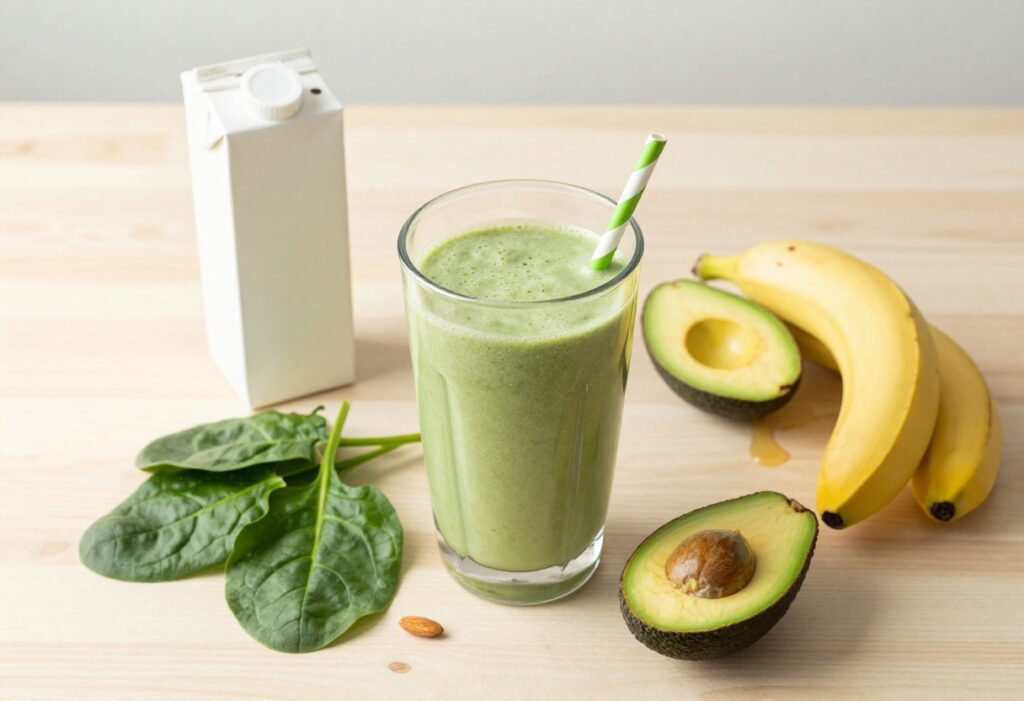
The anti-candida diet is often recommended to help manage Candida overgrowth by reducing sugar and yeast-promoting foods.
This guide provides a practical, balanced approach to meal planning that supports your health without extreme restrictions.
Always consult a healthcare professional before making significant dietary changes.
What Is the Anti Candida Diet?
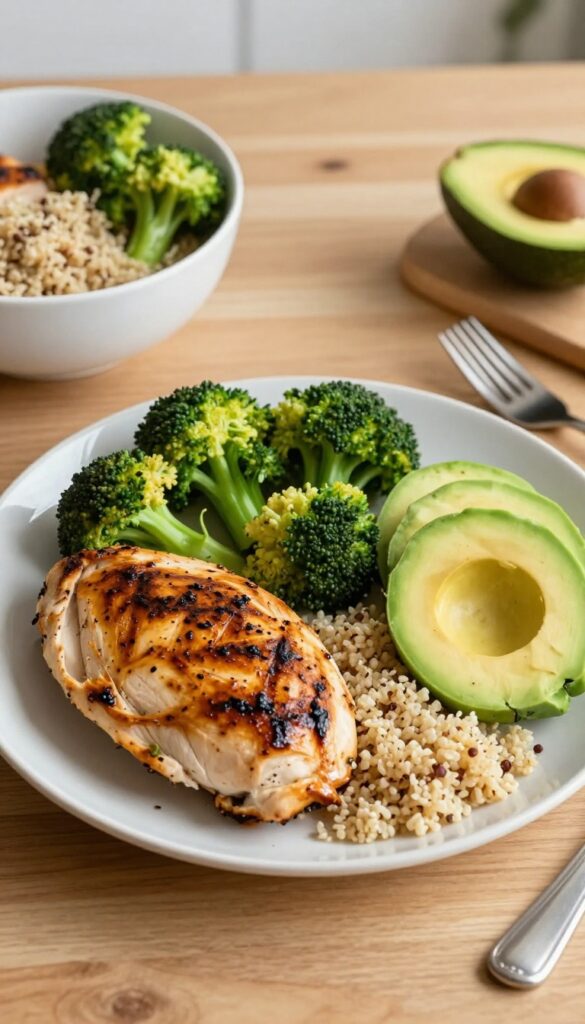
The anti candida diet is a supportive eating plan designed to help reduce the overgrowth of Candida yeast in the body by limiting foods that feed it. It's not a medical treatment or a cure, but rather a practical way to adjust your plate to create an environment less favorable for yeast overgrowth. Before making any changes, it's important to consult with a healthcare provider to ensure this diet is appropriate for your individual needs.
The diet focuses on eliminating or significantly reducing sugar, refined carbohydrates, and other foods that promote yeast growth. Instead, it emphasizes whole, unprocessed foods, lean proteins, healthy fats, and non-starchy vegetables. The goal is to starve the Candida while nourishing your body with nutrient-dense foods.
Key Principles
- Reduce sugar and yeast-promoting foods to help control Candida overgrowth.
- Focus on whole, unprocessed foods, lean proteins, healthy fats, and non-starchy vegetables.
- Not a medical treatment; consult a healthcare provider before starting.
This guide, 'A Practical Plate to Anti Candida Diet,' will help you build balanced meals that follow these principles without feeling restrictive. By understanding what to put on your plate, you can confidently support your health goals.
Building Your Anti Candida Plate: The Basics
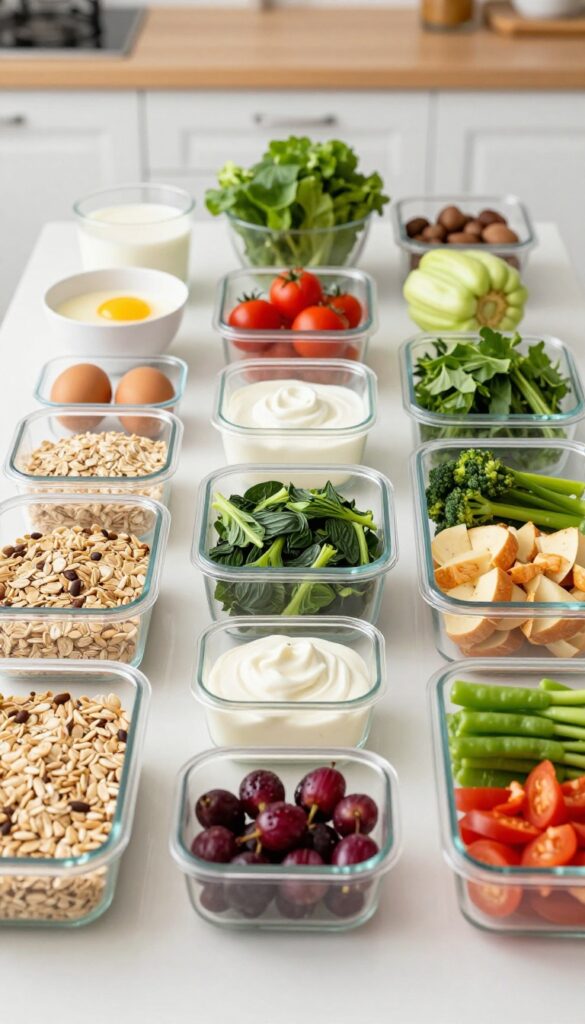
The anti-candida diet focuses on starving the yeast while nourishing your body. The simplest way to achieve this is by visualizing your plate. Forget strict measuring—just follow this easy ratio at every meal.
Fill half your plate with non-starchy vegetables. These are low in sugar and high in fiber, which helps keep candida in check. Think leafy greens, broccoli, zucchini, bell peppers, and asparagus.
They provide essential vitamins and minerals without feeding the yeast.
One quarter of your plate should be lean protein. Protein helps stabilize blood sugar and keeps you full. Good options include chicken, turkey, fish, eggs, and tofu.
Avoid processed meats or those with added sugars.
The remaining quarter is for healthy fats and a small portion of low-sugar fruits. Healthy fats like avocado, olive oil, and coconut oil support your immune system and reduce inflammation. For fruit, stick to berries—they are low in sugar and high in antioxidants.
Limit to a handful per meal.
Key Points to Remember
- Non-starchy vegetables should dominate your plate.
- Choose clean, unprocessed protein sources.
- Incorporate healthy fats at every meal.
- Avoid grains, sugars, and starchy vegetables like potatoes and corn.
Foods to Include and Avoid
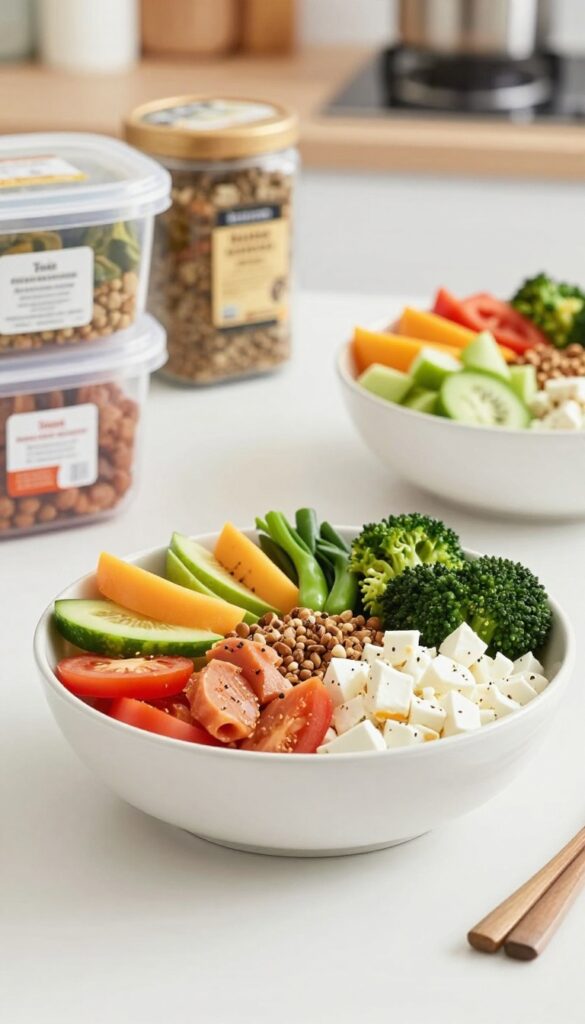
Knowing which foods to embrace and which to steer clear of is the cornerstone of building a practical anti-candida plate. While individual tolerance can vary, the following lists provide a solid foundation for most people.
Foods to Include
Focus on whole, unprocessed foods that are low in sugar and starch. These choices help maintain stable blood sugar and discourage Candida overgrowth.
- Non-starchy vegetables: leafy greens, broccoli, cauliflower, zucchini, bell peppers, asparagus, cucumber, and celery.
- Lean proteins: chicken, turkey, fish (especially wild-caught salmon and sardines), eggs, and tofu.
- Healthy fats: olive oil, coconut oil, avocado, nuts (almonds, walnuts), and seeds (chia, flax, pumpkin).
- Low-sugar fruits: berries (blueberries, raspberries, strawberries), green apples, and lemons/limes.
- Fermented foods (in moderation): sauerkraut, kimchi, and unsweetened yogurt or kefir (if dairy is tolerated).
Foods to Avoid
These foods are known to feed Candida or disrupt gut balance. Eliminating them for a period can help reduce symptoms.
- Sugar and sweeteners: white sugar, honey, maple syrup, agave, and artificial sweeteners like aspartame.
- Refined carbohydrates: white bread, pasta, white rice, pastries, and crackers.
- High-sugar fruits: bananas, grapes, mangoes, dried fruits, and fruit juices.
- Dairy (except fermented): milk, cheese, and cream, as they can be mucus-forming and contain lactose.
- Alcohol: all types, especially beer and wine, which are high in sugar and yeast.
- Processed foods: packaged snacks, deli meats, sauces, and condiments with added sugars or preservatives.
A Note on Individual Tolerance
Some people may tolerate small amounts of certain foods like oats, quinoa, or legumes, while others may need to avoid them entirely. Listen to your body and adjust accordingly. It's always wise to work with a healthcare professional when making significant dietary changes.
Sample Anti Candida Meal Plan for One Day
Seeing a full day of anti-candida meals can make the diet feel more doable. Here is a sample meal plan that follows the plate-building principles and includes only allowed foods. All meals are free of grains, sugars, dairy, and other common triggers.
Breakfast: Veggie Omelet with Spinach and Mushrooms
Cooked in coconut oil, this omelet provides protein and healthy fats to start the day. Pair with a side of fresh berries if desired, but keep portions moderate.
Lunch: Grilled Chicken Salad with Mixed Greens
Top a bed of mixed greens with grilled chicken, cucumber slices, avocado, and a simple olive oil dressing. This meal is rich in fiber and nutrients without any hidden sugars.
Dinner: Baked Salmon with Steamed Broccoli and Sautéed Zucchini
Salmon provides omega-3s, while broccoli and zucchini add volume and vitamins. Cook vegetables in garlic and olive oil for flavor.
Snack: Almonds or Celery with Almond Butter
A handful of raw almonds or celery sticks with almond butter offers a satisfying crunch and healthy fats to keep energy stable between meals.
Tips for Success
Drink plenty of water throughout the day. Herbal teas like peppermint or ginger are also good options. Adjust portion sizes based on your hunger and activity level.
Meal Prep Tips for Success

Meal prepping is your secret weapon for sticking to the anti-candida diet. A little planning goes a long way in saving time, reducing stress, and keeping you on track. Here are practical tips to streamline your weekly prep.
Start by washing and chopping vegetables in bulk. Store them in airtight containers in the fridge so you can grab a handful for salads, stir-fries, or quick snacks. Good choices include leafy greens, bell peppers, cucumbers, broccoli, and zucchini.
Cook your proteins ahead of time. Grill or bake chicken breasts, hard-boil eggs, and cook fish fillets (like salmon or cod) that you can use in multiple meals throughout the week. Portion them into single servings for easy grab-and-go.
Prepare dressings and sauces from allowed ingredients. Whisk together olive oil, lemon juice, fresh herbs (parsley, basil, oregano), and a pinch of salt. Store in a jar in the fridge for up to a week.
This adds flavor without hidden sugars or preservatives.
Quick prep checklist
- Wash and chop veggies: store in separate containers or mix for salads.
- Cook proteins: chicken, eggs, fish – keep in the fridge for up to 4 days.
- Make a batch of quinoa or cauliflower rice for grain-free sides.
- Portion snacks: almonds, walnuts, berries, or cucumber slices.
- Label everything with dates to ensure freshness.
Food safety tip
Always cool cooked foods completely before refrigerating. Use shallow containers to speed cooling. Consume prepped meals within 3–4 days, or freeze portions for longer storage.
Healthy Substitutions for Common Cravings
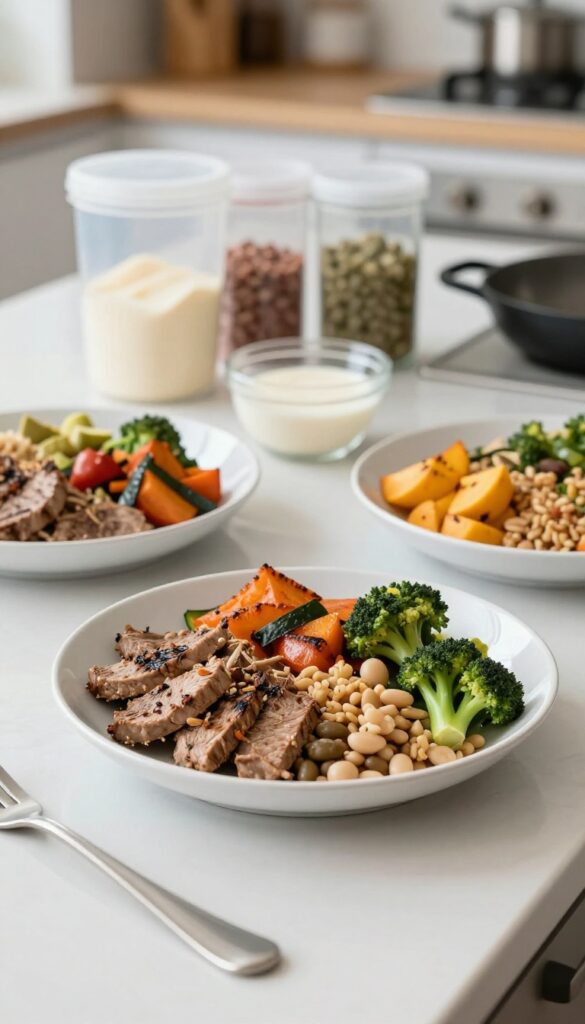
Cravings can be one of the biggest challenges on the anti-candida diet, but you don't have to suffer through them. With a few simple swaps, you can satisfy your desires while staying compliant. These substitutions use whole foods to mimic the textures and flavors you miss, without feeding the yeast.
When a sweet tooth strikes, reach for low-sugar fruits like berries. A handful of fresh or frozen berries topped with a dollop of coconut cream (the solid part from a can of full-fat coconut milk) can feel like a decadent dessert. The natural sweetness and creamy texture hit the spot without spiking blood sugar.
If you're craving bread or wraps, lettuce leaves or nori sheets make excellent alternatives. Use large romaine or butter lettuce leaves as a wrap for fillings like grilled chicken, avocado, and veggies. Nori sheets work well for smaller sandwiches or roll-ups, adding a subtle umami flavor.
Pasta lovers can turn to vegetable noodles. Spiralize zucchini into thin strands and sauté briefly for a tender pasta-like texture. Spaghetti squash, when roasted and shredded, mimics angel hair pasta and pairs beautifully with a simple tomato-free sauce made from roasted red peppers and herbs.
For creamy dressings and dips, avocado is your best friend. Blend a ripe avocado with lemon juice, fresh herbs (like basil or cilantro), a splash of olive oil, and a pinch of salt. This creates a rich, satisfying dressing that works on salads, as a dip for veggies, or as a sauce for proteins.
Quick Swap Ideas
- Craving chips? Try kale chips baked with olive oil and sea salt.
- Missing crackers? Use cucumber slices or bell pepper strips as a base for toppings.
- Want a creamy soup? Puree cauliflower with broth and a bit of coconut milk.
- Need a crunchy snack? Munch on raw nuts or seeds (except peanuts, which are legumes).
Navigating Social Eating and Dining Out
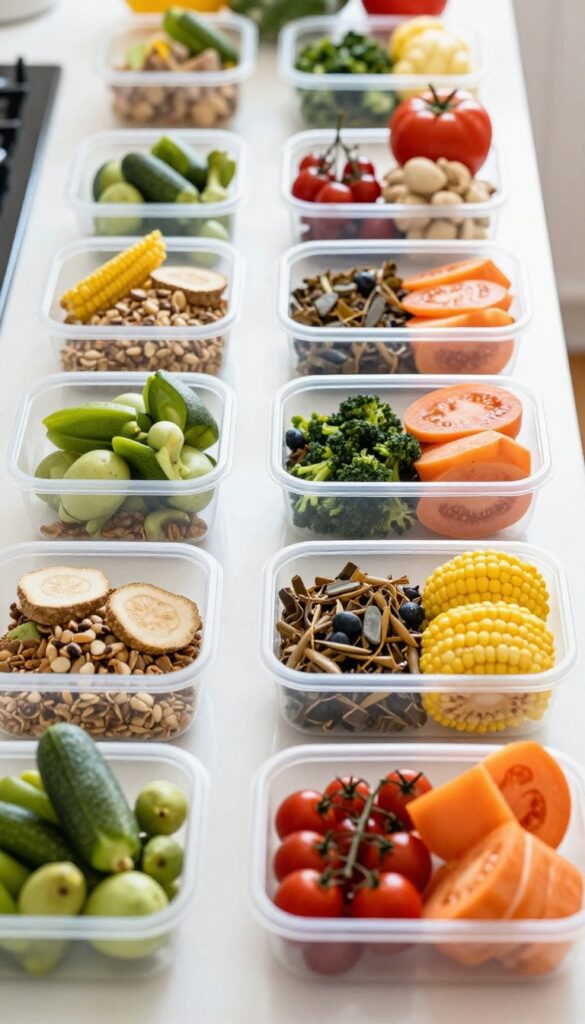
Eating out while following the anti-candida diet can feel challenging, but with a few strategies, you can enjoy social meals without compromising your goals. The key is to plan ahead, communicate clearly, and make smart choices from the menu.
When you're at a restaurant, focus on simple, whole-food dishes. Grilled or steamed options with vegetables and a clean protein source are usually safe bets. Ask your server how dishes are prepared and request modifications if needed—most restaurants are happy to accommodate.
Practical Tips for Dining Out
- Choose grilled, baked, or steamed dishes with vegetables and a protein like chicken, fish, or tofu.
- Ask for sauces, dressings, and gravies on the side so you can control what you eat.
- Opt for salads with olive oil and vinegar or lemon juice; avoid creamy or sugary dressings.
- Request that your meal be cooked without butter, sugar, or soy sauce.
- Don't hesitate to ask for substitutions—swap rice for extra vegetables or a side salad.
Politely communicating with your server is essential. A simple request like “I’m following a specific diet—could you recommend something without sugar or grains?” often leads to helpful suggestions. Remember, you are in charge of your plate, and most restaurants want you to enjoy your meal.
Common Mistakes to Avoid on the Anti Candida Diet
Even with the best intentions, it’s easy to slip into habits that can undermine your progress or make the diet harder to stick with. Here are some common pitfalls to watch for.
Over-restricting food groups or drastically cutting calories can lead to nutrient deficiencies, low energy, and cravings. The goal is a balanced plate that includes enough protein, healthy fats, and complex carbs from allowed vegetables and grains.
Relying too heavily on packaged “allowed” foods like sugar-free snacks, diet sodas, or processed low-carb treats can backfire. These often contain artificial sweeteners, preservatives, or hidden starches that may feed Candida or disrupt gut health. Stick to whole, unprocessed foods as much as possible.
Not drinking enough water is a simple but common mistake. Proper hydration supports digestion, nutrient absorption, and toxin elimination. Aim for at least 8 cups of water daily, and more if you’re active or live in a warm climate.
Ignoring individual food sensitivities beyond the standard Candida guidelines can also derail your progress. For example, some people react to eggs, nuts, or certain low-sugar fruits. Pay attention to how your body responds and adjust accordingly.
Key Takeaways
- Avoid extreme restriction; focus on a balanced plate.
- Choose whole foods over processed “diet” products.
- Stay hydrated to support detox and digestion.
- Listen to your body and personalize your food choices.
FAQ
Can I eat fruit on the anti candida diet?
Yes, but choose low-sugar fruits like berries, green apples, and lemons. Avoid high-sugar fruits like bananas, grapes, and dried fruits.
Is dairy allowed?
Most dairy is avoided, but some people tolerate fermented dairy like yogurt or kefir (unsweetened). Listen to your body and consult your doctor.
How long should I follow the diet?
There's no set duration. Many follow it for a few weeks to months, then gradually reintroduce foods. Work with a healthcare provider for personalized guidance.
Can I drink coffee or tea?
Plain coffee and tea are generally allowed, but avoid sugar and dairy. Use unsweetened almond milk or coconut milk if desired.
Conclusion
The anti-candida diet doesn't have to be complicated or restrictive. By focusing on whole foods, balancing your plate, and planning ahead, you can create satisfying meals that support your wellness goals.
Remember to listen to your body and seek professional advice for lasting health.

Dr. Pallab Kishore, MS in Orthodontics and owner of Orthodontic Braces Care, shares expert tips on braces, aligners, and oral health from 10+ years of experience.