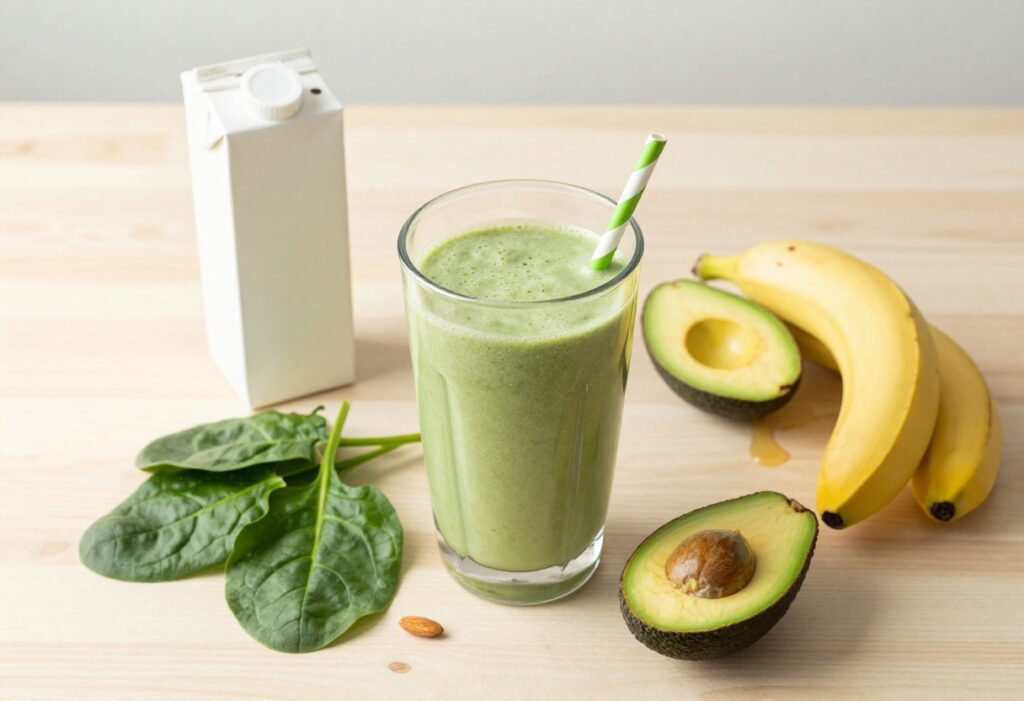
A low iodine diet is often necessary before radioactive iodine therapy for thyroid conditions. It restricts iodine intake to help the thyroid absorb the treatment effectively.
These 13 recipes are practical, easy to prepare, and full of flavor despite the restrictions.
They cover breakfast, lunch, dinner, snacks, and desserts, making it simple to save and rotate meals.
Egg White Omelet with Vegetables
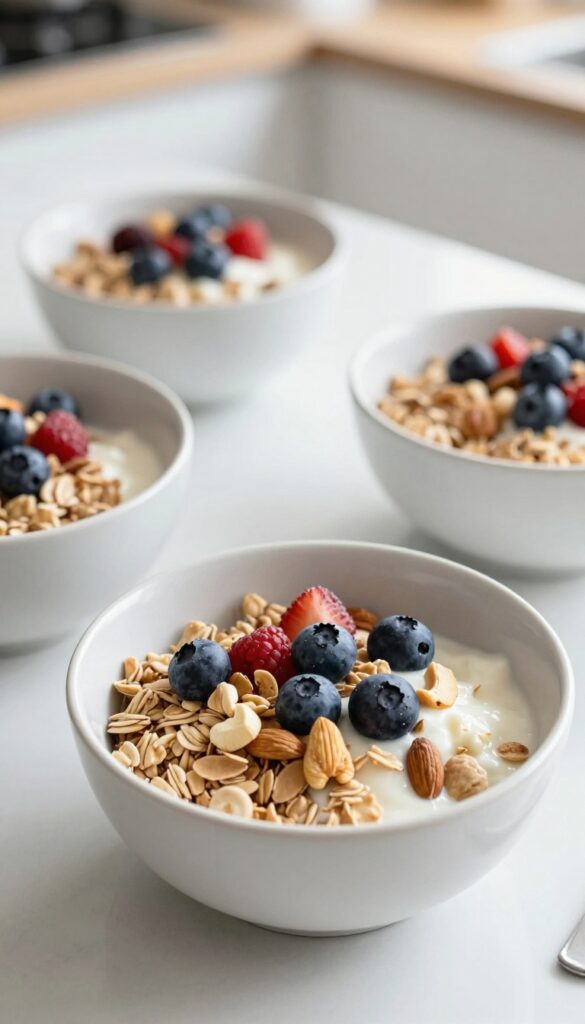
Start your day with a protein-packed, iodine-free breakfast. This egg white omelet is filled with colorful vegetables and seasoned with herbs, making it a satisfying and safe option for a low iodine diet.
Egg yolks are high in iodine, so this recipe uses only egg whites. Sauté allowed vegetables like bell peppers, spinach, and mushrooms in a pan with a little non-iodized salt or oil. Season with herbs and spices such as oregano, basil, or garlic powder, but avoid black pepper if you are sensitive.
Cook until the eggs are set and the vegetables are tender.
Key Tips
- Use only egg whites; yolks are high in iodine.
- Sauté allowed vegetables like bell peppers, spinach, and mushrooms.
- Use non-iodized salt or oil for cooking.
- Season with herbs and spices; avoid black pepper if sensitive.
Homemade Vegetable Broth
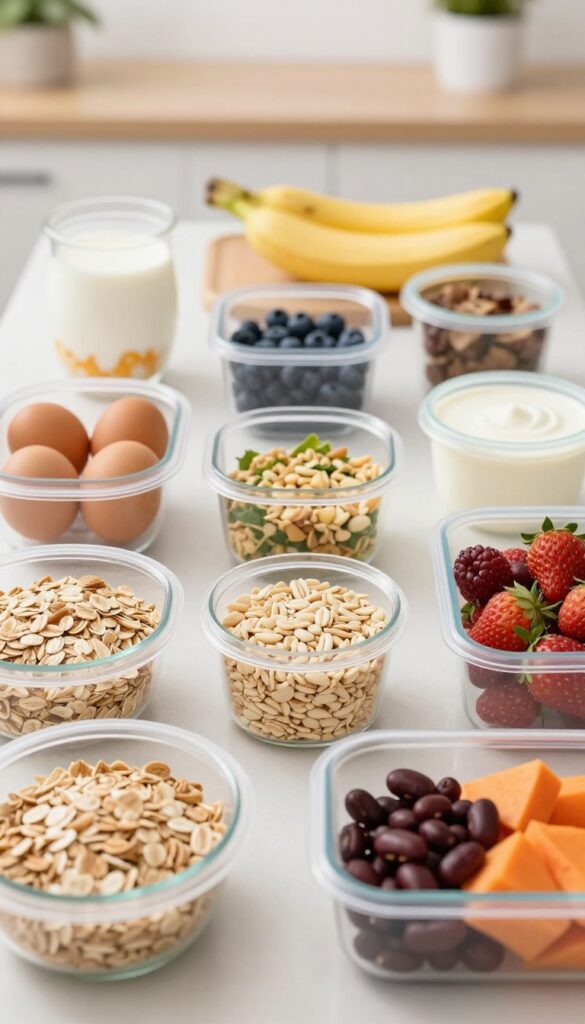
Store-bought broths often contain iodized salt or additives that can derail your low iodine diet. Making your own vegetable broth is simple, cost-effective, and gives you full control over ingredients.
Start by simmering carrots, celery, onions, garlic, and your favorite herbs in water. Avoid adding any seaweed, kelp, or iodized salt. Instead, use non-iodized salt or skip salt entirely—you can always season dishes later.
Let the broth simmer for about 30–45 minutes, then strain and cool.
Tips for success
- Use a large pot and cover vegetables with water by about an inch.
- Add bay leaves, thyme, or parsley for extra flavor without iodine.
- Pour cooled broth into ice cube trays or freezer-safe containers for easy portioning.
This broth stays fresh in the fridge for up to 5 days or in the freezer for 3 months. Having it on hand makes low-iodine cooking much easier.
Oven-Roasted Chicken Breast with Herbs
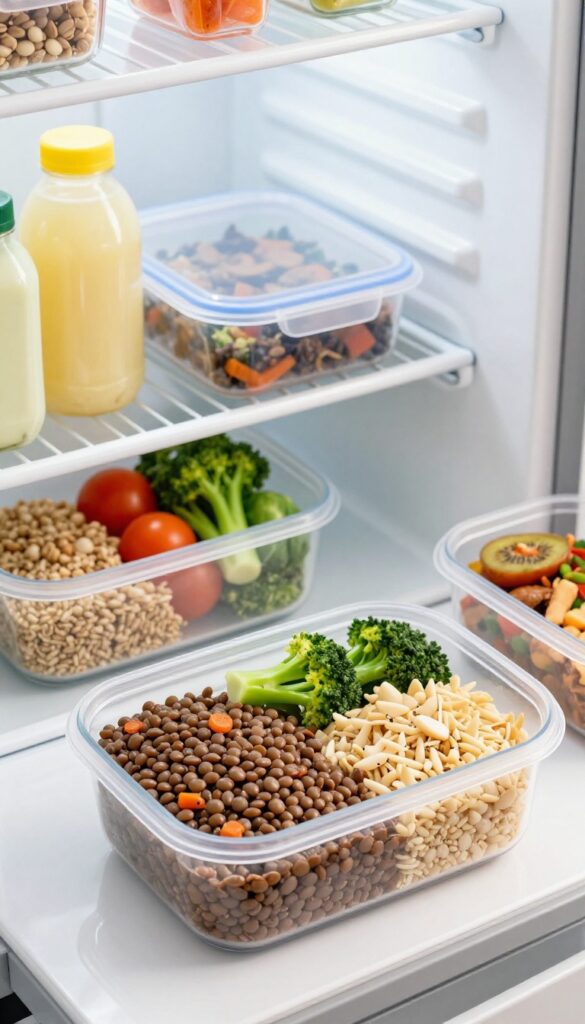
Plain chicken breast is a low-iodine diet staple, but it doesn't have to be boring. This simple roasting method uses herbs and non-iodized salt for flavor, keeping the dish safe and satisfying.
Start with fresh or frozen chicken breast that has no added broth or saline solution. Pat it dry and season generously with dried rosemary, thyme, garlic powder, and non-iodized salt. Place on a lined baking sheet and roast at 375°F until the internal temperature reaches 165°F, about 20-25 minutes depending on thickness.
Key tips for success
- Avoid pre-seasoned or marinated chicken, which often contains iodized salt or soy sauce.
- Use kosher or sea salt labeled "non-iodized" to stay compliant.
- Let the chicken rest for 5 minutes before slicing to keep it juicy.
Quinoa Salad with Lemon and Cucumber
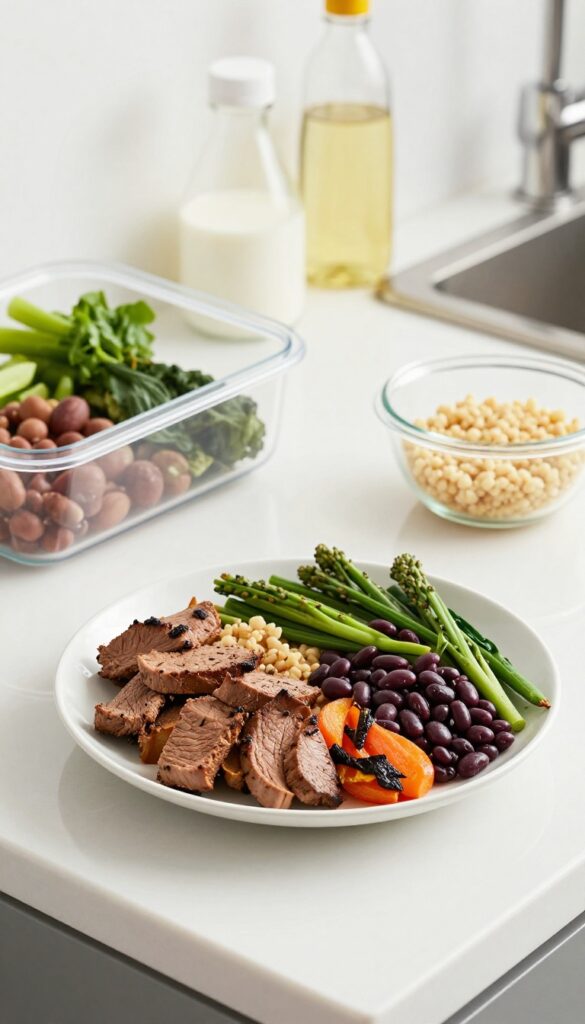
This quinoa salad is a refreshing, protein-packed dish that's perfect for a low iodine diet. It's quick to prepare and keeps well in the fridge for meal prep.
Cook 1 cup of quinoa in 2 cups of water until fluffy, then let it cool completely. While the quinoa cools, dice 1 cucumber, halve a cup of cherry tomatoes, finely chop a small red onion, and chop a handful of fresh parsley.
- In a large bowl, combine the cooled quinoa with the chopped vegetables and parsley.
- For the dressing, whisk together the juice of 1 lemon, 2 tablespoons of olive oil, and a pinch of non-iodized salt.
- Pour the dressing over the salad and toss gently to combine.
- Serve chilled or at room temperature.
Baked Salmon with Dill and Lemon
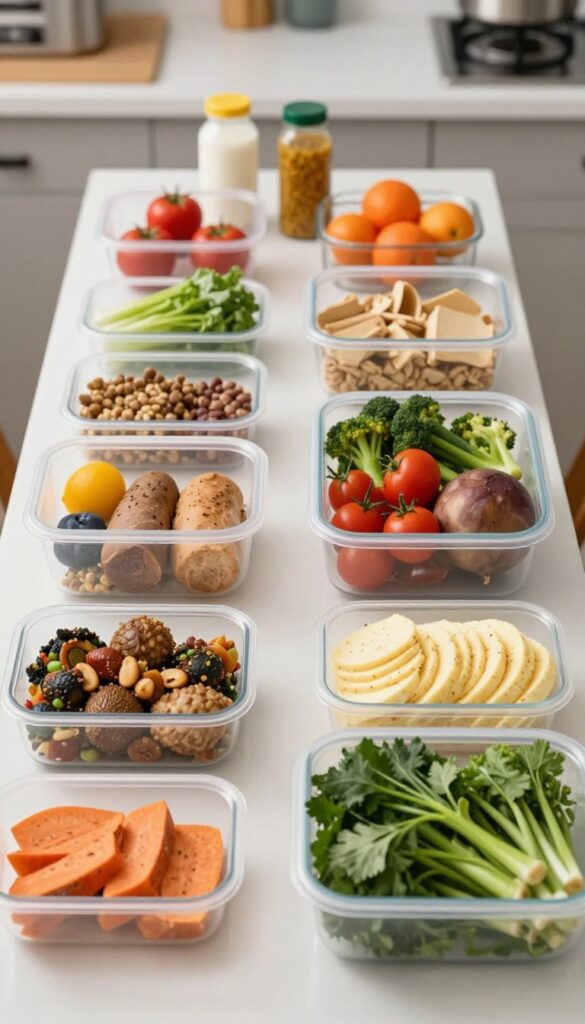
Salmon is a smart choice for a low iodine diet because it naturally contains less iodine than many other types of seafood. This simple recipe lets the clean flavors shine without any high-iodine ingredients.
Start by preheating your oven to 400°F. Place a salmon fillet on a sheet of parchment paper. Top with fresh lemon slices and a generous sprinkle of chopped dill.
Fold the parchment paper into a packet to seal in moisture.
Key tips for success
- Use fresh or frozen salmon without any added salt or marinades.
- Skip iodized salt—use sea salt or kosher salt instead.
- Bake for 12–15 minutes until the salmon flakes easily with a fork.
Serve with steamed vegetables or a side salad for a complete meal. This dish is proof that low iodine eating can still be delicious and satisfying.
Sweet Potato and Black Bean Tacos
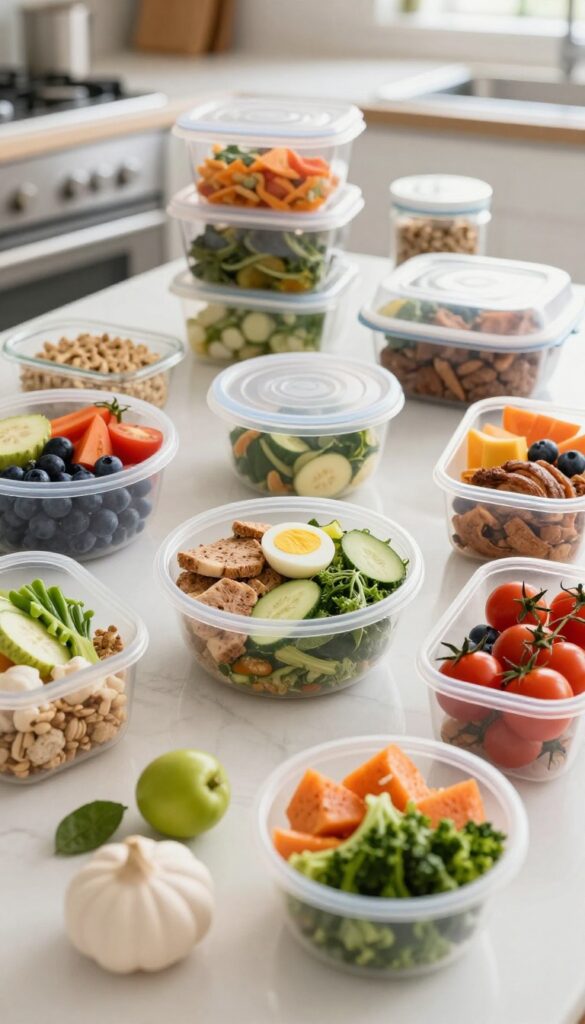
These tacos are a vibrant, satisfying option for a low iodine diet. The sweet potatoes provide natural sweetness and a dose of vitamin A, while black beans add fiber and protein. Using corn tortillas keeps the dish free of iodized salt often found in flour tortillas.
Start by roasting sweet potato cubes tossed with cumin, chili powder, and a pinch of salt (use non-iodized salt or omit). While they cook, rinse canned black beans to reduce sodium. Warm corn tortillas and fill them with the roasted sweet potatoes, black beans, and your favorite low-iodine toppings like fresh salsa (made without iodized salt) and sliced avocado.
- Roast sweet potato cubes with cumin and chili powder.
- Use canned black beans (rinsed) or cooked dried beans.
- Serve in corn tortillas with salsa (no iodized salt) and avocado.
Zucchini Noodles with Tomato Basil Sauce
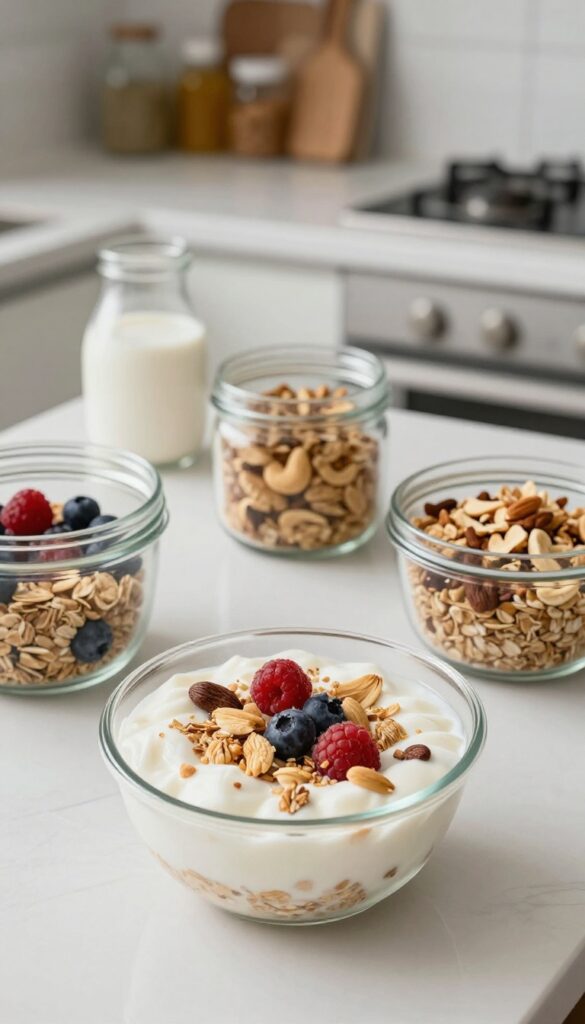
When you're craving pasta on a low iodine diet, zucchini noodles are a fantastic swap. This recipe is quick, flavorful, and completely free of iodized salt and dairy.
Spiralize 2 medium zucchinis into noodles. In a skillet, heat 1 tablespoon olive oil over medium heat and sauté the zucchini noodles for 2–3 minutes until just tender. Do not overcook, or they will become watery.
- For the sauce: In a saucepan, combine 1 can (15 oz) crushed tomatoes (no salt added), 2 minced garlic cloves, 1/4 cup fresh basil leaves, and a pinch of non-iodized salt. Simmer for 10 minutes.
- Toss the sauce with the zucchini noodles and serve immediately.
- Avoid store-bought pasta sauce, which often contains iodized salt. Also skip Parmesan cheese, as it is high in iodine.
Oatmeal with Berries and Cinnamon
A warm bowl of oatmeal is a comforting and safe breakfast option on a low iodine diet, as long as you stick with plain oats and avoid pre-packaged mixes.
Start with plain rolled oats or steel-cut oats cooked in water or unsweetened almond milk. Avoid instant oatmeal packets, which often contain iodized salt, preservatives, or added sweeteners that may be off-limits. Top your oatmeal with fresh or frozen berries—blueberries, strawberries, or raspberries work well—and a generous sprinkle of cinnamon for natural sweetness.
You can also add a tablespoon of unsweetened applesauce or a dash of nutmeg for extra flavor.
Key Tips
- Use plain rolled oats (not instant or flavored).
- Cook with water or unsweetened almond milk.
- Add fresh or frozen berries without added sugar.
- Season with cinnamon, nutmeg, or vanilla extract.
- Avoid adding honey, maple syrup, or iodized salt.
Hummus with Vegetable Sticks
Hummus is a creamy, protein-packed dip that’s naturally low in iodine when made at home. This version uses simple ingredients and pairs perfectly with fresh vegetable sticks for a satisfying snack or light meal.
To make hummus, blend one can of chickpeas (rinsed and drained) with ¼ cup tahini, 2 tablespoons lemon juice, 1 garlic clove, 2 tablespoons olive oil, and 2–3 tablespoons water until smooth. Season with non-iodized salt and pepper. Avoid store-bought hummus, which often contains iodized salt or preservatives.
Serving ideas
- Carrot sticks
- Cucumber spears
- Bell pepper strips
Grilled Chicken Salad with Vinaigrette
A grilled chicken salad with homemade vinaigrette is a refreshing, protein-packed meal that fits perfectly into a low iodine diet. By grilling plain chicken and using a simple oil-and-vinegar dressing, you avoid hidden sources of iodine while enjoying a satisfying dish.
Start with boneless, skinless chicken breast. Season it with salt-free spices like black pepper, garlic powder, or dried herbs. Grill until cooked through, then let it rest before slicing.
For the salad base, use mixed greens—romaine, spinach, or arugula all work well.
- Add allowed vegetables: sliced tomatoes, cucumbers, red onion, and bell peppers.
- Make the vinaigrette: whisk together 3 parts olive oil, 1 part balsamic vinegar, a pinch of salt-free seasoning, and optional fresh herbs like basil or oregano.
- Toss the greens with just enough dressing to coat, then top with sliced chicken.
Avoid croutons, cheese, and store-bought dressings, as they often contain iodized salt or dairy. This salad is best enjoyed fresh, but you can prep the chicken and dressing ahead of time.
Baked Apples with Cinnamon
For a simple, naturally sweet dessert that fits a low iodine diet, baked apples with cinnamon are a perfect choice. This recipe uses no dairy or iodized ingredients, relying on the apple's own sweetness and a touch of optional maple syrup.
Core the apples, leaving the bottom intact to hold the filling. Mix cinnamon with a little maple syrup if you like extra sweetness, then spoon into the cavities. Place the apples in a baking dish with a splash of water to prevent sticking.
- Core apples; fill with cinnamon and a little maple syrup (optional).
- Bake at 350°F for 30-40 minutes until soft.
- Serve warm; no dairy or iodized ingredients.
Rice and Lentil Pilaf
This rice and lentil pilaf is a hearty, protein-packed side dish that fits perfectly into a low iodine diet. It uses simple, iodine-free ingredients and is easy to customize with your favorite herbs.
Start by sautéing finely chopped onions and minced garlic in a splash of olive oil until softened. Add 1 cup of rinsed brown or white rice and 1/2 cup of rinsed brown or green lentils, stirring for a minute to coat. Pour in 2.5 cups of water or homemade vegetable broth (avoid store-bought broths, which often contain iodized salt).
Bring to a boil, then reduce heat, cover, and simmer for about 20–25 minutes, or until rice and lentils are tender and liquid is absorbed.
Key Tips
- Season with cumin, turmeric, and non-iodized salt to taste.
- For extra flavor, add a bay leaf or a pinch of black pepper.
- Fluff with a fork before serving and garnish with fresh parsley if desired.
Frozen Fruit Sorbet
When you're craving something sweet and cold, this homemade frozen fruit sorbet is a perfect low-iodine treat. It's simple to make with just a few ingredients and no added sugars or dairy.
Blend frozen mango, pineapple, or berries with a little water or unsweetened almond milk until smooth. Add a splash of lemon juice for brightness. That's it—no added sugar or iodine-containing ingredients.
Serve immediately for a soft-serve texture, or freeze for a firmer sorbet.
Key Tips
- Use only frozen fruit—no need for ice cream maker.
- Avoid store-bought sorbets; they may contain additives or iodized salt.
- Customize with your favorite low-iodine fruits like peaches or cherries.
FAQ
What is a low iodine diet?
A low iodine diet restricts iodine intake to less than 50 mcg per day, often required before radioactive iodine therapy for thyroid conditions.
Can I use salt on a low iodine diet?
Yes, but only non-iodized salt. Avoid iodized salt, sea salt, and any salt with added iodine.
Are eggs allowed on a low iodine diet?
Only egg whites are allowed. Egg yolks are high in iodine and should be avoided.
Can I eat seafood on a low iodine diet?
Some seafood like salmon is low in iodine, but avoid shellfish and high-iodine fish like cod. Always check with your doctor.
How long do I need to follow a low iodine diet?
Typically 1-2 weeks before radioactive iodine therapy, but follow your healthcare provider's instructions.
Conclusion
These 13 practical recipes provide a variety of flavorful options for a low iodine diet. Save them for easy meal planning during your dietary preparation.
Always consult your healthcare provider for personalized advice.

Dr. Pallab Kishore, MS in Orthodontics and owner of Orthodontic Braces Care, shares expert tips on braces, aligners, and oral health from 10+ years of experience.