
Finding time for daily movement can feel like a chore, especially when the weather doesn't cooperate or your schedule is packed. But what if you could get a solid workout without leaving your living room?
Indoor walking is one of the simplest, most accessible ways to stay active every day. It requires no special gear, no gym membership, and just a bit of floor space.
This plan is designed to help you build a sustainable habit that fits into your life, not the other way around. Whether you're a beginner or just looking for a low-impact option, you'll find everything you need right here.
Why Indoor Walking Works for Daily Movement
Indoor walking is one of the simplest ways to keep your body moving every day. It removes common barriers like bad weather, lack of equipment, or needing to leave the house. Here’s why it’s a smart choice for daily movement.
Walking indoors is accessible to almost anyone. You don’t need a treadmill or fancy gear—just a small clear space in your living room, hallway, or bedroom. This makes it easy to fit into your day, whether you have five minutes or an hour.
Key Benefits
- Low impact: Gentle on joints, suitable for all fitness levels.
- No equipment needed: Use your body weight and a bit of floor space.
- Weather-proof: Rain, snow, or heat won’t derail your routine.
- Easy to fit into routine: Walk while watching TV, listening to podcasts, or during a work break.
Because it’s low impact, indoor walking is especially joint-friendly. It strengthens muscles around the knees and hips without jarring forces, making it a safe option for people with arthritis or those recovering from injury. The key is consistency over intensity—a short daily walk often beats a long, irregular workout.
A Note on Expectations
Indoor walking is excellent for daily movement and overall health, but it’s not a high-calorie burner or a substitute for medical treatment. Think of it as a foundation for an active lifestyle, not a quick fix.
Setting Up Your Indoor Walking Space
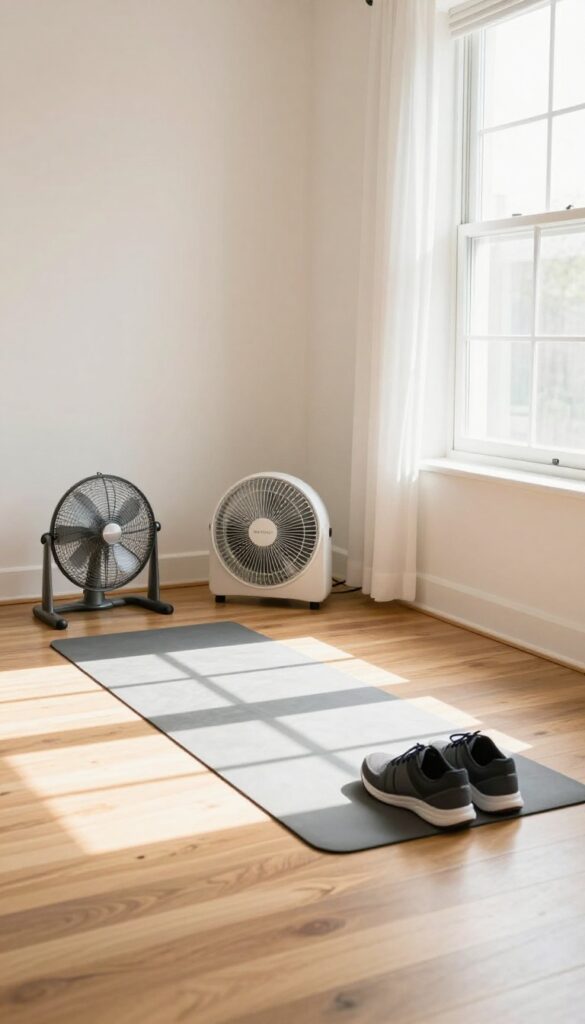
One of the best things about indoor walking is that you don't need a lot of room or fancy gear. A small, clear area is enough to get started. Here's how to set up a space that's safe, comfortable, and inviting for daily movement.
First, find a spot in your home where you can walk back and forth or in a small loop. It could be in front of the TV, in a hallway, or in a corner of a room. The key is to have a clear path free of clutter, cords, or furniture you might trip over.
Aim for a space that's at least 4 to 6 feet long—that's enough for comfortable strides.
What you'll need for a basic setup
- A clear, flat surface (hardwood, tile, or low-pile carpet work best)
- Supportive walking shoes or cushioned shoes (avoid walking barefoot on hard floors for long sessions)
- Optional: a yoga mat or exercise mat if you want extra cushioning for your joints
- Good lighting so you can see clearly and avoid missteps
- A fan or open window for ventilation, especially if you tend to get warm
Footwear matters more than you think
While you can walk in socks or slippers for a few minutes, for any walk longer than 10 minutes, wear supportive shoes. Walking shoes with a flexible sole and good arch support will keep your feet happy and reduce fatigue. If you don't have walking shoes, cross-trainers or cushioned running shoes work well too.
Consider a walking pad or treadmill if you want to upgrade
If you find yourself walking regularly and want to increase your pace or duration, a walking pad (a compact, foldable treadmill) can be a great investment. But it's not necessary—many people get excellent results just walking in place or pacing around a room. Start simple and see how you feel.
Quick tip
Place a small towel or water bottle at one end of your walking path to mark your turn-around point. This helps you stay oriented and keeps your stride consistent.
Warm-Up: Prepare Your Body for Walking
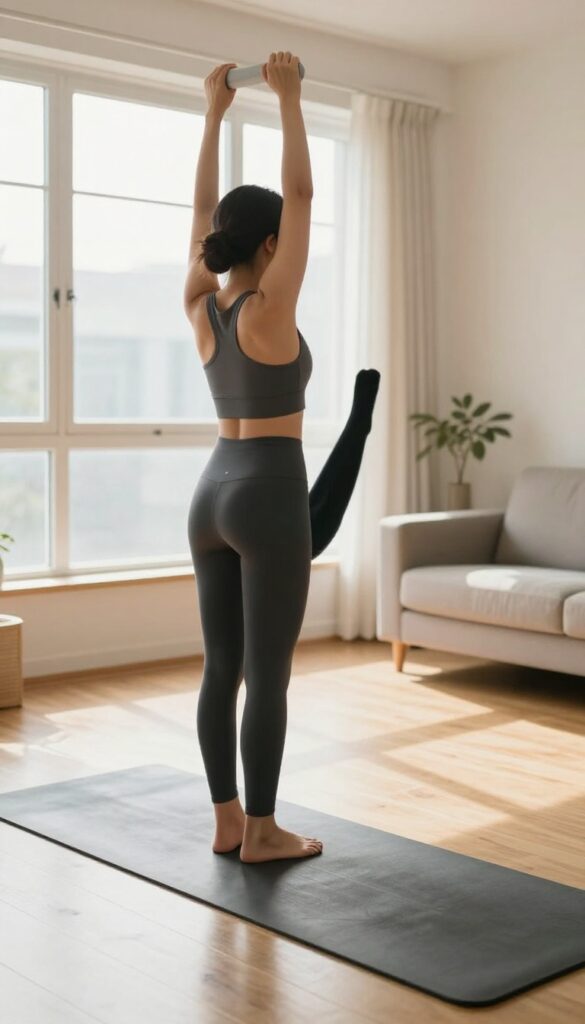
Before you start walking, take 3 to 5 minutes to wake up your muscles and get your blood flowing. A proper warm-up reduces stiffness, improves range of motion, and helps prevent discomfort during your walk. Focus on dynamic movements that gently mobilize your joints rather than holding still stretches.
Follow these steps in order
- March in place (30 seconds) – Stand tall and lift your knees to hip height or as high as comfortable. Swing your arms naturally. This gently raises your heart rate.
- Ankle circles (30 seconds each side) – Lift one foot slightly off the ground and rotate your ankle clockwise, then counterclockwise. Switch legs. This loosens up your ankle joints for a smoother stride.
- Leg swings (30 seconds each side) – Hold onto a wall or chair for balance. Swing one leg forward and backward in a controlled motion. Then swing it side to side across your body. Repeat on the other leg. This activates your hips and improves mobility.
- Arm circles (30 seconds forward, 30 seconds backward) – Extend your arms out to the sides and make small circles, gradually increasing the size. Reverse direction. This opens up your shoulders and chest.
Keep it gentle
The goal is to prepare, not to exhaust. Each movement should feel smooth and pain-free. If any motion feels sharp or uncomfortable, reduce the range of motion or skip it.
The Main Indoor Walking Workout Plan
This plan is designed to ease you into a consistent walking routine, gradually building up duration and intensity over six weeks. The goal is to make walking a daily habit without overwhelming you.
Week 1-2: Building the Habit
Your first two weeks are all about showing up. Aim for 10–15 minutes of walking at a comfortable pace, five days a week. Don't worry about speed or distance—just get your body moving.
If you feel good, you can add a few minutes, but keep it easy. Consistency is key here.
Week 3-4: Increasing Duration and Intensity
Now that walking feels more natural, increase your sessions to 20–25 minutes. Pick up the pace slightly so you're breathing a bit harder but can still hold a conversation. You can also add small challenges: walk up stairs if you have them, or swing your arms more vigorously.
Still aim for five days a week.
Week 5-6: Adding Intervals
To boost endurance and burn more energy, mix in intervals. After a 3-minute warm-up, alternate 1 minute of brisk walking (or marching in place at high knees) with 2 minutes of moderate walking. Repeat this cycle 5–7 times, then cool down.
Your total time should be around 25–30 minutes. Continue five days a week.
Progression Guidelines
Listen to your body. If any week feels too hard, repeat it before moving on. The key is gradual progression, not perfection.
Always start with a 3-minute warm-up and end with a 2-minute cool-down.
Variations to Keep It Interesting
Even the best routine can get stale. These simple variations will keep your indoor walking fresh and engaging—no special gear required.
Easy Ways to Mix It Up
- Walk while watching TV: March in place or pace during your favorite show. Commercial breaks are perfect for speed intervals.
- Use a walking video: Follow along with a guided indoor walking video on YouTube. Many are free and range from 10 to 30 minutes.
- Add arm movements: Swing your arms, do bicep curls with light weights, or reach overhead. This engages your upper body and boosts calorie burn.
- Walk up and down stairs: If you have stairs, use them for 5-minute bursts. Stair walking strengthens legs and gets your heart rate up.
- Vary your pace: Alternate 2 minutes at a normal pace with 1 minute at a brisk pace. This interval style improves cardiovascular fitness.
- Incorporate music or podcasts: Create a walking playlist with upbeat songs or listen to an engaging podcast. The rhythm can help you maintain a steady pace.
Tracking Your Progress and Staying Consistent
Keeping tabs on your indoor walking doesn't have to be complicated. Simple tracking methods help you see your progress, celebrate small wins, and stay motivated over time. The goal is to build a habit, not to obsess over data.
The easiest way to track your walking is with a pedometer or a free app on your phone. Many smartphones already have a step counter built in, so you don't need to buy anything extra. Aim for a daily step goal that feels achievable—like 5,000 steps to start—and gradually increase it as you get stronger.
Simple ways to track
- Use a pedometer, fitness tracker, or phone app to count steps and active minutes.
- Log your daily walking minutes in a notebook or a simple notes app.
- Set small, specific goals like “walk for 10 minutes after lunch” or “add 500 steps each week.”
- Review your progress at the end of each week to see patterns and celebrate achievements.
Celebrate milestones along the way. When you hit a new step record or complete a full week of consistent walking, treat yourself to something that supports your routine—like a new pair of socks, a relaxing bath, or an extra episode of your favorite show. These small rewards reinforce the habit and make it more enjoyable.
Keep it simple
Remember, the purpose of tracking is to stay consistent, not to create stress. Avoid getting caught up in daily fluctuations or comparing your numbers to others. Focus on your own progress and how you feel.
Staying Motivated for the Long Haul
Starting strong is great, but the real win is sticking with it. The key is to make walking a natural part of your day, not a chore. Here are three simple strategies to keep you going.
Pair walking with a habit you already do, like listening to a podcast, calling a friend, or watching your favorite show. This linking makes walking automatic over time.
Find an accountability partner. It could be a friend, family member, or an online community. Sharing your goals and checking in regularly can boost your commitment.
Reward yourself. Set small milestones—like walking 10 days in a row—and treat yourself to something you enjoy, like a new playlist or a relaxing bath.
Overcoming Boredom
Boredom is common, but you can beat it. Try new variations from Section 6, change your walking route around the house, or set a fun challenge like walking during a whole movie.
Dealing with Off Days
Off days happen. Don’t let guilt creep in. Instead, adjust: do a shorter walk, focus on stretching, or simply take a rest day.
Consistency over perfection is what matters.
Safety Tips and When to Adjust
Walking indoors is generally very safe, but it's still important to listen to your body and make adjustments when needed. Here are some practical safety tips and signs that it's time to modify your routine.
First and foremost, pay attention to how your body feels during and after your walks. Mild muscle soreness is normal, but sharp or persistent pain is a signal to stop and reassess. If you experience chest pain, dizziness, shortness of breath, or joint pain that doesn't improve with rest, consult a healthcare professional before continuing.
Signs to Stop or Modify
- Sharp or stabbing pain in joints, especially knees, hips, or ankles
- Dizziness, lightheadedness, or feeling faint
- Chest pain, pressure, or unusual shortness of breath
- Pain that gets worse as you walk instead of better
- Swelling or redness in any joint
If you have joint pain, especially in the knees or hips, consider walking on a softer surface like a carpet or a yoga mat. You can also shorten your stride or reduce your pace. Using supportive footwear with good cushioning can make a big difference.
If pain persists, try alternating walking with other low-impact activities like stretching or gentle yoga.
General Safety Reminders
- Stay hydrated: Keep a water bottle nearby and sip before, during, and after your walk.
- Wear proper footwear: Supportive athletic shoes with good traction are best. Avoid walking in socks or slippers on hard floors.
- Clear your path: Remove clutter, cords, or rugs that could cause tripping.
- Warm up and cool down: A few minutes of gentle movement and stretching can help prevent injury.
- Consult a doctor if you have a chronic condition, are pregnant, or are recovering from an injury.
FAQ
How long should I walk indoors each day?
Start with 10-15 minutes if you're new, and gradually work up to 30 minutes. Consistency matters more than duration, so aim for daily walks even if they're short.
Can I lose weight by walking indoors?
Walking can support weight loss as part of a balanced routine, but it's not a magic solution. Combine it with a healthy diet and other activities for best results.
Do I need a treadmill?
Not at all. You can walk in place, pace around a room, or use a hallway. A treadmill is optional and can be helpful for tracking steps, but it's not necessary.
What if I have limited space?
Even a small area works. March in place, walk in circles, or use a small mat. You only need enough room to take a few steps comfortably.
Is walking indoors as effective as walking outside?
Indoor walking can be just as effective for cardiovascular health and calorie burn, especially if you maintain a brisk pace. The key is to keep moving consistently.
Conclusion
The beauty of indoor walking is that it meets you where you are. You don't need a perfect setup or hours of free time—just a few minutes and the willingness to move. This plan is a starting point, but feel free to adjust it to your own pace and preferences.
Remember, the best workout is the one you actually do. So lace up your shoes (or don't), clear a small path, and take that first step. Your body will thank you.

Dr. Pallab Kishore, MS in Orthodontics and owner of Orthodontic Braces Care, shares expert tips on braces, aligners, and oral health from 10+ years of experience.