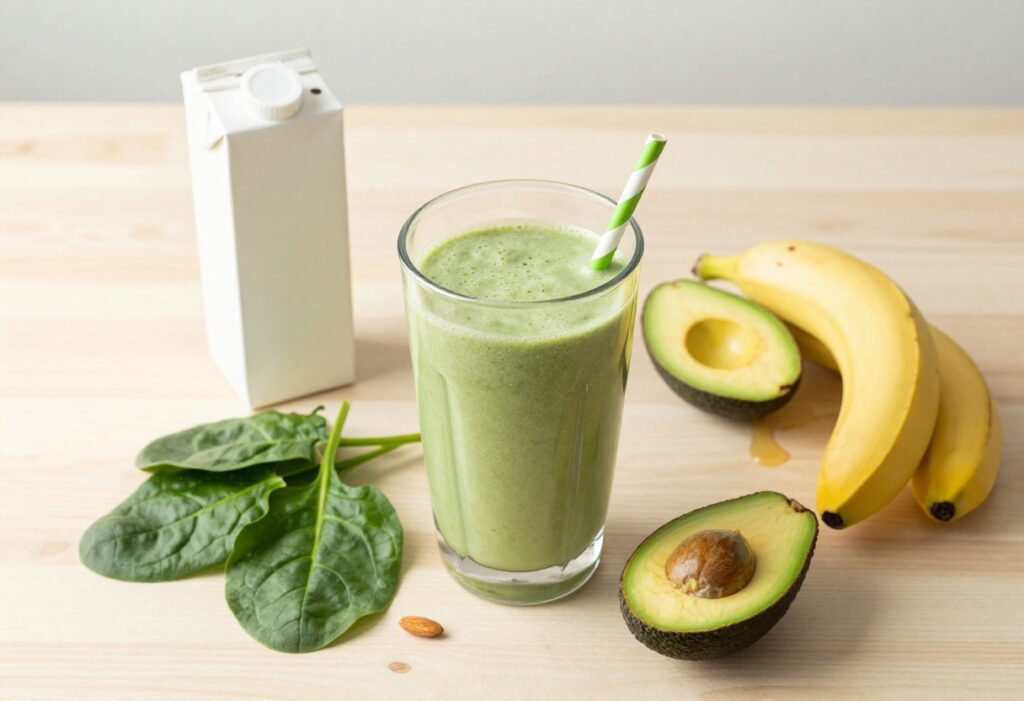
Starting a 1200 calorie diet can be an effective way to lose weight, but it's important to do it safely and sustainably.
This beginner-friendly guide provides a 7-day meal plan, meal prep tips, and essential advice to help you get started on the right foot.
Always consult with a healthcare provider before beginning any new diet plan.
What Is a 1200 Calorie Diet?
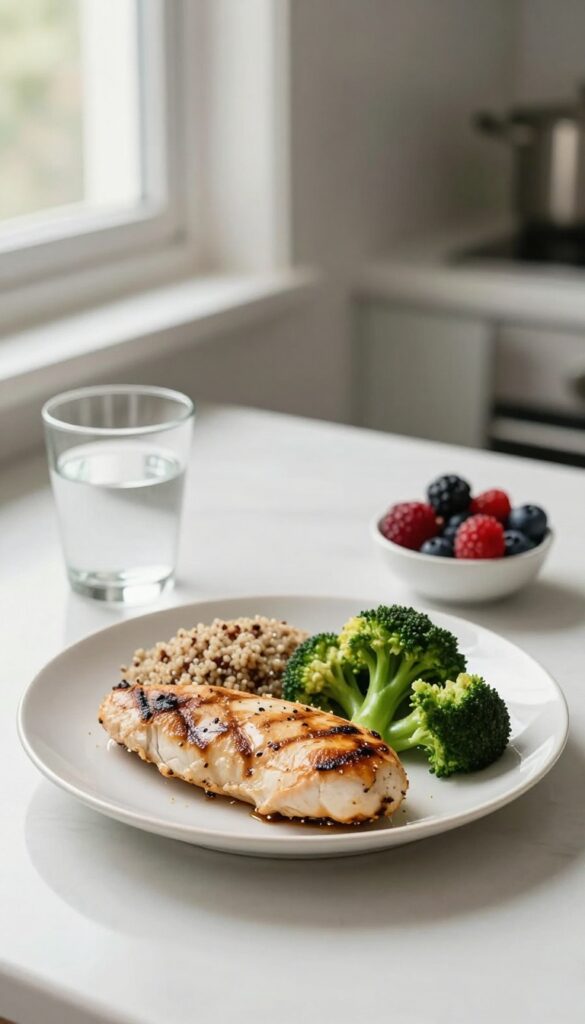
A 1200 calorie diet is a structured low-calorie eating plan often used for weight loss. It involves consuming approximately 1200 calories per day through three meals and one or two snacks, with a strong emphasis on nutrient-dense foods to ensure you meet your vitamin and mineral needs despite the reduced calorie intake.
While this approach can be effective for short-term weight loss, it's important to understand that 1200 calories is considered a minimum for many women and may not be appropriate for everyone. Factors like age, gender, activity level, and overall health play a significant role in determining the right calorie target for you. Before starting any low-calorie diet, it's essential to consult with a doctor or registered dietitian to ensure it's safe and suitable for your individual needs.
Key Points to Know
- A 1200 calorie diet is a low-calorie eating plan often used for weight loss.
- It typically includes three meals and one or two snacks totaling 1200 calories.
- Focus on nutrient-dense foods to meet vitamin and mineral needs.
- This calorie level is a minimum for many women; not suitable for everyone.
- Always consult a healthcare professional before starting such a plan.
Important Note
This diet is not a one-size-fits-all solution. Individual calorie needs vary, and extreme restriction can lead to nutrient deficiencies or other health issues. The goal is to create a sustainable, balanced eating pattern that supports your health and weight loss goals.
Who Should Consider a 1200 Calorie Meal Plan?
A 1200 calorie meal plan can be an effective tool for weight loss, but it is not suitable for everyone. Understanding who can safely follow this plan—and who should avoid it—is essential before starting.
This calorie level is typically recommended for sedentary women or smaller individuals who are looking for gradual, sustainable weight loss. It may also be appropriate for older adults with low activity levels, under medical supervision.
Who may benefit
- Sedentary women aiming for 1–2 pounds of weight loss per week
- Smaller-framed individuals with lower calorie needs
- Those who have received a doctor’s approval for a low-calorie diet
Who should NOT follow this plan
A 1200 calorie diet is not suitable for active individuals, men (who generally need more calories), pregnant or nursing women, teenagers, or people with certain health conditions such as diabetes, eating disorders, or metabolic issues. Always consult a healthcare professional before starting any low-calorie diet.
Remember, a 1200 calorie meal plan is a tool—not a one-size-fits-all solution. Your individual needs depend on age, gender, activity level, and health status. A doctor or registered dietitian can help you determine if this plan is right for you.
Key Principles of a Healthy 1200 Calorie Diet
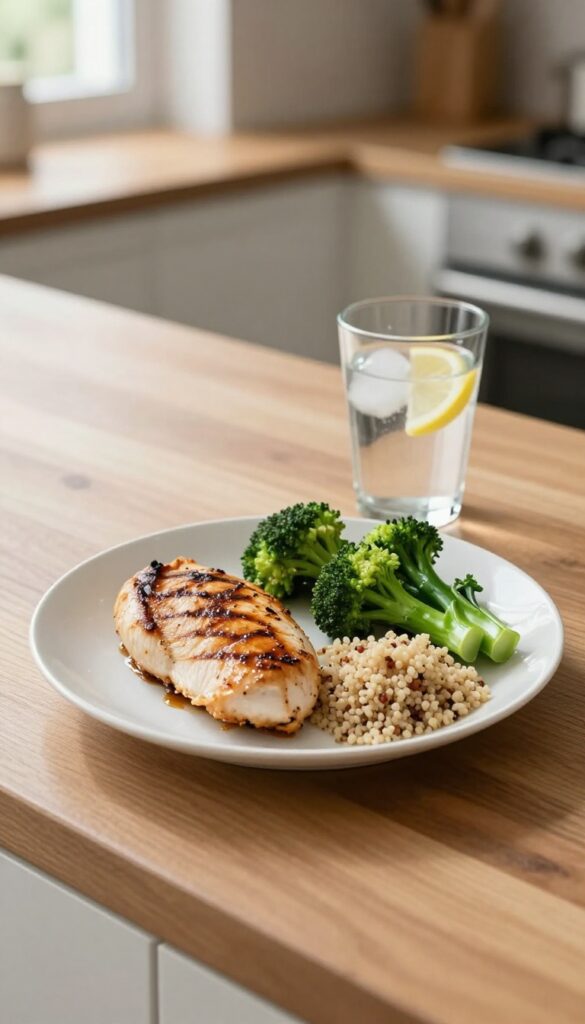
To make a 1200 calorie diet both effective and sustainable, focus on nutrient-dense foods that keep you satisfied. The following principles will help you build balanced meals while staying within your calorie goal.
- Prioritize protein, fiber, and healthy fats to stay full.
- Include plenty of vegetables, fruits, lean proteins, and whole grains.
- Limit added sugars, refined carbs, and high-calorie processed foods.
Macronutrient Balance
Aim for roughly 40% carbohydrates, 30% protein, and 30% fat from whole food sources. This balance helps maintain energy levels and muscle mass while promoting fat loss. For example, a 1200 calorie day might include 120g carbs, 90g protein, and 40g fat.
Hydration and Mindful Eating
Drink at least 8 cups of water daily to support metabolism and prevent mistaking thirst for hunger. Eat slowly, savor each bite, and stop when you feel comfortably full—not stuffed. This practice helps you recognize true hunger cues and avoid overeating.
Important
Always consult a healthcare professional before starting a 1200 calorie diet, especially if you have medical conditions or are taking medications.
Sample 7-Day 1200 Calorie Meal Plan
This 7-day meal plan is designed to keep you satisfied while staying around 1200 calories per day. Each day includes three meals and one optional snack, with a focus on lean protein, fiber-rich vegetables, and healthy fats. Portions are approximate—adjust based on your hunger and activity level.
Each day provides roughly 1200 calories, with meals spaced to maintain steady energy. Feel free to swap similar ingredients or adjust portions to fit your preferences.
- Day 1: Breakfast – Greek yogurt with berries (200 cal). Lunch – Grilled chicken salad with vinaigrette (350 cal). Dinner – Baked salmon with asparagus (450 cal). Snack – Almonds (100 cal).
- Day 2: Breakfast – Oatmeal with sliced almonds (250 cal). Lunch – Turkey wrap with lettuce, tomato, and mustard (350 cal). Dinner – Stir-fried tofu with broccoli (400 cal). Snack – Apple (100 cal).
- Day 3: Breakfast – Scrambled eggs with spinach (200 cal). Lunch – Quinoa bowl with black beans, corn, and salsa (350 cal). Dinner – Lean beef stir-fry with bell peppers (450 cal). Snack – Carrot sticks with hummus (100 cal).
- Day 4: Breakfast – Smoothie with protein powder, spinach, and banana (250 cal). Lunch – Tuna salad on lettuce wraps (300 cal). Dinner – Grilled shrimp with zucchini (400 cal). Snack – Greek yogurt (100 cal).
- Day 5: Breakfast – Cottage cheese with peach (200 cal). Lunch – Lentil soup (300 cal). Dinner – Chicken breast with roasted vegetables (450 cal). Snack – Pear (100 cal).
- Day 6: Breakfast – Whole grain toast with avocado (250 cal). Lunch – Veggie and hummus plate with cucumber, bell peppers, and cherry tomatoes (350 cal). Dinner – Baked cod with sweet potato (400 cal). Snack – Handful of grapes (100 cal).
- Day 7: Breakfast – Egg muffin cups with spinach and tomato (200 cal). Lunch – Leftover cod with salad (350 cal). Dinner – Turkey meatballs with marinara and spaghetti squash (450 cal). Snack – Mixed berries (100 cal).
This plan offers variety and balance, ensuring you get essential nutrients while staying within your calorie goal. Drink plenty of water throughout the day, and adjust meal timing to suit your schedule.
Meal Prep Tips for Success
Meal prep is the secret weapon for sticking to a 1200 calorie diet. By planning and preparing ahead, you remove guesswork, reduce temptation, and make healthy choices effortless. Here are practical strategies to set yourself up for a successful week.
Plan Your Meals and Grocery List
Start by reviewing your 7-day meal plan and write down every ingredient you need. Organize your list by grocery store sections (produce, protein, grains, etc.) to save time. Stick to the list to avoid impulse buys that could derail your calorie goals.
Batch Cook Staples
Cook large batches of grains (like quinoa or brown rice), proteins (grilled chicken, hard-boiled eggs), and roasted vegetables on Sunday. Store them in portion-sized containers so you can mix and match meals throughout the week. This makes assembly quick and keeps portions controlled.
- Cook a big batch of quinoa or brown rice.
- Grill or bake chicken breasts for the week.
- Hard-boil 6-8 eggs for snacks or salads.
- Chop vegetables like bell peppers, cucumbers, and carrots.
- Wash and portion fresh fruit (berries, apples, grapes).
- Pre-portion nuts or seeds into small bags (1 oz each).
- Make a big salad base (lettuce, spinach, etc.) in a large container.
Use Portion Control Tools
Invest in a set of portion control containers or a simple food scale. These tools help you accurately measure servings of grains, proteins, and fats without overthinking. For example, a typical serving of cooked rice is 1/2 cup (about the size of a cupcake wrapper).
Store Food Properly to Keep It Fresh
Use airtight glass containers for prepped ingredients to maintain freshness. Keep salad greens crisp by layering paper towels inside the container to absorb moisture. Store chopped vegetables in water to stay crunchy, and keep cooked proteins separate from raw items to avoid cross-contamination.
Prep Snacks and Portion Them Out
Divide snacks like yogurt, cheese sticks, or cut veggies into single-serving bags or containers. This prevents overeating and makes grabbing a snack as easy as reaching into the fridge. Aim for snacks around 100-150 calories each to stay within your daily limit.
Healthy Substitutions and Snack Ideas

Making small swaps in your daily meals can save significant calories without sacrificing flavor. Here are some easy substitutions and snack ideas to keep you satisfied on your 1200 calorie plan.
Low-Calorie Swaps
Replace high-calorie ingredients with lighter alternatives to reduce calories while keeping your meals tasty.
- Swap white rice for cauliflower rice – saves about 150 calories per cup.
- Use Greek yogurt instead of sour cream – saves about 100 calories per 1/2 cup.
- Choose zucchini noodles or spaghetti squash over pasta – saves around 200 calories per serving.
- Replace cream cheese with low-fat cottage cheese blended smooth – saves about 80 calories per 2 tablespoons.
- Use mustard or hot sauce instead of mayonnaise – saves about 90 calories per tablespoon.
- Opt for sparkling water with lemon instead of soda – saves 150+ calories per can.
Snack Ideas Under 150 Calories
Keep these snacks handy for when hunger strikes between meals.
- 1 medium apple (about 95 calories)
- 1 cup raw baby carrots with 2 tablespoons hummus (about 130 calories)
- 1/4 cup almonds (about 165 calories – slightly over but nutrient-dense)
- 1 hard-boiled egg with a pinch of salt (about 78 calories)
- 1 small banana (about 105 calories)
- 1/2 cup nonfat Greek yogurt with a few berries (about 100 calories)
Portion control is key. Even healthy snacks can add up quickly, so measure when possible.
Common Mistakes to Avoid on a 1200 Calorie Diet
Starting a 1200 calorie diet can be exciting, but it's easy to fall into a few common traps that can derail your progress. Here are the most frequent mistakes beginners make and how to avoid them.
- Skipping meals: Skipping breakfast or lunch often leads to extreme hunger later, causing overeating. Solution: Eat three balanced meals and one snack each day, spaced evenly to keep hunger in check.
- Not eating enough protein: Protein keeps you full and preserves muscle while losing fat. Solution: Include lean protein (chicken, fish, tofu, eggs) at every meal, aiming for about 20-30 grams per meal.
- Ignoring portion sizes: Even healthy foods like nuts, avocado, and whole grains can exceed your calorie limit if you overdo them. Solution: Use measuring cups or a food scale until you're comfortable eyeballing portions.
- Relying too much on processed 'diet' foods: Many low-calorie packaged foods are low in nutrients and high in sodium or sugar. Solution: Focus on whole, minimally processed foods like vegetables, fruits, lean proteins, and whole grains.
Safety Considerations and When to Stop
While a 1200 calorie meal plan can be an effective starting point for weight loss, it's important to recognize when it may be too restrictive for your body. Paying attention to warning signs and seeking medical guidance can help you stay healthy.
A 1200 calorie diet is not suitable for everyone, and sticking to it without proper monitoring can lead to negative health effects. Below are key signs that the diet may be too restrictive, along with guidelines for when to stop.
Signs That the Diet Is Too Restrictive
- Dizziness or lightheadedness, especially when standing up.
- Persistent fatigue or weakness that interferes with daily activities.
- Hair loss or thinning, which can indicate nutrient deficiencies.
- Irritability, mood swings, or difficulty concentrating.
- Feeling cold all the time, even in warm environments.
- Irregular or missed menstrual cycles (for women).
If you experience any of these symptoms, consider increasing your calorie intake or consulting a healthcare professional. It's also important to note that a 1200 calorie diet is generally not recommended for long-term use without medical supervision, as it may not provide enough energy or nutrients for sustained health.
When to Stop and Seek Medical Guidance
- If you have a history of eating disorders or disordered eating patterns.
- If you are pregnant, breastfeeding, or trying to conceive.
- If you are underweight or have a BMI below 18.5.
- If you have a chronic health condition such as diabetes, heart disease, or thyroid issues.
- If you are taking medications that affect appetite, metabolism, or nutrient absorption.
Always listen to your body. If you feel unwell or notice that your energy levels are consistently low, it may be time to adjust your calorie target. A registered dietitian can help you create a personalized plan that meets your nutritional needs while supporting safe weight loss.
FAQ
Is a 1200 calorie diet safe for everyone?
No, it is not suitable for everyone. It is generally recommended for sedentary women or smaller individuals. Active people, men, pregnant or nursing women, and those with certain health conditions should not follow a 1200 calorie diet without medical supervision.
Can I exercise on a 1200 calorie diet?
Light to moderate exercise is usually fine, but intense workouts may require additional calories to fuel your body and prevent fatigue or injury. Listen to your body and adjust your intake as needed.
How much weight can I expect to lose?
Weight loss varies, but a 1200 calorie diet often leads to about 1-2 pounds per week for those who need that level of restriction. Results depend on factors like age, gender, activity level, and starting weight.
What if I feel hungry on this plan?
Hunger is common initially. Focus on high-volume, low-calorie foods like vegetables, drink plenty of water, and ensure you're getting enough protein and fiber. If hunger persists, consider increasing your calorie intake slightly.
Can I follow this plan long-term?
A 1200 calorie diet is not recommended for long-term use without medical supervision. Once you reach your goals, transition to a maintenance diet that supports your energy needs.
Conclusion
A 1200 calorie meal plan can be a helpful tool for weight loss when done correctly. By focusing on nutrient-dense foods, planning ahead, and listening to your body, you can achieve your goals safely.
Remember, this plan is a starting point—adjust as needed and always prioritize your health.

Dr. Pallab Kishore, MS in Orthodontics and owner of Orthodontic Braces Care, shares expert tips on braces, aligners, and oral health from 10+ years of experience.