
Eating well in Indonesia doesn't have to be complicated or expensive. With a little planning, you can enjoy delicious, balanced meals every day using familiar ingredients like rice, tempe, and fresh vegetables. This guide offers a simple weekly meal plan that fits into your routine without demanding hours in the kitchen.
A balanced Indonesian meal typically includes a carbohydrate source, a protein, and vegetables. Think nasi (rice), lauk (side dish like fish or tempe), and sayur (vegetables).
By mixing and matching these components, you can create endless variations that are both nutritious and satisfying. Whether you're a busy professional, a student, or a parent feeding the family, this plan is designed to be flexible.
What Makes an Indonesian Meal Balanced?
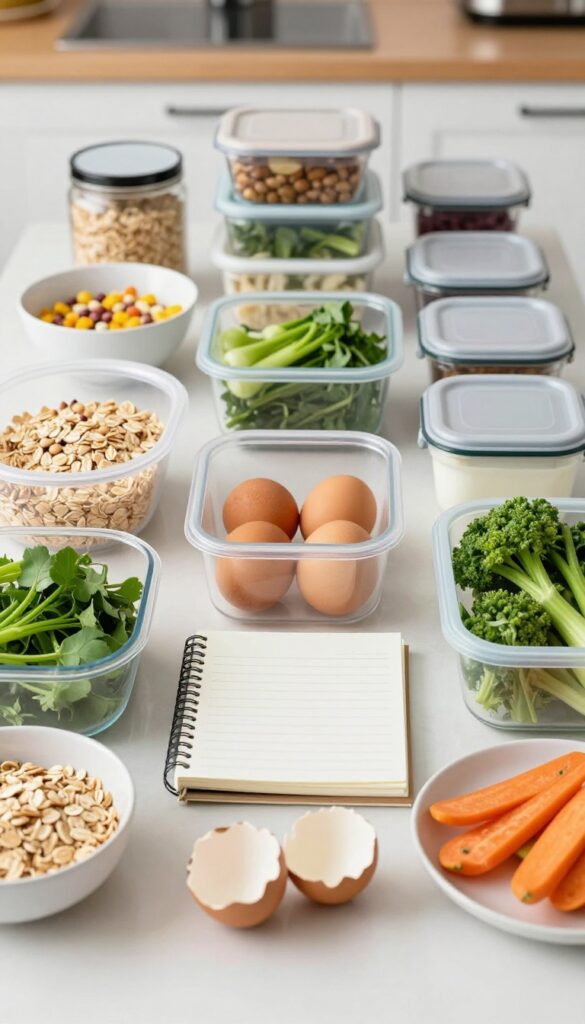
A balanced Indonesian meal is built on three simple pillars: a carbohydrate staple, a protein source, and vegetables. This combination provides energy, builds and repairs body tissues, and supplies essential vitamins and minerals. The key is variety and moderation—no single food group dominates the plate.
The Three Pillars: Nasi, Lauk, Sayur
The foundation of every Indonesian meal is nasi (rice), but other carbohydrates like corn, sweet potato, or cassava are also common. Lauk (protein) can be tempe, tahu, ikan (fish), or ayam (chicken), often prepared with minimal oil. Sayur (vegetables) appear as sayur bening (clear vegetable soup), tumis (stir-fry), or lalapan (raw vegetables with sambal).
Together, they create a plate that is satisfying and nutritionally complete.
Portion Guidelines for Everyday Eating
A practical way to portion your plate is to fill:
Your Weekly Meal Plan at a Glance
Here’s a simple weekly plan that repeats ingredients across meals to save time and reduce waste. Each day includes breakfast, lunch, dinner, and a snack suggestion. All dishes use easy-to-find ingredients and are designed to be balanced with protein, carbs, and veggies.
| Day | Breakfast | Lunch | Dinner | Snack |
| Monday | Scrambled eggs with sautéed spinach | Nasi goreng with leftover rice and egg | Sayur lodeh with tempeh | Fresh fruit (papaya or banana) |
| Tuesday | Overnight oats with coconut milk & mango | Tempeh goreng with sambal and steamed rice | Gado-gado with peanut sauce | Roasted peanuts |
| Wednesday | Smoothie (spinach, banana, coconut milk) | Ikan bakar (grilled fish) with sambal and rice | Sup ikan (fish soup) with vegetables | Rice crackers |
| Thursday | Bubur ayam (chicken congee) with toppings | Tumis kangkung (water spinach) with tofu | Lentil curry with rice (vegan) | Edamame |
| Friday | Banana pancake with honey | Mie goreng (fried noodles) with vegetables | Soto ayam (chicken soup) with rice | Coconut water |
| Saturday | Nasi uduk (coconut rice) with fried egg | Pepes tahu (steamed tofu in banana leaf) | Ayam bakar (grilled chicken) with lalapan | Fresh fruit salad |
| Sunday | Telur dadar (omelette) with tomato | Leftovers from Saturday | Capcay (stir-fried vegetables) with rice | Yogurt with honey |
Monday: Light Start, Hearty Finish

Kick off the week with meals that are gentle on the stomach but satisfying enough to keep you energized. Monday's menu features a light chicken porridge, a quick fried rice, and a steamed tofu dish with clear vegetable soup.
Breakfast: Bubur Ayam Sederhana
Start your day with a warm bowl of chicken porridge. This simplified version uses leftover rice or quick-cooking oats, shredded chicken, ginger, and a splash of kecap manis. Top with fried shallots, sliced spring onions, and a soft-boiled egg for protein.
Prep tip: Cook a batch of chicken the night before to save time.
Lunch: Nasi Goreng Kampung
For lunch, whip up a rustic fried rice with leftover rice, a beaten egg, shrimp paste (terasi), and vegetables like green beans or carrots. Add a side of cucumber slices and kerupuk for crunch. Efficiency tip: Use day-old rice for the best texture; it fries up without getting mushy.
Dinner: Pepes Tahu dan Sayur Bening
End the day with a light yet flavorful dinner. Pepes tahu is steamed tofu mixed with spices, wrapped in banana leaves (or foil), and cooked until firm. Pair it with sayur bening, a clear vegetable soup with corn, spinach, and a touch of garlic.
This meal is low in oil but high in nutrients.
Key Components for Balance
- Breakfast: carbs (rice/oats), protein (chicken, egg), flavor (kecap manis, shallots)
- Lunch: carbs (rice), protein (egg), veggies, healthy fat (from egg yolk)
- Dinner: protein (tofu), veggies (spinach, corn), minimal oil
Tuesday: Tempe Fiesta
Tuesday is all about celebrating tempe, Indonesia's fermented soybean superfood. Packed with protein and a nutty flavor, tempe is versatile and budget-friendly. Today's meals showcase how to use it in different ways while keeping your plate balanced with vegetables.
Breakfast: Omelet Sayur
Start your day with a vegetable omelet. Whisk 2 eggs with a pinch of salt and pepper. Sauté chopped carrots, cabbage, and scallions in a little oil, then pour the eggs over.
Cook until set. Serve with a slice of whole wheat bread or a small portion of steamed rice for energy.
Lunch: Tempe Orek dan Tumis Kangkung
For lunch, prepare Tempe Orek—a dry, savory tempe stir-fry. Cut tempe into thin strips, fry until golden, then toss with a mixture of sweet soy sauce, garlic, shallots, and a touch of chili. Pair it with Tumis Kangkung (water spinach stir-fried with garlic and a little oyster sauce).
The combination provides protein, fiber, and vitamins.
Tempe Preparation Tips
- Slice tempe thinly for even cooking and a crispier texture.
- Don't overcook; fry just until golden to keep it tender.
- Marinate tempe in soy sauce and spices for extra flavor before cooking.
Dinner: Sayur Asem dan Ikan Goreng
Dinner features Sayur Asem, a tamarind-based vegetable soup with a tangy, savory broth. Use vegetables like corn, chayote, long beans, and spinach. Simmer with tamarind pulp, galangal, and a touch of palm sugar for balance.
Serve with fried fish (ikan goreng) seasoned with turmeric and salt. The sour soup and crispy fish create a satisfying contrast.
How to Balance Sour and Savory
- Start with less tamarind and adjust to taste—you can always add more.
- Add a pinch of sugar to round out the sourness without making it sweet.
- Use fresh vegetables for a brighter flavor and better texture.
Wednesday: Seafood Day
Midweek is the perfect time to incorporate omega-3-rich fish into your meal plan. Seafood is a staple in Indonesian coastal cuisine, and it's surprisingly easy to prepare at home. We'll keep dinner light to balance the day.
Breakfast: Nasi Uduk Mini
Start your morning with a smaller portion of this fragrant coconut rice. Nasi uduk is typically served with a variety of sides, but for a balanced breakfast, pair a small scoop with a boiled egg, a handful of fried tempeh, and a few slices of cucumber. This gives you energy without weighing you down.
Lunch: Ikan Bakar dengan Sambal Matah
Grilled fish is a healthy, flavorful centerpiece. Choose sustainable fish like mackerel (ikan kembung) or snapper (kakap). Marinate the fish with turmeric, garlic, and salt, then grill or pan-sear until cooked through.
Serve with sambal matah—a raw sambal made with sliced shallots, lemongrass, bird's eye chili, and a squeeze of lime. This sambal is fresh, not heavy, and adds a bright kick. Include a side of steamed rice and a simple vegetable lalapan (raw vegetables like cucumber, basil leaves, and cabbage).
Dinner: Capcay Kuah
Capcay kuah is a light vegetable soup with a clear broth. Stir-fry a mix of cabbage, carrots, broccoli, cauliflower, and mushrooms, then add chicken or vegetable broth. Thicken slightly with cornstarch slurry and season with garlic, pepper, and a touch of oyster sauce.
This dish is low in calories but high in fiber and vitamins, making it an ideal light dinner.
Key Tips for Seafood Day
- Choose sustainable fish: look for local, wild-caught varieties or responsibly farmed options.
- For the sambal matah, adjust chili quantity to your heat preference. If you have a sensitive stomach, remove the chili seeds or use less chili.
- Avoid deep-frying the fish; grilling or pan-searing keeps it healthy and lets the natural flavor shine.
- Keep dinner light: capcay kuah is naturally low in fat and calories, perfect for a midweek evening.
Thursday: Plant-Based Power
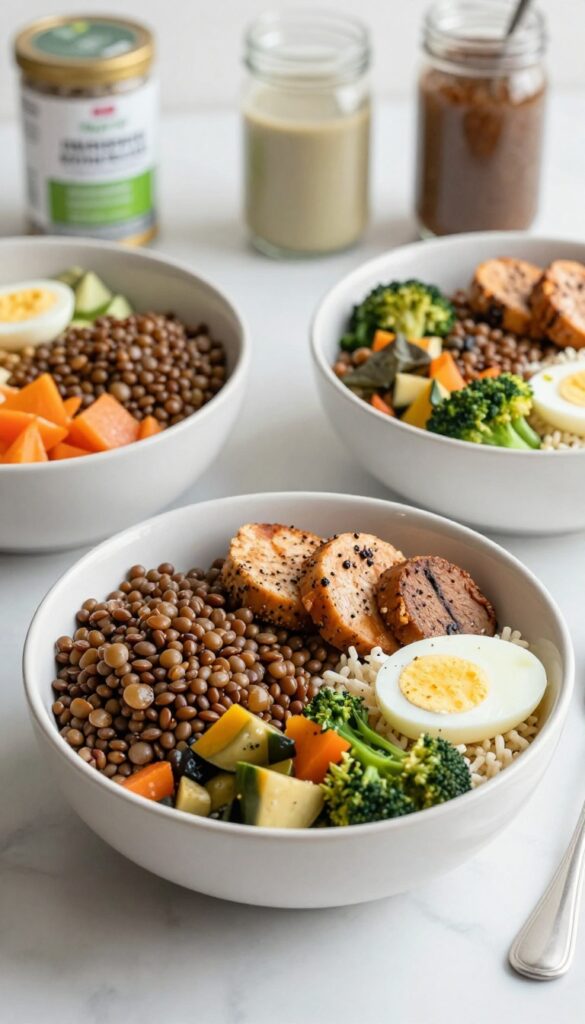
Thursday is all about celebrating plant-based protein and the bounty of local vegetables. These dishes are hearty, satisfying, and packed with nutrients—no meat required.
Breakfast: Smoothie Bowl Tropis
Blend frozen banana, mango, and a splash of coconut milk for a creamy base. Top with granola, sliced banana, and a sprinkle of chia seeds. The natural sweetness from fruit means you can skip added sugar entirely.
Lunch: Gado-Gado
A classic Indonesian salad that’s a protein powerhouse. Steam or blanch cabbage, bean sprouts, green beans, and spinach. Serve with hard-boiled eggs, fried tofu, and tempeh, then drizzle generously with peanut sauce.
The key is a balanced sauce: use natural peanut butter, a touch of kecap manis, lime juice, and a little chili for heat.
Dinner: Lodeh Labu dan Tahu
This comforting vegetable soup is perfect for a lighter evening. Simmer pumpkin (labu) and tofu in a fragrant coconut milk broth seasoned with turmeric, galangal, and lemongrass. Add chayote or green beans for extra texture.
Serve with a side of steamed rice. Avoid overcooking the vegetables to keep them vibrant and crisp.
Key Tips for Thursday
- For the smoothie, use frozen fruit to avoid ice diluting the flavor.
- Make extra peanut sauce for dipping veggies later in the week.
- Lodeh is even better the next day as flavors meld.
Friday: Quick and Easy
Friday is all about winding down and keeping things simple. These meals come together in no time, using leftover ingredients from earlier in the week.
Breakfast: Roti Bakar Telur
A quick and satisfying breakfast that takes just 5 minutes. Toast two slices of whole wheat bread, then fry an egg and place it between the slices. Add a slice of cheese or a drizzle of sambal if you like.
Pair with a handful of cherry tomatoes or a small bowl of fruit.
Lunch: Mie Goreng Jawa
Stir-fry leftover vegetables (like cabbage, carrots, and green beans) with boiled noodles. Use a little sweet soy sauce and garlic for flavor. Add a protein such as shredded chicken or tofu.
The key is to load it up with veggies—aim for at least two cups per serving.
Dinner: Sup Ayam Bening
A clear chicken soup that’s light and comforting. Simmer chicken pieces with garlic, ginger, and celery. Add carrots and potatoes, then season with salt and pepper.
Serve with a squeeze of lime and a sprinkle of fried shallots. This soup is easy to digest and perfect for ending the week on a light note.
Key Tips for Friday
- Use leftover vegetables and proteins to minimize prep.
- Avoid instant noodles and heavy sauces—stick to fresh ingredients.
- Prep the soup base in the morning to save time at dinner.
Saturday: Family-Style Feast
Weekends are perfect for gathering around the table with loved ones. Saturday’s menu is designed to be shared, with dishes that feel special yet are simple to prepare. Embrace the 'cook once, eat twice' philosophy to make your time in the kitchen count.
Breakfast: Pancake Pisang
Start the day with these fluffy banana pancakes made from overripe bananas, flour, eggs, and a pinch of cinnamon. They’re naturally sweet and require no added sugar. Serve with a drizzle of honey or a dollop of yogurt for extra protein.
Lunch: Nasi Liwet Komplit
Nasi liwet is a fragrant one-pot rice dish cooked with coconut milk, lemongrass, and bay leaves, giving it a rich, savory flavor. For a complete meal, top it with shredded chicken, hard-boiled eggs, fried shallots, and sambal. The beauty of nasi liwet is that it’s a complete meal in one pot, making cleanup a breeze.
To keep it balanced, use light coconut milk and load up on the vegetable sides like steamed carrots and green beans.
Dinner: Sate Ayam dan Acar
Grilled chicken skewers marinated in a sweet soy sauce and spice blend are a crowd-pleaser. Serve with acar (quick pickled cucumbers and carrots) for a refreshing crunch. Grilling tips: soak wooden skewers for 30 minutes to prevent burning, and baste the sate with leftover marinade while grilling for extra flavor.
Avoid charring the meat by cooking over medium heat and turning frequently.
Key Tips for Saturday
- Cook extra nasi liwet for Sunday’s lunch or freeze portions for busy weekdays.
- Get the family involved: kids can help shape the sate skewers or arrange the acar.
- Use leftover sate for a quick salad or wrap the next day.
Sunday: Meal Prep Day
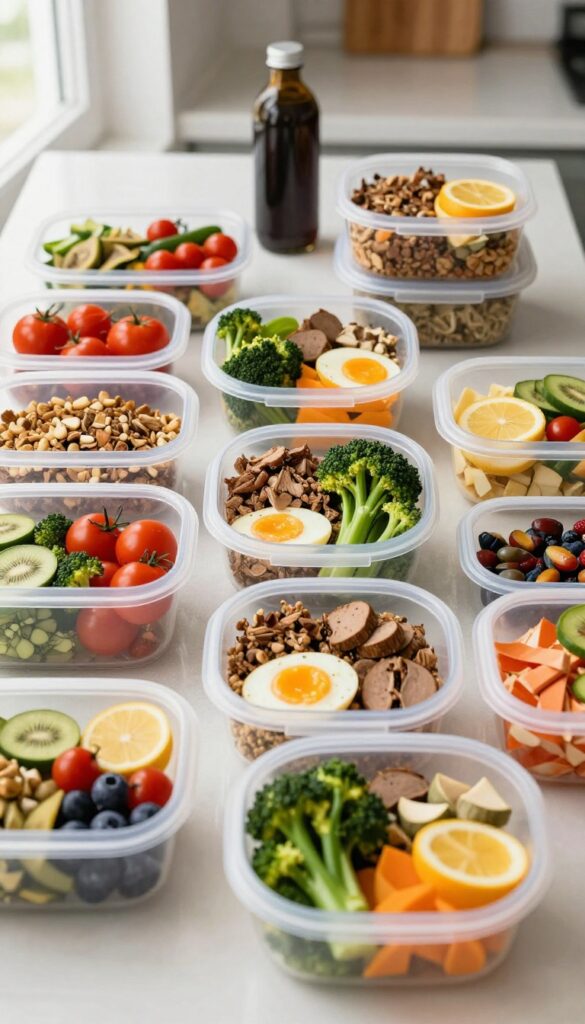
Sunday is your chance to set yourself up for a week of easy, balanced meals. By spending an hour or two prepping key components, you'll save time and reduce the temptation to order takeout. Focus on batch cooking, chopping, and marinating so that weekday cooking becomes a breeze.
Breakfast: Telur Dadar dan Roti
Start your prep day with a simple breakfast of telur dadar (Indonesian-style omelet) and whole-wheat toast. The omelet can be made with leftover vegetables from the week, making it both nutritious and resourceful. This meal provides protein and fiber to fuel your prep work.
Lunch: Sisa Makanan Sebelumnya
For lunch, enjoy leftovers from Saturday's family feast. Not only does this reduce food waste, but it also gives you a break from cooking. If you don't have leftovers, a quick bowl of soto ayam (chicken soup) from the freezer works perfectly.
Dinner: Prep for Monday
Dinner tonight is all about efficiency. Cook a large batch of rice (enough for 3–4 days), chop vegetables like carrots, bell peppers, and bok choy, and marinate chicken or tofu in a simple kecap manis and garlic mixture. Store everything in labeled containers in the fridge.
This prep will make Monday's dinner come together in under 15 minutes.
Key Prep Tasks
- Batch cook rice and portion it into daily containers.
- Wash, peel, and chop vegetables like carrots, green beans, and cabbage.
- Marinate proteins (chicken, tofu, or tempeh) in soy sauce, garlic, and ginger.
- Label containers with the day and meal to avoid confusion.
Avoid Prepping Too Far Ahead
Most prepped ingredients stay fresh for 3–4 days in the fridge. Prepping for the entire week can lead to soggy vegetables or spoiled protein. Plan to do a mid-week refresh if needed.
Customizing Your Indonesian Meal Plan
No meal plan fits everyone perfectly. The beauty of Indonesian home cooking is its flexibility—you can tweak ingredients, spice levels, and portion sizes to match your dietary needs, preferences, and what’s available seasonally. Here’s how to make this plan truly yours.
Adjusting for Dietary Needs
Swapping Ingredients Seasonally
Common Mistakes to Avoid
Even with the best intentions, a few common habits can throw off your balanced Indonesian meal plan. Here’s how to spot and fix them without sacrificing flavor.
Over-relying on fried foods
- Bake or air-fry tempe and chicken instead of deep-frying.
- Limit fried items to 2–3 times per week.
- Balance fried dishes with a generous serving of raw or steamed vegetables.
Skipping vegetables
- Add a side of stir-fried kangkung or a fresh lalapan (raw veggies with sambal) to every meal.
- Use vegetables as part of the main dish, like in cap cai or sayur asem.
- Prep chopped veggies at the start of the week for quick additions.
Using too much sugar or salt
- Reduce sugar by half in recipes like sambal goreng or rendang.
- Use low-sodium soy sauce or dilute kecap manis with water.
- Taste before adding extra salt—many ingredients like terasi (shrimp paste) are already salty.
FAQ
Can I use rice substitutes like quinoa?
Absolutely! Quinoa, brown rice, or even cauliflower rice work well. Adjust cooking times and water ratios accordingly.
How do I store leftovers safely?
Cool leftovers quickly, store in airtight containers, and refrigerate within two hours. Consume within 3-4 days or freeze for longer storage.
Is it okay to eat the same meal two days in a row?
Yes, it's fine. In fact, it reduces food waste. Just ensure you vary your nutrients over the week.
What if I don't have time to cook every day?
Batch cook staples like rice and protein on Sunday. Prep vegetables in advance. Many meals take under 30 minutes to assemble.
Conclusion
Creating a balanced Indonesian meal plan is all about simplicity and variety. By focusing on the core components—carbohydrates, protein, and vegetables—you can build meals that are both healthy and delicious. Start with one day from the plan and gradually incorporate more as you feel comfortable.
Remember, the best meal plan is one that works for you. Don't be afraid to experiment with different ingredients and flavors. Happy cooking and selamat makan!

Dr. Pallab Kishore, MS in Orthodontics and owner of Orthodontic Braces Care, shares expert tips on braces, aligners, and oral health from 10+ years of experience.