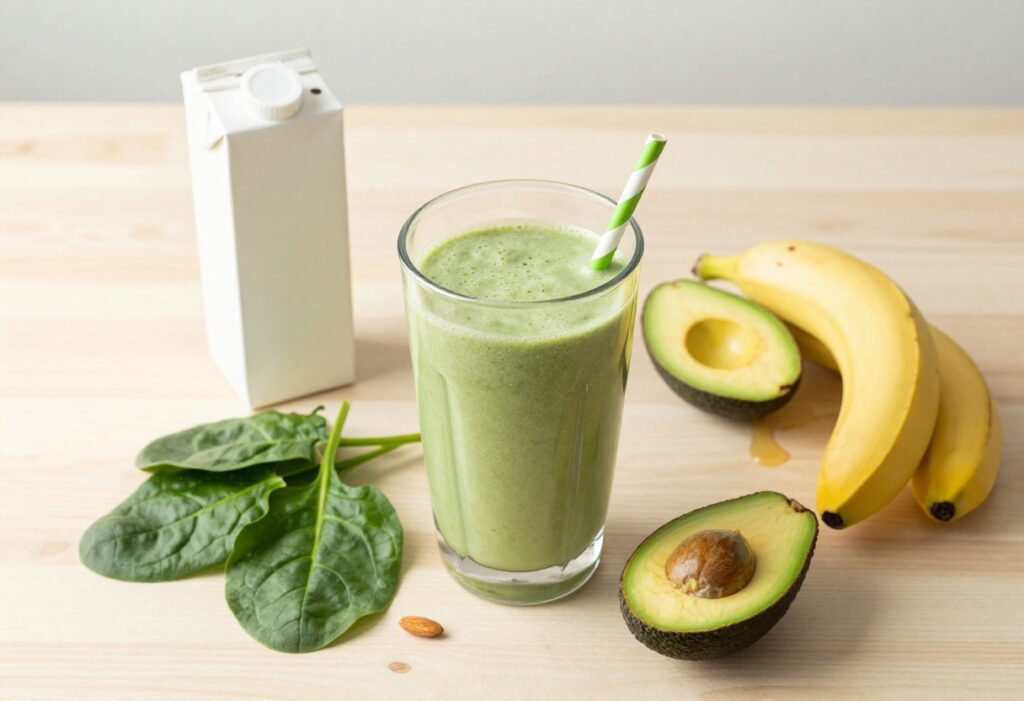
Eating well every day can feel like a challenge when your schedule is packed. Between work, family, and social commitments, preparing nutritious meals often takes a back seat.
That's where meal prep comes in—a practical strategy that helps you stay on track with your nutrition goals without spending hours in the kitchen each day. A balanced food diet plan isn't about strict rules or deprivation.
It's about including a variety of whole foods that provide the energy and nutrients your body needs. By planning and preparing your meals ahead of time, you can ensure that every plate is packed with vegetables, lean proteins, whole grains, and healthy fats.
What Does a Balanced Meal Actually Look Like?
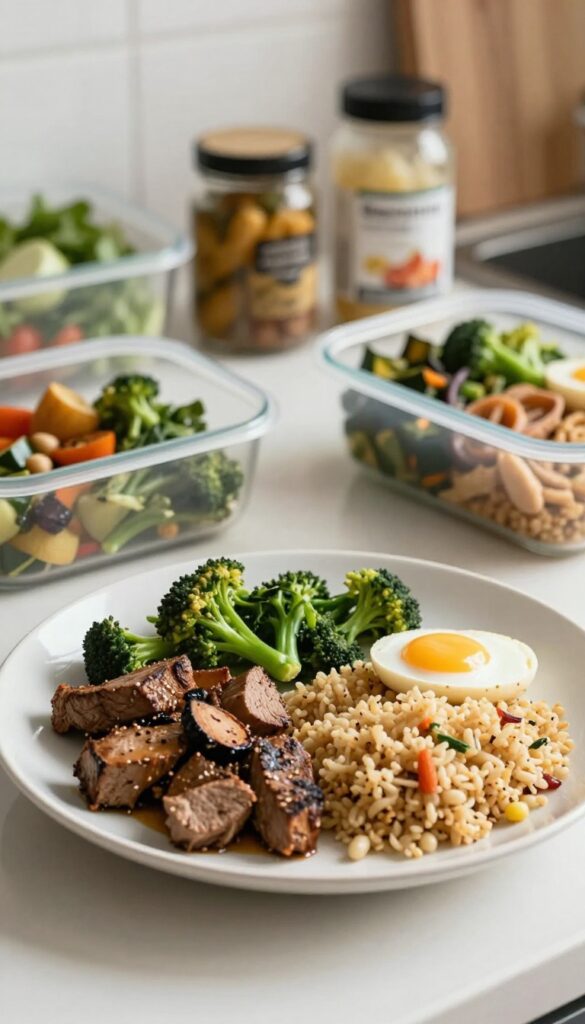
A balanced meal isn't about strict rules or cutting out food groups—it's about proportion and variety. The easiest way to visualize it is with the plate method, a simple, evidence-based approach that works for almost any eating style.
The Plate Method
Imagine your dinner plate divided into three sections: half for vegetables and fruit, a quarter for lean protein, and a quarter for whole grains or starchy vegetables. Then add a small amount of healthy fat, like a drizzle of olive oil or a few slices of avocado. This visual guide helps you build a meal that's rich in fiber, protein, and essential nutrients without overcomplicating portion sizes.
Key Nutrients to Include
- Vegetables and fruits: Packed with vitamins, minerals, and antioxidants. Aim for a rainbow of colors—leafy greens, bell peppers, berries, carrots.
- Lean protein: Supports muscle repair and keeps you full. Good choices: chicken breast, tofu, fish, eggs, legumes.
- Whole grains: Provide steady energy and fiber. Examples: quinoa, brown rice, oats, whole-wheat pasta.
- Healthy fats: Aid nutrient absorption and brain function. Include: avocado, nuts, seeds, olive oil.
Why Meal Prep Supports a Balanced Diet
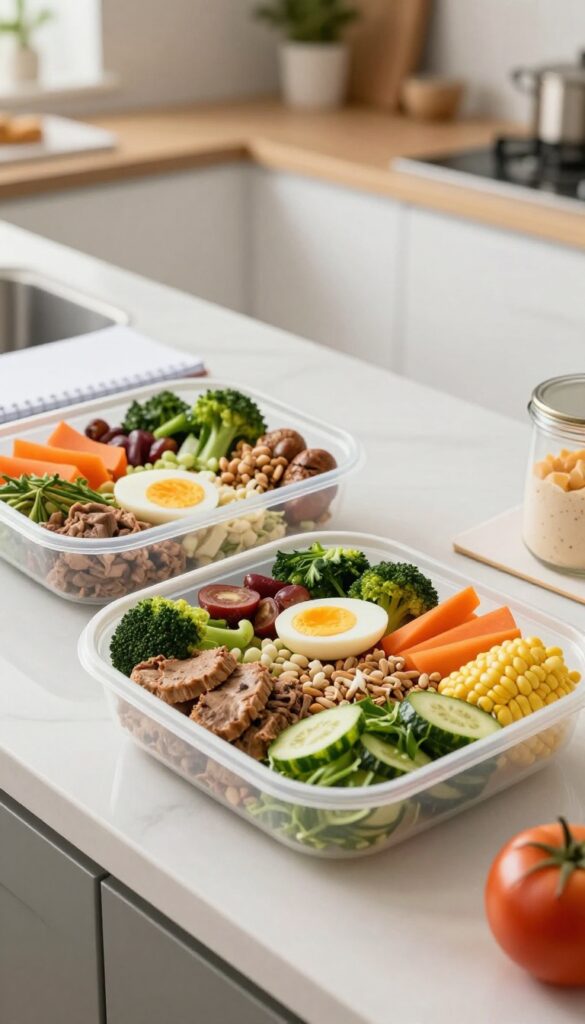
Meal prep isn't just about saving time—it's a practical strategy that makes balanced eating easier to stick with. By setting aside a few hours each week, you remove daily guesswork and build habits that naturally align with a nutritious diet.
When you plan and prepare meals ahead, you're more likely to include a variety of vegetables, lean proteins, whole grains, and healthy fats. Without a plan, it's easy to grab whatever's convenient—often processed or unbalanced options. Meal prep flips that script by putting you in control.
Key Benefits of Meal Prep for Balanced Eating
- Saves time and reduces decision fatigue: With prepped ingredients, you can assemble meals in minutes, avoiding the daily "what's for dinner?" struggle.
- Helps control portions and ingredients: You decide exactly how much oil, salt, or sugar goes into each dish, making it easier to meet your nutritional goals.
- Reduces food waste: Buying only what you need for planned meals means less spoiled produce and fewer forgotten leftovers.
- Encourages variety: Planning ahead lets you intentionally rotate different proteins, grains, and vegetables, ensuring a wider range of nutrients throughout the week.
Meal prep also aligns with balanced eating by making it easier to follow the plate method—filling half your plate with vegetables, a quarter with lean protein, and a quarter with whole grains or starchy vegetables. When your fridge is stocked with pre-chopped veggies, cooked grains, and portioned proteins, building that plate takes just a few minutes.
Step 1: Plan Your Weekly Menu
Planning your weekly menu is the foundation of successful meal prep. It saves time, reduces food waste, and ensures you eat balanced meals all week long. Here’s how to do it without overcomplicating things.
Choose a Theme for Each Day
Assigning a simple theme to each day makes decision-making easier and adds variety. For example, Monday could be “Bowl Night” (grain bowls with protein and veggies), Tuesday “Stir-Fry,” Wednesday “Pasta,” Thursday “Sheet Pan Dinner,” and Friday “Tacos.” Themes prevent boredom and help you rotate different food groups naturally.
Select Recipes That Share Ingredients
To save money and reduce waste, choose recipes that use overlapping ingredients. For instance, if one recipe calls for bell peppers and chicken, pick another that uses the same. This way, you buy in bulk and use everything up.
Aim for 3–4 dinners per week and plan to use leftovers for lunches. Don’t forget to include breakfast and snacks in your plan.
Once you’ve chosen your recipes, write a grocery list organized by category (produce, protein, grains, etc.). This streamlines shopping and helps you stick to your plan. Remember, the goal is balance and simplicity—not perfection.
Step 2: Shop Smart for Balanced Ingredients
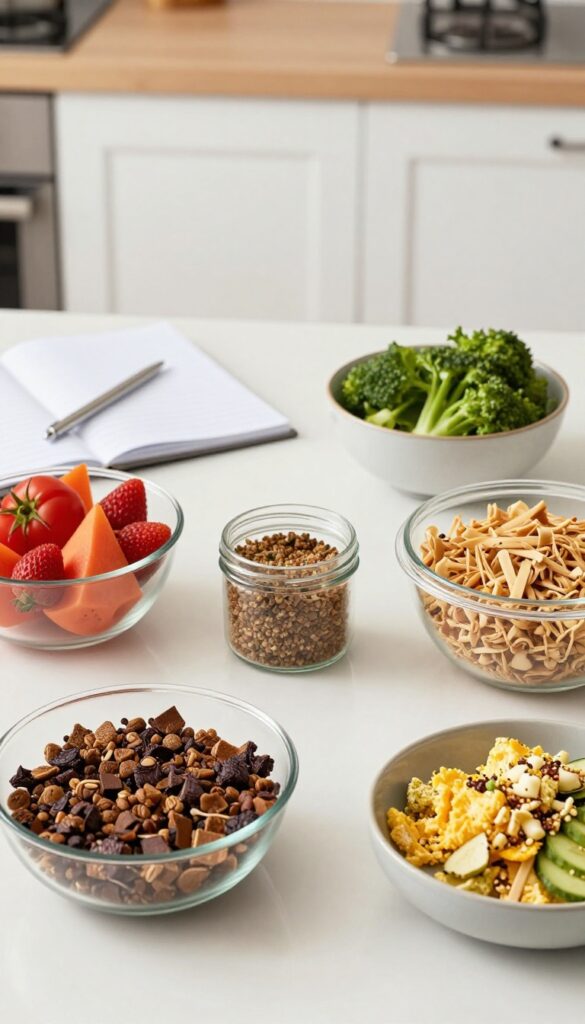
A well-stocked kitchen starts with a smart shopping trip. Use these strategies to buy what you need, avoid impulse buys, and keep your budget in check.
Smart Shopping Checklist
- Stick to your list: Plan your meals first, then write a list organized by store section. Resist adding unplanned items.
- Shop the perimeter first: Fresh produce, dairy, meat, and eggs are usually around the edges. Fill your cart there before going to aisles.
- Buy in bulk for staples: Oats, rice, lentils, nuts, and seeds are often cheaper in bulk bins. Store them in airtight containers at home.
- Choose seasonal produce: Seasonal fruits and vegetables cost less and taste better. Check what’s in season in your area.
- Compare unit prices: Look at the price per ounce or pound on shelf tags. Sometimes larger packages aren’t the best deal.
- Don’t shop hungry: You’ll make more impulse purchases. Eat a snack or meal before heading to the store.
Budget-Friendly Tips
Frozen fruits and vegetables are just as nutritious as fresh and often cheaper. Canned beans, tomatoes, and fish (in water) are affordable pantry staples. Buy whole grains in bulk and store extras in the freezer to prevent spoilage.
What to Skip
Avoid pre-cut produce, single-serving packs, and heavily processed snack bars—they cost more per serving and often contain added sugars or sodium. Stick to whole ingredients you can prep yourself.
Step 3: Prep Your Ingredients Efficiently
With your ingredients on hand, it's time to turn them into ready-to-use components. Efficient prep reduces cooking time during the week and helps you stick to your plan. Follow these steps to prep safely and quickly.
- Wash and chop vegetables: Start with vegetables that keep well, like bell peppers, carrots, broccoli, and leafy greens. Wash them thoroughly, dry with a salad spinner or clean towel, then chop into uniform pieces. Store each type in separate containers lined with paper towels to absorb moisture and keep them crisp.
- Cook grains and proteins: Cook a large batch of grains (rice, quinoa, farro) and proteins (chicken, tofu, beans) at once. For grains, use a rice cooker or pot; for proteins, bake, grill, or sauté in bulk. Let everything cool completely before storing to prevent condensation and bacterial growth.
- Portion into containers: Divide cooked ingredients into individual meal containers. Use clear containers so you can see what's inside. Label each container with the meal name and date (e.g., 'Chicken & Veggies – Mon'). Keep raw and cooked items separate to avoid cross-contamination.
Food Safety Tip
Always cool cooked food within two hours and refrigerate promptly. Keep raw meats on the bottom shelf to prevent drips onto other foods.
By prepping ingredients in this order, you minimize handling and keep your kitchen organized. This method also makes it easy to mix and match components for different meals throughout the week.
Sample Balanced Meal Prep Plan (for 5 Days
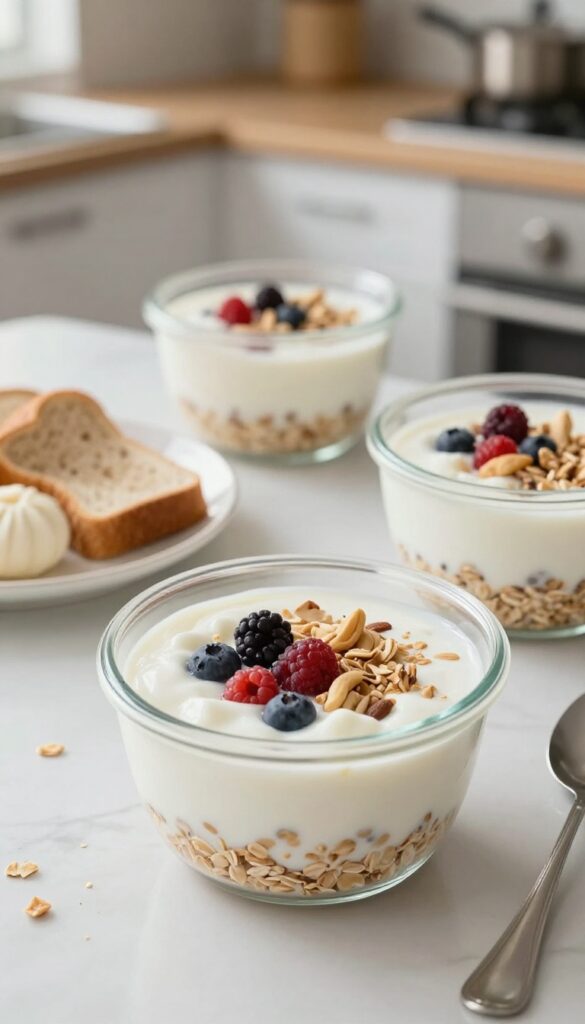
To help you visualize how to put all the principles into action, here’s a sample 5-day meal prep plan. Each day includes breakfast, lunch, dinner, and snacks—all designed to be balanced, varied, and easy to prepare in advance. Feel free to swap ingredients based on your preferences or what’s in season.
Day Balanced Meal Prep Plan
| Day | Breakfast | Lunch | Dinner | Snacks |
| Monday | Overnight oats with berries & almonds | Quinoa salad with chickpeas, cucumber, & tahini dressing | Grilled chicken with roasted broccoli & sweet potato | Greek yogurt + mixed nuts |
| Tuesday | Greek yogurt parfait with granola & sliced banana | Turkey & avocado wrap with mixed greens | Baked salmon with asparagus & quinoa | Apple slices with peanut butter |
| Wednesday | Scrambled eggs with spinach & whole-grain toast | Lentil soup with a side of mixed greens | Beef stir-fry with bell peppers, snap peas, & brown rice | Cottage cheese with pineapple |
| Thursday | Smoothie bowl (spinach, mango, protein powder, chia seeds) | Chickpea & tuna salad with olive oil vinaigrette | Stuffed bell peppers with ground turkey & cauliflower rice | Hard-boiled egg + carrot sticks |
| Friday | Overnight oats variation: peanut butter & sliced apple | Leftover quinoa salad or stir-fry | Sheet pan chicken thighs with zucchini & potatoes | Trail mix (nuts, seeds, dried fruit) |
This plan emphasizes variety across days—different proteins, grains, and colorful vegetables—while keeping prep manageable. Most components can be batch-cooked on Sunday: grill extra chicken, roast a large sheet pan of veggies, cook a big batch of quinoa, and portion out snacks. In the morning, just grab your overnight oats or smoothie ingredients, and lunch is ready to go.
Adjust portion sizes based on your energy needs and hunger cues. The goal is balance, not rigid calorie counting.
Storage and Food Safety Tips
Proper storage and food safety practices are essential to keep your prepped meals fresh, tasty, and safe to eat. Follow these simple guidelines to maximize shelf life and minimize waste.
Key Storage Guidelines
- Refrigerate prepared meals within 2 hours of cooking to prevent bacterial growth.
- Use airtight containers to maintain freshness and prevent cross-contamination.
- Keep your refrigerator at 40°F (4°C) or below. Use a fridge thermometer to verify.
- Consume prepped meals within 4 days for best quality and safety.
Safe Storage Durations
Cooked meals generally last 3–4 days in the refrigerator. For longer storage, freeze portions immediately after cooling. Frozen meals maintain quality for 2–3 months.
Always label containers with the date and contents.
Reheating Guidelines
Reheat leftovers to an internal temperature of 165°F (74°C) to kill any bacteria. Use a food thermometer to check. Stir food halfway through microwaving for even heating.
Avoid reheating meals more than once.
Quick Tip
Store raw ingredients (like chicken or fish) on the bottom shelf of the fridge to prevent juices from dripping onto ready-to-eat foods.
FAQ
How long does meal prep last in the fridge?
Most prepped meals stay fresh in the refrigerator for 3 to 4 days. For best quality, consume them within this window. If you need to keep meals longer, consider freezing them.
Can I freeze prepped meals?
Yes, many prepped meals freeze well. Soups, stews, cooked grains, and grilled proteins are great candidates. Use freezer-safe containers and label them with the date.
Thaw in the refrigerator overnight before reheating.
How do I keep meals interesting?
Vary your proteins, vegetables, and grains each week. Use different herbs, spices, and sauces to change flavors. You can also prep components separately and mix and match throughout the week.
What containers are best for meal prep?
Glass containers are durable, microwave-safe, and don't retain odors. BPA-free plastic containers are lightweight and affordable. Choose containers with airtight lids to keep food fresh.
Do I need to prep every meal?
No, start with prepping just a few meals or components. Many people prep lunches and dinners for the week, while keeping breakfast and snacks simple. Find a routine that works for you.
Conclusion
Meal prep is a powerful tool that makes balanced eating achievable, even on your busiest days. By dedicating a couple of hours each week to planning, shopping, and preparing, you set yourself up for success with nutritious, ready-to-eat meals. Remember, you don't have to be perfect—start small, adjust as you go, and celebrate the progress.
Consistency is key. Over time, meal prep becomes a habit that saves you time, reduces stress, and supports your overall well-being.

Dr. Pallab Kishore, MS in Orthodontics and owner of Orthodontic Braces Care, shares expert tips on braces, aligners, and oral health from 10+ years of experience.