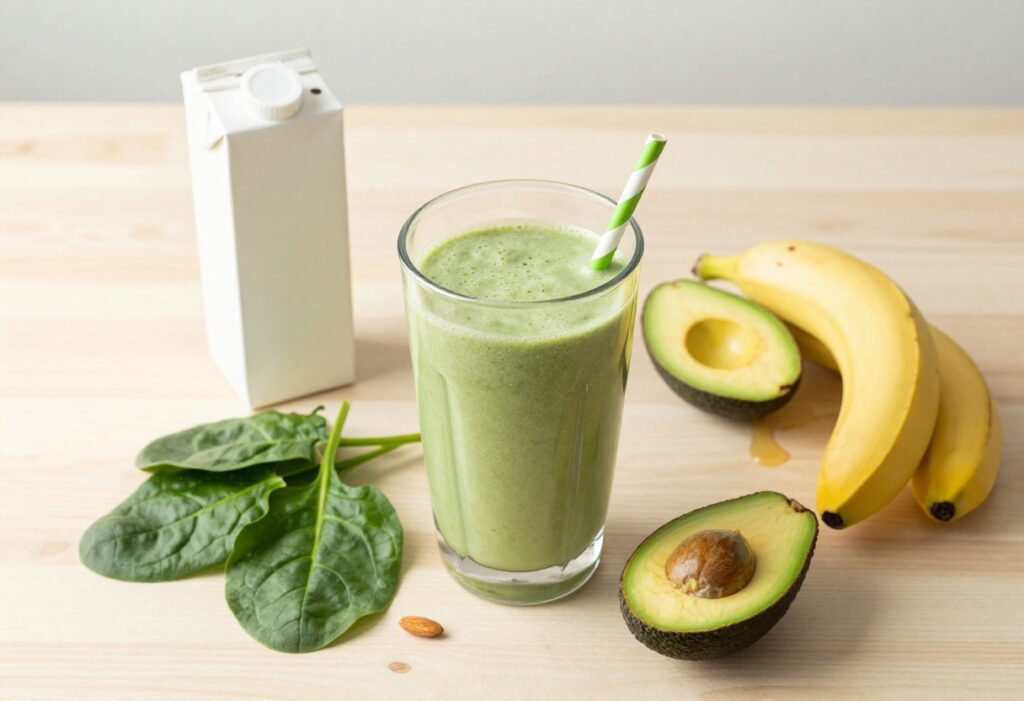
Starting a keto diet often feels overwhelming, especially when it comes to meal prep. Between tracking macros and avoiding carbs, it's easy to get stuck in a cycle of complicated recipes and expensive ingredients.
But it doesn't have to be that way. A simple, low-carb weekly prep routine can save you time, money, and stress while keeping you on track with your health goals.
This guide is designed for anyone who wants a straightforward approach to keto meal planning. You'll learn the core principles of a simple keto diet, the essential tools and ingredients to have on hand, and a step-by-step prep routine that works for busy schedules.
What Makes a Keto Meal Plan Simple?
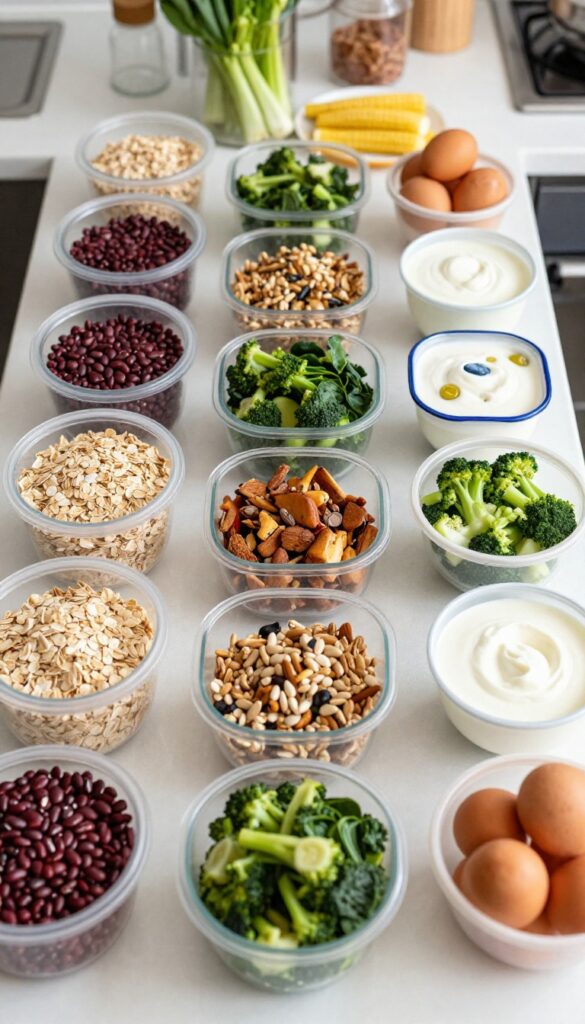
A simple keto meal plan focuses on whole foods, limits ingredients, and uses batch cooking to save time. It’s not about counting every gram of fat or protein—it’s about building meals that naturally fit your macros without stress.
The core of keto is keeping carbs low (typically under 20–50 grams per day) while eating moderate protein and high fat. But simplicity comes from choosing foods that make this easy. Think meat, fish, eggs, non-starchy vegetables, healthy oils, and full-fat dairy.
When you stick to single-ingredient foods, you avoid hidden carbs and complicated recipes.
Three principles keep a keto meal plan simple:
- Focus on whole foods: Fresh or frozen meat, vegetables, and fats require minimal prep and have predictable macros.
- Limit ingredients: Choose recipes with 5–10 ingredients. Fewer ingredients mean less shopping, less chopping, and less cleanup.
- Batch cooking: Cook larger portions of staples like grilled chicken, hard-boiled eggs, or roasted vegetables at once. Then mix and match throughout the week.
By following these principles, you avoid overcomplicating macros. You don’t need to weigh every bite or obsess over ratios. Instead, you build meals around protein, add fat for satiety, and fill your plate with low-carb veggies.
That’s the essence of a simple, sustainable keto meal plan.
Essential Tools and Ingredients for Weekly Prep
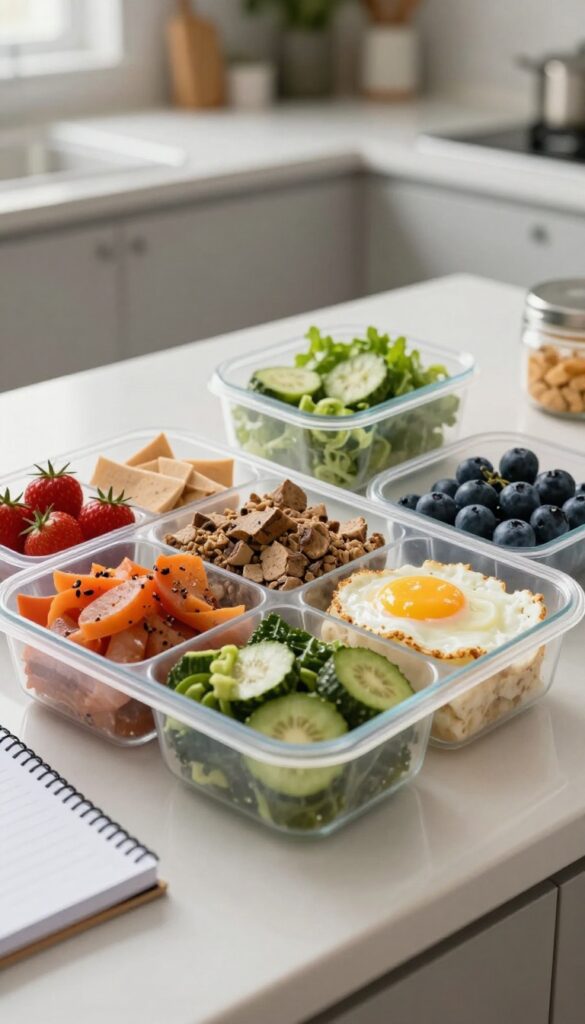
Before you start prepping, having the right tools and ingredients on hand makes the process smooth and efficient. You don't need a fancy kitchen or expensive gadgets—just a few basics that will save you time and keep your keto meals organized.
Kitchen Tools That Save Time
These simple tools will help you cook, store, and portion your meals with ease:
- Meal prep containers: A set of glass or BPA-free plastic containers in various sizes. Look for ones with tight lids to keep food fresh longer. Divided containers are great for separating proteins, veggies, and fats.
- Food scale: Essential for accurate portioning, especially for high-fat ingredients like cheese, nuts, and oils. A digital scale with a tare function makes weighing quick and mess-free.
- Sharp chef's knife and cutting board: A good knife speeds up chopping vegetables and trimming meat. A large cutting board gives you room to work.
- Sheet pans and baking dishes: Useful for roasting vegetables, baking chicken thighs, or making sheet pan meals. Line them with parchment paper for easy cleanup.
- Slow cooker or Instant Pot: These hands-off appliances are perfect for cooking large batches of meat, soups, or stews. They save time and keep your kitchen cool.
- Measuring cups and spoons: For precise amounts of oils, nut butters, and spices.
- Mixing bowls and storage bags: For marinating, mixing, and freezing individual portions.
Keto Pantry Staples
Stocking your pantry with these keto-friendly ingredients ensures you always have the basics for a low-carb meal:
- Healthy fats: Olive oil, coconut oil, avocado oil, butter, ghee, and MCT oil. These are your primary energy sources.
- Proteins: Eggs, chicken thighs, ground beef, salmon, canned tuna, and bacon. Choose fatty cuts to stay satiated.
- Low-carb vegetables: Spinach, kale, zucchini, broccoli, cauliflower, bell peppers, and avocado. These add fiber and nutrients.
- Dairy: Full-fat cheese (cheddar, mozzarella, cream cheese), heavy cream, and unsweetened almond milk.
- Nuts and seeds: Almonds, walnuts, pecans, chia seeds, flaxseeds, and pumpkin seeds. Great for snacks and adding crunch.
- Keto-friendly flours and thickeners: Almond flour, coconut flour, and xanthan gum for baking and sauces.
- Sweeteners: Stevia, erythritol, or monk fruit for occasional treats.
- Spices and condiments: Salt, pepper, garlic powder, onion powder, Italian seasoning, paprika, mustard, mayonnaise, and sugar-free ketchup or hot sauce.
Avoid processed keto snacks and bars that are high in sugar alcohols or additives. Whole foods will keep you feeling your best.
Your Step-by-Step Weekly Prep Routine
A consistent weekly prep routine is the backbone of a successful keto lifestyle. By dedicating a couple of hours each week, you'll save time, reduce stress, and ensure you always have low-carb meals ready. Follow these five steps to set yourself up for keto success.
- Plan your meals for the week. Choose 3–4 keto-friendly dinners and 2–3 simple breakfasts or lunches. Focus on recipes that share ingredients to minimize waste. Write a shopping list based on your meal plan.
- Shop smart with a keto-focused list. Stick to the perimeter of the grocery store for fresh produce, meat, and dairy. Avoid aisles with processed carbs. Consider buying frozen vegetables and bulk meats to save money.
- Cook in batches on your chosen prep day. Grill or bake several portions of protein (chicken thighs, ground beef, salmon). Roast a large tray of low-carb vegetables like broccoli, cauliflower, or zucchini. Hard-boil a dozen eggs for quick snacks.
- Portion and store your meals. Use airtight containers to divide cooked proteins and veggies into individual servings. Store breakfast items like egg muffins or chia pudding separately. Label containers with the day or meal to grab and go.
- Prep keto-friendly snacks and extras. Portion nuts, cheese cubes, or celery sticks with almond butter. Make a batch of keto fat bombs or sugar-free gelatin for sweet cravings. Keep washed greens and dressing ready for salads.
Sample 7-Day Keto Meal Plan
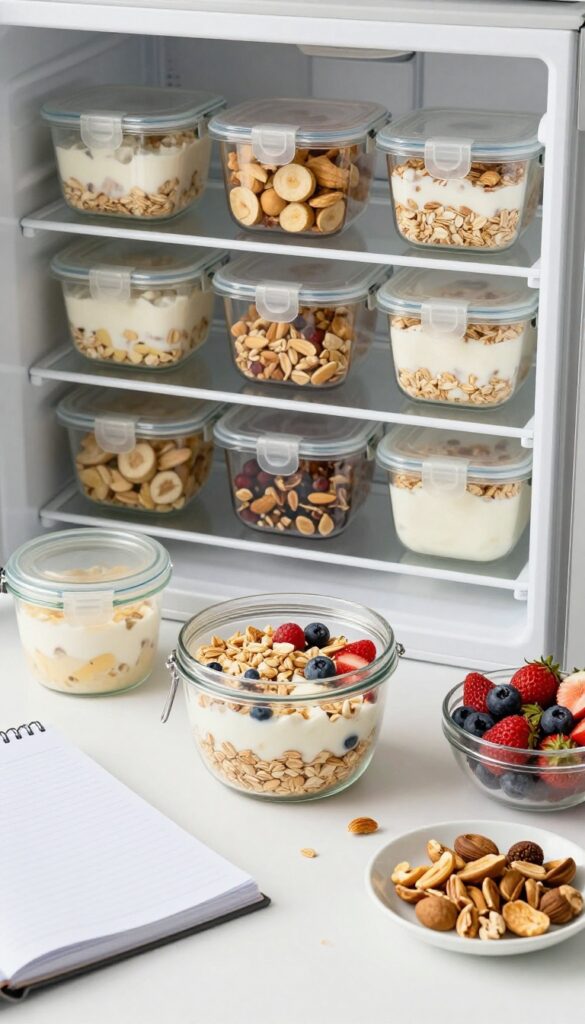
Here's a full week of simple, satisfying keto meals. Each day includes breakfast, lunch, and dinner ideas that are easy to prepare and keep your carbs under 20g net per day. Feel free to swap similar ingredients based on what you have on hand.
Monday: Chicken and Avocado Salad
Start the week with a fresh, no-cook lunch. Toss shredded rotisserie chicken with diced avocado, cherry tomatoes, cucumber, and a simple olive oil-lemon dressing. For breakfast, enjoy two scrambled eggs with spinach and cheese.
Dinner is a quick pan-seared chicken thigh served with a side of steamed broccoli drizzled with butter.
Tuesday: Beef Stir-Fry with Cauliflower Rice
Sauté thinly sliced beef with bell peppers, snap peas, and garlic in coconut aminos or tamari. Serve over cauliflower rice (fresh or frozen). Breakfast: a keto smoothie with unsweetened almond milk, spinach, protein powder, and a tablespoon of almond butter.
Dinner: leftover stir-fry or a simple omelet with mushrooms and cheddar.
Wednesday: Salmon with Asparagus
Bake salmon fillets with lemon, dill, and olive oil at 400°F for 12-15 minutes. Roast asparagus alongside. Breakfast: full-fat Greek yogurt with a handful of raspberries and chopped pecans.
Lunch: a large salad with mixed greens, hard-boiled eggs, bacon bits, and ranch dressing.
Thursday: Turkey Lettuce Wraps
Brown ground turkey with onion, garlic, and taco seasoning. Serve in large butter lettuce leaves with diced tomatoes, shredded cheese, and sour cream. Breakfast: two slices of bacon with a cheese omelet.
Dinner: leftover wraps or a quick tuna salad stuffed in avocado halves.
Friday: Zucchini Noodles with Pesto and Shrimp
Spiralize zucchini and sauté briefly in olive oil. Toss with store-bought or homemade pesto and cooked shrimp. Top with Parmesan.
Breakfast: bulletproof coffee or a chia pudding made with coconut milk. Lunch: a Caprese salad with fresh mozzarella, tomato, basil, and balsamic glaze.
Saturday: Egg Muffins and Spinach Salad
Whisk 8 eggs with salt, pepper, and your favorite mix-ins (diced ham, bell pepper, cheese). Pour into a greased muffin tin and bake at 350°F for 18-20 minutes. Enjoy two muffins for breakfast.
Lunch: a large spinach salad with grilled chicken, avocado, and vinaigrette. Dinner: leftover egg muffins with a side of roasted Brussels sprouts.
Sunday: Slow-Cooker Pork Shoulder with Roasted Veggies
Season a 3-4 lb pork shoulder with salt, pepper, garlic powder, and cumin. Place in slow cooker with 1/2 cup chicken broth. Cook on low for 8 hours.
Shred and serve with roasted cauliflower and green beans. Breakfast: a three-egg veggie scramble. Lunch: pulled pork lettuce wraps with coleslaw.
Tips for Staying on Track Without Stress
Sticking with a keto meal plan doesn't have to be a source of anxiety. A few simple habits can make all the difference in maintaining consistency without feeling deprived or overwhelmed.
Practical Adherence Tips
- Keep keto-friendly snacks handy: Nuts, cheese sticks, hard-boiled eggs, and avocado packs can prevent impulsive non-keto choices when hunger strikes unexpectedly.
- Hydrate consistently: Thirst is often mistaken for hunger or cravings. Aim for at least 8 cups of water daily, and consider adding electrolytes to avoid the keto flu.
- Listen to your hunger cues: Eat when you're hungry, not because the clock says so. Keto naturally reduces appetite for many, so forcing meals can lead to discomfort.
- Prep extra portions: Double a recipe or two during your weekly prep to have ready-made meals for days when cooking feels like a chore.
- Plan for social situations: Check menus ahead of time, bring a keto-friendly dish to gatherings, or eat a small meal beforehand to stay on track without feeling left out.
Common Keto Meal Prep Mistakes to Avoid
Even with the best intentions, a few common pitfalls can turn your keto meal prep from a time-saver into a source of frustration. Here’s what to watch out for so you can stay on track without the stress.
Not Enough Fat
Keto is a high-fat diet, but many beginners shy away from fat when prepping meals. Without enough fat, you’ll feel hungry, low on energy, and more likely to reach for carbs. Make sure each meal includes a generous source of fat—like avocado, olive oil, butter, or full-fat cheese.
Overcomplicating Your Prep
It’s tempting to plan elaborate recipes with exotic ingredients, but that often leads to burnout. Stick to simple, repeatable meals that use overlapping ingredients. A few basic proteins, veggies, and fats are all you need to create variety without the overwhelm.
Skipping Vegetables
Some people focus so much on fat and protein that they forget non-starchy vegetables. Veggies provide fiber, vitamins, and volume that keep your meals satisfying and your digestion regular. Include low-carb options like spinach, zucchini, broccoli, or bell peppers in your prep.
Other Mistakes to Avoid
- Forgetting to season your food – bland keto meals are hard to stick with.
- Not prepping snacks – having keto-friendly snacks ready prevents impulse carb grabs.
- Ignoring electrolyte balance – add salt, potassium, and magnesium to avoid keto flu.
- Making too much of one thing – variety prevents food boredom and nutrient gaps.
FAQ
Can I eat dairy on keto?
Yes, dairy is allowed on keto as long as it's low in carbs. Full-fat cheese, heavy cream, and unsweetened yogurt are great options. Just be mindful of your portions and check labels for added sugars.
How many carbs should I eat per day?
Most people on keto aim for 20 to 50 grams of net carbs per day. Net carbs are total carbs minus fiber. Your exact target may vary based on your activity level and goals, so it's best to start low and adjust as needed.
Can I meal prep keto if I'm vegetarian?
Absolutely. Focus on low-carb vegetables, eggs, cheese, tofu, tempeh, and plant-based fats like avocado and olive oil. You can still follow the same prep routine with vegetarian-friendly recipes.
Conclusion
Simplifying your keto meal prep is all about focusing on whole foods, batch cooking, and keeping your recipes straightforward. With the tools, ingredients, and weekly plan outlined here, you can build a sustainable routine that fits your lifestyle. Remember, consistency matters more than perfection.
Start with one week of prep and see how it feels. Adjust portions, swap ingredients, and find what works best for you. Keto doesn't have to be complicated—just a little planning goes a long way toward making low-carb eating simple and enjoyable.

Dr. Pallab Kishore, MS in Orthodontics and owner of Orthodontic Braces Care, shares expert tips on braces, aligners, and oral health from 10+ years of experience.