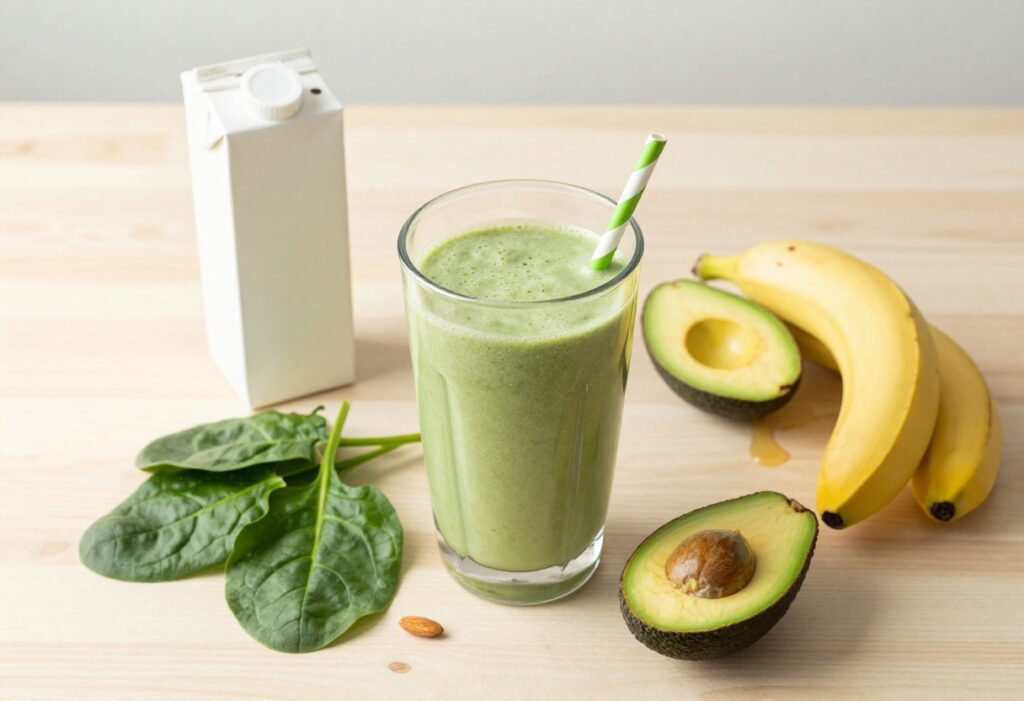
Thinking about eating more vegetables but worried you'll miss meat? You're not alone. Many people assume a vegetarian diet means endless salads and bland tofu.
But the truth is, meatless eating can be incredibly satisfying, flavorful, and simple—especially with a little planning. This guide will walk you through everything you need to create an easy vegetarian meal plan that fits your lifestyle. Whether you're a full-time vegetarian or just looking to cut back on meat, having a structured plan takes the guesswork out of meals.
You'll learn how to stock your pantry, prep ingredients efficiently, and build balanced plates that keep you full and energized. No complicated recipes or expensive ingredients required.
Why Go Vegetarian? The Benefits Beyond the Plate
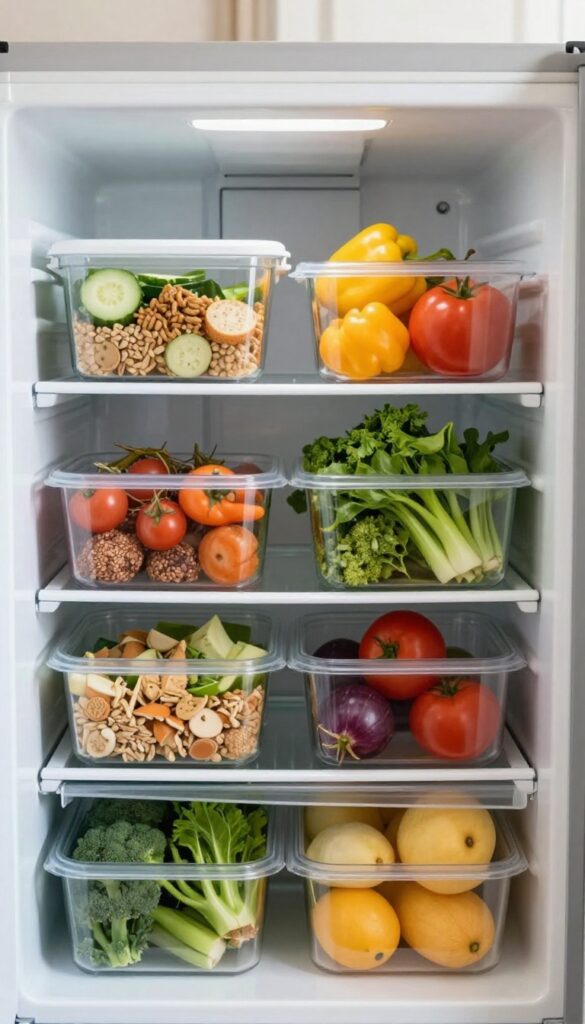
Curious about going vegetarian? You're not alone. More people than ever are exploring meatless eating, and for good reason.
Whether your motivation is health, the environment, or simply wanting to try something new, adopting a vegetarian diet can be a rewarding shift. Let's look at what you stand to gain—without the hype or pressure.
Health Perks That Add Up
A well-planned vegetarian diet is linked to a lower risk of heart disease, high blood pressure, type 2 diabetes, and certain cancers. It can also support a healthy weight and boost your energy levels—thanks to all the fiber, vitamins, and antioxidants from plant foods. But remember: vegetarian doesn't automatically mean healthy.
Chips and soda are technically vegetarian too. The key is focusing on whole, nutrient-rich foods like vegetables, fruits, whole grains, legumes, nuts, and seeds.
A Lighter Footprint on the Planet
Shifting to a plant-based diet is one of the most effective ways to reduce your environmental impact. Livestock production requires significant land, water, and energy, and contributes to greenhouse gas emissions. By choosing plant-based meals more often, you're helping conserve resources and reduce pollution.
Even one or two meatless days a week can make a difference.
Ethical Eating Made Simple
Many people choose vegetarianism because it aligns with their values around animal welfare. Reducing demand for meat means fewer animals raised in industrial farming conditions. It's a personal choice, and every vegetarian meal is a step toward a more compassionate food system.
Dispelling the Myth of Blandness
One common fear is that vegetarian food is boring or tasteless. Nothing could be further from the truth. With the right seasonings, cooking techniques, and global cuisines (think Indian curries, Mexican bean dishes, or Mediterranean mezze), vegetarian meals are vibrant, satisfying, and full of flavor.
Plus, the flexibility of vegetarianism means you can adapt it to your taste—whether you want to go fully plant-based or just cut back on meat.
The bottom line? Going vegetarian isn't about perfection or restriction. It's about adding more plants to your plate and discovering how delicious and easy meatless eating can be.
In the next section, we'll cover what to stock in your pantry so you're always ready to whip up a great vegetarian meal.
Stocking Your Vegetarian Pantry: Essentials for Success
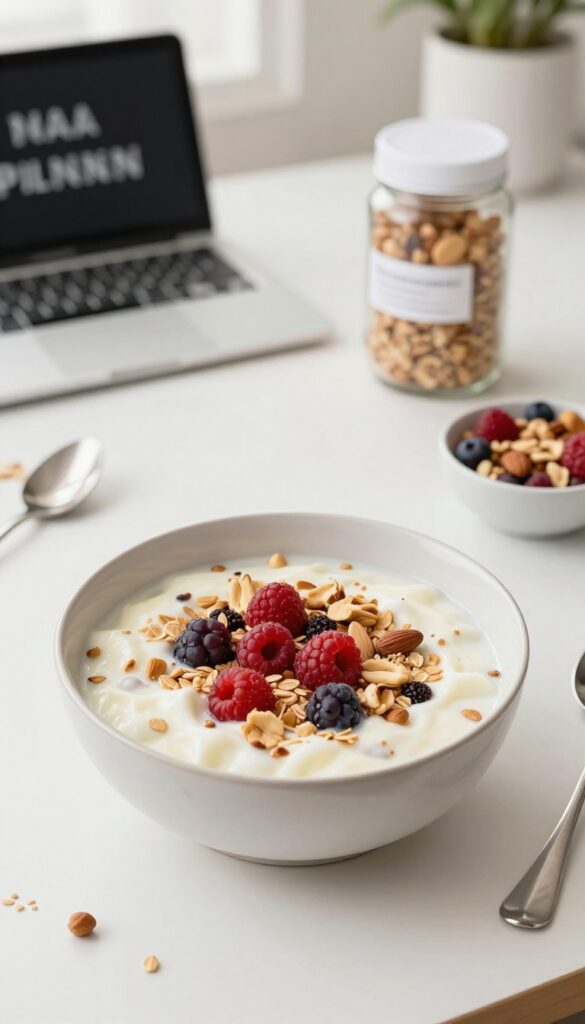
A well-stocked pantry is the foundation of effortless vegetarian cooking. When you have the right staples on hand, throwing together a satisfying meal becomes second nature. Focus on versatile, shelf-stable ingredients that can be combined in countless ways.
Here’s what to keep in your kitchen.
Protein Powerhouses
Protein is a common concern for new vegetarians, but there are plenty of delicious plant-based sources. Stock these to ensure you always have a protein option ready.
- Tofu and tempeh: Firm or extra-firm tofu works for stir-fries, scrambles, and grilling; tempeh has a nutty flavor and holds up well in marinades.
- Legumes: Canned chickpeas, black beans, and lentils are instant protein. Dried lentils cook quickly without soaking.
- Edamame: Frozen shelled edamame is a quick addition to salads, bowls, and pastas.
- Nuts and seeds: Almonds, walnuts, chia seeds, and hemp hearts add protein and healthy fats to oatmeal, yogurt, and salads.
- Eggs and dairy: If lacto-ovo vegetarian, eggs, Greek yogurt, and cottage cheese are convenient protein sources.
Grains and Legumes
Grains and legumes form the backbone of many vegetarian meals. They provide complex carbohydrates, fiber, and additional protein.
- Quinoa: A complete protein that cooks in 15 minutes. Great for bowls, salads, and as a rice substitute.
- Oats: Rolled or steel-cut oats for breakfast and for making veggie burgers or meatloaf.
- Rice: Brown rice, white rice, or wild rice – choose your favorite. Parboiled or instant rice for speed.
- Pasta and noodles: Whole-wheat, lentil, or chickpea pasta adds protein. Rice noodles for quick stir-fries.
- Dried lentils and split peas: Red lentils cook quickly and break down for soups; green lentils hold shape for salads.
Fresh and Frozen Produce
Fresh produce brings color and nutrients, but frozen options are just as nutritious and reduce waste. Keep a mix of both.
- Fresh staples: Onions, garlic, carrots, celery, bell peppers, spinach, and potatoes. These form the base of many dishes.
- Frozen vegetables: Broccoli, peas, corn, spinach, and mixed stir-fry blends. No chopping needed.
- Frozen fruits: Berries, mango, and bananas for smoothies and baking.
- Canned tomatoes: Diced, crushed, and whole tomatoes for sauces, soups, and stews.
- Canned coconut milk: Full-fat for creamy curries and light for soups.
Flavor Boosters: Herbs, Spices, and Sauces
The difference between bland and brilliant often comes down to seasonings. A well-chosen collection can transform simple ingredients into exciting meals.
- Essential spices: Cumin, paprika, chili powder, turmeric, coriander, and garam masala. These work across cuisines.
- Dried herbs: Oregano, thyme, basil, and rosemary for Italian and Mediterranean dishes.
- Sauces and condiments: Soy sauce or tamari, balsamic vinegar, hot sauce, Dijon mustard, and tahini.
- Nutritional yeast: Adds a cheesy flavor to pastas, popcorn, and sauces. A vegan favorite.
- Olive oil and sesame oil: For cooking and dressings. Toasted sesame oil adds depth to Asian dishes.
Meal Prep Made Simple: Your Weekly Routine
Meal prep is the secret weapon for sticking with a vegetarian diet without spending hours in the kitchen every day. By dedicating a couple of hours once a week, you’ll have ready-to-eat components that make assembling meals a breeze. Here’s a straightforward routine to get you started.
Plan Your Menu
Before you shop, take 10 minutes to sketch out a simple menu for the week. Focus on meals that share ingredients—like using black beans in both tacos and a grain bowl—to reduce waste and save money. Write down breakfast, lunch, dinner, and snacks, and check your pantry for what you already have.
Shop Smart
Make a grocery list based on your menu and stick to it. Stock up on versatile staples like lentils, quinoa, canned tomatoes, frozen vegetables, and spices. Buying in bulk can save money, but only purchase what you’ll realistically use.
Consider online grocery pickup to avoid impulse buys.
Batch Cook Basics
Cook large batches of grains and legumes—like brown rice, quinoa, lentils, or chickpeas—that can be used throughout the week. Roast a sheet pan of seasonal vegetables (broccoli, bell peppers, sweet potatoes) and prepare a couple of versatile sauces or dressings, such as a lemon-tahini dressing or a simple tomato sauce.
- Cook grains and legumes in bulk: Make 4–6 servings at once and store in the fridge.
- Prep veggies for the week: Wash, chop, and store in airtight containers for quick stir-fries, salads, or snacking.
- Make versatile sauces: Whip up a batch of vinaigrette, pesto, or cashew cream to add flavor to any dish.
- Use a slow cooker or Instant Pot to cook dried beans or soups with minimal effort.
Assemble and Store
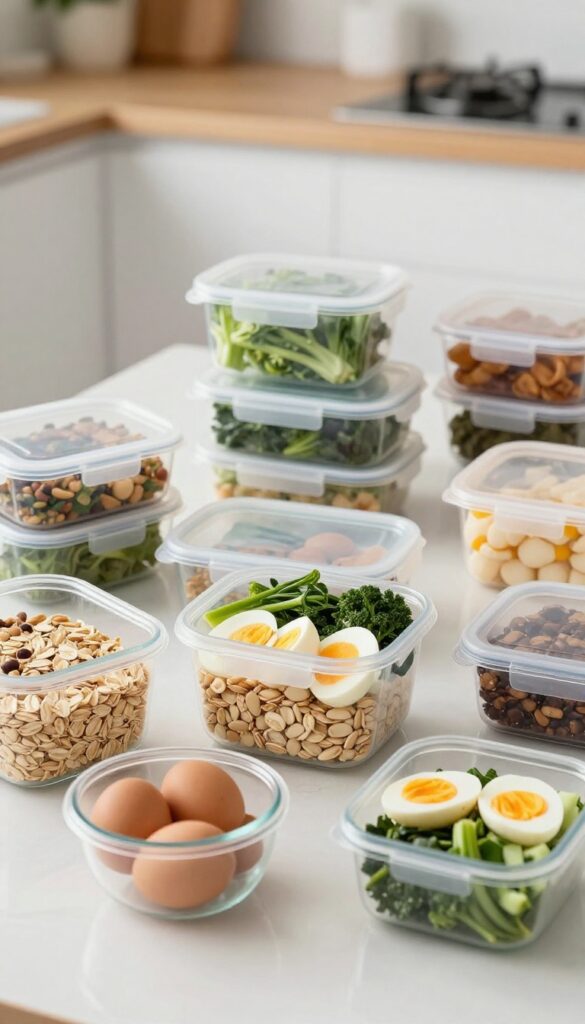
Portion your prepped ingredients into containers for grab-and-go meals. Use clear glass containers so you can see what’s inside. For salads, keep dressing separate to avoid sogginess.
Label containers with the day or meal to stay organized. Store grains and legumes in the fridge for up to 5 days, and freeze extras for later.
Sample 7-Day Vegetarian Meal Plan
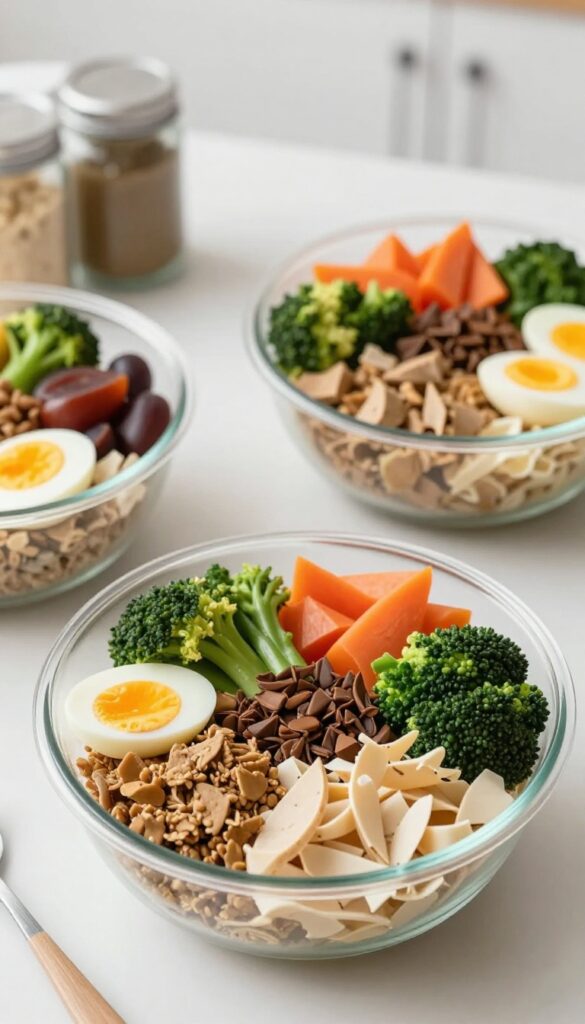
This sample meal plan is designed to show you how easy and delicious meatless eating can be. Each day includes breakfast, lunch, dinner, and a snack, with a focus on balanced nutrition—plenty of protein, fiber, and healthy fats. Feel free to swap days or adjust portions to fit your preferences.
Day Vegetarian Meal Plan
| Day | Breakfast | Lunch | Dinner | Snack |
| Monday | Greek yogurt with berries and granola | Quinoa salad with chickpeas, cucumber, and tahini dressing | Black bean tacos with avocado and salsa | Apple with almond butter |
| Tuesday | Scrambled eggs with spinach and whole-wheat toast | Lentil soup with a side of mixed greens | Vegetable stir-fry with tofu and brown rice | Handful of almonds |
| Wednesday | Smoothie with spinach, banana, and plant-based protein | Caprese sandwich on whole-grain bread with fresh mozzarella | Eggplant parmesan with a side salad | Carrot sticks with hummus |
| Thursday | Overnight oats with chia seeds and sliced peaches | Black bean and corn salad with lime vinaigrette | Vegetable curry with chickpeas and basmati rice | Orange and a handful of walnuts |
| Friday | Whole-grain toast with avocado and a poached egg | Mediterranean wrap with hummus, roasted veggies, and feta | Mushroom and spinach whole-wheat pizza | Greek yogurt with honey |
| Saturday | Pancakes made with whole-wheat flour and topped with fruit | Minestrone soup with a side of crusty bread | Stuffed bell peppers with quinoa, black beans, and cheese | Trail mix with dried fruit and seeds |
| Sunday | Tofu scramble with peppers and onions | Roasted vegetable and hummus bowl | Three-bean chili with cornbread | Dark chocolate square and a pear |
Nutritional Balance Tips
Each meal in this plan includes a source of protein (beans, lentils, tofu, eggs, dairy), fiber-rich vegetables or whole grains, and healthy fats (avocado, nuts, seeds, olive oil). This combination helps keep you full and energized throughout the day. Feel free to adjust portion sizes to meet your calorie needs, and drink plenty of water.
Eating Out and Social Situations: Staying on Track
Eating out or attending social events doesn't have to derail your vegetarian diet. With a little preparation and a positive mindset, you can enjoy meals with friends and family without stress.
How to Order at Restaurants
Scan the menu for vegetable-based dishes or customizable options like salads, grain bowls, or pasta. Don't hesitate to ask for modifications—most restaurants are happy to swap meat for extra veggies or beans. For cuisines like Italian, look for marinara or primavera sauces; at Mexican restaurants, opt for bean burritos, veggie fajitas, or cheese enchiladas.
Indian and Thai places often have abundant vegetarian curries and stir-fries.
Navigating Parties and Gatherings
Offer to bring a vegetarian dish to share—this ensures you have something to eat and introduces others to tasty plant-based options. At buffets, fill your plate with salads, roasted vegetables, and grain-based sides. If the main event is a barbecue, veggie burgers or portobello mushrooms are easy to grill.
Remember, it's okay to politely decline non-vegetarian offerings without over-explaining.
Communicating Your Dietary Needs
Be clear and courteous when explaining your vegetarian preference. A simple "I don't eat meat" usually suffices. For hosts, mention it in advance so they can plan accordingly.
Avoid being judgmental about others' food choices—your calm confidence will make interactions smoother. Most people are accommodating once they understand.
Quick Tips for Common Cuisines
- Italian: Pizza with vegetables, pasta primavera, minestrone soup.
- Mexican: Bean burritos, veggie tacos, cheese quesadillas, guacamole.
- Indian: Dal, chana masala, vegetable biryani, paneer dishes.
- Thai: Green or red curry with tofu, pad thai with vegetables, spring rolls.
- American: Veggie burgers, salads with added protein like beans or eggs.
Common Challenges and How to Overcome Them
Even with a solid meal plan, you might hit a few bumps. Here are practical solutions to the most common vegetarian hurdles.
Cravings for Meat
Cravings often stem from habit or a need for umami. Instead of fighting them, find satisfying substitutes.
- Try umami-rich foods like mushrooms, miso, nutritional yeast, soy sauce, or tomato paste.
- Use meat alternatives like tempeh, seitan, or plant-based burgers for a similar texture.
- Add hearty ingredients such as beans, lentils, or roasted vegetables to make meals feel more substantial.
- Wait 10 minutes before acting on a craving—it often passes.
Feeling Hungry or Unsatisfied
If you're hungry soon after eating, your meals may lack enough protein, fiber, or fat.
- Include a protein source at every meal: beans, lentils, tofu, tempeh, eggs, or Greek yogurt.
- Add healthy fats like avocado, nuts, seeds, or olive oil to boost satiety.
- Eat plenty of fiber-rich vegetables and whole grains (quinoa, oats, brown rice).
- Don't skip snacks—keep options like hummus with veggies, trail mix, or fruit with nut butter.
Social Pressure
Friends and family may question your choices, but you can handle it with confidence.
- Politely explain your reasons (health, ethics, environment) without being defensive.
- Offer to bring a vegetarian dish to share at gatherings.
- Check restaurant menus ahead of time and suggest places with good vegetarian options.
- Remember that your food choices are personal—you don't need to convince anyone.
Nutrient Concerns (Iron, B12, Protein
With a little planning, you can easily meet your nutrient needs on a vegetarian diet.
Iron
Iron from plants (non-heme) is less easily absorbed, but you can boost absorption.
- Eat iron-rich foods like spinach, lentils, chickpeas, tofu, and fortified cereals.
- Pair iron with vitamin C (citrus, bell peppers, tomatoes) to enhance absorption.
- Avoid drinking tea or coffee with meals, as tannins can inhibit iron absorption.
Vitamin B12
B12 is not naturally found in plant foods, so supplementation is essential for most vegetarians.
- Take a B12 supplement (typically 25–100 mcg daily or 2500 mcg weekly).
- Include fortified foods like plant milks, nutritional yeast, or breakfast cereals.
- Consult your doctor for personalized advice and periodic blood tests.
Protein
The myth that plant proteins are incomplete has been debunked. As long as you eat a variety of foods, you'll get all essential amino acids.
- Include protein-rich foods at each meal: beans, lentils, tofu, tempeh, edamame, seitan, eggs, dairy, quinoa, and nuts.
- Your body pools amino acids throughout the day, so you don't need to combine proteins at every meal.
- Aim for about 0.8–1.0 grams of protein per kilogram of body weight, or more if you're active.
FAQ
Is it hard to get enough protein on a vegetarian diet?
Not at all. Many plant foods are rich in protein, including beans, lentils, tofu, tempeh, edamame, quinoa, nuts, and seeds. By including a variety of these in your meals, you can easily meet your protein needs.
For example, a cup of cooked lentils provides about 18 grams of protein, and a block of firm tofu offers around 20 grams.
Can I lose weight with a vegetarian meal plan?
A vegetarian diet can support weight loss if it's based on whole, nutrient-dense foods and appropriate portion sizes. However, it's not automatic—vegetarian junk food exists. Focus on vegetables, fruits, whole grains, and legumes, and limit processed items.
The meal plan in this article is designed to be balanced and satisfying, which can help with weight management.
What are the best meat substitutes?
Popular options include tofu, tempeh, seitan, and store-bought plant-based burgers or sausages. For a less processed choice, try using mushrooms, eggplant, or jackfruit for texture. Lentils and beans also make great bases for burgers and meatballs.
Experiment to find what you like best.
Do I need to take supplements?
Some nutrients require attention on a vegetarian diet. Vitamin B12 is not naturally found in plant foods, so supplementation or fortified foods (like plant milks or nutritional yeast) are recommended. Iron and omega-3s can be obtained from plant sources, but some people may benefit from supplements.
Consult a healthcare provider for personalized advice.
How do I handle family meals if others eat meat?
Many vegetarian dishes can be enjoyed by everyone. You can also prepare a base meal (like grain bowls or stir-fries) and let each person add their own protein—meat for some, tofu or beans for you. This approach keeps everyone happy without extra work.
Conclusion
Adopting a vegetarian meal plan doesn't have to be complicated or restrictive. With a well-stocked pantry, a bit of weekly prep, and a flexible attitude, you can enjoy delicious, meatless meals every day. The key is to focus on whole foods, experiment with flavors, and listen to your body's needs.
Remember, every vegetarian journey is unique.
Start with small changes, like one meatless day per week, and build from there. You'll soon discover that easy meatless eating is not only possible but genuinely enjoyable. Happy cooking!

Dr. Pallab Kishore, MS in Orthodontics and owner of Orthodontic Braces Care, shares expert tips on braces, aligners, and oral health from 10+ years of experience.