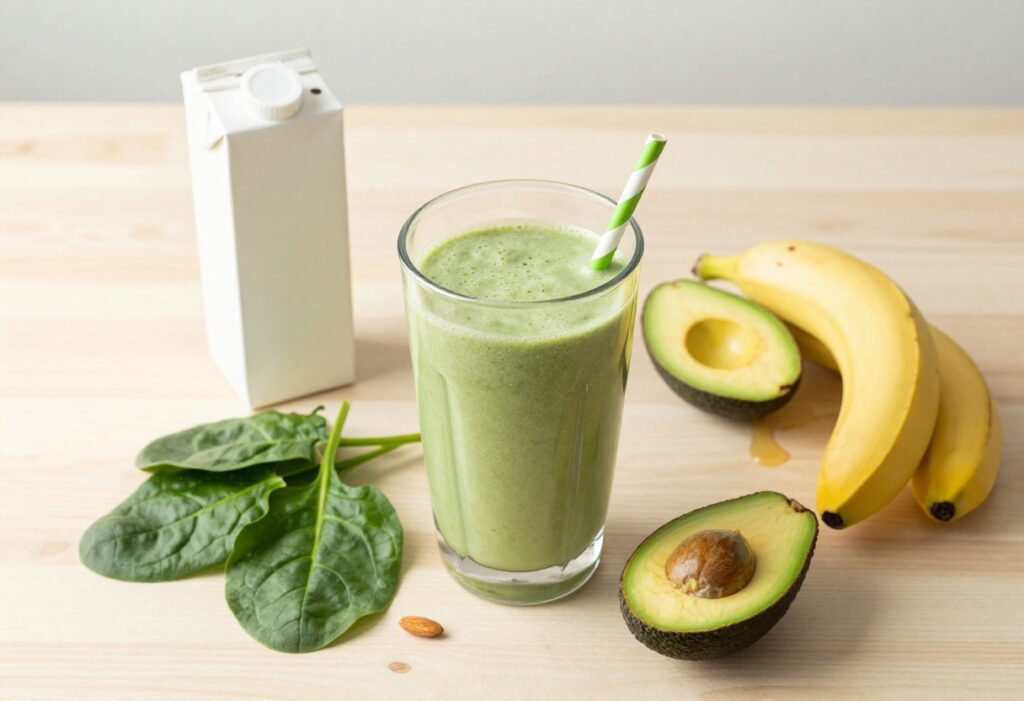
A 2000 calorie meal plan can be a great starting point for many women who are moderately active or looking to maintain their weight. It provides enough energy to get through the day while allowing room for nutritious foods that support overall health.
The key is to focus on balance—incorporating a variety of whole foods like vegetables, fruits, lean proteins, whole grains, and healthy fats. This plan is not about strict rules or deprivation.
Instead, it’s a flexible framework that you can adapt to your preferences and lifestyle. Whether you’re an athlete, a busy professional, or someone simply aiming for better eating habits, a 2000 calorie target can work well when built around nutrient-dense choices.
Why a 2000 Calorie Meal Plan Works for Many Women
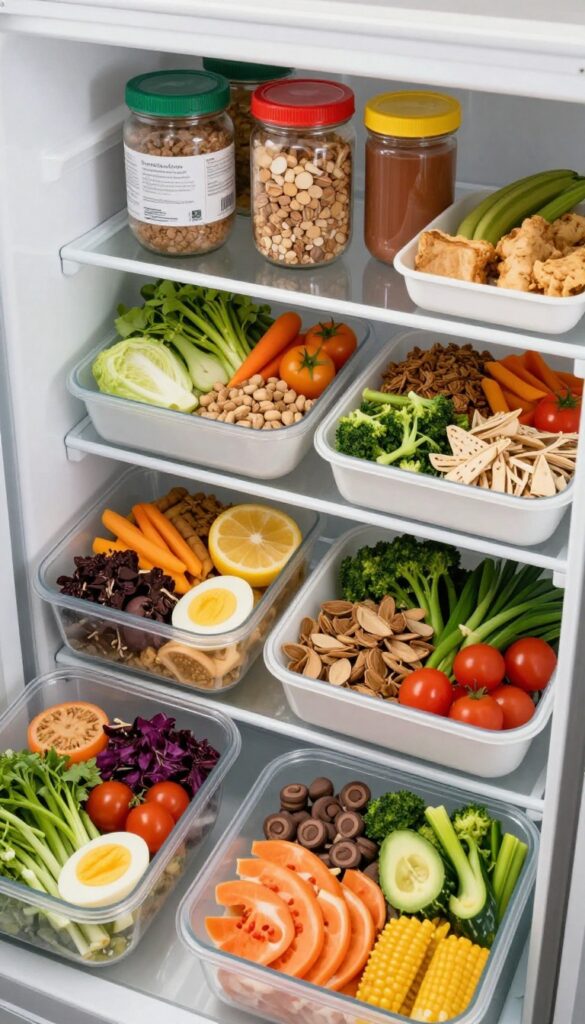
For many women, 2,000 calories per day is a sweet spot that supports energy needs without requiring extreme restriction. It’s not a magic number for everyone, but it serves as a helpful benchmark for balanced eating.
A 2,000-calorie meal plan is often used as a reference point on nutrition labels, and it aligns well with the needs of moderately active women. This level of intake can help maintain weight while providing enough fuel for daily activities, exercise, and overall well-being.
Key points to keep in mind
- Calorie needs vary based on age, activity level, metabolism, and body composition.
- 2,000 calories is a common maintenance level for women who are moderately active (e.g., walking 30–60 minutes daily plus routine movement).
- This plan offers flexibility to include a variety of nutrient-dense foods without feeling deprived.
It’s important to remember that individual calorie requirements differ. Factors like muscle mass, hormonal changes, and lifestyle can shift your needs. If your goal is weight loss, you might need fewer calories, but for many women, 2,000 calories provides a sustainable foundation for long-term health.
Breakfast: A Strong Start to Your Day
A well-balanced breakfast sets the tone for your entire day. Aim for 400–500 calories, combining protein, fiber, and healthy fats to keep you satisfied and energized until your next meal.
Building a breakfast that works means including lean protein (like eggs, Greek yogurt, or tofu), complex carbs (such as oats or whole grain toast), and a source of healthy fat (like avocado, nuts, or seeds). This trio stabilizes blood sugar, supports metabolism, and keeps cravings at bay.
Sample Breakfast Ideas
- Scrambled eggs (2) with 1 slice whole grain toast, half an avocado, and a handful of spinach: ~450 calories
- Oatmeal (1/2 cup dry) cooked with milk, topped with 1 tbsp almond butter, 1/2 banana, and a sprinkle of cinnamon: ~420 calories
- Greek yogurt (1 cup plain) with 1/2 cup berries, 1 tbsp chia seeds, and 1/4 cup granola: ~400 calories
- Smoothie: 1 scoop protein powder, 1 cup unsweetened almond milk, 1 tbsp peanut butter, 1/2 cup frozen spinach, and 1/2 banana: ~430 calories
To keep within the 400–500 calorie range, watch portion sizes of calorie-dense add-ons like nut butters, granola, and dried fruit. If you’re not hungry first thing, try a smaller breakfast (300–350 calories) and add a mid-morning snack.
Morning Snack: Keep Energy Steady
A mid-morning snack helps maintain your energy levels and prevents overeating at lunch. Aim for 150–200 calories and pair protein with carbohydrates for lasting satisfaction.
Choosing the right snack can make a big difference in how you feel until lunch. The goal is to avoid blood sugar spikes and crashes by combining a source of protein with complex carbs or fiber-rich fruit.
Simple snack ideas
- 1 small apple with 1 tablespoon almond butter (about 195 calories)
- ¾ cup plain Greek yogurt with ½ cup berries (about 150 calories)
- 1 hard-boiled egg with 1 small pear (about 175 calories)
- 1 small banana with 10 almonds (about 160 calories)
What to avoid
Steer clear of processed snack bars that are high in added sugars and low in protein. Also avoid empty-calorie options like chips, cookies, or sugary coffee drinks that won’t keep you full.
Lunch: Balanced and Satisfying
Lunch should keep you energized for the rest of the day without weighing you down. Aim for 500–600 calories with a mix of lean protein, colorful veggies, and whole grains. Here are a few ideas to inspire your midday meal.
Sample Lunch Ideas
- Grilled chicken salad with mixed greens, cherry tomatoes, cucumber, avocado, and a light vinaigrette (about 550 calories)
- Quinoa bowl with black beans, corn, bell peppers, salsa, and a dollop of Greek yogurt (about 520 calories)
- Turkey and hummus wrap on a whole-wheat tortilla with lettuce, tomato, and shredded carrots (about 580 calories)
- Lentil soup with a side of whole-grain crackers and an apple (about 500 calories)
To keep your lunch balanced, include a source of protein (chicken, turkey, beans, tofu), plenty of vegetables, and a serving of whole grains or starchy vegetables. Avoid heavy dressings and fried foods, which can add unnecessary calories and leave you feeling sluggish.
Afternoon Snack: Avoid the Slump
The afternoon slump is real, but a smart snack can keep your energy steady and prevent overeating at dinner. Aim for 150–200 calories with a focus on protein or fiber to stay satisfied until your next meal.
A well-chosen afternoon snack bridges the gap between lunch and dinner without derailing your calorie goals. Protein and fiber help stabilize blood sugar and keep cravings in check.
Great options include
- Hummus with veggie sticks (carrots, cucumber, bell peppers)
- Cottage cheese with pineapple or berries
- A small apple with a tablespoon of peanut butter
- Greek yogurt (plain) with a sprinkle of cinnamon
- A handful of almonds and an orange
Avoid sugary drinks and chips, which can cause a quick energy spike followed by a crash. Stick to whole foods that provide lasting fuel.
Dinner: Nutrient-Dense and Filling
Dinner is your chance to load up on vegetables, lean protein, and healthy fats—all while staying within the 500-600 calorie range. A well-rounded plate should include a generous portion of non-starchy veggies, a palm-sized serving of protein, and a thumb-sized amount of healthy fat. Avoid heavy sauces or oversized portions of refined carbs like white rice or pasta, which can spike blood sugar and leave you feeling sluggish.
Sample Dinner Ideas
- Grilled salmon (4-5 oz) with roasted broccoli and quinoa (1/2 cup cooked), drizzled with lemon and olive oil.
- Stir-fry with tofu (5 oz), bell peppers, snap peas, and carrots in a light ginger-soy sauce, served over cauliflower rice.
- Baked chicken breast (4 oz) with a side of sautéed spinach and roasted sweet potato (1/2 medium).
- Shrimp (5 oz) with zucchini noodles and a tomato-basil sauce, topped with a sprinkle of Parmesan.
Evening Snack: Light and Optional
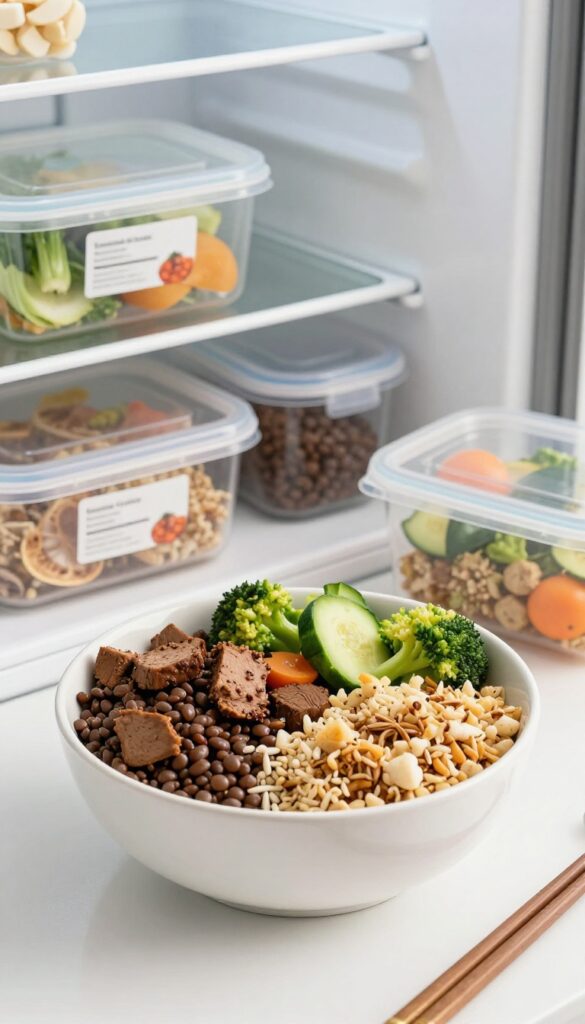
If you find yourself feeling hungry in the evening, a light snack of around 100–150 calories can help tide you over without disrupting sleep. This snack is entirely optional—listen to your body’s cues.
The key is to choose something that is easy to digest and won’t leave you feeling overly full or cause discomfort. Avoid heavy, rich, or sugary foods that might interfere with your sleep quality.
Good options include
- A small piece of fruit, like an apple or a handful of berries
- A cup of herbal tea (peppermint, chamomile, or rooibos)
- A small handful of almonds or walnuts
- A few baby carrots with hummus
- A small bowl of plain yogurt with a sprinkle of cinnamon
Avoid heavy snacks such as large portions of cheese, chips, or anything high in sugar or caffeine, as these can disrupt sleep.
Sample Day at 2000 Calories
Here’s a full day of balanced meals and snacks totaling about 2000 calories. This sample menu is designed to keep you satisfied, energized, and nourished. All calorie counts are approximate; adjust portion sizes to meet your exact needs.
Sample Day Menu
| Meal | Food | Approximate Calories |
| Breakfast | Scrambled eggs (2 large) with 1 cup spinach and 1 slice whole wheat toast, plus 1/2 avocado | 450 |
| Morning Snack | 1 medium apple with 2 tablespoons peanut butter | 250 |
| Lunch | Grilled chicken salad: 4 oz chicken breast, 2 cups mixed greens, 1/2 cup cherry tomatoes, 1/4 cup cucumber, 2 tbsp vinaigrette, plus 1/2 cup quinoa | 500 |
| Afternoon Snack | 1 cup Greek yogurt (plain, nonfat) with 1/2 cup berries and 1 tablespoon honey | 200 |
| Dinner | Baked salmon (5 oz) with 1 cup roasted broccoli and 1 medium sweet potato (about 6 oz) | 500 |
| Evening Snack | 1 cup unsweetened almond milk with 1 scoop protein powder (optional) or 1 small banana | 100 |
Tips for Customizing Your Meal Plan
A 2000 calorie meal plan is a great starting point, but your body’s needs are unique. Here are simple ways to tailor the plan to fit your lifestyle, preferences, and hunger cues.
The key to long-term success is flexibility. Instead of following a rigid menu, use these strategies to make the plan work for you.
Adjust Portions Based on Hunger
Your appetite can vary day to day. If you feel full before finishing a meal, save leftovers for later. If you’re still hungry, add an extra serving of vegetables or a small handful of nuts.
Listen to your body rather than forcing yourself to clean your plate.
Swap Ingredients for Variety
Keep meals interesting by substituting similar foods. For example, swap chicken for tofu, quinoa for brown rice, or berries for sliced apple. Use the same meal structure but change the protein, grain, or vegetable to match what you have on hand or crave.
Adjust for Activity Level
If you’re more active on certain days, add an extra snack or increase portion sizes slightly. On rest days, you may need fewer calories. A simple rule: eat more when you move more, and eat lighter when you’re sedentary.
Handle Dining Out with Confidence
When eating out, look for grilled, baked, or steamed options. Ask for dressings and sauces on the side, and fill half your plate with vegetables. Don’t stress about exact calories—focus on balance and enjoyment.
Quick Customization Ideas
- Swap cow’s milk for almond or oat milk.
- Use Greek yogurt instead of sour cream.
- Replace white rice with cauliflower rice for fewer carbs.
- Add avocado or extra olive oil for healthy fats.
- Choose leaner cuts of meat or plant-based proteins.
Remember, the goal is to build a sustainable eating pattern that supports your health and satisfies your taste buds. There’s no one-size-fits-all, so experiment and find what feels best for you.
FAQ
Can I lose weight on a 2000 calorie meal plan?
It depends on your individual calorie needs. For some women, 2000 calories may lead to weight loss if they burn more than that through activity. For others, it may be maintenance or even surplus.
To lose weight, you generally need a calorie deficit, so consult a professional to determine your specific needs.
What if I’m not hungry for all meals?
That’s okay. The plan is a guide, not a mandate. You can adjust portion sizes or skip a snack if you’re not hungry.
The goal is to eat intuitively while keeping overall nutrition in mind. Forcing food when not hungry can lead to discomfort.
Can I follow this plan if I’m vegetarian?
Absolutely. Simply swap animal proteins for plant-based options like tofu, tempeh, legumes, and seitan. Ensure you’re getting enough protein and iron by including a variety of sources.
The sample meals can be easily adapted.
How do I know if 2000 calories is right for me?
A good starting point is to calculate your Total Daily Energy Expenditure (TDEE) using an online calculator that factors in age, weight, height, and activity level. 2000 calories is a common maintenance level for moderately active women, but your needs may be higher or lower. Adjust based on your energy levels and hunger cues.
Conclusion
A 2000 calorie meal plan for women is all about balance, flexibility, and nourishment. By focusing on whole foods and listening to your body, you can create a sustainable eating pattern that supports your energy needs and overall well-being. Use the sample day and tips as a starting point, and feel free to mix and match meals to keep things interesting.
Remember, there’s no one-size-fits-all approach to nutrition. The best plan is one that fits your lifestyle, preferences, and health goals.

Dr. Pallab Kishore, MS in Orthodontics and owner of Orthodontic Braces Care, shares expert tips on braces, aligners, and oral health from 10+ years of experience.