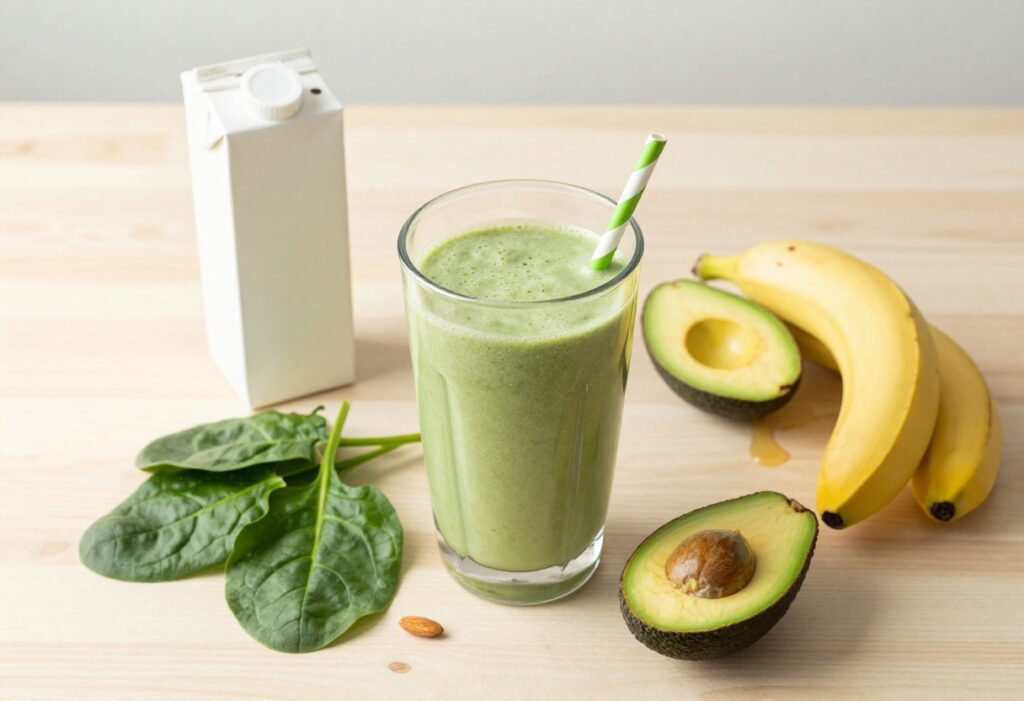
A 1000-calorie diet is a very low-calorie eating plan often used for rapid weight loss. While it can lead to quick results, it comes with significant risks and is not suitable for everyone.
This guide will help you understand the safety considerations, provide sample meal ideas, and offer tips for success if you choose to follow this approach under medical supervision. Before starting any low-calorie diet, it’s crucial to consult with a healthcare professional.
A 1000-calorie diet is typically only recommended for short-term use in specific medical situations, such as before bariatric surgery or under close monitoring for obesity-related conditions. Without proper guidance, you risk nutrient deficiencies, metabolic slowdown, and other health issues.
Is a 1000-Calorie Diet Safe?
A 1000-calorie diet is a very low-calorie diet (VLCD) that can lead to rapid weight loss, but it’s not right for everyone. Before considering such a restrictive eating plan, it’s crucial to understand the safety concerns and whether it’s appropriate for your individual health needs.
What the Experts Say
Health experts generally agree that 1000-calorie diets are only safe under medical supervision and for specific individuals. The National Institutes of Health (NIH) notes that VLCDs should be used only for short periods (usually 8–12 weeks) and are typically reserved for people with obesity who need to lose weight quickly for medical reasons, such as before surgery. Even then, these diets are often supplemented with vitamins and minerals to prevent deficiencies.
Without proper oversight, a 1000-calorie diet can lead to muscle loss, gallstones, fatigue, and nutrient deficiencies, especially in iron, calcium, vitamin D, and B12.
Key Safety Points from Experts
- Calorie needs vary widely based on age, sex, weight, height, and activity level. For most adults, 1000 calories is well below their basal metabolic rate (BMR), meaning the body may break down muscle for energy.
- Risks of malnutrition are real: inadequate intake of essential nutrients can impair immune function, bone health, and energy levels.
- Medical approval is essential: a doctor or registered dietitian should evaluate whether a 1000-calorie diet is appropriate for you and monitor your progress.
Who Should Avoid This Diet
A 1000-calorie diet is not suitable for everyone. The following groups should avoid this level of restriction unless specifically prescribed and supervised by a healthcare provider:
People Who Should Not Follow a 1000-Calorie Diet
- Pregnant or breastfeeding women, as they need extra calories and nutrients for the baby.
- Children and teenagers, who require adequate energy for growth and development.
- Individuals with a history of eating disorders, as severe restriction can trigger relapse.
- People with certain medical conditions, such as diabetes, kidney disease, or heart problems, without medical clearance.
- Older adults, who are at higher risk of muscle loss and nutrient deficiencies.
- Athletes or highly active individuals, who need more calories to fuel performance and recovery.
Important Note
Even if you fall outside these categories, consult a healthcare professional before starting a 1000-calorie diet. They can help you determine if it’s safe and guide you on how to minimize risks.
Sample 1000-Calorie Meal Plans
Here are three sample days on a 1000-calorie diet. Each day provides a balanced mix of protein, healthy fats, and fiber-rich carbs to keep you satisfied while staying within the calorie limit. Portions are approximate and should be adjusted based on your individual needs.
Day 1: Balanced Start
| Meal | Food Items | Calories |
| Breakfast | 1 scrambled egg (70 cal) + 1 slice whole-wheat toast (80 cal) + 1/2 cup berries (40 cal) | 190 |
| Snack | 1 small apple (80 cal) + 1 tbsp almond butter (95 cal) | 175 |
| Lunch | 2 cups mixed greens (20 cal) + 3 oz grilled chicken breast (140 cal) + 1/4 avocado (80 cal) + 2 tbsp vinaigrette (60 cal) | 300 |
| Snack | 1/2 cup Greek yogurt (60 cal) + 1/2 cup sliced cucumber (10 cal) | 70 |
| Dinner | 4 oz baked salmon (230 cal) + 1 cup steamed broccoli (55 cal) + 1/2 cup cooked quinoa (110 cal) | 395 |
Day 1 Total
Approximately 1,130 calories. If you need to stay closer to 1,000, reduce the almond butter to 1/2 tbsp or skip the evening snack.
Day 2: Vegetarian Option
| Meal | Food Items | Calories |
| Breakfast | 1 cup cooked oatmeal (150 cal) + 1/2 cup sliced banana (70 cal) + 1 tsp cinnamon (0 cal) | 220 |
| Snack | 1/2 cup cottage cheese (90 cal) + 1/2 cup pineapple chunks (40 cal) | 130 |
| Lunch | 1 whole-wheat tortilla (120 cal) + 1/2 cup black beans (120 cal) + 1/4 cup shredded cheese (55 cal) + salsa (10 cal) + 1 cup mixed greens (10 cal) | 315 |
| Snack | 1 medium carrot (25 cal) + 2 tbsp hummus (70 cal) | 95 |
| Dinner | 1 cup lentil soup (160 cal) + 1 small whole-grain roll (80 cal) + 1 cup steamed green beans (40 cal) | 280 |
Day 2 Total
Approximately 1,040 calories. To reduce, use 1/2 cup oatmeal and skip the roll at dinner.
Day 3: High Protein
| Meal | Food Items | Calories |
| Breakfast | 2 scrambled eggs (140 cal) + 1/2 cup sautéed spinach (20 cal) + 1 slice turkey bacon (35 cal) | 195 |
| Snack | 1/2 cup cottage cheese (90 cal) + 1/2 cup sliced bell peppers (15 cal) | 105 |
| Lunch | 3 oz canned tuna (100 cal) mixed with 1 tbsp mayo (90 cal) + 2 lettuce leaves (5 cal) + 1 medium apple (80 cal) | 275 |
| Snack | 1 hard-boiled egg (70 cal) + 1/2 cup cherry tomatoes (15 cal) | 85 |
| Dinner | 4 oz grilled chicken breast (185 cal) + 1 cup roasted Brussels sprouts (55 cal) + 1/2 cup cooked brown rice (110 cal) | 350 |
Day 3 Total
Approximately 1,010 calories. Adjust by using 1 egg for breakfast or omitting the afternoon snack.
Tips for Sticking to a 1000-Calorie Diet
Following a 1,000-calorie diet takes planning and discipline. These practical strategies can help you stay on track while minimizing hunger and maximizing nutrition.
Plan Meals Ahead
Meal prepping is your best friend on a low-calorie diet. Spend a few hours each week planning and preparing meals and snacks. This reduces the chance of impulsive eating and helps you stay within your calorie target.
Pre-portion snacks, cook grains and proteins in bulk, and store ready-to-eat veggies.
Stay Hydrated
Thirst is often mistaken for hunger. Drink water throughout the day, especially before meals. Aim for at least 8 cups (64 ounces) of water daily.
Herbal teas and sparkling water are also good options. Avoid sugary drinks and limit diet sodas, as artificial sweeteners may trigger cravings.
Use Smaller Plates
A simple visual trick: using a smaller plate makes a normal portion look larger, which can help you feel more satisfied. Studies show that people serve themselves less when using smaller dishes. Pair this with mindful eating—chew slowly and savor each bite.
Avoid Liquid Calories
Beverages like soda, juice, specialty coffee drinks, and alcohol can quickly consume your daily calorie allowance without providing satiety. Stick to water, black coffee, or unsweetened tea. If you crave flavor, add lemon, cucumber, or mint to your water.
Track Your Calories Accurately
Use a food scale and a tracking app (like MyFitnessPal or Cronometer) to log everything you eat. Be honest—include cooking oils, condiments, and bites. Tracking helps you stay accountable and identify patterns that may cause overeating.
Manage Hunger with Volume Eating
Choose low-calorie, high-volume foods like leafy greens, broccoli, cauliflower, zucchini, and berries. These foods fill your stomach without adding many calories. For example, a large salad with lean protein can be very filling for under 300 calories.
Don’t Skip Meals
Skipping meals often leads to intense hunger and overeating later. Stick to a consistent eating schedule—three small meals and one or two snacks per day. This helps regulate blood sugar and keeps energy levels stable.
Important
Extreme restriction can backfire. If you feel faint, dizzy, or overly fatigued, increase your calorie intake or consult a healthcare professional. This diet is not suitable for everyone, especially without medical supervision.
Potential Risks and Side Effects
While a 1,000-calorie diet can lead to rapid weight loss, it also carries significant risks. Being aware of these potential side effects can help you decide if this approach is right for you and when to seek medical advice.
Nutrient Deficiencies
Consuming only 1,000 calories per day makes it very difficult to meet your body’s needs for essential vitamins and minerals. Common deficiencies include iron, calcium, vitamin D, and B vitamins. Over time, this can lead to fatigue, weakened immunity, and bone density loss.
To minimize this risk, focus on nutrient-dense foods like leafy greens, lean proteins, and fortified products. However, even with careful planning, supplementation may be necessary. Consult a healthcare provider to check your levels and adjust accordingly.
Metabolic Slowdown
Severe calorie restriction can cause your metabolism to slow down as your body tries to conserve energy. This is often called “adaptive thermogenesis.” When you eventually increase your calorie intake, you may regain weight quickly because your metabolism hasn’t recovered.
This effect is more pronounced with prolonged restriction. To counteract it, some people incorporate refeed days or periodic higher-calorie days, but this should be done under professional guidance.
Other Side Effects
Beyond nutrient deficiencies and metabolic slowdown, a 1,000-calorie diet can cause a range of other side effects:
If you experience severe or persistent symptoms, such as chest pain, fainting, or rapid heart rate, stop the diet immediately and seek medical attention.
When to Seek Help
Consult a doctor before starting any very low-calorie diet. During the diet, watch for warning signs like extreme fatigue, heart palpitations, or signs of gallstones (abdominal pain, nausea). If you have a history of eating disorders, this diet is not recommended without specialized supervision.
When to Stop a 1000-Calorie Diet
A 1000-calorie diet is not meant to be followed indefinitely. Knowing when to stop is just as important as knowing how to start. Continuing too long can lead to nutrient deficiencies, metabolic slowdown, and other health issues.
Here are clear signs that it’s time to transition to a higher calorie intake or consult a professional.
The following signs indicate that your body needs more fuel. If you experience any of them, stop the diet and consider a gradual increase in calories.
Signs to Stop
- You feel unwell: persistent fatigue, dizziness, headaches, nausea, or weakness are red flags. Your body is signaling that it’s not getting enough energy.
- Weight loss stalls for weeks: if you’ve been strictly following 1000 calories for two weeks or more with no weight loss, your metabolism may have adapted. Continuing the same low intake can be counterproductive.
- You reach your goal weight: once you achieve your target, it’s time to transition to a maintenance plan. Staying on a very low-calorie diet can lead to rapid regain and metabolic damage.
- You experience hair loss, brittle nails, or frequent illness: these are signs of nutrient deficiencies that require a more balanced diet.
- You lose your menstrual cycle (if applicable): irregular or absent periods are a serious sign that calorie intake is too low.
- You feel obsessive about food: constant thoughts about food, guilt after eating, or anxiety around meals suggest an unhealthy relationship with food.
If you notice any of these signs, do not abruptly return to your previous eating pattern. Instead, gradually increase your daily intake by 100–200 calories per week, focusing on nutrient-dense foods. This helps your metabolism adjust and reduces the risk of rapid weight regain.
Transitioning to Maintenance
When you stop the diet, shift your focus to a balanced, whole-foods-based eating plan that supports your new weight. Aim for a modest calorie increase—typically to 1400–1600 calories for women or 1800–2000 for men, depending on activity level. Continue to prioritize protein, fiber, and healthy fats to maintain satiety and muscle mass.
Consult a Professional
Before starting or stopping any very low-calorie diet, it’s wise to consult a registered dietitian or healthcare provider. They can help you determine a safe calorie level, monitor for deficiencies, and create a personalized transition plan. Do not rely solely on online advice for medical decisions.
FAQ
Can I exercise on a 1000-calorie diet?
Light exercise like walking or gentle yoga is usually safe, but intense workouts may be too demanding due to low energy intake. Listen to your body and consult your doctor.
How much weight can I lose on 1000 calories a day?
Weight loss varies, but many people lose 1-2 pounds per week initially. However, results depend on factors like age, gender, starting weight, and activity level.
Is 1000 calories safe for long-term weight loss?
No, a 1000-calorie diet is not safe for long-term use. It can lead to nutrient deficiencies, muscle loss, and metabolic adaptation. It should only be followed short-term under medical supervision.
What foods should I eat on a 1000-calorie diet?
Focus on nutrient-dense foods like lean proteins, vegetables, fruits, whole grains, and healthy fats. Avoid empty calories from sugary drinks, processed snacks, and high-fat foods.
Conclusion
A 1000-calorie diet can be an effective short-term tool for weight loss, but it is not without risks. Safety should always come first, which means consulting a healthcare provider before starting and monitoring your health throughout.
Remember that sustainable weight loss typically involves a balanced diet and regular physical activity. If you decide to try a 1000-calorie meal plan, use the sample ideas and tips in this guide to make it as nutritious as possible.

Dr. Pallab Kishore, MS in Orthodontics and owner of Orthodontic Braces Care, shares expert tips on braces, aligners, and oral health from 10+ years of experience.