
If you have an endomorph body type, you know that managing weight and staying full can feel like an uphill battle. Endomorphs tend to store fat more easily and often have a slower metabolism, which means the wrong diet can lead to unwanted weight gain. But the right approach—focusing on balanced protein and fiber—can make a world of difference.
This meal plan is designed specifically for endomorphs. It emphasizes high-quality protein to support muscle and metabolism, along with plenty of fiber to keep you satisfied and stabilize blood sugar.
You won't find extreme restrictions or complicated rules here. Instead, you'll get practical, delicious meals that fit into real life.
Understanding the Endomorph Body Type
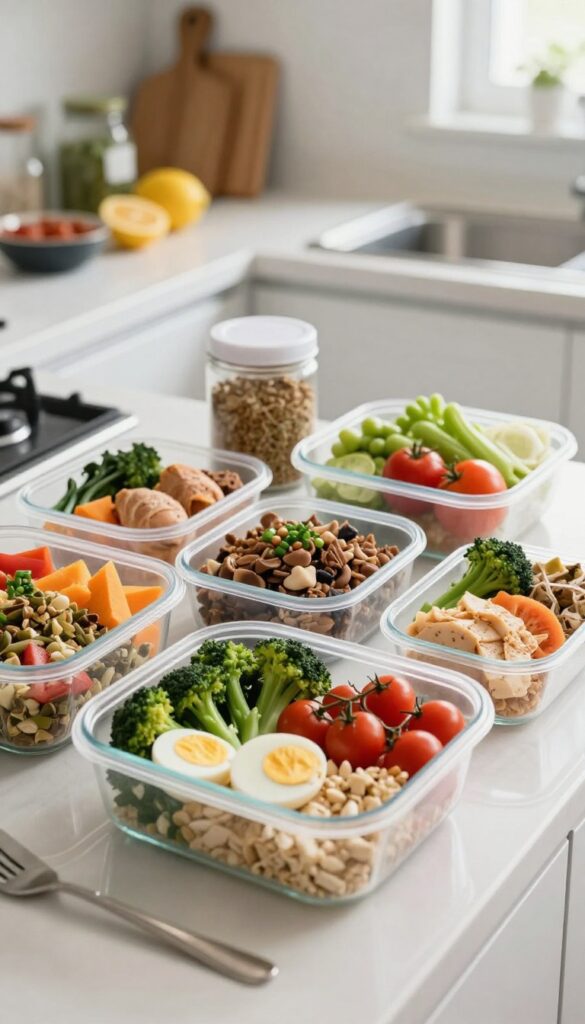
The endomorph body type is one of three somatotypes, characterized by a rounder, softer physique and a tendency to store fat more easily. Understanding your body type is the first step toward creating a nutrition plan that works with your metabolism, not against it.
Key Characteristics of Endomorphs
Endomorphs typically have a higher percentage of body fat, a wider waist, and larger bone structure. They often gain weight quickly and find it challenging to lose fat. This body type tends to have a slower metabolism, meaning the body burns calories at a lower rate compared to other types.
Metabolic Challenges
- Slower resting metabolic rate, making weight management more difficult
- Higher insulin sensitivity, which can lead to rapid blood sugar spikes and fat storage
- Increased tendency to store calories as fat, especially from carbohydrates and sugars
Why Protein and Fiber Matter
To counter these metabolic tendencies, endomorphs benefit from a diet rich in protein and fiber. Protein increases satiety, supports lean muscle mass, and has a higher thermic effect, meaning the body burns more calories digesting it. Fiber slows digestion, stabilizes blood sugar, and promotes fullness, helping to reduce overall calorie intake.
Together, protein and fiber create a balanced approach that supports weight management and metabolic health without extreme restriction.
Macronutrient Targets for Endomorphs
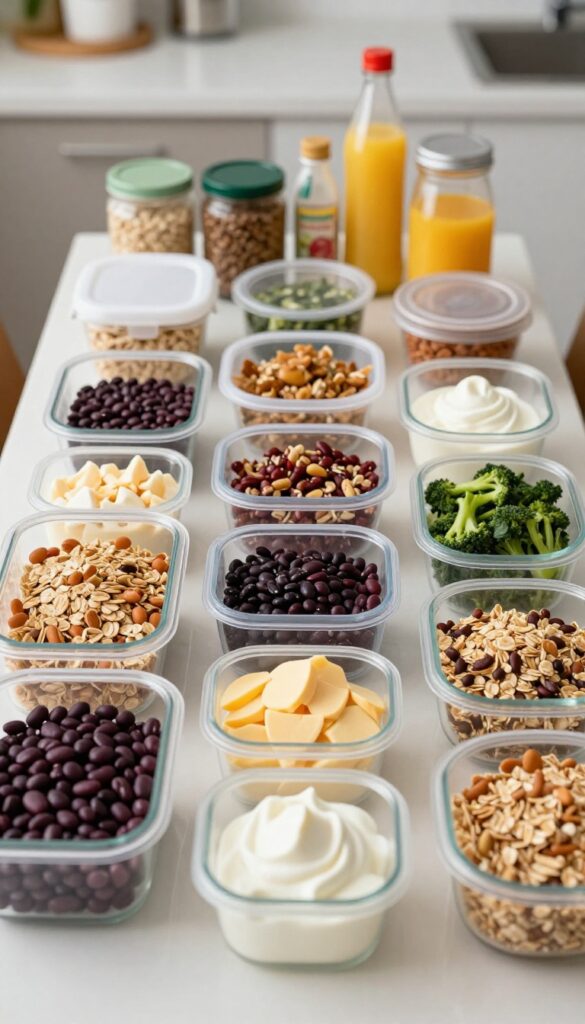
For endomorphs, getting the right balance of protein, fiber, fats, and carbs is key to supporting metabolism and feeling full. Here’s how to structure your plate for steady energy and sustainable weight management.
Protein: The Foundation of Every Meal
Protein should make up 30–40% of your daily calories. This helps preserve muscle, keeps you satisfied, and has a higher thermic effect, meaning you burn more calories digesting it. Aim for 20–30 grams per meal.
Sample Protein Sources
- Lean meats: chicken breast, turkey, lean beef
- Fish: salmon, tuna, cod
- Eggs and egg whites
- Greek yogurt and cottage cheese
- Plant options: tofu, tempeh, lentils
Fiber: Your Best Friend for Fullness
Fiber slows digestion and stabilizes blood sugar, which is crucial for endomorphs. Aim for 25–35 grams per day from vegetables, fruits, legumes, and whole grains.
High-Fiber Choices
- Non-starchy veggies: broccoli, spinach, bell peppers
- Berries and apples (with skin)
- Beans, lentils, chickpeas
- Oats, quinoa, barley
Fats and Carbohydrates: Quality Over Quantity
Fill the rest of your plate with healthy fats and complex carbs. Fats should come from unsaturated sources, and carbs should be fiber-rich to avoid blood sugar spikes.
Portion Guidance for a Balanced Plate
| Macronutrient | Percentage of Calories | Example Serving |
| Protein | 30–40% | 1 palm-sized portion (chicken, fish, tofu) |
| Fiber-rich Carbs | 30–40% | 1–2 fists of vegetables or 1 fist of whole grains |
| Healthy Fats | 20–30% | 1–2 thumb-sized portions (nuts, avocado, oil) |
Portion Tip
Use your hand as a guide: one palm of protein, two fists of veggies, one cupped hand of carbs, and one thumb of fat per meal.
Best Protein and Fiber Sources for Endomorphs
Choosing the right protein and fiber sources is key for endomorphs aiming to manage weight and support metabolic health. Below is a breakdown of top choices, including their protein or fiber content per serving.
Top Protein Sources for Endomorphs
| Food | Serving Size | Protein (g) |
| Chicken breast (skinless) | 3 oz cooked | 26 |
| Turkey breast (lean) | 3 oz cooked | 25 |
| Eggs | 2 large | 12 |
| Greek yogurt (plain, nonfat) | 6 oz | 15 |
| Cottage cheese (low-fat) | 1/2 cup | 14 |
| Tuna (canned in water) | 3 oz | 22 |
| Salmon | 3 oz cooked | 22 |
| Lentils | 1/2 cup cooked | 9 |
| Chickpeas | 1/2 cup cooked | 7 |
| Tofu (firm) | 3 oz | 8 |
Top Fiber Sources for Endomorphs
| Food | Serving Size | Fiber (g) |
| Broccoli | 1 cup chopped | 5 |
| Spinach | 1 cup cooked | 4 |
| Berries (raspberries) | 1 cup | 8 |
| Apple (with skin) | 1 medium | 4 |
| Pear | 1 medium | 6 |
| Oats (rolled) | 1/2 cup dry | 4 |
| Quinoa | 1 cup cooked | 5 |
| Chia seeds | 1 tbsp | 4 |
| Almonds | 1 oz (23 nuts) | 3.5 |
| Black beans | 1/2 cup cooked | 7 |
Incorporate these foods into your meals to hit your daily protein and fiber targets. Aim for at least 20–30 grams of protein per meal and 25–35 grams of fiber per day. Avoid processed meats, sugary snacks, and refined grains, as they can spike insulin and hinder progress.
Sample Daily Meal Plan for Balanced Protein and Fiber
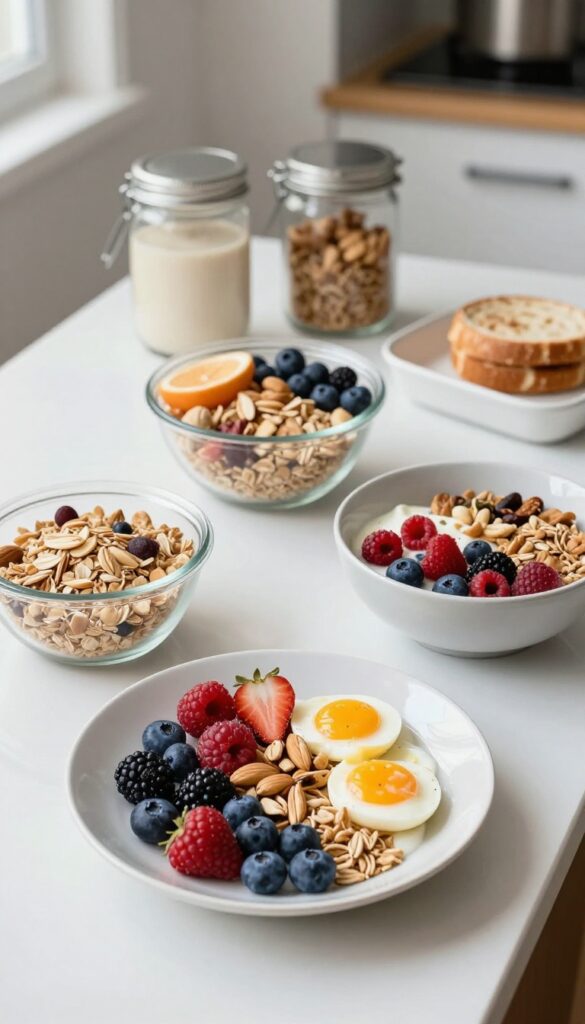
This sample day provides a practical template for an endomorph-friendly meal plan. Each meal is designed to deliver a balance of protein and fiber, with portion sizes appropriate for metabolic health and satiety.
Breakfast: High-Protein Start
Kickstart your metabolism with a breakfast that packs around 30g of protein and 10g of fiber. This combination helps stabilize blood sugar and keeps you full until lunch.
Macro Tip
Total: ~35g protein, 10g fiber, 400 calories. Adjust portion sizes based on your individual calorie target.
Lunch: Fiber-Rich Midday Meal
A large salad with lean protein provides volume and nutrients without excess calories. Aim for at least 15g of fiber from vegetables and legumes.
Macro Tip
Total: ~35g protein, 18g fiber, 450 calories. For a lower-calorie option, skip the tahini dressing and use lemon juice and herbs.
Dinner: Balanced Evening Plate
Dinner should be satisfying but not heavy. Focus on a protein source, non-starchy vegetables, and a small portion of complex carbs.
Macro Tip
Total: ~35g protein, 8g fiber, 500 calories. If you prefer red meat, swap salmon for 5 oz lean sirloin steak (similar protein).
Snacks: Smart Choices Between Meals
Snacks should bridge the gap between meals without spiking insulin. Choose options with protein and fiber to maintain satiety.
Macro Tip
Total for two snacks: ~20g protein, 8g fiber, 300 calories. Adjust based on hunger and total daily needs.
Day Endomorph Meal Plan Overview
This weekly meal plan is designed to keep your protein and fiber intake consistent while offering enough variety to prevent boredom. Each day includes three meals and two snacks, all portioned to support steady energy and metabolic health for the endomorph body type.
Weekly Meal Plan Overview
| Day | Breakfast | Lunch | Dinner | Snack 1 | Snack 2 |
| Monday | Greek yogurt with berries and chia seeds | Grilled chicken salad with mixed greens, chickpeas, and olive oil dressing | Baked salmon with roasted broccoli and quinoa | Apple slices with almond butter | Celery sticks with hummus |
| Tuesday | Oatmeal with whey protein, banana, and cinnamon | Turkey and avocado lettuce wraps with a side of carrot sticks | Lean beef stir-fry with bell peppers, snap peas, and brown rice | Cottage cheese with pineapple | Handful of almonds |
| Wednesday | Veggie omelet (spinach, mushrooms, tomatoes) with whole-grain toast | Lentil soup with a side of mixed greens and vinaigrette | Grilled chicken breast with sweet potato mash and steamed green beans | Greek yogurt with cucumber slices | Pear slices with peanut butter |
| Thursday | Smoothie with spinach, protein powder, unsweetened almond milk, and frozen berries | Quinoa bowl with black beans, corn, avocado, and salsa | Baked cod with asparagus and wild rice | Hard-boiled egg and a small orange | Roasted chickpeas |
| Friday | Scrambled eggs with sautéed kale and a side of berries | Tuna salad (with Greek yogurt) on whole-grain crackers and a side of cherry tomatoes | Turkey meatballs with zucchini noodles and marinara sauce | Cottage cheese with flaxseed | Bell pepper strips with guacamole |
| Saturday | Protein pancakes (oat flour, egg whites, protein powder) with sugar-free syrup | Grilled shrimp and vegetable skewers with a side of quinoa | Lean pork chop with roasted Brussels sprouts and mashed cauliflower | Apple with peanut butter | String cheese and a handful of walnuts |
| Sunday | Chia pudding made with unsweetened almond milk and topped with raspberries | Chicken and vegetable stir-fry with edamame and brown rice | Baked tofu with roasted eggplant and bell peppers over a bed of spinach | Greek yogurt with a tablespoon of almond butter | Celery sticks with cottage cheese |
Meal Prep Tips for Endomorph Success
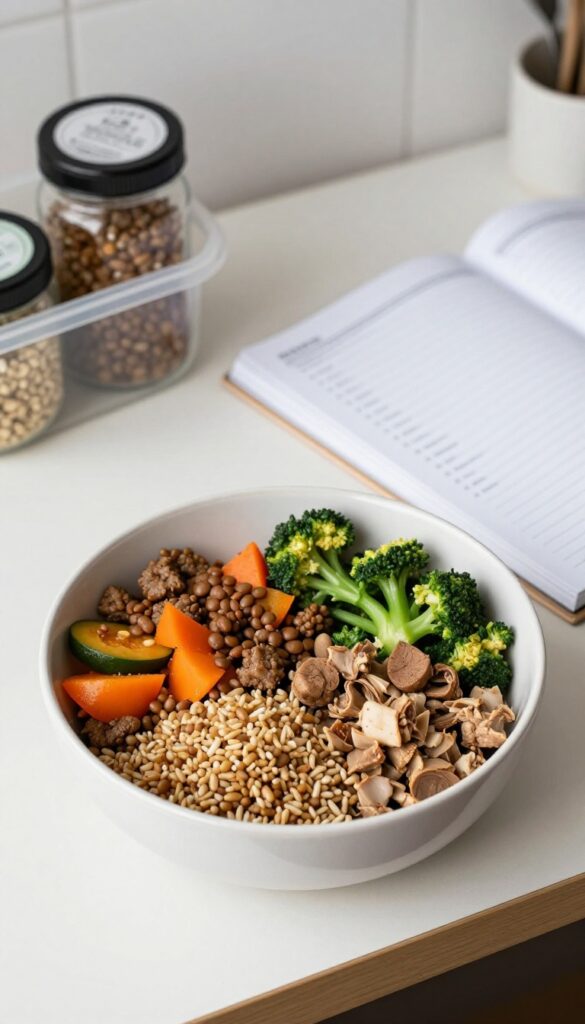
Consistency is the secret weapon for endomorphs, and meal prep makes it achievable. By spending a few hours each week prepping ingredients, you remove decision fatigue and keep your protein and fiber goals on track.
For endomorphs, meal prep isn't just about saving time—it's about creating an environment where balanced choices are the easy choices. Here are practical strategies to streamline your week.
Batch Cooking Proteins
- Grill or bake 3–4 days' worth of chicken breast, turkey patties, or fish at once. Store in airtight containers.
- Hard-boil a dozen eggs for quick snacks or salad toppers.
- Cook a large batch of lentils or chickpeas to add to meals throughout the week.
Pre-Portion Snacks
- Divide nuts, seeds, or Greek yogurt into single-serving containers to avoid overeating.
- Pre-portion protein powder into small bags for grab-and-go shakes.
- Keep cut veggies like bell peppers, cucumber, and celery in water-filled jars to stay crisp.
Keep Fiber-Rich Veggies Ready
- Wash and chop leafy greens, broccoli, and cauliflower right after grocery shopping.
- Roast a sheet pan of mixed vegetables (zucchini, eggplant, bell peppers) to use in bowls, wraps, or as sides.
- Store prepped veggies in clear containers at eye level in the fridge so you see them first.
Storage Tips for Freshness
Use glass containers with tight lids to keep prepped food fresh longer. Label everything with the date—most cooked proteins last 3–4 days in the fridge. For longer storage, freeze portioned meals in freezer-safe bags.
Thaw overnight in the fridge for easy reheating.
How to Stay Consistent
Pick one day each week (e.g., Sunday afternoon) for prep. Start small: prep just proteins and one veggie type. As the habit sticks, expand.
Keep a running grocery list on your phone so you never run out of staples. Remember, even 30 minutes of prep can set you up for five days of balanced eating.
Common Mistakes to Avoid on an Endomorph Diet
Even with the best meal plan, a few common missteps can slow your progress. Here are the pitfalls to watch for and how to fix them.
Skipping Meals
Skipping meals might seem like a quick way to cut calories, but for endomorphs it often backfires. Going too long without eating can trigger blood sugar dips, intense cravings, and overeating later. Instead of skipping, aim for three balanced meals and one or two snacks spread evenly throughout the day.
This keeps your metabolism steady and helps control hunger.
Not Enough Fiber
Fiber is a game-changer for endomorphs because it slows digestion, stabilizes blood sugar, and keeps you full. A common mistake is loading up on protein but skimping on vegetables, legumes, and whole grains. Aim for at least 25–30 grams of fiber daily.
Include a serving of vegetables at every meal, choose whole fruits over juice, and swap refined grains for quinoa, oats, or brown rice.
Over-Relying on Protein Shakes
Protein shakes are convenient, but relying on them too much can mean missing out on the fiber and micronutrients found in whole foods. Use shakes as a supplement after a workout or when you're short on time, not as a meal replacement. Prioritize whole food protein sources like chicken, fish, eggs, tofu, and legumes, which naturally come with other beneficial nutrients.
Quick Fixes
If you catch yourself making any of these mistakes, don't stress. Simply adjust one habit at a time: add a vegetable to your plate, plan your meals ahead, or replace one daily shake with a whole-food meal. Small, consistent changes lead to lasting results.
FAQ
How many calories should an endomorph eat per day?
Calorie needs vary based on age, gender, activity level, and goals. A general starting point for weight maintenance is around 1,800–2,200 calories for women and 2,200–2,600 for men. For weight loss, reduce by 300–500 calories.
Focus on nutrient-dense foods rather than strict counting.
Can endomorphs eat carbs?
Yes, but choose complex carbohydrates like whole grains, legumes, and vegetables. Avoid refined carbs and sugars. Aim for about 30-40% of calories from carbs, prioritizing fiber-rich sources to support satiety and blood sugar control.
Is intermittent fasting good for endomorphs?
Intermittent fasting can be effective for some endomorphs as it may help with calorie control and insulin sensitivity. However, it's not necessary. If you try it, ensure your eating window includes balanced meals with adequate protein and fiber.
What is the best exercise for endomorphs?
A combination of strength training and cardiovascular exercise works well. Strength training builds muscle, which boosts metabolism, while cardio aids fat loss. Aim for at least 150 minutes of moderate activity per week plus two strength sessions.
How quickly can an endomorph see results with this meal plan?
Results vary, but with consistent adherence, many people notice improved energy and reduced bloating within two weeks. Visible changes in body composition may take 4–8 weeks. Patience and consistency are key.
Conclusion
Balancing protein and fiber is a powerful strategy for endomorphs looking to manage weight and feel satisfied. By focusing on whole foods, planning your meals, and avoiding common pitfalls, you can create a sustainable eating pattern that supports your body's unique needs. Remember, this meal plan is a starting point.
Listen to your body, adjust portions as needed, and don't hesitate to consult a registered dietitian for personalized guidance. Small, consistent steps lead to lasting results.

Dr. Pallab Kishore, MS in Orthodontics and owner of Orthodontic Braces Care, shares expert tips on braces, aligners, and oral health from 10+ years of experience.