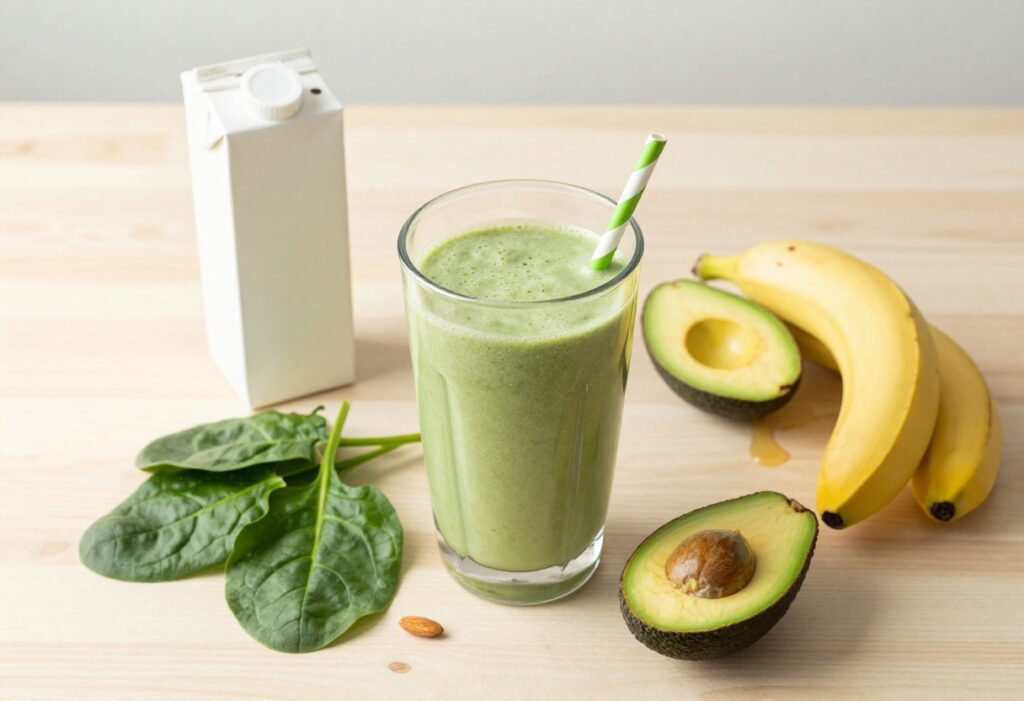
Hook: Detox diets are popular but often misunderstood. Briefly explain what a detox diet typically involves and why people try them.
State that this article provides 21 essential tips and common mistakes to know before starting.
Emphasize that knowledge is key to safety and effectiveness.
Understand What a Detox Diet Really Means
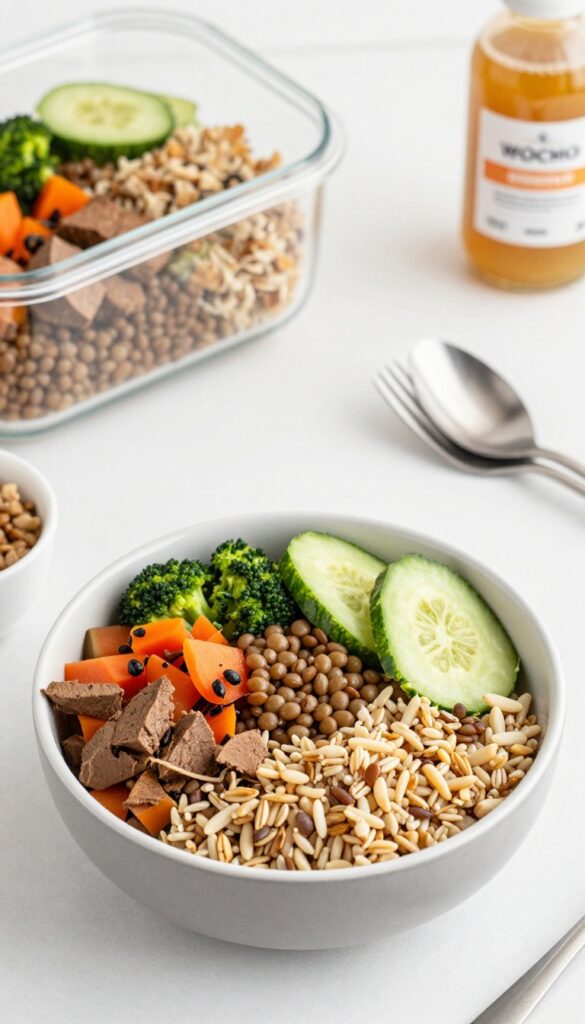
Before jumping into any detox plan, it's important to understand what the term actually means — and what it doesn't.
Detox diets vary widely. Some involve fasting, others rely on juice cleanses or elimination diets that cut out certain food groups. The common thread is the promise to rid your body of harmful substances.
However, 'detox' is not a medical term, and these diets are very different from medical detoxification used in clinical settings to treat poisoning or addiction. Your body already has its own detox systems — your liver, kidneys, and digestive tract work continuously to filter and eliminate waste. Most detox diets are not designed to support these organs in a scientifically proven way.
Consult a Healthcare Professional First
Before starting any detox diet, it's essential to speak with a doctor or registered dietitian. They can help you determine if a detox is safe based on your health history and current medications.
Your body already has a sophisticated detoxification system—the liver, kidneys, and digestive tract work continuously to eliminate waste. However, certain health conditions or medications can make detox diets risky. For example, people with diabetes, kidney disease, or eating disorders may experience dangerous side effects from drastic dietary changes.
Key reasons to consult a professional
- Identify potential interactions with medications
- Ensure the plan provides adequate nutrients
- Avoid worsening underlying health issues
- Get personalized advice tailored to your needs
Important
Never self-prescribe a detox diet if you have a chronic condition or are pregnant, nursing, or under 18. A healthcare professional can guide you toward safe, evidence-based approaches.
Set Realistic Expectations
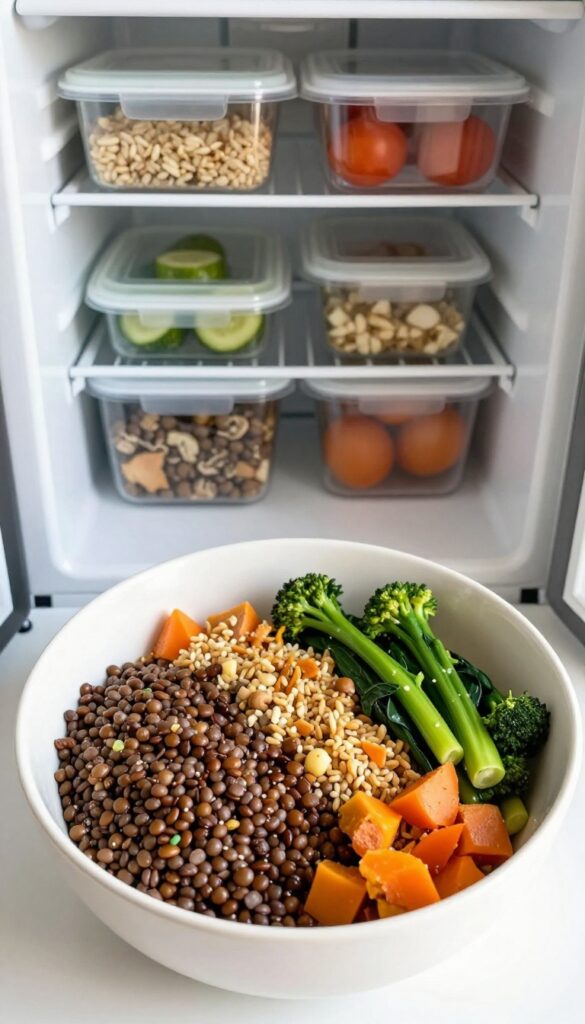
Detox diets are often marketed as quick fixes, but the reality is more nuanced. Understanding what a detox can and cannot do will help you avoid disappointment and focus on sustainable changes.
A detox diet is not a magic bullet. While it may jumpstart healthier eating habits, it does not permanently cleanse your body or melt away fat. Your liver and kidneys already handle detoxification efficiently.
The temporary weight loss you might experience is often water weight or reduced bloating, not long-term fat loss. Once you resume normal eating, that weight typically returns.
Beware of claims that promise dramatic results or a complete body overhaul. Instead, view a detox as a reset button—a short period to break unhealthy patterns and reintroduce whole foods. The real success lies in the habits you maintain afterward, not in the detox itself.
Choose a Balanced Detox Plan
Not all detox plans are created equal. A safe and effective plan focuses on nourishment, not deprivation. Look for these characteristics when evaluating options.
Characteristics of a Safe Detox Plan
- Includes a variety of whole foods rich in vitamins, minerals, and antioxidants.
- Provides adequate calories to support your energy needs and metabolism.
- Contains enough protein (from sources like lean meat, legumes, or tofu) to maintain muscle mass.
- Includes fiber from fruits, vegetables, and whole grains to support digestion and fullness.
Red Flags to Watch For
- Promises rapid weight loss (more than 1-2 pounds per week).
- Relies on severe calorie restriction (under 1,200 calories per day for most adults).
- Eliminates entire food groups without medical reason.
- Encourages use of laxatives, diuretics, or unregulated supplements.
Stay Hydrated
Water is your body’s primary detox tool. Without enough fluids, your kidneys and liver can’t efficiently remove waste products.
Aim for about 8 to 10 cups of water per day, but adjust based on your activity level and climate. Herbal teas like peppermint or ginger can contribute to your fluid intake and soothe digestion. Avoid sugary drinks, sodas, and excessive caffeine, as they can dehydrate you or spike your blood sugar.
Watch for signs of dehydration: dark urine, fatigue, dizziness, or dry mouth. If you experience these, increase your fluid intake gradually. Don’t overdo it—drinking too much water too quickly can lead to electrolyte imbalance.
Sip steadily throughout the day for best results.
Eat Whole Foods, Not Just Juices
Juice-only detoxes are popular, but they often miss key nutrients your body needs. Whole foods provide fiber, protein, and healthy fats that juices lack.
When you rely solely on juices, you miss out on the fiber that helps regulate digestion and keeps you full. Fiber also supports stable blood sugar levels, which is crucial during a detox.
- Whole fruits and vegetables retain their fiber, which juices strip away.
- Adding lean proteins like chicken, fish, or tofu helps maintain muscle mass and energy.
- Healthy fats from avocados, nuts, or olive oil support hormone function and nutrient absorption.
A juice-only diet can lead to protein and fat deficiencies, causing fatigue, sugar cravings, and muscle loss. Instead, build meals around whole foods: a spinach salad with grilled chicken and avocado, or a smoothie with berries, yogurt, and spinach. This approach delivers lasting energy and essential nutrients.
Gradually Eliminate Problematic Foods
Instead of going cold turkey, phase out processed foods, sugar, and alcohol over a week or two. This approach helps minimize withdrawal symptoms and makes the transition more sustainable.
How to Phase Out Foods
Start by cutting back on one category at a time. For example, replace sugary snacks with fruit for the first few days, then reduce alcohol intake gradually. Swap refined grains for whole grains and choose water or herbal tea over soda.
The key is to let your body adjust without shocking it.
Common Withdrawal Symptoms
As you eliminate caffeine, sugar, or alcohol, you might experience headaches, fatigue, irritability, or cravings. These are normal and usually pass within a few days. Stay hydrated, get extra rest, and eat balanced meals to support your body through the process.
Incorporate Gentle Exercise
While detoxing, your body is already working hard to eliminate waste and adjust to new eating patterns. Adding gentle movement can support this process without overwhelming your system.
Light activities such as walking, stretching, or gentle yoga are ideal during a detox. These exercises help stimulate circulation, support lymphatic drainage, and boost your mood without placing extra stress on your body. Aim for 20–30 minutes of low-intensity movement most days.
Avoid intense workouts like HIIT, heavy lifting, or long-distance running. Your calorie intake may be lower than usual, and your body needs energy for repair and detoxification. Overexertion can lead to fatigue, dizziness, or even injury.
Listen to your body and take rest days as needed.
Tip
If you feel tired, try a gentle walk outdoors or a restorative yoga session. Movement should feel energizing, not draining.
Prioritize Sleep and Stress Management
Detoxing isn't just about what you eat—your body's natural cleansing systems depend on quality sleep and low stress levels. When you're well-rested and calm, your liver, kidneys, and lymphatic system work more efficiently.
Sleep is when your brain and body perform critical repair and waste removal. During deep sleep, the glymphatic system actively clears metabolic byproducts. Without enough rest, this process slows down, leaving you feeling sluggish and less able to handle dietary changes.
- Aim for 7–9 hours of quality sleep each night. Keep a consistent schedule, even on weekends.
- Chronic stress raises cortisol, which can disrupt digestion and increase cravings. Manage it with simple practices.
- Try meditation, deep breathing, or a short walk to lower stress levels. Even five minutes can make a difference.
By prioritizing rest and relaxation, you support your body's innate detox pathways without needing extreme measures.
Keep a Food and Symptom Journal
Tracking what you eat and how you feel can reveal patterns that help you fine-tune your detox plan.
Jot down everything you consume, including meals, snacks, and beverages. Note the time, portion size, and any symptoms like bloating, headaches, or energy shifts. This simple log helps you identify trigger foods or reactions you might otherwise miss.
Use your journal to adjust your plan. If you notice a pattern of fatigue after certain foods, try removing them for a few days and see if you improve. The goal is to learn what works for your body, not to create a chore.
Keep it simple—a notebook or a notes app works fine.
Don’t Starve Yourself
Severely restricting calories during a detox is not only counterproductive but also dangerous. Your body needs energy to function and eliminate waste effectively.
When you drastically cut calories, your metabolism slows down to conserve energy, making it harder to lose weight and easier to regain it once you eat normally again. Starvation also forces your body to break down muscle for fuel, which further reduces metabolic rate. Additionally, very low calorie intake can lead to nutrient deficiencies, fatigue, dizziness, and even organ stress.
Instead of starving, aim for a moderate calorie deficit that supports steady energy levels. Focus on nutrient-dense whole foods like vegetables, lean proteins, and healthy fats to provide the vitamins and minerals your body needs. A healthy detox should nourish you, not deprive you.
Avoid Overusing Laxatives or Diuretics
Some people turn to laxatives or diuretics during a detox, hoping to speed up elimination or reduce water weight. This is not only ineffective but dangerous.
Risks of Laxatives and Diuretics
- Can cause dehydration and electrolyte imbalance, leading to dizziness, heart palpitations, and kidney issues.
- Not a healthy detox method – they don't target toxins and can disrupt your body's natural balance.
- May damage your digestive system, causing chronic constipation or bowel dependence.
Safer Alternatives
Instead, support your body's natural detox processes with fiber-rich foods, plenty of water, and regular exercise. If you feel the need for a cleanse, focus on whole foods and consult a professional.
Don’t Rely on Detox Teas or Supplements
Detox teas and supplements are heavily marketed, but most lack solid evidence and may even be harmful.
Many detox products are not regulated by the FDA, meaning their ingredients and claims are not verified. Some contain laxatives, diuretics, or unlisted stimulants that can cause dehydration, electrolyte imbalances, or digestive distress. Others may interact with medications or worsen underlying health conditions.
Instead of spending money on questionable products, focus on whole foods, hydration, and fiber. Red flags include promises of rapid weight loss, “miracle” ingredients, and vague detox claims. If a product sounds too good to be true, it probably is.
Your body’s natural detox systems—liver, kidneys, and digestive tract—work best when supported by a balanced diet, not a tea or pill.
Don’t Ignore Your Body’s Signals
Your body communicates with you constantly, and during a detox, these signals become especially important. Ignoring them can lead to unnecessary discomfort or even harm.
Common side effects like headaches, fatigue, and dizziness are not just part of the process—they are warning signs that something may be off. If you feel unwell, it’s crucial to stop or adjust your detox rather than push through. Dismissing these symptoms as a normal “detox reaction” can be dangerous.
Also pay attention to hunger cues. Feeling excessively hungry may indicate that your detox is too restrictive. Listen to your body and respond with nourishing food when needed.
Self-awareness is key to a safe and effective detox experience.
Don’t Detox for Too Long
While detoxing can kickstart healthier habits, extending it beyond the recommended timeframe can do more harm than good.
Most detox plans are designed for short-term use, typically ranging from a few days to a week. Prolonged restriction can lead to nutrient deficiencies, muscle loss, and a slowed metabolism. Your body needs a steady supply of vitamins, minerals, and macronutrients to function properly.
Watch for signs that it’s time to stop: persistent fatigue, dizziness, irritability, or digestive discomfort. These are your body’s way of saying the detox is too intense or too long. Instead of pushing through, transition back to a balanced diet gradually.
Reintroduce foods slowly to avoid overwhelming your system.
Don’t Expect to ‘Flush Out Toxins’
Many detox diets claim to flush toxins from your body, but this idea is more marketing than science.
Your body already has a highly efficient detoxification system: the liver and kidneys. The liver filters blood, breaks down harmful substances, and prepares them for elimination, while the kidneys remove waste products through urine. These organs work around the clock without needing a special diet to do their job.
The term “toxins” is often used vaguely in the detox world, rarely referring to specific compounds. In reality, there is no credible evidence that detox diets enhance your body’s natural detox processes. Instead of trying to “flush out” something that isn’t there, focus on supporting your liver and kidneys by staying hydrated, eating a balanced diet rich in fiber and antioxidants, and limiting alcohol and processed foods.
Don’t Skip Meals
When you’re detoxing, it might be tempting to cut calories or skip meals to “speed up” the process. However, skipping meals can backfire and leave you feeling worse.
Skipping meals often leads to low energy, irritability, and intense hunger that can trigger overeating later. Your body needs a steady supply of nutrients to support its natural detoxification pathways. Instead of skipping meals, focus on eating regular, balanced meals that include protein, healthy fats, and fiber.
For example, have a breakfast with eggs and vegetables, a lunch with lean protein and greens, and a dinner with whole grains and legumes. If you feel hungry between meals, choose a small snack like an apple with almond butter. This approach keeps your blood sugar stable, supports your metabolism, and helps you feel energized throughout the day.
Don’t Forget Fiber
When detoxing, many people cut calories and food volume, but this often means skimping on fiber. That's a mistake because fiber plays a key role in keeping your digestive system running smoothly.
Fiber helps regulate bowel movements and promotes a feeling of fullness, which can prevent overeating later. It also supports healthy gut bacteria, which are essential for overall well-being.
Good sources of fiber include
- Vegetables like broccoli, carrots, and leafy greens
- Fruits such as apples, berries, and pears (with skin)
- Whole grains like oats, quinoa, and brown rice
- Legumes including lentils, beans, and chickpeas
How much do you need?
Aim for about 25 to 30 grams of fiber per day from whole foods. If you're not used to a high-fiber diet, increase your intake gradually and drink plenty of water to avoid discomfort.
A Word on Fiber Supplements
While fiber supplements can be helpful in some cases, they shouldn't replace fiber-rich foods. Whole foods provide additional nutrients and phytochemicals that supplements lack. Use supplements only if needed and under guidance.
Don’t Neglect Protein
When cutting calories during a detox, protein often takes a backseat. That’s a mistake.
Protein is essential for maintaining muscle mass, keeping you full, and supporting your metabolism. Without enough, your body may break down muscle for energy, which slows metabolism and leaves you feeling weak.
Easy sources include lean meats like chicken or turkey, fish, eggs, beans, lentils, tofu, and Greek yogurt. Aim to include a serving of protein at every meal, even if your detox emphasizes fruits and vegetables.
Don't Compare Your Journey to Others
It's easy to look at someone else's detox results and feel like you're falling behind. But comparing your journey to others is not only unhelpful—it can actually derail your progress.
Everyone's body responds differently to dietary changes. Factors like metabolism, genetics, hydration levels, sleep quality, and even gut microbiome composition all influence how you feel and what results you see. What works for a friend or an influencer may not work for you, and that's perfectly normal.
Focus on your own progress instead. Keep a journal of how you feel, your energy levels, and any non-scale victories like clearer skin or better digestion. These personalized markers are far more meaningful than someone else's timeline.
Stay in Your Lane
Avoid scrolling through social media detox challenges or before-and-after photos. They often present a curated, unrealistic picture. If you find yourself feeling inadequate, mute or unfollow accounts that trigger comparison.
Your detox is about you—not anyone else.
Don’t Forget to Transition Back
How you end a detox is just as important as how you start. Abruptly returning to your regular diet can shock your system and undo any benefits you've gained.
Instead of jumping straight back into heavy meals, give your body time to readjust. A gradual transition helps your digestive system handle new foods without discomfort.
Key steps for a smooth transition
- Over the course of 3–5 days, slowly reintroduce foods one at a time, starting with easily digestible options like cooked vegetables, lean proteins, and whole grains.
- Pay attention to how your body reacts to each food. If you notice bloating, gas, or other issues, take note and consider eliminating that food for a while longer.
- Maintain the healthy habits you built during the detox, such as drinking plenty of water, eating whole foods, and getting enough sleep. These practices support long-term wellness.
Avoid the temptation of a 'cheat day' immediately after your detox ends. This can lead to digestive distress and may cause you to revert to old eating patterns. Instead, view your post-detox period as a time to solidify new, healthier routines.
FAQ
What is a detox diet?
A detox diet typically involves a period of fasting, juice cleansing, or elimination of certain foods to 'remove toxins' from the body. However, the body has its own detoxification systems, and many detox diets lack scientific evidence.
Are detox diets safe?
Some detox diets can be safe if done properly and under supervision, but others may be too restrictive and lead to nutrient deficiencies. It's important to consult a healthcare professional before starting.
How long should a detox diet last?
Most detox plans are short-term, typically ranging from a few days to a week. Longer durations can increase the risk of malnutrition and other health issues.
Can detox diets help with weight loss?
Detox diets may lead to temporary weight loss, often due to water loss and reduced calorie intake. However, this weight is usually regained once normal eating resumes.
What are the signs that I should stop a detox diet?
If you experience severe headaches, dizziness, fatigue, nausea, or any concerning symptoms, stop the diet and consult a healthcare professional.
Conclusion
Use these 21 tips and mistakes as a flexible starting point, then adjust the details to fit your needs, space, schedule, or goals.
Remember that a healthy lifestyle is about long-term habits, not quick fixes.

Dr. Pallab Kishore, MS in Orthodontics and owner of Orthodontic Braces Care, shares expert tips on braces, aligners, and oral health from 10+ years of experience.