
A good night's sleep starts long before your head hits the pillow. The way you spend the hour or two before bed can make or break your rest. Small, intentional habits signal your body that it's time to slow down.
Instead of scrolling through social media or stressing about tomorrow, try a calming routine that actually works. These 15 self-care night routine ideas are designed to help you relax, unwind, and drift off with ease. You don't need a complete lifestyle overhaul—just pick one or two ideas that feel right for you.
Consistency matters more than perfection. Let's explore simple ways to turn your evenings into a sanctuary for better sleep.
1. Put Your Phone on Do Not Disturb

Your phone is one of the biggest sleep thieves. Those pings, buzzes, and glowing screen notifications keep your brain in alert mode, making it hard to relax. Setting your phone to Do Not Disturb at least 30 minutes before bed creates a quiet boundary between your day and your rest.
It's a small shift that tells your mind it's safe to let go.
Silencing notifications isn't just about avoiding distractions. It reduces blue light exposure, which can suppress melatonin production. Plus, it prevents late-night doom scrolling or responding to a work email that can wait until morning.
The goal is to create a tech-free wind-down zone that helps your brain transition from busy to sleepy.
Why It Works
When you silence notifications, you remove the constant temptation to check your phone. Your brain stops anticipating alerts, which lowers stress hormones. This simple act can make falling asleep feel more natural and less forced.
How To Make It A Habit
Set a recurring schedule on your phone so Do Not Disturb turns on automatically at the same time each night. Pair it with placing your phone across the room or in another room entirely. That way, you won't be tempted to pick it up again.
2. Sip a Warm Caffeine-Free Tea
There’s a reason a warm cup of tea is a go-to bedtime ritual for so many people. The gentle heat and soothing aroma can calm your mind and body, making it easier to transition into sleep mode. Choosing the right blend is key—skip the caffeine and go for herbs known for their relaxing properties.
Chamomile, lavender, and valerian root are classic choices that have been used for centuries to promote relaxation. The simple act of holding a warm mug and taking slow sips can be a meditative practice in itself. It signals your nervous system that it's safe to unwind, helping to lower stress levels.
Best Teas For Sleep
Chamomile is gentle and widely loved, while lavender adds a floral note that can ease anxiety. Valerian root is stronger and better for occasional sleeplessness. Experiment with blends to find your favorite.
Making It A Ritual
Brew your tea in your favorite mug, maybe with a touch of honey. Sit in a cozy spot without distractions. Focus on the warmth and aroma for a few minutes—this mindfulness enhances the calming effect.
3. Write a Brain Dump in a Journal
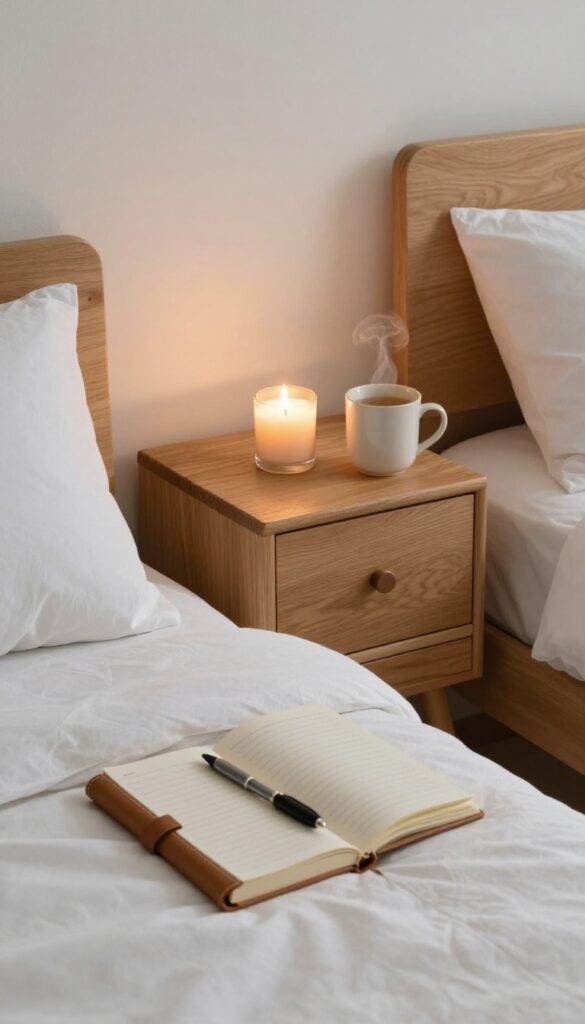
Your mind can be a noisy place at bedtime. Lingering worries, random ideas, and tomorrow's to-do list all compete for attention, making it hard to drift off. A brain dump is a simple way to clear that mental clutter.
Grab a notebook and spend five minutes writing down whatever comes to mind. No structure needed. Just get it out of your head and onto paper.
This small act signals your brain that it's safe to let go, paving the way for deeper sleep.
Writing a brain dump is like decluttering your mind. It helps you process unresolved thoughts and reduces the mental load that keeps you awake. By externalizing your worries and tasks, you create a sense of closure for the day.
You don't need a fancy journal—any notebook will do. The key is consistency and honesty. Over time, this habit trains your brain to relax as soon as you pick up the pen.
Why It Works
Your brain tends to replay unfinished business at night. Writing it down offloads that responsibility, reducing anxiety and mental chatter. It also helps you identify patterns in your thoughts, making it easier to address recurring stressors.
How To Start
Set a timer for five minutes. Write freely without editing or judging. Include worries, ideas, reminders, or anything else on your mind.
Don't worry about grammar or spelling. The goal is release, not perfection.
Make It A Ritual
Pair your brain dump with a calming activity like sipping herbal tea or lighting a candle. Keep your journal and pen by your bedside so it's easy to grab. Over time, this simple act becomes a powerful cue that it's time to unwind.
4. Take a Warm Bath or Shower
There's a reason warm baths have been a go-to relaxation method for centuries. The heat helps your muscles let go of tension, and the drop in body temperature afterward signals your brain that it's time to sleep. It's a simple, effective way to transition from a busy day to a restful night.
Boost The Benefits With Epsom Salts
Epsom salts are rich in magnesium, which can help relax muscles and ease stress. Add a cup or two to your bath and soak for at least 20 minutes. The warm water combined with the minerals creates a spa-like experience right at home.
Add Calming Scents With Essential Oils
Lavender, chamomile, and sandalwood are known for their relaxing properties. A few drops in your bath or shower can make a big difference. The gentle aroma helps quiet your mind and sets the mood for sleep.
Keep The Water Warm, Not Hot
Hot water can dry out your skin and leave you feeling overheated. Aim for a comfortable warm temperature that soothes without shocking your system. After your bath, let your body cool down naturally in a cool room for the best sleep-inducing effect.
5. Dim the Lights an Hour Before Bed
Your body's internal clock relies on light cues to know when it's time to sleep. Bright overhead lights and blue screens trick your brain into thinking it's still daytime. By dimming the lights an hour before bed, you encourage melatonin production and ease into rest mode.
Switching from harsh overhead lights to softer, warmer sources makes a big difference. Think table lamps, floor lamps, or even a few candles. The goal is to create a cozy, cave-like atmosphere that signals relaxation.
Choose Warm Lightbulbs
Not all dim lighting is created equal. Look for bulbs labeled 'warm white' or 'soft white' with a color temperature around 2700K. They emit a yellowish glow that mimics sunset and is much less disruptive to sleep than cool blue tones.
Use Dimmers Or Smart Lamps
A simple dimmer switch lets you gradually lower the brightness as bedtime approaches. Smart lamps with adjustable settings can be programmed to automatically dim at a certain time, taking the guesswork out of your routine.
Candles For Extra Calm
Candles provide a warm, flickering light that feels inherently soothing. Use unscented or lightly scented options like lavender or chamomile. Just remember to blow them out before you fall asleep.
6. Practice Gentle Stretching or Yoga
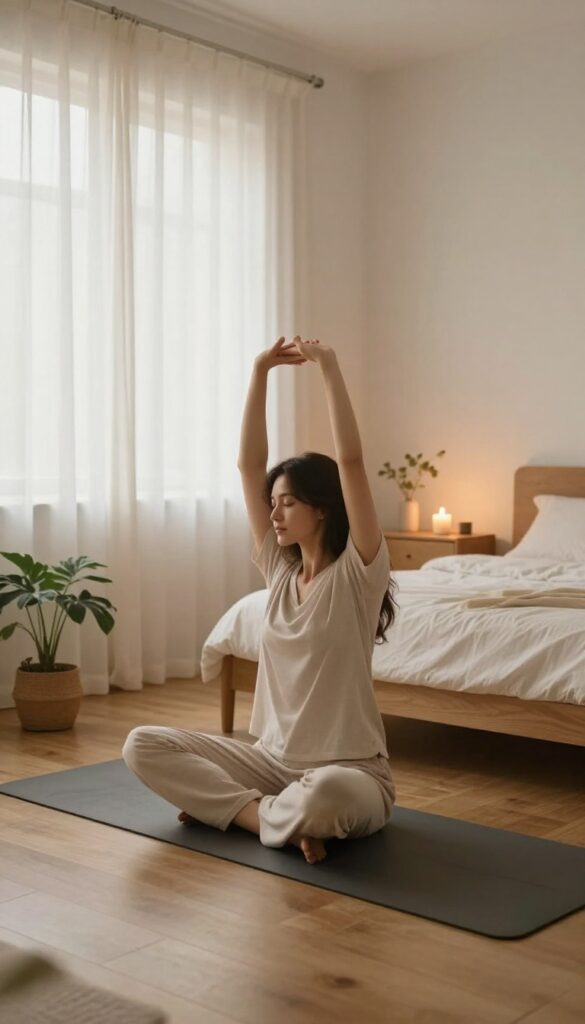
After a long day, your body holds onto tension in ways you might not even notice. Stretching helps release that tightness and signals your nervous system to shift into rest mode. It's a simple, low-effort way to prepare both your body and mind for sleep.
Focus On Problem Areas
Neck, shoulders, and hips tend to carry the most stress from sitting, hunching, or just daily life. A few gentle stretches targeting these spots can work wonders. Try a seated neck roll, shoulder shrugs, or a lying hip twist to ease the tension.
Keep It Slow And Breath-focused
The goal isn't flexibility—it's relaxation. Move slowly and pair each stretch with deep breaths. Inhale to prepare, exhale as you sink deeper.
This combination calms your nervous system and makes the stretches more effective.
Try A Simple Bedtime Sequence
You don't need a full yoga class. A short sequence like child's pose, legs-up-the-wall, and a gentle forward fold can be done right in your bedroom. Just five to ten minutes is enough to feel a difference.
7. Read a Physical Book
Picking up a real book—one made of paper—can be a powerful signal to your brain that it's time to wind down. Unlike screens, which emit blue light that suppresses melatonin, a printed page lets your eyes relax naturally. The key is to choose something light and enjoyable, not work-related or too intense.
Reading a physical book before bed helps shift your focus away from daily stressors and into a calmer mental space. The gentle act of turning pages and the absence of notifications create a ritual that primes your body for sleep. Even 10 to 15 minutes can make a noticeable difference.
Pick The Right Genre
Stick with fiction, poetry, or a light nonfiction topic that interests you. Avoid thrillers, dense textbooks, or anything that triggers anxiety or problem-solving. The goal is relaxation, not mental stimulation.
Set A Timer
It's easy to lose track of time when you're absorbed in a good story. Set a gentle alarm or decide on a chapter limit beforehand. This prevents reading from cutting into your sleep window.
Create A Cozy Reading Spot
Dim the overhead lights and use a warm-toned lamp or a book light. A comfortable chair or propped-up pillows in bed can make the experience even more soothing. Keep a bookmark handy so you can stop at a natural pause.
8. Listen to a Calming Playlist or Podcast

Sometimes your brain just won't shut off. You lie there, replaying conversations or worrying about tomorrow. That's where sound comes in—the right audio can gently guide your thoughts away from stress and toward rest.
Soft instrumental music or a sleep story works like a gentle distraction for your mind. The key is keeping the volume low and choosing something soothing, not stimulating. Think of it as a lullaby for adults.
Choose audio that's specifically designed for sleep or relaxation. Avoid anything with sudden loud noises, complex plots, or energizing beats. The goal is to create a calm auditory backdrop that helps you drift off.
Pick The Right Genre
Instrumental music, nature sounds, or ambient drones work well. Sleep stories with a soft, monotone narrator can also be effective. Stay away from podcasts that require active listening or emotional engagement.
Set A Timer
Most apps let you set a sleep timer so the audio stops after 30 or 60 minutes. This prevents it from playing all night and disturbing your sleep cycle. It also saves battery and keeps your environment quiet.
Use A Dedicated Device
If possible, play the audio on a speaker or an old phone instead of your main device. This reduces the temptation to check notifications or scroll. Keep the screen dark and face down.
9. Apply a Relaxing Skincare Routine
Your face carries the stress of the day, often without you realizing it. A slow, mindful skincare routine can be a gentle way to release that tension and signal your brain that it's time to rest. The repetitive motions of massaging in a moisturizer or oil feel almost meditative.
Combined with calming scents like lavender or chamomile, this simple act helps lower your heart rate and prepares your body for sleep.
Choose Calming Scents
Look for products with lavender, chamomile, or sandalwood. These scents are known to promote relaxation and can make your routine feel like a mini aromatherapy session.
Use Gentle Massage Motions
Instead of rushing, take a few extra minutes to massage your face in upward circles. Focus on your temples, jaw, and forehead—areas where tension tends to build up.
Keep It Simple
You don't need a ten-step routine. Even just cleansing and applying a night cream with slow, intentional movements can be enough to trigger a relaxation response.
10. Try Progressive Muscle Relaxation

If your body feels wound up like a spring, progressive muscle relaxation (PMR) can help. This technique involves tensing and then releasing each muscle group, working from your toes up to your head. It's a proven way to release physical tension and signal your nervous system that it's safe to relax.
PMR is simple and can be done in bed. It trains your body to recognize the difference between tension and relaxation, making it easier to let go of stress. Many people find it helps them fall asleep faster and wake up feeling more rested.
How To Do It
Start by lying down in a comfortable position. Take a few deep breaths. Then, tense your toes for 5-10 seconds, noticing the tightness.
Release and feel the relaxation for 15-20 seconds. Move to your feet, calves, thighs, and so on, all the way up to your face. Focus on the sensation of release.
Why It Works
Chronic stress keeps your muscles in a state of low-level tension. PMR actively breaks this cycle. The contrast between tension and relaxation helps your brain register a state of calm, which in turn lowers cortisol and prepares your body for sleep.
Tips For Success
Don't rush. Spend extra time on areas where you hold stress, like your shoulders or jaw. Pair with slow, deep breaths.
If your mind wanders, gently bring it back to the muscle group you're working on. Consistency makes it more effective over time.
11. Diffuse Calming Essential Oils
Scents have a direct line to the brain's limbic system, which controls emotions and memory. That's why a familiar fragrance can instantly shift your mood. By using essential oils in a diffuser, you're training your brain to associate that aroma with relaxation and sleep.
Lavender, cedarwood, and frankincense are top picks for winding down. They're not just pleasant—they actually lower heart rate and blood pressure. A few drops in a diffuser about 30 minutes before bed can transform your room into a calming sanctuary.
Choose Your Scent
Lavender is the classic sleep aid, known for reducing anxiety. Cedarwood has a warm, woody scent that feels grounding. Frankincense is more earthy and helps quiet a busy mind.
Pick one or blend two for a custom aroma.
Set The Mood
Place the diffuser on a nightstand or dresser, away from your face. Use a timer so it runs for an hour or two and shuts off automatically. Pair with dim lighting for an even stronger relaxation cue.
Make It A Ritual
Consistency is key. Diffuse the same oil or blend each night so your brain starts linking that scent with sleep. Over time, just catching a whiff can trigger a relaxation response.
12. Set Out Tomorrow's Clothes
That five-minute scramble in the morning to find something to wear can set a rushed tone for the whole day. By picking out your outfit the night before, you remove one more decision from your morning load. It's a tiny investment of time that pays off in calm and clarity.
Choosing your clothes the night before is a simple act of preparation that reduces morning decision fatigue. It also gives you a sense of control and closure for the day. You'll wake up knowing exactly what you're wearing, which frees mental energy for more important choices.
Why It Works
Decision fatigue is real—every choice you make depletes a little bit of willpower. By deciding your outfit ahead of time, you save that energy for things that matter. Plus, the act of preparing signals to your brain that the day is complete.
Make It A Ritual
Turn this into a calming end-of-day habit. Lay out your clothes, accessories, and shoes. Consider the weather and your schedule.
You can even add a personal touch like spritzing a little lavender on your shirt for a soothing scent.
Bonus: Prep Beyond Clothes
Take it a step further by packing your bag, setting out your keys, and preparing your coffee maker. The fewer decisions you face in the morning, the smoother your start will be. This small routine can transform your mornings from chaotic to calm.
13. Write Down Three Good Things

Ending your day on a positive note can do wonders for your sleep. Instead of replaying worries or awkward conversations, try a simple gratitude exercise. Writing down just three good things from your day trains your brain to notice the bright spots, making it easier to drift off with a calm mind.
Gratitude journaling doesn't have to be long or complicated. A few sentences are enough to shift your focus from stress to contentment. Keep a small notebook by your bed and jot down three specific moments you appreciated—maybe a tasty lunch, a kind text from a friend, or a sunny walk.
Over time, this habit rewires your brain to scan for positives, reducing anxiety and promoting better sleep.
Why Three Works
Three is a manageable number—not too few to feel pointless, not too many to feel like a chore. It forces you to dig a little deeper than "my coffee was good" and notice small wins you'd otherwise overlook.
Make It Specific
Instead of writing "I had a good day, " get detailed. "My coworker brought me a surprise latte" or "I finally finished that report" gives your brain a vivid positive memory to replay as you fall asleep.
No Pressure To Be Profound
Your three things can be as simple as a warm blanket, a funny video, or a moment of quiet. The goal is to end your day feeling grateful, not to write a diary entry. Keep it light and honest.
14. Do a Quick Tidy-Up of Your Bedroom
A cluttered room can lead to a cluttered mind. When your space is messy, your brain has to process all that visual noise, which can keep you alert and restless. Spending just five minutes tidying up before bed can signal to your brain that it's time to wind down.
You don't need to deep-clean your entire bedroom. Focus on the surfaces you see from your bed: the nightstand, dresser, and floor. Put away stray clothes, stack books, and clear off any dishes or electronics.
This small effort creates a calm, orderly environment that promotes relaxation.
Start With The Bed
Fluff your pillows, straighten the sheets, and smooth out the comforter. A neatly made bed instantly makes the room feel more put-together. It also makes crawling into bed feel like a treat rather than a chore.
Clear The Nightstand
Your nightstand should only hold essentials: a lamp, a book, maybe a glass of water. Remove any clutter like old receipts, phone chargers, or half-empty cups. A clean surface helps your mind settle.
Do A Five-minute Sweep
Set a timer and quickly put things back where they belong. Hang up clothes, toss trash, and return items to their designated spots. You'll be surprised how much you can accomplish in just a few minutes.
15. Practice Deep Breathing for 5 Minutes

Your breath is a powerful tool you carry everywhere, yet it's easy to overlook. A few minutes of focused breathing before bed can shift your nervous system from fight-or-flight to rest-and-digest. It's simple, free, and surprisingly effective.
Deep breathing works by activating the vagus nerve, which triggers a relaxation response. The 4-4-6 pattern—inhale for four counts, hold for four, exhale for six—is especially calming because the longer exhale slows your heart rate. Try this lying in bed, with one hand on your belly to feel the rise and fall.
Even one round can make a difference, but five minutes is ideal for winding down.
Why 4-4-6 Works
The extended exhale is key. It stimulates the parasympathetic nervous system, lowering blood pressure and heart rate. This pattern also distracts your mind from racing thoughts, giving it a single, soothing focus.
How To Get Started
Find a comfortable position, either sitting up or lying down. Close your eyes and breathe in through your nose for four counts. Hold gently for four.
Then exhale slowly through your mouth for six counts. Repeat for five minutes. If six counts feels too long, exhale for five.
Adjust to what feels natural.
Make It A Habit
Pair this breathing exercise with another bedtime cue, like turning off the lights or getting into pajamas. Consistency trains your brain to associate deep breathing with sleep, making it easier to relax each night.
FAQ
How long should a self-care night routine be?
Aim for 30 to 60 minutes. Even 15 minutes of intentional wind-down can improve sleep quality. Consistency matters more than duration.
Can I combine multiple ideas in one night?
Absolutely. Pick 2-3 that resonate with you. For example, dim the lights, sip tea, and journal.
Avoid overloading—keep it relaxing.
What if I don't have time for a full routine?
Start small. Just putting your phone away and doing one minute of deep breathing can make a difference. Build from there.
Should I do the same routine every night?
Not necessarily. Variety keeps it interesting, but having a few core habits (like no screens and tea) creates a reliable sleep cue.
What if I still can't sleep after trying these?
If sleep troubles persist, consider consulting a doctor. These routines support good sleep hygiene but aren't a substitute for medical advice.
Conclusion
A good night's sleep starts with small, intentional choices. Pick one or two ideas from this list that feel genuinely soothing—maybe a warm bath or a few pages of a book. Let those become your wind-down anchors.
Over time, these simple rituals will signal your brain that it's time to rest. Start tonight, and see how a little calm before bed can transform your sleep.