
You wake up already behind, your to-do list longer than your patience. But what if a few small shifts could change everything? Self-care isn't about bubble baths and candles—it's about building a life that feels manageable and good.
These 15 checklist ideas are designed to give you a visible payoff fast. Each one targets a specific area of your day or mindset, so you can pick what fits and feel the difference immediately. No fluff, no guilt.
Just practical steps to help you reset and move forward with more energy and less stress. Let's dive in.
1. Morning Reset Checklist

Mornings can feel chaotic before you even get out of bed. That's where a simple reset checklist helps—it gives you a few small wins before the world demands your attention. Think of it as a gentle launchpad, not a rigid schedule.
This checklist isn't about doing everything perfectly. It's about creating a sequence that grounds you and sets a calm, focused tone for the day ahead. Pick the steps that feel right for you, and adjust as needed.
Hydrate First
Your body has gone hours without water. Drinking a glass right after waking helps kickstart your metabolism and rehydrate your brain. Keep a glass on your nightstand so you don't have to think about it.
Move Gently
A quick two-minute stretch loosens up stiff muscles and wakes up your body. It doesn't have to be intense—just a few neck rolls, shoulder shrugs, and a forward fold can make a difference.
Set One Priority
Before checking your phone or email, write down the single most important thing you want to accomplish today. This keeps you focused and prevents the day from running you.
Delay Screens
Give yourself 15 minutes of screen-free time. Use it to sit quietly, sip your water, or look out the window. This small pause reduces morning anxiety and helps you feel more present.
2. Digital Detox Hour
Screens are everywhere—your phone, laptop, TV, even your watch. They keep you connected, but they also keep your brain buzzing nonstop. That constant input can leave you feeling scattered and drained.
A digital detox hour is exactly what it sounds like: one hour each day where you deliberately step away from all screens. No phone, no laptop, no tablet, no TV. Just you and the real world.
Use this time to read a physical book, scribble in a journal, or take a quiet walk outside. You'll be surprised how much clearer your thoughts become when you're not being pinged by notifications. This isn't about quitting technology forever—it's about giving your brain a daily break so you can think more clearly and feel less overwhelmed.
Why One Hour Works
An hour is long enough to actually disconnect, but short enough that it doesn't feel impossible. Your brain gets a real rest from the constant stimulation, and you start to notice things you usually miss—like the way the light looks in your living room or the sound of birds outside.
What To Do Instead
Pick one or two offline activities you genuinely enjoy. Maybe it's flipping through a magazine, doodling, stretching, or brewing a cup of tea without checking your phone. The goal isn't to be productive—it's to be present.
How To Stick With It
Set a timer on your phone (ironic, we know) or use an actual alarm clock. Put your devices in another room or a drawer so you're not tempted. Start with just a few days a week if daily feels too hard.
Consistency matters more than perfection.
3. Hydration Tracker
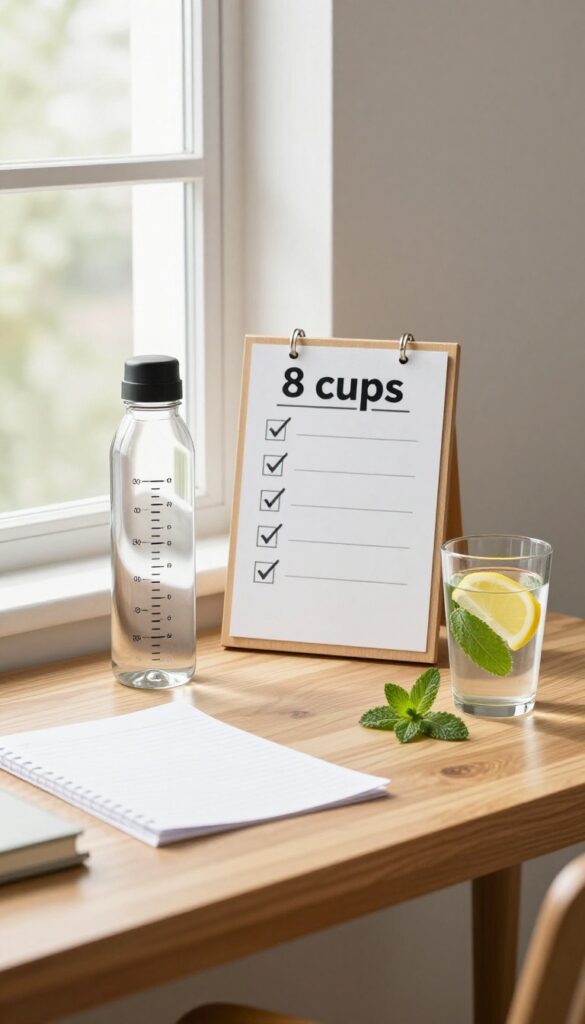
Water is the simplest productivity hack you're probably ignoring. When you're dehydrated, your brain literally shrinks—making it harder to focus, think clearly, or stay patient. A hydration tracker turns something invisible into a visible win.
Grab a reusable water bottle and a marker. Every time you finish a glass, check it off. Aim for 8 cups total.
You'll notice better energy, clearer skin, and fewer headaches by day three.
Why It Works
Your body is 60% water. Even mild dehydration drops your energy and mood. Tracking makes hydration a game, not a chore.
How To Start
Use a marked bottle, a phone app, or a simple checklist. Set a timer every hour. Pair it with a habit you already have, like checking email.
Make It Stick
Add lemon, cucumber, or mint for flavor. Keep your bottle on your desk or in your bag. Celebrate small wins—you're literally fueling your fresh start.
4. Gratitude Log
It's easy to focus on what went wrong instead of what went right. A gratitude log flips that script. Each evening, jot down three things you're thankful for—big or small.
Over time, this simple habit trains your brain to scan for positives, making you more resilient and less stressed.
Gratitude isn't just feel-good fluff. Research shows it boosts mood, improves sleep, and strengthens relationships. The key is consistency.
Keep a notebook by your bed or use a notes app. Aim for specifics: 'the barista remembered my order' works better than 'coffee. '
Why It Works
Your brain has a negativity bias—it naturally dwells on threats and problems. Gratitude practice forces you to actively notice good things, rewiring neural pathways. After a few weeks, you'll start spotting positives throughout the day without even trying.
How To Start Tonight
Pick a time, right before brushing your teeth. Write three things, no matter how small. Stuck?
Think of a person, a moment, or a simple pleasure. Don't overthink it. The act of writing solidifies the memory and makes it stick.
Make It A Ritual
Pair your log with a relaxing habit—like sipping tea or lighting a candle. This creates a calming evening routine. You can also share one grateful item with a partner or friend.
It deepens connection and keeps you accountable.
5. Movement Break Schedule
Sitting for hours at a stretch might feel productive, but it drains your energy and stiffens your body. A movement break schedule flips that by reminding you to reset regularly. Just five minutes of movement each hour can boost circulation, sharpen focus, and lift your mood.
Set a timer to move for 5 minutes every hour. Stretch, walk, or do a few jumping jacks. It prevents stiffness and recharges your concentration.
Why Every Hour Matters
Your body and brain aren't designed for long periods of stillness. After about 45 minutes of sitting, blood flow slows and mental fatigue creeps in. A short break every hour counteracts this, keeping you alert and reducing physical strain.
Easy 5-minute Moves
You don't need a workout. Try neck rolls, shoulder shrugs, and a quick walk around the room. Or do 10 jumping jacks, some desk push-ups, or gentle hamstring stretches.
The key is to change position and get your heart rate up slightly.
How To Remember
Use a timer or app that alerts you hourly. Pair the break with a routine—like after finishing a task or before checking email. Soon it becomes a habit that feels automatic.
6. Weekly Meal Prep Plan

Sunday evening rolls around and you're already dreading the week ahead—not because of work, but because of the endless "what's for dinner? " question. Meal prep is the antidote.
Spend just 30 minutes chopping veggies, cooking grains, and portioning snacks, and you'll save hours of decision-making later. This isn't about becoming a gourmet chef. It's about setting yourself up for easy, healthy choices when your willpower is low.
A little planning goes a long way toward reducing stress and keeping your energy steady.
Meal prep doesn't have to be complicated. Pick one day—Sunday works for most people—and block out half an hour. Focus on the basics: wash and chop vegetables, cook a batch of quinoa or rice, hard-boil some eggs, and portion out nuts or yogurt.
Store everything in clear containers so you can grab and go. The payoff is huge. You'll eat more vegetables, skip the drive-through, and stop wasting mental energy on lunch decisions.
Plus, having ready-to-eat snacks means you're less likely to reach for processed junk when you're tired.
Start Small
If you're new to meal prep, don't try to overhaul your entire diet at once. Pick just three items to prep—like chopped bell peppers, cooked chicken, and overnight oats. Once that feels easy, add more.
Consistency matters more than volume.
Build A Routine
Make it a habit by linking it to something you already do. Maybe you listen to a podcast while you chop, or you prep right after your Sunday coffee. The more automatic it becomes, the less it feels like a chore.
Keep It Flexible
Your prep doesn't have to mean full meals. Sometimes just having washed lettuce and pre-cooked protein lets you throw together a salad in minutes. Adapt to your week—some weeks you'll prep more, some less.
That's okay.
7. Sleep Hygiene Routine
A good night's sleep is the foundation for everything else on this list. When you're well-rested, your mood improves, your focus sharpens, and your willpower gets a boost. But quality sleep doesn't just happen—you have to set the stage for it.
Creating a consistent wind-down ritual signals to your brain that it's time to shift into rest mode. This isn't about complicated routines; it's about small, repeatable habits that help you fall asleep faster and stay asleep longer.
Dim The Lights
Bright lights, especially blue light from screens, trick your brain into thinking it's still daytime. About an hour before bed, start dimming the lights in your home. Use lamps or candles instead of overhead lights.
This simple shift helps your body produce melatonin naturally.
Put Away Electronics
Your phone, tablet, and laptop are sleep thieves. The constant notifications and endless scrolling keep your mind active. Make a rule: no screens in the bedroom, or at least turn them off 30 minutes before you plan to sleep.
Your brain needs that break to unwind.
Read A Real Book
Reading a physical book (not an e-reader with a backlight) is a perfect wind-down activity. It's calming, engaging, and doesn't emit sleep-disrupting light. Choose something light and enjoyable—save the thrillers for daytime.
Stick To A Schedule
Going to bed and waking up at the same time every day—even on weekends—trains your internal clock. Consistency reinforces your body's sleep-wake cycle, making it easier to fall asleep and wake up naturally. Over time, you might not even need an alarm.
8. Social Media Curfew

Scrolling before bed feels like a harmless habit, but it actually trains your brain to stay alert when it should be winding down. The blue light, the endless updates, the little hits of dopamine—they all keep your mind buzzing long after you put the phone down. Setting a social media curfew is a simple way to reclaim that last hour of your day.
Pick a time 30 minutes before you want to sleep and commit to putting your phone away. Use that window for something that actually relaxes you—listening to a calm playlist, doing a few gentle yoga stretches, or reading a physical book. The goal isn't to be perfect; it's to create a buffer between the online world and your rest.
Why It Works
Your brain needs time to shift from high-stimulation mode to rest mode. Social media keeps you in a reactive state, making it harder to fall asleep and reducing sleep quality. A 30-minute break lets your nervous system settle.
How To Stick To It
Set a phone reminder or use an app that locks your social media apps during curfew. Keep a book or journal next to your bed so you have an alternative ready. If you slip up, just start again tomorrow—no guilt.
9. Weekly Brain Dump
Your mind is not a storage unit. When you try to keep everything in your head—worries, tasks, random ideas—it gets cluttered fast. That clutter shows up as stress, forgetfulness, and a general feeling of being overwhelmed.
A weekly brain dump is a simple fix: take 15 minutes to pour it all onto paper.
Once a week, grab a notebook and write down everything that's floating around in your head. No filters, no organizing—just get it out. This practice clears mental space and reduces anxiety because your brain stops trying to hold onto each item.
You'll feel lighter and more focused afterward.
How To Do It
Set a timer for 15 minutes. Write nonstop—worries, tasks, grocery lists, random thoughts. Don't judge or organize.
The goal is to empty your mind completely. When the timer ends, take a breath. You've just freed up mental bandwidth.
What To Do With The List
After the dump, scan for action items. Move urgent tasks to your to-do list. Let go of worries you can't control.
Keep the rest as a reference. Some ideas might spark something later. The key is that your mind no longer has to hold it all.
Make It A Ritual
Pick a consistent time—Sunday evening or Friday afternoon. Pair it with a calming activity like tea or soft music. Over time, your brain learns to trust the process, and the weekly dump becomes a reset button for your mental clarity.
10. Self-Compassion Check-In

When was the last time you asked yourself what you actually need without guilt or second-guessing? Most of us run on autopilot, pushing through fatigue and ignoring the quiet signals our minds send. This check-in is a simple but powerful reset—a moment to pause, breathe, and listen.
It's not about fixing everything at once. It's about giving yourself permission to be human, to have needs, and to meet them without judgment. One honest question can shift your entire day.
Start by finding a quiet moment, even if it's just 60 seconds. Close your eyes, take a deep breath, and ask: "What do I need right now? " The answer might surprise you—it could be rest, a glass of water, a hug, or simply permission to stop.
Whatever comes up, honor it without criticism. This practice rewires your brain to treat yourself with kindness instead of pressure.
The One-question Reset
Keep it simple. Set a timer for two minutes, close your eyes, and repeat the question softly. Let the first honest answer surface—don't overthink it.
Then act on it, even in a small way. Need a break? Step outside for 60 seconds.
Need connection? Text a friend. This builds trust with yourself.
No Judgment Zone
The hardest part is silencing the inner critic. When you hear "you should be doing more, " gently remind yourself that self-compassion isn't lazy—it's necessary. Write down your need and respond with a kind phrase like "It's okay to rest" or "I deserve this.
" Over time, the judgment fades.
Make It A Daily Ritual
Anchor this check-in to an existing habit, like after brushing your teeth or before your first coffee. Consistency turns it into a natural pause. Even once a day can shift your inner dialogue from harsh to supportive.
You'll start noticing what you need before burnout hits.
11. Nature Connection Goal
Nature has a way of resetting your nervous system without you even trying. Even 10 minutes outside can lower cortisol, improve focus, and lift your mood. This isn't about hiking a mountain—it's about making fresh air a non-negotiable part of your day.
Commit to stepping outside for at least 10 minutes daily. Morning sunlight helps regulate your circadian rhythm, while a lunchtime walk can break up screen fatigue. Keep it simple: stand on your porch, walk around the block, or sit in a park.
Consistency matters more than duration.
Why 10 Minutes Works
Short bursts of nature exposure reduce stress hormones and increase serotonin. You don't need an hour—just enough to reset your brain and get some vitamin D. Even cloudy days count.
Make It Effortless
Pair your outdoor time with an existing habit. Have your morning coffee outside, take a call while walking, or stretch on the balcony. Keep shoes by the door so there's no friction.
Rainy Day Backup
Bad weather doesn't cancel nature connection. Open a window wide, sit under a covered porch, or water plants on the patio. The goal is fresh air and a change of scenery.
12. Declutter One Small Area
You don't need to tackle the whole house to feel the benefits of decluttering. Pick one tiny spot—a single drawer, a shelf, or even just a corner of your desk—and clear it out. The goal isn't perfection; it's progress.
A tidy space really does create a calmer mind, and doing this daily builds a cumulative sense of order that makes everything else feel easier.
Start with something manageable, like a junk drawer or a bathroom cabinet. Set a timer for 10 minutes and sort items into keep, toss, or donate. The visual payoff is instant, and that small win motivates you to keep going.
Over time, these micro-decluttering sessions add up to a home that feels lighter and more organized.
Why Small Wins Matter
Decluttering a tiny area gives you a quick dopamine hit. You see immediate results, which builds momentum for tackling bigger spaces later. It also reduces decision fatigue—you're not overwhelmed by a huge project, just a simple, achievable task.
How To Pick Your Spot
Look for the area that annoys you most when you open a drawer or walk past it. That's your target. It could be the spice rack, the nightstand, or the pile of mail on the counter.
Choose something you can finish in under 15 minutes.
Make It A Daily Ritual
Link your declutter session to an existing habit, like after your morning coffee or before bed. Keep a small basket for items that need to leave the house. Consistency is key—even five minutes a day keeps chaos from creeping back.
13. Creative Time Block
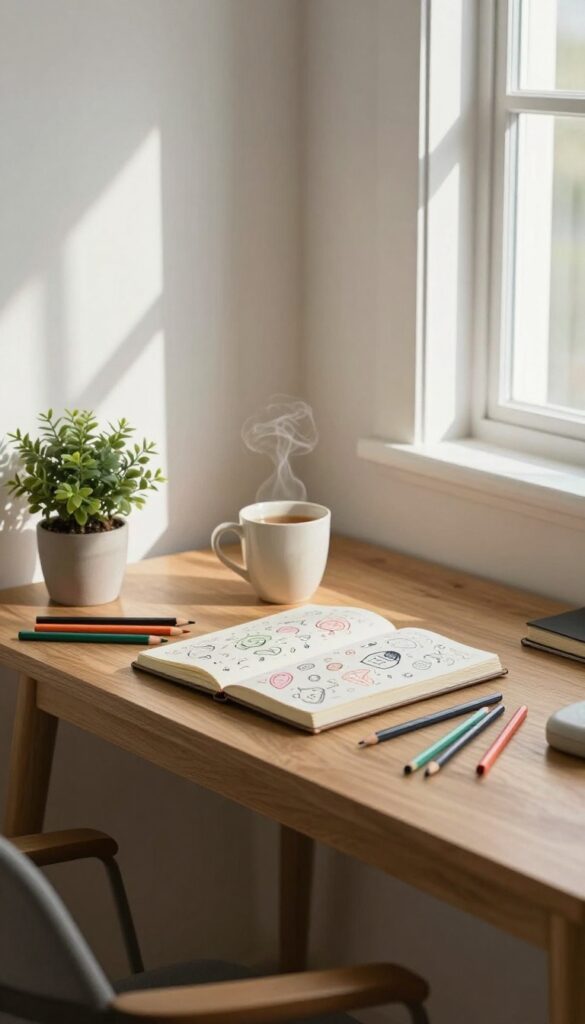
Carving out just 20 minutes for a creative hobby can feel like a luxury, but it's actually a powerful reset for your brain. Whether you doodle, write a short poem, try a new recipe, or make something with your hands, creative expression lowers cortisol and boosts dopamine. It's not about being good—it's about giving yourself permission to play.
Scheduling a short creative block each day helps you step away from screens and responsibilities. This small habit builds momentum for bigger creative projects and leaves you feeling more energized.
Pick A Low-pressure Hobby
Choose something you already enjoy or have been curious about. The goal is fun, not perfection. For example, keep a small sketchbook, a journal for micro-poems, or a simple recipe you've wanted to try.
Rotate hobbies to keep it fresh.
Set A Timer And Go
Use your phone or a kitchen timer for exactly 20 minutes. No distractions, no multitasking. When the timer goes off, you can stop or keep going if you're in the flow.
This structure makes creativity feel doable, not daunting.
Create A Creative Kit
Prep a small box or bag with your supplies—colored pencils, a notebook, knitting needles, or a spice blend. Keep it visible and ready to grab. Reducing setup friction makes it easier to actually start.
14. Social Connection Check
Social connection isn't just nice—it's a biological necessity. Reaching out to someone you trust lowers cortisol and boosts oxytocin, the bonding hormone. This checklist item is about making that happen without overthinking it.
Pick one person and send a text, make a quick call, or schedule a coffee date. Keep it light and genuine. The goal isn't to solve problems—it's to feel seen.
Why It Works
Meaningful connection triggers your parasympathetic nervous system, reducing stress. Even a 10-minute chat can shift your mood and remind you that you're part of a larger support network.
Simple Ways To Connect
Send a voice note instead of a text—it feels more personal. Or share a funny memory. If you're short on time, a quick "thinking of you" message can go a long way.
When You Feel Isolated
If reaching out feels hard, start small. Join an online group or attend a local event. Sometimes connection begins with just showing up.
15. Evening Reflection

The day is winding down, but your mind might still be racing. That's where a simple evening reflection ritual comes in. It's a quiet moment to close the loop on today and set a gentle intention for tomorrow.
End your day by noting one win, one lesson, and one thing you're looking forward to tomorrow. This frames your mind for rest and growth.
One Win
Pick one thing that went well today, no matter how small. It could be finishing a task, having a good conversation, or just getting out of bed on time. Recognizing a win trains your brain to notice the positive.
One Lesson
What did today teach you? Maybe you learned that you need more breaks, or that a certain approach didn't work. Lessons aren't failures—they're data.
Write it down without judgment.
One Thing To Look Forward To
Give tomorrow a reason to feel exciting. It could be a coffee date, a walk, or simply a quiet hour to read. This small anchor shifts your focus from what you have to do to what you want to do.
FAQ
How many self-care checklist items should I do per day?
Start with 2-3 items that feel easiest. Overloading yourself defeats the purpose. Gradually add more as they become habits.
Can I combine multiple checklists into one routine?
Absolutely. For example, pair your morning reset with hydration tracking and gratitude logging. Just keep it simple so it sticks.
What if I miss a day on my checklist?
No worries. Self-care is about progress, not perfection. Pick up where you left off without guilt.
Consistency over time matters more.
Are these checklists suitable for busy people?
Yes. Each idea takes 5-15 minutes. They're designed to fit into a packed schedule and deliver real benefits without extra time stress.
How often should I update my self-care checklist?
Review it weekly. Swap out items that no longer serve you and add new ones that match your current needs. Keep it fresh and relevant.
Conclusion
Self-care isn't about perfection—it's about showing up for yourself in small, consistent ways. Pick just one or two ideas from this list that feel doable today, whether that's a five-minute journaling session or a quick walk outside. Over time, these tiny rituals will compound into real change.
Let go of the pressure to do it all. The best self-care routine is the one you'll actually stick with, not the one that looks good on paper. Start where you are, celebrate the small wins, and watch your fresh start unfold naturally.