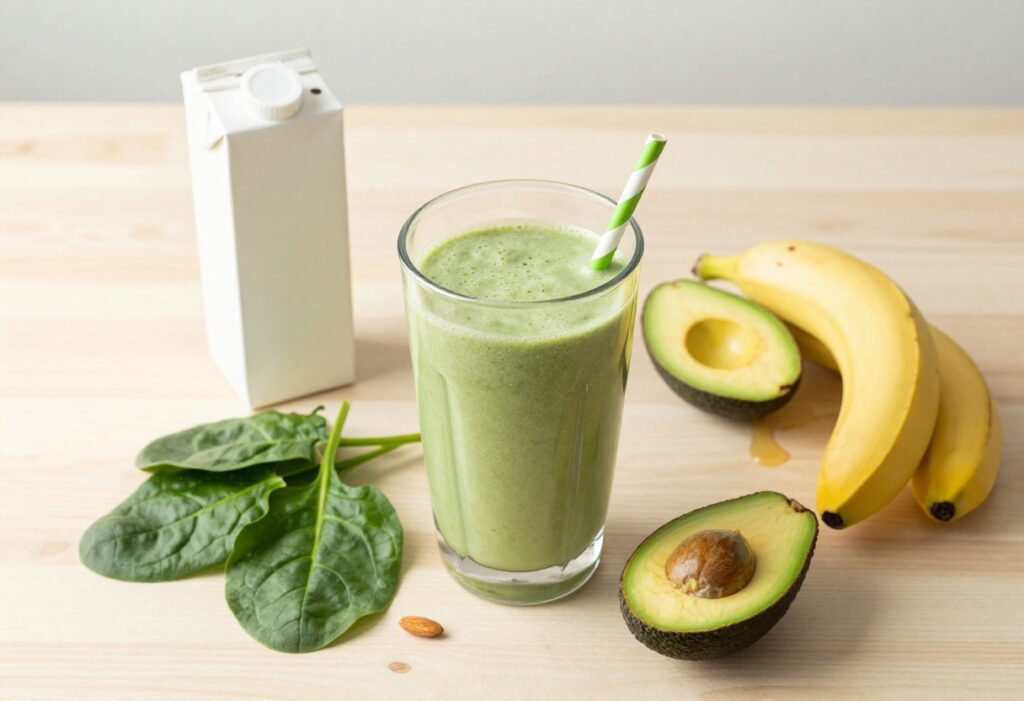
What you eat can have a noticeable impact on your skin. While diet isn't a magic cure for acne, certain foods may help reduce inflammation, balance hormones, and support overall skin health. This article explores 15 food ideas that are often recommended for clearer skin.
Remember, everyone's skin is different, so it's about finding what works for you. These suggestions are based on general nutritional principles and anecdotal evidence. They are not a substitute for professional medical advice.
If you have persistent acne, it's best to consult a dermatologist. Let's dive into these skin-friendly food ideas that you can easily incorporate into your daily meals.
Fatty Fish Like Salmon and Mackerel
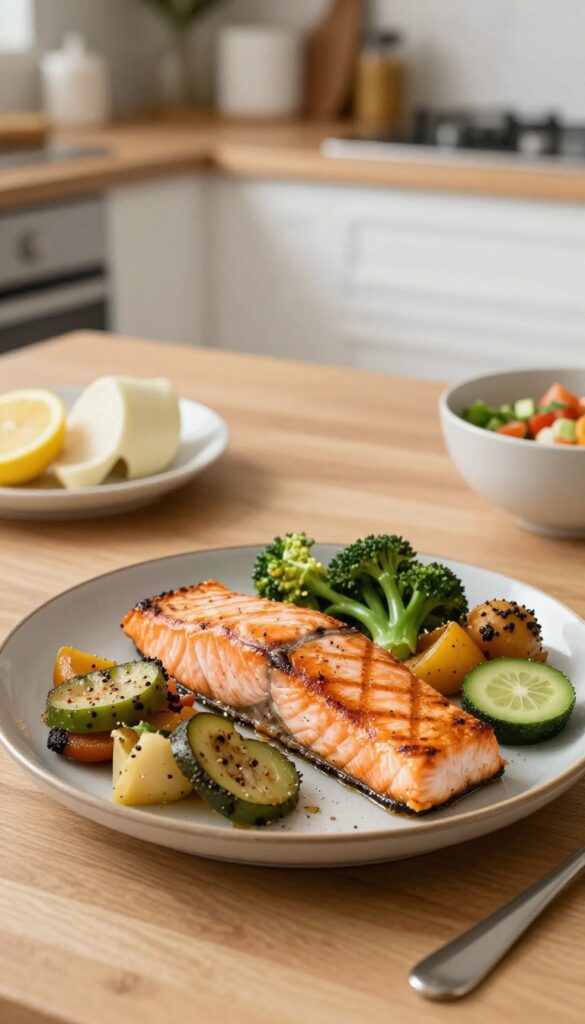
Fatty fish such as salmon, mackerel, and sardines are rich in omega-3 fatty acids, which help reduce inflammation throughout the body—including in your skin. Lower inflammation can mean fewer breakouts and a calmer complexion.
Omega-3s also help regulate hormones that can trigger acne, such as insulin-like growth factor 1 (IGF-1). Adding two to three servings of fatty fish per week is a delicious way to support clear skin.
Easy ways to include them
- Grill salmon with lemon and herbs for a quick dinner.
- Add canned mackerel or sardines to salads or whole-grain crackers.
- Try baked salmon with roasted vegetables for a balanced meal.
Aim for wild-caught salmon when possible for higher omega-3 content and fewer contaminants.
Avocados for Healthy Fats and Vitamin E
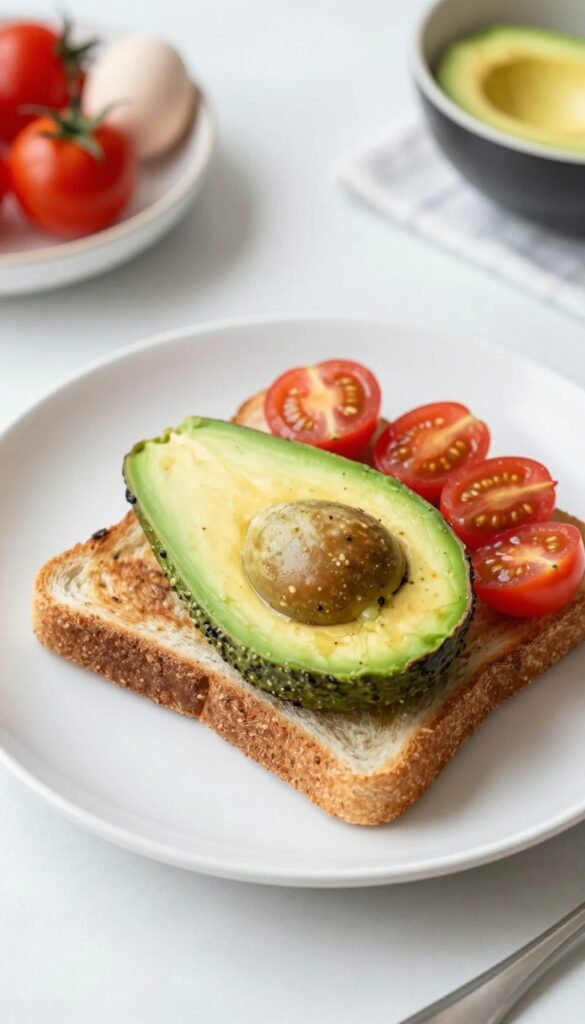
Avocados are more than just a trendy toast topping—they’re a skin-friendly powerhouse. Packed with healthy monounsaturated fats and vitamin E, they support your skin barrier and protect against oxidative stress.
The healthy fats in avocados help maintain your skin’s natural moisture barrier, keeping it hydrated and resilient. Vitamin E, a potent antioxidant, fights free radicals that can damage skin cells and worsen acne. While avocados won’t cure breakouts, they can support overall skin health when eaten as part of a balanced diet.
Easy ways to add avocado to your diet
- Spread half an avocado on whole-grain toast for a quick breakfast.
- Toss diced avocado into salads or grain bowls for creamy texture.
- Blend into smoothies for a nutrient boost without overpowering flavor.
- Use as a base for homemade guacamole with lime and cilantro.
Leafy Greens Like Spinach and Kale
Leafy greens are a powerhouse of skin-friendly nutrients. Packed with vitamins A, C, and K, they help repair skin tissue and reduce inflammation. Their high antioxidant content also fights oxidative stress, which can worsen acne.
Spinach and kale are especially rich in vitamin A, which supports skin cell turnover, and vitamin C, a key player in collagen production. Vitamin K helps with blood clotting and may reduce dark spots. Together, these nutrients create a strong foundation for clear skin.
- Add a handful of spinach to your morning smoothie for a nutrient boost without altering the taste.
- Use kale as a base for salads, massaged with olive oil and lemon juice to soften the leaves.
- Sauté greens with garlic and a splash of olive oil for a quick, delicious side dish.
Incorporating leafy greens into your daily meals is simple and versatile. They blend easily into soups, stir-fries, omelets, and even pasta sauces. Aim for at least one serving per day to support your skin from the inside out.
Berries Packed with Antioxidants
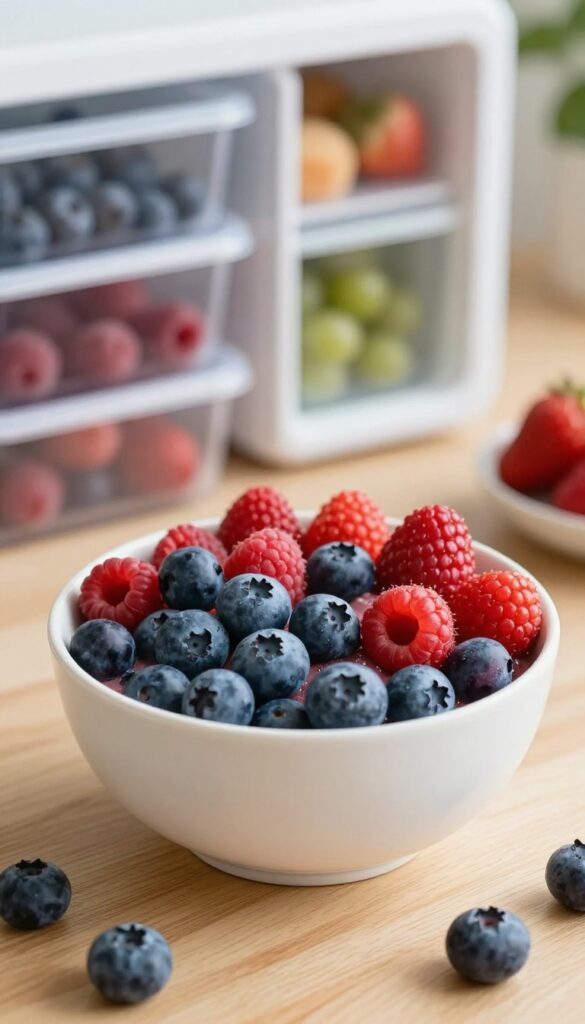
Berries are a delicious and easy way to add powerful antioxidants to your diet. Blueberries, strawberries, and raspberries are especially rich in compounds like anthocyanins and ellagic acid that help fight inflammation and protect skin cells from damage.
These antioxidants can reduce the oxidative stress that contributes to acne breakouts and premature aging. Plus, berries have a low glycemic index, meaning they won't spike your blood sugar—a key factor in acne management.
Snack ideas
- Toss a handful of mixed berries into your morning oatmeal or yogurt.
- Blend them into a smoothie with spinach and almond milk.
- Freeze grapes and berries for a cool, sweet treat on hot days.
Sweet Potatoes for Beta-Carotene
Sweet potatoes are rich in beta-carotene, which your body converts into vitamin A—a key nutrient for skin repair and maintenance. Their low glycemic index also makes them a smart carb choice for acne-prone skin.
Vitamin A helps regulate skin cell turnover and supports the immune system, which can reduce inflammation and prevent clogged pores. Since your body can't produce vitamin A on its own, getting it from beta-carotene-rich foods like sweet potatoes is essential.
Easy ways to add sweet potatoes to your diet
- Roast them with a drizzle of olive oil and herbs for a simple side dish.
- Mash them with a little coconut milk for a creamy, skin-friendly alternative to regular mashed potatoes.
- Slice into wedges, season with paprika, and bake for crispy fries.
Nuts and Seeds for Zinc and Selenium
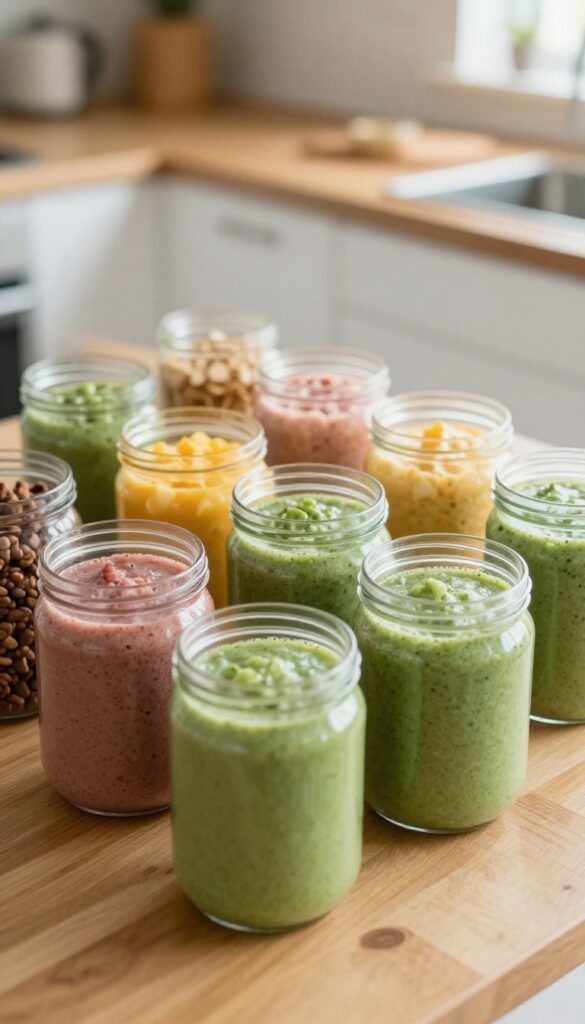
Nuts and seeds are compact sources of skin-friendly minerals like zinc and selenium. Zinc helps reduce acne lesions by calming inflammation and supporting skin repair, while selenium works as an antioxidant that may protect skin from UV damage. Just a small handful a day can make a difference.
Pumpkin seeds, sunflower seeds, almonds, and Brazil nuts are excellent choices. Brazil nuts are especially rich in selenium—just one or two nuts provide your daily need. Pumpkin seeds are a top source of zinc, with about 2 mg per ounce.
Tips for adding them to your diet
- Sprinkle pumpkin seeds over salads or oatmeal.
- Snack on a small handful of almonds or sunflower seeds.
- Add ground flaxseeds or chia seeds to smoothies.
- Enjoy a Brazil nut or two as a daily selenium boost.
Portion control matters because nuts and seeds are calorie-dense. Aim for about a quarter cup (or one small handful) per serving. That’s enough to get the skin benefits without overdoing calories.
Green Tea as a Skin-Soothing Drink
Green tea is more than a comforting beverage—it may also help calm acne-prone skin. Its anti-inflammatory and antioxidant properties come from catechins, compounds that can reduce redness and may even lower sebum production.
How to Incorporate Green Tea
Aim for 1–2 cups of freshly brewed green tea daily. Let it steep for 3–5 minutes to maximize catechin release. You can also use cooled green tea as a facial toner, but drinking it provides systemic benefits.
Caffeine Considerations
- If you are sensitive to caffeine, opt for decaffeinated green tea or limit intake to morning hours.
- Green tea contains less caffeine than coffee, but it can still affect sleep if consumed late in the day.
- Herbal teas like rooibos or chamomile are caffeine-free alternatives with their own skin benefits.
Probiotic-Rich Foods Like Yogurt and Kimchi
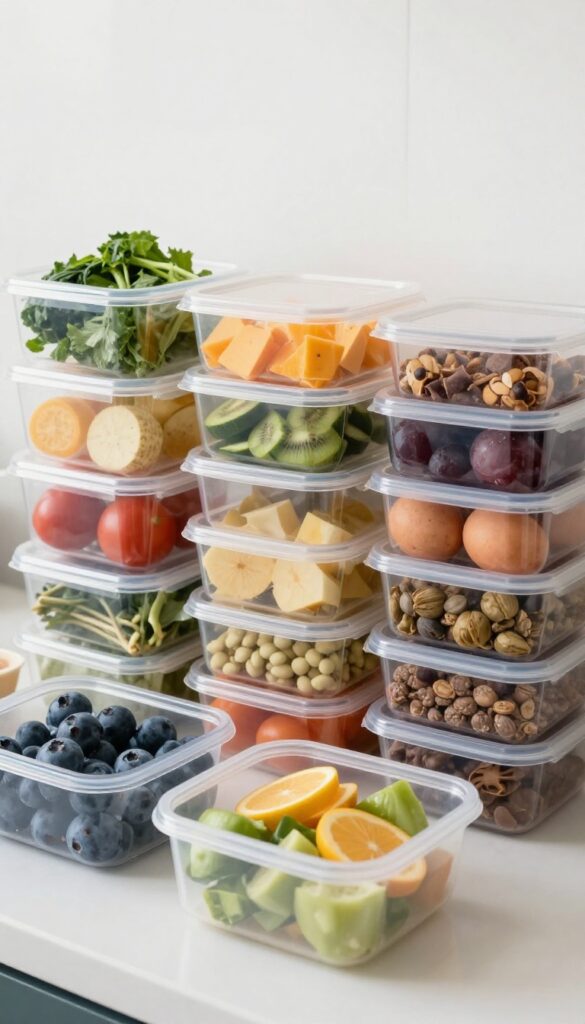
The health of your gut can show up on your skin. Probiotic-rich foods help balance your gut microbiome, which may reduce inflammation and support clearer skin.
Fermented foods are excellent sources of probiotics. They introduce beneficial bacteria into your digestive system, which can help calm inflammation that often triggers breakouts.
Probiotic foods to try
- Yogurt – choose plain, unsweetened varieties to avoid added sugar
- Kimchi – a spicy fermented cabbage dish packed with good bacteria
- Kefir – a fermented milk drink that’s rich in probiotics
- Sauerkraut – fermented cabbage, great as a side or topping
- Kombucha – a fizzy fermented tea, but watch for added sugars
When selecting yogurt or kefir, opt for unsweetened versions to keep sugar intake low. You can sweeten them naturally with fresh berries or a drizzle of honey.
Whole Grains Over Refined Carbs
Swapping refined carbohydrates for whole grains can help keep your blood sugar stable and reduce acne-triggering insulin spikes. Whole grains have a lower glycemic index, which means they release glucose more slowly, preventing the rapid insulin surges that can increase sebum production and inflammation.
Examples of whole grains to incorporate into your meals include oatmeal, quinoa, brown rice, whole-wheat bread, barley, and farro. You don’t have to overhaul your diet overnight—simple swaps make a big difference. For instance, choose whole-wheat pasta instead of white pasta, or enjoy a bowl of oatmeal topped with berries for breakfast instead of sugary cereal.
Easy swaps to try
- Replace white rice with quinoa or brown rice in stir-fries and bowls.
- Use whole-grain bread for sandwiches instead of white bread.
- Snack on air-popped popcorn instead of crackers or chips.
- Choose steel-cut or rolled oats over instant oatmeal packets.
Turmeric for Its Anti-Inflammatory Properties
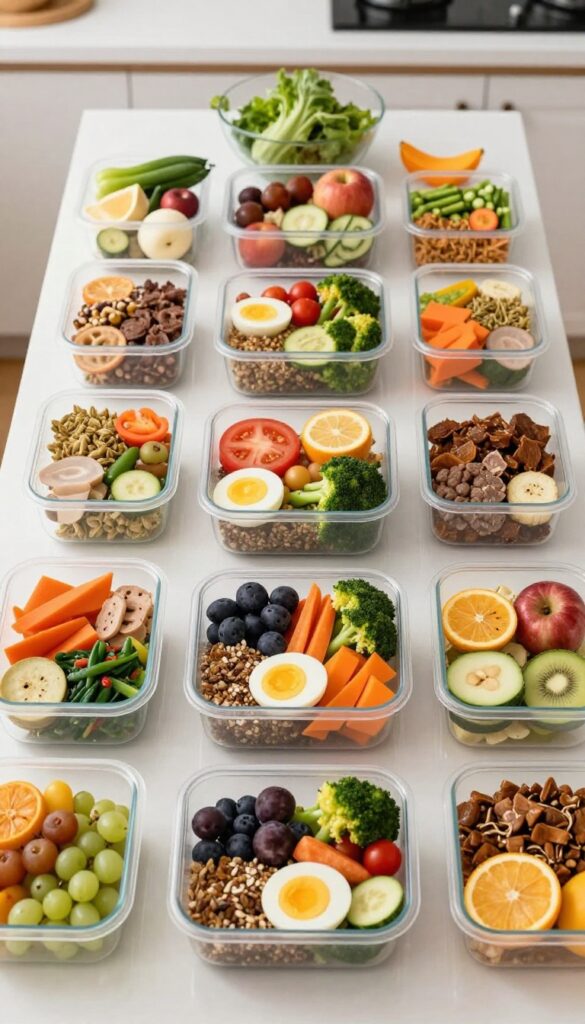
Turmeric is a bright yellow spice that has been used for centuries in cooking and traditional medicine. Its active compound, curcumin, is known for its powerful anti-inflammatory and antioxidant effects, which may help calm acne-related inflammation.
Curcumin reduces inflammation at the cellular level, which can help soothe existing breakouts and prevent new ones. However, curcumin is not easily absorbed by the body on its own. Pairing turmeric with black pepper significantly enhances absorption due to piperine, a compound in pepper that boosts curcumin bioavailability.
How to Use Turmeric
- Add a teaspoon of turmeric powder to soups, stews, or scrambled eggs.
- Make a golden milk latte with turmeric, black pepper, and your choice of milk.
- Use turmeric in marinades for chicken, fish, or tofu.
- Stir turmeric into rice or quinoa for a vibrant side dish.
Simple Recipe Idea: Golden Milk
Combine 1 cup of warm milk (dairy or plant-based), 1/2 teaspoon turmeric, a pinch of black pepper, and a drizzle of honey. Whisk and enjoy as a soothing evening drink.
Citrus Fruits for Vitamin C
Citrus fruits like oranges, grapefruits, lemons, and limes are packed with vitamin C, a powerful antioxidant that helps protect your skin from oxidative stress and supports collagen production for a healthy complexion.
Vitamin C is essential for collagen synthesis, which keeps your skin firm and resilient. It also helps neutralize free radicals that can damage skin cells and worsen acne. Adding a variety of citrus fruits to your diet is an easy way to boost your intake.
Examples and Tips
- Enjoy a whole orange or grapefruit as a snack, or squeeze lemon or lime over salads and water.
- Aim for at least one serving of citrus fruit daily to meet your vitamin C needs.
- Combine citrus with iron-rich foods like spinach to enhance iron absorption.
Bone Broth for Collagen and Amino Acids
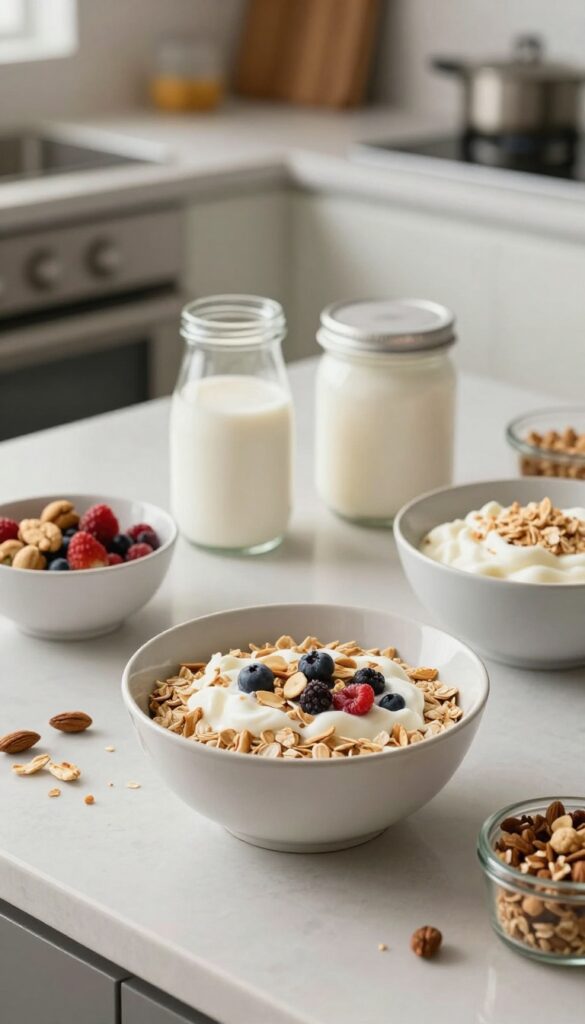
Bone broth has gained popularity as a skin-friendly food, largely because it's rich in collagen and amino acids that support skin structure and repair.
Collagen is a key protein that helps maintain skin elasticity and firmness. As we age, collagen production naturally declines, which can contribute to wrinkles and sagging. Bone broth provides a source of collagen, as well as the amino acids glycine and proline, which are building blocks for your body's own collagen synthesis.
How to incorporate bone broth into your diet
- Make your own by simmering chicken or beef bones with vegetables and herbs for 12–24 hours.
- Use it as a base for soups, stews, or sauces instead of water or stock.
- Drink a warm cup of bone broth as a soothing snack or post-workout recovery drink.
- Look for high-quality, organic bone broth at grocery stores if you're short on time.
Dark Chocolate in Moderation
Yes, chocolate can be part of a clear-skin diet—if you choose the right kind. Dark chocolate with high cocoa content is rich in antioxidants like flavonoids, which may help protect skin from oxidative stress and inflammation.
The key is moderation and cocoa percentage. Look for bars that are 70% cocoa or higher, as they contain more beneficial compounds and less sugar. A small square or two per day is enough to get the antioxidant benefits without overdoing sugar or calories.
Tips for choosing dark chocolate
- Opt for 70% cocoa or higher to maximize antioxidants and minimize sugar.
- Check the ingredient list—fewer additives and no artificial flavors are better.
- Stick to a serving size of about 1 ounce (28 grams) per day.
While dark chocolate can be a skin-friendly treat, remember that it still contains sugar and fat. Enjoy it as part of a balanced diet, and don't rely on it as a cure for acne.
Water and Hydrating Foods
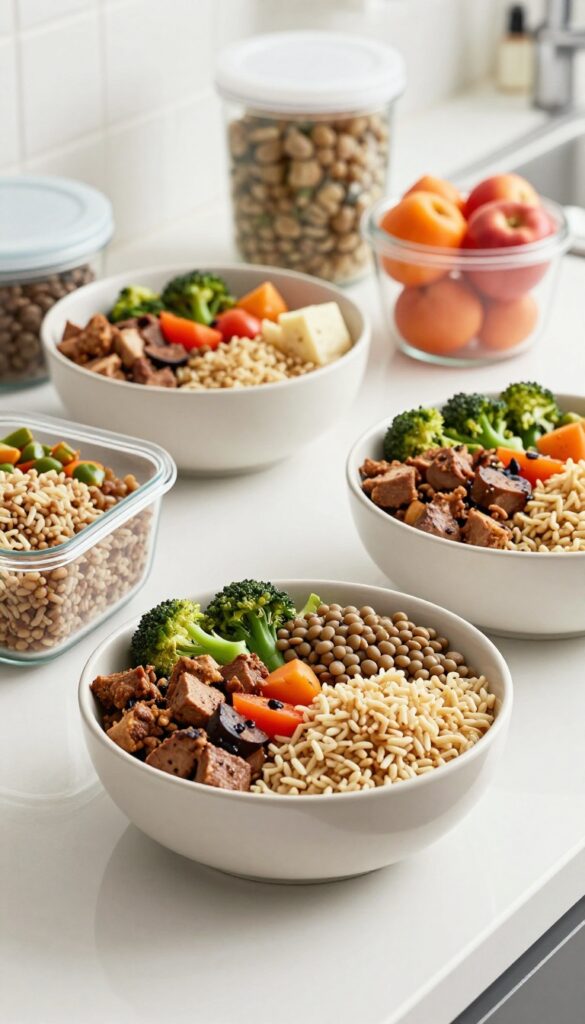
Staying hydrated is one of the simplest yet most effective ways to support your skin. Proper hydration helps maintain skin elasticity, flush out toxins, and keep your complexion looking plump and clear.
Aim for at least 8 glasses of water daily, and more if you're active or live in a hot climate. But water isn't your only option—many fruits and vegetables have high water content and provide additional skin-friendly nutrients.
Hydrating foods to include
- Cucumber: Over 95% water, plus silica that may support skin health.
- Watermelon: Packed with water and lycopene, an antioxidant that protects skin from sun damage.
- Celery: High water content and anti-inflammatory compounds.
- Oranges and grapefruit: Hydrating and rich in vitamin C.
- Strawberries: Water-rich and full of antioxidants.
Incorporating these hydrating foods into your meals and snacks can help you meet your fluid needs while delivering extra vitamins and antioxidants that benefit your skin.
Foods to Limit: Dairy and High-Sugar Items
While adding skin-friendly foods is important, cutting back on certain items can also make a difference. Some research suggests that dairy and high-sugar foods may contribute to acne for some people.
Dairy products, especially milk, have been linked to acne in some studies. The theory is that hormones in milk can increase oil production. High-sugar foods spike insulin levels, which may also trigger breakouts.
You don't have to eliminate these completely, but reducing them could help.
Which foods to limit
- Cow's milk and cheese
- Sugary drinks like soda and sweetened coffee
- Candy, cookies, and pastries
- White bread and refined pasta
Alternatives to try
- Unsweetened almond or oat milk
- Water or herbal tea instead of sugary drinks
- Fresh fruit for a sweet treat
- Whole grain bread and pasta
FAQ
Can diet alone clear acne?
Diet can play a supportive role, but it's rarely a standalone solution. Acne is influenced by genetics, hormones, and skincare habits. A healthy diet may reduce breakouts, but for severe acne, medical treatments are often needed.
How long does it take for diet changes to affect skin?
It varies. Some people notice improvements within a few weeks, while others may take a couple of months. Consistency is key.
Keep a food diary to track changes.
Should I avoid all dairy for clear skin?
Not necessarily. Some studies suggest a link between dairy and acne, but it's not universal. Try reducing dairy for a few weeks to see if your skin improves.
If not, you can reintroduce it.
Are there any foods that definitely cause acne?
High-glycemic foods (like sugary snacks and refined carbs) and dairy are common triggers for some people. However, triggers vary. Pay attention to your own reactions.
Conclusion
Incorporating these 15 food ideas into your diet may support clearer skin over time. Remember, balance and consistency matter more than any single superfood. Pair a nutritious diet with a good skincare routine and healthy lifestyle habits.
If you're struggling with acne, consider working with a dermatologist or dietitian to create a personalized plan. Small, gradual changes can lead to lasting improvements for your skin and overall well-being.

Dr. Pallab Kishore, MS in Orthodontics and owner of Orthodontic Braces Care, shares expert tips on braces, aligners, and oral health from 10+ years of experience.