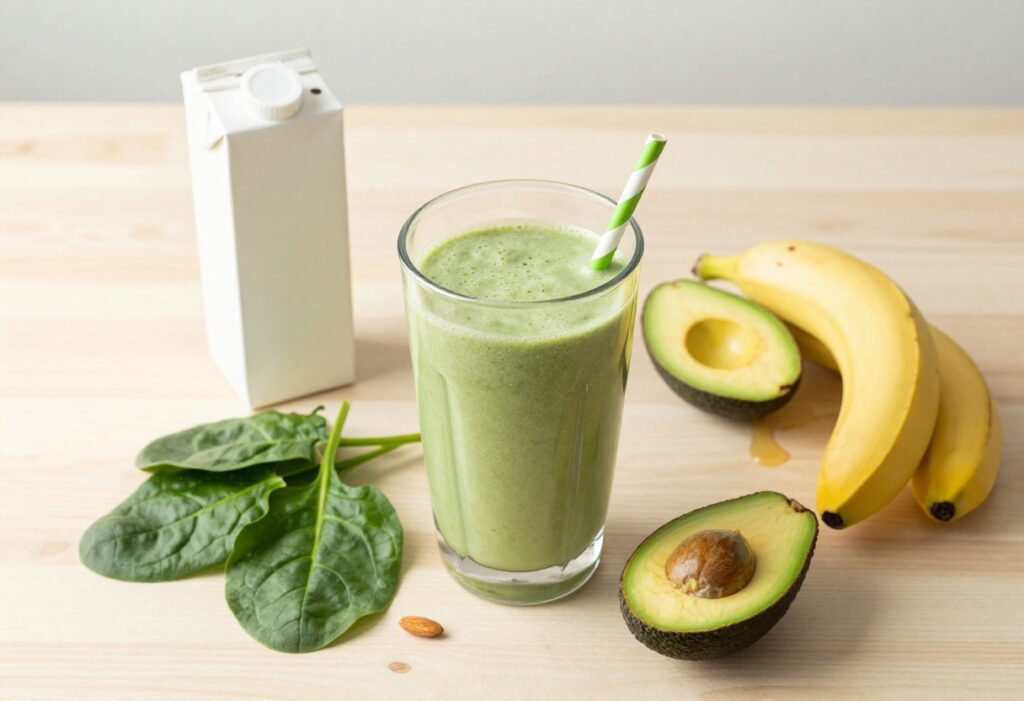
A high-protein diet can help you feel fuller longer, support muscle maintenance, and make healthy eating easier. But planning a week of high-protein meals can feel overwhelming if you don't know where to start.
The good news is that with a little structure, you can build a flexible plan that fits your lifestyle and tastes. This guide will walk you through a simple process to create your own high-protein weekly plan.
You'll learn how to set a realistic protein target, choose a variety of protein sources, and prep ahead so that every meal is easy to assemble. No complicated rules or extreme restrictions—just practical steps to make high-protein eating work for you.
What Counts as High Protein?
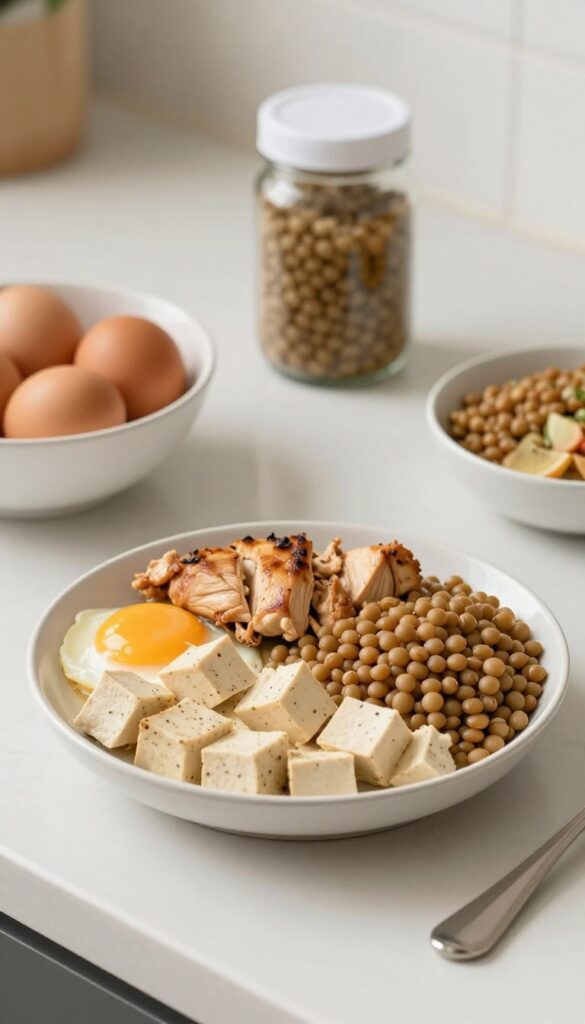
A high-protein diet typically means consuming more protein than the standard recommendation. For most people, this translates to 1.2–2.0 grams of protein per kilogram of body weight per day. To put that in perspective, a 70 kg (154 lb) person aiming for 1.6 g/kg would need about 112 grams of protein daily.
This range supports muscle maintenance, satiety, and overall health without going to extremes.
General Protein Targets
Your ideal protein intake depends on your activity level, goals, and body weight. Use this simple formula as a starting point: multiply your weight in kilograms by 1.2 for a moderate target, or by 1.6–2.0 if you are very active or aiming for muscle gain. For example, a 60 kg person would aim for 72–120 grams per day.
Adjust based on how you feel and your results.
High-Protein Foods to Include
A variety of protein sources ensures you get all essential amino acids and other nutrients. Here are some excellent options:
Set Your Protein Goal for the Week
Before you start planning meals, you need a clear protein target. This gives you a number to aim for each day, making it easier to portion out your food and stay on track. Here’s a simple way to set your goal.
Calculate Your Daily Target
A straightforward method is to base your protein intake on your body weight. For most people aiming for general health, muscle maintenance, or weight management, a good range is 1.6 to 2.2 grams of protein per kilogram of body weight. If you prefer pounds, that’s roughly 0.7 to 1.0 grams per pound.
For example, if you weigh 75 kg (165 lbs), your daily target would be between 120 g and 165 g of protein. Start at the lower end if you’re new to high-protein eating, and adjust as needed.
Break It Down Per Meal
Once you have your daily number, divide it across your meals to make it manageable. Aim for 3–4 meals with roughly equal protein portions. This keeps your energy steady and helps with muscle protein synthesis throughout the day.
For instance, if your goal is 120 g daily, you might target 30 g per meal across four meals. Here’s a quick breakdown:
Example per-meal distribution for a 120 g daily goal
- Breakfast: 30 g protein
- Lunch: 30 g protein
- Dinner: 30 g protein
- Snack: 30 g protein
Choose Your Protein Sources for the Week
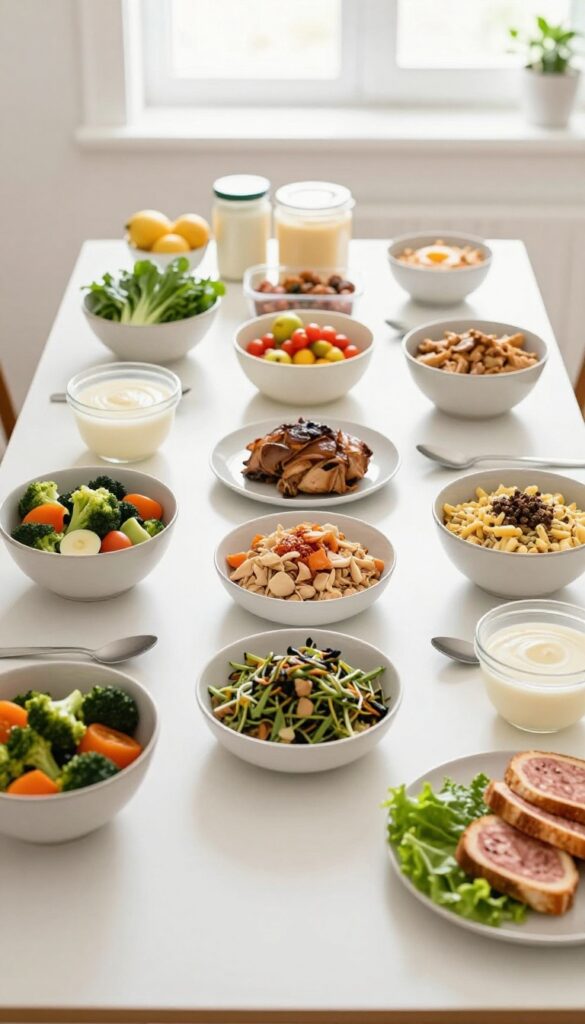
Variety is the key to a sustainable high-protein diet. By including different types of protein, you'll get a range of nutrients and keep your meals interesting. Here are four categories to consider when planning your weekly menu.
Lean Meats and Poultry
Chicken breast, turkey, lean cuts of beef (like sirloin or tenderloin), and pork loin are excellent sources of high-quality protein. They are versatile and can be grilled, baked, or stir-fried. Aim for about 3–4 ounces per serving, which provides roughly 25–30 grams of protein.
Fish and Seafood
Salmon, tuna, cod, shrimp, and other seafood are not only rich in protein but also provide healthy omega-3 fatty acids. Fish is quick to cook and pairs well with vegetables and whole grains. A 3-ounce serving of salmon contains about 22 grams of protein.
Eggs and Dairy
Eggs are a complete protein and incredibly versatile. Greek yogurt, cottage cheese, and milk are also excellent sources. For example, one large egg has 6 grams of protein, while a cup of Greek yogurt can pack up to 20 grams.
Include these in breakfast, snacks, or post-workout meals.
Plant-Based Options
If you want to incorporate more plant proteins, consider tofu, tempeh, edamame, lentils, chickpeas, and quinoa. These options are high in fiber and other nutrients. For instance, one cup of cooked lentils provides about 18 grams of protein.
Plant-based proteins can be the star of a meal or complement animal proteins.
When selecting your protein sources, think about your budget, availability, and personal preferences. Rotating through these categories will prevent boredom and ensure you get a broad spectrum of amino acids and micronutrients. Aim to include at least three different categories each week.
Build a Weekly Meal Template
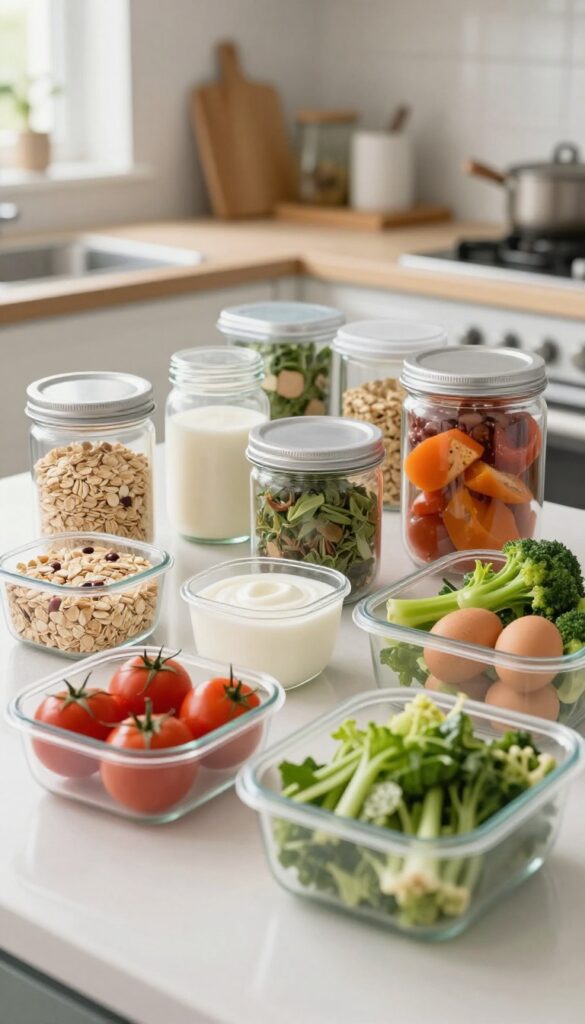
Now that you have your protein sources selected, it's time to create a simple weekly template that makes planning effortless. A template removes daily guesswork and ensures you hit your protein goals consistently.
Create a Simple Grid
Start with a 7-day grid that includes breakfast, lunch, dinner, and snacks. You can use a notebook, a spreadsheet, or a meal planning app. The key is to have a visual overview of the week so you can spot gaps or repetition easily.
For each day, leave the protein slot open initially. Focus on the structure first. For example:
- Monday: Breakfast, Lunch, Dinner, Snack
- Tuesday: Breakfast, Lunch, Dinner, Snack
- … and so on through Sunday.
Assign Protein to Each Slot
Now fill in the protein sources. Rotate through your chosen proteins to avoid boredom. For instance, if you have chicken, fish, tofu, beef, eggs, and Greek yogurt, assign a different one to each day’s dinner and vary lunches accordingly.
A sample rotation might look like:
- Monday dinner: Grilled chicken breast
- Tuesday dinner: Salmon fillet
- Wednesday dinner: Tofu stir-fry
- Thursday dinner: Lean beef stir-fry
- Friday dinner: Egg-based frittata
- Saturday dinner: Chicken thighs
- Sunday dinner: Baked fish
For lunches, use leftovers or quick options like canned tuna, hard-boiled eggs, or Greek yogurt bowls. Snacks can include cottage cheese, protein bars, or nuts. The goal is to spread protein evenly throughout the day, aiming for 20–30 grams per meal.
Keep It Flexible
This template is a guide, not a rigid schedule. Swap days as needed. If you end up eating the same protein two days in a row, that's fine—the template helps you maintain variety without overcomplicating things.
Prep Ingredients Ahead of Time
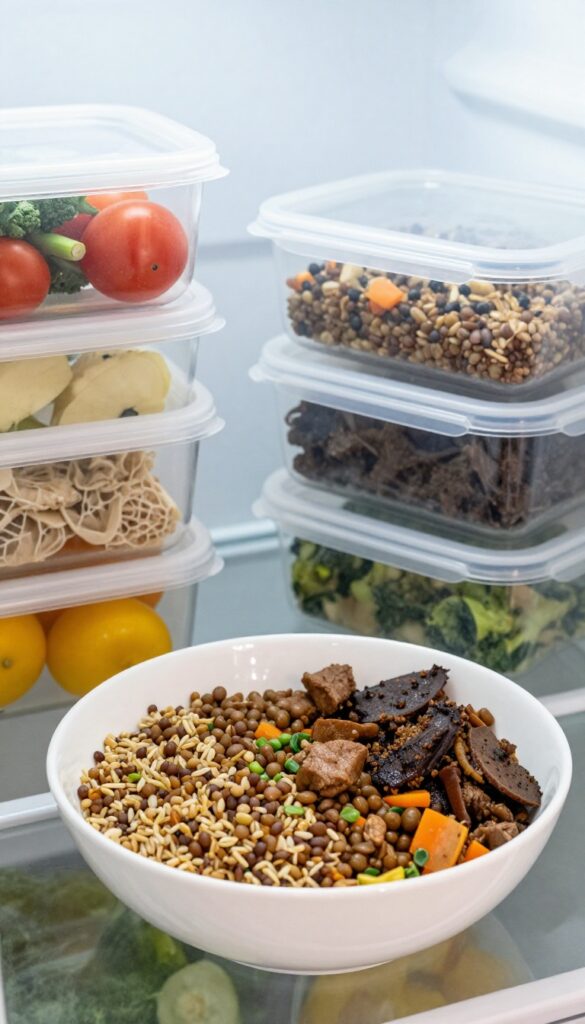
Prepping ingredients in advance is the secret to staying on track with your high-protein diet without spending hours in the kitchen every day. A little upfront work saves time, reduces decision fatigue, and makes it easy to grab a protein-packed meal or snack when hunger strikes.
Batch Cook Proteins
Cook large batches of your favorite protein sources to use throughout the week. This ensures you always have a lean, ready-to-eat protein on hand for salads, bowls, wraps, or quick dinners.
Batch cooking ideas
- Grill or bake several chicken breasts at once; slice and store in containers.
- Hard-boil a dozen eggs for snacks or salads.
- Cook a big pot of lentils, quinoa, or black beans for plant-based meals.
- Make a batch of turkey or beef patties for burgers or crumbles.
- Roast a tray of tofu or tempeh cubes with seasoning.
Storage tip
Portion cooked proteins into individual containers so you can grab one for a meal without thinking. Label them with the day or use clear containers so you can see what's ready.
Wash and Chop Vegetables
Having prepped veggies makes it effortless to add fiber and volume to your high-protein meals. Spend 20 minutes washing, chopping, and storing vegetables so they're ready to toss into salads, stir-fries, or as sides.
Prep-friendly vegetables
- Bell peppers, cucumbers, and cherry tomatoes for salads.
- Broccoli, cauliflower, and snap peas for quick steaming or roasting.
- Spinach, kale, or mixed greens – wash and dry thoroughly.
- Carrots and celery sticks for snacking with hummus or nut butter.
Storage tip
Use airtight containers or produce bags with a paper towel to absorb moisture and keep veggies crisp. Store chopped veggies in the fridge, and keep greens in a salad spinner or lined container.
Portion Snacks
Pre-portioning snacks prevents overeating and makes it easy to grab a protein-rich option when you're on the go. Small efforts here pay off in convenience.
Snack prep ideas
- Divide nuts, seeds, or trail mix into small bags or containers.
- Portion Greek yogurt or cottage cheese into single-serving cups.
- Make protein balls or energy bites and store in the fridge.
- Pre-slice cheese and pair with whole-grain crackers.
- Fill small containers with hummus or guacamole for veggie dipping.
Storage tip
Keep pre-portioned snacks in a designated drawer or shelf in your fridge or pantry so they're easy to spot. Use clear containers or labels so you know exactly what you have.
Sample High-Protein Day
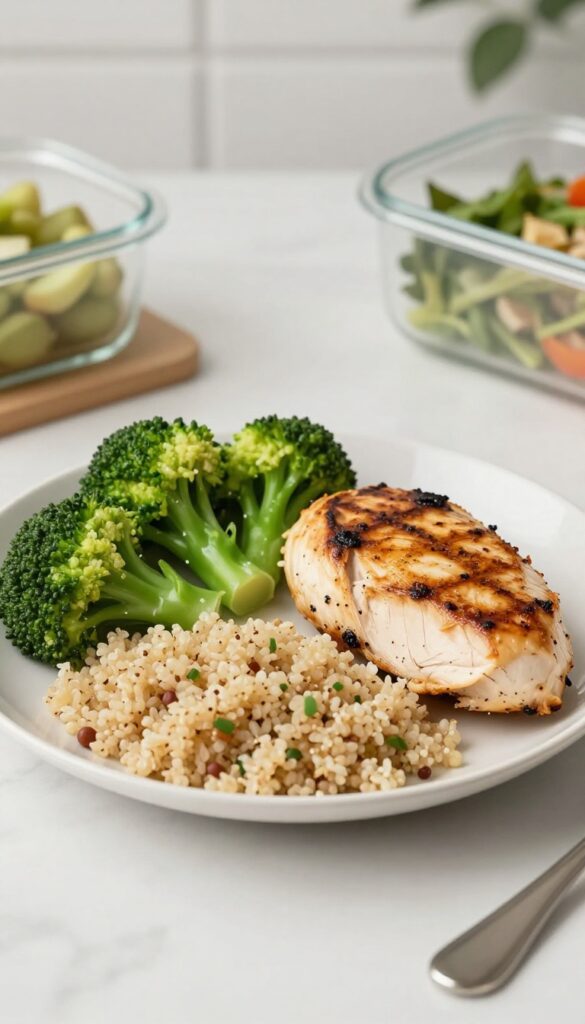
To show how a high-protein day looks in practice, here is a full day of meals with approximate protein grams. The meals are balanced, satisfying, and easy to prepare. Adjust portions based on your own protein target.
Breakfast
Scrambled Eggs with Spinach and Turkey Sausage (approx. 35g protein)
- 3 large eggs (18g protein) – 2 turkey sausage links (10g protein) – 1 cup fresh spinach (1g protein) – 1 slice whole-grain toast (4g protein) – Optional: 1 tablespoon nutritional yeast (2g protein)
Lunch
Grilled Chicken Salad with Quinoa and Chickpeas (approx. 45g protein)
- 5 oz grilled chicken breast (35g protein) – 1/2 cup cooked quinoa (4g protein) – 1/2 cup chickpeas (6g protein) – Mixed greens, cucumber, cherry tomatoes, bell peppers – Dressing: 2 tbsp Greek yogurt + lemon juice + herbs (2g protein)
Dinner
Baked Salmon with Roasted Broccoli and Sweet Potato (approx. 40g protein)
- 6 oz salmon fillet (36g protein) – 1 cup broccoli florets (3g protein) – 1 medium sweet potato (2g protein) – Drizzle of olive oil and spices
Snacks
Two high-protein snacks to fill any gaps (approx. 20g protein total)
- Greek yogurt parfait: 1 cup plain Greek yogurt (20g protein) topped with berries and a sprinkle of almonds – Or: 1 oz almonds (6g protein) + 1 hard-boiled egg (6g protein) + 1 string cheese (8g protein)
Total Protein for the Day
Approximately 140g protein. This sample day provides a solid baseline. Adjust portion sizes or swap ingredients to meet your specific protein goal while keeping meals enjoyable.
Adjust and Personalize Your Plan
No single meal plan works perfectly for everyone. Your energy levels, hunger cues, taste preferences, and schedule will shift over time. The key to long-term success is learning how to adapt your high-protein plan without guilt or rigidity.
Listen to Your Body
Pay attention to how you feel after meals and throughout the day. If you're consistently hungry, you may need to increase your protein portions or add more fiber and healthy fats. If you feel overly full or sluggish, try smaller, more frequent meals.
Your body gives honest feedback—use it to fine-tune your portions and timing.
Swap Proteins as Needed
Variety keeps your diet interesting and ensures you get a range of nutrients. If you're tired of chicken, swap in tofu, fish, lean beef, eggs, or legumes. If a recipe calls for an ingredient you don't have, substitute a similar protein source.
The goal is consistency, not perfection.
Key Flexibility Tips
- Replace Greek yogurt with cottage cheese or silken tofu.
- Swap ground turkey for lentils or canned salmon.
- Use protein powder in smoothies or oatmeal when whole foods aren't convenient.
- Don't stress if you miss a meal—just get back on track with the next one.
Remember, this plan is a tool, not a rulebook. Adjust portions based on your activity level, hunger, and preferences. The more you personalize it, the more sustainable it becomes.
FAQ
How much protein do I need per day?
A common recommendation is 1.2 to 2.0 grams of protein per kilogram of body weight. For a 150-pound (68 kg) person, that's about 82 to 136 grams daily. Start at the lower end and adjust based on your activity level and goals.
Can I get enough protein on a plant-based diet?
Absolutely. Plant-based proteins like lentils, chickpeas, tofu, tempeh, edamame, and seitan are excellent sources. Combining different plant proteins throughout the day ensures you get all essential amino acids.
What if I don't like cooking?
Focus on no-cook or minimal-prep options like Greek yogurt, cottage cheese, protein shakes, deli meat, canned tuna, and pre-cooked rotisserie chicken. You can still hit your protein goals without elaborate cooking.
How do I avoid getting bored with high-protein meals?
Rotate your protein sources and try different seasonings, marinades, and cooking methods. Experiment with international flavors—like Mexican, Asian, or Mediterranean—to keep meals exciting.
Conclusion
Planning a week of high-protein meals doesn't have to be complicated. By setting a clear protein goal, choosing a variety of sources, and prepping ahead, you can create a sustainable routine that supports your health and taste preferences. Remember, flexibility is key—adjust your plan as needed and listen to your body.
Start with one week, and see how it feels. You might find that a little planning goes a long way in making high-protein eating a natural part of your lifestyle.

Dr. Pallab Kishore, MS in Orthodontics and owner of Orthodontic Braces Care, shares expert tips on braces, aligners, and oral health from 10+ years of experience.