
Sundays often feel like a blur of chores and anxiety about the week ahead. But what if you could reclaim that day for a gentle reset?
These 15 self-care ideas are designed to be low-effort, budget-friendly, and genuinely restorative. No complicated routines or expensive products—just simple practices that help you slow down and recharge.
Pick one or two that feel doable, and let Sunday become your favorite day again.
1. Start with a Screen-Free Morning

The moment you wake up and grab your phone, you let the world's noise in. Notifications, emails, news—all of it can wait. A screen-free morning is a gentle way to ease into the day without external demands.
Keep your phone on airplane mode until noon. Use that time to read a book, stretch, or just sit with your coffee. This quiet start sets a calm tone for the entire day, helping you feel more centered and less rushed.
Why It Works
Without screens, your brain gets a break from constant stimulation. You naturally slow down, notice small pleasures, and avoid the morning stress spiral.
How To Make It Stick
Charge your phone in another room overnight. Replace scrolling with a simple ritual like journaling, light stretching, or sipping tea slowly.
What If You Need Your Phone?
Set a specific time to check messages—maybe after breakfast. Use grayscale mode to make the screen less appealing, and remove social media apps from your home screen.
2. Write a ‘Brain Dump’ Journal Entry
Your mind is probably buzzing with a million little thoughts—that email you forgot to reply to, the grocery list, a worry about tomorrow's meeting. Instead of letting them swirl around, give them a place to land. A brain dump is simply writing down everything that's on your mind, no filter needed.
It takes just 10 minutes and leaves you feeling lighter and more focused.
Why It Works
When thoughts stay in your head, they loop and grow bigger than they are. Putting them on paper externalizes them, so your brain can stop holding onto them. This reduces anxiety and frees up mental space for more important things—like actually relaxing.
How To Do It
Grab a notebook or a scrap of paper. Set a timer for 10 minutes. Write nonstop—don't worry about grammar, spelling, or making sense.
List worries, ideas, reminders, random thoughts. If you get stuck, write “I don't know what to write” until something comes. The goal is to empty your mind, not to create a masterpiece.
What To Do After
Once the timer goes off, take a deep breath. You can tear up the page, file it away, or pick out one or two action items to address later. The rest?
Let it go. You've already given those thoughts a home, so they don't need to live in your head anymore.
3. Take a Slow, Unplugged Walk

Walking without distractions is a rare gift. Leave your headphones and phone behind, and step outside with no agenda. The goal isn't steps or speed—it's noticing.
Feel the ground under your feet, the air on your skin. Look at the sky, the trees, the small details you usually miss. A 15-minute mindful walk can reset your mood instantly.
This simple practice helps you reconnect with your surroundings and yourself. Without digital input, your mind can wander freely, reducing stress and boosting creativity.
Why Unplugged?
Your brain gets constant stimulation from screens. Removing that for even 15 minutes lowers cortisol and gives your mind a break. You'll return feeling calmer and more centered.
How To Make It Mindful
Focus on your senses. Notice five things you see, four you hear, three you feel, two you smell, and one you taste. This quick grounding exercise keeps you present.
Where To Walk
Any quiet route works—a park, a quiet street, or even your backyard. The key is low traffic and minimal noise. If you can, choose a spot with trees or water.
4. Create a Cozy Drink Ritual
There's something magical about wrapping your hands around a warm mug and taking that first slow sip. A cozy drink ritual turns a simple beverage into a mindful moment. It's not about the drink itself—it's about giving yourself permission to pause.
Brew your favorite tea, coffee, or hot chocolate. Use your favorite mug, sit in a comfy spot, and sip slowly without distractions. This simple act feels like a hug in a cup.
Choose Your Comfort Drink
Pick something that feels soothing to you. Herbal tea like chamomile or peppermint, a creamy latte, or rich hot chocolate with a dash of cinnamon. The key is to choose a drink you genuinely look forward to.
Set The Scene
Find a cozy corner—your favorite armchair, a window seat, or a spot on the couch with soft blankets. Dim the lights, light a candle, or put on some calm background music. Make the environment as inviting as the drink itself.
Savor Without Screens
Leave your phone in another room. No scrolling, no TV, no multitasking. Just you and your drink.
Focus on the warmth, the aroma, the taste. Let your mind wander or simply rest. This is your time.
5. Do a 10-Minute Stretch Session
Your body holds onto stress like a sponge, especially after a long week. A quick stretch session can release that tension without requiring any special skills or equipment. Just 10 minutes is enough to loosen tight muscles, improve circulation, and signal to your nervous system that it's time to unwind.
No yoga experience needed. Just stretch your neck, shoulders, back, and legs. It relieves tension from the week and preps your body for restful sleep.
You can do this right in your living room, in your pajamas, with no mat required. Just move gently and breathe deeply.
Start with some neck rolls and shoulder shrugs to release upper body tightness. Then move into a seated forward fold to stretch your lower back and hamstrings. Follow with a gentle spinal twist on each side.
Finish with a standing forward fold and a few deep breaths. That's it—simple, effective, and calming.
Why Stretching Works For Self-care
Stretching lowers cortisol levels and activates the parasympathetic nervous system, which helps you relax. It also improves flexibility and reduces muscle stiffness from sitting or standing all week.
Easy Stretches To Try
Try neck tilts, shoulder rolls, cat-cow, seated forward fold, and a lying spinal twist. Hold each stretch for 20-30 seconds and breathe slowly.
When To Do It
Right before bed is ideal, but anytime on Sunday works. Pair it with calming music or a quiet room for extra relaxation.
6. Declutter One Small Area
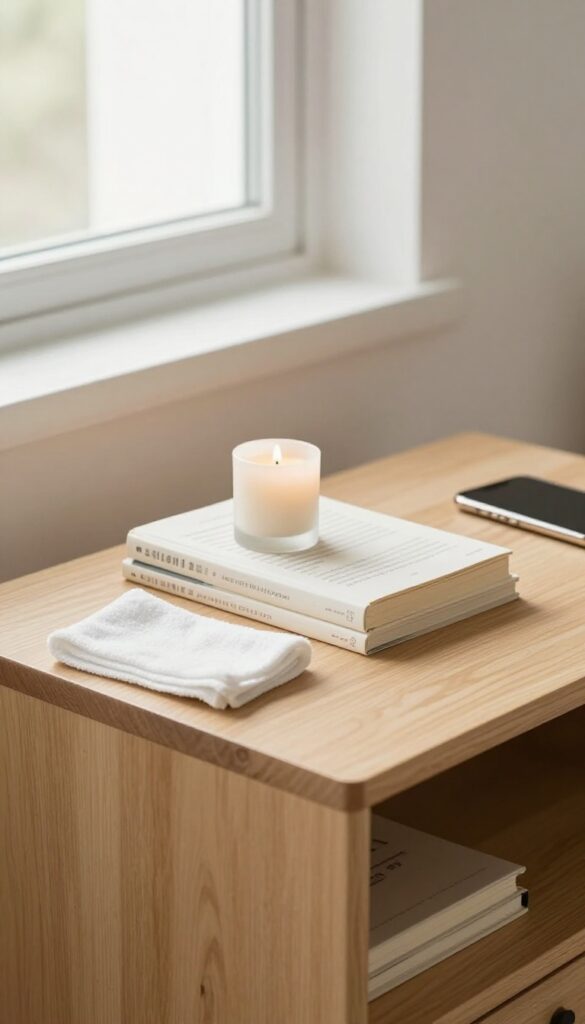
Clutter has a sneaky way of weighing on your mind. You might not even notice it until you clear a surface and feel a little lighter. That's why this self-care idea is so effective: it's quick, tangible, and gives you an instant sense of accomplishment.
You don't need to tackle the whole house. Just pick one small spot—a junk drawer, a bathroom shelf, or your nightstand. Set a timer for 15 minutes and see how much you can sort, toss, or organize.
The goal isn't perfection; it's progress.
A tidy space often leads to a clearer mind. When your environment is organized, you spend less mental energy on visual noise. Plus, starting the week with one small win can boost your mood and motivation.
Keep it simple: grab a trash bag, a donation box, and a "maybe" pile. Then commit to finishing before the timer goes off.
Pick Your Spot
Choose an area that bothers you just a little—not the whole garage. Think drawer, countertop, or a single shelf. The smaller the area, the easier it is to finish in 15 minutes.
This keeps the task from feeling overwhelming.
Sort And Decide Fast
Work quickly. Ask yourself: Do I use this? Do I love it?
If the answer is no, toss it or set it aside to donate. Don't overthink. The goal is to reduce visual clutter, not to create a perfect filing system.
Wipe It Down
Before you put things back, give the surface a quick wipe. A clean space feels even more refreshing. Then return only the items you truly need or love.
Arrange them neatly so it's easy to maintain.
7. Enjoy a Long, Mindful Shower or Bath
Water has a way of washing away more than just dirt. When you turn your shower or bath into a mindful ritual, it becomes a full sensory reset. The key is to slow down and pay attention to each sensation—the warmth, the scent, the sound.
Light a candle, use a nice soap, and focus on the sensation of the water. No rushing. Let this be a sensory reset that washes away the week's stress.
Set The Scene
Dim the lights, light a candle with a calming scent like lavender or eucalyptus, and put on some soft music or nature sounds. Keep your phone out of reach. This signals to your brain that it's time to unwind.
Engage Your Senses
Notice the temperature of the water as it hits your skin. Breathe in the steam and the fragrance. Feel the texture of the soap or bath salts.
Let your mind stay with these sensations instead of wandering to your to-do list.
Finish With Gratitude
Before you step out, take a moment to thank yourself for taking this time. Pat dry slowly, apply lotion mindfully, and carry that calm into the rest of your evening.
8. Cook or Bake Something Simple

Cooking can feel like a chore on busy weeknights, but on Sunday it becomes something else entirely. The gentle rhythm of chopping, stirring, and measuring can quiet a busy mind. Plus, you end up with something delicious to enjoy.
Pick a recipe that feels doable, not ambitious. A simple pasta, a tray of roasted vegetables, or a batch of cookies. The goal isn't culinary perfection—it's the process.
Let the smells fill your kitchen and give yourself permission to take your time.
Choose A Comfort Recipe
Think about a dish that makes you feel warm inside. Maybe it's mac and cheese, banana bread, or a hearty soup. Stick to recipes with familiar steps so you can relax into the rhythm without stress.
Engage Your Senses
Notice the color of fresh herbs, the sound of sizzling butter, the texture of dough between your fingers. Cooking mindfully turns a routine task into a calming ritual.
Enjoy The Fruits Of Your Labor
Set a nice place for yourself—even if it's just a single plate. Light a candle or play soft music. Savor each bite without rushing.
This is your reward for slowing down.
9. Listen to a Soothing Podcast or Audiobook
Let someone else's voice do the heavy lifting while you simply lie back and listen. A good podcast or audiobook can transport you to another world, distract your busy mind, and fill your space with calm energy. This is self-care that asks nothing of you except to press play.
Choose something light and uplifting—a comedy, a storytelling show, or a self-help book. Let someone else's voice fill your space while you relax.
Pick The Right Genre
Not all audio content is relaxing. Stick with genres that soothe rather than stimulate: gentle storytelling, comedy, personal development, or nature sounds. Avoid true crime or high-drama fiction on a Sunday.
Create A Listening Ritual
Set the mood by dimming the lights, making a cup of tea, or lying down in a cozy spot. Use headphones for a more immersive experience. Let the audio wash over you without multitasking.
Try Something New
Sunday is a great day to sample a podcast you've been curious about or start an audiobook you've been meaning to get to. Many apps offer free trials or library loans. You might discover a new favorite.
10. Practice Gratitude with Three Specifics

Gratitude isn't just a feel-good buzzword—it's a powerful tool for shifting your mindset. On Sundays, when the week ahead can feel heavy, taking a moment to appreciate the small stuff can make a big difference. The trick is to get specific.
Instead of a generic "I'm grateful for my health, " zoom in on one detail, like the way your morning coffee tasted or the warmth of the sun through the window. This forces your brain to relive the positive moment, amplifying its effect.
Grab a notebook or even a scrap of paper and write down three things you're grateful for, each with a specific detail. It doesn't have to be profound—a good parking spot or a funny text from a friend counts. The goal is to train your brain to notice the good stuff.
Over time, this simple practice can rewire your default setting from stress to appreciation.
Why Specifics Matter
General gratitude is nice, but specifics create a stronger emotional impact. When you recall the exact sound of your child's laughter or the perfect bite of a ripe peach, your brain releases more dopamine and serotonin. That's the chemistry of happiness, and you can tap into it anytime.
Make It A Sunday Ritual
Tie this practice to a cozy part of your Sunday routine—maybe with your morning coffee or right before bed. Consistency builds the habit. You'll start looking for good moments throughout the week, knowing you'll write them down later.
Keep It Simple And Honest
Don't overthink it. If you're having a rough day, it's okay to write "I'm grateful I made it through today. " The point is to be real.
Even on hard Sundays, there's usually one small thing worth noting.
11. Do a Digital Declutter
Your phone and laptop can become cluttered just like your home, and that digital mess can quietly drain your energy. A quick digital declutter on Sunday clears away the noise and leaves you feeling more organized and less overwhelmed. Spend just 10 minutes unsubscribing from spam emails, deleting unused apps, or organizing your photo album—it’s amazing how much lighter your mind feels when your screen is tidy.
Start by unsubscribing from at least five promotional emails that you never read. Then move on to your apps: delete any you haven’t used in the past month. Finally, tackle your photo library by deleting blurry shots and duplicates.
This small effort creates a calmer digital space that makes your phone feel like a tool, not a source of stress.
Unsubscribe With Purpose
Open your email and search for “unsubscribe. ” Quickly scan the list and click unsubscribe on any newsletters or alerts that no longer serve you. Aim for five to ten in one go. This reduces inbox clutter and future distractions.
App Audit
Scroll through your home screen and app library. Delete any app you haven’t opened in 30 days. You can always reinstall later if needed.
Fewer apps mean fewer notifications and a cleaner, faster phone.
Photo Album Cleanse
Go to your camera roll and delete screenshots, blurry photos, and duplicates. Use your phone’s built-in cleanup tool if available. Organize the keepers into albums for easy access later.
12. Set Intentions for the Week Ahead
Sundays are perfect for pausing and deciding how you want the next seven days to feel. Instead of diving into a long to-do list, try setting a couple of gentle intentions. This small ritual can shift your mindset from reactive to purposeful.
Choose Your Intentions
Pick one or two words or short phrases that reflect how you want to show up. Examples: 'be patient, ' 'stay curious, ' or 'take lunch breaks. ' Keep them positive and actionable. The goal isn't to accomplish everything but to guide your actions with clarity.
Make Them Visible
Write your intentions on a sticky note and place it on your bathroom mirror, laptop, or phone lock screen. A simple visual reminder can gently steer you back on track when stress or distractions arise.
Review And Reset
Take five minutes each evening to reflect on how you honored your intentions. No judgment—just notice. If something didn't work, adjust for tomorrow.
This keeps your intentions alive and adaptable.
13. Engage in a Creative Hobby

When was the last time you made something just for fun? Creativity isn't about being good at art—it's about letting your mind wander and play. Doodling, knitting, writing a short poem, or strumming a few chords on a guitar can quiet the noise in your head.
The best part? There's no goal, no deadline, no one judging the outcome.
Creative hobbies are a powerful form of stress relief because they shift your focus away from worries and into the present moment. The act of making something—even a messy sketch or a simple melody—engages your brain in a soothing, meditative way. It's a break from screens, to-do lists, and the pressure to be productive.
Just pick something that feels light and fun, and give yourself permission to create without expectations.
Why Creativity Calms
When you're immersed in a creative task, your brain enters a flow state—a kind of focused relaxation that reduces cortisol and boosts dopamine. It's like a mini vacation for your mind. You don't need talent; the process itself is the therapy.
Low-pressure Ideas To Try
Not sure where to start? Grab a coloring book and some markers, try a simple knitting pattern, or write a haiku about your morning coffee. Play a familiar song on an instrument or doodle abstract shapes.
The key is to choose something that feels like play, not work.
Set The Scene For Inspiration
Create a cozy corner with your supplies ready to go—maybe a comfy chair, good lighting, and a cup of tea. No need to overthink it. Just having the materials within reach makes it easier to dive in when the mood strikes.
14. Have a No-Plan Afternoon
Sometimes the most productive thing you can do is nothing at all. A no-plan afternoon is about giving yourself permission to ditch the to-do list and just be. No goals, no schedule, no pressure—just a few hours of unstructured time to let your mind and body reset.
Sundays are the perfect day to practice this. After a busy week, your brain needs a break from constant decision-making. A no-plan afternoon isn't lazy—it's a form of active rest that helps you recharge more deeply than any planned activity.
How To Start
Pick a block of time—maybe two to four hours—and commit to doing whatever feels right in the moment. No pre-planned activities. If you feel like napping, nap.
If you want to stare out the window, do that. The key is to follow your impulse without guilt.
What To Expect
At first, you might feel restless or guilty. That's normal. But as you settle into the stillness, you'll notice a sense of calm spreading.
Your mind will wander, and you might even get a burst of creativity or clarity. Trust the process.
Tips For Success
Turn off notifications, put your phone in another room, and let your family know you're taking some quiet time. Create a cozy spot with pillows and a blanket. And remember: rest isn't a reward for being productive—it's a necessity.
15. End with an Early, Gentle Nighttime Routine

The way you end your Sunday sets the tone for Monday morning. Instead of staying up late scrolling or stressing, try winding down an hour earlier than usual. This simple shift can make a huge difference in how rested you feel.
Dim the lights, put on your coziest pajamas, and choose a calming activity like reading or listening to soft music. Avoid screens as much as possible—blue light can interfere with your sleep quality. A good night's sleep is the ultimate reset, and giving yourself that extra hour can help you wake up feeling refreshed and ready for the week.
Set The Mood
Create a relaxing environment by dimming the lights, lighting a candle, or using essential oils like lavender. Lowering the temperature in your bedroom by a degree or two can also promote deeper sleep.
Choose Your Wind-down Activity
Pick something that genuinely calms you—reading a few chapters of a novel, listening to a sleep podcast, or doing a gentle yoga stretch. The key is to keep it low-stimulation and screen-free.
Stick To A Consistent Time
Going to bed an hour earlier might feel strange at first, but consistency helps regulate your internal clock. Try to make this a Sunday ritual, and soon your body will naturally start winding down at that time.
FAQ
What if I only have 15 minutes on Sunday?
Pick one quick idea like the 10-minute stretch, brain dump journaling, or a mindful cup of tea. Even a small pause makes a difference.
Do I need to buy anything for these self-care ideas?
Not at all. Most ideas use things you already have at home—a notebook, your favorite mug, or just your own two feet for a walk.
Can I do more than one idea in a single Sunday?
Absolutely. Mix and match based on your time and energy. A screen-free morning followed by a walk and a cozy drink ritual is a lovely combo.
What if I feel guilty taking time for myself?
Remember that self-care isn't selfish—it's maintenance. You'll show up better for others when you're recharged. Start small and notice how it helps.
How do I make self-care Sunday a habit?
Start with just one idea that feels easy and enjoyable. Do it the same time each week. Over time, it becomes a natural part of your Sunday rhythm.
Conclusion
Self-care Sunday doesn't have to be elaborate or expensive. The best reset often comes from the simplest moments—a quiet cup of tea, a short walk, or a few minutes of stretching. Pick one idea from this list and give it a try this week.
Notice how you feel afterward. Over time, these small rituals build a foundation of calm that carries you through the busy days ahead. You deserve that reset.