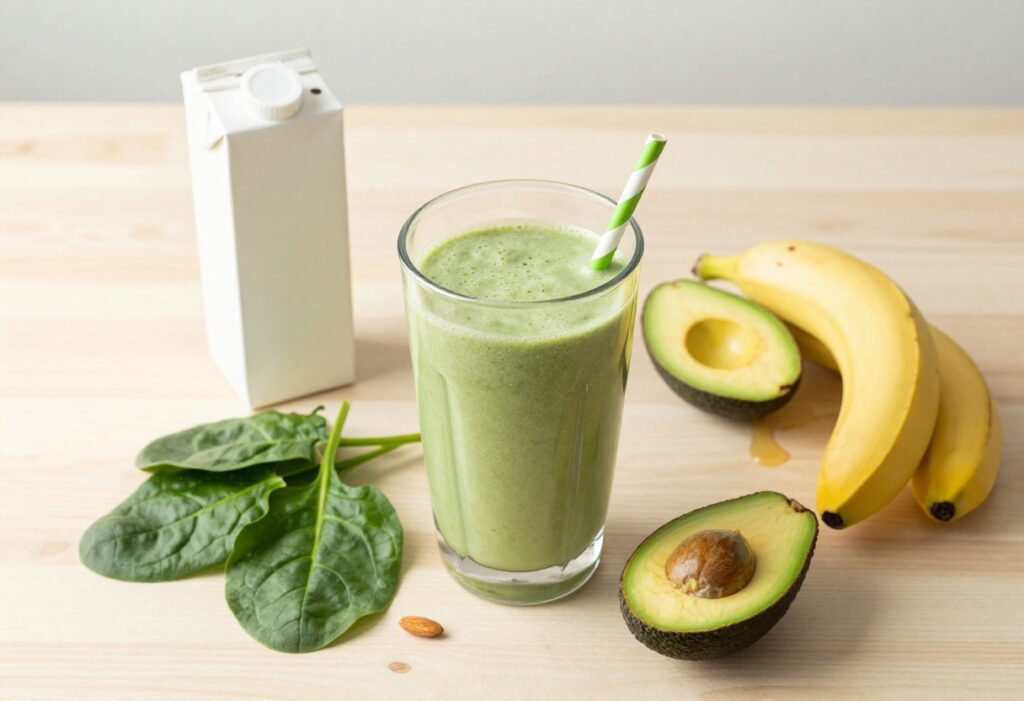
Anemia affects millions of people worldwide, often leaving them feeling tired, weak, and short of breath. While medical treatment is essential, the foods you prepare at home can play a powerful supporting role in managing your iron levels.
The good news is that small changes in how you cook and combine ingredients can make a big difference in how much iron your body actually absorbs. This article covers practical home cooking tips specifically for an anemic diet, along with common mistakes that can undermine your efforts.
Whether you're newly diagnosed or looking to optimize your meals, these strategies will help you get the most out of every bite. Remember, dietary changes are not a substitute for professional medical advice.
Tip: Pair Iron-Rich Foods with Vitamin C
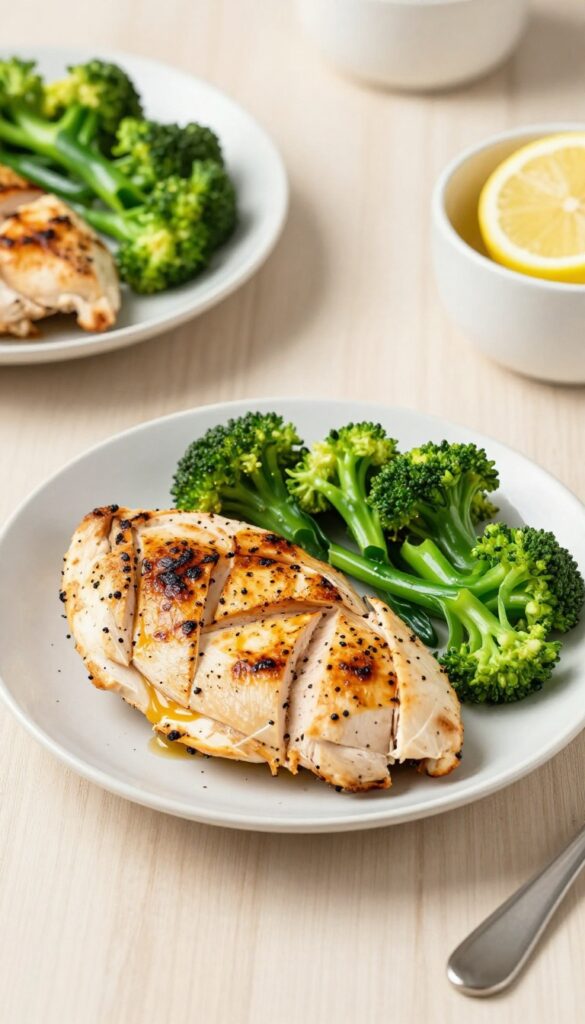
One of the simplest and most effective ways to boost your iron intake is to pair iron-rich foods with a source of vitamin C. This combination can significantly increase the amount of iron your body absorbs from a meal.
Why This Works
Iron from plant-based sources (non-heme iron) is not as easily absorbed as iron from animal sources. Vitamin C, also known as ascorbic acid, helps convert non-heme iron into a form that is more readily absorbed by the body. In fact, adding just 25 to 100 milligrams of vitamin C to a meal can increase iron absorption by up to four times.
This is especially helpful for those following a vegetarian or vegan diet, but it benefits everyone managing anemia.
Easy Ways to Add Vitamin C
You don't need complicated recipes to combine iron and vitamin C. Simple additions can make a big difference.
Mistake: Drinking Tea or Coffee with Meals
It's common to reach for a cup of tea or coffee with your meal, but if you have anemia, this habit could be undermining your iron intake. The tannins in these beverages bind to non-heme iron (the type found in plant foods and supplements), making it harder for your body to absorb.
How Tannins Block Iron
Tannins are natural compounds in tea and coffee that give them their characteristic bitterness. When consumed with iron-rich foods, they form insoluble complexes with non-heme iron, preventing its absorption in the digestive tract. Studies show that drinking tea or coffee with a meal can reduce iron absorption by up to 60-80%.
This effect is especially significant for people with iron-deficiency anemia, who need to maximize every bit of iron they consume.
Better Timing for Your Beverages
You don't have to give up tea or coffee entirely—just enjoy them at the right time. Here are some practical tips:
- Wait at least one hour after a meal before drinking tea or coffee.
- If you prefer a hot drink with breakfast, choose herbal teas like peppermint, ginger, or rooibos, which are naturally tannin-free.
- Water, milk alternatives (like oat or almond milk), or fruit juices (especially vitamin C-rich options) are good choices during meals.
- If you take iron supplements, avoid taking them with tea or coffee—pair them with a glass of orange juice instead.
Tip: Cook in Cast Iron Cookware
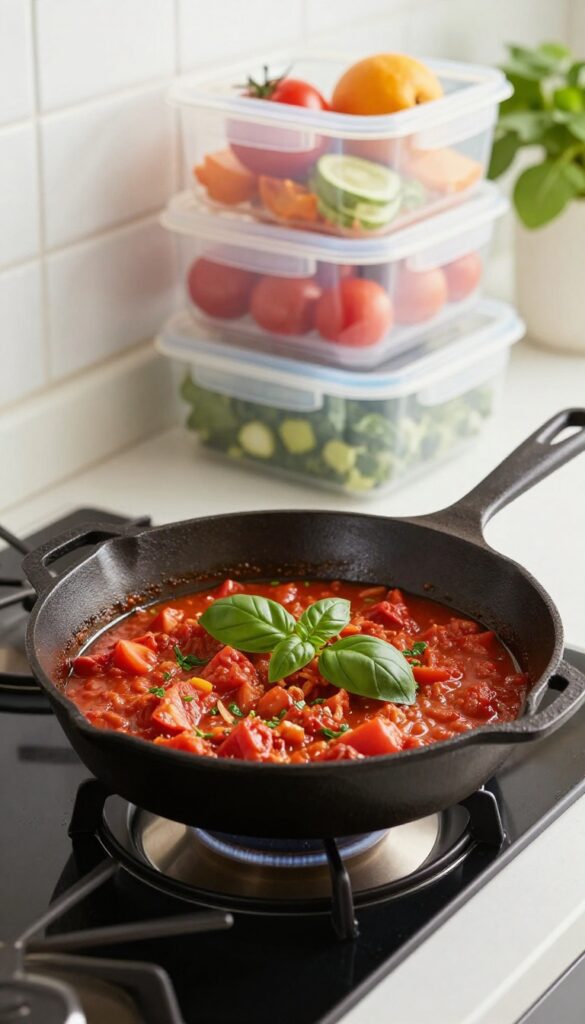
One of the simplest ways to add extra iron to your meals is by cooking with cast iron cookware. As you cook, small amounts of iron leach from the pan into your food, especially when you prepare acidic dishes like tomato sauce or chili. This can be a helpful boost for anyone looking to increase their iron intake through everyday cooking.
How Cast Iron Adds Iron to Food
When you cook in a cast iron skillet or Dutch oven, tiny particles of iron transfer into the food. The amount of iron absorbed depends on several factors: the acidity of the food, cooking time, and how well-seasoned the pan is. Acidic foods like tomatoes, vinegar-based sauces, or citrus-heavy dishes pull more iron from the pan.
Longer cooking times also increase iron transfer. A single serving of spaghetti sauce cooked in cast iron can contain several milligrams of iron—more than what you'd get from many iron-fortified foods. While this alone won't correct severe anemia, it's an easy, no-cost way to add a little extra iron to your diet.
Best Dishes for Cast Iron Cooking
To maximize the iron boost, focus on recipes that are acidic and cooked for longer periods. Here are some excellent options:
Care and Maintenance
Cast iron cookware is durable, but it does require some care. Avoid cooking highly acidic foods for too long in a new, less-seasoned pan, as it can give food a metallic taste. Always dry the pan thoroughly after washing to prevent rust.
With proper seasoning, your cast iron will become naturally non-stick and continue to add iron to your meals for years.
Mistake: Overcooking Vegetables
It's easy to assume that cooking vegetables longer makes them softer and easier to digest, but when you're managing anemia, overcooking can actually work against you. Prolonged heat doesn't just change texture—it depletes key nutrients, including iron, folate, and vitamin C, which are vital for red blood cell production.
Nutrient Loss from Prolonged Heat
Many water-soluble vitamins and minerals are sensitive to heat. Boiling vegetables for extended periods can cause iron and folate to leach into the cooking water, which is often discarded. Vitamin C, which helps your body absorb non-heme iron from plants, is also easily destroyed by high temperatures.
This means that even if you start with iron-rich vegetables like spinach or kale, overcooking can significantly reduce their nutritional benefit.
Quick Cooking Methods to Preserve Iron
- Steaming: Cook vegetables for 3–5 minutes until just tender-crisp. This retains more iron and folate than boiling.
- Stir-frying: Use high heat for a short time, often under 5 minutes. The quick cooking preserves vitamin C and keeps vegetables vibrant.
- Blanching: Briefly plunge vegetables into boiling water for 1–2 minutes, then transfer to ice water. This locks in color and nutrients.
- Roasting: Roast at high heat (400°F/200°C) for 10–15 minutes. Dry heat minimizes nutrient loss compared to boiling.
Tip: Include Heme Iron Sources in Your Meals
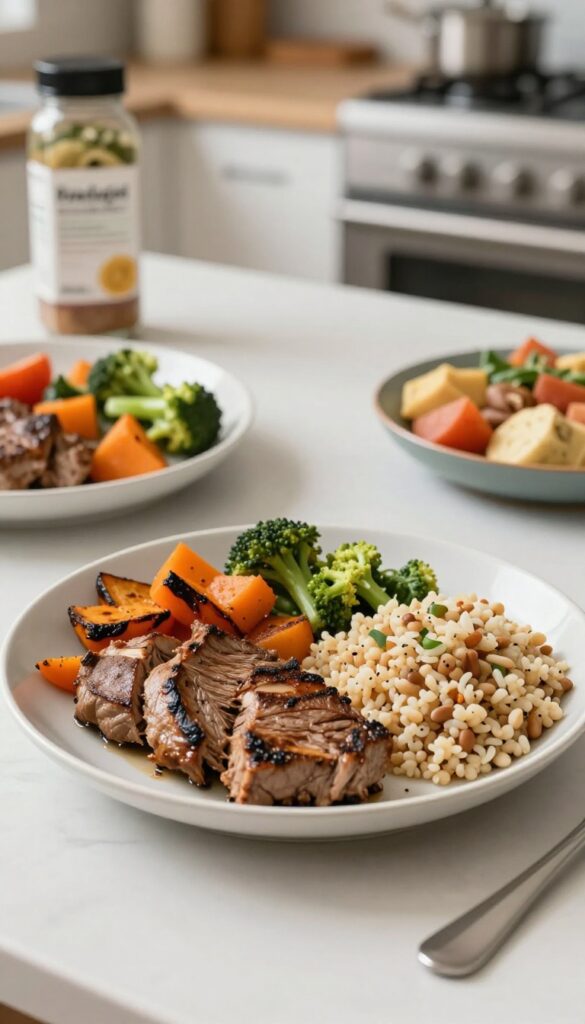
When you're managing anemia, not all iron is created equal. Heme iron, found in animal-based foods, is absorbed much more efficiently by your body than the non-heme iron from plants. Adding a moderate amount of heme iron to your meals can significantly boost your iron levels without requiring huge portions.
Why Heme Iron Is More Absorbable
Heme iron comes from hemoglobin and myoglobin in animal tissues. Your body can absorb about 25% of heme iron, compared to only 5-12% of non-heme iron. This means a small serving of lean meat, poultry, or fish can provide a substantial iron boost.
Plus, heme iron helps your body absorb non-heme iron from other foods eaten at the same meal.
Easy Heme Iron Recipes
- Stir-fry with chicken breast, broccoli, and bell peppers – the vitamin C in peppers enhances absorption.
- Grilled salmon with a side of steamed spinach and lemon.
- Lean beef stir-fry with carrots, snap peas, and a splash of soy sauce.
- Turkey meatballs in tomato sauce – the lycopene in tomatoes also supports iron uptake.
Mistake: Relying Only on Spinach for Iron
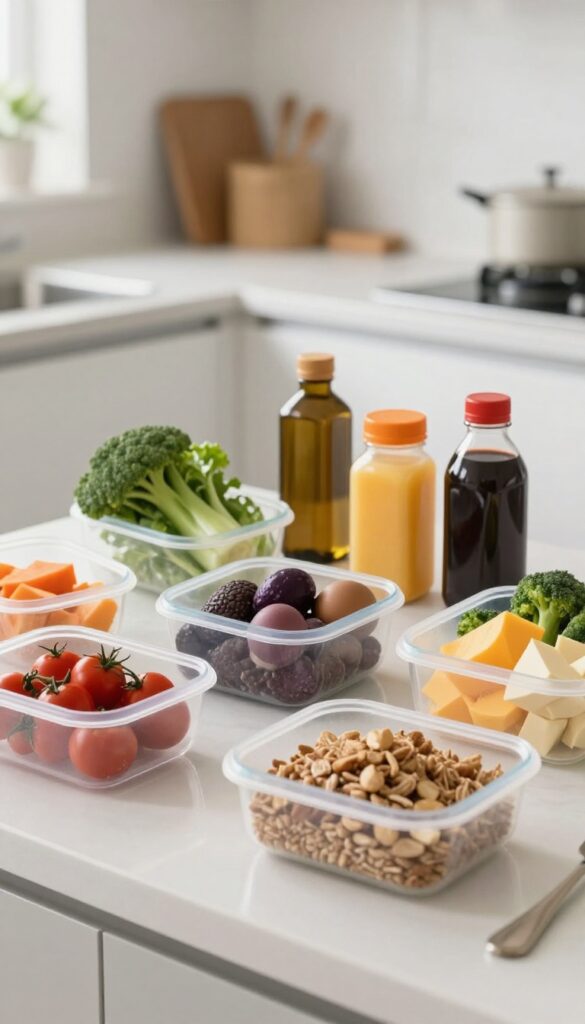
Spinach is often celebrated as a top plant-based iron source, but relying on it alone can be counterproductive for anemia. The problem lies in its high oxalate content, which binds to iron and inhibits absorption. This section explains why spinach isn't the best choice and offers better alternatives.
The Oxalate Problem
Spinach contains oxalates—natural compounds that bind to minerals like iron and calcium, making them less available for absorption. While spinach does provide iron, your body may only absorb about 2% of it due to oxalates. This is especially problematic for plant-based (non-heme) iron, which is already less absorbable than heme iron from animal sources.
Cooking spinach reduces oxalates somewhat, but not enough to make it a reliable iron source for anemia.
Better Plant-Based Iron Sources
To maximize iron intake, choose plant foods that are naturally low in oxalates and high in iron. Here are some excellent options:
- Kale and Swiss chard: These leafy greens offer iron with far fewer oxalates than spinach. A cup of cooked kale provides about 1 mg of iron.
- Legumes: Lentils, chickpeas, and beans are iron powerhouses. One cup of cooked lentils delivers 6.6 mg of iron.
- Seeds: Pumpkin seeds, hemp seeds, and sesame seeds are concentrated sources. A tablespoon of pumpkin seeds has about 1 mg of iron.
- Fortified grains: Many breakfast cereals and oatmeal are fortified with iron—check labels for at least 50% daily value per serving.
Tip: Use Soaking and Fermenting for Grains and Legumes
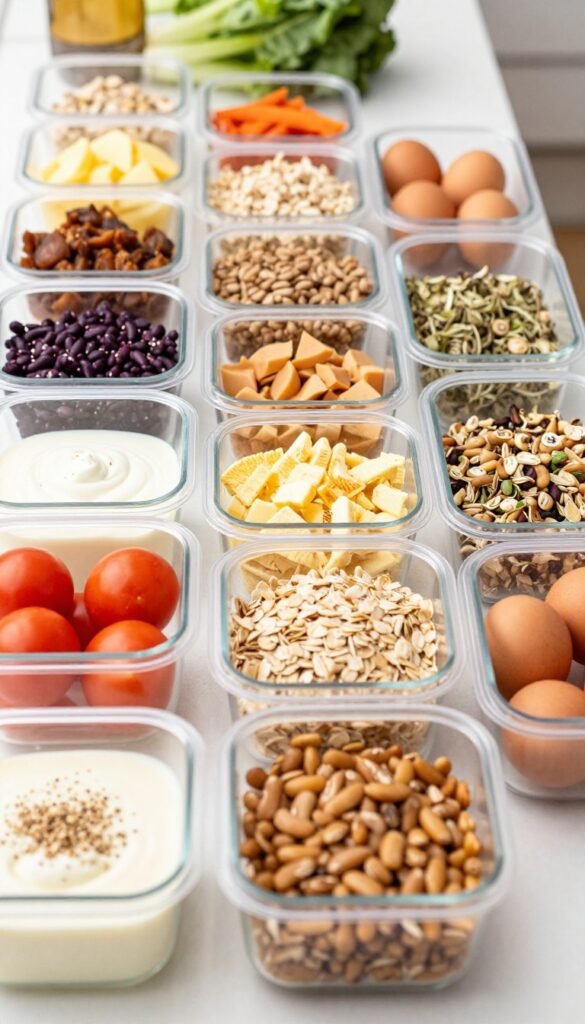
Whole grains and legumes are nutritious staples, but they contain phytates—compounds that bind to iron and reduce its absorption. Soaking, sprouting, or fermenting these foods can lower phytate levels significantly, making the iron they contain more available to your body.
Reducing Phytates for Better Absorption
Phytates, or phytic acid, are natural substances found in the outer layers of grains, seeds, nuts, and legumes. They act as antinutrients by binding to minerals like iron, zinc, and calcium, preventing their absorption in the digestive tract. For people with anemia, this can be a hidden barrier to getting enough iron from plant sources.
Fortunately, traditional preparation methods like soaking, sprouting, and fermenting break down phytates through enzymatic activity, releasing the bound minerals. For example, soaking beans overnight and discarding the water can reduce phytate content by up to 60%. Fermenting grains for sourdough bread or making tempeh from legumes can nearly eliminate phytates, transforming these foods into iron-friendly choices.
Simple Preparation Methods
Mistake: Ignoring Calcium-Rich Foods at the Wrong Time
Calcium is essential for bone health, but when you have anemia, it can work against your iron absorption. Many people unknowingly sabotage their iron intake by consuming calcium-rich foods or supplements at the same time as iron-rich meals. Understanding how calcium interferes with iron and adjusting your timing can make a big difference.
How Calcium Interferes with Iron
Calcium can inhibit the absorption of both heme iron (from animal sources) and non-heme iron (from plant sources). Studies suggest that as little as 300–600 mg of calcium—the amount in a glass of milk or a serving of yogurt—can reduce iron absorption by up to 50–60%. The exact mechanism isn't fully understood, but it's believed that calcium competes with iron for transport in the intestinal cells.
This effect is dose-dependent, meaning higher calcium intake leads to greater interference.
Timing Your Dairy and Supplements
The good news is that you don't have to avoid calcium entirely. Instead, separate your calcium-rich foods and supplements from your iron-rich meals by a few hours. Here are some practical tips:
FAQ
Can I get enough iron from a vegetarian diet?
Yes, but it requires careful planning. Plant-based iron (non-heme) is less absorbable, so pair it with vitamin C-rich foods and use preparation methods like soaking and fermenting to reduce inhibitors. Include lentils, chickpeas, tofu, spinach, and fortified cereals, and consider speaking with a dietitian.
Is it safe to take iron supplements with food?
Iron supplements are best taken on an empty stomach for maximum absorption, but they can cause stomach upset. If needed, take them with a small amount of food, but avoid calcium-rich foods, tea, or coffee. Always follow your doctor's dosage instructions.
How long does it take to improve iron levels through diet?
It varies depending on the severity of anemia and dietary consistency. Some people see improvements in a few weeks, while others may take months. Regular blood tests are the best way to track progress.
Dietary changes work best alongside any prescribed treatments.
Conclusion
Improving your iron intake through home cooking doesn't require a complete kitchen overhaul. By focusing on smart pairings, choosing the right cookware, and avoiding common pitfalls like drinking tea with meals, you can significantly boost your body's iron absorption. Start with one or two tips that feel manageable and build from there.
Remember that everyone's body responds differently, so be patient with yourself. If you have concerns about your iron levels or anemia, consult a healthcare professional for personalized guidance.

Dr. Pallab Kishore, MS in Orthodontics and owner of Orthodontic Braces Care, shares expert tips on braces, aligners, and oral health from 10+ years of experience.