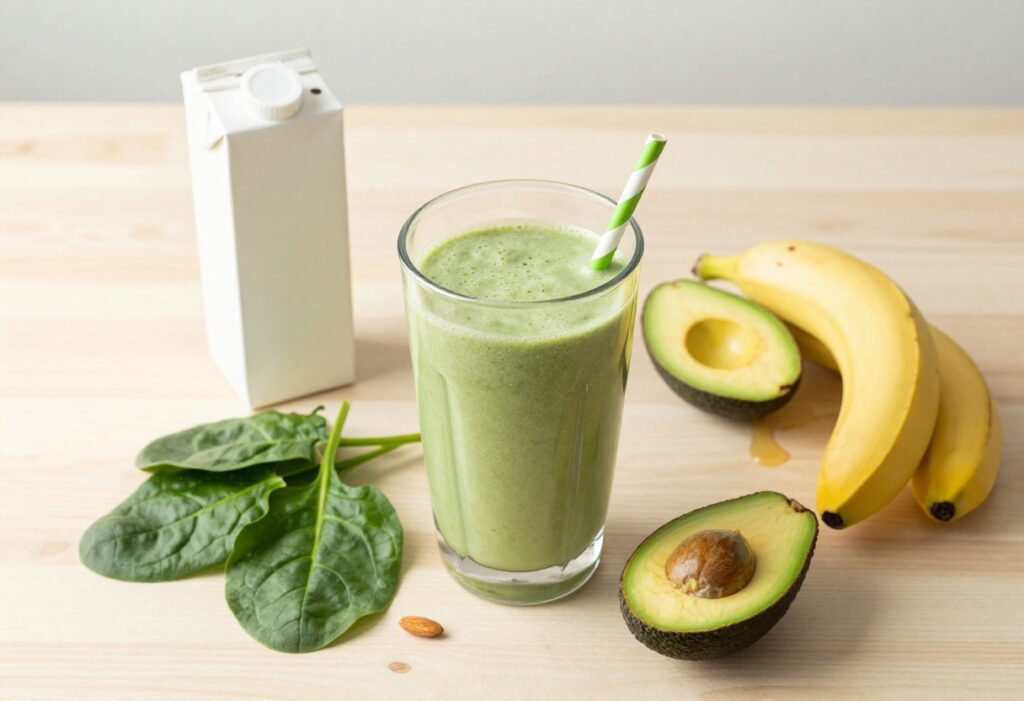
Craving your favorite comfort foods while trying to stick to a diet can feel like an impossible dilemma. The good news is that you don't have to choose between satisfaction and your health goals.
Diet-friendly comfort food is all about making smart swaps and focusing on nutrient-dense ingredients that still deliver that cozy, indulgent feeling. In this guide, we'll explore a variety of comfort food ideas across breakfast, lunch, dinner, snacks, and desserts—all designed to fit into a balanced diet.
Each idea is packed with flavor and nutrition, so you can enjoy the foods you love without the guilt.
What Makes a Comfort Food Diet-Friendly?
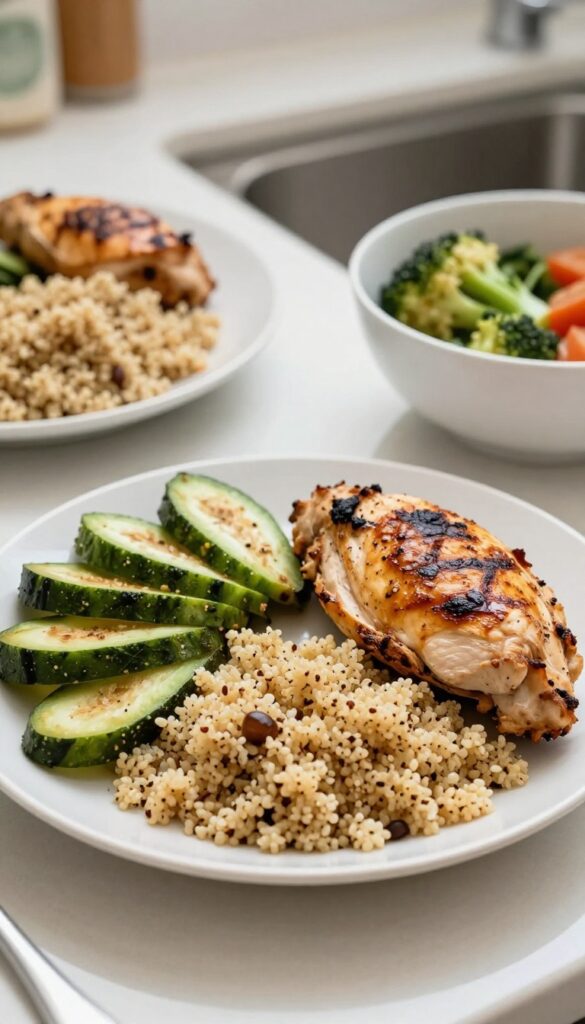
Diet-friendly comfort food isn't about deprivation—it's about reimagining the dishes you love with smarter ingredients and mindful portions. The goal is to keep the satisfaction while boosting nutrition, so you feel good after eating, not guilty.
At its core, diet-friendly comfort food focuses on whole, minimally processed ingredients. Instead of heavy creams and refined flours, you might use Greek yogurt, whole grains, or vegetable purées to create the same creamy, hearty textures. The key is to retain the emotional comfort—warmth, richness, familiarity—while aligning with your health goals.
Key Principles
- Focus on whole foods: Base meals on vegetables, lean proteins, whole grains, and healthy fats.
- Control portions without deprivation: Enjoy your favorite dishes in sensible servings, and bulk them up with low-calorie veggies.
- Use healthier cooking methods: Roast, steam, or air-fry instead of deep-frying; use herbs and spices for flavor instead of excessive salt or butter.
- Incorporate veggies and lean proteins: Add spinach to mac and cheese, use ground turkey in chili, or swap half the pasta for zucchini noodles.
Balance is essential. A truly diet-friendly comfort food satisfies both your cravings and your nutritional needs. It should leave you feeling nourished and content, not deprived or overly full.
By making small, smart swaps, you can transform classic dishes into meals that support your wellness journey without sacrificing taste.
Hearty Breakfast Comforts
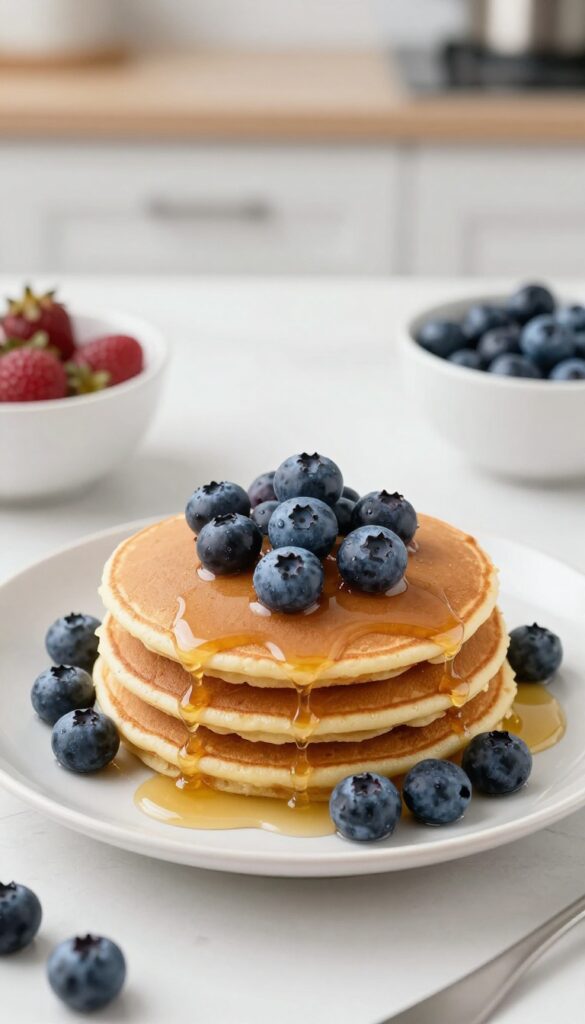
Breakfast is often the meal we crave most when looking for comfort, but many traditional options are loaded with refined carbs and sugar. The good news is you can still enjoy warm, satisfying morning meals that keep you full and energized without derailing your diet. Here are two diet-friendly breakfast ideas that deliver on taste and nutrition.
Protein-Packed Pancakes
Fluffy pancakes are a breakfast classic, but the standard version can spike your blood sugar and leave you hungry an hour later. By swapping a few ingredients, you can create a stack that’s rich in protein and fiber. Use whole grain or oat flour instead of white flour, and add a scoop of unflavored or vanilla protein powder.
For extra moisture and protein, mix in a dollop of Greek yogurt. Top with fresh berries or sliced banana instead of syrup, and you’ll have a satisfying breakfast that tastes indulgent but keeps your diet on track.
Savory Egg Muffin Cups
When you’re in the mood for something warm and savory, egg muffin cups are a perfect grab-and-go option. Whisk eggs with a splash of milk, then pour into a greased muffin tin. Load them with chopped vegetables like bell peppers, spinach, onions, and mushrooms.
For extra flavor, add a sprinkle of cheese or a pinch of herbs. Bake until set, and you have a protein-rich breakfast that’s easy to reheat. These muffin cups are naturally low in carbs and can be customized to your taste.
Avoid processed meats like bacon or sausage; instead, opt for lean turkey or simply go veggie-packed.
Satisfying Lunch Bowls
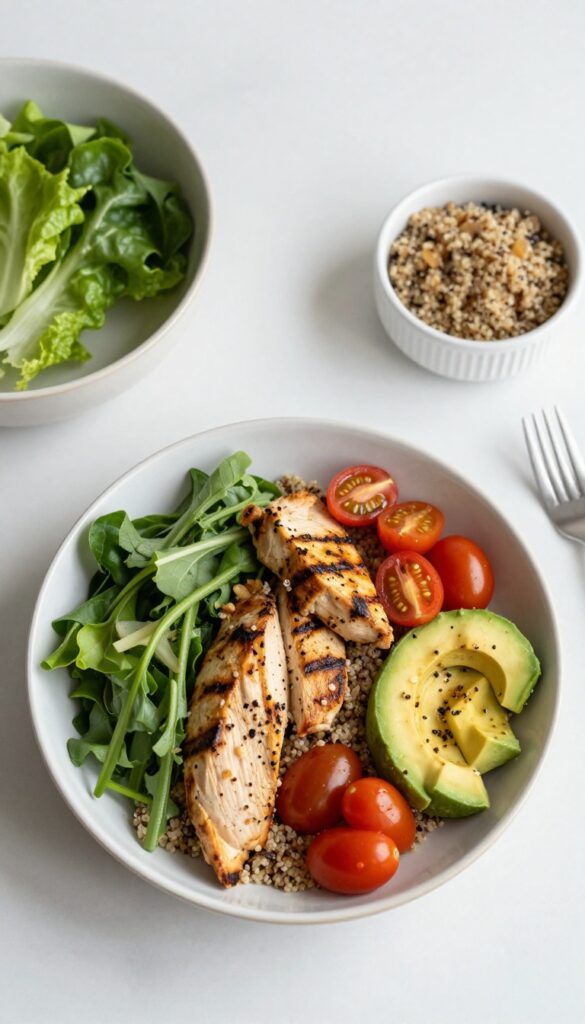
Lunch can be a tricky meal when you're trying to eat healthily. You want something that fills you up without weighing you down, and a bowl is the perfect solution. By layering smart ingredients, you can create a lunch that feels indulgent but keeps your diet on track.
Loaded Grain Bowls
Start with a base of quinoa, brown rice, or farro. These whole grains provide steady energy and fiber to keep you satisfied. Add a generous portion of lean protein—grilled chicken, tofu, or chickpeas work beautifully.
Then pile on roasted vegetables like sweet potatoes, broccoli, or bell peppers for color and nutrients. The key is to use flavorful dressings sparingly; a drizzle of tahini lemon dressing or a simple vinaigrette can elevate the bowl without adding excess calories.
Comforting Soup and Salad Combos
Pair a light, broth-based soup with a hearty salad for a lunch that warms and satisfies. Think minestrone or chicken vegetable soup alongside a bed of greens topped with roasted chickpeas, cherry tomatoes, and a sprinkle of feta. The soup adds volume and comfort, while the salad provides crunch and freshness.
This combo is especially good for portion control—start with the soup to take the edge off your hunger, then enjoy a reasonable salad.
Portion Control Tips for Lunch Bowls
- Fill half your bowl with non-starchy vegetables.
- Keep grains to about 1/2 cup cooked.
- Limit protein to 3–4 ounces (about the size of your palm).
- Use dressing as a flavor accent, not a sauce—stick to 1–2 tablespoons.
Wholesome Dinner Classics
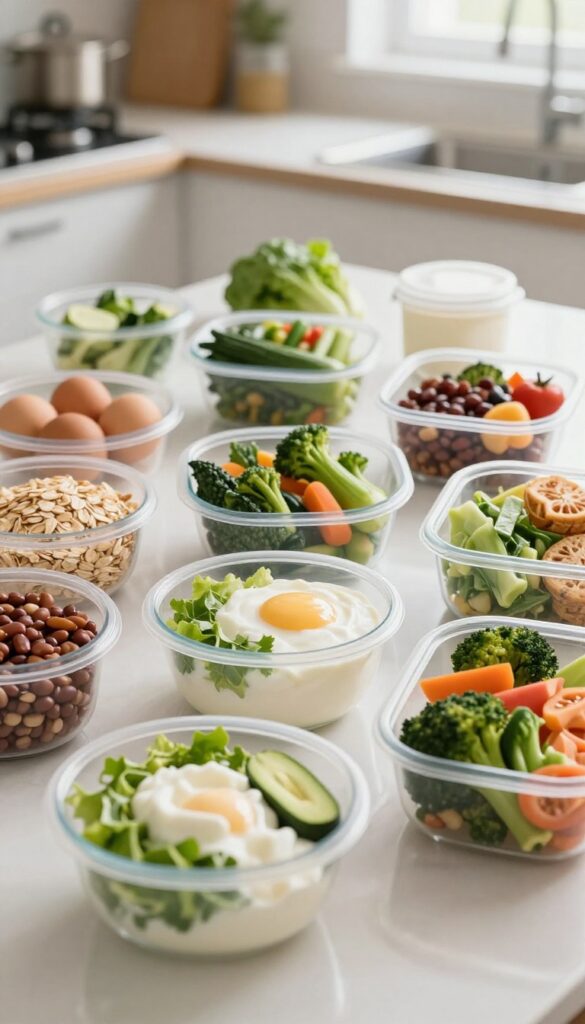
Dinner is often the meal where comfort food cravings hit hardest. The good news? You can still enjoy creamy, saucy, and hearty dishes without derailing your diet.
Here are two classic dinners made lighter—without sacrificing the cozy factor.
Lightened-Up Mac and Cheese
Traditional mac and cheese relies on heavy cream and loads of cheese, but you can create a velvety sauce with far fewer calories. The secret? Cauliflower or butternut squash.
Steam and blend either vegetable with a splash of low-fat milk, a spoonful of nutritional yeast, and a small amount of sharp cheddar. The result is a creamy, cheesy-tasting sauce that coats every noodle. For extra protein, stir in cooked lean ground turkey or lentils.
Serve with a side salad to round out the meal.
Zucchini Noodle Bolognese
Pasta is a common diet casualty, but zucchini noodles (zoodles) let you enjoy all the flavor of a rich Bolognese with a fraction of the carbs. Make the sauce with lean ground turkey or beef, plenty of garlic, onions, carrots, and crushed tomatoes. Let it simmer until thick and savory.
Toss with spiralized zucchini (no need to cook them—just warm through in the sauce) and top with a sprinkle of Parmesan. It’s a satisfying, veggie-packed dinner that feels indulgent.
Key Tips for Lightening Up Dinner Classics
- Swap heavy cream for blended cauliflower or butternut squash sauce.
- Replace regular pasta with veggie noodles like zucchini or spaghetti squash.
- Add lean protein such as ground turkey, chicken, or lentils to boost satiety.
- Use strong-flavored cheese (like sharp cheddar or Parmesan) so you need less.
- Load up on vegetables to increase volume without many calories.
Snack-Time Comforts
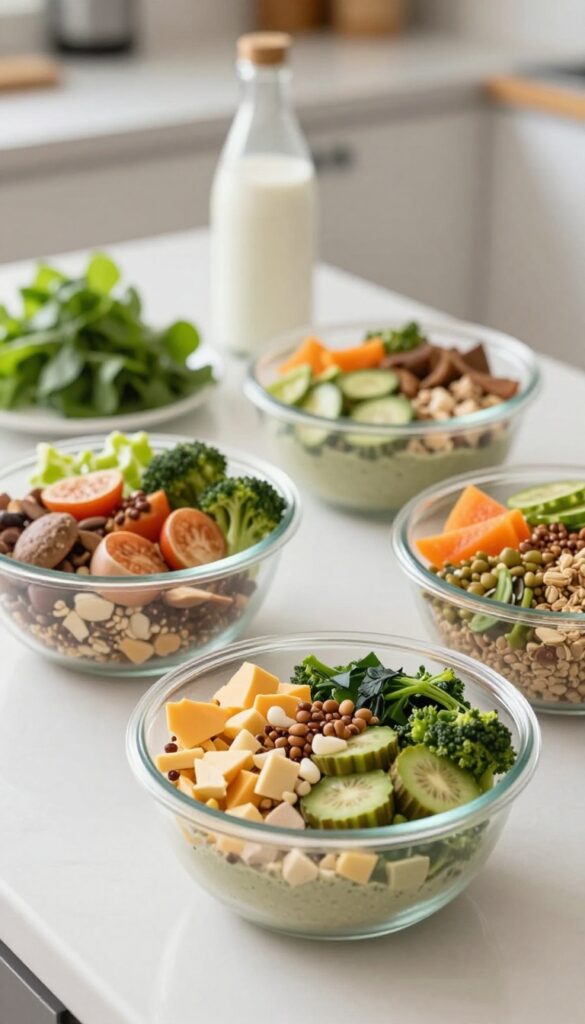
Snacking can be a diet minefield, but the right choices turn it into a satisfying part of your day. These two snack ideas hit the comfort spot without derailing your goals.
Baked Sweet Potato Fries
Swap deep-fried fries for a baked version that delivers the same crispy, salty satisfaction. Sweet potatoes are rich in fiber and vitamin A, making them a nutrient-dense base. Cut them into thin strips, toss with a tablespoon of olive oil, and season with smoked paprika, garlic powder, and a pinch of salt.
Spread on a baking sheet and bake at 425°F for 20–25 minutes, flipping halfway. The result is a golden, tender-on-the-inside, crispy-on-the-outside snack that pairs perfectly with a protein-rich dip like Greek yogurt mixed with herbs.
- Soak cut fries in cold water for 30 minutes to remove excess starch for extra crispness.
- Don’t overcrowd the pan—give each fry space to brown.
- Experiment with spices: cumin, chili powder, or rosemary for variety.
Greek Yogurt Dip with Veggies
Creamy dips are a snack-time comfort classic, but store-bought versions often hide added sugars and unhealthy fats. Make your own by combining plain Greek yogurt with lemon juice, minced garlic, and chopped fresh dill or parsley. This dip is high in protein and probiotics, which support digestion and keep you full.
Serve with crunchy veggie sticks like cucumber, bell pepper, carrots, and celery. For extra flavor, add a pinch of onion powder or a dash of hot sauce. Portion control is simple: measure out half a cup of dip and fill the rest of your plate with colorful veggies.
- Use a small bowl or ramekin for the dip to avoid mindless eating.
- Pre-cut veggies and store them in the fridge for grab-and-go convenience.
- Pair with a handful of almonds or a hard-boiled egg for added protein.
Decadent Desserts Without the Guilt
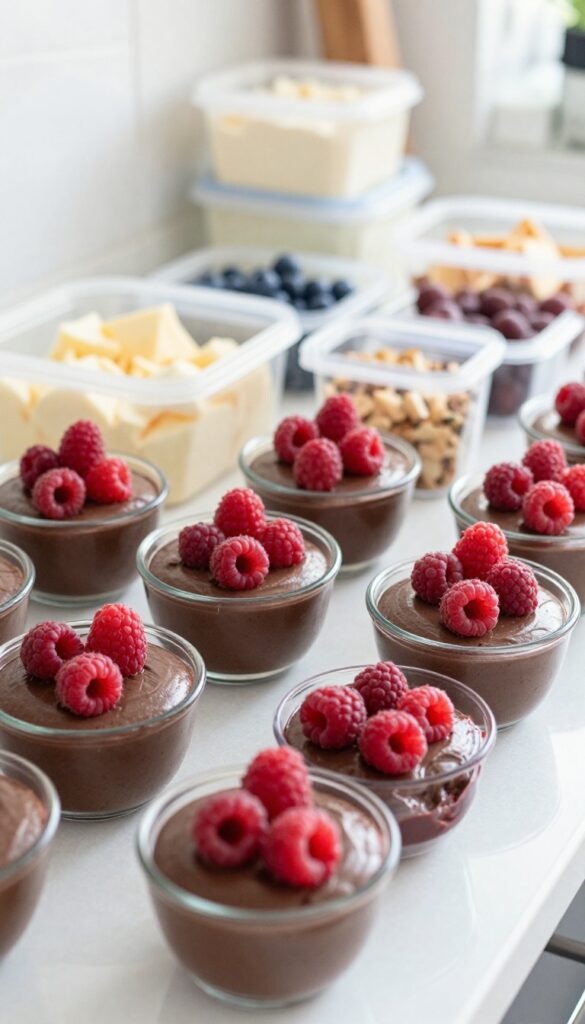
Craving something sweet doesn’t have to derail your diet. With a few smart swaps, you can enjoy rich, creamy desserts that satisfy your sweet tooth while keeping your health goals on track. The key is using natural sweeteners like dates or maple syrup, incorporating healthy fats for creaminess, and keeping portions reasonable.
Here are two indulgent yet diet-friendly dessert ideas.
Chocolate Avocado Mousse
This mousse is surprisingly creamy and rich, thanks to ripe avocados. The healthy fats from avocado make it satisfying, while cocoa powder delivers deep chocolate flavor. Sweeten with a few pitted dates or a drizzle of maple syrup.
Blend until smooth, chill for an hour, and top with fresh raspberries for a touch of tartness. Each serving provides fiber, healthy fats, and antioxidants—without the sugar crash.
Berry Nice Cream
Nice cream is a simple, one-ingredient frozen treat when you use frozen bananas as a base. For a berry twist, add a handful of frozen strawberries or blueberries before blending. The result is a soft-serve consistency that feels decadent.
If you want extra creaminess, add a spoonful of almond butter or a splash of coconut milk. This dessert is naturally sweet, low in calories, and packed with vitamins.
Tips for Healthy Desserts
To keep your desserts diet-friendly:
- Use natural sweeteners like dates, maple syrup, or mashed banana instead of refined sugar.
- Incorporate healthy fats from avocado, nuts, or coconut to increase satiety.
- Keep portions reasonable—a small bowl or ramekin is often enough to satisfy a craving.
- Add fiber-rich toppings like berries, chia seeds, or unsweetened coconut flakes.
Tips for Making Any Comfort Food Diet-Friendly
Transforming your favorite comfort foods into diet-friendly versions doesn't require magic—just a few smart strategies. Here are practical tips to help you enjoy the dishes you love while staying on track with your health goals.
Smart Swaps & Strategies
- Swap heavy ingredients: Use Greek yogurt instead of sour cream, cauliflower instead of potatoes, or whole-wheat flour instead of white flour to cut calories and boost nutrients.
- Control portions: Serve your comfort food on a smaller plate or pair a smaller portion with a big side salad to feel satisfied without overdoing it.
- Add veggies: Bulk up casseroles, soups, and pasta dishes with extra vegetables like spinach, zucchini, or bell peppers to increase volume and fiber.
- Use healthier cooking methods: Bake, air-fry, or steam instead of frying. For example, make oven-baked chicken tenders instead of deep-fried.
- Be mindful of sauces: Opt for tomato-based sauces over creamy ones, or make your own dressings with olive oil and vinegar to control added sugars and fats.
- Practice mindful eating: Eat without distractions, savor each bite, and stop when you're comfortably full—not stuffed.
General Strategies
Remember, the goal is not to eliminate comfort foods but to make them work for you. Focus on balance, not deprivation. A small serving of your favorite dish can be part of a healthy diet when paired with nutrient-dense sides and mindful eating habits.
FAQ
Can I eat comfort food every day on a diet?
Yes, you can enjoy comfort food daily as long as you practice portion control and choose healthier versions. Focus on whole-food ingredients, balance your plate with vegetables and lean protein, and be mindful of calorie-dense additions like cheese and cream. The key is moderation and making smart swaps.
What are the best low-calorie substitutes for comfort food?
Some great substitutes include using cauliflower or butternut squash for creamy sauces, zucchini noodles or spaghetti squash for pasta, Greek yogurt for sour cream, and baking instead of frying. For desserts, try avocado or banana-based mousses, and use natural sweeteners like dates or maple syrup in small amounts.
How do I avoid overeating comfort food?
To avoid overeating, serve yourself a reasonable portion on a plate instead of eating from the container. Pair your comfort food with a side of vegetables or a salad to increase volume without many calories. Eat slowly and mindfully, savoring each bite, and stop when you feel satisfied, not stuffed.
Conclusion
Diet-friendly comfort food is not about deprivation—it's about creativity and balance. By making simple ingredient swaps and being mindful of portions, you can enjoy all the cozy, satisfying meals you love while supporting your health and wellness journey.
The ideas in this guide are just a starting point; feel free to experiment and adapt them to your taste. Remember, the best diet is one that you can stick with long-term, and that includes room for the foods that bring you joy.

Dr. Pallab Kishore, MS in Orthodontics and owner of Orthodontic Braces Care, shares expert tips on braces, aligners, and oral health from 10+ years of experience.