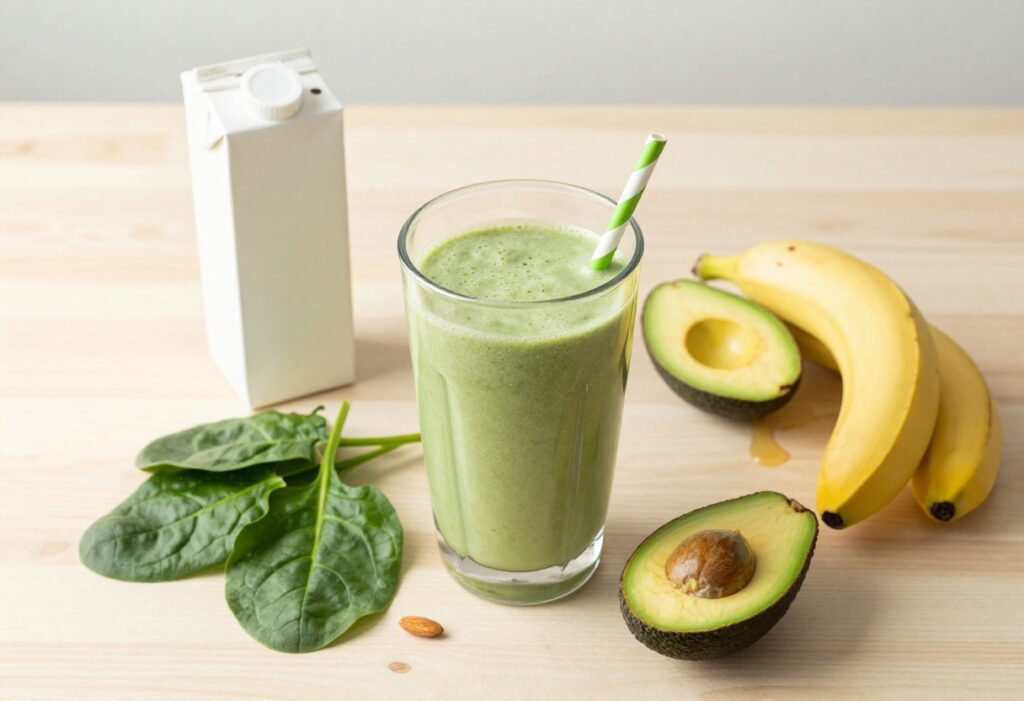
Eating in a calorie deficit doesn't mean you have to survive on bland salads and tiny portions. The key is choosing meals that are nutrient-dense, satisfying, and easy to prepare. With the right ingredients and a little planning, you can enjoy delicious food while still reaching your goals.
A calorie deficit simply means consuming fewer calories than your body burns. But the quality of those calories matters.
Focusing on whole foods like vegetables, lean proteins, and healthy fats helps you feel full and energized without overdoing it on calories. This guide offers practical meal ideas for breakfast, lunch, dinner, and snacks that are simple to make and perfect for a deficit diet.
What Makes a Meal Deficit-Friendly?
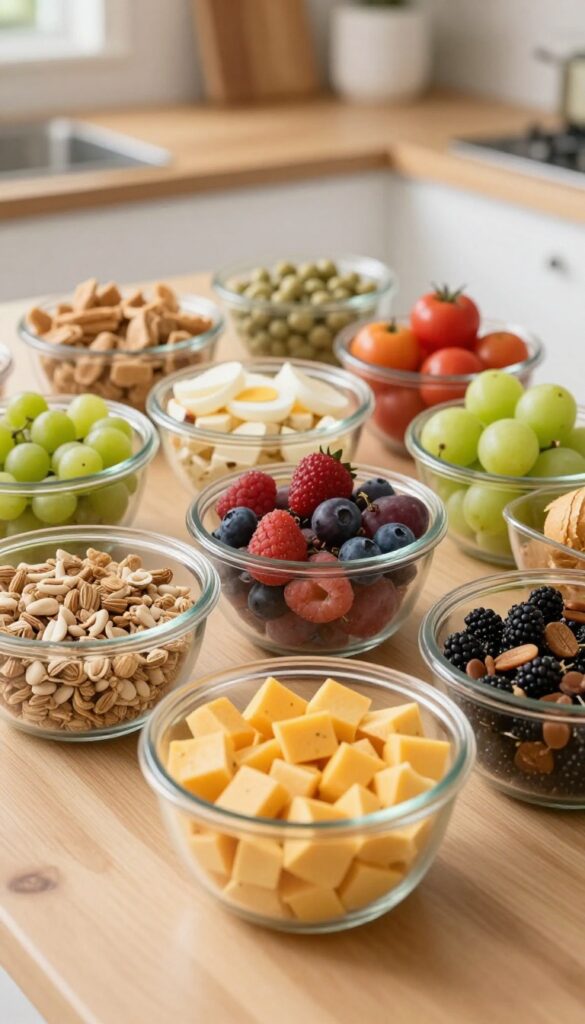
A deficit-friendly meal helps you stay within your calorie goals while keeping you satisfied and nourished. The key is choosing foods that deliver maximum nutrition and fullness for fewer calories.
Not all low-calorie meals are created equal. Some leave you hungry and craving more, while others keep you energized for hours. The difference comes down to a few core principles.
Key Principles of Deficit-Friendly Meals
- Calorie density: Choose foods that are low in calories but high in volume, like vegetables, fruits, and broth-based soups. You can eat a large portion without blowing your budget.
- Protein and fiber: Both nutrients increase satiety and reduce hunger. Aim for a source of lean protein (chicken, fish, tofu, beans) and plenty of fiber (vegetables, whole grains, legumes) at each meal.
- Volume eating: Fill your plate with low-calorie, high-volume foods so you feel full without consuming many calories. Leafy greens, cruciferous veggies, and berries are great options.
- Satiety: A meal that keeps you full for 3–4 hours prevents snacking and overeating later. Prioritize whole foods over processed ones, which are often less satisfying.
To build a deficit-friendly meal, focus on whole foods like vegetables, lean proteins, whole grains, and healthy fats. Avoid empty calories from sugary drinks, refined snacks, and fried foods. Balance your macros so you get a mix of protein, carbs, and fat—each plays a role in keeping you satisfied and your body functioning well.
Breakfast Ideas to Start Your Day Right
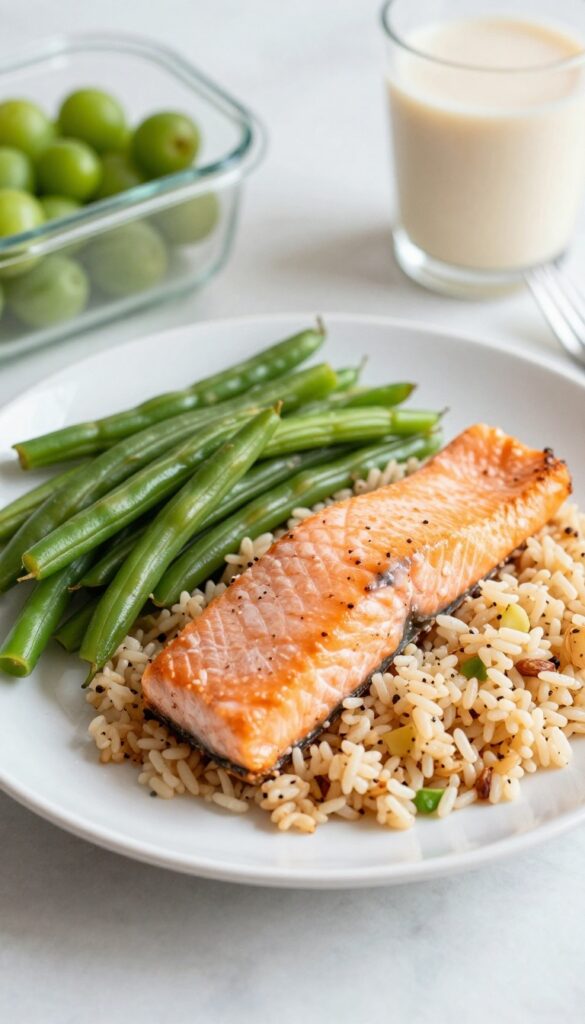
Breakfast sets the tone for your eating day. On a calorie deficit, you want meals that are high in protein and fiber to keep you full until lunch, without blowing your calorie budget. Here are three easy, satisfying options that deliver on taste and nutrition.
Greek Yogurt Parfait
A Greek yogurt parfait is a quick, no-cook breakfast that packs protein and probiotics. Start with ¾ cup of plain nonfat Greek yogurt (about 130 calories, 22g protein). Add ½ cup of fresh berries (around 40 calories) for natural sweetness and antioxidants.
Top with 1 tablespoon of chopped nuts or seeds (about 50 calories) for healthy fats and crunch. This parfait keeps you full for hours and can be prepped the night before.
Veggie Scramble
Eggs are a deficit dieter's best friend. For a veggie scramble, whisk 2 large eggs (about 140 calories, 12g protein) with a splash of water. Sauté a generous handful of spinach, diced bell peppers, and mushrooms in a nonstick pan with minimal oil.
Add the eggs and scramble until set. Serve with a side of cherry tomatoes. This meal is under 250 calories, loaded with fiber and micronutrients, and can be customized with any vegetables you have on hand.
Oatmeal with Berries
Oatmeal is a classic comfort breakfast that fits a deficit when portioned correctly. Cook ½ cup of rolled oats (150 calories) with water or unsweetened almond milk. Stir in 1 cup of mixed berries (about 60 calories) and a sprinkle of cinnamon for flavor without sugar.
For extra protein, mix in a scoop of unflavored protein powder or top with a dollop of Greek yogurt. This bowl provides sustained energy from complex carbs and fiber, keeping mid-morning cravings at bay.
Lunch Options That Keep You Full
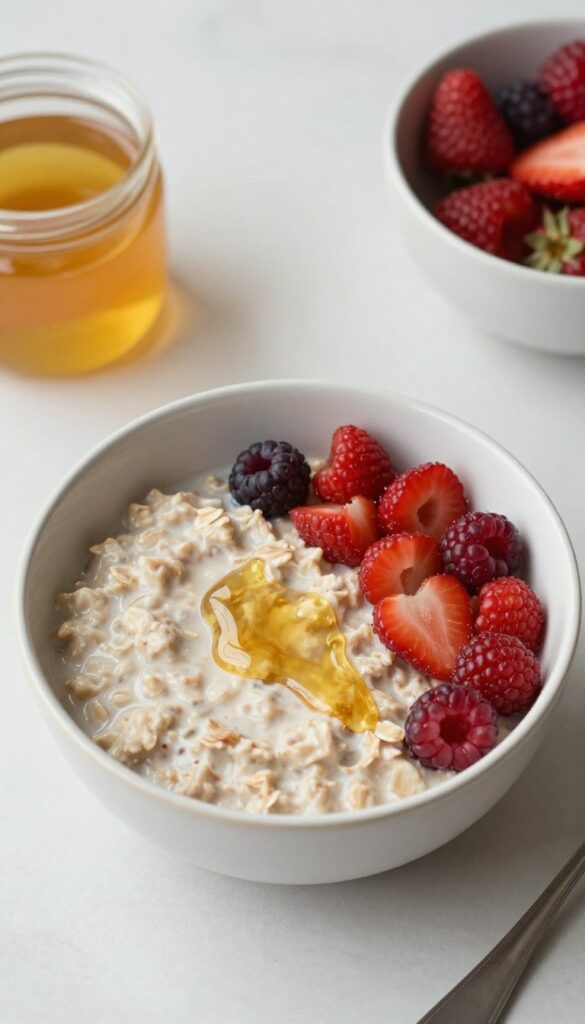
Lunch is often the meal where willpower wanes, especially if you're stuck at a desk or on the go. The key to staying on track is building a plate that combines lean protein, plenty of vegetables, and a modest amount of healthy fats. Here are three satisfying lunches that hit those marks without leaving you hungry an hour later.
Grilled Chicken Salad
A grilled chicken salad is a classic for good reason. Start with a bed of mixed greens or romaine, top with 4–5 ounces of grilled chicken breast, and add a rainbow of veggies like cherry tomatoes, cucumber, bell peppers, and red onion. For healthy fats, sprinkle a tablespoon of sunflower seeds or a few slices of avocado.
The dressing can make or break this meal—stick to a simple vinaigrette (olive oil, vinegar, mustard) and use no more than two tablespoons. Avoid creamy dressings like ranch or Caesar, which can add hundreds of calories. Portion control is key: keep your protein to about the size of your palm and your dressing to a small drizzle.
Quinoa Bowl with Roasted Veggies
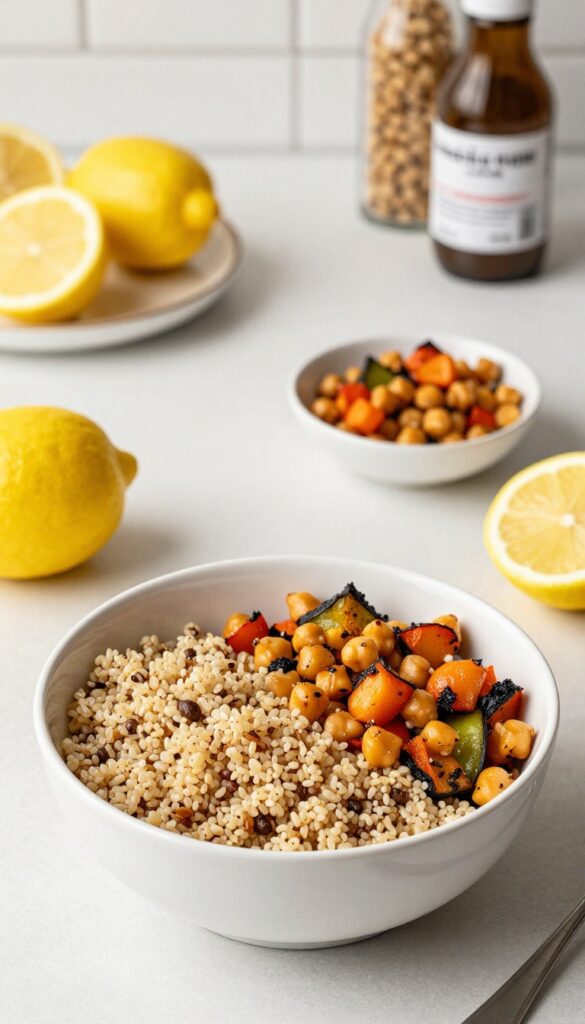
Quinoa bowls are endlessly customizable and perfect for meal prep. Cook a batch of quinoa at the start of the week, then roast a sheet pan of vegetables like broccoli, zucchini, and bell peppers with a light spray of oil. Assemble your bowl with ¾ cup quinoa, a generous handful of roasted veggies, and a protein source such as chickpeas, grilled tofu, or shredded chicken.
Add a tablespoon of tahini or a squeeze of lemon for flavor. The fiber from the quinoa and vegetables will keep you full for hours, and the variety of textures makes it feel indulgent without being heavy.
Turkey and Avocado Wrap
For a portable lunch, try a turkey and avocado wrap. Use a large lettuce leaf or a low-carb tortilla (around 100 calories) as the base. Layer on 3–4 ounces of lean turkey breast, a quarter of an avocado sliced thin, and plenty of crunchy vegetables like shredded carrots, spinach, and sliced cucumber.
Roll it up tightly and cut in half. The avocado provides healthy fats that help with satiety, while the turkey delivers protein without excess calories. Skip the cheese and mayo to keep the calorie count in check.
This wrap is easy to pack and eat on the run, making it a practical choice for busy days.
Dinner Recipes for Satisfying Evenings
Dinner is often the meal we look forward to most, but it doesn't have to derail your deficit. With a few smart swaps and cooking techniques, you can enjoy hearty, flavorful dinners that keep you on track.
Baked Salmon with Asparagus
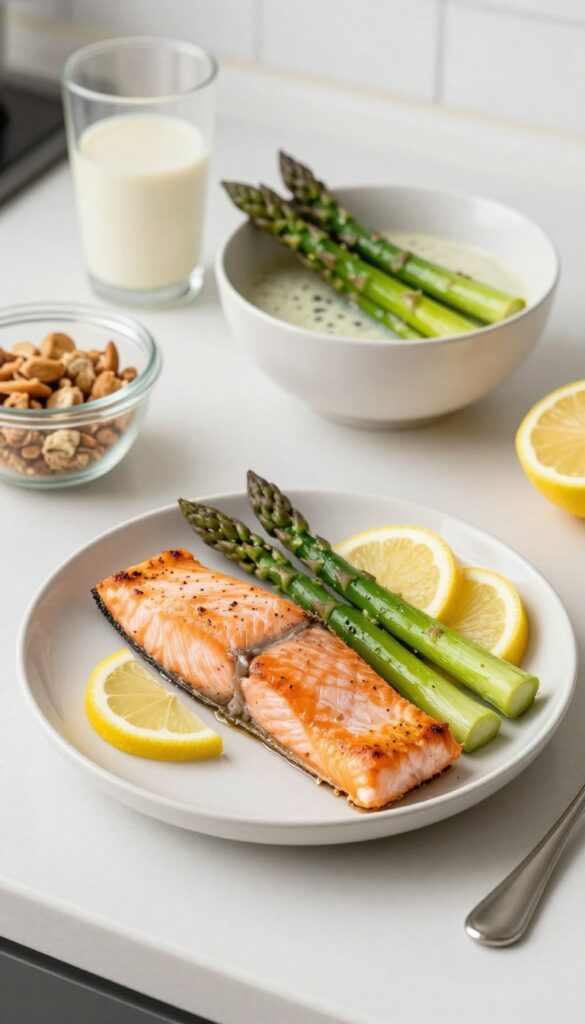
Salmon is rich in protein and healthy fats, which help keep you full. Baking with lemon, garlic, and herbs adds flavor without extra calories. Serve with roasted asparagus for a low-calorie, nutrient-dense side.
Stir-Fry with Shrimp and Vegetables
A quick stir-fry using minimal oil and plenty of colorful veggies is a dinner staple. Shrimp cooks fast and is low in calories. Use ginger, soy sauce, and chili flakes for a flavor boost without heavy sauces.
Zucchini Noodles with Marinara
Swap traditional pasta for spiralized zucchini to cut calories while still enjoying a classic marinara. Top with lean ground turkey or lentils for extra protein. Fresh basil and a sprinkle of Parmesan finish the dish.
Key Tips for Deficit-Friendly Dinners
- Use herbs and spices like rosemary, paprika, cumin, or oregano to add flavor without calories.
- Embrace vegetable-based alternatives such as zucchini noodles, cauliflower rice, or lettuce wraps to reduce calorie density.
- Control portions by filling half your plate with non-starchy vegetables, a quarter with lean protein, and a quarter with whole grains or starchy veggies.
Smart Snacks to Bridge the Gaps
Snacking can be part of a deficit diet when you choose wisely. The key is to keep portions controlled, prioritize protein and fiber, and avoid sugary or heavily processed options. Here are some smart snack ideas that satisfy without blowing your calorie budget.
Fruit and Veggie Options
- Apple slices with 1 tablespoon peanut butter (about 150–200 calories)
- Carrot and cucumber sticks with 2 tablespoons hummus (around 150 calories)
- A small banana or a cup of berries (under 100 calories)
- Cherry tomatoes with a sprinkle of salt and pepper (negligible calories)
Protein-Rich Snacks
- A hard-boiled egg (about 70 calories, 6g protein)
- Greek yogurt (plain, nonfat) with a few berries (around 100–150 calories)
- A small handful of almonds or walnuts (about 160–200 calories for 1 ounce)
- Turkey or chicken roll-ups with a slice of cheese (around 150 calories)
Low-Sugar Treats
- Rice cake with avocado and a pinch of salt (about 120 calories)
- Cottage cheese with sliced peaches or pineapple (around 150 calories)
- A small square of dark chocolate (70% cocoa or higher) – about 50–70 calories
- Frozen grapes or banana slices (under 100 calories)
Portion Control Tip
Pre-portion snacks into small bags or containers to avoid mindless eating. Even healthy snacks can add up if you eat them straight from the bag.
How to Customize These Ideas to Your Taste
The meal ideas in this guide are starting points, not rigid rules. The key to long-term success on a calorie deficit is making meals you actually look forward to eating. Here’s how to tailor any deficit-friendly meal to your preferences without overcomplicating things.
Start by swapping the protein. If a recipe calls for chicken breast, try lean ground turkey, tofu, fish, or canned beans. Each brings a different texture and flavor, but keeps the meal filling and within your calorie goals.
Next, change up the vegetables. Use whatever is in season or what you have on hand. Broccoli, spinach, bell peppers, zucchini, or cauliflower all work well.
Roasting or steaming them can change the taste enough to keep things interesting.
Adjust seasonings and sauces to match your cravings. A squeeze of lemon, a dash of cumin, or a spoonful of low-calorie salsa can transform a dish. Use herbs, spices, vinegar, or hot sauce instead of heavy creams or butter to keep calories low.
Keep these principles in mind
- Listen to your hunger cues. Eat when hungry, stop when satisfied. A deficit doesn’t mean starving.
- Keep it simple. Stick to 3–5 ingredients per meal to avoid decision fatigue.
- Avoid overcomplicating. You don’t need fancy gadgets or rare ingredients.
- Forget strict rules. If you want to swap rice for quinoa or skip a side, go ahead.
Common Mistakes to Avoid on a Deficit Diet
Even with the best intentions, it's easy to fall into traps that can derail your progress or make the diet harder than it needs to be. Being aware of these common mistakes can help you stay on track and maintain a healthy relationship with food.
Skipping meals is a frequent error. While it might seem like a quick way to cut calories, it often backfires by causing intense hunger later, leading to overeating or poor food choices. Instead of skipping, aim for regular, balanced meals that keep your energy steady.
Not eating enough protein is another common pitfall. Protein is essential for preserving muscle mass during weight loss and for promoting satiety. Include a source of lean protein—like chicken, tofu, beans, or Greek yogurt—at each meal to stay fuller longer.
Ignoring fiber can also sabotage your efforts. Fiber-rich foods (vegetables, fruits, whole grains, legumes) add volume and help you feel satisfied with fewer calories. They also support digestive health and stable blood sugar levels.
Staying hydrated is often overlooked. Thirst can be mistaken for hunger, leading to unnecessary snacking. Drink water throughout the day, and consider having a glass before meals to help control portions.
Cutting too many calories too drastically is a major mistake. Severe restriction can slow your metabolism, cause nutrient deficiencies, and make the diet unsustainable. Aim for a moderate deficit of 300–500 calories per day, which supports steady weight loss without deprivation.
FAQ
Can I eat carbs on a deficit diet?
Absolutely. Carbohydrates are an important energy source. Choose complex carbs like oats, quinoa, sweet potatoes, and whole grains.
They provide fiber and keep you full longer.
How many calories should I cut?
A safe deficit is typically 300–500 calories below your maintenance level. This promotes gradual, sustainable weight loss. Consult a healthcare professional for personalized advice.
What if I feel hungry between meals?
Incorporate high-volume, low-calorie snacks like vegetables, fruit, or Greek yogurt. Drinking water also helps manage hunger. Ensure your meals have enough protein and fiber.
Are cheat meals allowed?
Yes, occasional treats can help with adherence. Just be mindful of portions and frequency. The goal is consistency, not perfection.
Conclusion
A calorie deficit diet doesn't have to be restrictive or boring. By choosing whole, satisfying foods and preparing them in simple ways, you can enjoy your meals while working toward your goals. The ideas in this guide are just a starting point—feel free to mix and match based on what you love.
Remember, the best diet is one you can stick with. Listen to your body, stay flexible, and celebrate small victories along the way.

Dr. Pallab Kishore, MS in Orthodontics and owner of Orthodontic Braces Care, shares expert tips on braces, aligners, and oral health from 10+ years of experience.