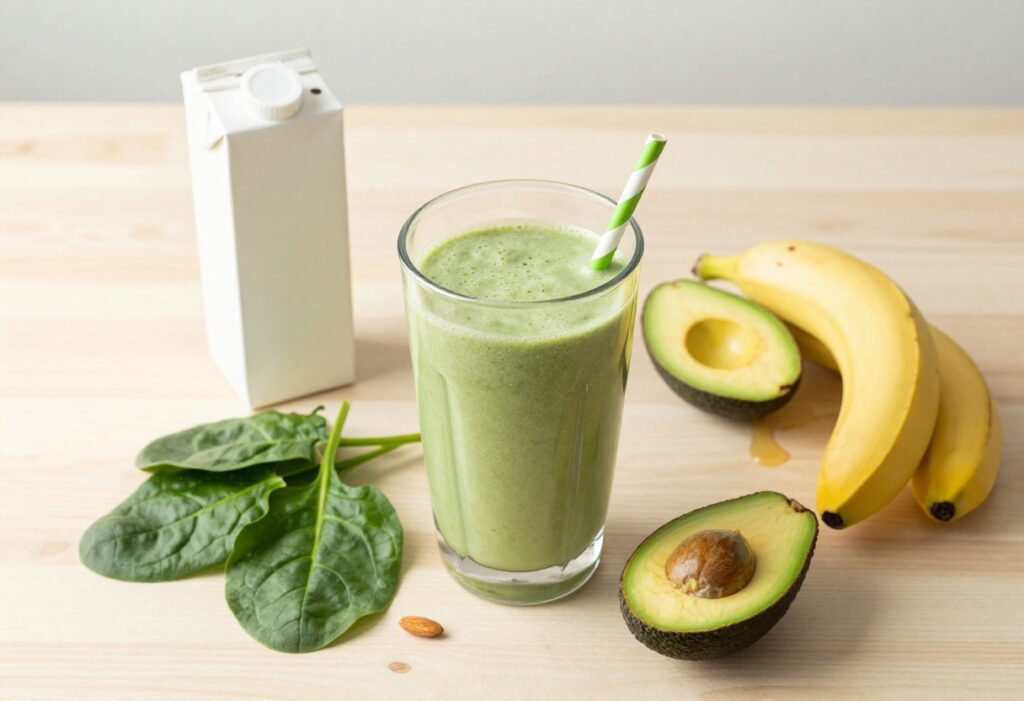
Cortisol, often called the stress hormone, plays a vital role in your body's response to stress. While short-term spikes are normal, chronically high cortisol can disrupt sleep, increase anxiety, and affect weight. The good news is that your diet can help keep cortisol in check.
By choosing the right foods, you can support your adrenal system and promote a more balanced stress response. This guide explores specific food choices that may help manage cortisol levels naturally.
We'll cover nutrient-rich foods to include, items to limit, and simple lifestyle tweaks that work alongside your diet. Remember, these are general suggestions—always talk to your healthcare provider before making significant changes.
Understanding Cortisol and Diet

Cortisol is often called the body's main stress hormone. It's produced by the adrenal glands and plays a key role in your fight-or-flight response, helping you react quickly to perceived threats. But when cortisol levels stay elevated for long periods due to chronic stress, it can lead to a range of health issues, including weight gain, sleep disturbances, and impaired immune function.
The foods you eat can influence how much cortisol your body produces and how well it regulates that production. For example, a diet high in refined sugars and unhealthy fats can promote inflammation and oxidative stress, which may trigger the release of more cortisol. On the other hand, nutrient-rich foods—like those containing magnesium, omega-3 fatty acids, and vitamin C—can help support a healthy stress response and keep cortisol levels in check.
This doesn't mean diet alone can "fix" high cortisol, but it's a powerful tool you can use alongside other stress-management strategies like good sleep, regular exercise, and relaxation techniques. By making thoughtful food choices, you can create a foundation that helps your body handle stress more effectively.
Foods Rich in Magnesium
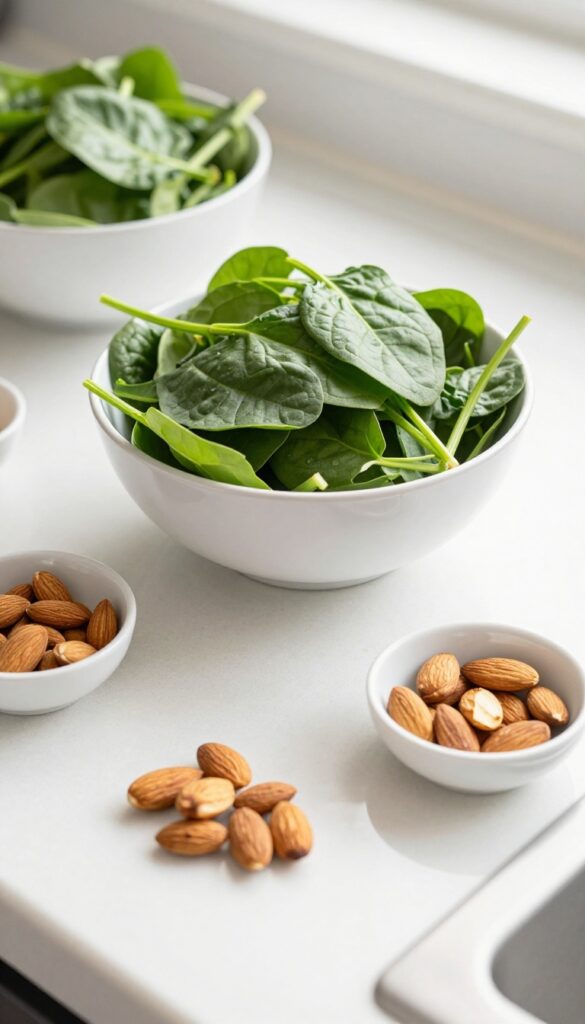
Magnesium is a mineral that plays a key role in the body's stress response system. It helps regulate the hypothalamic-pituitary-adrenal (HPA) axis, which controls cortisol production. Adequate magnesium intake may help blunt cortisol spikes and promote a calmer nervous system.
Why Magnesium Matters
Magnesium influences cortisol in several ways. It binds to and stimulates GABA receptors in the brain, promoting relaxation. It also reduces the release of adrenocorticotropic hormone (ACTH), which signals the adrenal glands to produce cortisol.
Studies have shown that magnesium supplementation can lower cortisol levels, especially in people under chronic stress. Low magnesium status is common, particularly among those with high stress, which can create a vicious cycle: stress depletes magnesium, and low magnesium makes it harder to manage stress.
Top Magnesium-Rich Foods
Adding magnesium-rich foods to your diet is a practical way to support healthy cortisol levels. Here are some excellent sources:
- Leafy greens: Spinach, Swiss chard, and kale are packed with magnesium. A cup of cooked spinach provides about 157 mg.
- Nuts and seeds: Almonds, cashews, pumpkin seeds, and sunflower seeds are great choices. A quarter-cup of pumpkin seeds offers nearly 200 mg.
- Legumes: Black beans, chickpeas, and lentils provide magnesium along with fiber and protein. A cup of cooked black beans has about 120 mg.
- Whole grains: Quinoa, brown rice, oats, and whole wheat are good sources. One cup of cooked quinoa contains around 118 mg.
- Avocado: One medium avocado gives you about 58 mg of magnesium, plus healthy fats.
- Dark chocolate: A 1-ounce piece of 70-85% cocoa chocolate provides about 64 mg. Enjoy in moderation.
Including a variety of these foods in meals and snacks can help maintain adequate magnesium levels. For example, a spinach salad with pumpkin seeds, chickpeas, and avocado makes a magnesium-rich lunch.
Omega-3 Fatty Acids for Stress Response

Omega-3 fatty acids are well-known for their anti-inflammatory properties, but they also play a key role in regulating the body's stress response. Research suggests that a diet rich in omega-3s can help lower cortisol levels and reduce the negative effects of chronic stress on the body.
How Omega-3s Help
Omega-3 fatty acids, particularly EPA and DHA found in fish oil, help dampen the inflammatory response triggered by stress. Chronic stress keeps inflammation levels high, which in turn can keep cortisol elevated. By reducing inflammation, omega-3s support a healthier cortisol rhythm.
They also improve cell membrane fluidity, which may enhance the function of receptors involved in stress signaling.
Including omega-3s in your diet is a simple, food-first way to support your adrenal health and overall resilience to stress.
Best Sources
To get more omega-3s, focus on these whole food sources:
- Fatty fish: Salmon, mackerel, sardines, anchovies, and herring are among the richest sources of EPA and DHA. Aim for two servings per week.
- Flaxseeds: Ground flaxseeds provide ALA, a plant-based omega-3. Add them to smoothies, oatmeal, or yogurt.
- Chia seeds: These tiny seeds are packed with ALA and fiber. They make a great addition to puddings, overnight oats, or baked goods.
- Walnuts: A handful of walnuts offers a convenient source of ALA. They also contain antioxidants that support brain health.
- Hemp seeds: Another plant-based option, hemp seeds provide a good amount of ALA along with protein and magnesium.
Vitamin C-Rich Foods
Vitamin C is a powerful antioxidant that plays a key role in supporting adrenal function and regulating cortisol levels. Including vitamin C-rich foods in your diet can help buffer the stress response and protect against oxidative damage caused by chronic stress.
Vitamin C and Cortisol
The adrenal glands contain the highest concentration of vitamin C in the body. This nutrient is essential for the synthesis of cortisol and other stress hormones. When you're under stress, your body uses more vitamin C, which can lead to depletion.
Adequate intake helps maintain a healthy cortisol rhythm and prevents excessive cortisol release. Studies suggest that vitamin C can also reduce the physical and psychological effects of stress, such as elevated blood pressure and anxiety.
Foods High in Vitamin C
To boost your vitamin C intake, focus on whole food sources rather than supplements. Here are some excellent options:
- Citrus fruits: oranges, grapefruits, lemons, and limes
- Bell peppers: especially red and yellow varieties
- Strawberries
- Kiwi
- Broccoli and Brussels sprouts
- Tomatoes and tomato juice
- Cantaloupe
Aim to include a variety of these foods throughout the day. For example, add bell peppers to your salad, snack on strawberries, or enjoy a glass of fresh orange juice with breakfast. Cooking can reduce vitamin C content, so eat these foods raw or lightly steamed when possible.
Probiotics and Gut Health

The connection between your gut and brain plays a key role in how your body handles stress. A healthy gut microbiome can help regulate cortisol levels and improve your overall stress response.
Gut-Brain Axis
The gut-brain axis is a bidirectional communication network linking your digestive system and your brain. The gut microbiome influences the production of neurotransmitters and hormones, including cortisol. An imbalance in gut bacteria can lead to increased inflammation and a heightened stress response.
Supporting gut health through diet may help keep cortisol in check.
Probiotic-Rich Foods
Including fermented foods in your diet can introduce beneficial bacteria that support a balanced microbiome. Aim for a variety of sources to diversify your gut flora.
- Yogurt: Choose plain, unsweetened yogurt with live active cultures. Greek yogurt is a good option for extra protein.
- Kefir: A fermented milk drink that is rich in probiotics and often contains more strains than yogurt.
- Sauerkraut: Made from fermented cabbage, it provides probiotics and fiber. Look for unpasteurized versions to ensure live cultures.
- Kimchi: A spicy Korean side dish made from fermented vegetables, typically cabbage and radishes, seasoned with chili and other spices.
- Other options: Miso, tempeh, kombucha (watch for added sugars), and pickles (fermented in brine, not vinegar).
Foods to Limit or Avoid

While no food needs to be completely off-limits, certain items can trigger or worsen cortisol spikes. The goal isn't to eliminate them forever, but to be mindful of how they affect your stress response and to enjoy them in moderation.
Caffeine and Alcohol
Caffeine stimulates the adrenal glands, which can increase cortisol production, especially in high doses or later in the day. Alcohol, while initially calming, can disrupt sleep and lead to a rebound cortisol surge. Both are best consumed in moderation—limit caffeine to morning hours and alcohol to occasional, small servings.
High Sugar and Processed Foods
Foods high in added sugar and refined carbohydrates cause rapid spikes and crashes in blood sugar, which can stress the body and elevate cortisol. Processed snacks, sugary drinks, and white bread are common culprits. Instead of banning them, try swapping for whole-food alternatives like fruit, nuts, or whole grains.
The key is balance. A small treat now and then won't derail your efforts, but making these foods a regular part of your diet can keep your cortisol levels elevated. Focus on reducing frequency and portion sizes rather than strict avoidance.
Lifestyle Habits That Support Diet

While food choices are a powerful tool for managing cortisol, they work best when paired with supportive lifestyle habits. Sleep, movement, and stress management each play a distinct role in regulating your stress response. Here are a few practical tips to complement your dietary efforts.
Prioritize Quality Sleep
Poor sleep elevates cortisol and makes it harder to maintain healthy eating habits. Aim for 7–9 hours per night, keep a consistent bedtime, and limit screen time an hour before bed. Even small improvements in sleep quality can lower morning cortisol levels.
Incorporate Gentle Movement
Exercise helps metabolize cortisol, but intense workouts can spike it temporarily. Focus on moderate activities like walking, yoga, or swimming. Aim for 30 minutes most days, and listen to your body—rest days are important too.
Practice Daily Stress Management
Chronic stress keeps cortisol elevated, so building small, consistent stress‑relief habits matters. Try 5–10 minutes of deep breathing, meditation, or journaling each day. Even a short walk in nature can shift your nervous system toward calm.
These habits don't need to be perfect. Start with one small change, and build from there. Over time, they'll reinforce the benefits of your cortisol‑supportive diet.
Sample Day of Cortisol-Supportive Eating
Here's a sample day that incorporates the cortisol-friendly foods discussed in this guide. Use it as inspiration to build your own balanced meals—no strict rules, just ideas that nourish your stress response.
Breakfast
- Scrambled eggs with spinach and avocado, plus a side of berries
Lunch
- Grilled salmon over a bed of mixed greens with quinoa, cherry tomatoes, cucumber, and a lemon-tahini dressing
Snack
- A handful of walnuts and an orange
Dinner
- Baked chicken thigh with roasted sweet potatoes, broccoli, and a side of sauerkraut
Optional Evening Snack
- A small bowl of plain Greek yogurt with a drizzle of honey and sliced banana
FAQ
Can diet alone lower cortisol?
Diet is a powerful tool, but it works best as part of a holistic approach that includes sleep, exercise, and stress management. No single food will dramatically lower cortisol, but a balanced diet rich in magnesium, omega-3s, and vitamin C can support healthy levels over time.
How quickly can dietary changes affect cortisol?
Some people notice improvements in energy and mood within a few weeks, but hormonal changes are gradual. Consistency matters more than speed. Pairing dietary changes with good sleep and stress reduction often yields faster results.
Are there any foods that directly lower cortisol?
No food directly lowers cortisol, but many nutrients help regulate its production. For example, magnesium can reduce cortisol secretion, and omega-3s lower inflammation that can trigger cortisol release. Think of these foods as supportive rather than curative.
Should I take supplements instead?
Whole foods are generally preferred because they provide a complex mix of nutrients. Supplements can be useful if you have deficiencies, but they should not replace a healthy diet. Consult a healthcare professional before starting any supplement.
Conclusion
Managing cortisol through diet is about making consistent, nutrient-dense choices rather than following a strict plan. Focus on incorporating magnesium-rich greens, omega-3-packed fish, vitamin C from fresh produce, and fermented foods for gut health. At the same time, be mindful of caffeine, alcohol, and sugar, which can send cortisol levels on a rollercoaster.
Remember, diet is just one piece of the puzzle. Pair these food choices with quality sleep, regular movement, and stress-reducing practices for the best results.

Dr. Pallab Kishore, MS in Orthodontics and owner of Orthodontic Braces Care, shares expert tips on braces, aligners, and oral health from 10+ years of experience.