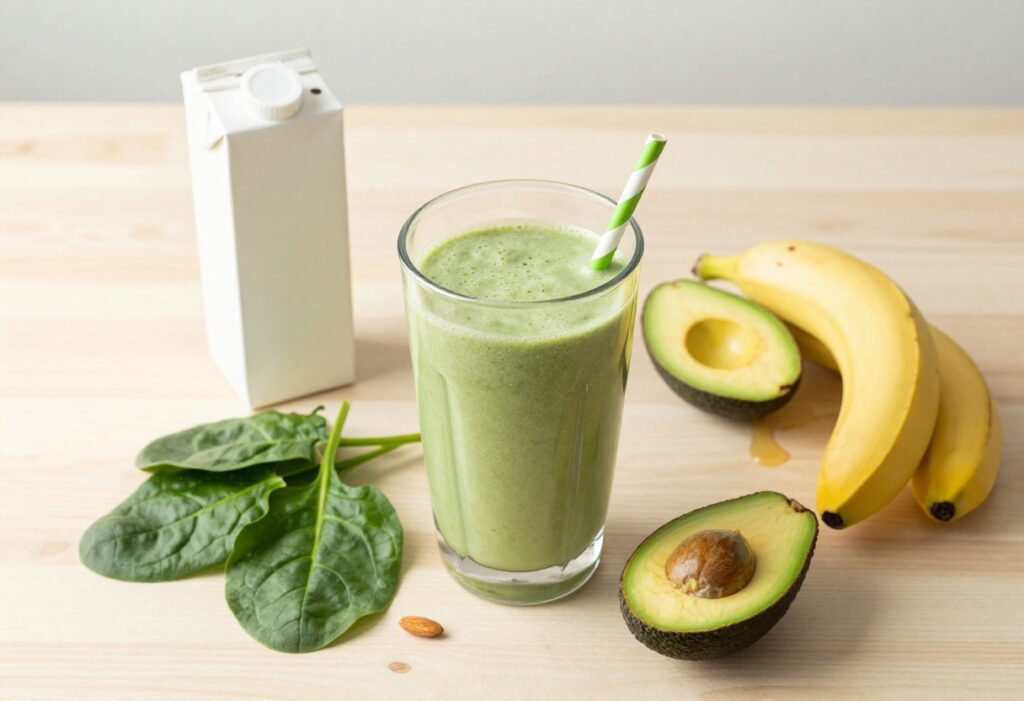
A low protein diet is often recommended for people with certain medical conditions, such as chronic kidney disease or liver disorders, but it can also be a personal choice for some. The goal is not to eliminate protein entirely but to control intake within a specific range that supports health without overloading the body.
Planning meals carefully is the key to making this diet work in real life, without feeling deprived or overwhelmed. Many people worry that a low protein diet means bland, boring meals or constant hunger.
But with the right approach, you can enjoy a wide variety of foods while staying within your protein limits.
What a Low Protein Diet Really Means
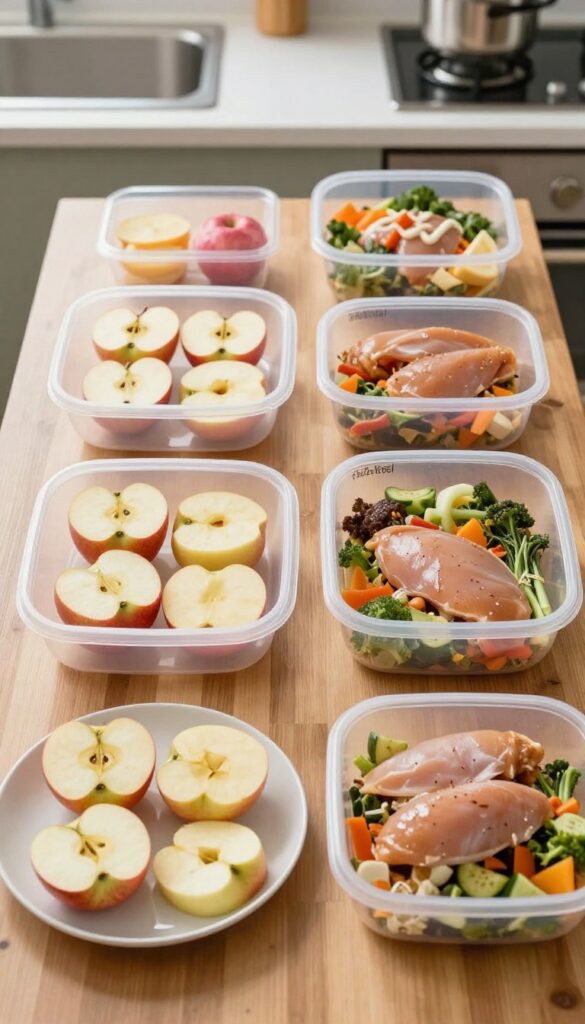
A low protein diet isn't about eliminating protein entirely—it's about carefully controlling your intake to a level that supports your body's needs without overtaxing your organs. For many people, this means consuming between 0.6 and 0.8 grams of protein per kilogram of body weight per day, though exact limits vary based on medical advice.
Typical Protein Limits and Who Needs Them
Protein limits are usually prescribed for specific medical conditions. Here are common scenarios:
- Chronic kidney disease (CKD): Reducing protein helps lessen the workload on kidneys, often limiting intake to 0.6–0.8 g/kg/day.
- Phenylketonuria (PKU): A genetic disorder requiring strict control of the amino acid phenylalanine, found in protein-rich foods.
- Liver disease: In conditions like cirrhosis, limiting protein can help manage ammonia levels in the blood.
- Certain metabolic disorders: Some rare conditions require protein restriction to prevent toxic buildup of byproducts.
Common Misconceptions About Low Protein Eating
Many people misunderstand what a low protein diet involves. Let's clear up a few myths:
- Myth: Low protein means no protein. Fact: It means controlled protein—you still need some for essential functions like muscle repair and immune health.
- Myth: You'll have to eat only carbs. Fact: A balanced low protein diet includes healthy fats, fruits, vegetables, and limited portions of protein.
- Myth: It's the same as a vegetarian or vegan diet. Fact: Plant-based diets can still be high in protein; the focus here is on total protein grams, not just source.
- Myth: It's impossible to get enough calories. Fact: With careful planning, you can meet energy needs through carbohydrates and fats.
Important Disclaimer
Protein needs vary widely by individual. Always consult your healthcare provider or a registered dietitian before starting a low protein diet, especially if you have a medical condition.
Key Principles for Realistic Low Protein Meal Planning
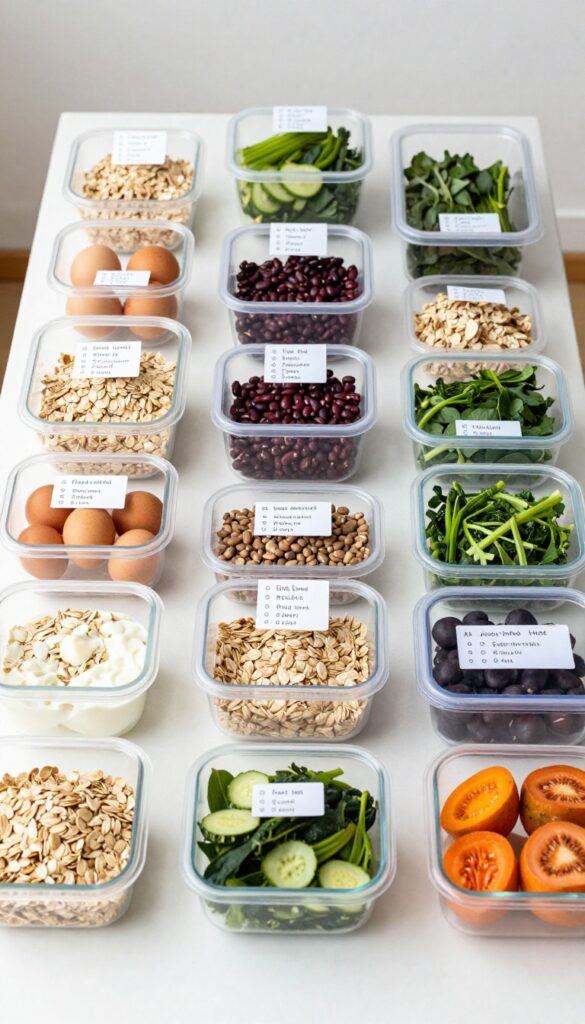
Planning meals on a low protein diet doesn't have to be complicated or feel like a punishment. The key is to shift your focus from what you can't have to what you can—and to build a balanced plate that keeps you energized and satisfied. Here are the core principles to guide your planning.
Balancing Calories and Nutrients
When you reduce protein, you need to compensate with adequate calories from carbohydrates and fats to maintain your energy levels and prevent muscle loss. A common mistake is to cut protein and also cut calories too much, leading to fatigue and nutrient deficiencies. Aim to meet your daily calorie needs through a variety of carb-rich foods like rice, pasta, bread, and potatoes, along with healthy fats such as olive oil, avocado, and nut butters (in moderation if nuts are restricted).
Remember, fruits and vegetables provide essential vitamins, minerals, and fiber, so include plenty of them. If you're unsure about your specific calorie needs, consult a dietitian who can tailor recommendations to your health condition and activity level.
Choosing the Right Carbohydrates and Fats
Not all carbs and fats are created equal, especially on a low protein diet. Here are some practical tips:
- Prioritize complex carbohydrates like whole grains, oats, and starchy vegetables for sustained energy and fiber.
- Include simple carbs like white rice, pasta, and bread when you need quick energy or have a low appetite.
- Use healthy fats liberally to boost calorie intake and add flavor: olive oil for cooking and dressings, avocado on toast or in smoothies, and coconut milk in curries.
- Limit saturated fats from processed foods and fried items, as they can contribute to inflammation and other health issues.
- Watch out for hidden protein in some carb sources (e.g., quinoa, amaranth) and choose lower-protein alternatives like rice or corn-based products when possible.
Building Your Low Protein Grocery List

A well-stocked pantry and fridge make low protein eating much easier. Focus on fruits, vegetables, grains, and healthy fats — and know which protein sources to use sparingly.
Low Protein Grocery Staples
| Category | Examples | Notes |
| Fruits | Apples, berries, grapes, melon, citrus | Most fruits are naturally low in protein |
| Vegetables | Lettuce, cucumbers, bell peppers, zucchini | Avoid high-protein veggies like spinach and peas in large amounts |
| Grains | White rice, oats, pasta, bread | Choose refined grains over whole grains to lower protein |
| Fats & Oils | Olive oil, avocado, butter, margarine | Great for adding calories without protein |
| Low Protein Specialties | Low protein bread, pasta, baking mix | Available online or in specialty stores |
| Beverages | Water, clear juices, herbal tea | Avoid milk and protein shakes |
| Treats | Hard candy, jelly, sorbet, fruit ice | Check labels for hidden protein in chocolate or nuts |
When shopping, always read nutrition labels. Aim for foods with less than 2 grams of protein per serving. Fresh and frozen produce are excellent choices — just watch out for added sauces or seasonings.
Foods to Limit or Avoid
Meat, poultry, fish, eggs, dairy, beans, lentils, tofu, nuts, seeds, and protein-rich grains like quinoa. Use these only in very small amounts if your diet allows, or replace them with low protein alternatives.
Include a few treats or favorite snacks to keep the diet sustainable. A small portion of jelly or a piece of fruit can go a long way.
Sample Low Protein Meal Plan for a Day
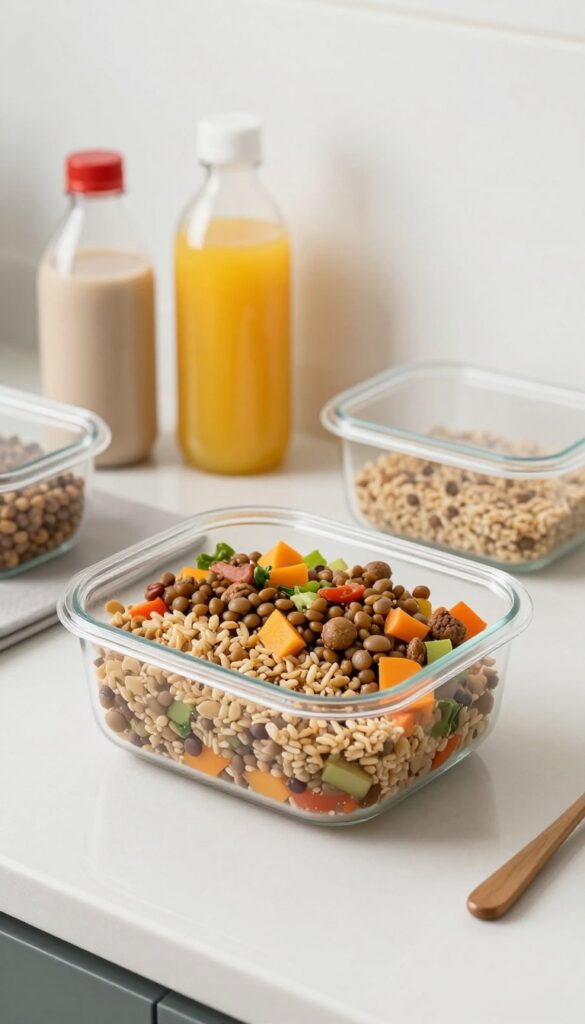
To show how variety and balance work in practice, here is a full day of meals with approximate protein counts. Each meal is designed to be flexible—swap similar foods as needed.
| Meal | Food Items | Approximate Protein (g) |
| Breakfast | 1 cup cooked oatmeal made with water, 1/2 cup sliced strawberries, 1 tbsp maple syrup | 5 g |
| Morning Snack | 1 small apple, 10 almonds | 4 g |
| Lunch | 2 slices low-protein bread with 2 tbsp hummus, 1/2 cup cucumber slices, 1 cup mixed greens with lemon dressing | 8 g |
| Afternoon Snack | 1/2 cup rice cakes, 1 tbsp peanut butter | 4 g |
| Dinner | 3 oz baked chicken breast, 1 cup steamed broccoli, 1/2 cup cooked white rice, 1 tsp olive oil | 21 g |
| Evening Snack | 1/2 cup berries, 1/4 cup coconut milk yogurt (unsweetened) | 2 g |
Important Notes
This plan provides approximately 44 grams of protein total, which fits many low protein targets (adjust portion sizes to meet your specific prescription). All meals are low in sodium and potassium to support kidney-friendly eating. Feel free to swap chicken for tofu or fish, or replace hummus with avocado for variety.
How to Customize
If your protein limit is lower, reduce the chicken to 2 oz (14 g protein) and replace the afternoon snack with plain cucumber slices. If you need more calories, add a tablespoon of olive oil to lunch or an extra serving of rice. Always check labels on bread and yogurt—protein content varies by brand.
Tips for Eating Out and Social Events
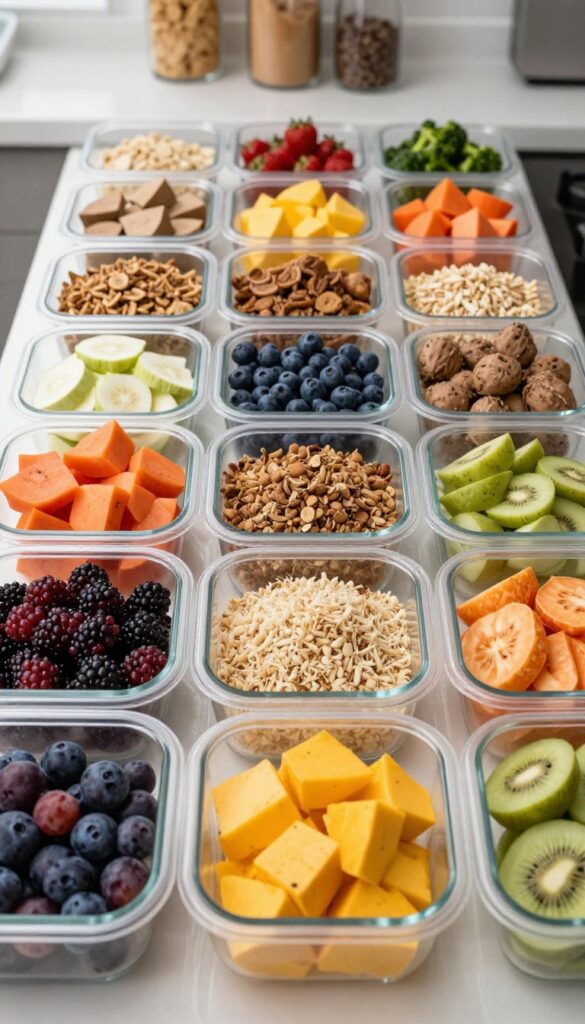
Navigating restaurants and social gatherings on a low protein diet doesn't have to be stressful. With a little planning and the right strategies, you can enjoy meals with others while staying on track.
Ordering at Restaurants
- Choose simple dishes like grilled vegetables, plain salads (dressing on the side), or broth-based soups.
- Ask for modifications: request no cheese, nuts, seeds, or meat; substitute extra veggies or rice.
- Opt for cuisines that naturally offer low protein options, such as vegetable sushi, stir-fried vegetables with rice, or pasta with marinara sauce.
- Be specific when ordering: say 'I'm on a low protein diet, could you leave out the chicken and add extra broccoli?'
What to Bring to Parties
- Bring a dish you know fits your diet, such as a vegetable platter, fruit salad, or rice-based side.
- Pack single-serving snacks like apple slices, cucumber sticks, or low protein crackers in case options are limited.
- If you're unsure about the menu, eat a small low protein snack before you go so you're not overly hungry.
Handling Pressure from Others
- Keep your explanation brief: 'I'm following a specific diet for health reasons.' You don't need to over-explain.
- If someone insists you try a dish, politely decline: 'That looks great, but I need to stick to my plan.'
- Focus on the social aspect rather than the food. Engage in conversation and enjoy the company.
- Remember, it's okay to say no. Your health comes first.
Most restaurants are happy to accommodate dietary needs if you ask politely. Don't be afraid to speak up.
Common Challenges and How to Overcome Them
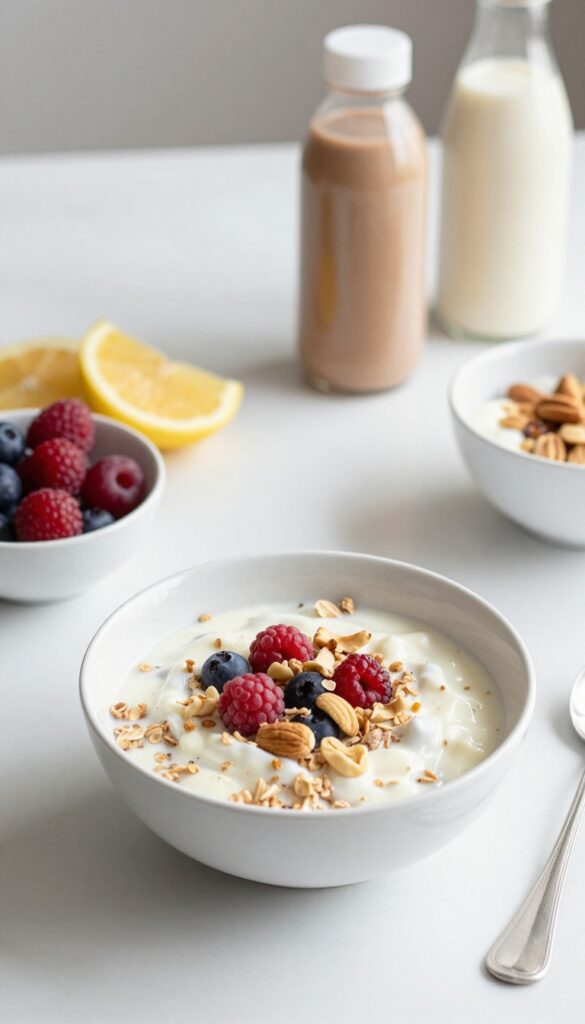
Even with a solid plan, following a low protein diet can bring up unexpected hurdles. Cravings for high protein foods, concerns about missing nutrients, and plain boredom with your meals can all test your commitment. The key is to anticipate these challenges and have practical strategies ready.
Dealing with Cravings for High Protein Foods
- Swap meat for plant-based alternatives: Small amounts of tofu, tempeh, or seitan can satisfy a savory craving without exceeding your protein limit. Use them as flavor accents rather than the main event.
- Try high-flavor, low-protein snacks: Pickles, roasted vegetables with herbs, or a small handful of nuts can provide texture and taste without loading up on protein.
- Use umami boosters: Mushrooms, nutritional yeast, and tomato paste add savory depth to dishes, helping to mimic the satisfying taste of meat.
- Don't fight every craving: A small portion of your favorite high protein food, planned into your daily allowance, can prevent feelings of deprivation and help you stay on track.
Avoiding Nutritional Gaps
When you cut back on protein-rich foods like meat, dairy, and eggs, you also reduce your intake of certain vitamins and minerals, such as B12, iron, calcium, and zinc. To avoid deficiencies, focus on nutrient-dense low protein foods. Leafy greens, fortified plant milks, and whole grains can help fill the gaps.
For example, spinach and kale provide iron and calcium, while fortified cereals offer B12. If you're concerned about meeting your needs, talk to a dietitian about whether supplements are right for you. Never start supplements without professional guidance, as some can interfere with medical conditions or medications.
Beating Meal Boredom
- Rotate your protein sources: Instead of relying on the same few foods, experiment with different low protein grains, legumes in small amounts, and vegetables. Quinoa, amaranth, and lentils can add variety.
- Explore new cuisines: Many traditional dishes from Asian, Mediterranean, and Latin American cuisines are naturally low in protein or can be easily adapted. Try stir-fries, grain bowls, or vegetable curries.
- Change your cooking methods: Roasting, grilling, steaming, and sautéing can transform the same ingredients into entirely different meals. A simple vegetable can taste new when prepared differently.
- Plan a weekly rotation: Create a list of 7 to 10 go-to meals and cycle through them. This reduces decision fatigue and ensures you don't get stuck in a rut.
FAQ
Can I eat eggs on a low protein diet?
Eggs are relatively high in protein (about 6 grams per large egg), so they need to be limited. Depending on your daily protein allowance, you might include half an egg or use egg whites only, which have less protein per volume. Always check with your dietitian for your specific limits.
How do I know if I'm getting enough protein?
Your healthcare provider or dietitian will determine your target protein intake based on your health status. Signs of inadequate protein include fatigue, muscle weakness, and slow wound healing. Keep a food diary for a few days to compare your intake with your goal, and adjust as needed.
What are the best low protein snacks?
Great options include fresh fruits (apples, berries, melon), raw vegetables with a low protein dip like hummus made with less chickpea, rice cakes with jam, or a small serving of low protein crackers. Avoid nuts, seeds, and cheese as they are higher in protein.
Do I need to take supplements?
Some people on a low protein diet may need supplements to ensure adequate intake of certain vitamins and minerals, such as calcium, iron, or B vitamins. However, supplements should only be taken under medical supervision. Your dietitian can recommend specific products if needed.
Can I still build muscle on a low protein diet?
Building muscle typically requires adequate protein, so it can be challenging on a low protein diet. However, with careful planning and timing of protein intake, some muscle maintenance is possible. Focus on resistance training and consult your doctor about safe protein levels for your goals.
Conclusion
Planning a low protein diet doesn't have to be a chore. By focusing on whole, naturally low protein foods and getting creative with your meals, you can enjoy a varied and satisfying diet that supports your health. Remember to work closely with a healthcare professional to tailor the plan to your specific needs and to monitor your progress.
The most important thing is to find a routine that fits your lifestyle and preferences. Don't be afraid to experiment with new recipes and ingredients.

Dr. Pallab Kishore, MS in Orthodontics and owner of Orthodontic Braces Care, shares expert tips on braces, aligners, and oral health from 10+ years of experience.