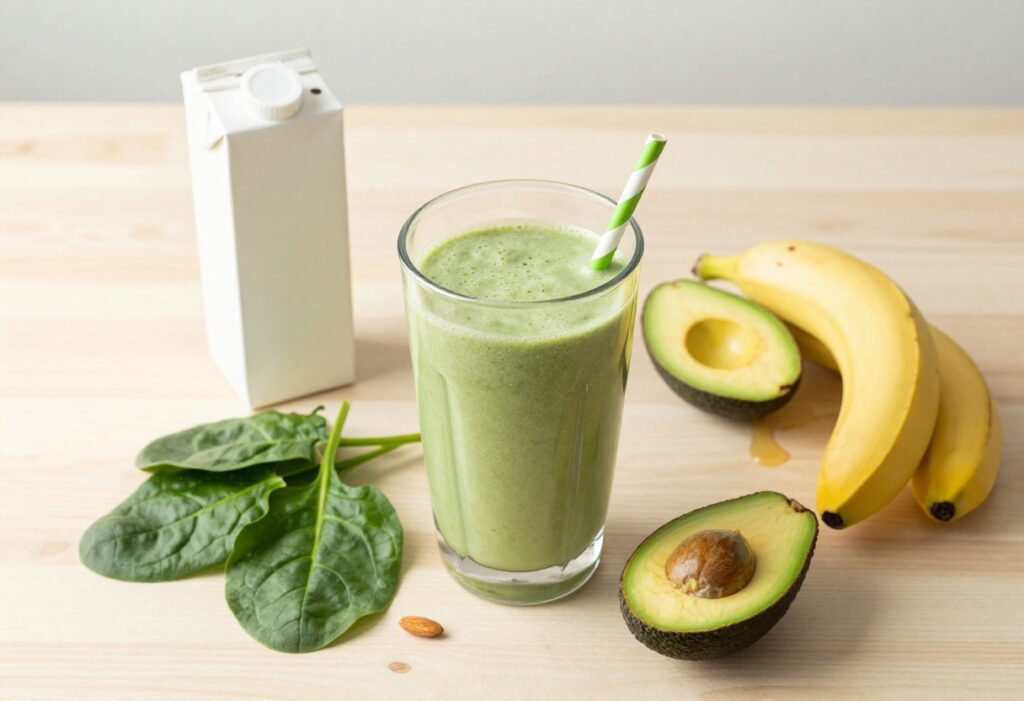
Liquid diets are often recommended for medical reasons, post-surgery recovery, or as a short-term reset. But without proper planning, they can quickly become monotonous or nutritionally inadequate.
That's where meal prep comes in. By taking a few hours each week to prepare your liquid meals, you can ensure you're getting the nutrients you need while saving time and reducing stress.
This guide will walk you through everything you need to know about planning and prepping for a liquid diet. We'll cover the different types of liquid diets, essential nutrients, foods to include and avoid, a sample meal plan, and practical prep tips.
What Is a Liquid Diet and Why Meal Prep Matters
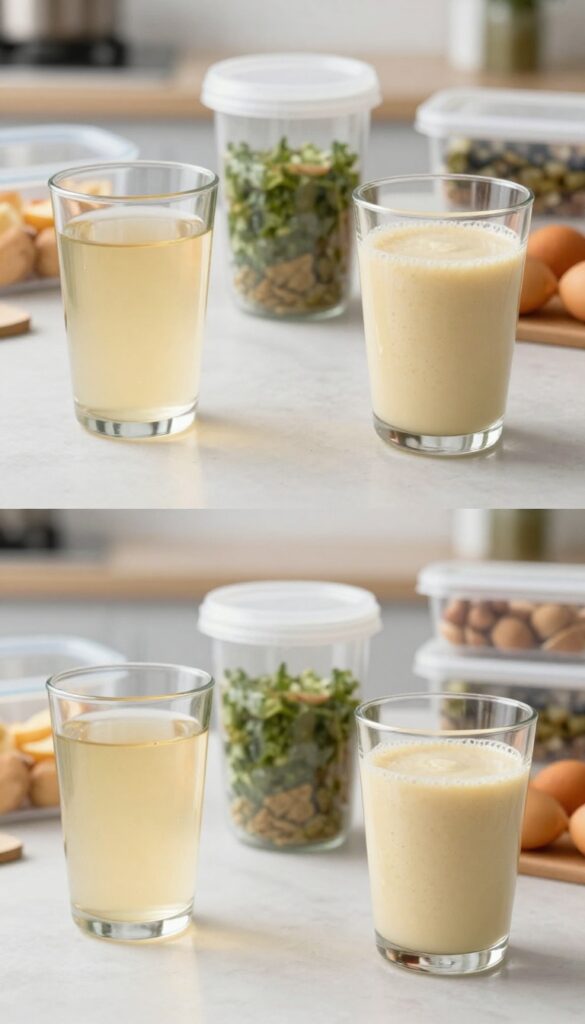
A liquid diet consists entirely of liquids or foods that turn into liquid at room temperature. It is often used for medical reasons, post-surgery recovery, or digestive issues. Understanding the two main types—clear liquid and full liquid—is essential before starting meal prep.
A clear liquid diet includes transparent liquids like water, broth, clear juices, and gelatin. It is typically used for short periods before medical procedures or after surgery to rest the digestive system. A full liquid diet includes all clear liquids plus thicker liquids like milk, yogurt, smoothies, and strained soups.
It provides more nutrients and is often used as a transition before solid foods.
Types of Liquid Diets
- Clear liquid diet: Water, clear broth, apple juice, gelatin, popsicles.
- Full liquid diet: All clear liquids plus milk, yogurt, cream soups, milkshakes, smoothies, and liquid supplements.
Benefits of Meal Prepping for a Liquid Diet
- Prevents nutritional gaps: Planning ensures you get enough protein, vitamins, and calories.
- Saves time and reduces stress: Pre-prepared liquids are ready when you need them.
- Improves compliance: Having tasty, ready-to-eat options makes it easier to stick to the diet.
- Supports recovery: Proper nutrition aids healing and maintains energy levels.
Meal prepping for a liquid diet is not just about convenience—it's about ensuring you meet your nutritional needs while giving your digestive system a break. Whether you're preparing for a medical procedure or managing a digestive condition, a well-planned liquid diet can support your health without leaving you feeling deprived.
Essential Nutrients to Include in Your Liquid Diet
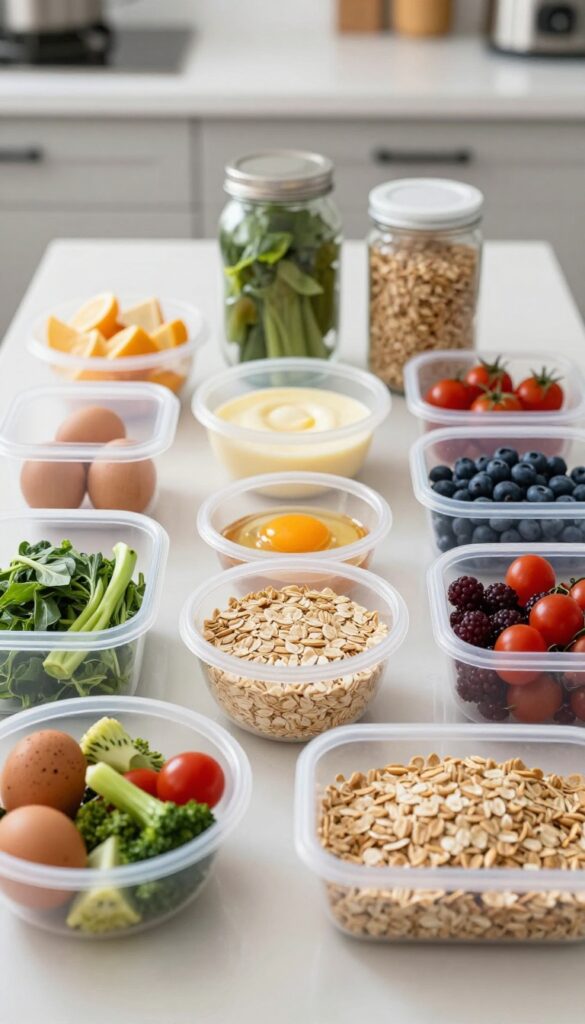
A well-planned liquid diet should provide enough protein, fiber, vitamins, minerals, and electrolytes to support your body's needs. Without these key nutrients, you may experience fatigue, muscle loss, or nutrient deficiencies. Here's what to focus on.
Protein Sources
Protein helps maintain muscle mass and supports healing. Include these in your liquid meals:
Vitamins and Minerals
Blended fruits and vegetables are your best source of micronutrients. Aim for a variety of colors:
Fiber
Liquid diets can lack fiber, leading to constipation. Include soluble fiber sources:
Electrolytes
Sodium, potassium, and magnesium are crucial for hydration and nerve function. Get them from:
Supplement if Necessary
If you're on a liquid diet for more than a few days, consider a multivitamin or specific supplements (like vitamin B12, iron, or calcium) after consulting your healthcare provider.
Foods to Include and Avoid on a Liquid Diet
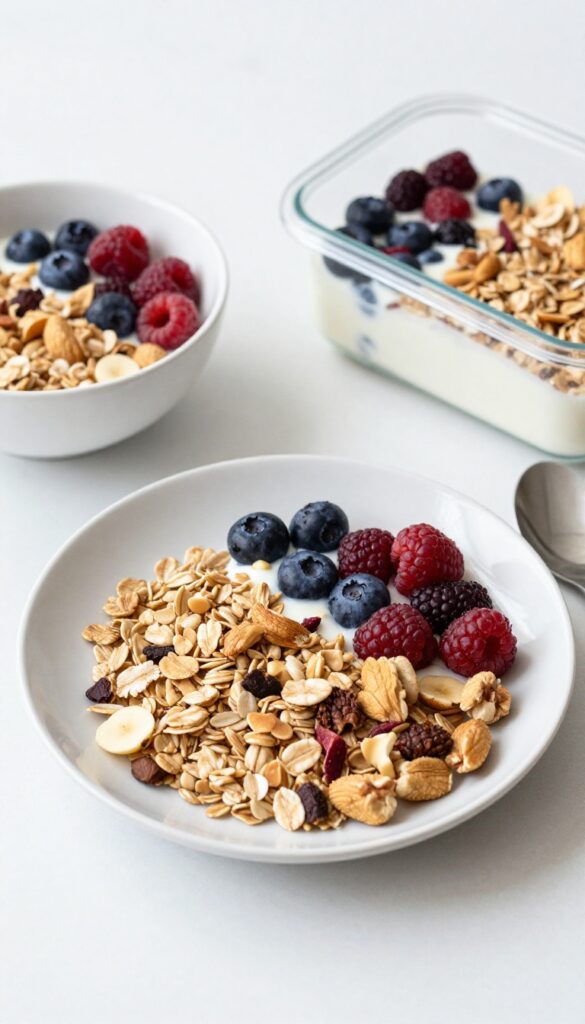
Knowing which foods are allowed on a liquid diet is crucial for both safety and nutrition. This section breaks down what you can include in clear and full liquid diets, and what to avoid to prevent complications.
Clear Liquid Diet: What’s Allowed
A clear liquid diet consists of transparent liquids that leave little to no residue in your digestive tract. These are often used before medical procedures or during acute illness.
Allowed clear liquids
- Clear broths (chicken, beef, vegetable) – strained, no solids
- Clear fruit juices without pulp (apple, white grape, cranberry)
- Gelatin (Jell-O) – plain, no fruit pieces
- Popsicles without fruit chunks or dairy
- Plain water, sparkling water, or clear electrolyte drinks
- Tea or black coffee (no milk, cream, or sweeteners if on strict clear liquid)
Full Liquid Diet: What’s Allowed
A full liquid diet includes all clear liquids plus thicker, opaque liquids and smooth, semi-liquid foods. This is often a step up from clear liquids and provides more calories and nutrients.
Allowed full liquids
- All clear liquid options
- Milk, buttermilk, or plant-based milks (soy, almond, oat) – if tolerated
- Thin, smooth yogurt or kefir (no fruit chunks, nuts, or seeds)
- Strained cream soups (pureed, no solids)
- Smoothies made with allowed fruits, vegetables, and protein powder (no seeds or nuts)
- Thin hot cereals (cream of wheat, grits) – thinned to liquid consistency
- Melted ice cream or sherbet (without chunks)
- Protein shakes or meal replacement drinks (pre-blended, no chunks)
Foods to Avoid on Any Liquid Diet
| Food Category | Examples | Why to Avoid |
| Chunky or solid foods | Meat pieces, whole fruits, vegetables, rice, pasta | Cannot be consumed in liquid form; may clog feeding tubes or cause choking |
| Seeds, nuts, and grains | Chia seeds, flaxseeds, whole oats, quinoa | Leave residue and can interfere with digestion or medical tests |
| Dairy (for some) | Whole milk, thick yogurt, cheese | May cause mucus or intolerance; some liquid diets restrict dairy |
| High-fiber foods | Raw vegetables, legumes, bran | Too much fiber can cause gas or bloating; not suitable for clear liquid diets |
| Alcoholic beverages | Beer, wine, liquor | Dehydrating and may interfere with medications or recovery |
| Caffeinated drinks (if restricted) | Coffee, tea, soda | May cause dehydration or stomach irritation; check with your doctor |
Important Note on Individual Needs
Always follow your healthcare provider’s specific guidelines. Some medical conditions or procedures require stricter restrictions (e.g., no red or purple liquids before a colonoscopy). When in doubt, ask your doctor or dietitian.
Sample 7-Day Liquid Diet Meal Plan
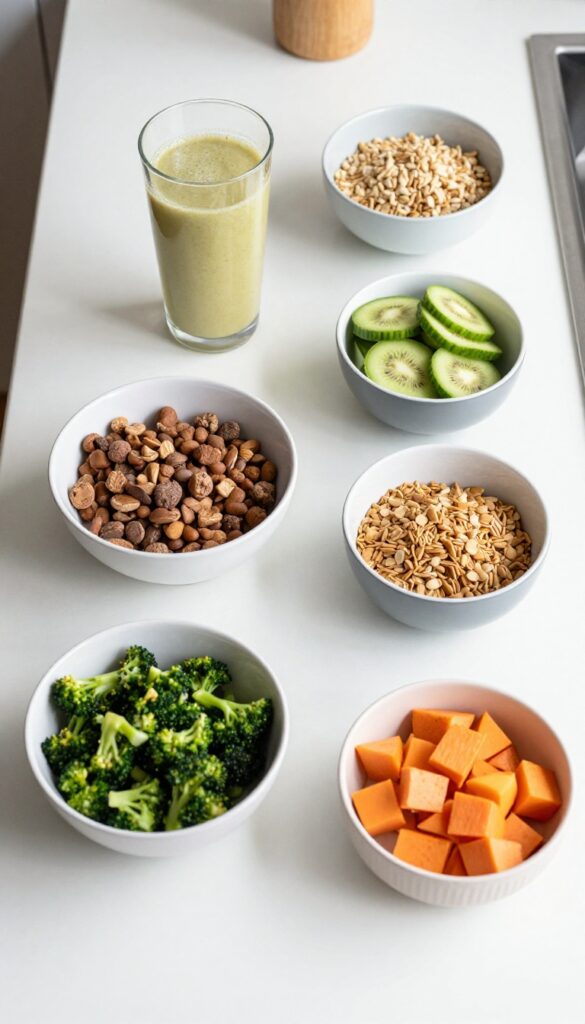
This sample 7-day meal plan is designed to keep your liquid diet interesting and nutritious. It includes a mix of clear and full liquid options, with hydration reminders built in. Adjust the consistency (thin vs. thick) based on your specific dietary needs and medical advice.
Day Liquid Diet Meal Plan
| Day | Breakfast | Lunch | Dinner | Snack |
| Monday | Clear: Apple juice, clear broth | Full: Cream of tomato soup (strained), protein shake | Full: Blended chicken soup with pureed veggies | Clear: Orange gelatin, herbal tea |
| Tuesday | Full: Strawberry banana smoothie (yogurt, milk, fruit) | Clear: Vegetable broth, grape juice | Full: Pureed lentil soup (thin consistency) | Clear: Cranberry juice, clear popsicle |
| Wednesday | Clear: White grape juice, clear broth | Full: Creamy pumpkin soup (strained), protein shake | Full: Blended salmon with pureed carrots (thin) | Clear: Lemon sorbet (melted), mint tea |
| Thursday | Full: Mango smoothie (milk, yogurt, mango) | Clear: Chicken broth, apple juice | Full: Pureed split pea soup (thin) | Clear: Clear gelatin, cranberry juice |
| Friday | Clear: Clear broth, peach nectar | Full: Creamy mushroom soup (strained), protein shake | Full: Blended turkey with pureed sweet potato (thin) | Clear: Grape juice, clear popsicle |
| Saturday | Full: Blueberry smoothie (yogurt, milk, blueberries) | Clear: Vegetable broth, white grape juice | Full: Pureed minestrone (strained, thin) | Clear: Orange gelatin, herbal tea |
| Sunday | Clear: Apple juice, clear broth | Full: Cream of chicken soup (strained), protein shake | Full: Blended beef with pureed green beans (thin) | Clear: Cranberry juice, clear popsicle |
Hydration Reminders
Drink at least 8–10 cups (64–80 oz) of water throughout the day, plus additional fluids from soups, juices, and smoothies. Sip slowly and avoid gulping to prevent discomfort. Herbal teas and clear broths count toward your fluid intake.
Adjusting for Clear vs. Full Liquid Diet
If you are on a clear liquid diet, choose only the clear options listed (broths, clear juices, gelatin, popsicles). For a full liquid diet, you can include all items. Always check with your healthcare provider before starting any liquid diet plan.
How to Prep Liquid Diet Meals for the Week
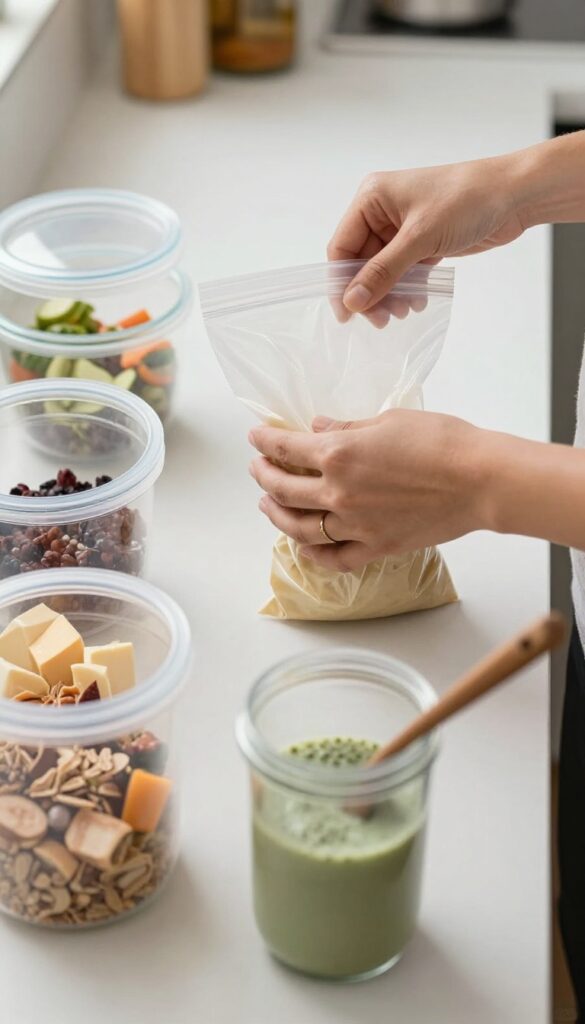
Setting aside a couple of hours once a week to prep liquid diet meals can save you time, reduce stress, and help you stick to your plan. Here’s a step-by-step approach to batch cooking broths and soups, prepping smoothie packs, and storing everything properly.
Batch Cooking Broths and Soups
- Use a slow cooker or stockpot to make 4-6 servings at once.
- Puree soups thoroughly to ensure a smooth consistency.
- Cool soups quickly by placing the pot in an ice bath before storing.
Prepping Smoothie Packs
- Label each pack with the date and contents.
- Include a balance of veggies, fruit, and protein for a complete meal.
- Freeze bags flat to save space and speed up blending.
Storing and Portioning
- Use freezer-safe containers with airtight lids.
- Label each container with the date and type of meal.
- Invest in a good blender that can handle frozen ingredients.
Common Mistakes to Avoid on a Liquid Diet
Even with the best intentions, it's easy to slip up when starting a liquid diet. Here are the most common pitfalls and how to steer clear of them.
Not Getting Enough Calories
- Many liquid diets are low in calories, which can lead to fatigue, dizziness, and muscle loss. To avoid this, calculate your daily calorie needs and plan your meals to meet them. Include calorie-dense ingredients like nut butters, avocados, and full-fat dairy or plant-based milks.
Ignoring Fiber
- A lack of fiber can cause constipation and blood sugar spikes. Incorporate soluble fiber sources like oats, chia seeds, flaxseeds, and psyllium husk into your smoothies or soups. These help with digestion and keep you full longer.
Relying Only on Fruit Juices
- Fruit juices are high in sugar and low in protein, fat, and fiber, leading to energy crashes and nutrient gaps. Balance your diet with protein shakes, vegetable soups, and dairy or plant-based alternatives to ensure a complete nutrient profile.
Skipping Hydration
- Liquid diets can be dehydrating if you rely on thick smoothies or soups. Remember to drink plain water, herbal teas, or electrolyte drinks throughout the day. Aim for at least 8 cups (64 ounces) of fluid from water and other non-caloric beverages.
Neglecting Protein Intake
- Protein is essential for muscle maintenance and satiety. Include protein powders, Greek yogurt, silken tofu, or bone broth in your meals. Aim for 20-30 grams of protein per meal or snack.
Forgetting About Micronutrients
- Liquid diets can lack vitamins and minerals like iron, calcium, and B12. Incorporate fortified foods or consider a multivitamin if advised by your healthcare provider. Leafy greens, fortified plant milks, and nutritional yeast are great additions.
FAQ
Can I drink coffee or tea on a liquid diet?
Yes, in moderation. Plain black coffee or tea without milk or cream is usually allowed on clear liquid diets. For full liquid diets, you may add milk or non-dairy alternatives.
Avoid sugary syrups or additives.
How long can I safely stay on a liquid diet?
It depends on the type and your health status. Clear liquid diets are typically short-term (1-3 days). Full liquid diets can last longer but should be supervised.
Always follow your doctor's recommendations.
Can I exercise while on a liquid diet?
Light to moderate exercise is usually fine, but listen to your body. You may have less energy, so avoid intense workouts. Stay hydrated and consider electrolyte-rich liquids.
What if I feel hungry all the time?
Ensure you're consuming enough calories and protein. Include fiber-rich liquids like blended vegetables or chia seed drinks. Eating smaller, more frequent meals can also help manage hunger.
Do I need to take supplements?
It's possible you may need supplements to meet your nutritional needs, especially for vitamins B12, D, and iron. Consult your healthcare provider before adding any supplements.
Conclusion
Planning and prepping your liquid diet meals doesn't have to be overwhelming. By understanding the types of liquid diets, focusing on nutrient-dense ingredients, and setting aside time for batch prep, you can create a varied and satisfying meal plan that supports your health goals. Remember to stay hydrated, listen to your body, and adjust as needed.
Always work with a healthcare professional to ensure your liquid diet is safe and appropriate for your individual needs. With a little preparation, you can navigate your liquid diet journey with confidence and ease.

Dr. Pallab Kishore, MS in Orthodontics and owner of Orthodontic Braces Care, shares expert tips on braces, aligners, and oral health from 10+ years of experience.