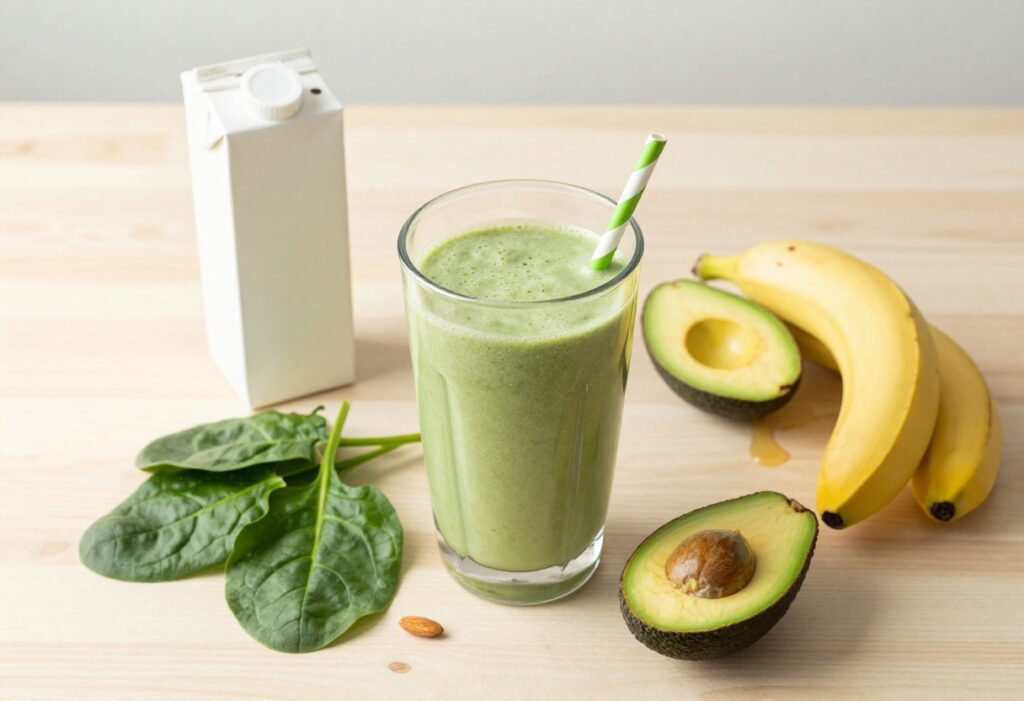
A low-fiber diet is often recommended for people with digestive issues like diverticulitis, Crohn's disease, ulcerative colitis, or after certain surgeries. It gives your digestive system a break by limiting foods that are hard to break down.
But eating low-fiber doesn't mean you have to sacrifice flavor or satisfaction.
Here are 15 gentle meal ideas that are easy to prepare, nutritious, and kind to your stomach.
Creamy Mashed Potatoes
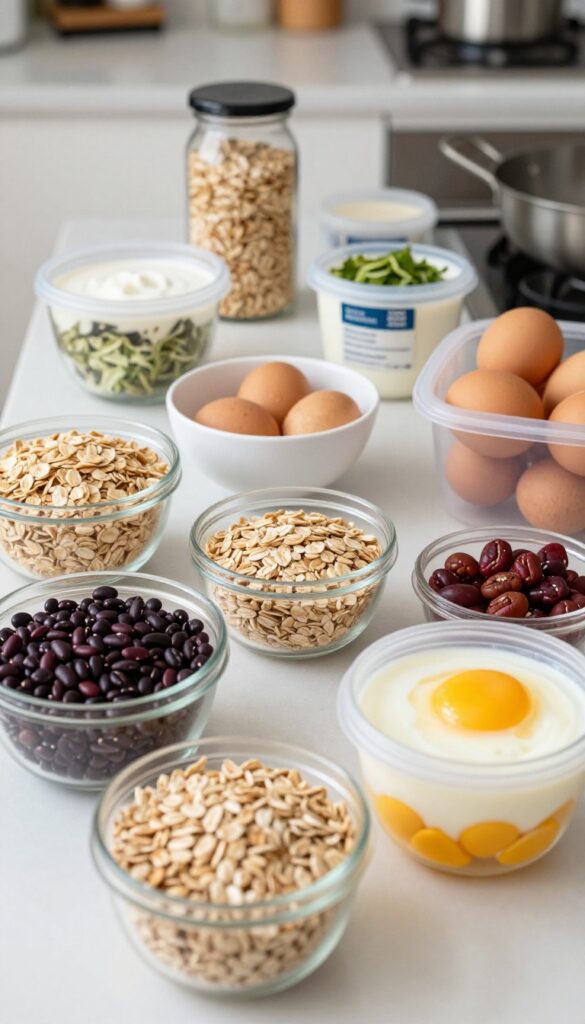
When you need a comforting, easy-to-digest side or light main, creamy mashed potatoes are a go-to. They're smooth, satisfying, and naturally low in fiber when prepared without the skin.
To make them, peel your potatoes thoroughly and boil until fork-tender. Mash with butter and warm milk (or a dairy-free alternative) until velvety. Season with salt and a pinch of white pepper for flavor without visible specks.
Key Ingredients & Tips
- Use Yukon Gold or Russet potatoes for the fluffiest texture.
- Add butter and milk gradually to control creaminess.
- Avoid adding skins, chives, garlic chunks, or bacon bits, which add insoluble fiber.
Why It's Gentle
Mashed potatoes are low in fiber (about 2 grams per cup without skin) and easy on the digestive tract. The soft, smooth consistency requires minimal chewing and is unlikely to irritate a sensitive gut.
Soft Scrambled Eggs
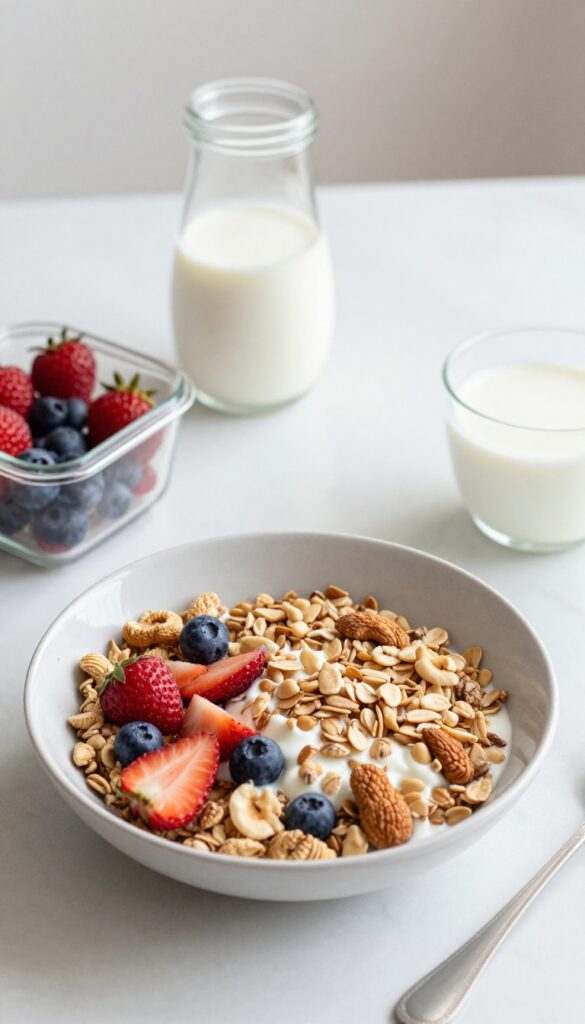
Scrambled eggs are a classic low-fiber breakfast that's gentle on the digestive system. When cooked slowly over low heat, they become soft, creamy, and easy to swallow—perfect for those needing a light meal.
To make soft scrambled eggs, whisk 2-3 eggs with a splash of milk or water until frothy. Melt a pat of butter in a non-stick pan over low heat, pour in the eggs, and stir gently with a silicone spatula. Cook slowly, removing from heat just before they look fully set—they'll finish cooking from residual heat.
Avoid high heat, which makes eggs tough and rubbery.
- High in protein to support healing and energy
- Naturally low in fiber and easy to digest
- Customizable: add a pinch of salt or herbs like chives for flavor without irritation
If you're lactose intolerant, use water or lactose-free milk instead of regular milk, and skip the butter or use a dairy-free alternative.
Chicken Noodle Soup
A classic comfort food that's gentle on the digestive system. This version skips high-fiber vegetables and uses simple, low-fiber ingredients to create a soothing, hydrating meal.
Key Ingredients
Well-cooked chicken (shredded or diced), soft egg noodles or pasta, low-sodium chicken broth, and a pinch of salt.
Preparation Tip
- Cook the noodles until very soft, almost tender.
- Shred the chicken finely to make it easy to chew and digest.
- Avoid adding celery, onions, or any vegetables with skin or seeds.
Why It's Gentle
The clear broth provides hydration, while the soft noodles and chicken are low in fiber and easy on the stomach. This soup is warm, soothing, and can help maintain electrolyte balance without irritating the digestive tract.
White Rice with Grilled Chicken
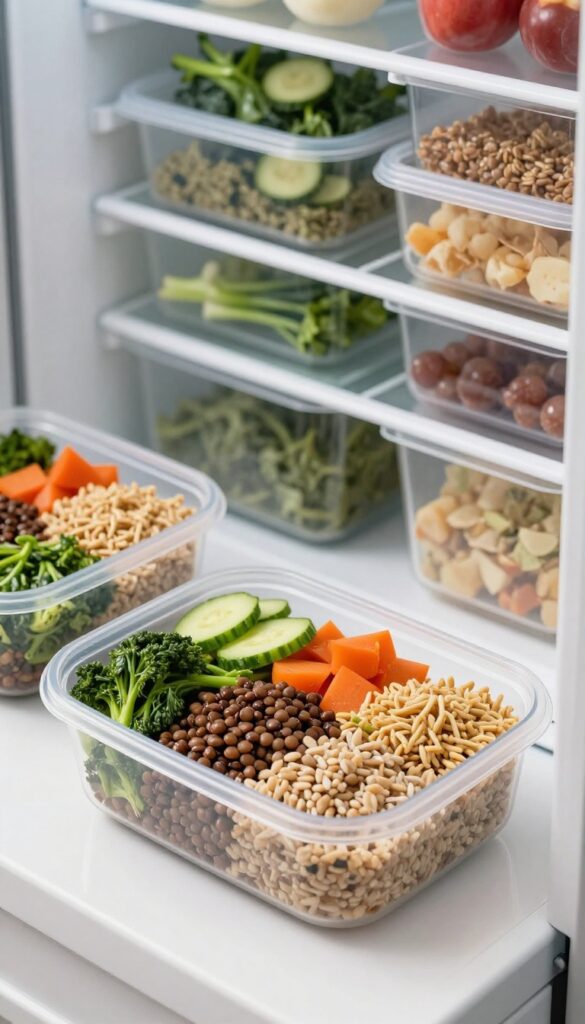
A simple, low-fiber staple that's easy on the digestive system.
White rice is a refined grain, meaning it has the bran and germ removed, making it very low in fiber. Paired with plain grilled chicken, this meal provides protein and energy without irritating the gut.
Key Points
- Ingredients: white rice, boneless skinless chicken breast, salt, olive oil (optional).
- Cooking tip: Season the chicken lightly with salt and grill or pan-fry until cooked through. Serve over steamed white rice.
- Why it's gentle: Both white rice and plain chicken are easy to digest and low in residue, making this a safe choice for a low-fiber diet.
Baked Fish with Zucchini Noodles
When you're craving a light, satisfying meal that feels like comfort food without the fiber, baked fish with zucchini noodles is a perfect choice. The zucchini noodles, or "zoodles," become tender when cooked, making them a gentle alternative to pasta. Fish is naturally easy to digest and pairs beautifully with the mild flavor of zucchini.
Ingredients
Choose a white fish like cod, tilapia, or sole. You'll need 2 medium zucchinis, a tablespoon of olive oil, salt, pepper, and optional lemon juice or a sprinkle of dried herbs like dill or parsley.
Preparation Tip
Preheat your oven to 400°F (200°C). Spiralize the zucchinis into noodles, then pat them dry with a paper towel to remove excess moisture. Place the fish fillets on a baking sheet lined with parchment paper, brush with olive oil, and season lightly.
Bake the fish for 12-15 minutes, until it flakes easily. Meanwhile, sauté the zucchini noodles in a non-stick pan over medium heat for 2-3 minutes—just until they are soft but not mushy. Serve the fish over the noodles, and drizzle with a little lemon juice if desired.
Why It's Gentle
This dish is low in fiber because zucchini is a low-fiber vegetable, especially when peeled and cooked. The fish provides high-quality protein without any tough connective tissue, making it easy to chew and digest. The simple seasoning avoids any spices that might irritate a sensitive digestive system.
Smoothie with Low-Fiber Fruits
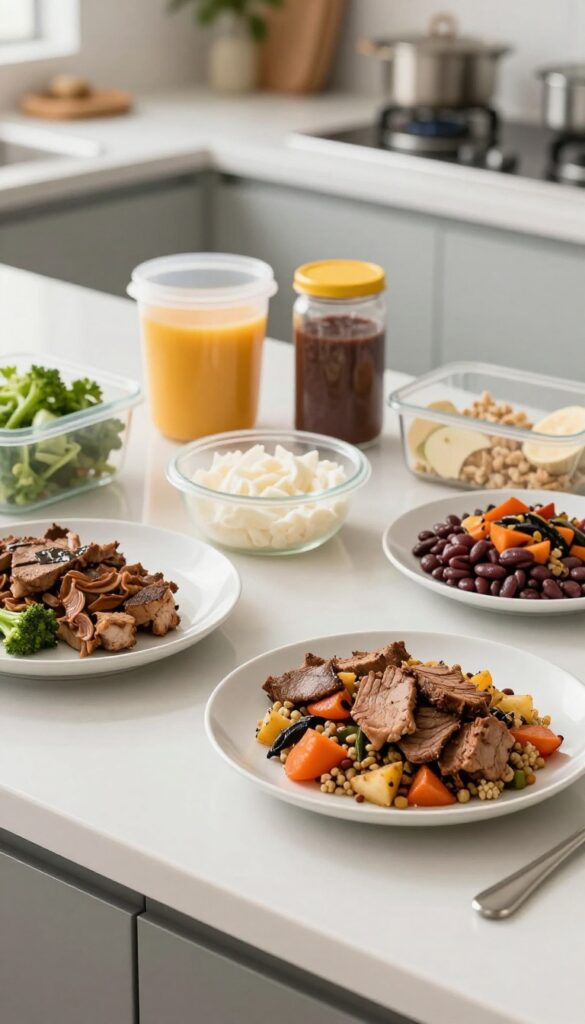
A smoothie can be a quick, soothing option when you need something light but nourishing. By choosing low-fiber fruits and avoiding seeds, you create a drink that is gentle on the digestive system.
For a low-fiber smoothie, stick with fruits like ripe bananas, melon, or canned peaches (in juice, not syrup). These fruits are naturally low in fiber and easy to blend into a creamy consistency. Avoid berries, apples with skin, or any fruits with seeds, as these add insoluble fiber that can irritate a sensitive gut.
Key Ingredients
- 1 ripe banana or 1/2 cup diced melon
- 1/2 cup canned peaches (drained)
- 1/2 cup plain yogurt or milk (dairy or lactose-free)
- Optional: a splash of vanilla extract or honey for sweetness
Preparation tip: Blend all ingredients until completely smooth. If the smoothie is too thick, add a little more milk or water. Serve immediately.
Why it's gentle: This smoothie provides hydration, calories, and some protein without the abrasive fiber found in whole fruits or seeds. The yogurt adds probiotics that may support digestion, and the smooth texture is easy on the stomach.
Cottage Cheese with Canned Peaches
This simple, no-cook snack combines creamy cottage cheese with the natural sweetness of canned peaches. It's a soft, low-fiber option that's rich in protein and easy to digest.
Cottage cheese provides a smooth, mild base, while canned peaches (packed in juice or light syrup) are peeled and soft, making them gentle on the digestive system. Together, they create a balanced mini meal or snack.
- Ingredients: 1/2 cup low-fat cottage cheese, 1/2 cup canned peach slices (drained), optional dash of cinnamon or vanilla extract.
- Serving suggestion: Spoon the cottage cheese into a bowl, top with peaches, and add a sprinkle of cinnamon if desired. Serve immediately or chill for a cooler treat.
- Why it's gentle: Both ingredients are low in fiber—cottage cheese has no fiber, and canned peaches have minimal fiber compared to fresh. The soft texture requires little chewing and is easy on the stomach.
Pasta with Butter and Parmesan
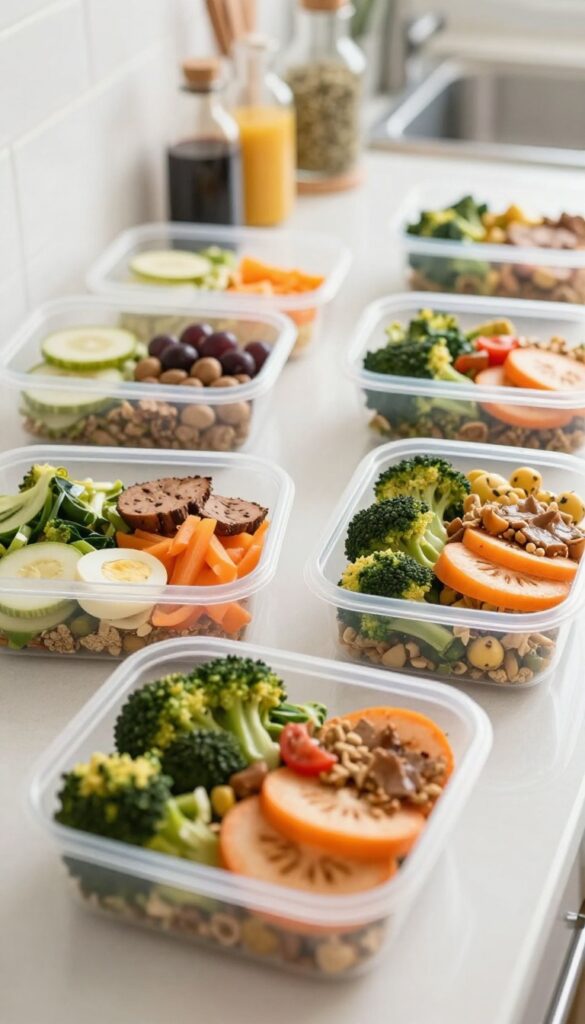
When you need a gentle, low-fiber meal, a simple bowl of pasta with butter and Parmesan can be both satisfying and easy to digest.
For this dish, use refined white pasta such as spaghetti, fettuccine, or elbow macaroni. Avoid whole wheat, legume-based, or vegetable-infused pastas, as they add fiber and can be harder to tolerate. Cook the pasta until very tender—slightly beyond al dente—to make it even gentler on your digestive system.
Ingredients
You’ll need: 1 cup dry white pasta, 2 tablespoons unsalted butter, 2 tablespoons finely grated Parmesan cheese, and salt to taste. Optional: a splash of pasta cooking water to loosen the sauce.
Preparation Tip
After draining the pasta, return it to the pot over low heat. Add the butter and stir until melted. Sprinkle in the Parmesan and toss well.
If the pasta seems dry, add a tablespoon or two of reserved pasta water. Serve warm.
Why It’s Gentle
Refined white pasta is low in fiber and easy to break down. Butter and Parmesan add fat and protein without irritating the gut. This combination provides comfort and energy without the risk of bloating or discomfort from high-fiber ingredients.
Turkey and Cheese Roll-Ups
These roll-ups are a simple, satisfying lunch or snack that skips the bread and uses soft cheese for a gentle, low-fiber option.
Ingredients
Use thinly sliced turkey breast (avoid seasoned or high-fiber varieties), a soft cheese like cream cheese or spreadable goat cheese, and optional thin cucumber or avocado slices if tolerated.
Preparation Tip
Lay a slice of turkey flat, spread a thin layer of cream cheese, add a few slices of cucumber or avocado if desired, then roll tightly. Secure with a toothpick if needed. For extra flavor, add a pinch of salt or herbs.
Why It's Gentle
- No bread means no fiber from grains.
- Soft cheese is easy to digest and adds protein and fat.
- Turkey is lean and well-tolerated.
Cream of Wheat or Cream of Rice
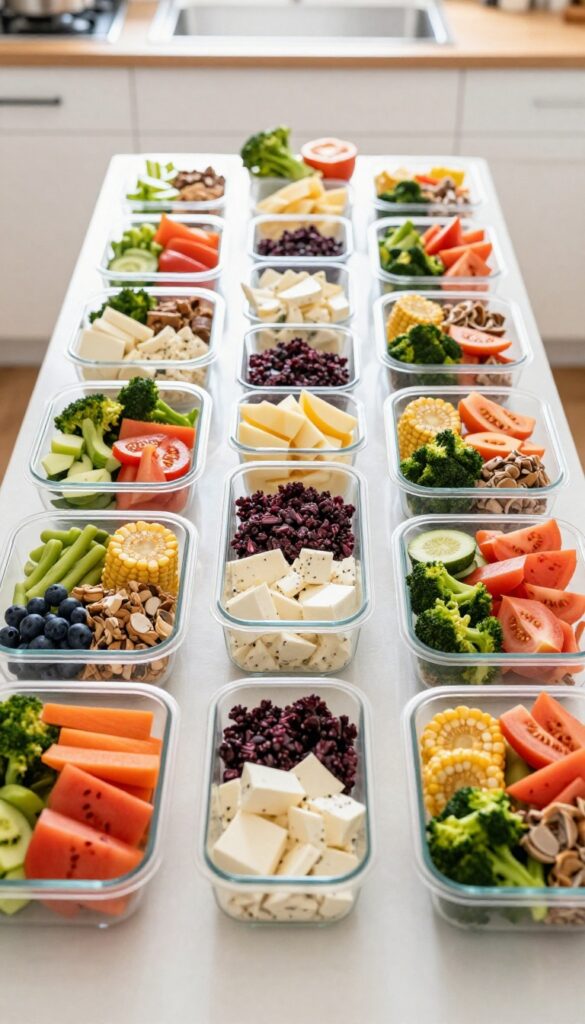
For a warm, soothing breakfast that's easy on the stomach, Cream of Wheat or Cream of Rice are excellent choices. These hot cereals are naturally low in fiber and often fortified with iron, making them both gentle and nutritious.
To prepare, simply cook the cereal according to package directions using water or milk for a creamier texture. Stir frequently to prevent lumps. Once thickened, customize with a splash of milk and a teaspoon of sugar or honey for sweetness.
Avoid adding nuts, dried fruits, or high-fiber toppings like granola.
Why it's gentle
- Low in insoluble fiber, reducing irritation to the digestive tract.
- Smooth, soft texture requires minimal chewing and is easy to swallow.
- Fortified with iron to help maintain nutrient intake during a restricted diet.
Baked Chicken Thighs with Carrots
This simple one-pan meal is a go-to for a low-fiber diet. The chicken thighs stay tender and juicy, while the carrots soften during baking, making them easy to digest.
To prepare, season boneless, skinless chicken thighs with a little salt, pepper, and olive oil. Arrange them on a baking sheet alongside peeled carrot sticks. Bake at 375°F (190°C) for 25–30 minutes, or until the chicken reaches an internal temperature of 165°F and the carrots are fork-tender.
Why it's gentle
- Carrots are low in fiber when cooked, especially when peeled and soft.
- Chicken thighs are naturally tender and moist, requiring minimal chewing.
- Simple seasoning keeps the dish easy on the stomach.
Tuna Salad with Mayonnaise
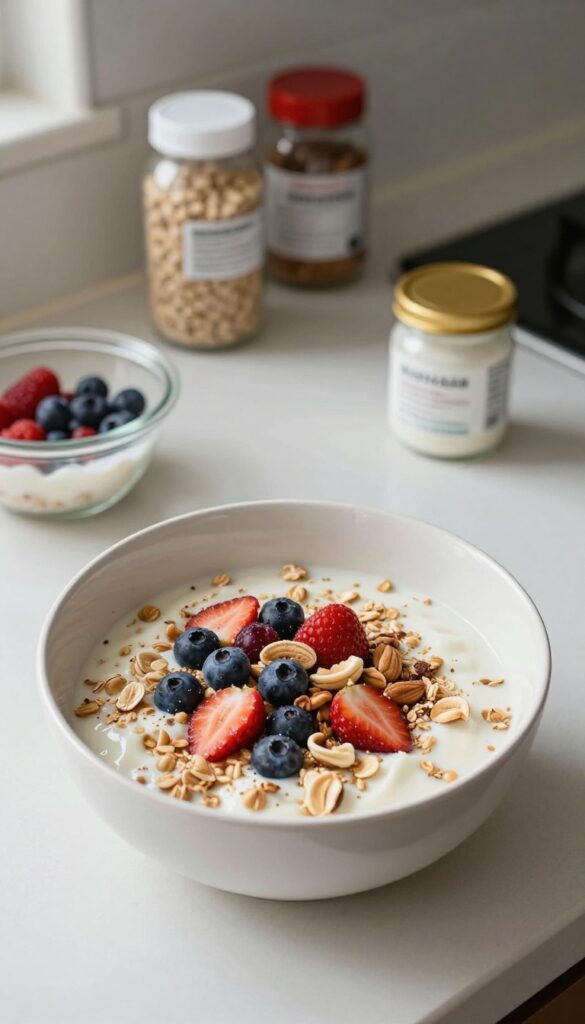
A classic tuna salad made without crunchy add-ins is a perfect low-fiber meal that's high in protein and easy to digest.
Canned tuna packed in water is soft and flaky, making it ideal for a gentle diet. Mix it with plain mayonnaise for creaminess without any fiber. For extra moisture, add a splash of pickle juice or a little yogurt, but skip the celery, onions, or relish.
Serve the tuna salad on soft white bread, plain crackers, or even on a bed of lettuce if you tolerate it well.
- Ingredients: Canned tuna (in water), plain mayonnaise, optional salt or pepper.
- Preparation tip: Drain the tuna well, then mix with mayonnaise until creamy. Avoid adding any high-fiber mix-ins like celery, onions, or pickles.
- Why it's gentle: Tuna is low in fiber and easy to chew. Mayonnaise adds moisture without bulk, making it safe for sensitive digestive systems.
Rice Pudding
Rice pudding is a classic comfort dessert that's naturally soft, creamy, and gentle on the digestive system. Made with white rice, milk, and a touch of sweetener, it's a perfect low-fiber treat that feels indulgent without causing irritation.
To make a low-fiber rice pudding, use white rice (such as short-grain or Arborio) and cook it slowly in milk until it becomes thick and creamy. Sweeten with a little sugar, honey, or maple syrup, and flavor with vanilla or cinnamon. Avoid adding raisins, nuts, or any high-fiber fruits or seeds.
Why It's Gentle
- White rice is low in fiber and easy to digest.
- Milk provides protein and calcium without adding bulk.
- The creamy texture is soothing and requires minimal chewing.
Well-Cooked Carrots and Green Beans
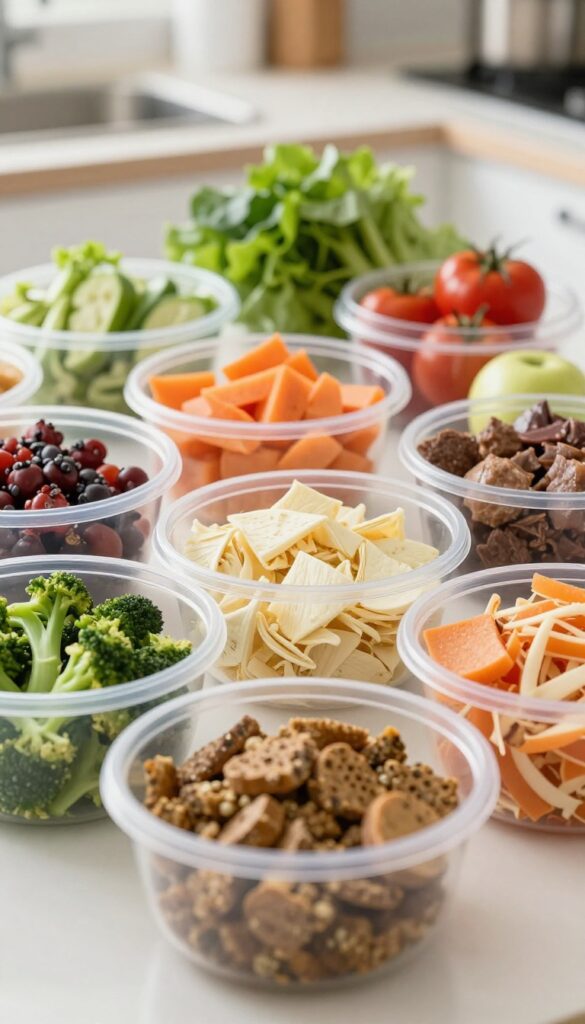
This simple side dish is a gentle way to include vegetables in a low-fiber diet. The key is cooking them until very soft, which breaks down the fiber and makes them easy to digest.
Carrots and green beans are naturally low in fiber when cooked thoroughly. For this dish, peel and slice carrots into thin rounds, and trim the green beans. Boil or steam them until they are tender enough to pierce easily with a fork—usually about 10–15 minutes.
Drain well and toss with a pat of butter and a pinch of salt. The butter adds a smooth, comforting flavor without any harsh seasonings.
Why it works for a low-fiber diet
- Overcooking breaks down insoluble fiber, making the vegetables gentler on the digestive tract.
- Butter provides a small amount of fat to help absorb fat-soluble vitamins without irritating the gut.
- No skins or seeds means less roughage, which is ideal for sensitive stomachs.
Serve these well-cooked vegetables alongside a plain protein like grilled chicken or fish. Avoid adding high-fiber ingredients like corn, peas, or broccoli. This dish is also a great way to stay hydrated, as the cooking process adds moisture.
Apple Sauce
Apple sauce is a smooth, low-fiber fruit option that's easy to digest and gentle on the stomach. It provides natural sweetness without the roughage found in whole apples.
Choose unsweetened apple sauce or make your own by cooking peeled, cored apples until soft and blending until smooth. Avoid adding chunks of apple or high-fiber fruits like berries.
Key Ingredients
- Peeled apples (e.g., Gala, Fuji)
- Optional: cinnamon, a touch of sugar or honey
Serving Suggestion
Enjoy apple sauce on its own as a snack, or serve it alongside low-fiber meals like white rice or baked chicken. It also works well as a topping for pancakes or waffles made with refined flour.
Why It's Gentle
The cooking and blending process breaks down the fiber in apples, making the sauce easy to digest. It's also low in acidity compared to some fruits, reducing the risk of irritation.
FAQ
Can I eat bananas on a low-fiber diet?
This depends on your exact situation, but the safest approach is to use the guidance in the article and adjust it to your needs.
Is white bread allowed on a low-fiber diet?
This depends on your exact situation, but the safest approach is to use the guidance in the article and adjust it to your needs.
Can I have dairy on a low-fiber diet?
This depends on your exact situation, but the safest approach is to use the guidance in the article and adjust it to your needs.
How long should I stay on a low-fiber diet?
This depends on your exact situation, but the safest approach is to use the guidance in the article and adjust it to your needs.
Can I eat eggs on a low-fiber diet?
This depends on your exact situation, but the safest approach is to use the guidance in the article and adjust it to your needs.
Conclusion
Summarize the importance of choosing gentle, low-fiber meals for digestive health.
Encourage readers to listen to their bodies and consult a healthcare provider for personalized advice.

Dr. Pallab Kishore, MS in Orthodontics and owner of Orthodontic Braces Care, shares expert tips on braces, aligners, and oral health from 10+ years of experience.