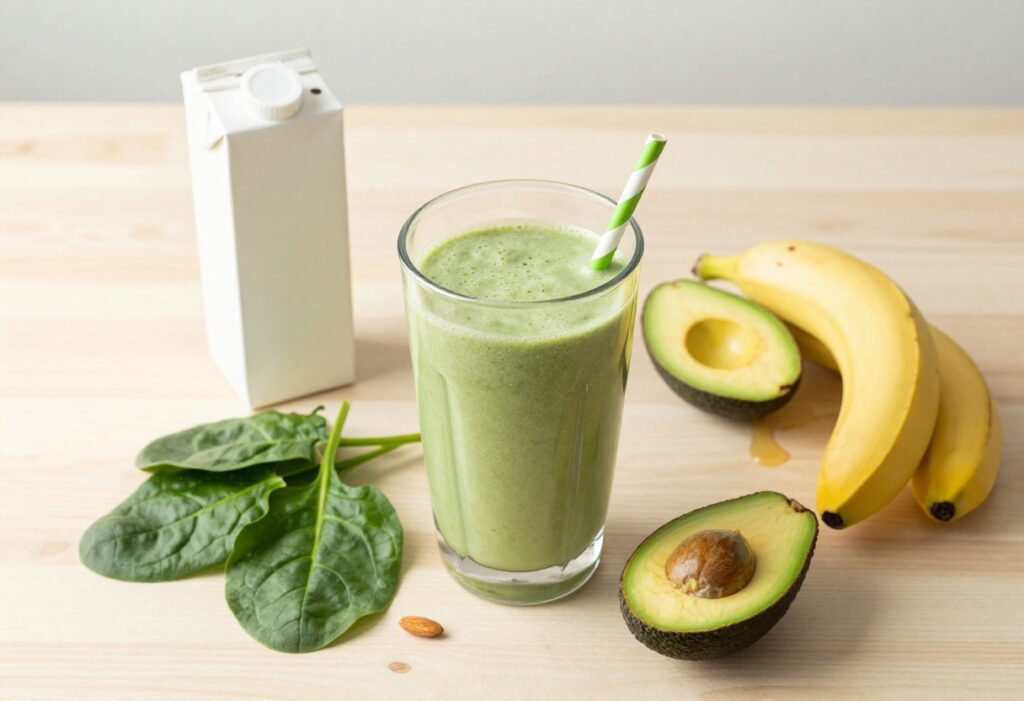
Fiber is one of the most important nutrients for your overall health, yet most people don't get enough. It supports digestion, helps you feel full longer, and can even lower your risk of heart disease and type 2 diabetes.
The good news is that adding more fiber to your daily diet doesn't have to be complicated or bland. This guide will walk you through everything you need to know to create a high-fiber eating plan that works for your lifestyle.
You'll learn about the different types of fiber, how much you need, and which foods are the best sources. We'll also share a sample meal plan and practical tips to help you increase your intake without discomfort.
Why Fiber Matters for Your Daily Health

Fiber is a type of carbohydrate that your body cannot digest. Unlike other carbs, it passes through your digestive system relatively intact, providing a host of health benefits along the way. Despite its importance, most people fall short of the recommended daily intake.
Understanding why fiber matters can motivate you to include more in your daily diet.
Fiber is best known for its role in keeping your digestive system running smoothly. It adds bulk to stool and helps food move through your intestines, which can prevent constipation and promote regularity. But its benefits go far beyond digestion.
Key Benefits of Fiber
- Aids digestion: Soluble fiber forms a gel-like substance that slows digestion, helping you feel full longer. Insoluble fiber adds bulk, speeding up the passage of food through your gut.
- Supports weight management: High-fiber foods are more filling than low-fiber options, so you're likely to eat less and stay satisfied between meals.
- Promotes heart health: Soluble fiber can help lower LDL (bad) cholesterol levels by binding to cholesterol particles and removing them from your body.
- Regulates blood sugar: Fiber slows the absorption of sugar, preventing sharp spikes and crashes in blood glucose levels.
The recommended daily intake is 25 grams for women and 38 grams for men, yet most people consume only about half that amount. By gradually increasing your fiber intake and choosing a variety of high-fiber foods, you can unlock these health benefits and feel your best every day.
Soluble vs. Insoluble Fiber: What's the Difference?
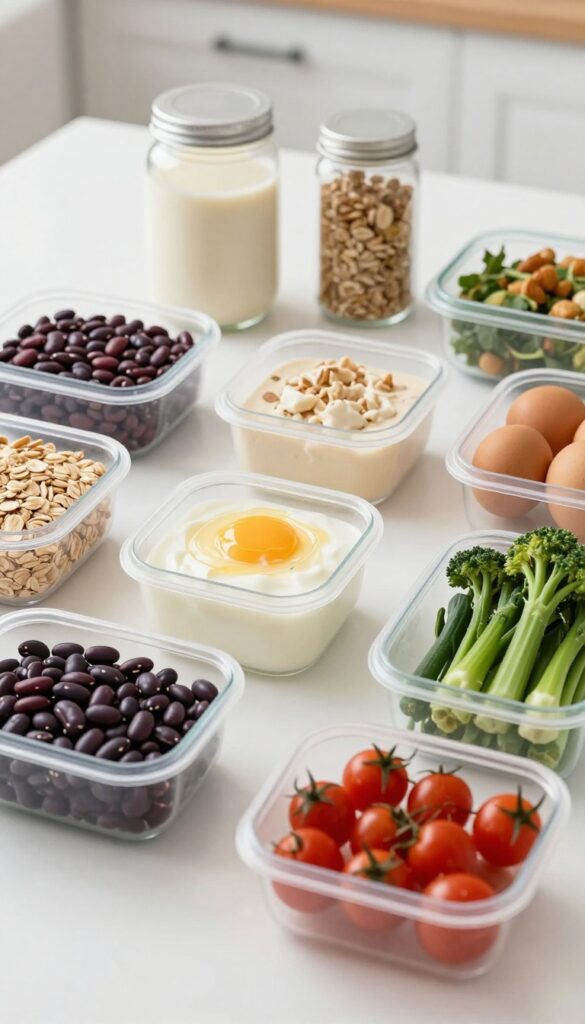
Fiber is often lumped into one category, but it actually comes in two distinct types: soluble and insoluble. Both are essential for good health, but they work in different ways. Understanding the difference helps you choose the right foods to meet your daily needs.
Key Differences Between Soluble and Insoluble Fiber
| Property | Soluble Fiber | Insoluble Fiber |
| Dissolves in water | Yes | No |
| How it works | Forms a gel-like substance in the gut | Adds bulk to stool |
| Primary benefit | Helps lower cholesterol and stabilize blood sugar | Promotes regular bowel movements and prevents constipation |
| Examples | Oats, apples, citrus fruits, carrots, barley, beans | Whole wheat, nuts, seeds, green beans, potatoes with skin, cauliflower |
| Fermentation | Fermented by gut bacteria (prebiotic) | Minimal fermentation |
How Soluble Fiber Benefits the Body
Soluble fiber attracts water and turns into a gel during digestion. This slows digestion, helping you feel fuller longer and stabilizing blood sugar levels. It also binds to cholesterol particles and removes them from the body, which can lower LDL (bad) cholesterol.
Good sources include oats, apples, citrus fruits, carrots, barley, and beans.
How Insoluble Fiber Benefits the Body
Insoluble fiber does not dissolve in water. Instead, it adds bulk to stool and helps food pass more quickly through the stomach and intestines. This prevents constipation and promotes regularity.
It also helps balance the pH in the intestines. Find it in whole wheat, nuts, seeds, green beans, potatoes with skin, and cauliflower.
Why You Need Both
Most plant foods contain a mix of both fibers, but some are richer in one type. For optimal health, include a variety of fiber-rich foods daily. Soluble fiber supports heart health and blood sugar control; insoluble fiber keeps your digestive system running smoothly.
Together, they form the foundation of a high-fiber diet.
How Much Fiber Do You Really Need?
Knowing your daily fiber target is the first step to building a high-fiber diet that works for you. While recommendations vary slightly, most health organizations agree on a clear range that supports digestion, heart health, and weight management.
The general guideline is 25 grams per day for women and 38 grams per day for men. After age 50, the recommendation drops slightly to 21 grams for women and 30 grams for men, as caloric needs tend to decrease. Unfortunately, most adults only get about 15 grams daily—far below the target.
This gap is why many people feel better almost immediately when they start prioritizing fiber-rich foods.
Key Daily Targets at a Glance
- Women under 50: 25 g per day
- Men under 50: 38 g per day
- Women over 50: 21 g per day
- Men over 50: 30 g per day
- Children (varies by age): roughly 14–31 g per day
Start Slow to Let Your Gut Adjust
If you're currently eating only 10–15 grams of fiber per day, jumping straight to 38 grams can cause bloating, gas, and cramping. Instead, increase your intake by just 5 grams every few days. For example, add a serving of berries to your oatmeal or swap white rice for quinoa.
Drink plenty of water to help fiber move through your digestive system smoothly.
A Simple Rule of Thumb
Aim for at least 5 servings of fruits and vegetables plus a serving of whole grains and a serving of legumes each day. That alone can get you close to your target without needing to track every gram.
Top High-Fiber Foods to Include Daily
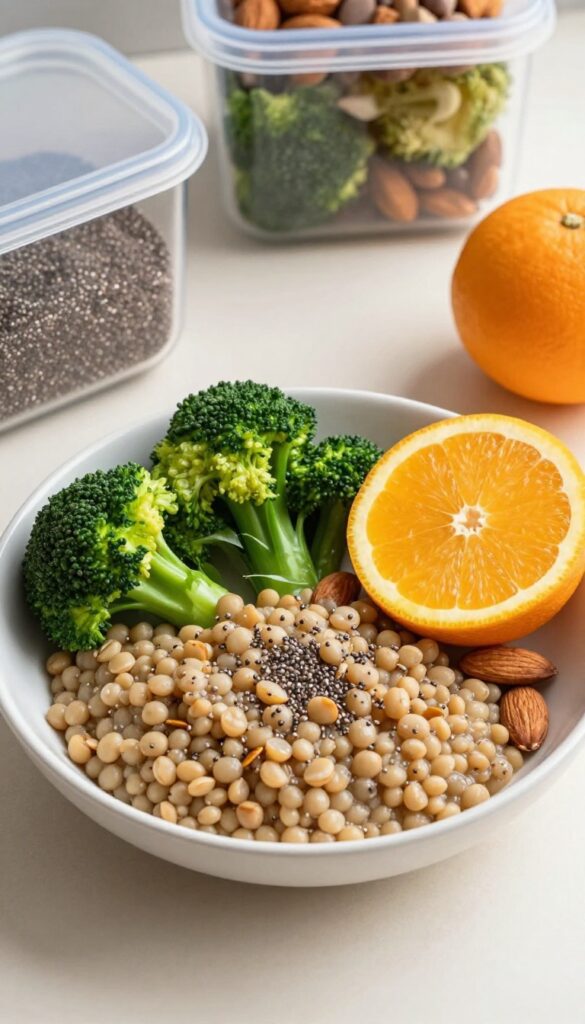
To hit your daily fiber target, focus on these five food groups. Each is packed with fiber and easy to add to meals. Below are specific examples with their fiber content per serving.
Fruits
- Apple with skin (1 medium): 4.4 g
- Banana (1 medium): 3.1 g
- Orange (1 medium): 3.1 g
- Raspberries (1 cup): 8 g
- Pear with skin (1 medium): 5.5 g
Vegetables
- Broccoli (1 cup cooked): 5.1 g
- Carrots (1 cup raw): 3.6 g
- Brussels sprouts (1 cup cooked): 6.4 g
- Spinach (1 cup cooked): 4.3 g
- Sweet potato with skin (1 medium): 4.8 g
Whole Grains
- Oats (1 cup cooked): 4 g
- Quinoa (1 cup cooked): 5.2 g
- Brown rice (1 cup cooked): 3.5 g
- Whole wheat bread (2 slices): 4-6 g
- Popcorn (3 cups air-popped): 3.5 g
Legumes
- Lentils (1 cup cooked): 15.6 g
- Black beans (1 cup cooked): 15 g
- Chickpeas (1 cup cooked): 12.5 g
- Split peas (1 cup cooked): 16.3 g
- Edamame (1 cup cooked): 8 g
Nuts and Seeds
- Almonds (1 oz, about 23 nuts): 3.5 g
- Chia seeds (2 tablespoons): 10 g
- Flaxseeds (2 tablespoons, ground): 5.6 g
- Pumpkin seeds (1 oz): 5.2 g
- Walnuts (1 oz, about 14 halves): 1.9 g
Sample Daily High-Fiber Meal Plan
Here's a one-day sample meal plan that provides approximately 35 grams of fiber. Adjust portion sizes to meet your personal daily target. All meals are simple, satisfying, and designed to help you increase fiber intake without feeling restricted.
One-Day High-Fiber Meal Plan
| Meal | Food | Fiber (g) |
| Breakfast | Oatmeal (1 cup cooked) topped with 1 tbsp chia seeds and 1/2 cup raspberries | 12 |
| Lunch | Large salad with 2 cups spinach, 1/2 cup chickpeas, 1/2 cup quinoa, 1/4 avocado, and lemon-tahini dressing | 14 |
| Dinner | Grilled chicken breast (4 oz) with 1 cup roasted broccoli and 1 medium sweet potato (with skin) | 10 |
| Snack | 1 medium apple with 1 tbsp peanut butter | 5 |
Meal Prep Tips
Cook quinoa and sweet potatoes in advance. Wash and chop vegetables for salads. Portion out oatmeal and chia seeds the night before.
These small steps make it easy to stick to the plan even on busy days.
Customization
Feel free to swap any meal for a similar high-fiber option. For breakfast, try bran flakes with berries. For lunch, a black bean burrito bowl works well.
For dinner, lentil soup with a side of whole-grain bread is a great alternative. The key is to include a variety of fiber sources throughout the day.
How This Plan Supports Your Daily Fiber Goal
This plan combines soluble fiber (oats, chia, apple) and insoluble fiber (spinach, broccoli, sweet potato skin) to promote digestive health, stabilize blood sugar, and keep you full. The total fiber exceeds the general recommendation of 25–30 grams per day, giving you a buffer for days when you eat fewer high-fiber foods.
Tips for Increasing Fiber Without Discomfort
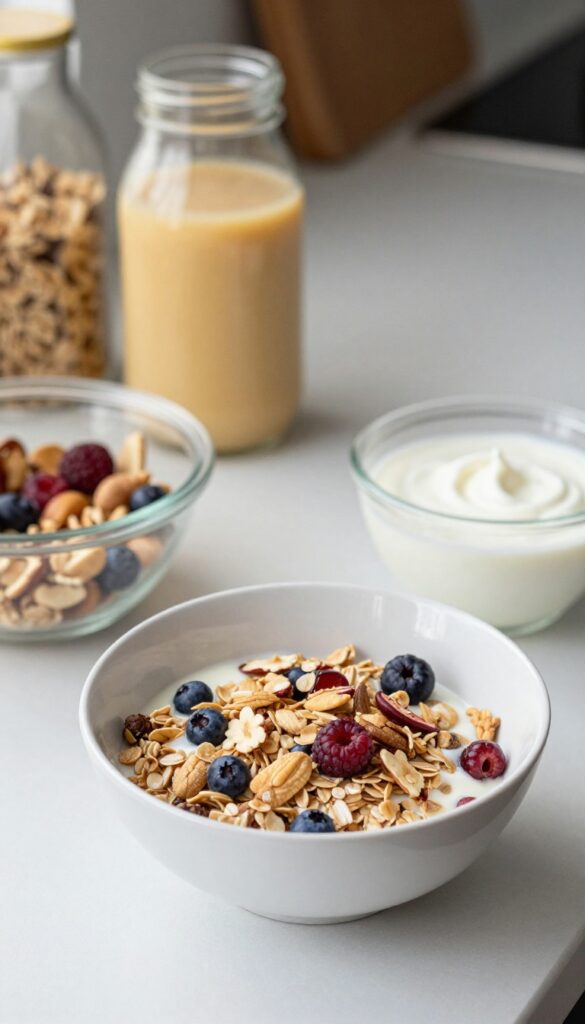
Jumping straight from a low-fiber diet to a high-fiber one can cause bloating, gas, and cramping. The key is to give your digestive system time to adjust. Here are practical strategies to ramp up your fiber intake comfortably.
Increase Gradually
Add just 2–3 grams of fiber per day each week. For example, if you currently eat 15 grams daily, aim for 17–18 grams the first week, then 20 grams the next. This slow increase allows your gut bacteria to adapt without overwhelming your system.
Drink Plenty of Water
Fiber absorbs water, so you need extra fluids to keep things moving. Aim for at least 8–10 cups of water per day. Without enough water, fiber can actually cause constipation instead of relieving it.
Spread Fiber Throughout the Day
Instead of loading up on fiber in one meal, distribute it across breakfast, lunch, dinner, and snacks. This prevents sudden surges that can trigger discomfort. For instance, have oatmeal for breakfast, a bean salad for lunch, and roasted vegetables with dinner.
Additional Practical Strategies
- Cook vegetables thoroughly to soften fiber and make it easier to digest.
- Start with soluble fiber sources like oats, apples, and carrots, which are gentler than insoluble fiber from wheat bran or raw greens.
- Chew food thoroughly to begin breaking down fiber before it reaches your stomach.
- Try a fiber supplement like psyllium husk if needed, but introduce it slowly and with plenty of water.
- Keep a food diary to track your fiber intake and note any symptoms, so you can adjust accordingly.
Listen to Your Body
If you experience persistent pain or severe bloating, slow down your increase or consult a healthcare professional. Everyone's tolerance is different, and it's better to go at your own pace.
Common Mistakes to Avoid on a High-Fiber Diet
Even with the best intentions, it's easy to slip into habits that can make your high-fiber journey uncomfortable or less effective. Here are the most common pitfalls and how to steer clear of them.
Adding Too Much Too Fast
- Jumping from a low-fiber diet to a high-fiber one overnight can cause bloating, gas, and cramping. Your digestive system needs time to adjust. Increase fiber gradually over a few weeks, adding one new high-fiber food every few days.
Not Drinking Enough Water
- Fiber absorbs water to form soft, bulky stool. Without enough fluids, fiber can actually cause constipation. Aim for at least 8–10 cups of water daily, and drink more if you increase fiber intake.
Ignoring Food Labels
- Not all high-fiber foods are created equal. Check labels for added sugars, refined grains, or low fiber content per serving. Look for at least 3 grams of fiber per serving and whole grains as the first ingredient.
FAQ
Can fiber help with weight loss?
Yes, fiber can support weight loss by promoting feelings of fullness, which may help you eat fewer calories overall. High-fiber foods also tend to be less energy-dense, meaning they provide fewer calories for the same volume of food.
Is too much fiber bad?
Consuming too much fiber too quickly can cause bloating, gas, and cramping. It's important to increase your intake gradually and drink plenty of water. Extremely high intakes (over 70g per day) may interfere with nutrient absorption, but this is rare.
What are the best fiber supplements?
Common fiber supplements include psyllium husk, methylcellulose, and inulin. While supplements can help, it's best to get fiber from whole foods first, as they provide additional nutrients. Always consult with a healthcare professional before starting any supplement.
Conclusion
A high-fiber diet is a simple and effective way to improve your daily health. By focusing on whole plant foods like fruits, vegetables, whole grains, legumes, nuts, and seeds, you can easily meet your fiber needs. Remember to increase your intake slowly and stay hydrated to avoid digestive discomfort.
Start with small changes, such as adding berries to your breakfast or swapping white rice for quinoa. Over time, these habits will become second nature, and you'll enjoy the lasting benefits of a fiber-rich diet.

Dr. Pallab Kishore, MS in Orthodontics and owner of Orthodontic Braces Care, shares expert tips on braces, aligners, and oral health from 10+ years of experience.