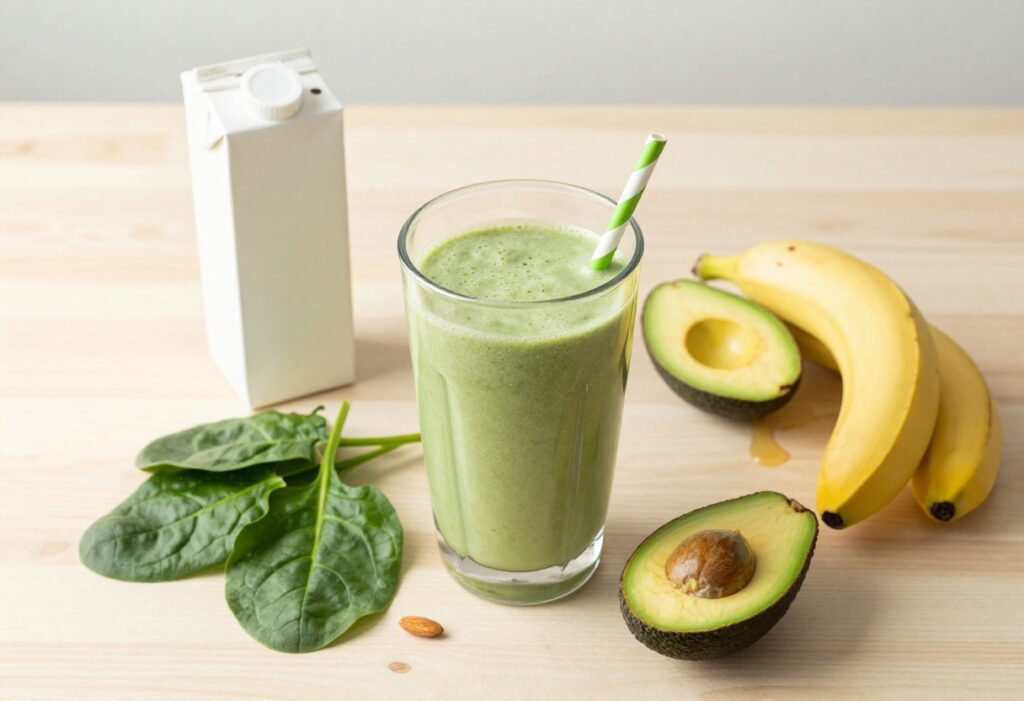
Switching to a vegetarian diet is a big step, but the real magic happens when you build habits that make it sustainable and enjoyable. Whether you're new to plant-based eating or looking to refine your routine, small daily practices can transform how you feel and what you get out of your meals.
The key is to focus on habits that support nutrition, variety, and convenience without feeling restrictive. Many people worry about getting enough protein, iron, or other nutrients on a vegetarian diet, but with the right habits, these concerns fade away.
The goal isn't to follow a perfect diet but to create a pattern that works for your lifestyle.
Start Your Day with a Protein-Rich Breakfast

Breakfast sets the tone for your energy and focus throughout the morning. When you're following a vegetarian diet, starting with a protein-rich meal helps stabilize blood sugar, keeps you full longer, and provides the building blocks your body needs for the day ahead.
Why Breakfast Matters
Protein at breakfast isn't just for athletes. It helps curb mid-morning cravings, supports muscle repair, and gives your metabolism a gentle boost. Without enough protein, you might feel sluggish or reach for sugary snacks by 10 a.m.
Easy High-Protein Breakfast Ideas
- Scrambled eggs with spinach and cheese
- Greek yogurt parfait with berries and nuts
- Tofu scramble with veggies and whole-grain toast
- Protein smoothie with milk, banana, and nut butter
- Cottage cheese bowl with fruit and seeds
Eat a Rainbow of Vegetables Daily
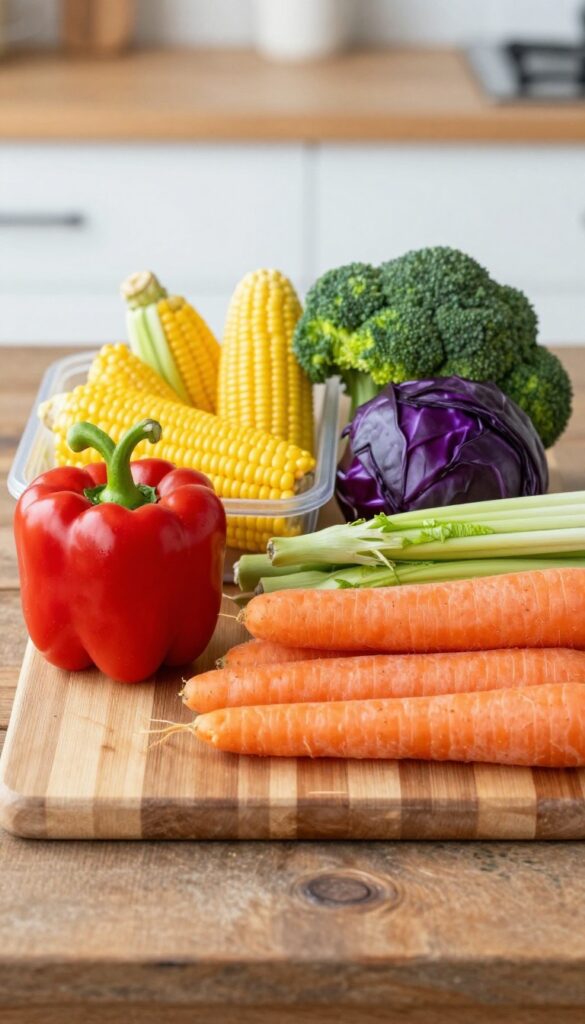
One of the simplest ways to ensure you're getting a wide range of nutrients is to eat vegetables of different colors each day. Each hue represents unique vitamins, minerals, and antioxidants that support your health.
For instance, red vegetables like tomatoes and red bell peppers are rich in lycopene, which supports heart health. Orange and yellow options such as carrots and sweet potatoes provide beta-carotene for eye health. Green vegetables like spinach and broccoli offer iron, calcium, and vitamin K.
Blue and purple choices like eggplant and purple cabbage contain anthocyanins, which are powerful antioxidants. White vegetables like cauliflower and mushrooms provide allicin and selenium.
- Red: tomatoes, red bell peppers, radishes – lycopene for heart health
- Orange/Yellow: carrots, sweet potatoes, yellow squash – beta-carotene for eyes
- Green: spinach, broccoli, kale – iron, calcium, vitamin K
- Blue/Purple: eggplant, purple cabbage, beets – anthocyanins for antioxidants
- White: cauliflower, mushrooms, onions – allicin and selenium
Aim for at least five servings of vegetables daily, mixing colors across meals. This not only boosts nutrient intake but also makes your plate more appealing and flavorful.
Include a Legume at Every Lunch
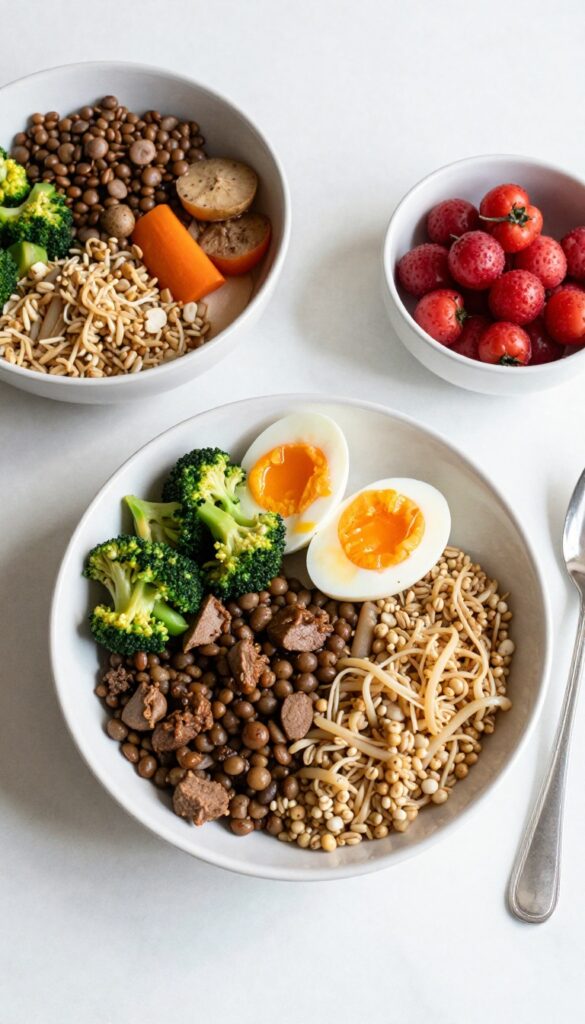
Lunch is a perfect opportunity to add a serving of legumes. They’re rich in protein and fiber, which help keep you full and energized for the afternoon.
Legumes like beans, lentils, and chickpeas are incredibly versatile. You can toss them into salads, soups, wraps, or grain bowls. For example, a simple chickpea salad with lemon and herbs makes a satisfying meal.
Lentil soup or a black bean burrito bowl are also easy options.
Quick ideas to add legumes to lunch
- Add canned chickpeas to a salad or mash them for a sandwich spread.
- Use lentils in soups, stews, or as a base for veggie burgers.
- Mix black beans into rice or quinoa bowls with salsa and avocado.
- Spread hummus on whole-grain wraps and load with veggies.
Aim for about half a cup of cooked legumes per lunch. This habit boosts your daily fiber and protein intake without much effort. Keep canned beans on hand for convenience—just rinse them to reduce sodium.
Pair Iron-Rich Foods with Vitamin C
Iron is essential for energy and overall health, but the type found in plant foods (non-heme iron) isn't absorbed as easily as the iron from meat. The good news? You can significantly boost absorption by pairing iron-rich foods with vitamin C at the same meal.
This simple habit can make a real difference in your iron levels. For example, squeeze lemon juice over a spinach salad, add bell peppers to your bean chili, or enjoy a glass of orange juice with your oatmeal.
Iron-Rich Vegetarian Foods
- Spinach, kale, and other leafy greens
- Lentils, chickpeas, and beans
- Tofu and tempeh
- Pumpkin seeds, sesame seeds, and cashews
- Fortified cereals and oatmeal
Vitamin C Sources to Pair
- Citrus fruits (oranges, grapefruit, lemons)
- Bell peppers (especially red)
- Broccoli and Brussels sprouts
- Tomatoes and tomato sauce
- Strawberries and kiwifruit
Don't Forget Your Calcium Sources
When people think of calcium, dairy often comes to mind first. But a well-planned vegetarian diet offers plenty of non-dairy sources to keep your bones strong.
If you avoid dairy or simply want variety, incorporate these calcium-rich foods into your daily meals:
- Fortified plant milks (soy, almond, oat) – check labels for calcium carbonate
- Leafy greens like kale, collard greens, and bok choy
- Tofu made with calcium sulfate (check the ingredient list)
- Almonds and sesame seeds (tahini is great in dressings)
- Fortified orange juice and breakfast cereals
Aim for two to three servings of these foods daily. Pairing them with vitamin D (from sunlight or fortified foods) helps absorption. And if you tolerate dairy, including yogurt or cheese in moderation is perfectly fine – just don't rely on it as your only source.
Supplement or Fortify with B12
Vitamin B12 is essential for nerve function and red blood cell production, but it's not naturally found in plant foods. Since even a well-planned vegetarian diet may fall short, it's important to intentionally include reliable sources.
B12 is unique among vitamins because it is produced by bacteria and primarily found in animal products. Vegetarians who eat dairy and eggs can get some B12, but vegans and many vegetarians need to turn to fortified foods or supplements. Common fortified options include plant milks, breakfast cereals, nutritional yeast, and some meat substitutes.
Check labels to ensure they provide at least 2.4 micrograms per serving, the daily recommended amount for adults.
For a more reliable approach, consider a B12 supplement. Sublingual tablets, sprays, or standard pills are all effective. The body absorbs B12 best in small, frequent doses, so a daily supplement of 50–100 micrograms or a weekly dose of 2000 micrograms is often recommended.
Talk to your healthcare provider to determine the right form and dosage for you.
Get Your Omega-3s from Plants
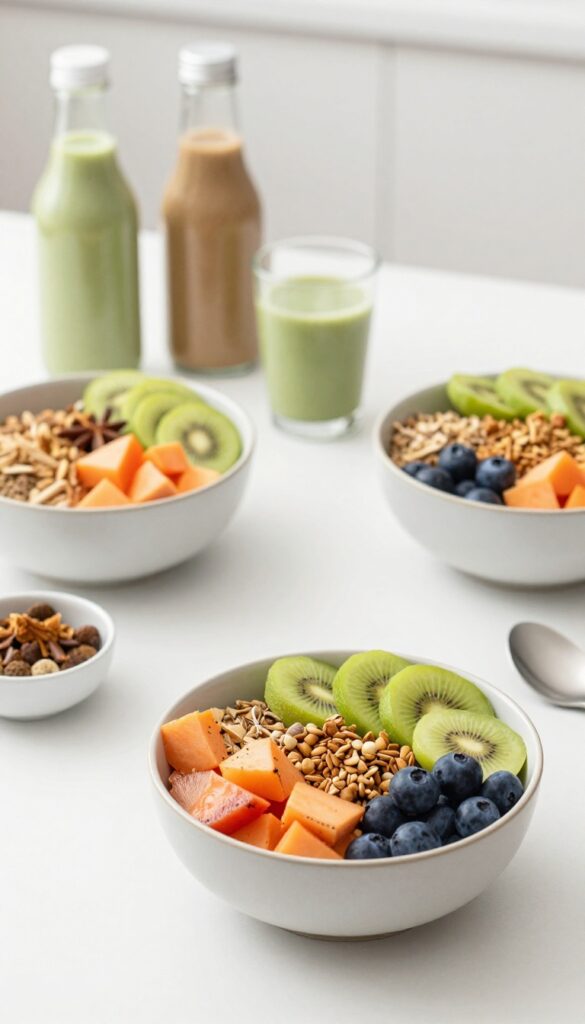
Omega-3 fatty acids are vital for brain health and reducing inflammation, but many assume fish is the only source. As a vegetarian, you can easily meet your needs with plant-based options.
The key is to include foods rich in alpha-linolenic acid (ALA), which your body can partially convert to the more active forms EPA and DHA. While conversion is limited (only about 5–15%), regularly consuming ALA sources still provides benefits.
Top Plant-Based Omega-3 Sources
- Flaxseeds: Ground flaxseeds offer the most bioavailable ALA. Add a tablespoon to oatmeal, smoothies, or yogurt.
- Chia seeds: These tiny seeds are packed with ALA and fiber. Make a chia pudding or sprinkle over salads.
- Walnuts: A handful of walnuts (about 1 ounce) provides over 2.5 grams of ALA. Great as a snack or in baking.
- Hemp seeds: Three tablespoons provide about 2.6 grams of ALA. Sprinkle on toast or blend into dressings.
- Algae oil: For a direct source of DHA, consider an algae-based supplement. It's the same DHA found in fish, without the fish.
A Note on Conversion
To optimize conversion of ALA to EPA/DHA, keep your intake of omega-6 fatty acids (found in vegetable oils like corn and soybean) moderate. A balanced ratio supports better conversion.
Make Half Your Plate Whole Grains
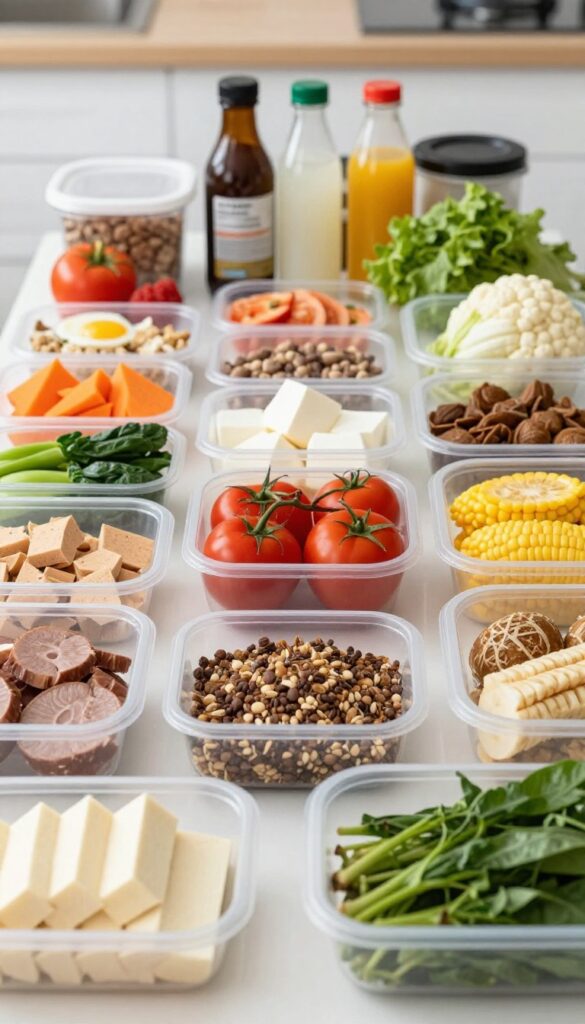
Whole grains are a cornerstone of a healthy vegetarian diet. They provide sustained energy, fiber for digestion, and essential nutrients like B vitamins, iron, and magnesium. Making them a staple at every meal helps you feel full and satisfied while supporting overall health.
Aim to fill at least half your plate with whole grains at lunch and dinner. This simple habit ensures you're getting enough complex carbohydrates and fiber, which can help stabilize blood sugar and keep you energized throughout the day.
Easy Whole Grain Swaps
- Quinoa: A complete protein that cooks in 15 minutes, perfect for bowls or salads.
- Brown rice: A versatile base for stir-fries, burritos, or curries.
- Oats: Enjoy as oatmeal, overnight oats, or blended into smoothies for extra fiber.
- Whole wheat: Choose whole wheat pasta, bread, or tortillas over refined versions.
- Barley, farro, or millet: Add variety with chewy, nutty grains for soups or sides.
A Note on Refined Grains
While whole grains are preferred, you don't need to eliminate refined grains entirely. White rice or regular pasta can still fit into a balanced diet—just aim for whole grains most of the time.
Snack on Nuts and Seeds
Nuts and seeds are nutrient-dense snacks that provide healthy fats, protein, and essential minerals. They help keep you full between meals and support heart health, brain function, and more.
A handful of almonds, walnuts, pumpkin seeds, or chia seeds can make a satisfying snack. They are rich in fiber, vitamin E, magnesium, and zinc. However, portion control is key since they are calorie-dense.
Stick to about a quarter cup (30 grams) per serving.
Tips for smart snacking
- Choose raw or dry-roasted varieties without added salt or oil.
- Mix different nuts and seeds for a variety of nutrients.
- Pair with fruit for a balanced mini-meal.
- Avoid heavily processed snack bars that may contain added sugars and unhealthy fats.
Plan Your Meals Around Protein
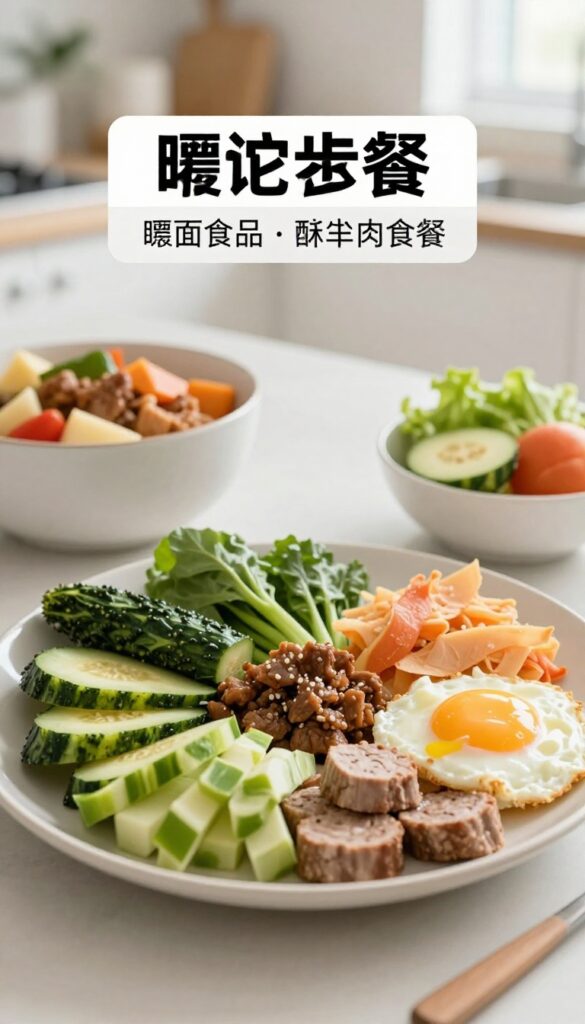
When building a vegetarian meal, it’s easy to fill up on carbs and forget the protein. Making protein the anchor of your plate ensures you stay full, energized, and meet your daily needs without much effort.
Start by choosing a protein source first, then build the rest of the meal around it. This approach naturally balances your plate and prevents last-minute, carb-heavy choices.
How to Build a Protein-First Meal
- Pick one main protein: tofu, tempeh, seitan, lentils, chickpeas, or beans.
- Add a whole grain: quinoa, brown rice, farro, or whole-wheat pasta.
- Fill half the plate with vegetables: roasted, steamed, or raw.
- Include a healthy fat: avocado, nuts, seeds, or a drizzle of olive oil.
- Finish with flavor: herbs, spices, lemon juice, or a simple sauce.
For example, a bowl with marinated tofu, quinoa, roasted broccoli, and a tahini dressing hits all the right notes. By centering protein, you avoid the common pitfall of a carb-heavy vegetarian meal that leaves you hungry an hour later.
Cook in Batches for Convenience
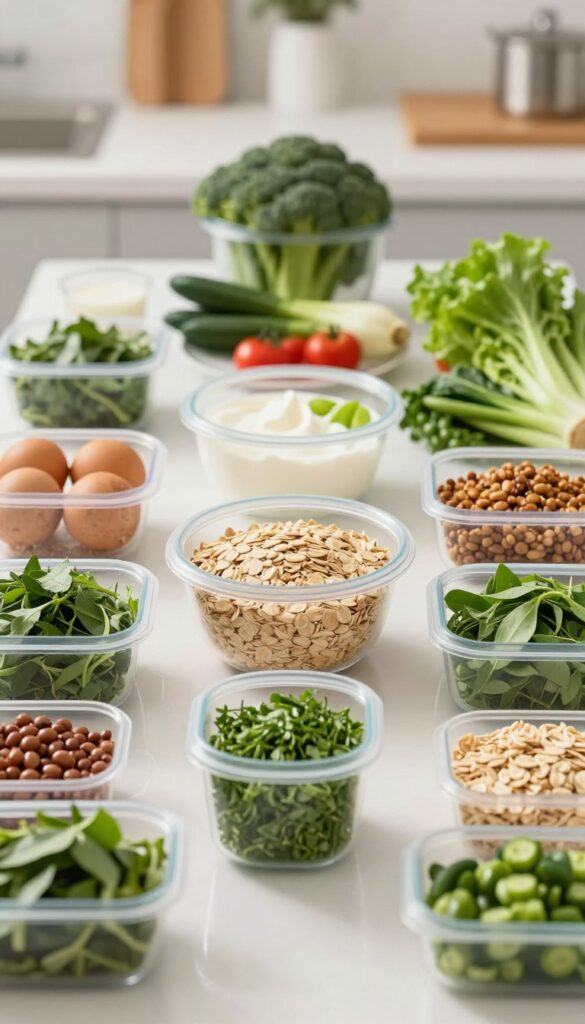
Batch cooking is a game-changer for busy vegetarians. By preparing staples in advance, you ensure healthy meals are always within reach without daily effort.
Set aside a couple of hours once a week to cook large batches of versatile ingredients. This approach saves time, reduces food waste, and makes it easy to throw together balanced meals even on hectic days.
Smart batch cooking ideas
- Cook a big pot of quinoa, brown rice, or farro to use in bowls, salads, or stir-fries.
- Roast a tray of seasonal vegetables like sweet potatoes, bell peppers, and broccoli.
- Prepare a few simple sauces or dressings, such as tahini-lemon or tomato-based pasta sauce.
- Cook a batch of lentils or chickpeas to add protein to any meal.
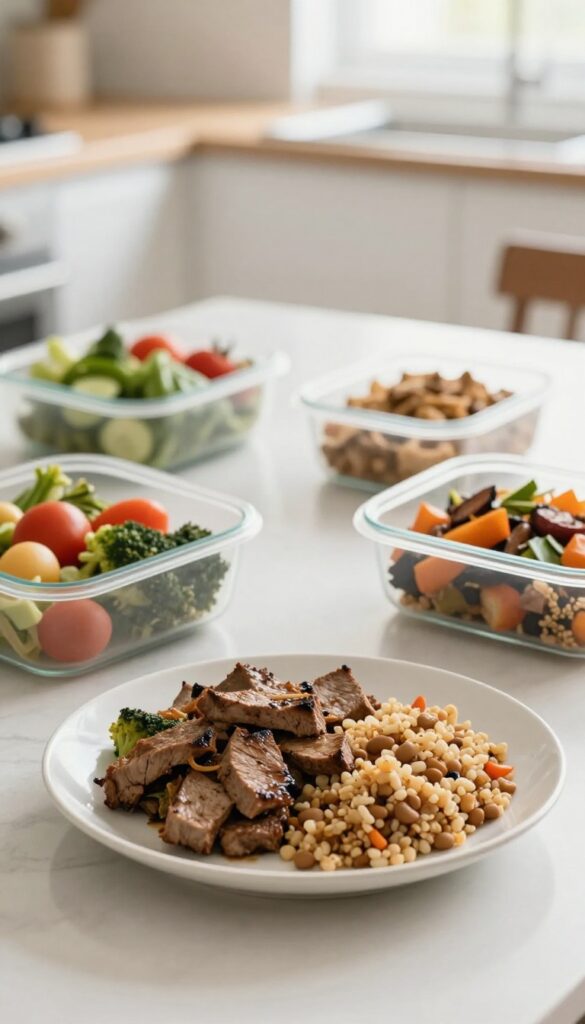
Store cooked grains and roasted veggies in airtight containers in the fridge for up to 5 days, or freeze portions for longer storage. This habit turns a chaotic weeknight into a simple assembly of ready-to-eat components.
Experiment with International Cuisines
Exploring global cuisines is a delicious way to keep your vegetarian diet exciting and nutrient-dense. Many traditional dishes are naturally plant-based or easily adaptable, offering new flavors and ingredients.
Instead of sticking to the same rotation of meals, look to cuisines that celebrate vegetables, legumes, and grains as stars. Here are a few naturally vegetarian-friendly options to try:
- Indian cuisine: Rich in lentil-based dals, vegetable curries, chickpea dishes (chana masala), and breads like naan and roti. Many regional dishes are vegan-friendly.
- Mediterranean cuisine: Features hummus, baba ganoush, falafel, tabbouleh, and stuffed grape leaves. Olive oil, fresh herbs, and vegetables are staples.
- Mexican cuisine: Bean burritos, veggie tacos, chiles rellenos, and guacamole are easy to make vegetarian. Opt for corn tortillas and skip lard in refried beans.
- Ethiopian cuisine: Offers lentil and split pea stews (misir wot, kik alicha), collard greens (gomen), and injera, a spongy flatbread made from teff flour.
Trying one new international recipe each week can broaden your palate and ensure you're getting a variety of nutrients from different ingredients. Plus, it makes eating vegetarian feel like an adventure rather than a restriction.
Read Labels for Hidden Animal Ingredients
Even committed vegetarians can accidentally consume animal-derived ingredients. Many processed foods contain hidden additives that come from animals, so getting into the habit of reading labels is essential.
Common hidden animal ingredients to watch for include:
- Gelatin (from animal bones/skin) – found in gummy candies, marshmallows, some yogurts and desserts.
- Rennet (from calf stomach) – used in many hard cheeses; look for vegetarian rennet or microbial enzymes.
- L-cysteine (often from duck feathers or human hair) – used as a dough conditioner in breads and baked goods.
- Carmine/cochineal (from crushed insects) – a red dye in candies, yogurts, and juices.
- Omega-3s (sometimes from fish oil) – check the source in fortified foods and supplements.
- Natural flavors – can be animal-derived; contact the manufacturer if unsure.
Start by scanning the ingredient list for these terms. Over time, you'll quickly recognize which products are truly vegetarian. When in doubt, look for certified vegetarian or vegan labels.
Stay Hydrated with Water and Herbal Teas
Proper hydration is often overlooked in vegetarian diets, but it plays a key role in digestion, energy levels, and nutrient absorption. While juices and sodas are common choices, plain water and herbal teas are the best options.
Water helps your body break down fiber-rich plant foods and transport nutrients to cells. Aim for at least 8 cups daily, more if you are active. Herbal teas like peppermint, ginger, or chamomile can add variety without added sugars or artificial ingredients.
Avoid falling for detox tea marketing—your liver and kidneys handle detox naturally. Stick to hydrating beverages that support your body's everyday processes.
Practice Mindful Eating
Mindful eating is about paying attention to your food and your body’s cues, which can help you enjoy meals more and avoid overeating. This habit is especially valuable on a vegetarian diet, where whole foods and flavors deserve your full attention.
Start by eating without distractions—put away your phone, turn off the TV, and sit at a table. Take a few deep breaths before you begin, and notice the colors, smells, and textures of your meal. Chew slowly and savor each bite, putting your fork down between mouthfuls.
This simple practice helps you recognize when you’re comfortably full, rather than eating out of habit or boredom.
Another technique is to check in with your hunger level before and during the meal. On a scale of 1 (ravenous) to 10 (stuffed), aim to start eating at a 3 or 4 and stop at a 6 or 7. This prevents the discomfort of overeating and helps you tune into your body’s natural signals.
Over time, mindful eating can deepen your appreciation for vegetarian meals and support a healthier relationship with food.
FAQ
Can I get enough protein on a vegetarian diet?
Absolutely. Vegetarian diets can easily meet protein needs through foods like beans, lentils, tofu, tempeh, eggs, dairy, nuts, seeds, and whole grains. The key is to include a variety of protein sources throughout the day.
Do I need to take supplements as a vegetarian?
Vitamin B12 is the most critical supplement for vegetarians, as it's not naturally found in plant foods. Depending on your diet, you may also consider vitamin D, iron, or omega-3s. Consult a healthcare professional for personalized advice.
How can I avoid feeling hungry on a vegetarian diet?
Focus on fiber-rich foods like vegetables, fruits, whole grains, and legumes, which promote fullness. Also include adequate protein and healthy fats at each meal. Eating regular meals and snacks helps maintain energy.
What are the best sources of iron for vegetarians?
Good plant-based iron sources include spinach, lentils, chickpeas, beans, tofu, pumpkin seeds, and fortified cereals. Pair them with vitamin C-rich foods like citrus, bell peppers, or tomatoes to enhance absorption.
Is a vegetarian diet healthy for everyone?
A well-planned vegetarian diet can be healthy for most people at all life stages. However, it's important to ensure adequate intake of key nutrients like protein, iron, calcium, vitamin B12, and omega-3s. Pregnant women, children, and those with specific health conditions should consult a healthcare provider.
Conclusion
Building food habits around a vegetarian diet doesn't have to be overwhelming. Start with one or two habits that resonate with you—maybe adding a legume to lunch or pairing iron with vitamin C. Over time, these small changes will become second nature, making your vegetarian journey both nutritious and enjoyable.
Remember, the best diet is one that fits your life and makes you feel good. Experiment, be patient with yourself, and celebrate the variety that vegetarian eating offers.

Dr. Pallab Kishore, MS in Orthodontics and owner of Orthodontic Braces Care, shares expert tips on braces, aligners, and oral health from 10+ years of experience.