
Starting a low carb diet can feel overwhelming, but it doesn't have to be complicated. This 21-day plan is designed to help you ease into a low carb lifestyle with simple, everyday meals that don't require fancy ingredients or hours in the kitchen. Whether you're new to low carb or looking for a reset, this plan provides structure without rigidity.
Over the next three weeks, you'll gradually reduce carbs while focusing on whole foods like vegetables, proteins, and healthy fats. Each week builds on the previous one, helping you develop sustainable habits.
The meals are straightforward—think grilled chicken with roasted veggies, omelets, salads, and stir-fries—so you can stick with it. Remember, this is a general guide.
Week 1: Getting Started with Low Carb Basics

The first week is all about easing into a low carb lifestyle without feeling overwhelmed. Focus on whole foods like vegetables, protein, and healthy fats, and say goodbye to sugar and grains for now. The goal is not to count calories strictly but to retrain your palate and stabilize your energy levels.
Day 1–3: Easing In
During the first three days, your body will start adapting to using fat for fuel instead of carbs. You might feel a bit tired or crave sweets—that's normal. Keep meals simple and satisfying.
Here’s a sample day to get you started:
- Breakfast: Scrambled eggs with spinach and cheese cooked in butter.
- Lunch: Grilled chicken salad with mixed greens, avocado, and olive oil dressing.
- Dinner: Baked salmon with steamed broccoli and a side of cauliflower rice.
- Snack: A handful of almonds or celery sticks with cream cheese.
Drink plenty of water and consider adding a pinch of salt to your meals to help with electrolyte balance as your body adjusts.
Day 4–7: Building Momentum
By day four, you'll likely notice fewer cravings and more steady energy. Now you can start experimenting with a few more ingredients while keeping it easy.
- Breakfast: A low carb smoothie with unsweetened almond milk, spinach, protein powder, and a tablespoon of almond butter.
- Lunch: Lettuce wraps with turkey, cheese, mustard, and pickles.
- Dinner: Beef stir-fry with bell peppers, mushrooms, and zucchini in a soy sauce and ginger sauce.
- Snack: Hard-boiled eggs or a small handful of macadamia nuts.
Feel free to swap any meal for leftovers or repeat your favorites. The key is to stay consistent and listen to your hunger cues.
Week 2: Expanding Your Low Carb Repertoire
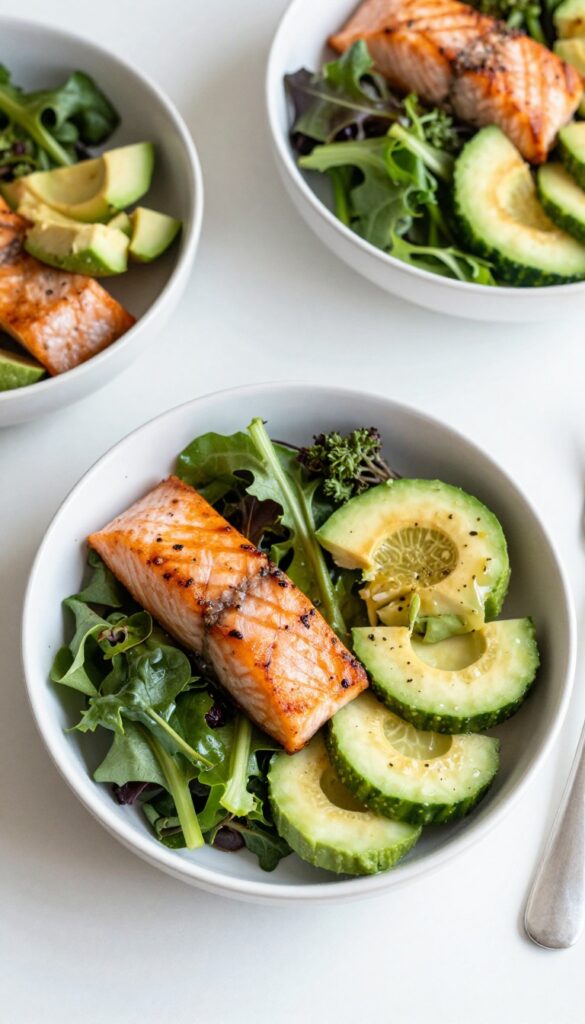
Now that you’ve navigated the first week, it’s time to broaden your low carb horizons. Week 2 introduces new proteins and vegetables, plus simple meal prep strategies to keep variety high and effort low. You’ll also learn how to handle cravings without derailing your progress.
Day 8–10: New Proteins and Veggies
Days 8 through 10 focus on adding variety to your plate. Try proteins like lamb, pork chops, or canned salmon, and experiment with vegetables such as Brussels sprouts, asparagus, or bell peppers. These ingredients are easy to find and prepare, and they keep meals interesting.
Here’s a sample menu for these three days:
- Day 8: Breakfast – Scrambled eggs with spinach and feta; Lunch – Grilled chicken Caesar salad (no croutons); Dinner – Pan-seared pork chop with roasted Brussels sprouts.
- Day 9: Breakfast – Greek yogurt with a handful of berries and chopped almonds; Lunch – Tuna salad lettuce wraps; Dinner – Baked salmon with asparagus and lemon butter sauce.
- Day 10: Breakfast – Two hard-boiled eggs and half an avocado; Lunch – Leftover salmon over mixed greens with olive oil dressing; Dinner – Lamb chops with sautéed bell peppers and onions.
Day 11–14: Meal Prep and Variety
Days 11 through 14 emphasize meal prep to save time and reduce decision fatigue. Spend an hour on Sunday chopping veggies, cooking proteins, and portioning snacks. This makes it easy to assemble meals quickly during the week.
Sample meal ideas for these days:
- Day 11: Breakfast – Keto coffee (coffee with MCT oil or butter) and a boiled egg; Lunch – Chicken thighs with cauliflower rice and broccoli; Dinner – Zucchini noodles with ground beef and marinara sauce.
- Day 12: Breakfast – Chia seed pudding made with unsweetened almond milk; Lunch – Leftover zoodles and meat sauce; Dinner – Baked cod with a side of sautéed kale and mushrooms.
- Day 13: Breakfast – Omelet with cheese, mushrooms, and bell peppers; Lunch – Shrimp salad with avocado and cucumber; Dinner – Beef stir-fry with snap peas and bok choy (use coconut aminos instead of soy sauce).
- Day 14: Breakfast – Smoothie with spinach, protein powder, unsweetened coconut milk, and a tablespoon of almond butter; Lunch – Leftover stir-fry; Dinner – Herb-roasted chicken thighs with roasted cauliflower.
To handle cravings, keep low carb snacks handy: cheese sticks, olives, celery with almond butter, or a few macadamia nuts. When a craving hits, drink a glass of water first—sometimes thirst masquerades as hunger. If the craving persists, have a planned snack or a cup of herbal tea.
Tip
If you feel low on energy, ensure you’re getting enough electrolytes. Add a pinch of salt to your meals or sip bone broth. This is especially important in week two as your body fully adapts to burning fat for fuel.
Week 3: Solidifying Your Low Carb Lifestyle

By now, you've built momentum. Week 3 is about fine-tuning your meals and preparing for life after the 21 days. You'll learn how to eat out low carb, adjust portions, and transition smoothly into a sustainable low carb lifestyle.
Day 15–17: Fine-Tuning Your Meals
These three days focus on adjusting your meals for satisfaction and variety. You should feel comfortable swapping ingredients and customizing portions to your hunger levels.
Breakfast: A three-egg omelet with mushrooms, spinach, and a sprinkle of feta cheese. Serve with half an avocado. Lunch: Grilled chicken Caesar salad (skip croutons) with full-fat dressing.
Dinner: Baked salmon with roasted broccoli and cauliflower rice. If you're still hungry, add a side of sautéed kale with garlic.
For eating out, choose grilled proteins and steamed vegetables. Ask for dressings and sauces on the side. A bunless burger with lettuce wrap, a steak with asparagus, or a salad with grilled shrimp are safe bets.
Avoid bread baskets, sugary drinks, and desserts.
Day 18–21: Preparing for Life After 21 Days
The final four days help you transition from a structured plan to a flexible low carb lifestyle. You'll learn to listen to your body and maintain your progress.
Breakfast: Chia pudding made with unsweetened almond milk, topped with a few berries and chopped almonds. Lunch: Turkey and cheese roll-ups with cucumber slices and bell pepper strips. Dinner: Beef stir-fry with broccoli, snap peas, and a soy-sesame sauce (use tamari for gluten-free).
Transition tips: Gradually reintroduce some healthy carbs like sweet potatoes or quinoa if desired, but keep them to one serving per day. Continue to prioritize protein, non-starchy vegetables, and healthy fats. Plan your meals weekly to avoid impulse eating.
Remember, this is not a rigid diet but a flexible way of eating that you can adapt to your preferences.
Key Takeaways for Week 3
- Fine-tune meals to your taste and hunger cues.
- Practice eating out low carb with confidence.
- Prepare for a sustainable low carb lifestyle by gradually adding back healthy carbs if needed.
- Focus on long-term habits, not short-term perfection.
Tips for Success on a Low Carb Diet

Making a low carb diet work for you goes beyond just following a meal plan. These practical tips will help you navigate common challenges and stay on track throughout your 21-day journey and beyond.
Stay Hydrated
- Keep a water bottle with you throughout the day as a reminder.
- Add a squeeze of lemon or lime for flavor without carbs.
- Sip water consistently rather than chugging large amounts at once.
Maintain Electrolyte Balance
- Salt your food to taste; consider using pink salt or sea salt.
- Eat potassium-rich low carb foods like avocado, spinach, and salmon.
- Include magnesium sources such as nuts, seeds, and dark leafy greens.
- If needed, an electrolyte supplement without added sugar can help.
Listen to Your Body
- Notice how your energy, mood, and digestion change day to day.
- Don't ignore persistent hunger—it may signal a need for more food or different nutrients.
- Consider keeping a simple journal to track meals, symptoms, and energy levels.
When to Adjust
If you experience prolonged fatigue, headaches, or irritability beyond the first week, you may need to slightly increase your carbohydrate intake or check your electrolyte balance. It's okay to modify the plan to suit your needs—low carb is a flexible approach, not a rigid prescription.
Common Mistakes to Avoid
Even with a solid plan, it's easy to slip up. Here are the most frequent pitfalls and how to steer clear of them.
Not Eating Enough Vegetables
- Vegetables provide essential fiber, vitamins, and volume. Without them, you may feel constipated, fatigued, or deprived.
- Aim for at least 5 servings of non-starchy veggies daily—think leafy greens, broccoli, zucchini, and bell peppers.
- Add them to every meal: spinach in your eggs, salad with lunch, roasted veggies at dinner.
Ignoring Hidden Carbs
- Carbs hide in sauces, dressings, condiments, and even some spices. A tablespoon of ketchup has about 4g of carbs.
- Check labels for added sugars and starches. Watch out for “low-fat” or “diet” products, which often add sugar to improve taste.
- Stick to whole foods and make your own dressings with oil, vinegar, and herbs.
Overdoing Protein
- Excess protein can be converted into glucose through gluconeogenesis, potentially slowing ketosis.
- Moderate protein intake is key: about 1.2–1.7g per kg of body weight per day for most people.
- Fill the rest of your plate with healthy fats and vegetables.
Not Getting Enough Fat
- Low carb doesn't mean low fat. Fat is your main energy source on this diet.
- Include avocados, olive oil, nuts, seeds, and fatty fish to stay satisfied and energized.
- Don't fear fat—it's essential for hormone function and nutrient absorption.
Skipping Meals
- Skipping meals can lead to intense cravings, low energy, and overeating later.
- Eat at regular intervals, even if you're not hungry. This keeps blood sugar stable and prevents binges.
- If you practice intermittent fasting, do it intentionally, not because you forgot to eat.
FAQ
Can I have fruit on a low carb diet?
Yes, but choose low sugar fruits like berries, and eat them in moderation. Avoid high sugar fruits like bananas and grapes.
What if I feel tired in the first week?
Fatigue is common as your body adapts to using fat for fuel. Stay hydrated, increase salt intake (electrolytes), and ensure you're eating enough calories and healthy fats.
How many carbs should I eat per day?
A typical low carb diet includes 20–50 grams of net carbs per day. This plan aims for around 30–40 grams, but adjust based on your needs and activity level.
Can I drink alcohol?
Alcohol can slow progress and affect blood sugar. If you choose to drink, opt for dry wine or spirits with zero-carb mixers, and do so in moderation.
Is this plan safe for everyone?
This plan is for general informational purposes. Consult your doctor before starting any new diet, especially if you have diabetes, kidney issues, or other medical conditions.
Conclusion
Completing 21 days on a low carb diet is a great achievement. By now, you've likely experienced fewer cravings, more stable energy, and a better understanding of how different foods affect your body. The key is to continue with the habits that worked for you—whether that's meal prepping, choosing whole foods, or simply being mindful of carbs.
Remember, this isn't about perfection. It's about finding a sustainable way of eating that supports your health and preferences.

Dr. Pallab Kishore, MS in Orthodontics and owner of Orthodontic Braces Care, shares expert tips on braces, aligners, and oral health from 10+ years of experience.