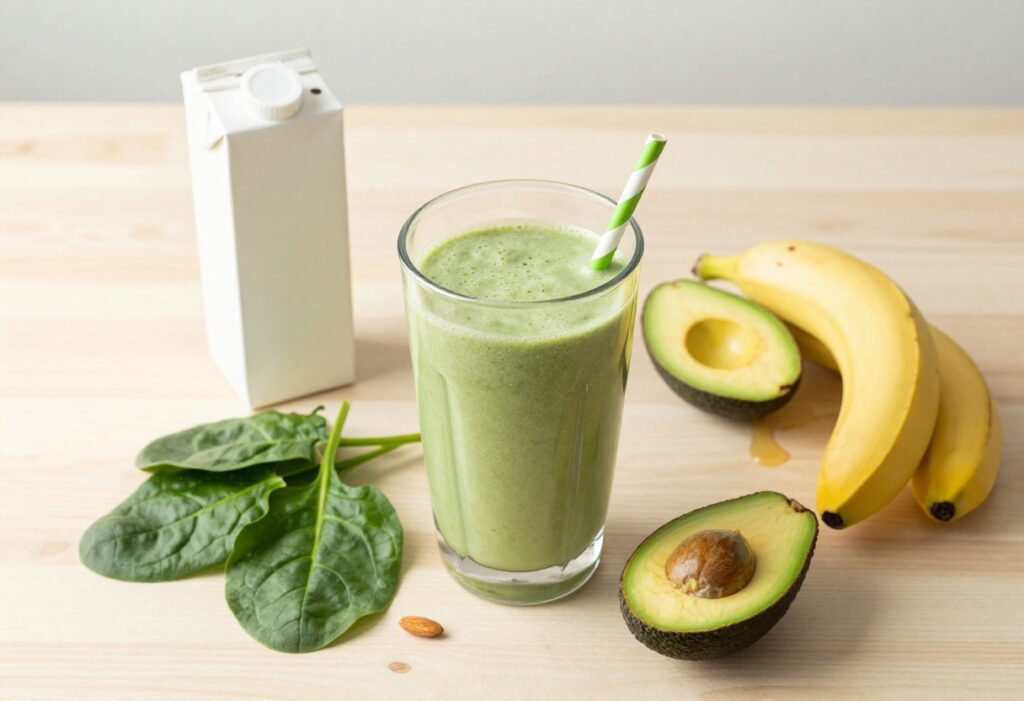
Eating well on a 1500-calorie budget doesn't have to mean tiny portions or bland food. With the right balance of nutrients, you can feel satisfied, energized, and nourished throughout the day. This 7-day meal plan is designed to help you hit your calorie target while enjoying delicious, whole foods.
Whether you're looking to manage your weight, improve your eating habits, or simply need structure, this plan provides a realistic framework. Each day includes three meals and two snacks, all carefully portioned to keep you full and fueled.
Remember, this is a general guide. Your individual needs may vary based on age, gender, activity level, and health goals.
What a Balanced 1500 Calorie Day Looks Like
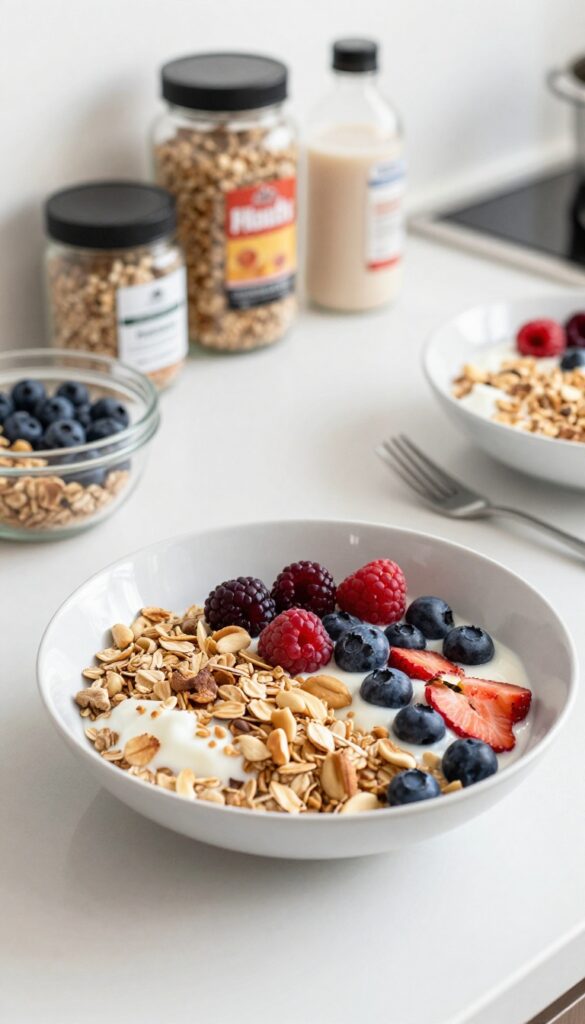
A 1500-calorie meal plan isn't about starvation—it's about making every calorie count. A balanced day includes the right mix of macronutrients (protein, carbohydrates, and fat) plus fiber to keep you full and energized. The goal is to hit your calorie target without feeling deprived, while still getting the vitamins and minerals your body needs.
Macronutrient Breakdown
For a balanced 1500-calorie day, aim for these ranges:
- Protein: 20–30% of calories (75–112 g) – supports muscle, satiety, and metabolism.
- Carbohydrates: 45–55% of calories (169–206 g) – provides energy for daily activities.
- Fat: 20–30% of calories (33–50 g) – essential for hormone function and nutrient absorption.
- Fiber: 25–30 g – aids digestion and keeps you full longer.
These ranges are flexible. If you're more active, you might lean toward the higher end of carbs; if you're less active, you might adjust slightly. The key is balance—not cutting out any food group.
Sample Daily Template
Here's what a typical balanced day might look like, broken into three meals and one snack:
Breakfast (~350 calories
- 1 serving of whole grains (e.g., oatmeal or whole-wheat toast)
- 1 serving of protein (e.g., eggs, Greek yogurt, or tofu)
- 1 serving of fruit (e.g., berries or banana)
- Healthy fat (e.g., nuts or seeds)
Lunch (~400 calories
- 2 cups of leafy greens or non-starchy vegetables
- 1 serving of lean protein (e.g., chicken, fish, beans, or lentils)
- 1 serving of whole grains or starchy vegetable (e.g., quinoa or sweet potato)
- 1–2 tablespoons of dressing or oil
Dinner (~500 calories
- 2–3 cups of vegetables (roasted, steamed, or sautéed)
- 1 serving of protein (similar to lunch, varied for interest)
- 1 serving of complex carbs (e.g., brown rice, whole-wheat pasta)
- A small amount of healthy fat (e.g., avocado, olive oil)
Snack (~150–200 calories
- Option 1: Apple with 1 tablespoon peanut butter
- Option 2: 1/2 cup Greek yogurt with berries
- Option 3: A handful of almonds and a piece of fruit
This template adds up to about 1400–1450 calories, leaving a small buffer for adjustments like an extra splash of milk in coffee or a second snack if you're hungry. The portions are flexible—listen to your body's hunger and fullness cues.
Tip
Use your hand as a portion guide: a palm-sized serving of protein, a fist-sized serving of carbs, two cupped handfuls of vegetables, and a thumb-sized serving of fat. This makes it easy to eyeball portions without counting every calorie.
Your 7-Day 1500 Calorie Meal Plan
Here is a full week of balanced 1500-calorie days, each with breakfast, lunch, dinner, and two snacks. The meals are designed to keep you satisfied while providing essential nutrients. Portion sizes and calorie counts are included to help you stay on track.
Day 1: Monday
Day 2: Tuesday
Day 3: Wednesday
Day 4: Thursday
Day 5: Friday
Day 6: Saturday
Day 7: Sunday
How to Customize This Meal Plan for Your Needs
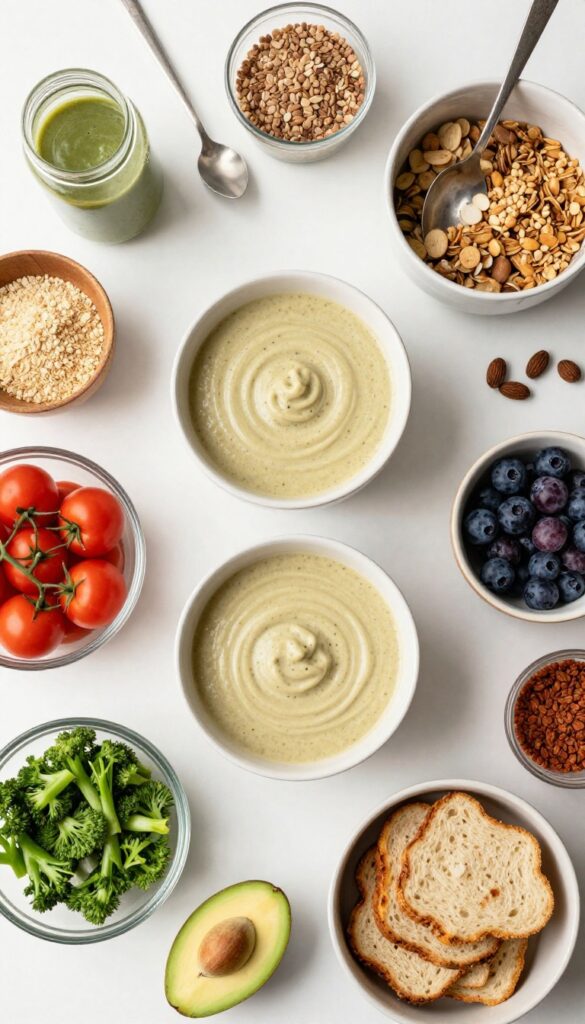
This meal plan is designed as a flexible template. You can easily adjust it to fit your dietary preferences, allergies, and lifestyle without losing the nutritional balance. The key is to swap foods wisely while keeping the overall calorie and nutrient profile similar.
Start by identifying your specific needs. Whether you're vegetarian, vegan, gluten-free, or have other restrictions, the following adjustments will help you tailor the plan. Always check labels for hidden ingredients and consult a healthcare professional if you have medical concerns.
Adjusting for Vegetarian or Vegan Preferences
Protein Swaps
- Replace chicken, turkey, or fish with tofu, tempeh, seitan, or legumes (lentils, chickpeas, black beans).
- For vegan options, avoid eggs and dairy; use plant-based protein powders if needed.
- Keep portion sizes similar: 3-4 oz of animal protein equals about 1/2 cup cooked legumes or 4 oz tofu.
Dairy Alternatives
- Swap cow's milk for unsweetened almond, soy, or oat milk (similar calorie count).
- Use plant-based yogurts (soy or coconut) and cheeses (check for added oils).
- For vegan, avoid honey; use maple syrup or agave in small amounts.
Swapping Foods Based on Allergies
Gluten-Free Options
- Replace whole wheat bread, pasta, and tortillas with gluten-free versions (brown rice, quinoa, corn, or certified gluten-free oats).
- Use tamari instead of soy sauce (check for gluten-free label).
- Choose gluten-free grains like buckwheat, millet, or amaranth.
Other Common Allergies
- For nut allergies: swap almond butter with sunflower seed butter, and use seed-based milks (hemp, flax).
- For soy allergies: avoid tofu and edamame; use legumes, eggs, or fish for protein.
- For egg allergies: use flax eggs or chia eggs in baking, and skip egg-based dishes.
Remember, the goal is to maintain a similar calorie and macronutrient profile. Use a food tracking app to verify your swaps. With these simple substitutions, you can enjoy a balanced 1500-calorie week that works for you.
Common Mistakes to Avoid on a 1500 Calorie Diet
Even with a well-planned 1500-calorie meal plan, it's easy to fall into habits that can undermine your progress or leave you feeling deprived. Here are the most common pitfalls and how to steer clear of them.
Skipping Meals
It might seem like a good way to save calories, but skipping meals often backfires. You end up overly hungry later, which can lead to overeating or making less nutritious choices. Instead, spread your calories evenly across meals and snacks to keep your energy stable and hunger in check.
Not Eating Enough Protein
Protein is key for satiety and preserving muscle mass, especially when you're in a calorie deficit. Without enough protein, you may feel hungry soon after eating. Aim to include a source of lean protein—like chicken, fish, tofu, or legumes—at every meal.
Ignoring Hunger Cues
A 1500-calorie plan is a guideline, not a rigid rule. If you're genuinely hungry, listen to your body. Ignoring hunger can lead to obsessive thoughts about food or overeating later.
Add a healthy snack if needed, or adjust your meal portions to better satisfy your appetite.
Over-Restriction and Lack of Variety
Cutting out entire food groups or eating the same meals every day can lead to nutrient deficiencies and boredom. A balanced diet includes a variety of fruits, vegetables, whole grains, lean proteins, and healthy fats. Variety not only ensures you get a range of nutrients but also makes eating more enjoyable.
Forgetting Hydration
Thirst can easily be mistaken for hunger. Dehydration can also slow your metabolism and make you feel sluggish. Drink water throughout the day—aim for at least 8 cups—and consider herbal teas or infused water for flavor without calories.
Overlooking Portion Sizes
Even healthy foods can contribute to excess calories if portions aren't controlled. Use measuring cups, a food scale, or visual cues (like a fist for carbs, a palm for protein) to keep portions in check. This helps you stay within your calorie target without feeling restricted.
Relying on 'Diet' or Low-Fat Products
Many processed diet foods are low in calories but also low in nutrients and fiber. They may leave you unsatisfied. Instead, focus on whole, minimally processed foods that provide natural satiety and better nutrition.
FAQ
Is 1500 calories enough for everyone?
No, calorie needs vary. 1500 calories is generally suitable for weight loss in many women and for maintenance in some smaller individuals. Active people or larger bodies may need more.
Consult a professional to determine your needs.
Can I follow this plan if I exercise regularly?
Yes, but you may need to adjust portions or add an extra snack to fuel your workouts. Listen to your body and increase calories if you feel fatigued or overly hungry.
How much weight can I expect to lose?
Weight loss depends on many factors. A 500-calorie deficit typically leads to about 1 pound per week, but results vary. Focus on consistency and how you feel rather than the scale.
What if I feel hungry between meals?
The plan includes two snacks to curb hunger. If you're still hungry, add more low-calorie, high-volume foods like vegetables or drink water. Sometimes thirst is mistaken for hunger.
Can I drink coffee or tea on this plan?
Yes, unsweetened coffee and tea are fine. Be mindful of added cream, sugar, or syrups, which can add calories. Stick to black or with a splash of milk.
Conclusion
This 1500 calorie meal plan is a flexible tool to help you eat balanced, satisfying meals without feeling deprived. Use it as a starting point and adjust based on your preferences and lifestyle. The key is consistency, not perfection.
Remember that healthy eating is about nourishing your body, not punishing it. Enjoy your food, stay hydrated, and be kind to yourself along the way. If you have specific health concerns, always seek personalized advice from a registered dietitian or doctor.

Dr. Pallab Kishore, MS in Orthodontics and owner of Orthodontic Braces Care, shares expert tips on braces, aligners, and oral health from 10+ years of experience.