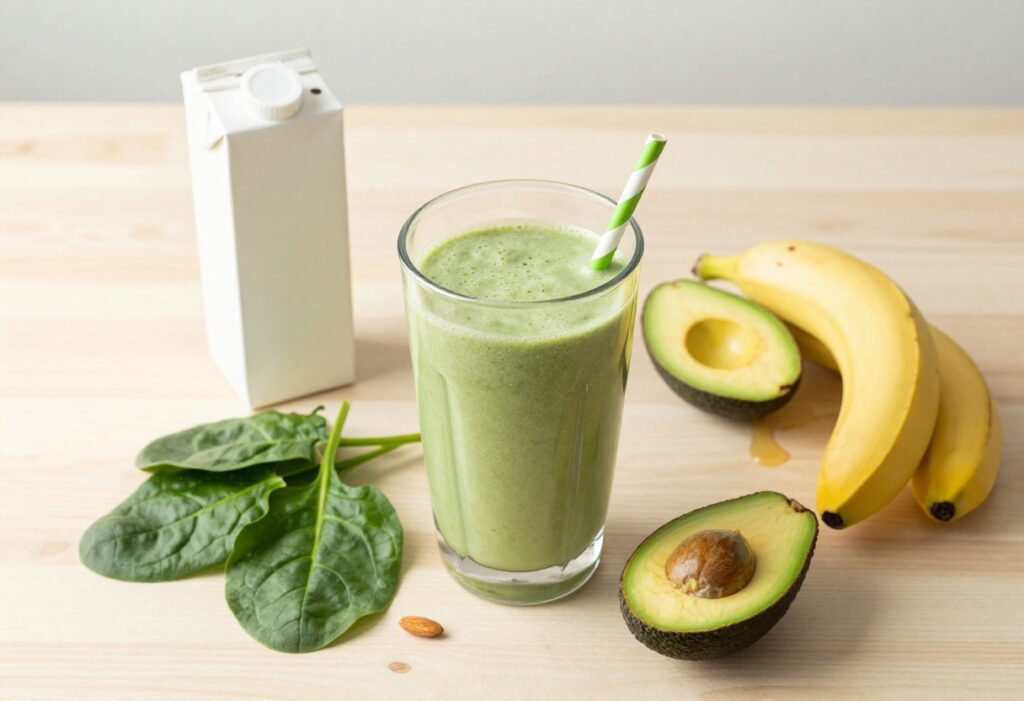
Starting a vegetarian diet meal plan can feel overwhelming, especially when you're not sure what to cook first. You want meals that are healthy, satisfying, and easy to prepare—without spending hours in the kitchen.
The good news is that you don't need complicated recipes or exotic ingredients to get started. With a few basic principles and a well-stocked pantry, you can create delicious vegetarian meals that support your health goals.
This guide is designed to take the guesswork out of your first week. We'll cover the foundational ideas behind a balanced vegetarian diet, the essential ingredients to keep on hand, and a progression of meal ideas from breakfast to dinner.
Start with the Basics: Key Principles for a Vegetarian Diet Meal Plan
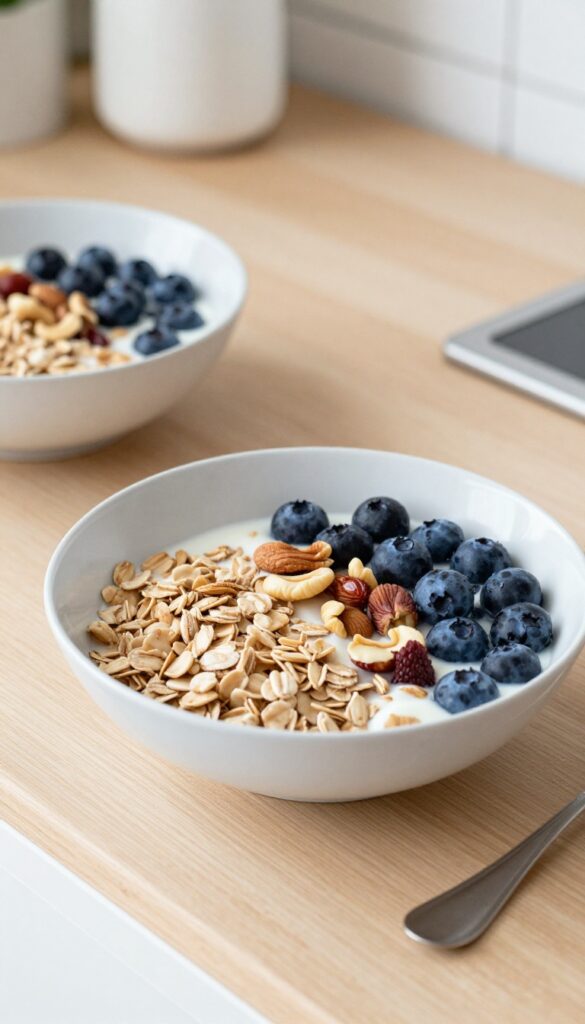
When you're new to vegetarian meal planning, it's easy to feel overwhelmed by all the options and advice. The key is to start simple and focus on a few core principles that make healthy eating sustainable. These basics will guide your choices and help you build a diet that supports your goals without unnecessary stress.
Why Whole Foods Matter
Whole foods—like vegetables, fruits, legumes, whole grains, nuts, and seeds—are the foundation of a nutritious vegetarian diet. They're packed with vitamins, minerals, and fiber, and they help you feel full and satisfied. By centering your meals on these ingredients, you naturally reduce processed foods that often contain added sugars, unhealthy fats, and excess sodium.
This doesn't mean you can never enjoy a veggie burger or packaged snack, but aim for 80-90% of your intake to come from whole foods.
How to Ensure Adequate Protein
A common concern is getting enough protein without meat. Fortunately, plant-based proteins are abundant. Include a variety of sources like lentils, beans, chickpeas, tofu, tempeh, edamame, quinoa, and seitan.
Dairy and eggs also count if you're lacto-ovo vegetarian. Aim for a protein source at each meal—for example, eggs at breakfast, chickpeas at lunch, and tofu at dinner. This approach ensures you meet your needs without complicated tracking.
Importance of Fiber for Satiety
Fiber is your best friend on a vegetarian diet. It slows digestion, stabilizes blood sugar, and keeps you feeling full longer. Whole plant foods are naturally high in fiber: oats, berries, apples, broccoli, spinach, beans, and lentils are excellent choices.
A high-fiber diet also supports digestive health and can aid weight management. Start your day with oatmeal topped with fruit, and include vegetables or legumes in every meal.
Keep It Simple and Repeatable
- The most effective meal plan is one you can stick with. Instead of trying 20 new recipes a week, build a rotation of 5-7 go-to meals. This reduces decision fatigue and makes grocery shopping easier.
- Focus on meals that use overlapping ingredients to minimize waste. For example, cook a big batch of quinoa and use it in breakfast bowls, lunch salads, and dinner stir-fries. Simplicity is the secret to long-term success.
Stock Your Pantry: Essential Ingredients for Quick Vegetarian Meals
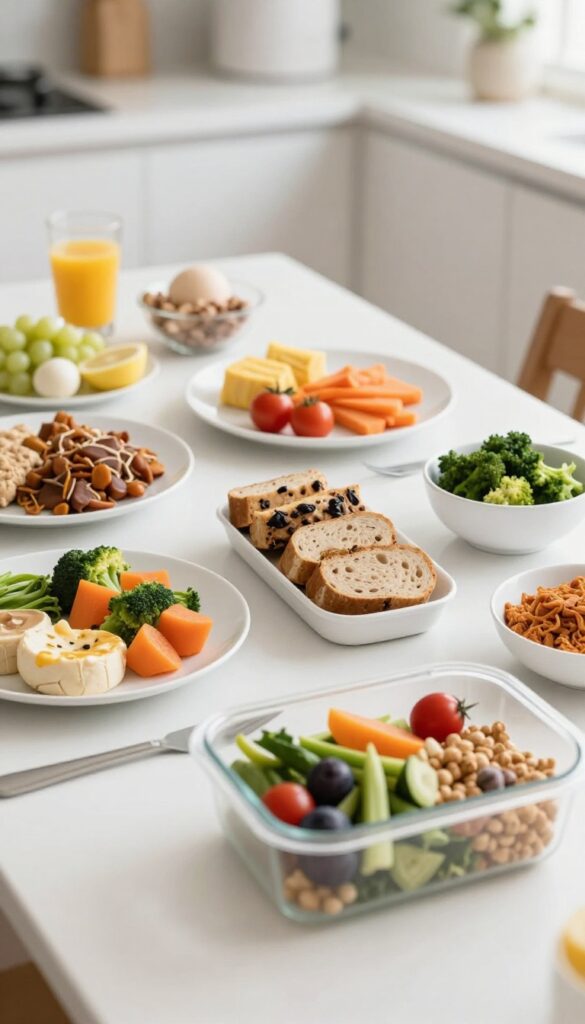
A well-stocked pantry is the foundation of stress-free vegetarian cooking. When you have the right staples on hand, you can throw together a healthy meal in minutes. Here are the essentials to keep in your kitchen.
Legumes and Lentils
- Canned beans: black, kidney, chickpeas
- Dried lentils: red (cook in 15 min), green or brown (20-30 min)
- Canned lentils for instant salads and soups
Whole Grains
- Quinoa: cooks in 15 min, high in protein
- Brown rice: chewy and filling, perfect for bowls
- Rolled oats: for breakfast or savory dishes
Canned Goods
- Canned tomatoes: diced, crushed, or whole
- Coconut milk: for creamy curries and soups
- Vegetable broth: base for soups and grains
Spices and Herbs
- Cumin: earthy and warm
- Paprika: smoky or sweet
- Garlic powder: instant savory depth
- Dried oregano, thyme, chili flakes
Healthy Oils and Vinegars
- Olive oil: for sautéing and dressings
- Coconut or avocado oil: for high-heat cooking
- Balsamic vinegar: tangy and sweet
- Apple cider vinegar: for marinades and dressings
First Meal: Simple and Satisfying Breakfasts
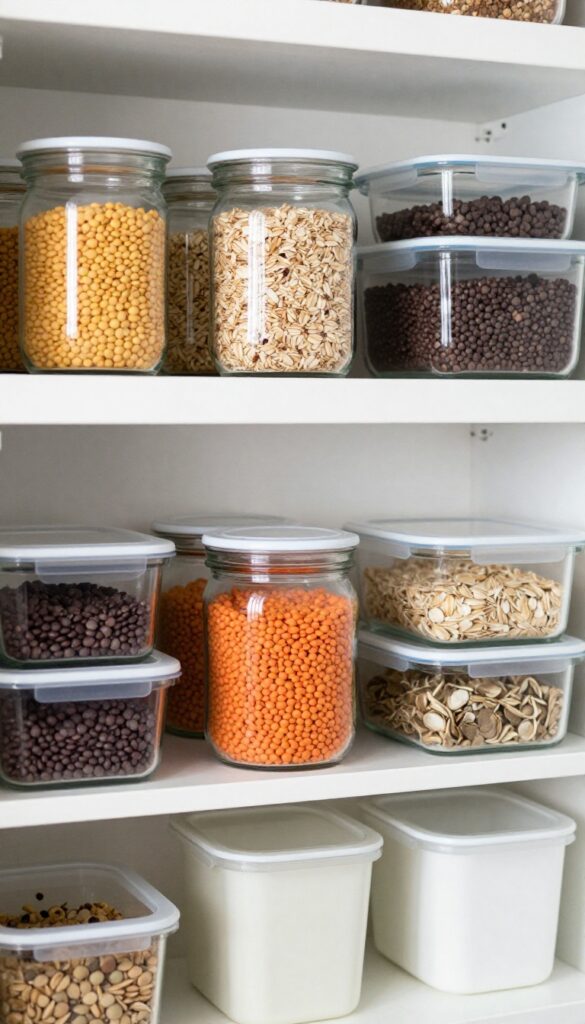
Breakfast sets the tone for your day, especially when you're following a vegetarian diet meal plan. The key is to choose options that are high in protein, fiber, and healthy fats to keep you full and energized until lunch. Here are three easy, make-ahead breakfasts that deliver balanced macros and great taste.
Overnight Oats with Berries and Nuts
Overnight oats are a lifesaver for busy mornings. Simply combine rolled oats with your choice of milk (dairy or plant-based), a scoop of chia seeds, and a touch of maple syrup or mashed banana for sweetness. Stir in a handful of fresh or frozen berries and a tablespoon of chopped nuts or seeds.
Let it sit in the fridge overnight. In the morning, give it a stir and enjoy cold or warm it up. The chia seeds add extra protein and fiber, while the berries provide antioxidants.
This meal is easily customizable: try different fruits, nut butters, or spices like cinnamon.
Greek Yogurt Parfait with Fruit and Granola
A Greek yogurt parfait is as simple as layering plain Greek yogurt with fresh fruit and a sprinkle of granola. Greek yogurt is packed with protein—around 15-20 grams per serving—which helps with satiety. Choose unsweetened yogurt to avoid added sugars, and sweeten it naturally with berries, sliced banana, or a drizzle of honey.
For crunch, add a small handful of low-sugar granola or crushed nuts. Layer in a glass or bowl for a visually appealing breakfast that takes just minutes to assemble. You can also prep several parfaits in advance by keeping the granola separate until serving to maintain its crunch.
Scrambled Tofu with Vegetables
Scrambled tofu is a fantastic savory breakfast that mimics scrambled eggs. Press a block of extra-firm tofu to remove excess water, then crumble it into a skillet with a little oil. Sauté with diced onions, bell peppers, spinach, or any vegetables you have on hand.
Season with turmeric (for color), nutritional yeast (for a cheesy flavor), garlic powder, salt, and pepper. Cook for 5-7 minutes until heated through. Serve with whole-grain toast or a side of avocado.
This dish is rich in protein and can be made in bulk for quick reheats. The key is to not overcook the tofu—keep it moist and tender.
Lunch: Quick and Portable Bowls and Wraps
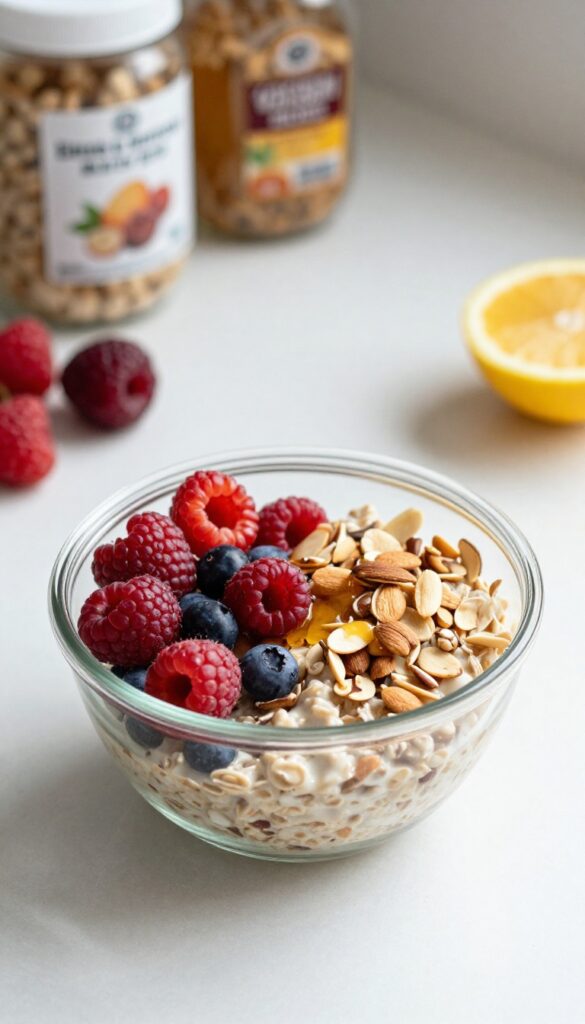
Lunch is often the meal that gets derailed by convenience. When you're out of the house, it's easy to grab something less healthy. That's why having a few go-to, portable lunch recipes is essential.
These three options are all easy to batch cook, pack well, and are loaded with protein and fiber to keep you full and focused.
Quinoa Black Bean Bowl with Avocado
This bowl comes together in minutes if you have cooked quinoa on hand. It's a perfect canvas for whatever veggies you have in the fridge. The combination of quinoa and black beans provides a complete protein, while avocado adds healthy fats and creaminess.
Assembly Tips
- Cook a big batch of quinoa at the start of the week and store it in the fridge.
- Use canned black beans (rinsed) or cook dried beans in bulk.
- Add fresh veggies like cherry tomatoes, cucumber, and bell peppers for crunch.
- Top with a simple lime-cilantro dressing: lime juice, olive oil, salt, and chopped cilantro.
- Portion into containers and grab one each morning.
Hummus and Veggie Wrap
Wraps are the ultimate portable lunch. The key is to use a sturdy wrap and not overfill it. Hummus provides protein and flavor, while fresh vegetables add crunch and nutrients.
Choose whole wheat or corn tortillas for extra fiber.
Wrap Rolling Technique
- Lay the wrap flat and spread a thin layer of hummus all over, leaving a 1-inch border.
- Layer your veggies in the center: shredded carrots, sliced bell peppers, cucumber ribbons, and greens.
- Fold in the sides, then roll tightly from the bottom, tucking as you go.
- Cut in half diagonally and wrap in parchment paper or foil for easy transport.
Lentil Soup with Spinach
Soup might not seem portable, but it's one of the best make-ahead lunches. Lentil soup is hearty, filling, and packed with protein and fiber. Plus, it's easy to make a big batch and freeze individual portions.
Soup Storage
- Cool soup completely before storing to prevent spoilage.
- Portion into airtight containers or freezer-safe bags.
- Label with date and contents.
- Reheat on the stovetop or microwave. Add a splash of water or broth if it thickens.
- Pair with a side of whole grain bread or a handful of crackers for a complete meal.
Dinner: Hearty One-Pot Meals for Busy Evenings
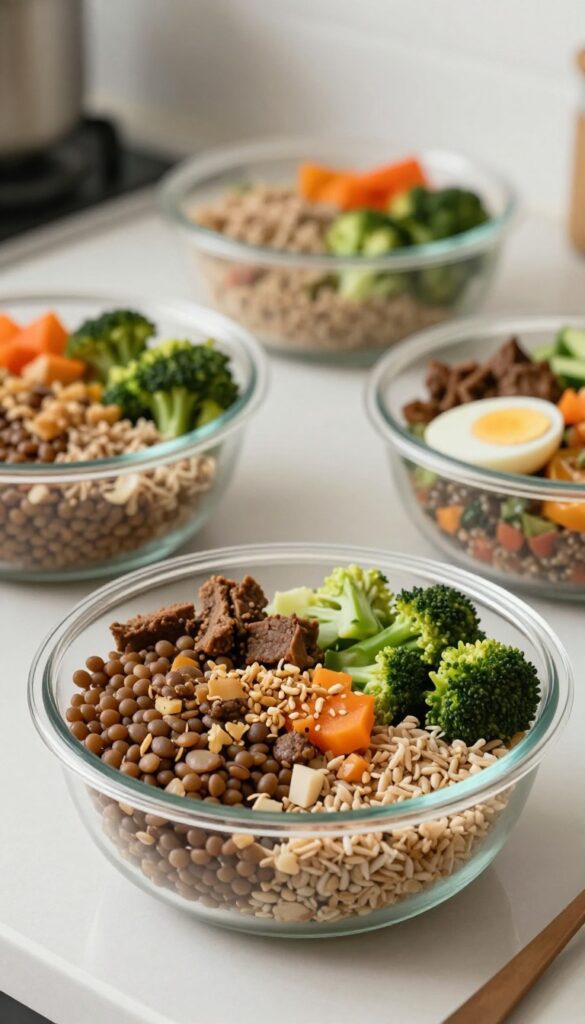
After a long day, the last thing you want is a sink full of dishes. That’s where one-pot dinners come in. These meals are designed to minimize cleanup while maximizing flavor and nutrition.
They’re also perfect for batch cooking—make extra and you’ll have lunch or dinner ready for the next day. Here are three go-to recipes that are simple, satisfying, and diet-friendly.
Vegetarian Chili with Beans and Vegetables
A hearty chili is a one-pot wonder. Start by sautéing onions, garlic, and bell peppers in a large pot. Add canned tomatoes, kidney beans, black beans, corn, and a homemade chili seasoning blend (chili powder, cumin, smoked paprika, oregano, and a pinch of cayenne).
Let it simmer for 20–30 minutes. The result is a thick, flavorful chili that’s packed with protein and fiber. Serve with a dollop of Greek yogurt or avocado for creaminess.
Stir-Fried Tofu with Broccoli and Brown Rice
For a quick dinner, stir-fry is your best friend. Press and cube extra-firm tofu, then pan-fry until golden. Remove and set aside.
In the same pan, stir-fry broccoli florets, carrots, and snap peas. Add the tofu back along with a simple sauce: whisk together low-sodium soy sauce, minced garlic, grated ginger, a splash of rice vinegar, and a teaspoon of sesame oil. Serve over cooked brown rice.
This meal comes together in under 30 minutes and is endlessly customizable.
Lentil Bolognese with Whole Wheat Pasta
Lentils make a perfect meat substitute in bolognese sauce. Sauté onion, carrot, and celery until soft. Add minced garlic, dried oregano, and a bay leaf.
Stir in brown or green lentils, canned crushed tomatoes, and vegetable broth. Simmer for 25–30 minutes until lentils are tender and the sauce thickens. The texture should be hearty but not mushy—lentils should hold their shape slightly.
Toss with whole wheat pasta and top with a sprinkle of Parmesan or nutritional yeast.
Key Tips for One-Pot Success
- Use a heavy-bottomed pot or Dutch oven for even heat distribution.
- Prep all ingredients before you start cooking to make the process seamless.
- Double the recipe and freeze half for a busy night later.
- Adjust spices to your preference—start with less and add more as needed.
Snacks and Sides: Keep It Simple and Satisfying
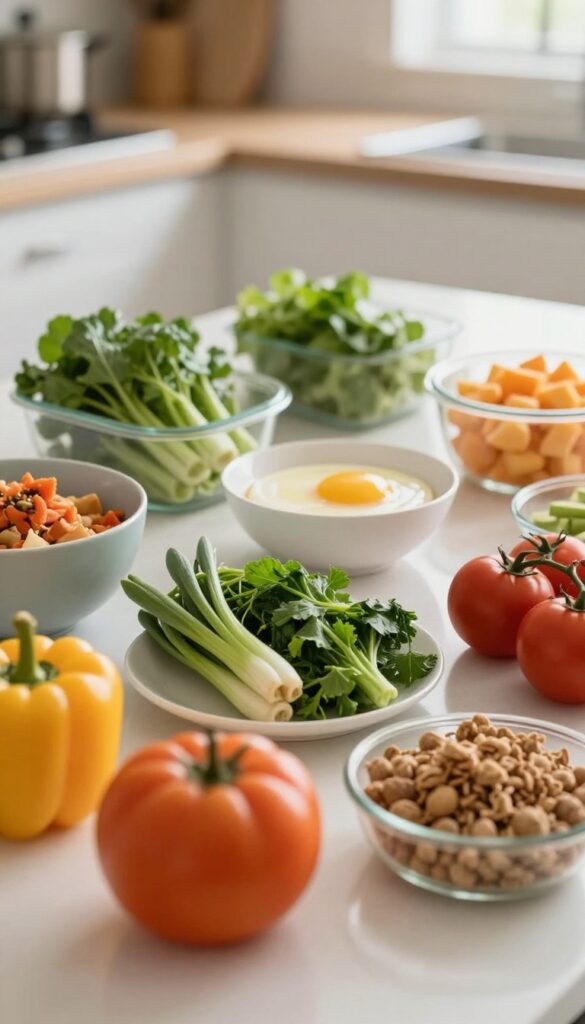
Snacks and sides are your secret weapons for staying on track between meals. The key is to keep them simple, portion-controlled, and packed with nutrients that keep you full and energized.
Smart Snack Ideas
- Raw veggies with hummus: A classic that never fails. Pair crunchy carrots, cucumber, and bell peppers with a serving of hummus for fiber, protein, and healthy fats. Stick to about 1/4 cup of hummus to keep portions in check.
- Apple slices with peanut butter: The perfect balance of sweet and savory. One medium apple with 1 tablespoon of peanut butter provides a satisfying mix of carbs, protein, and healthy fats. Choose natural peanut butter without added sugar or oils.
- Roasted chickpeas: Crunchy, savory, and full of protein. Toss canned chickpeas with olive oil and your favorite spices, then roast at 400°F for 20–30 minutes. A 1/2 cup serving is a great high-fiber snack.
- Edamame: Steamed edamame pods sprinkled with a little sea salt make for a protein-packed snack. One cup of shelled edamame offers about 18 grams of protein and plenty of fiber.
Portion Control Tips
- Pre-portion snacks into small containers or bags to avoid overeating.
- Use small bowls or plates instead of eating directly from the package.
- Pair a carbohydrate source (like fruit or veggies) with a protein or fat source to boost satiety.
Healthy Fat Sources to Include
- Hummus (made from chickpeas and tahini)
- Nut butters (peanut, almond, or cashew)
- Avocado
- Olive oil (for roasting veggies or drizzling)
- Seeds (pumpkin, sunflower, or chia)
What to Avoid
Steer clear of packaged snack bars with added sugar—they often sneak in extra calories and don't keep you full. Instead, stick to whole-food snacks that provide real nutrition.
Meal Prep Tips to Set Yourself Up for Success
A little planning goes a long way. Here’s how to prep like a pro without wasting food or time.
Weekly Prep Checklist
- Cook a big batch of grains (quinoa, brown rice, farro) to use throughout the week.
- Chop sturdy vegetables like bell peppers, onions, carrots, and broccoli and store in airtight containers.
- Wash and portion out salad greens and herbs, lined with paper towels to stay crisp.
- Hard-boil a half-dozen eggs for quick protein.
- Make a batch of dressing or sauce (like lemon-tahini or balsamic vinaigrette).
- Portion snacks like nuts, seeds, fruit, and yogurt into grab-and-go containers.
Storage Tips for Freshness
Use clear glass or BPA-free plastic containers so you can see what’s inside. Keep cut vegetables in water to stay crunchy, and store herbs like cilantro or parsley with stems in a jar of water in the fridge. Mason jars are perfect for layered salads: dressing on the bottom, hearty veggies, then greens on top.
Avoid Overprepping
It’s tempting to prep everything at once, but some foods don’t last. Avocados, sliced apples, and delicate greens like arugula are best prepped the day you eat them. Start with 3–4 days’ worth of prepped ingredients, then adjust based on your weekly schedule.
FAQ
Can I lose weight on a vegetarian diet meal plan?
Yes, a well-planned vegetarian diet can support weight loss by emphasizing whole, nutrient-dense foods that are lower in calories and higher in fiber. Focus on vegetables, fruits, legumes, whole grains, and healthy fats, and be mindful of portion sizes.
What are the best sources of protein for vegetarians?
Excellent vegetarian protein sources include lentils, chickpeas, black beans, tofu, tempeh, edamame, quinoa, Greek yogurt, cottage cheese, eggs (if lacto-ovo), nuts, and seeds. Combining different sources throughout the day ensures you get all essential amino acids.
How do I avoid feeling hungry on a vegetarian diet?
To stay full, include protein and fiber at every meal. Foods like beans, lentils, quinoa, vegetables, and whole grains provide lasting satiety. Also, don't skimp on healthy fats from avocados, nuts, and olive oil, which help regulate appetite.
Can I eat carbs on a vegetarian diet meal plan?
Absolutely. Carbohydrates from whole food sources like oats, brown rice, quinoa, sweet potatoes, and fruits are essential for energy. The key is to choose complex carbs that are rich in fiber and nutrients, rather than refined carbs.
How many meals should I eat per day?
There's no one-size-fits-all answer. Many people do well with three balanced meals and one or two snacks. Listen to your hunger cues and adjust.
The most important factor is the quality and balance of what you eat.
Conclusion
Starting a vegetarian diet meal plan doesn't have to be complicated. By focusing on simple, whole-food meals and building a routine around a few key recipes, you can set yourself up for long-term success. The meals we've covered—from overnight oats to lentil bolognese—are designed to be approachable, nutritious, and delicious.
Remember that your journey is unique. Experiment with different flavors and ingredients, and don't be afraid to repeat meals that work for you.

Dr. Pallab Kishore, MS in Orthodontics and owner of Orthodontic Braces Care, shares expert tips on braces, aligners, and oral health from 10+ years of experience.