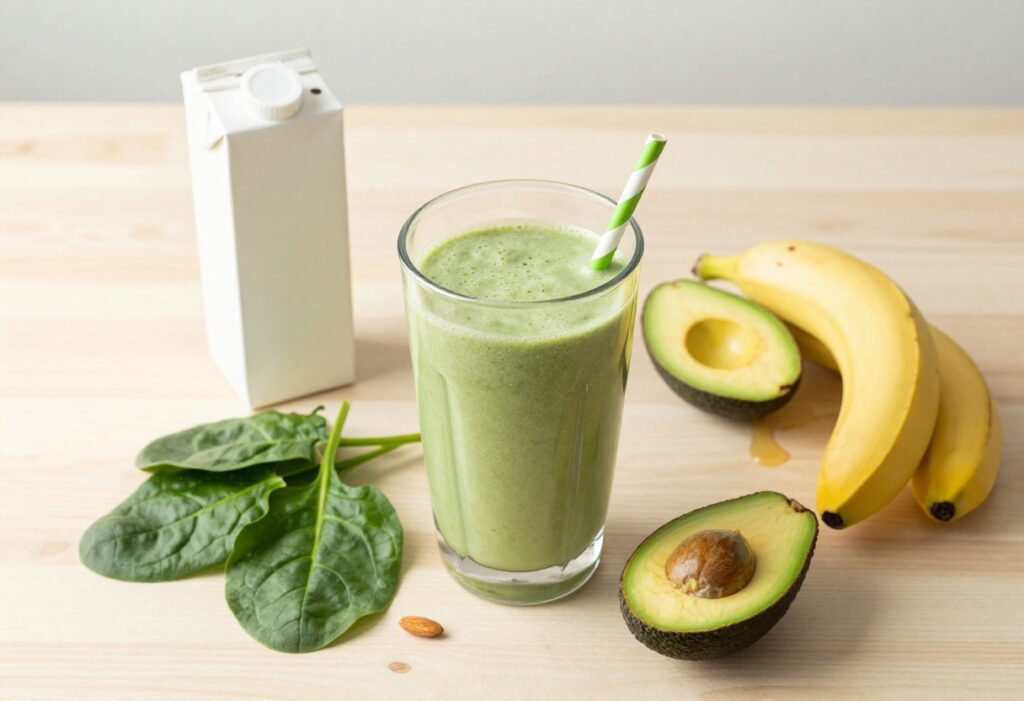
The 7-day detox diet cleanse has become a viral sensation across social media platforms, promising a quick reset for your body. From Instagram influencers to wellness blogs, everyone seems to be talking about this week-long regimen.
But what exactly is driving its popularity? In this article, we'll explore the cultural, psychological, and practical reasons behind the 7-day detox craze.
While the idea of flushing out toxins and shedding a few pounds in just seven days is appealing, it's important to separate fact from fiction. We'll look at what a typical 7-day detox involves, the benefits proponents claim, and the criticisms from health experts.
The Rise of the 7-Day Detox: A Cultural Phenomenon

In recent years, the 7-day detox cleanse has exploded in popularity, becoming a staple of online health and wellness conversations. Scrolling through social media, you're likely to encounter before-and-after photos, glowing testimonials, and influencer-endorsed juice cleanses promising a fresh start. But how did this short-term diet trend capture the collective imagination?
The rapid rise of the 7-day detox can be traced to a few key factors that align perfectly with the digital age.
- Social media influence: Platforms like Instagram and TikTok thrive on visual transformations. A 7-day cleanse offers a quick, photogenic narrative—perfect for sharing progress shots and daily updates.
- Celebrity endorsements: When celebrities and wellness influencers share their detox experiences, it lends credibility and aspirational appeal. Their posts often go viral, sparking curiosity and imitation.
- Promise of quick results: In a world that values speed, the idea of resetting your body in just one week is highly attractive. The promise of weight loss, clearer skin, and renewed energy creates a compelling hook.
Testimonials play a huge role in fueling the trend. Real-life stories—whether from friends or online strangers—make the detox feel accessible and effective. A single compelling before-and-after photo can inspire thousands to try it themselves.
It's important to note that while the popularity is undeniable, individual results vary, and not all claims are backed by science. This article explores the phenomenon without endorsing extreme or unsafe practices.
What Exactly Is a 7-Day Detox Cleanse?

A 7-day detox cleanse is a short-term dietary reset designed to give your digestive system a break and flood your body with nutrients. While there's no single official definition, most plans share a common foundation: they eliminate processed foods, sugar, alcohol, and caffeine, and replace them with whole foods, liquids, and targeted supplements.
Common Components
- Liquid-based nutrition: fresh juices, smoothies, broths, and herbal teas make up the bulk of intake.
- Whole foods: when solid food is allowed, it's typically fruits, vegetables, nuts, seeds, and legumes.
- Supplements: some programs include fiber powders, probiotics, or herbal blends to support digestion and elimination.
- Elimination: all processed items, dairy, gluten, red meat, alcohol, and caffeine are removed.
Sample Daily Schedule
- Morning: warm lemon water, followed by a green smoothie or fresh juice.
- Mid-morning: herbal tea or a small handful of raw almonds.
- Lunch: large salad with leafy greens, vegetables, and a light dressing, or a blended soup.
- Afternoon snack: sliced vegetables or a fruit.
- Dinner: steamed vegetables with quinoa or a vegetable-based broth.
- Evening: chamomile tea.
Why People Are Drawn to the 7-Day Format

The 7-day detox cleanse has become a viral phenomenon, but what exactly makes this specific timeframe so appealing? It taps into several psychological and practical factors that resonate with modern lifestyles.
First, the one-week commitment feels manageable. Unlike month-long diets that can feel overwhelming, seven days is short enough to fit into a busy schedule. It’s a finite challenge—something you can start on a Monday and finish by the following Sunday.
This clear endpoint reduces the mental burden of indefinite restriction.
Second, the promise of quick results is a powerful draw. Many people turn to detoxes after a period of indulgence—holidays, vacations, or just a few weeks of poor eating. The idea of “resetting” in just one week aligns with the desire for rapid change.
While lasting transformation requires more time, the initial boost in energy or drop in bloating can be motivating.
Third, a 7-day cleanse offers a sense of control. In a world where many aspects of health feel uncertain, following a structured plan provides a clear set of rules. This can be especially appealing for those who feel they’ve lost their dietary discipline.
The routine of drinking specific juices or eating only certain foods creates a sense of order.
Key Psychological Drivers
- Manageable time commitment – a week feels doable, not daunting.
- Perceived quick results – visible changes in energy and digestion within days.
- Sense of control – structured rules help regain dietary discipline.
Compared to longer diets, the 7-day format also reduces the risk of burnout. Many people have tried and failed at extended weight loss programs, leading to frustration. A shorter challenge feels like a low-stakes experiment: if it works, great; if not, it’s only a week.
This mindset lowers the barrier to starting.
However, it’s important to note that the psychological appeal doesn’t guarantee physical benefits. The popularity of the 7-day detox is driven more by human psychology than by scientific evidence. Still, understanding why people are drawn to it helps explain its viral success.
Potential Benefits: What the Hype Is About

Despite the controversies, many people report positive short-term effects from a 7-day detox cleanse. These benefits are often what fuel the online buzz and encourage others to give it a try. It's important to note that most of these improvements are temporary and linked to the drastic dietary changes rather than any magical detox process.
One of the most common benefits is a jumpstart to healthier eating. After a week of strict meal plans and whole foods, many people find it easier to continue making better food choices. The cleanse acts as a reset button for habits, breaking the cycle of cravings for sugar and processed foods.
- Reduced bloating: By cutting out high-sodium, high-fat, and gas-producing foods, many people experience a flatter stomach and less water retention.
- Increased hydration: The emphasis on water, herbal teas, and water-rich fruits and vegetables helps improve overall hydration, which can boost energy and skin appearance.
- Improved digestion: The high fiber intake from fruits, vegetables, and whole grains can regulate bowel movements and reduce constipation.
Beyond the physical changes, there's a significant psychological boost. Completing a 7-day challenge can provide a sense of accomplishment and control, especially for those who feel they've lost their way with eating. This mental lift can be a powerful motivator to maintain healthier habits afterward.
Remember, these benefits are largely short-term. For lasting health improvements, focus on sustainable dietary patterns rather than quick fixes.
Criticisms and Controversies

Despite the popularity of 7-day detox cleanses, they face significant criticism from health experts and researchers. While the idea of flushing toxins and resetting your body sounds appealing, the reality is more nuanced. Here, we explore the main controversies and why many professionals urge caution.
Lack of Scientific Support
One of the biggest criticisms is the lack of robust scientific evidence backing the claims made by detox proponents. The human body already has efficient detoxification systems—the liver, kidneys, lungs, and skin work continuously to eliminate waste and toxins. Experts argue that there is no proven need for a special diet to 'cleanse' these organs.
Most studies on detox diets are small, short-term, or lack control groups, making it difficult to draw reliable conclusions. As a result, many health organizations, including the National Center for Complementary and Integrative Health, state that there is little evidence that commercial detox diets remove toxins or improve health.
Potential Risks
Beyond the lack of proof, detox cleanses can pose real risks, especially when followed for a week or longer. Common side effects and concerns include:
- Nutrient deficiencies: Severely restricting calories or food groups can lead to inadequate intake of protein, vitamins, and minerals, potentially causing fatigue, dizziness, and weakened immunity.
- Electrolyte imbalances: Liquid-only diets or excessive water intake can disrupt electrolyte levels, leading to heart palpitations, muscle cramps, or more serious complications.
- Blood sugar swings: Low-calorie or juice-only plans can cause blood sugar drops, particularly in people with diabetes or insulin resistance.
- Digestive issues: Sudden changes in fiber intake or reliance on laxative ingredients can cause bloating, cramping, or diarrhea.
- Unsustainability: Most people regain any lost weight quickly after returning to normal eating, leading to a cycle of yo-yo dieting that can harm metabolism and mental health.
It's also worth noting that some detox products contain herbs, supplements, or laxatives that may interact with medications or cause allergic reactions. Without regulation, the safety and purity of these products are not guaranteed.
How to Approach a 7-Day Detox Safely

If you decide to try a 7-day detox, safety should come first. While these cleanses are popular, they aren't for everyone, and going in unprepared can lead to unpleasant side effects or health risks. Here’s how to approach a short-term detox in a way that supports your body rather than stressing it.
Consult a Healthcare Provider First
Before starting any detox, especially one that restricts calories or food groups, check in with a doctor or registered dietitian. This is particularly important if you have a chronic condition like diabetes, kidney disease, or a history of eating disorders. A professional can help you determine whether a 7-day cleanse is appropriate for you and may suggest modifications to make it safer.
Who Should Avoid Detoxes Altogether
Certain groups should generally steer clear of detox diets, including:
Listen to Your Body and Know the Warning Signs
During the detox, pay close attention to how you feel. It's normal to experience mild headaches or fatigue as your body adjusts, but certain symptoms mean it's time to stop:
If you experience any of these, stop the detox immediately and eat a balanced meal. Reintroduce foods gently—start with something light like soup or a smoothie before moving to solid foods.
Focus on Whole Foods, Not Extreme Restriction
A safe detox emphasizes nutrient-dense whole foods rather than severe calorie cutting or relying solely on juices. Aim for plenty of vegetables, fruits, lean proteins, healthy fats, and fiber. Avoid any plan that recommends fasting for more than 24 hours without medical supervision or that promises rapid weight loss through extreme restriction.
A Gentle Reminder
A 7-day detox is not a quick fix for long-term health. Use it as a reset to build healthier habits, not as a punishment or a crash diet. If you feel worse instead of better, honor that signal and stop.
FAQ
Does a 7-day detox cleanse help with weight loss?
Many people experience short-term weight loss due to reduced calorie intake and water loss. However, this is often not sustainable once normal eating resumes. The cleanse may help jumpstart healthier habits but is not a long-term weight loss solution.
Are there any side effects?
Common side effects include headaches, fatigue, hunger, and irritability, especially in the first few days. More severe risks like nutrient deficiencies or electrolyte imbalances can occur if the diet is too restrictive. It's important to listen to your body and consult a healthcare provider.
Can I exercise during a detox?
Light to moderate exercise is generally fine, but intense workouts may be challenging due to lower energy intake. Listen to your body and reduce intensity if needed. Stay hydrated and consider gentle activities like walking or yoga.
Who should avoid detox cleanses?
Pregnant or breastfeeding women, individuals with chronic health conditions (e.g., diabetes, kidney disease), those with a history of eating disorders, and people taking certain medications should avoid detox cleanses. Always consult a doctor before starting any restrictive diet.
Conclusion
The 7-day detox cleanse has captured the online world's attention with its promise of a quick reset and manageable time frame. Its popularity stems from a mix of social media influence, the appeal of short-term challenges, and the desire for a fresh start.
However, it's crucial to approach such diets with a critical eye, recognizing both the potential benefits and the lack of scientific backing. Ultimately, the best approach to health is a balanced, sustainable lifestyle rather than a quick fix.

Dr. Pallab Kishore, MS in Orthodontics and owner of Orthodontic Braces Care, shares expert tips on braces, aligners, and oral health from 10+ years of experience.